A fleeting sense of, revisited

Wildlife Care to Papered Bandicoots
Slow Read
Town Hall Gallery, 360 Burwood Road, Hawthorn
Wednesday 6th May – Saturday 25th July, 2026
“The eastern barred bandicoot was once found in abundance across the basalt plains of western Victoria. But habitat destruction and predation by introduced red foxes drove the species to the brink of extinction on the mainland.”
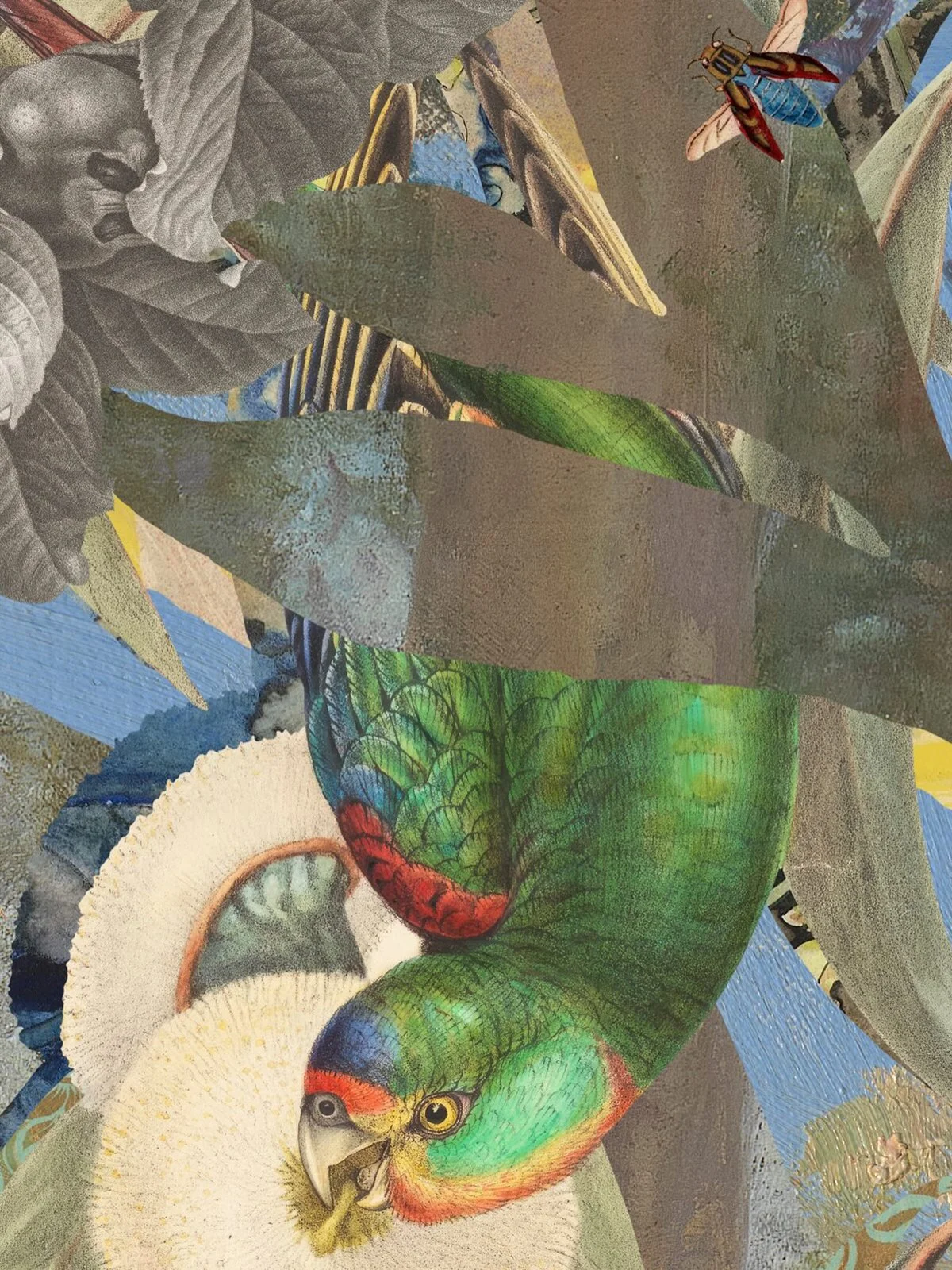
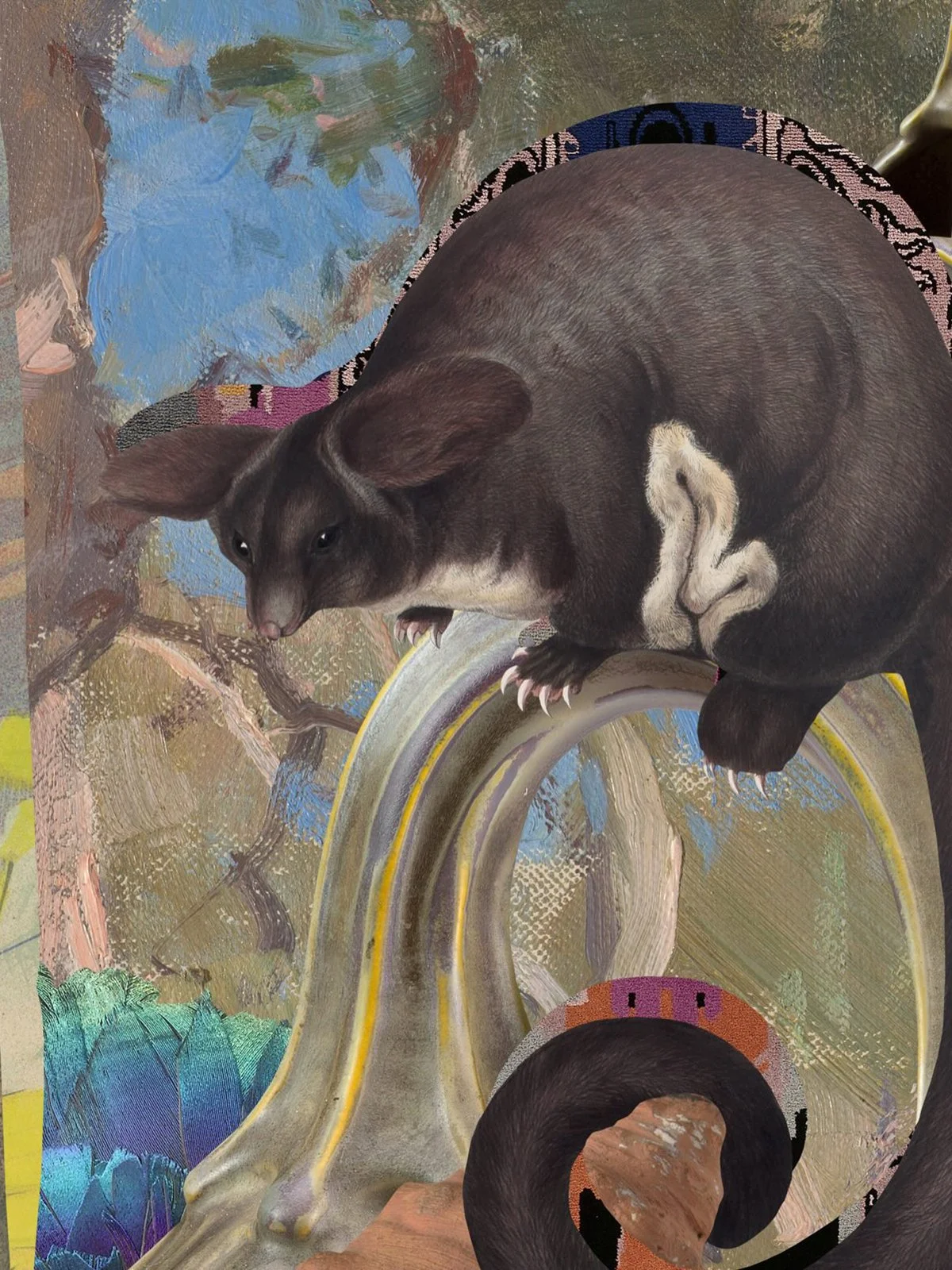
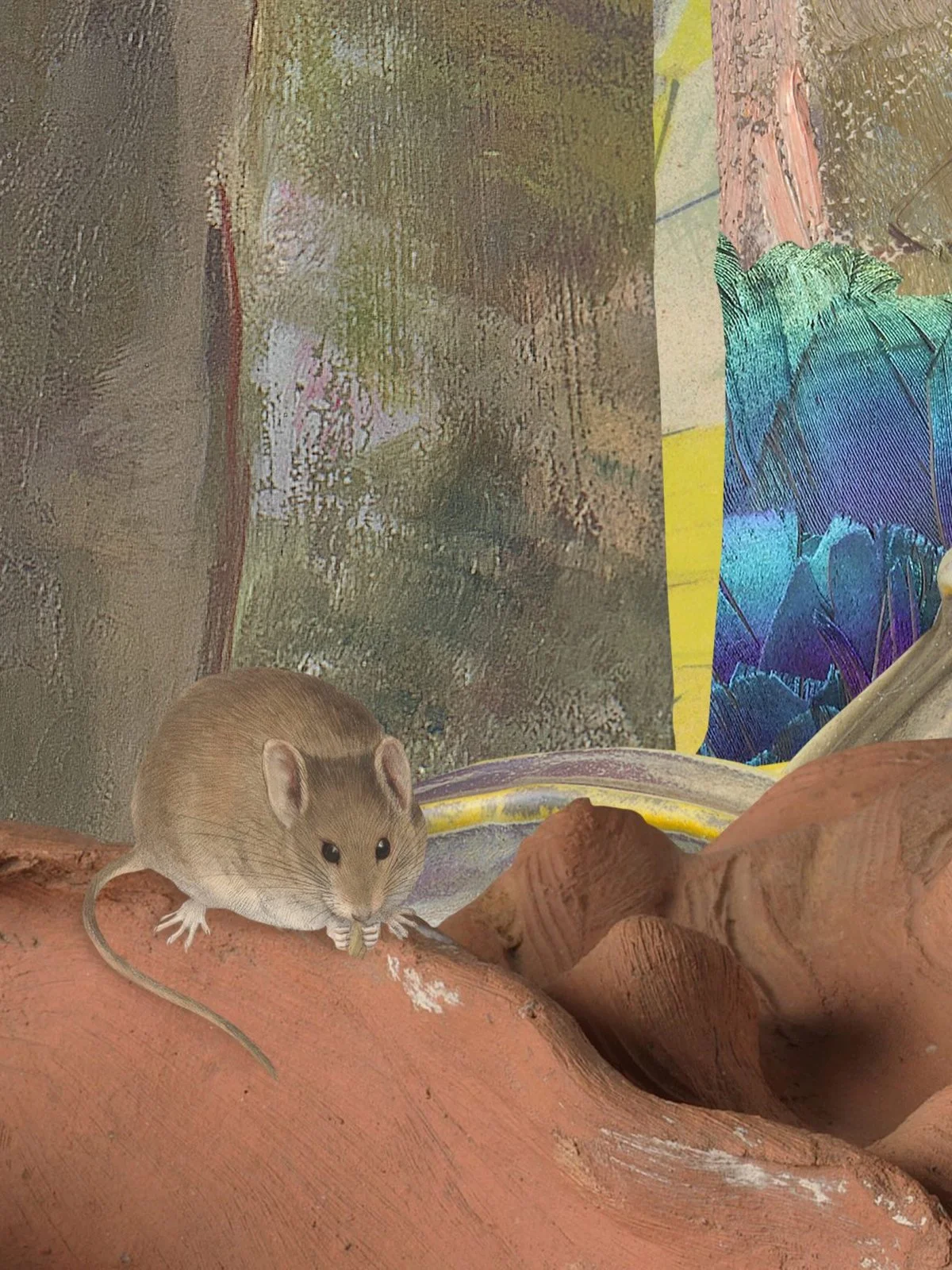
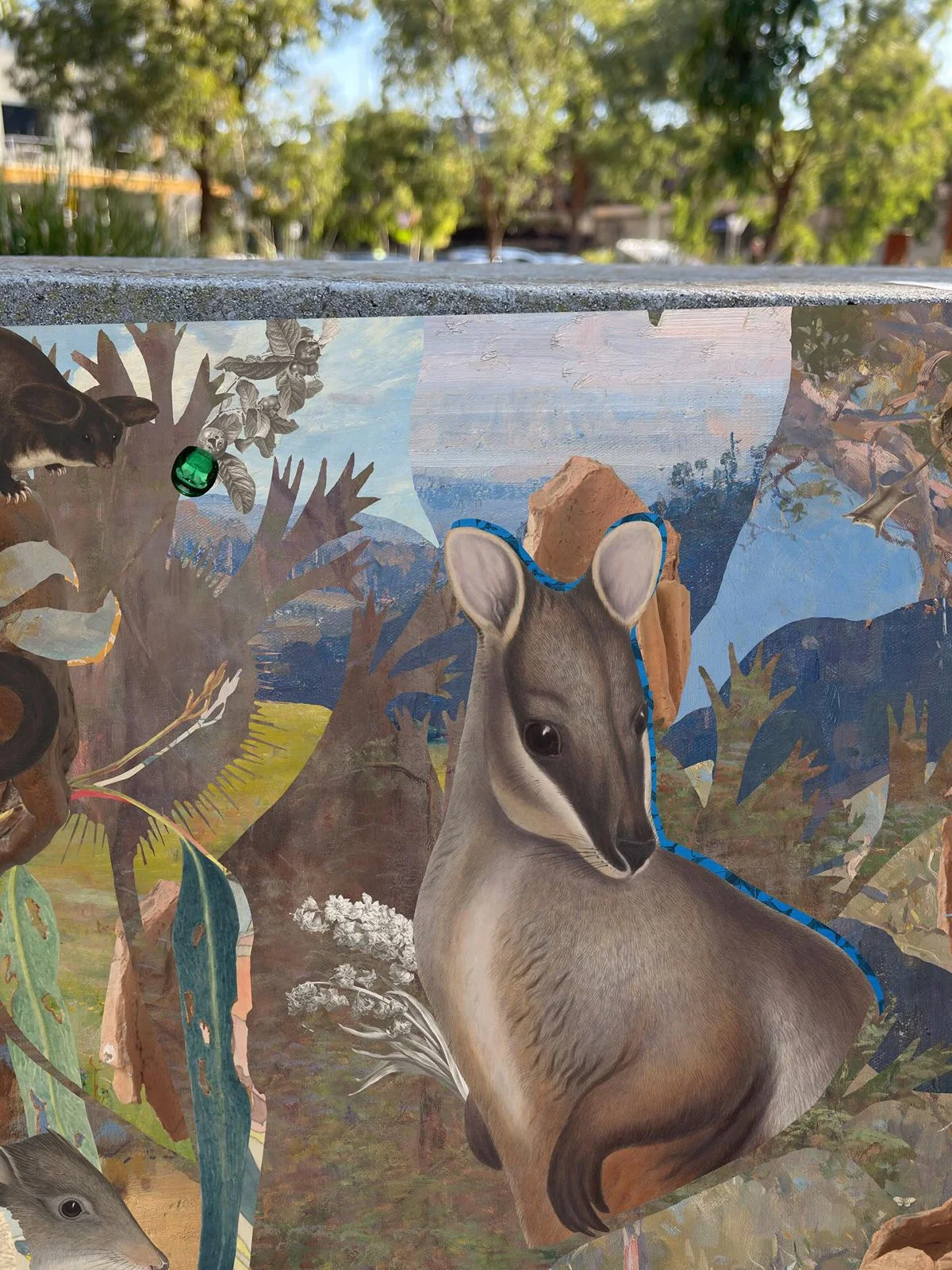
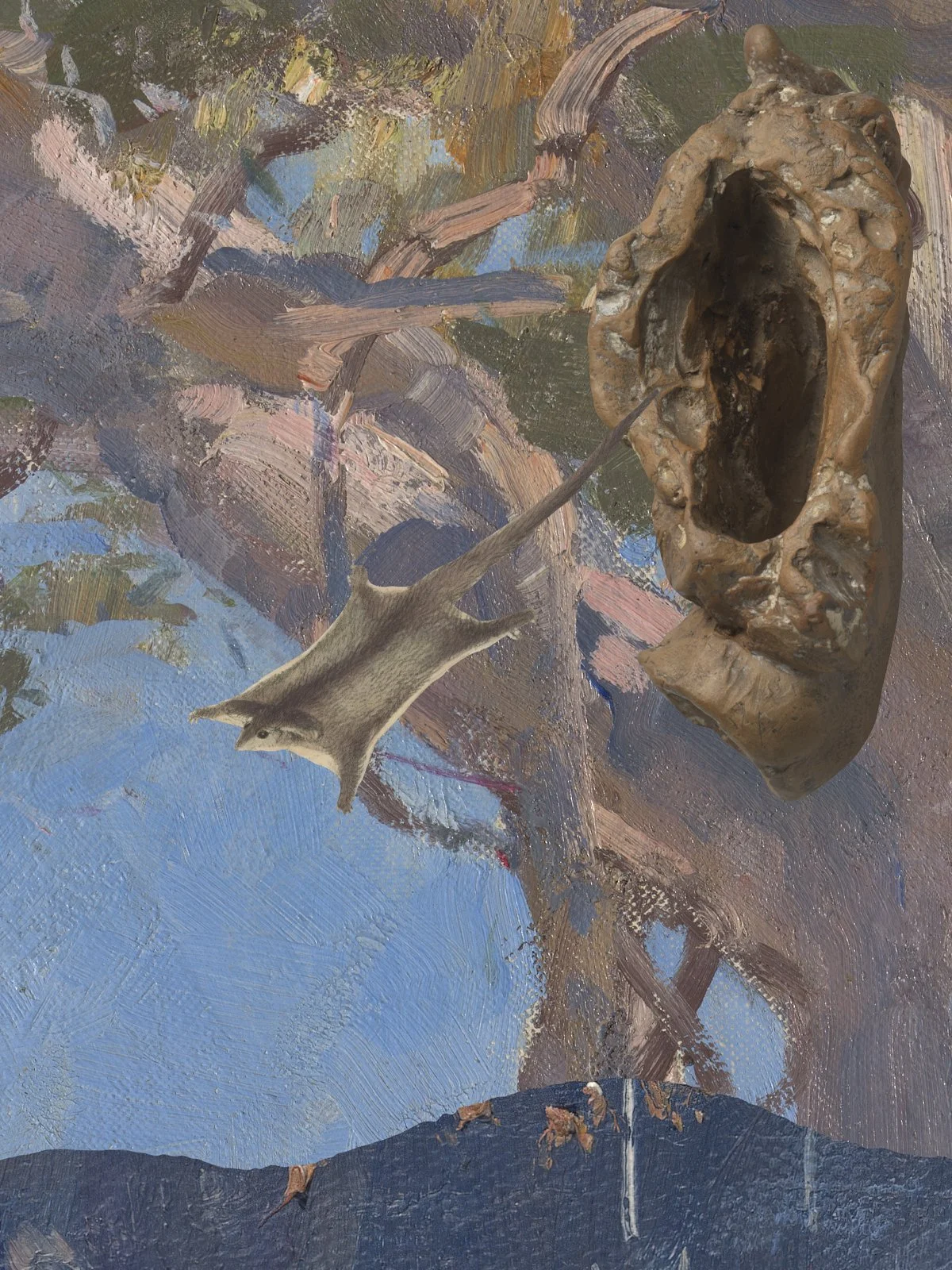
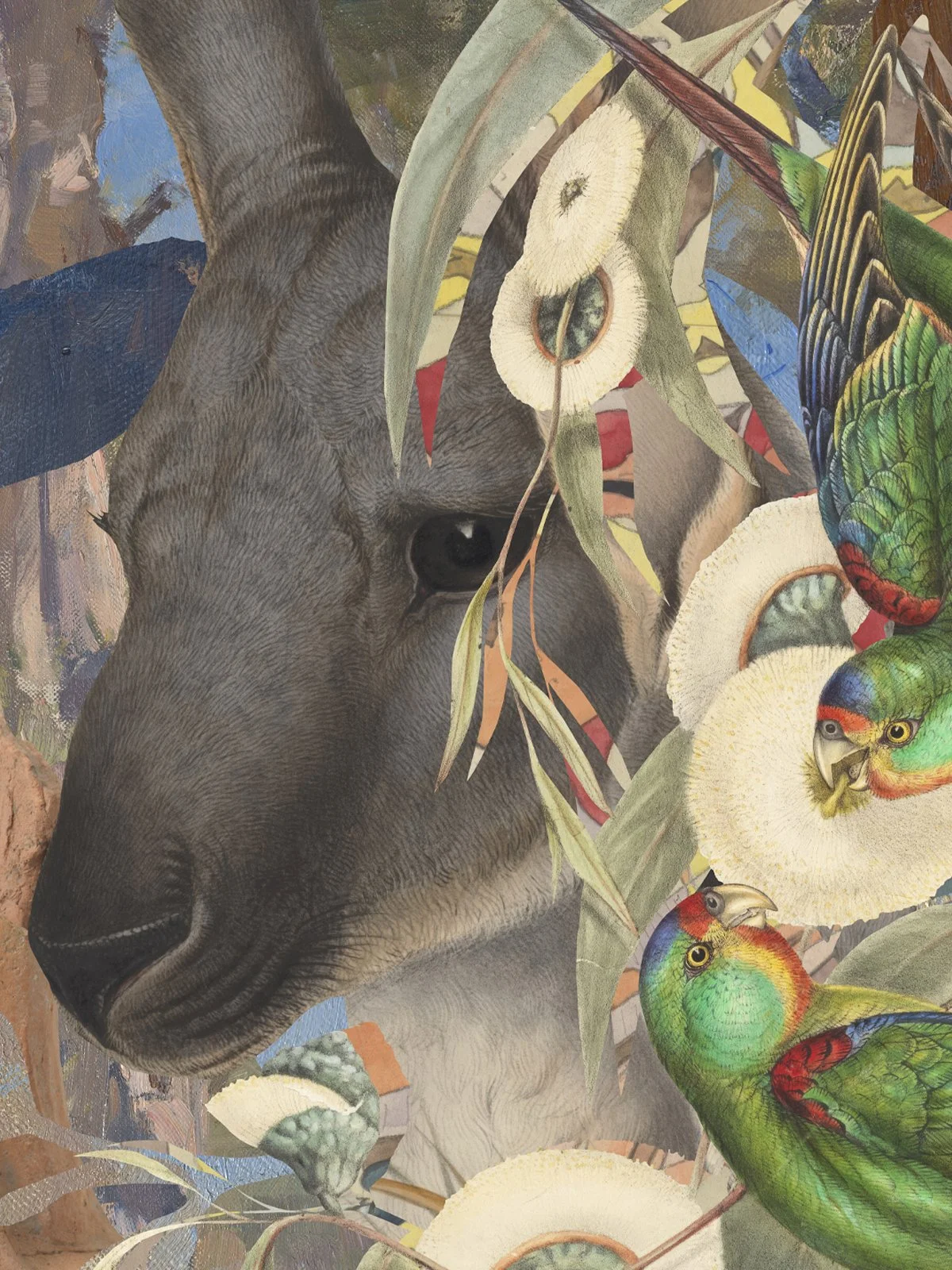
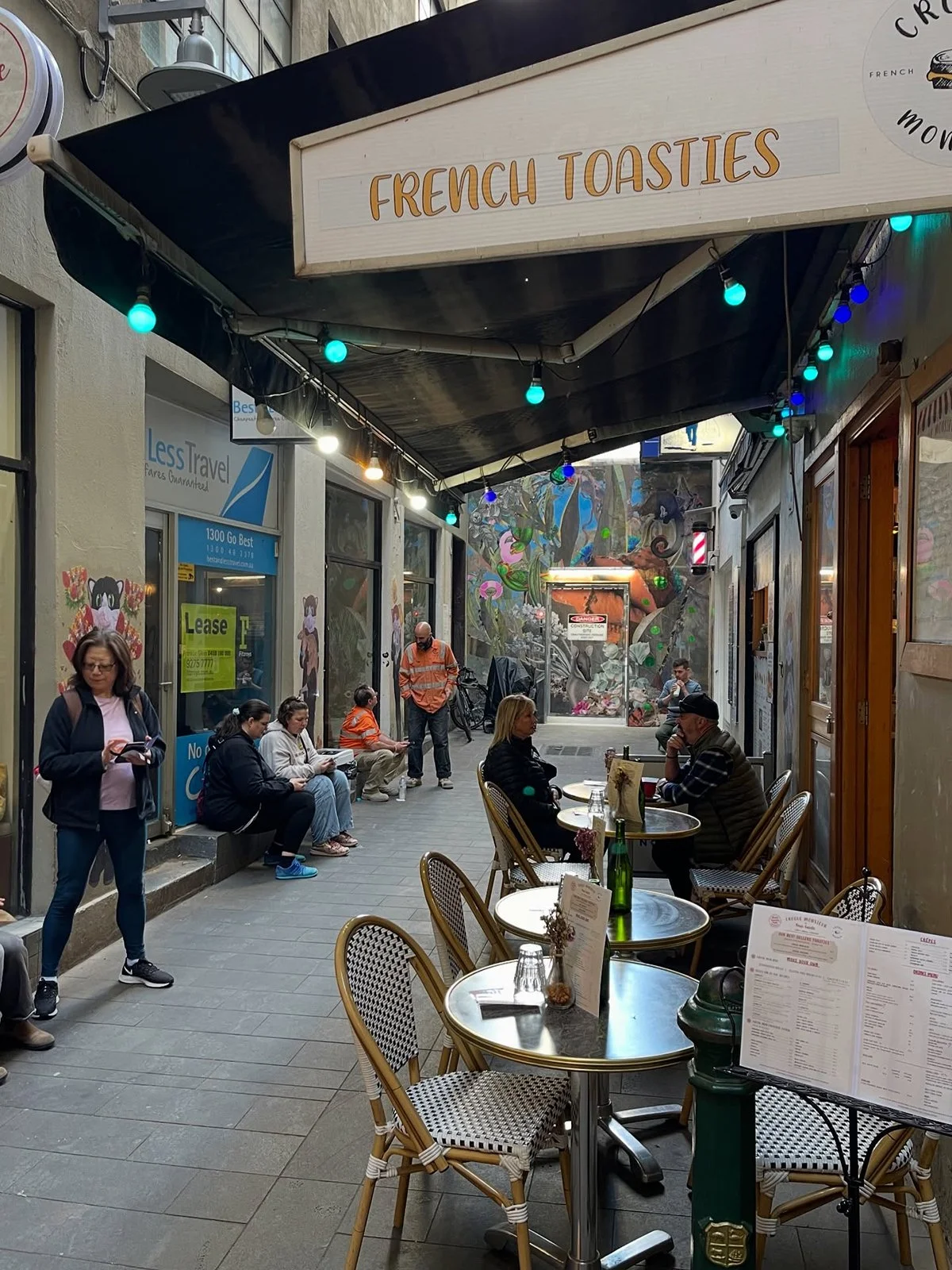
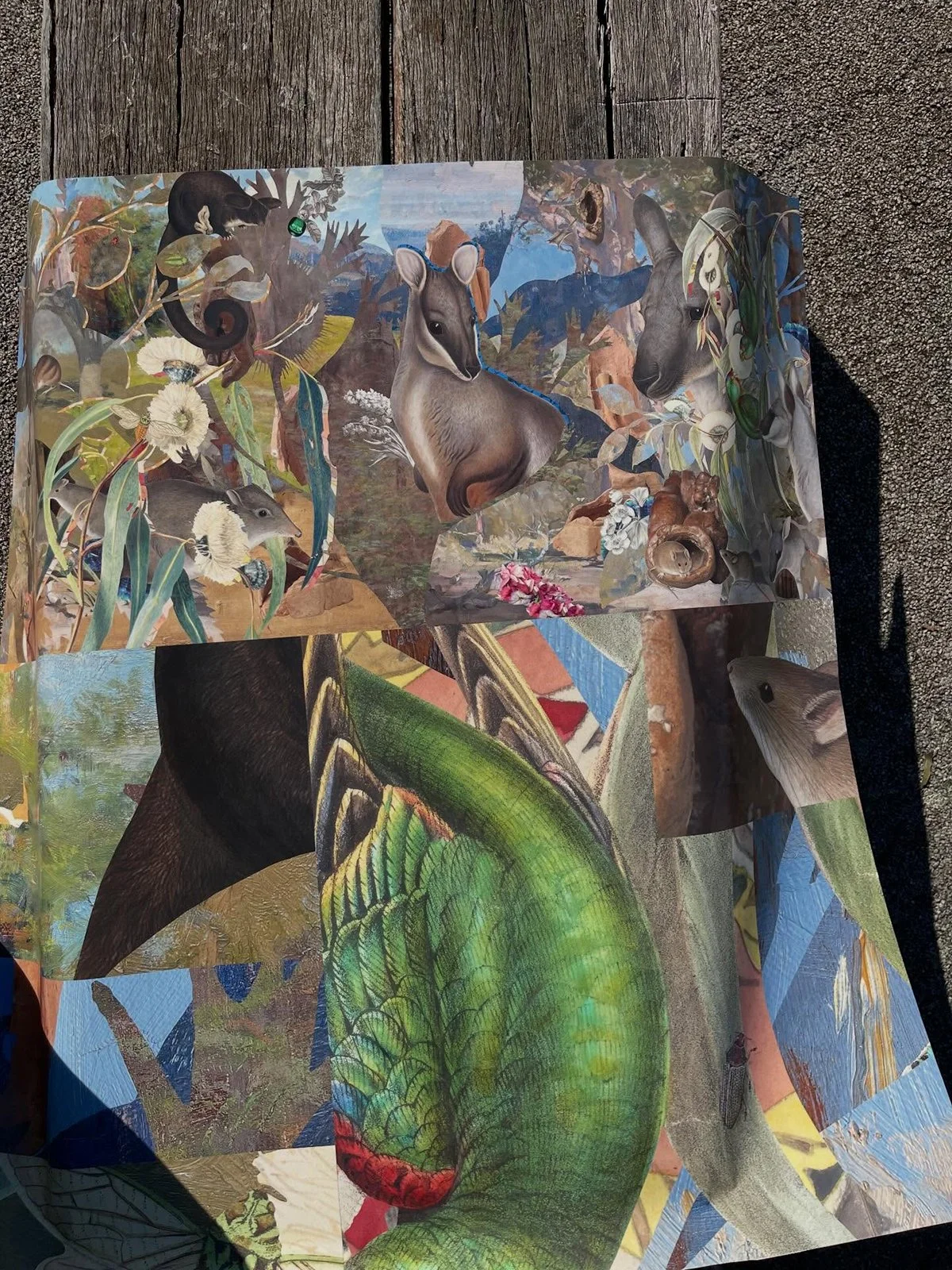
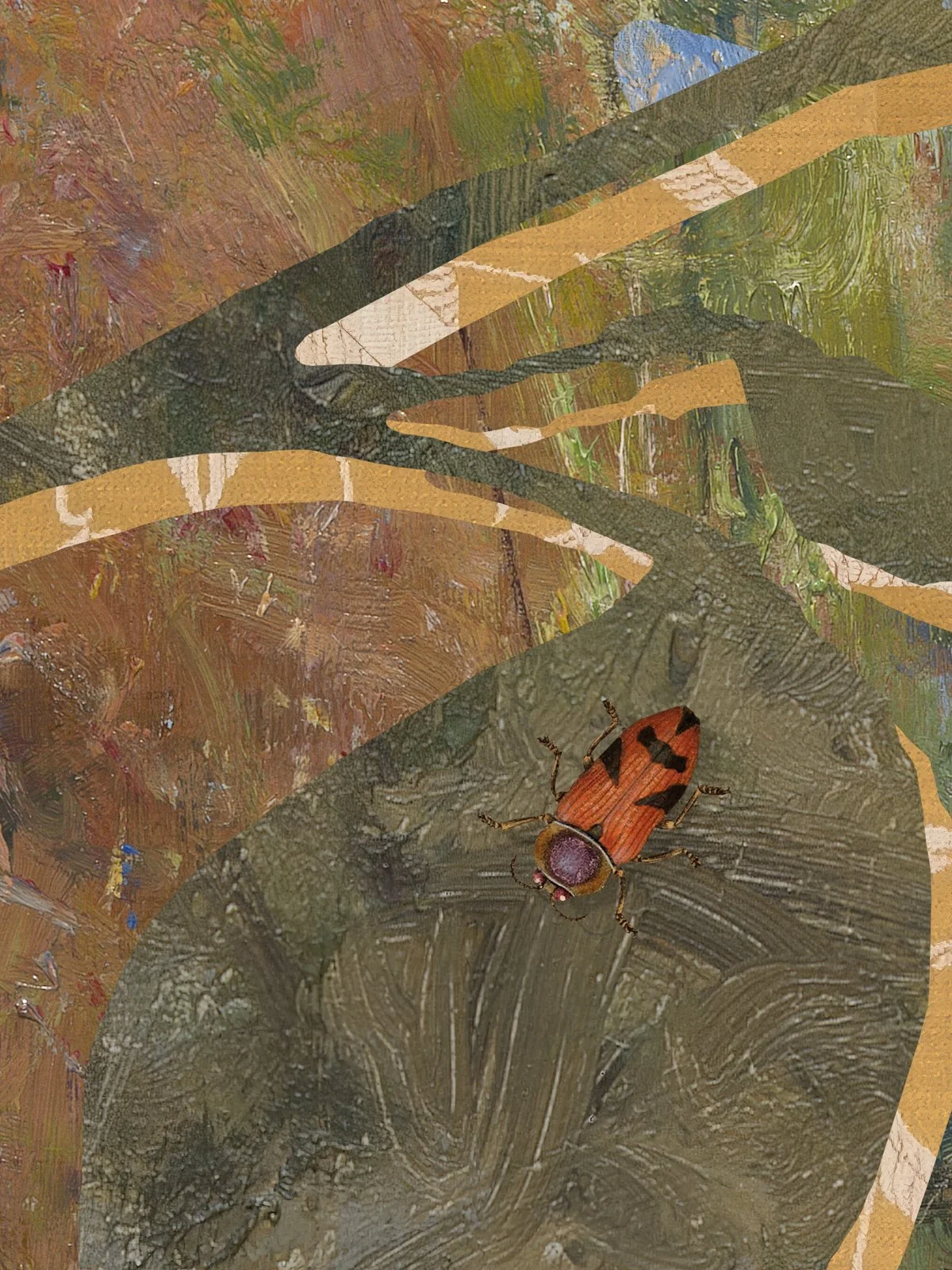
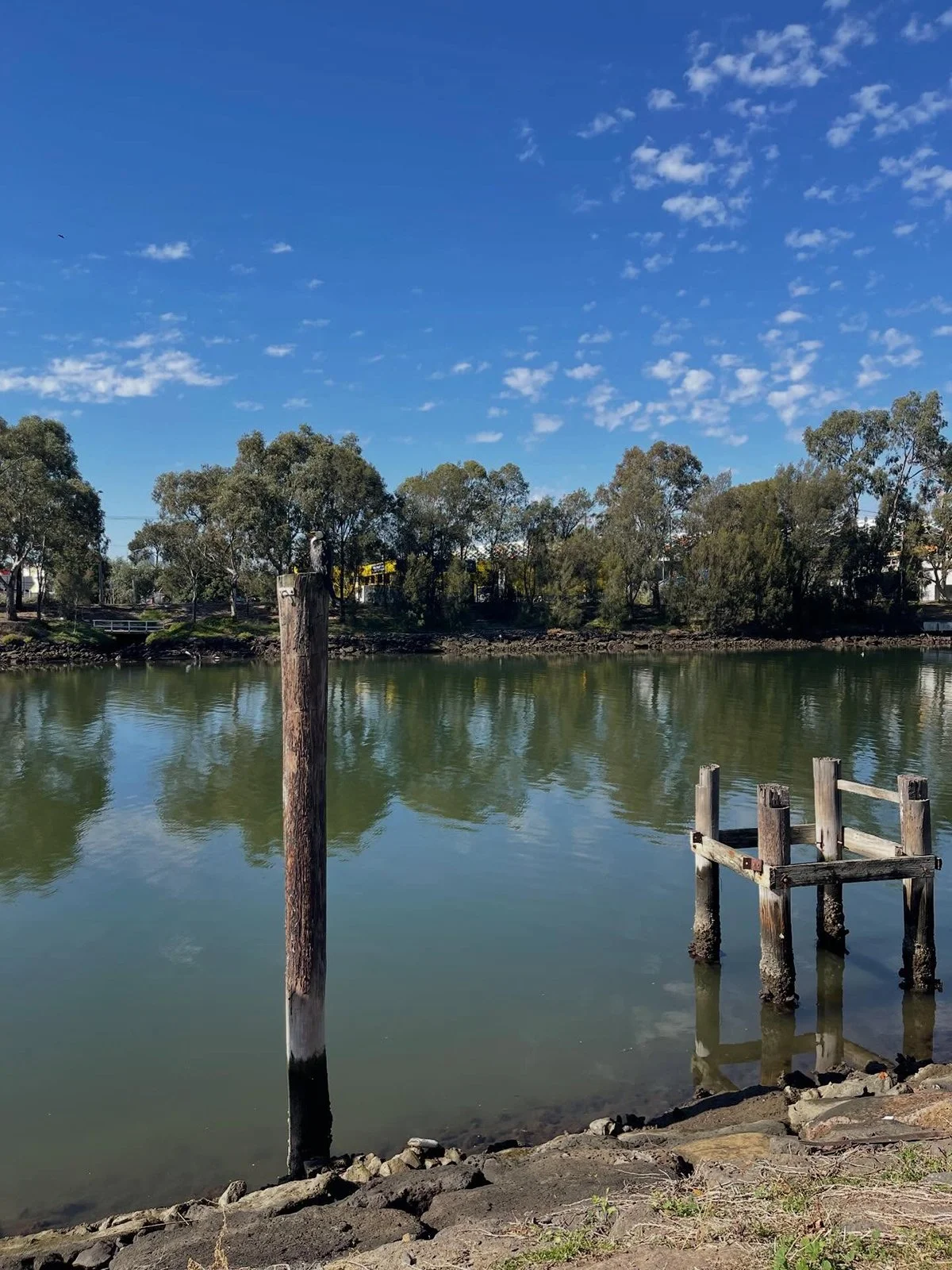
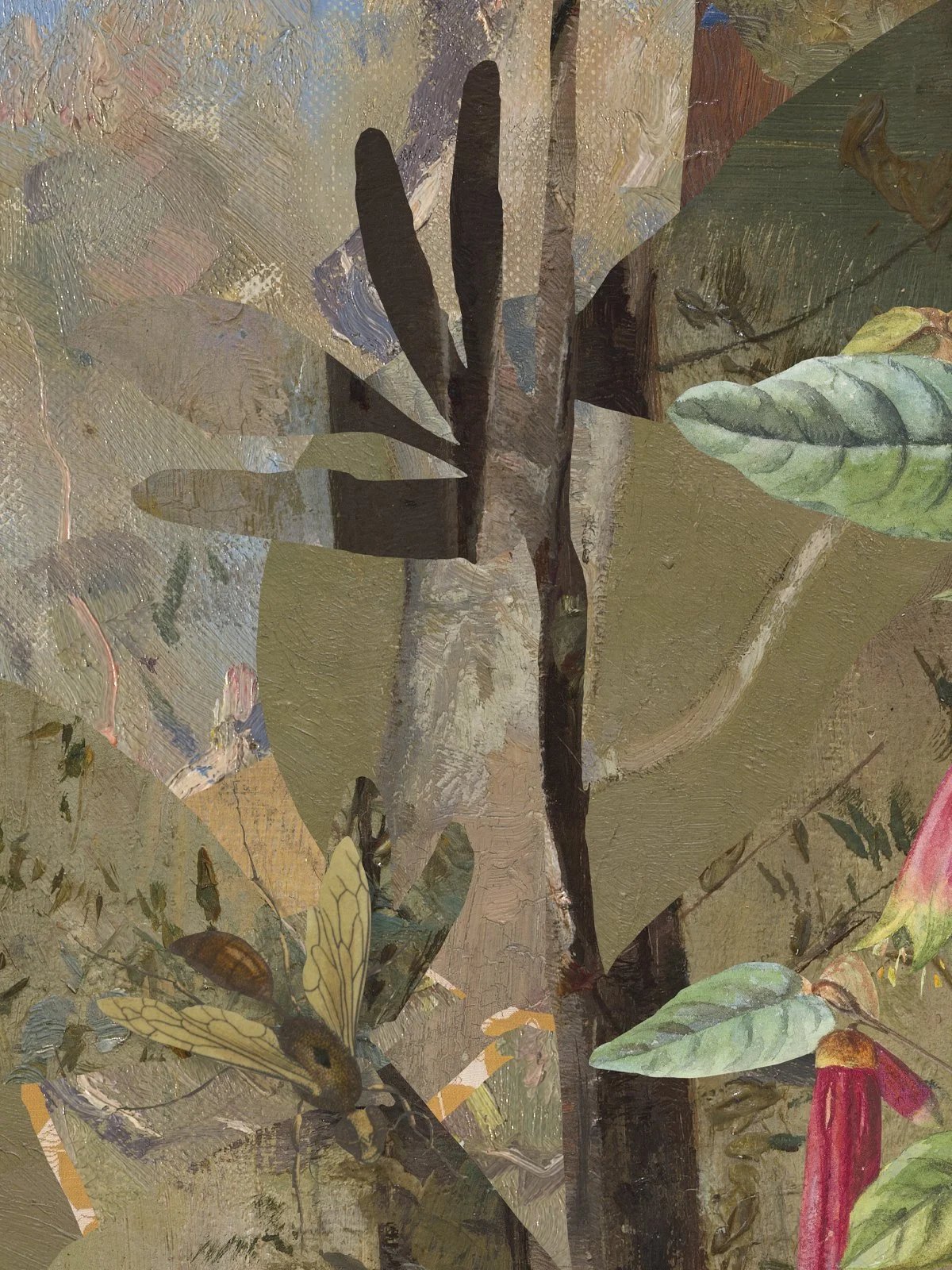
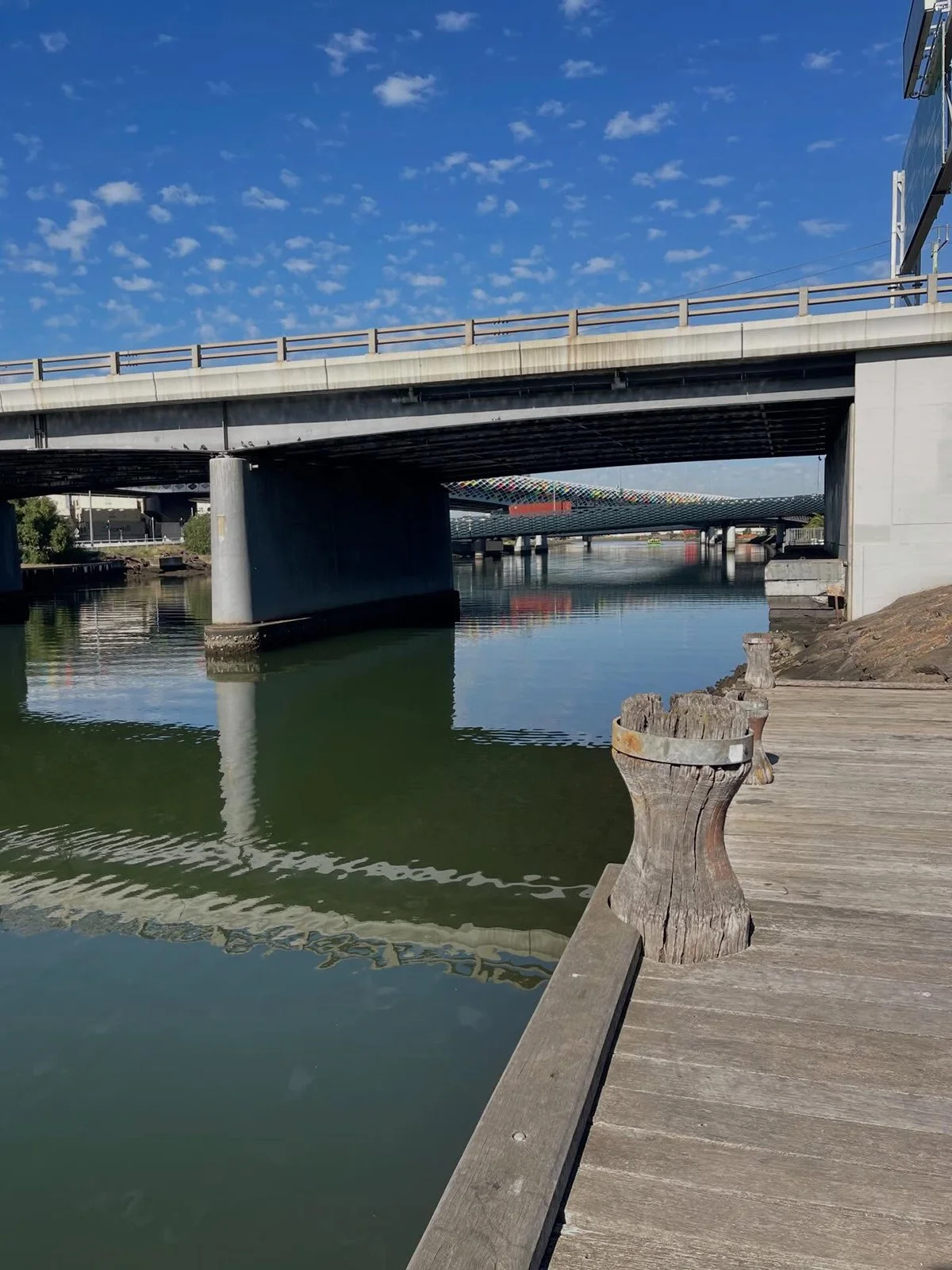
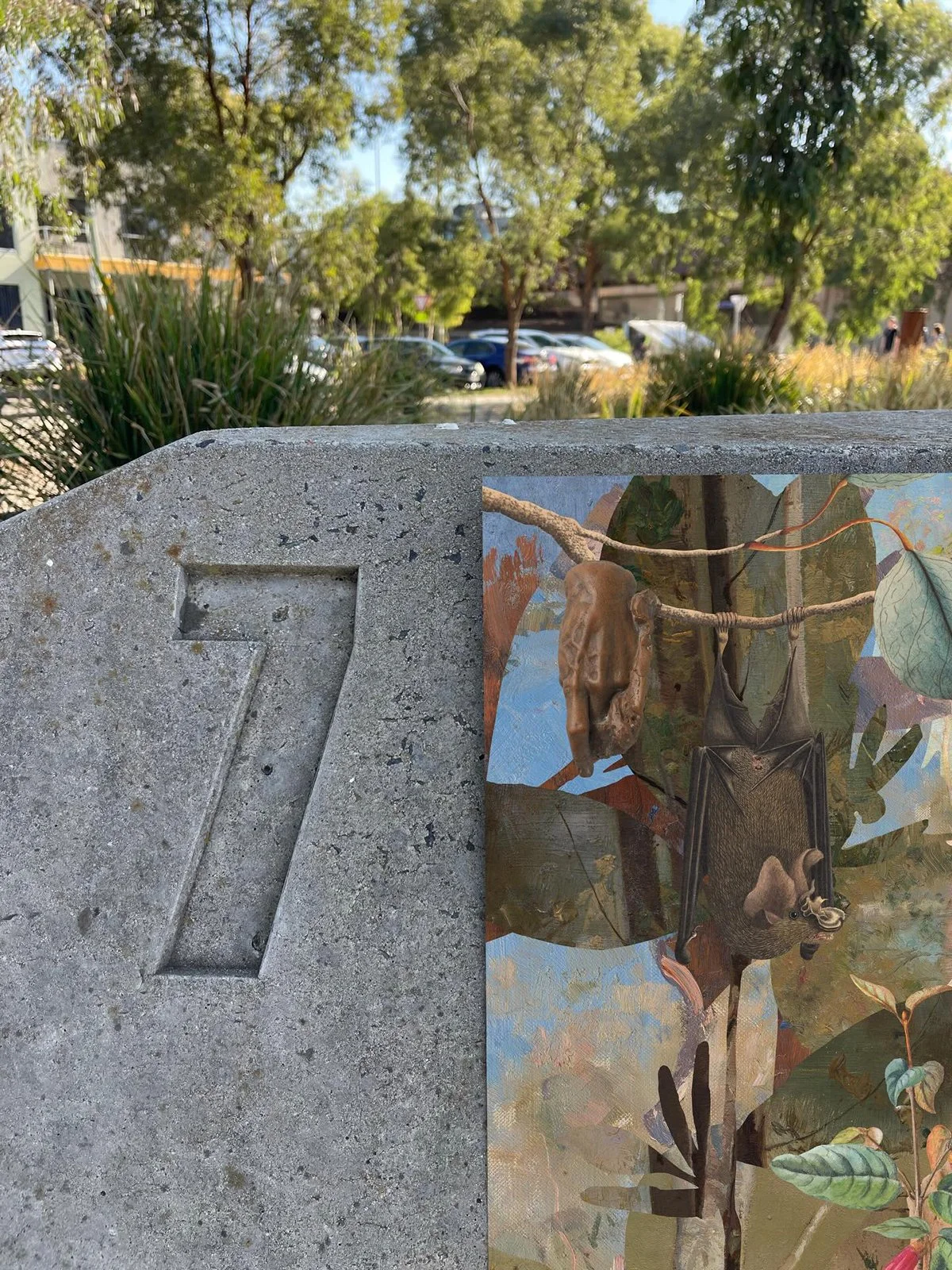
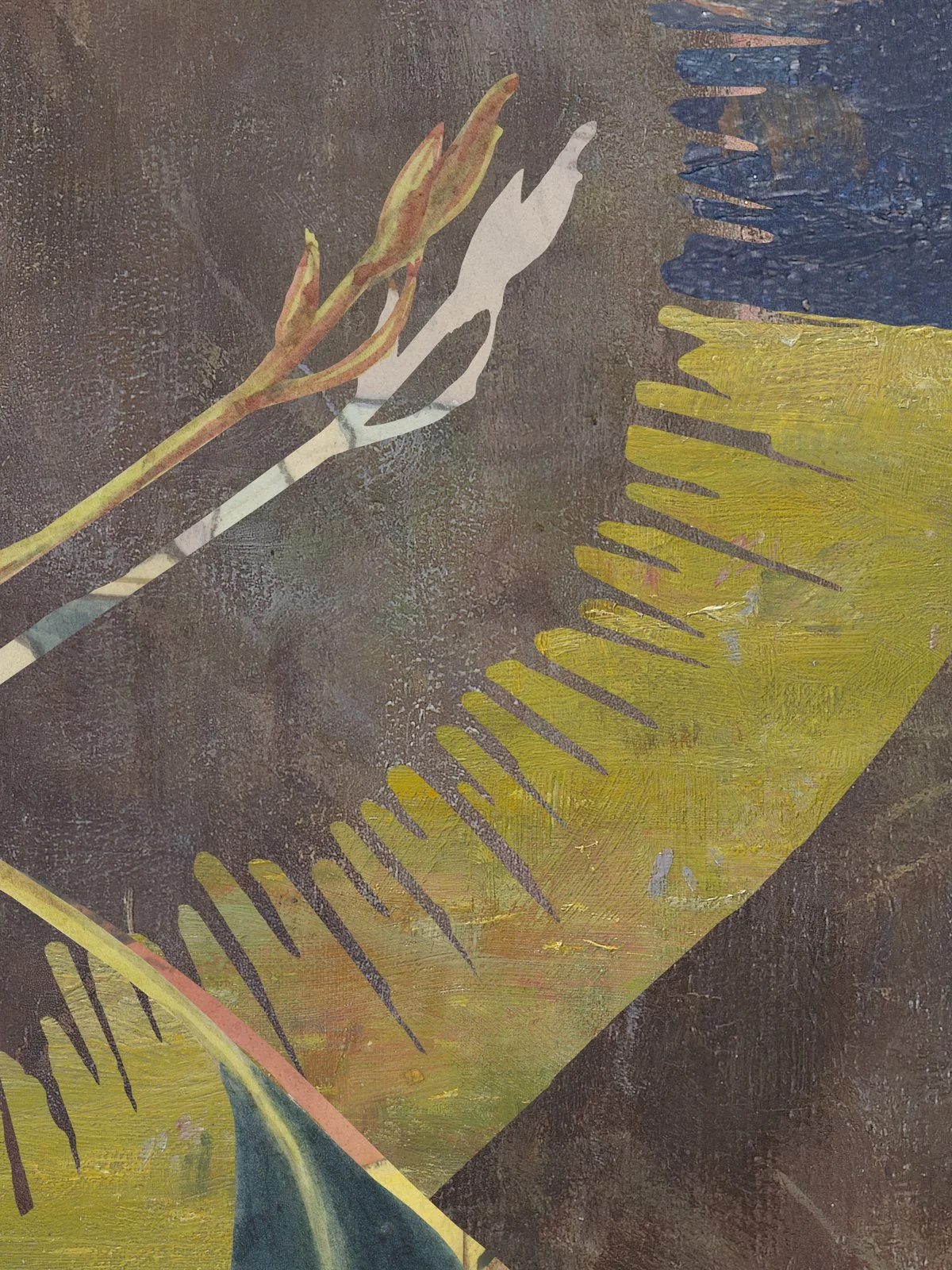
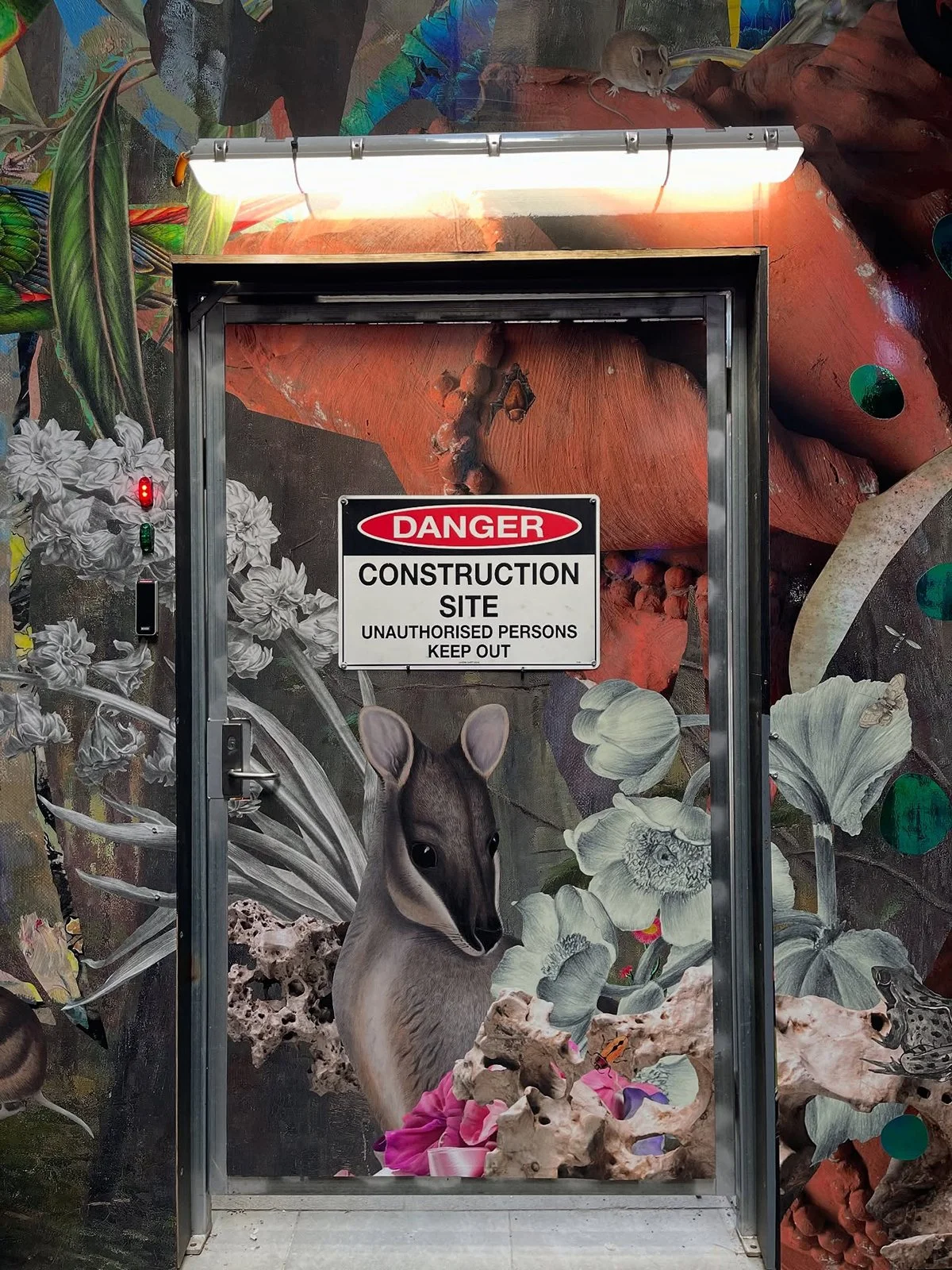
We have been busy extending the scene of a recent Scott Alley collage commission, A fleeting sense of, especially for a forthcoming exhibition. We have been growing the landscape to accommodate a trio of Long-nosed potoroos in readiness for Hawthorn Arts Centre’s Slow Read.
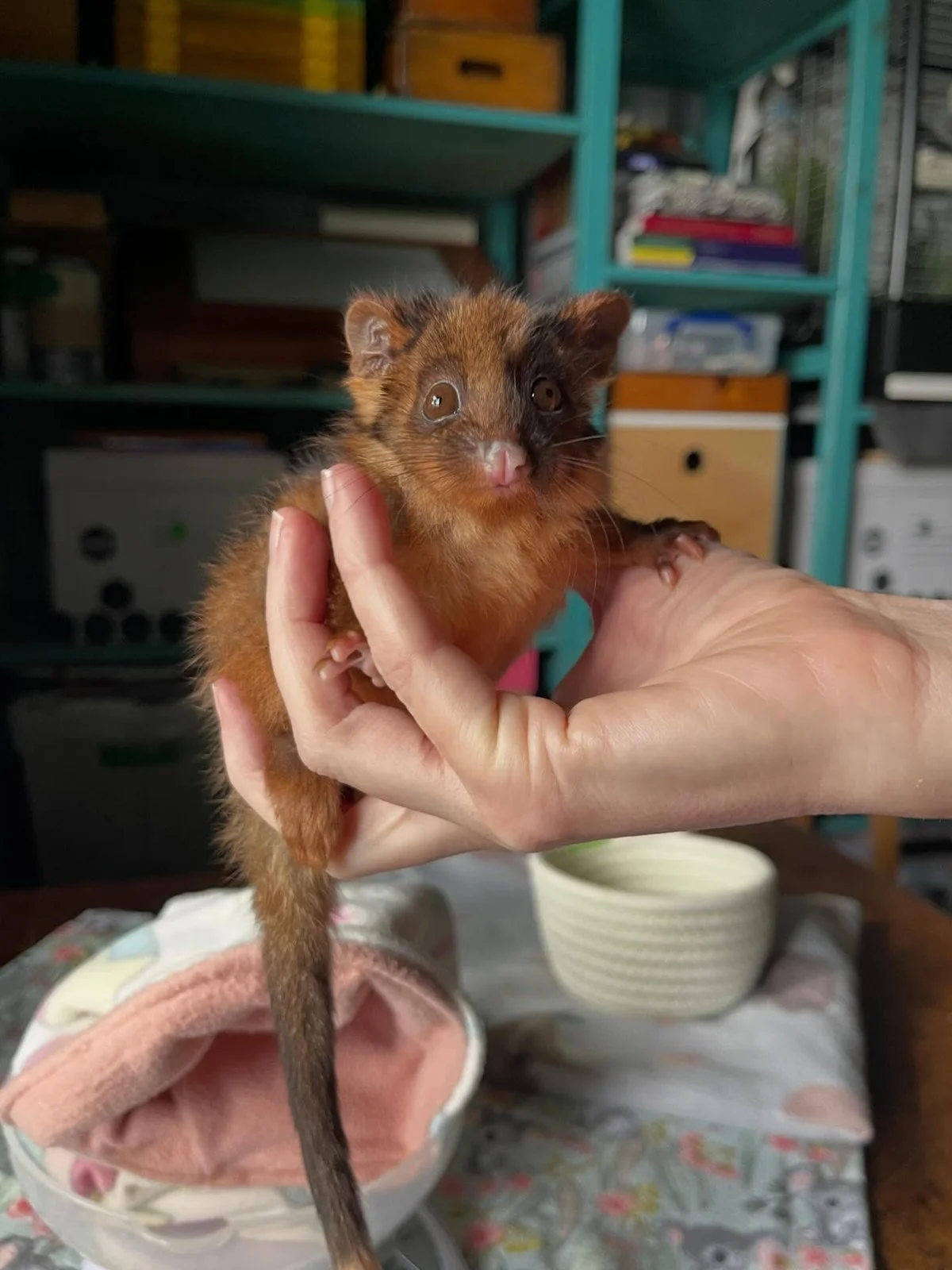
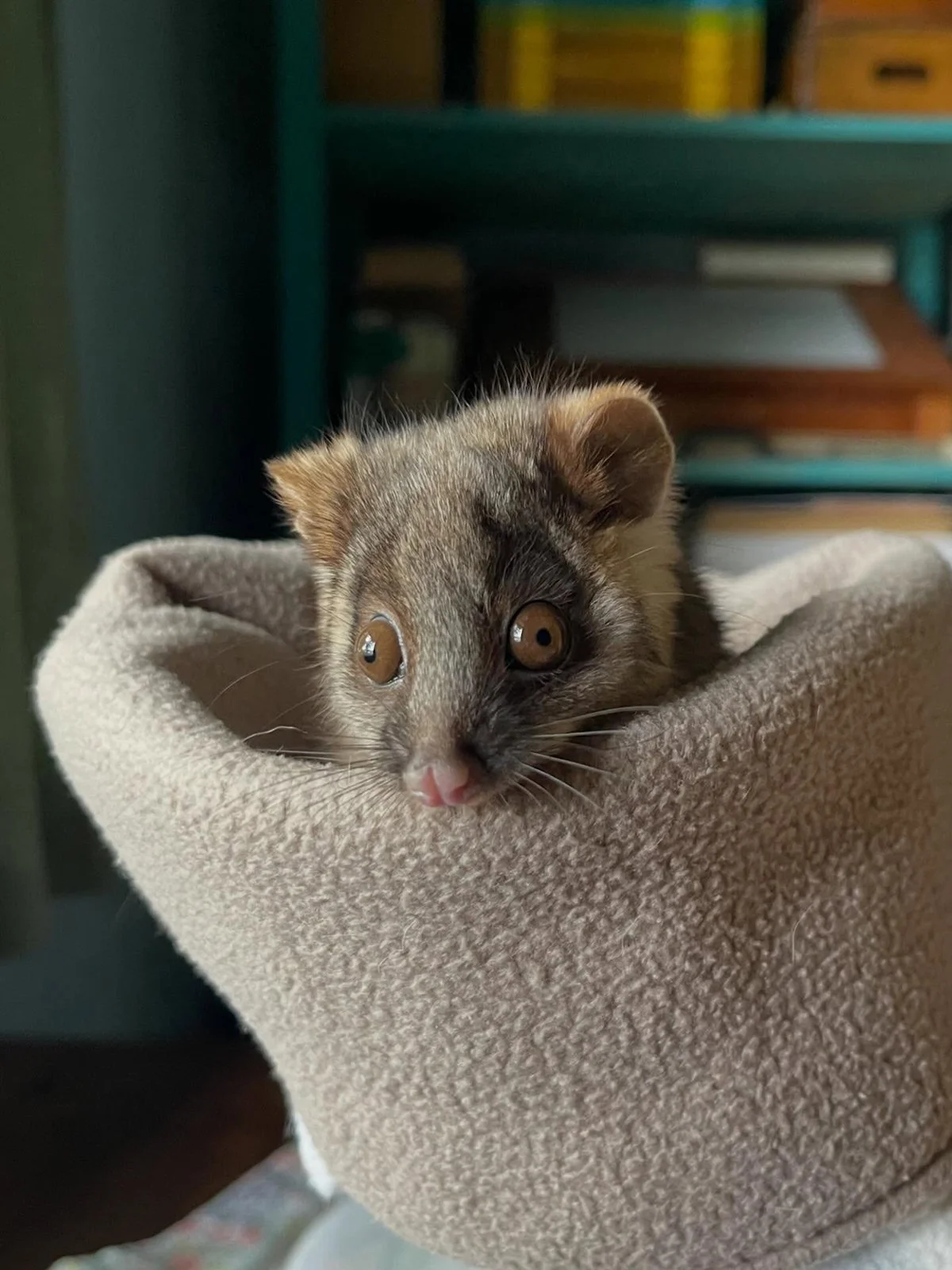
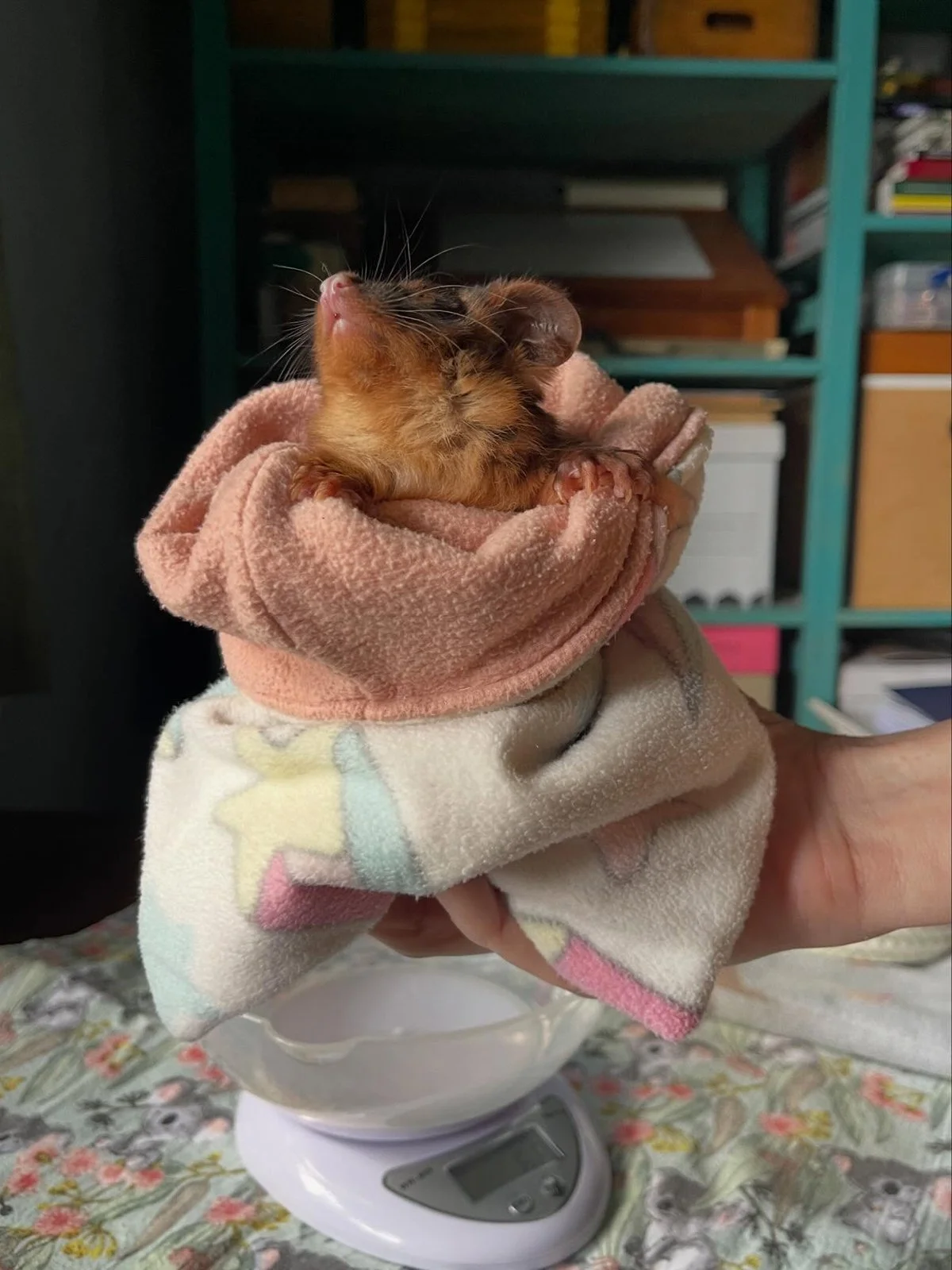
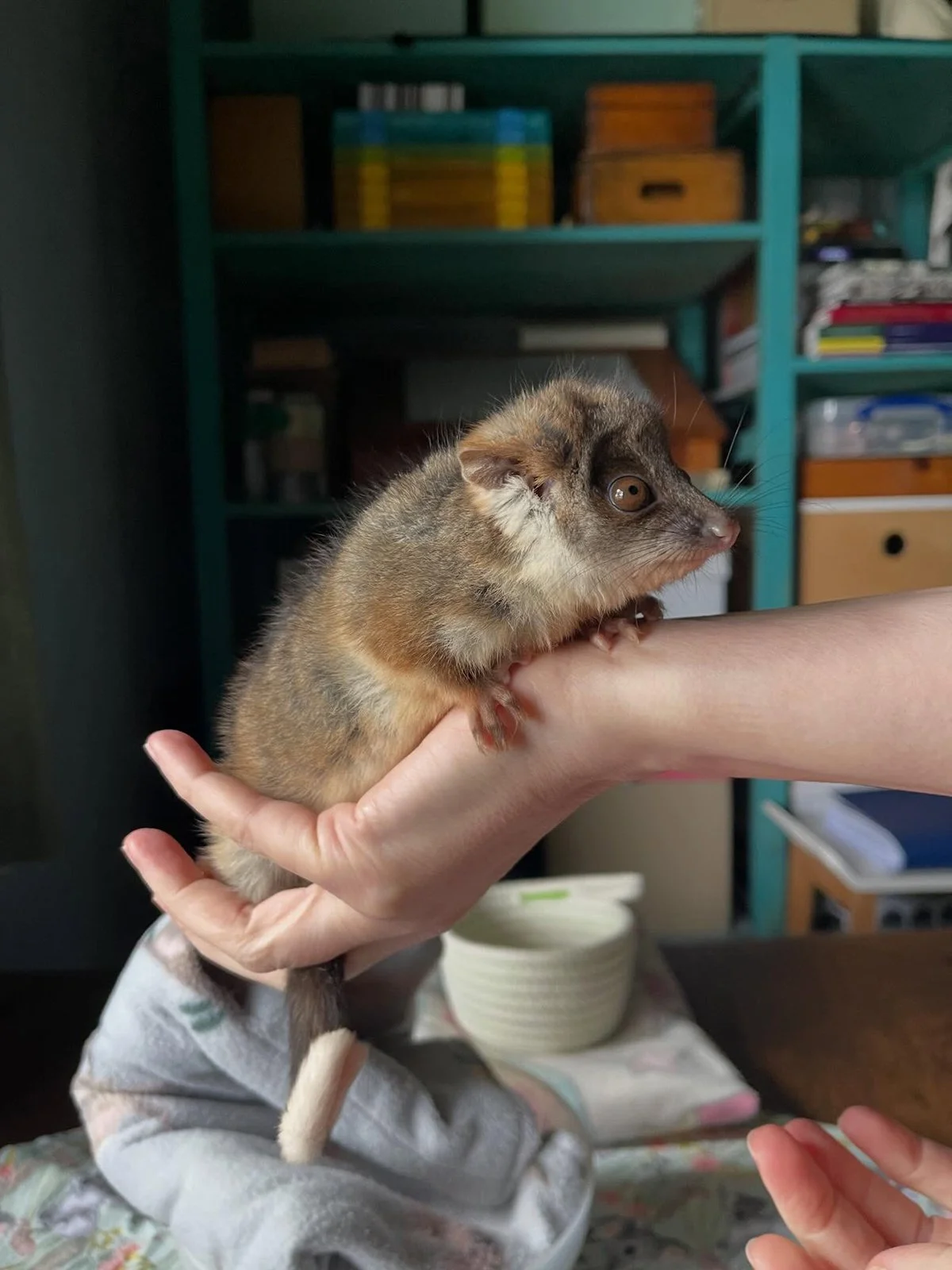
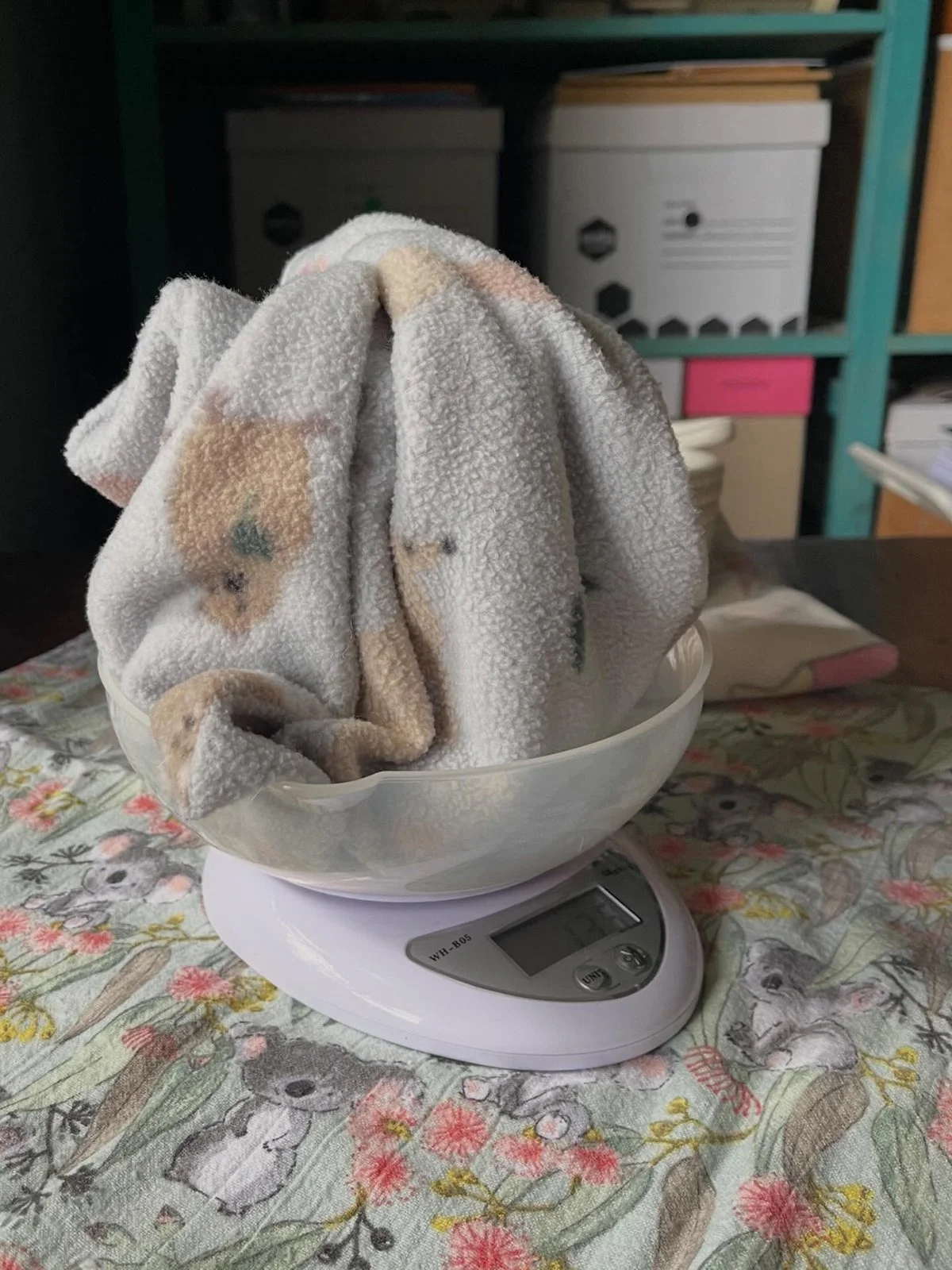
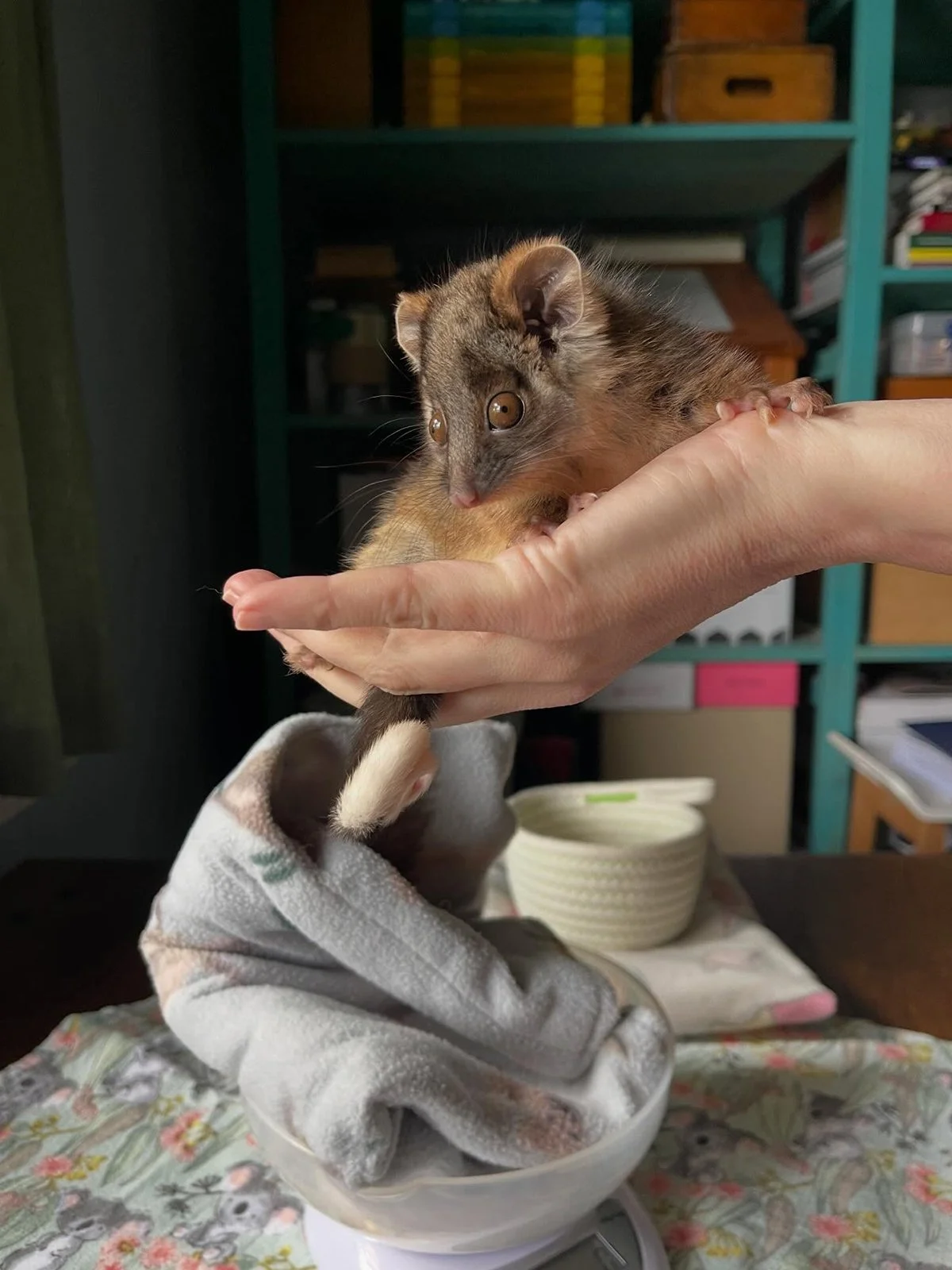
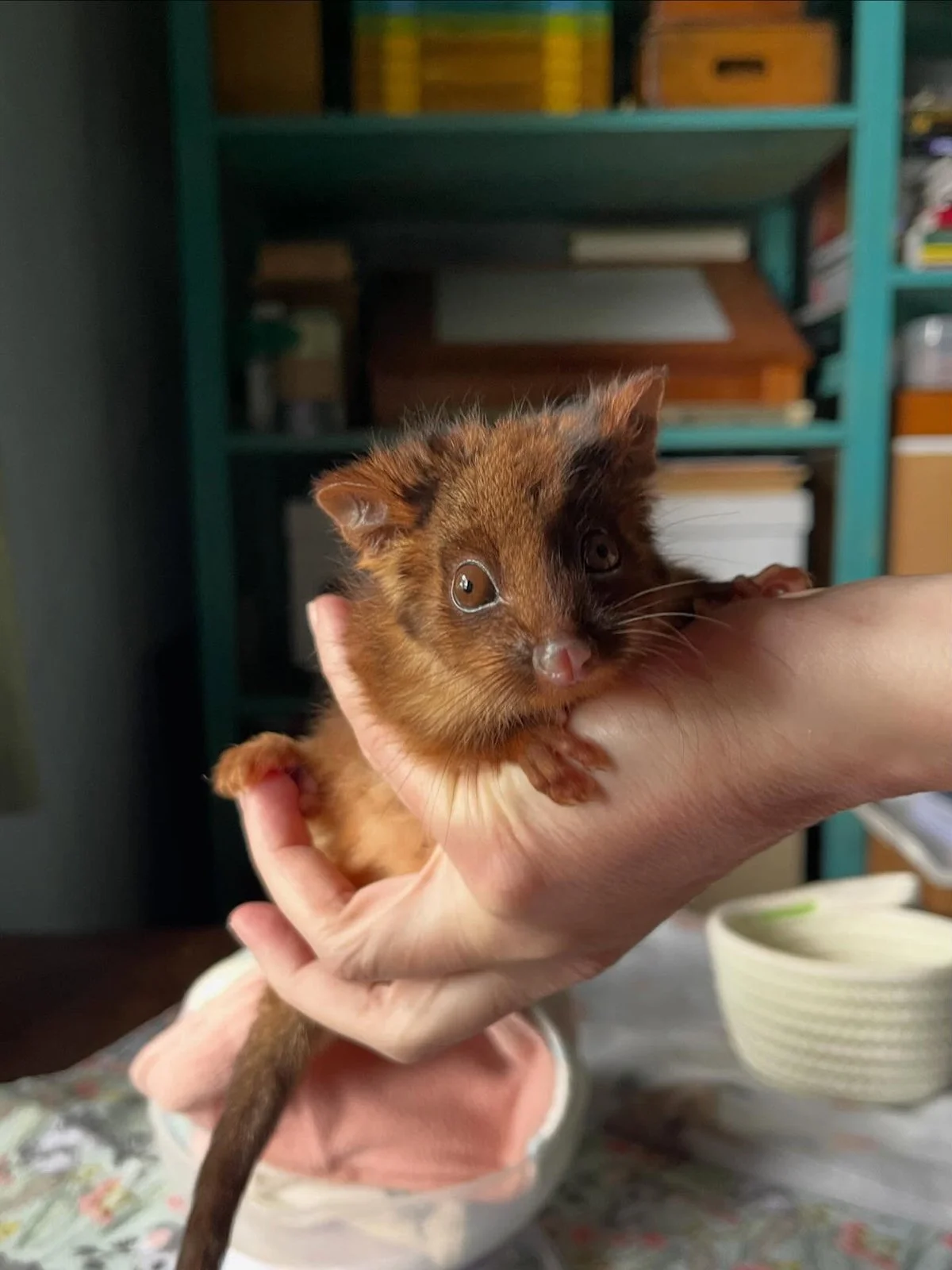
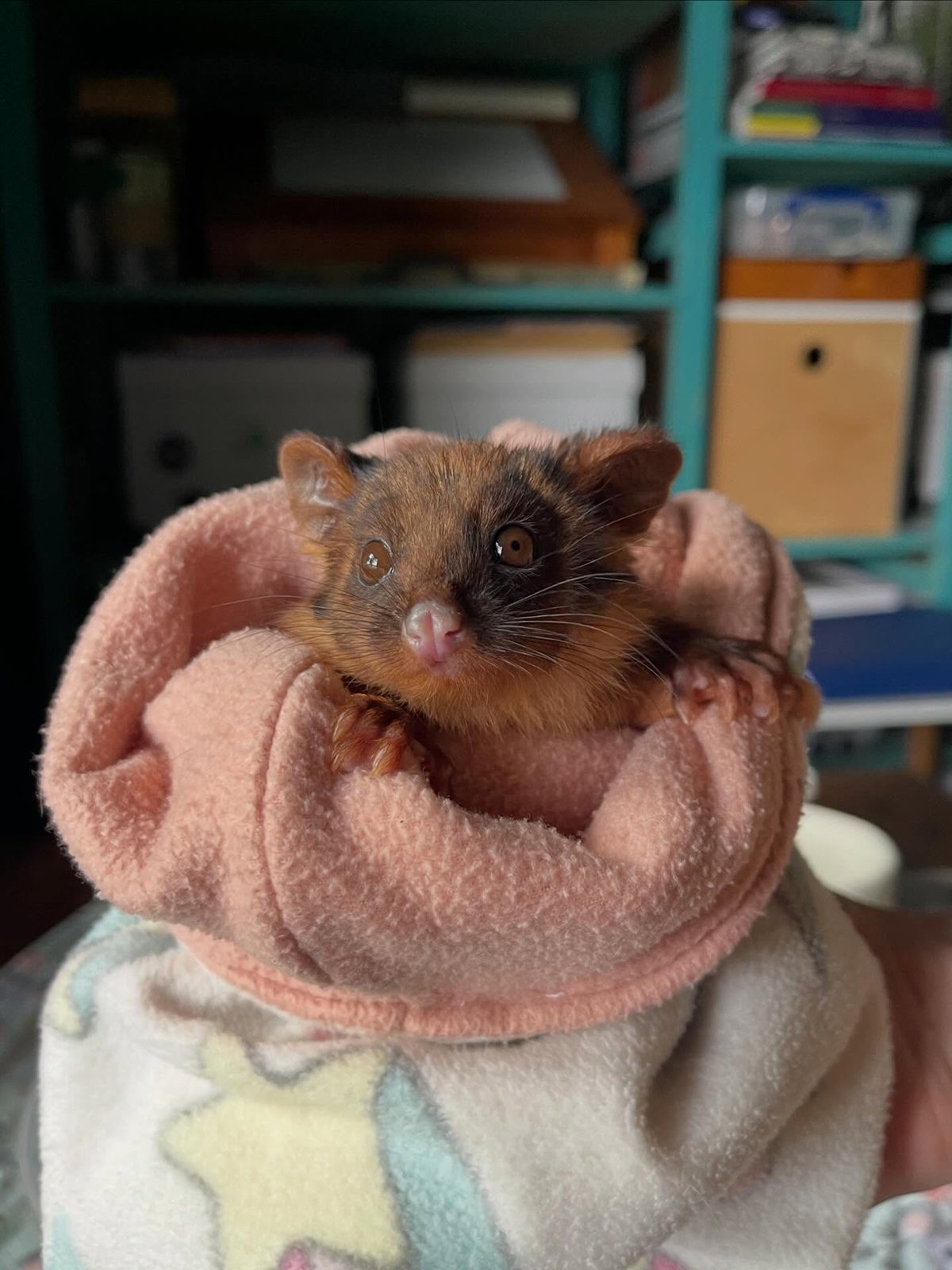
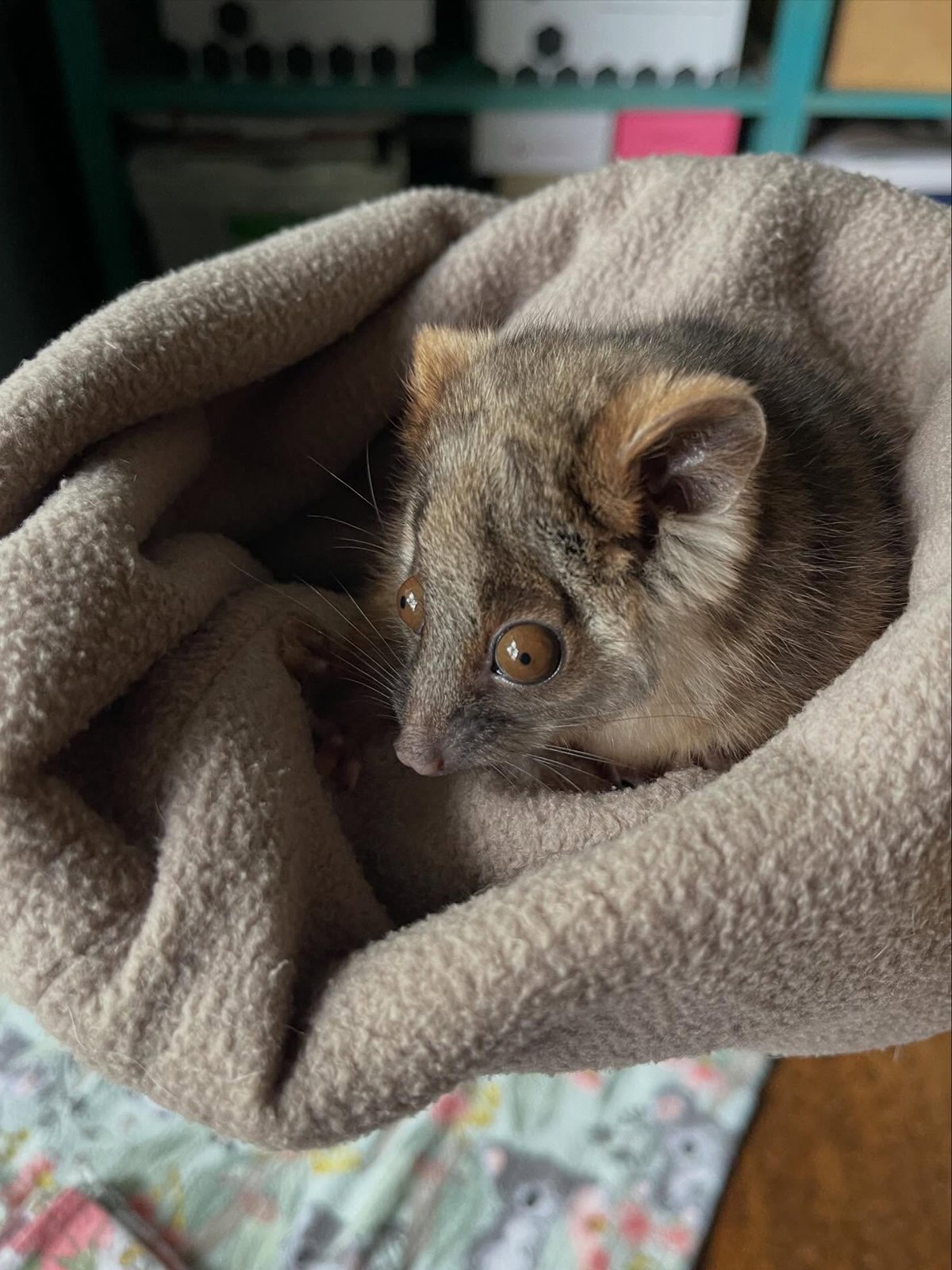
Pictured below, alongside checking a colour proof, and details from our collage now some 7-metres in length, please meet Gustave, a ringtail joey. He joins Asta, Echo, and Perwinkle (also pictured being weighed). Checking on their progress, the newly-bonded quartet are doing well, and enjoy devouring the tender, new growth shoots on the stems of the sugar gum. Week by week, we notice they get a little bigger, a little fluffier, and a little more wild. We now need to collect a little more browse, such is their growing appetite. Much like the collage, earlier scale is surpassed in a blink of an eye.
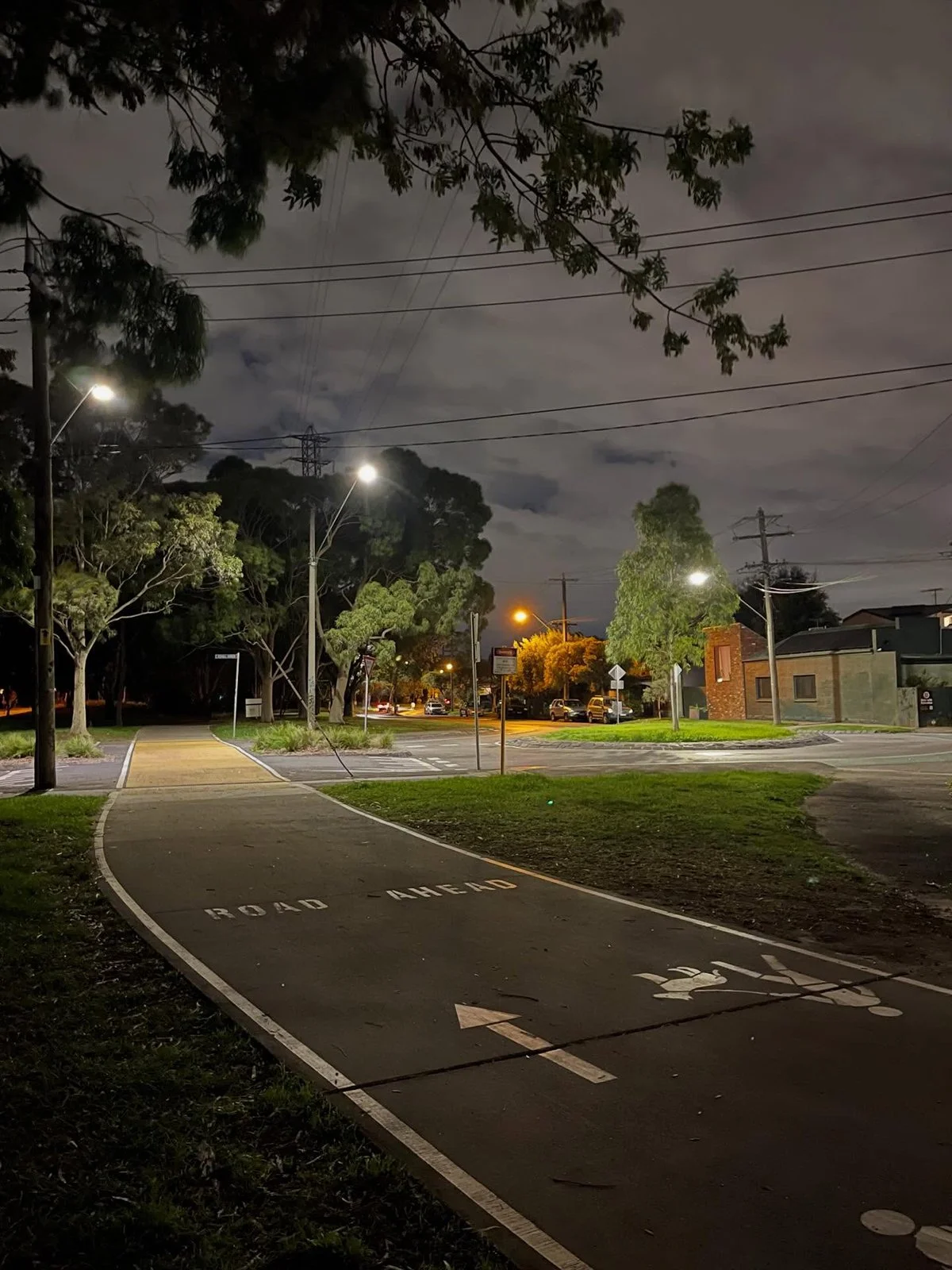
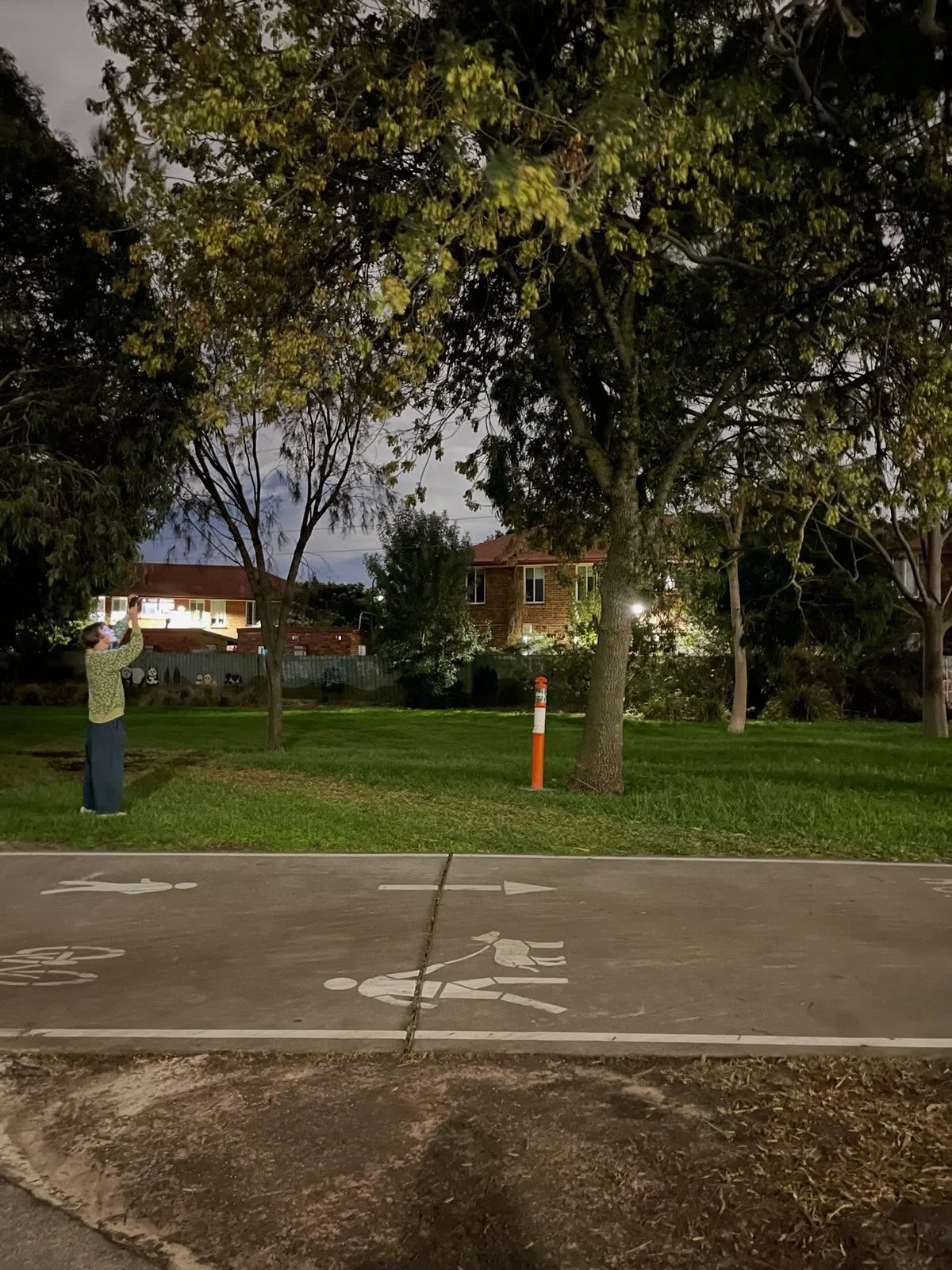
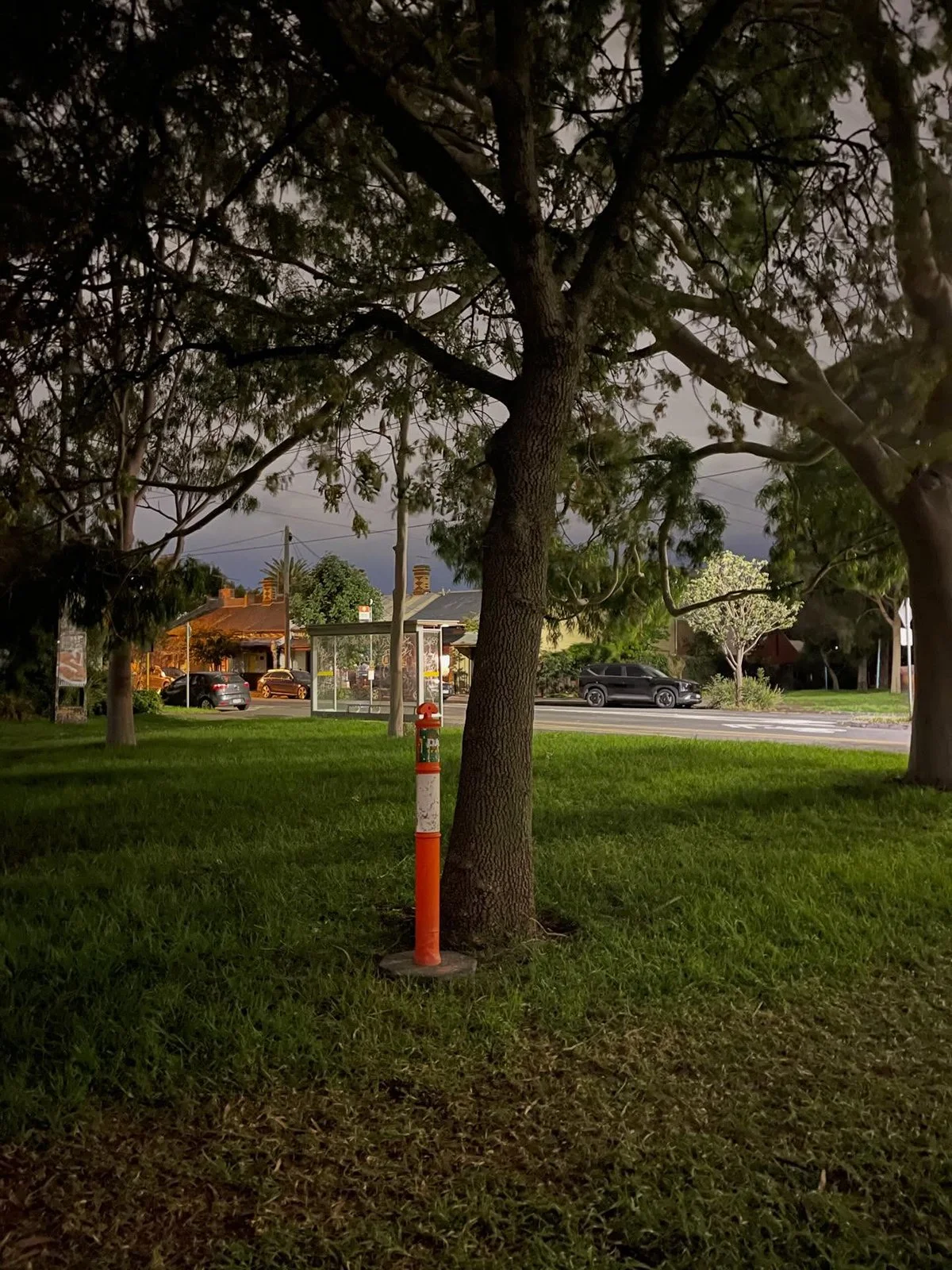
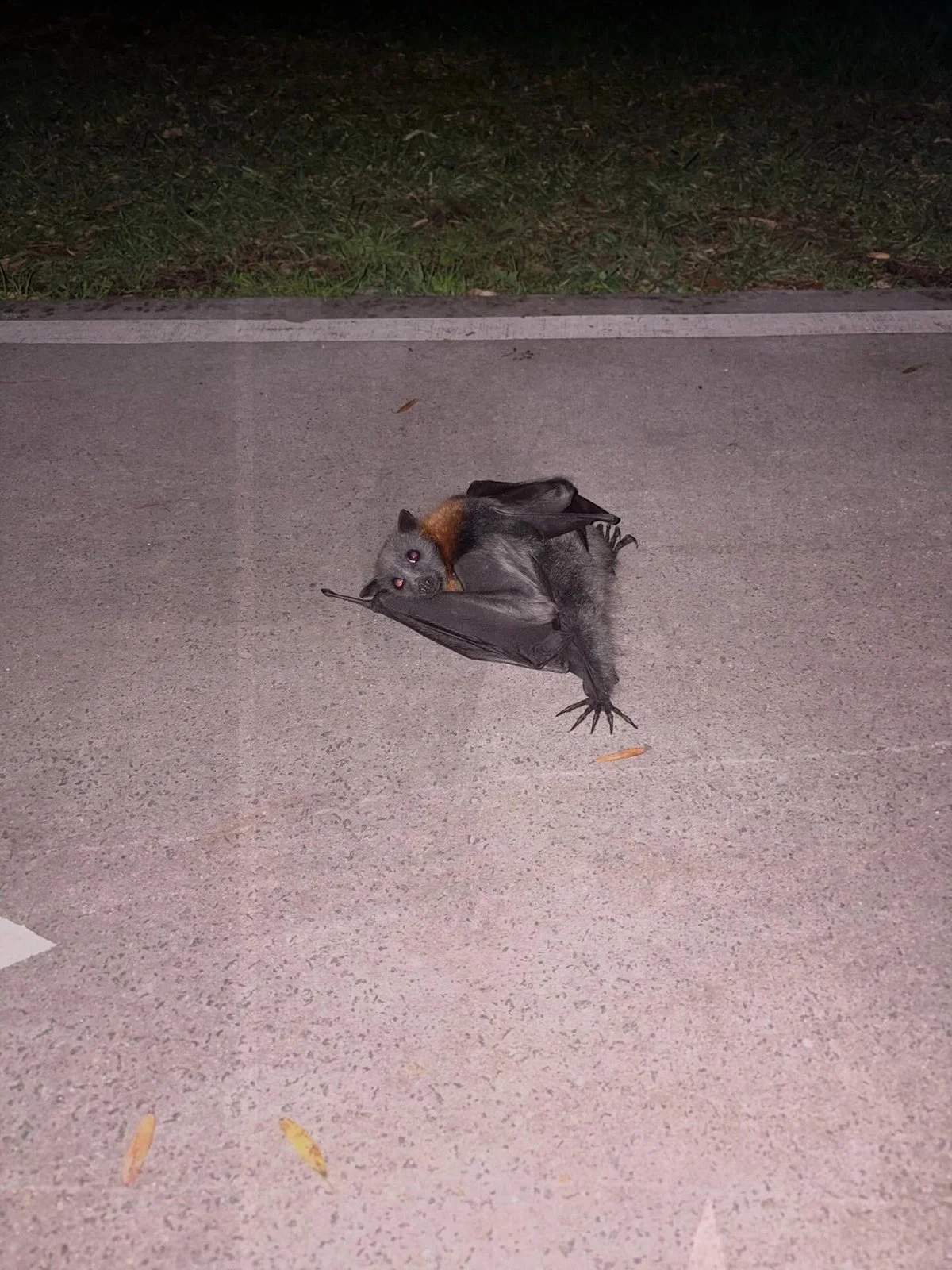
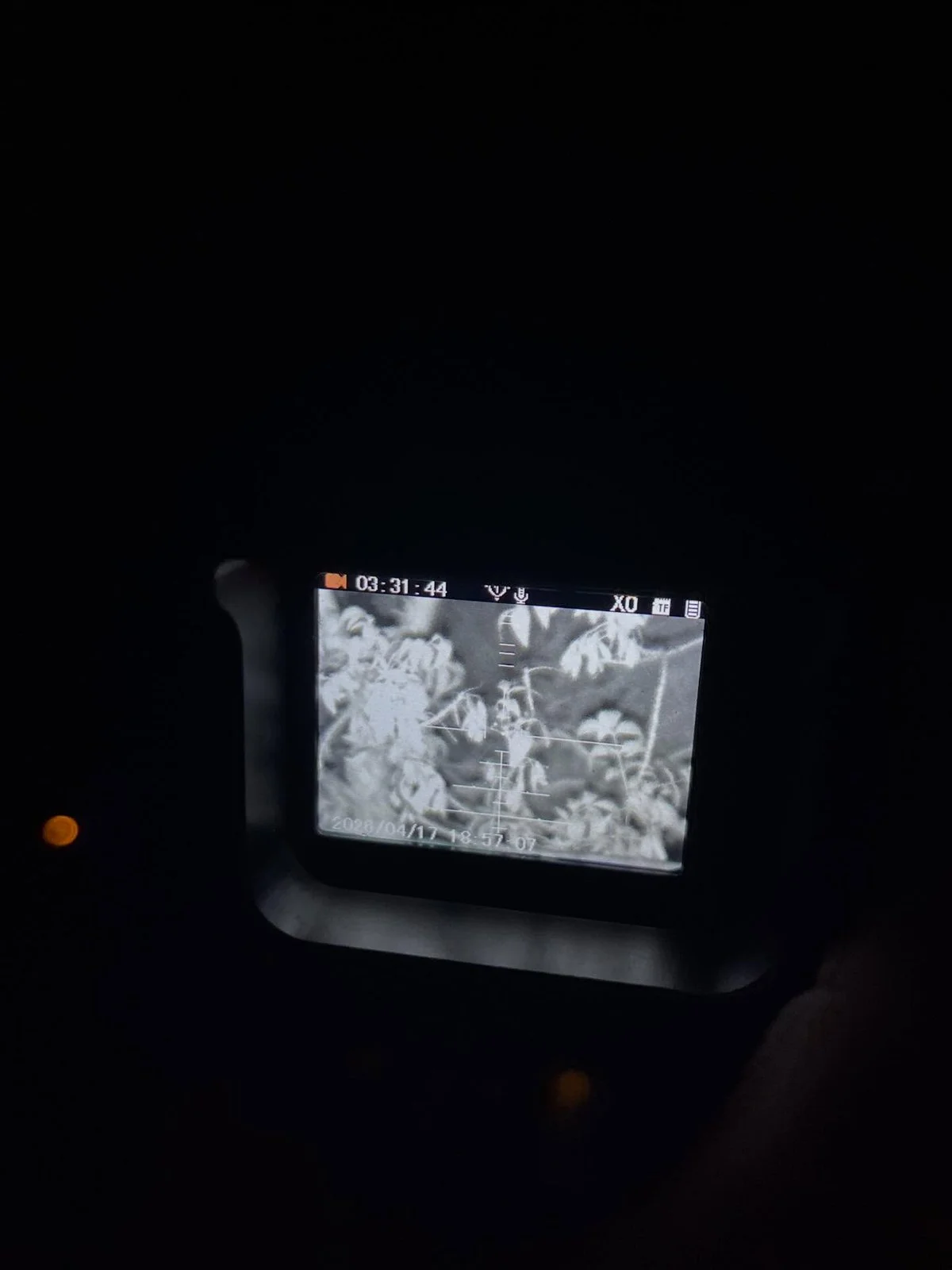
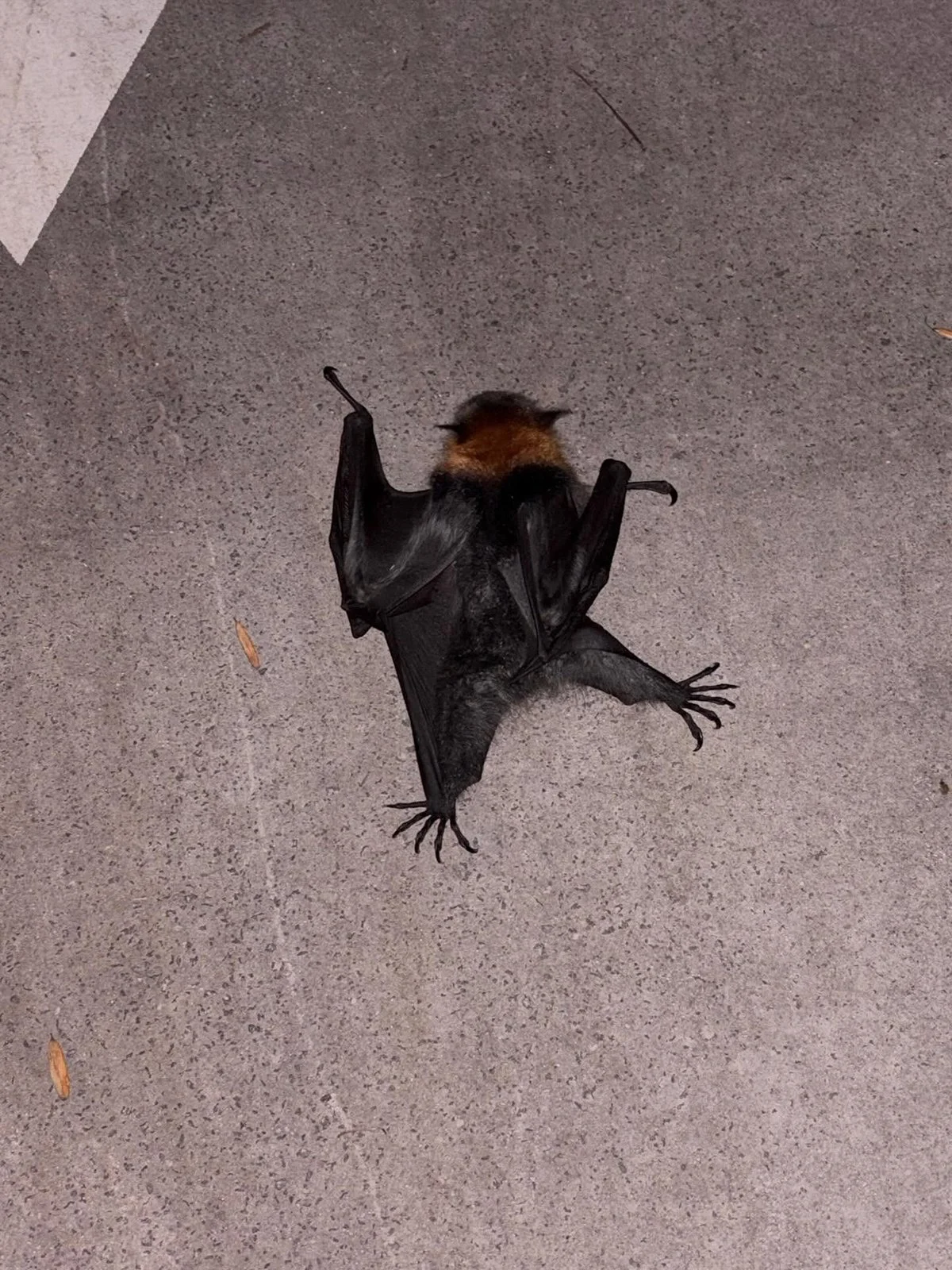
Recently, after attending a webinar on why and how we should and can be reducing our light footprint, and how light pollution (defined as light where it is not wanted / needed) affects wildlife, of course it followed suit that there was a sighting of a Grey-headed flying fox on the ground at night. He or she had been sighted, alone and vulnerable, splayed awkwardly on the middle of a bike path. Upon our arrival, the nighttime sky felt all the more flooded with light. Pictured above, two photos of said Grey-headed flying fox (shared with permission) taken by the MoP (member of public) who first found them and called the case into Wildlife Victoria. Perhaps the Grey-headed flying fox had collided with overhead power lines, or been clipped by a vehicle. They managed to crawl to the side of the path and scale a nearby tree, and though we had raced there as soon as the case came in, being only minutes from the scene, there was no sight nor sound of them. We used our night vision camera to scan for their eyes in the dense canopy, but we could not see them.
(We’ve since returned, as has the kind MoP, to see if we can find him or her, but to no avail. Wings crossed they were okay and have flown off.)
Light pollution affects wildlife by increasing collisions with cars and buildings; increases vulnerability to predation; changes migration or feeding routes, and reduces foraging areas; discourages breeding, nesting or causes disorientation in nestlings; disrupts sleep patterns; and distracts normal behaviours. With many animals active at night, or around dawn and dusk, advocate for dark skies, and share the nocturnal awe.
(Points paraphrased from Kelly Clitheroe’s presentation ‘Artificial Lighting — Impacts & Mitigation’ webinar, and her work with Dark Sky Victoria. Thank-you.)
Late last year, we were interviewed about why we volunteer with Wildlife Victoria, and how their Travelling Veterinary Service (TVS) helps possums like Tashi (featured being x-rayed in the video below).
About Wildlife Victoria
Video created by The Jasper Picture Company
17th of March, 2026
Wildlife Rescuers and Carers: Gracia & Louise
“We became involved with Wildlife Victoria in 2021. Our passion for wildlife is driven by the sense of it's our way that we can make a difference.
When orphaned animals come into care they are grieving. They they feel as much, and more, than we do. Our job is to minimise the stress as much as possible to get them to veternary care if they need it and follow through what the Wildlife Victoria vets instruct us to do, all to get them back out into the wild.
The main service that we use through Wildlife Victoria is their traveling vets service, which means that the vets can come here, but more than that, they're
coming specifically just to check over that one particular possum who may
have like a injury to their tail or a bat that needs their wings seen to. The vets are
specifically wildlife vets, so they know different types of species.
Not only can they come and visit and work with the animals that we have here. They also they support us in real time with either phone calls or texting.”
— Wildlife Victoria
Slow Read
In an era of constant scrolling and visual saturation, Slow Read turns our attention back to the printed page and to quiet, deliberate acts of looking and reading. The featured artists are all drawn to printed matter, creating artist books and multi-disciplinary artworks that explore the possibilities of the book format. Within this exhibition, artist-led publishing is recognised as a rich creative practice and an art form in its own right.
Featuring: Jacky Cheng, Zoë Croggon, Julie Gough, Gracia & Louise, Nadia Hernández, Deborah Kelly, Martin King, David Noonan and Jayda Wilson.
Presented in partnership with Melbourne Writers Festival.
— Town Hall Gallery
And, as ever, please note: you need to be a qualified, vaccinated carer to handle megabats and microbats. If you chance upon a bat, like a Grey-headed flying fox on a bike path, remember, ‘no touch; no risk’, and please call your nearest wildlife rescue group or organisation.
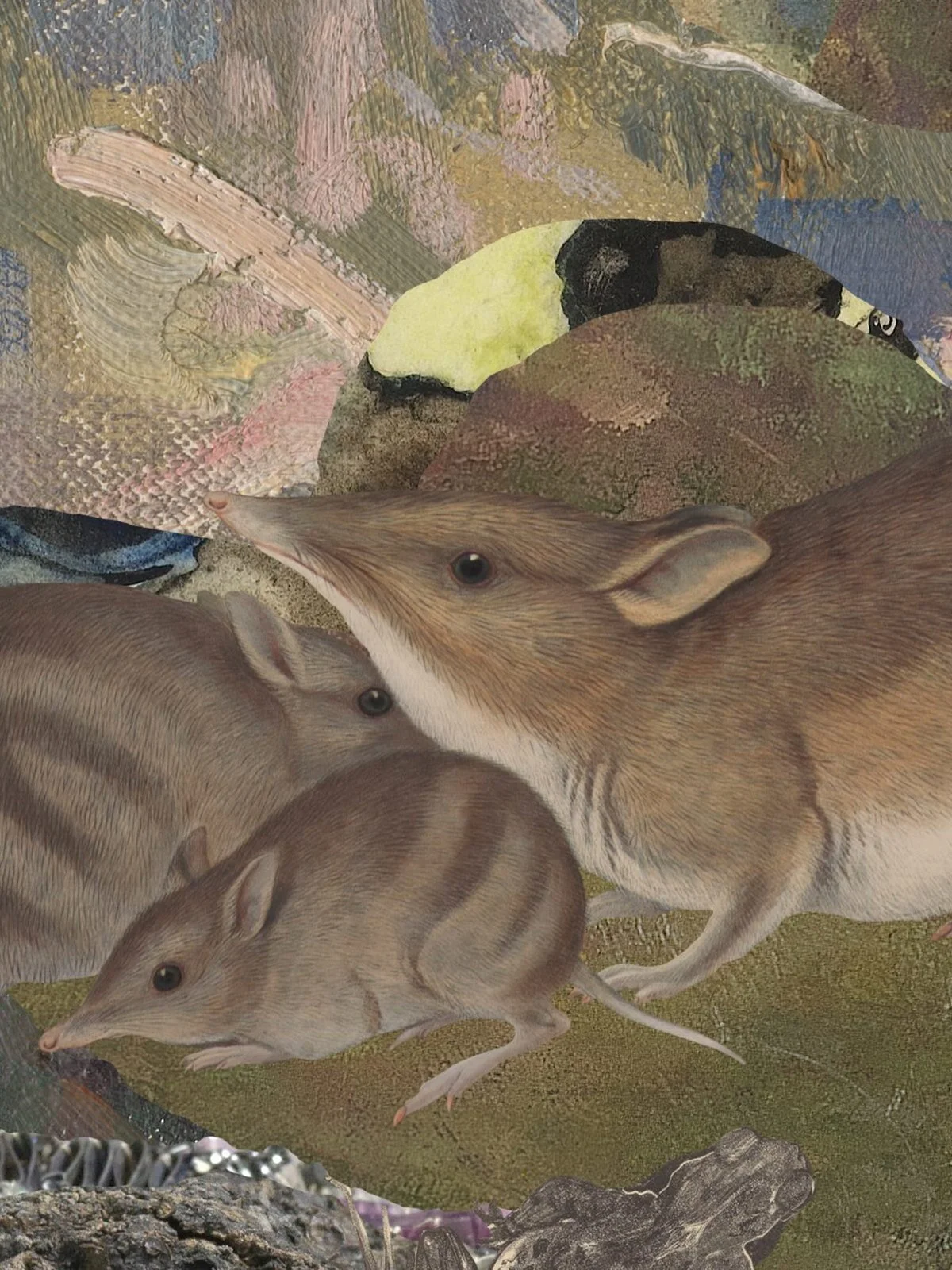
Image credit: A family of Eastern barred bandicoots (mainland population) (Perameles gunnii), from John Gould’s Mammals of Australia, Vol. 1., 1863.
“The fur is moderate in length and not so hard to the touch as that of P. obesula or P. nasuta; the hairs of the upper surface are grey at the root, the visible portion of each being pencilled with black and ochreous yellow; on the sides the general hue is somewhat paler, the hairs having a smaller amount of the black pencilling and a delicate vinous tint; on the hind quarters the ground-colour is blackish brown, and on this part are three broad light-coloured bands, the first of which crosses the back slightly in front of the thigh, the second is nearly transverse, and the third longitudinal; under surface pure white; the feet and tail are also white, with the exception of a dusky patch on the base of the latter, and on the sides of the heel of the hind foot the sides are dusky; ears internally clothed with very small pale yellow hairs, but on the hinder part they are nearly white; a broad dusky mark crosses the outer surface of the ear, commencing about the middle of the anterior margin, and running obliquely backwards as it descends to the base.
The Plate represents the male, female, and young, of the size of life.”
Rewind: ‘Gracia Haby and Louise Jennison: A fleeting sense of’, Metro Tunnel Creative Program, Town Hall Station Precinct, p. 81.
