Fruition to Fungi
In the garden, on the page
Gardening Australia: My Garden Path
Episode 4, Series 37
Friday 6th March, 2026
Spotlight on: Artists’ books and zines with Gracia and Louise
Leigh Scott Room, Level 1, Baillieu Library
The University of Melbourne, Parkville
Thursday 2nd April, 2026
A Velvet ant, a flower and a bird
Potter Museum of Art, Cnr of Swanston Street and Masson Road, Parkville
Thursday 19th February – Saturday 6th June, 2026
Entanglements with Fungi: Life, Death and Renewal
WAMA FOUNDATION, THE NATIONAL CENTRE FOR ENVIRONMENTAL ART, 4000 ARARAT-HALLS GAP ROAD, HALLS GAP, VICTORIA
SATURDAY 21ST MARCH – SUNDAY 14TH JUNE, 2026
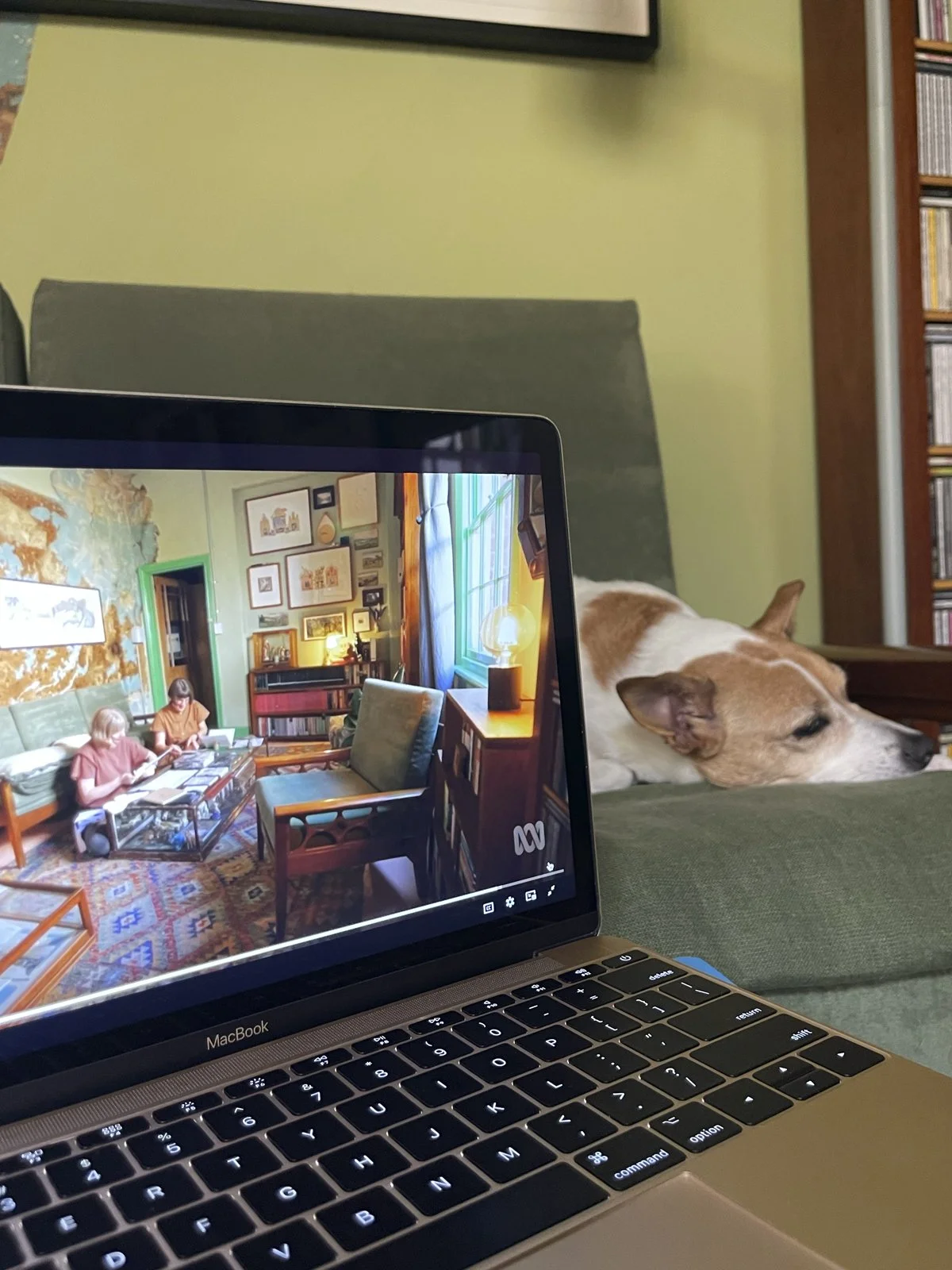
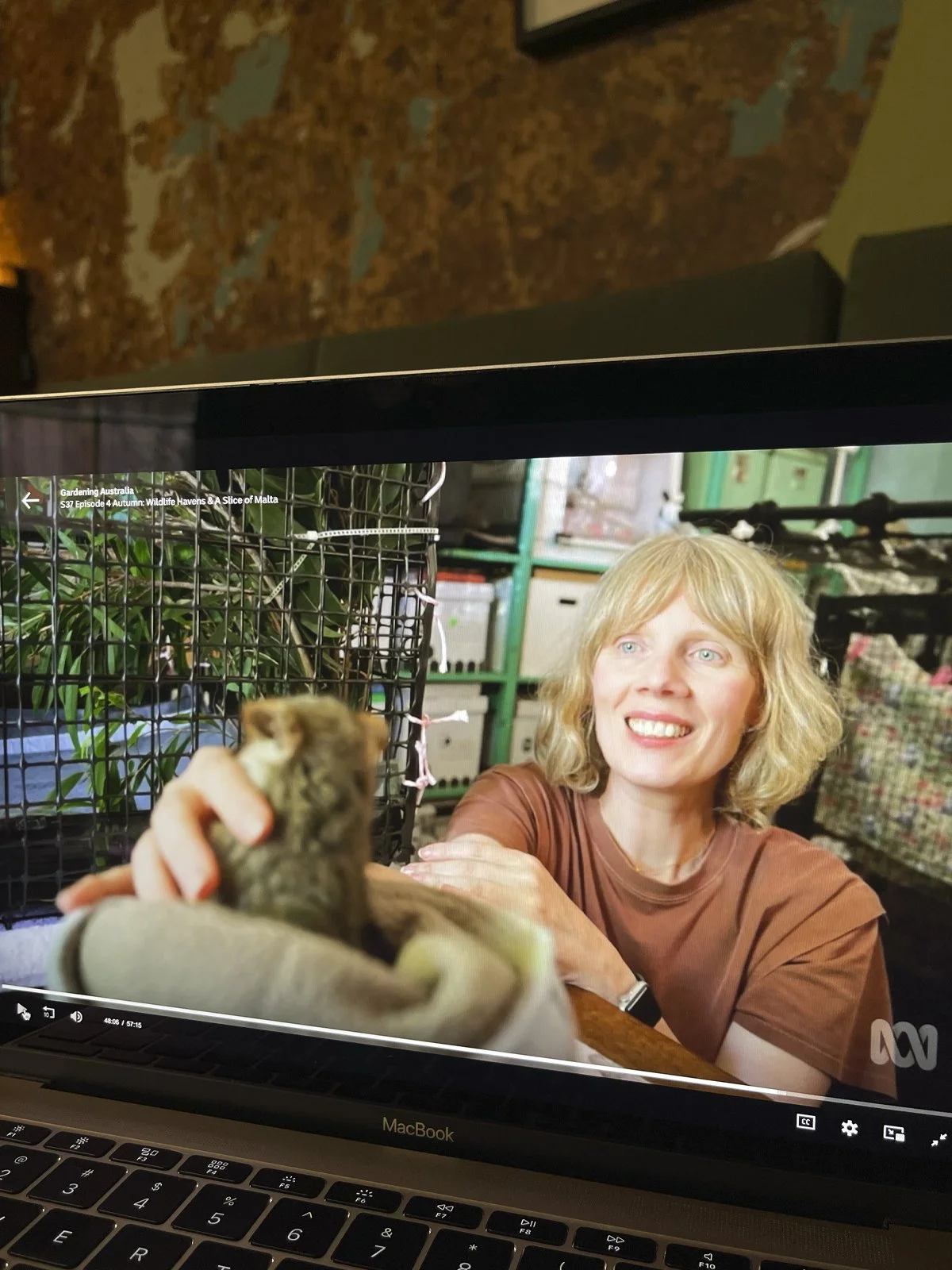
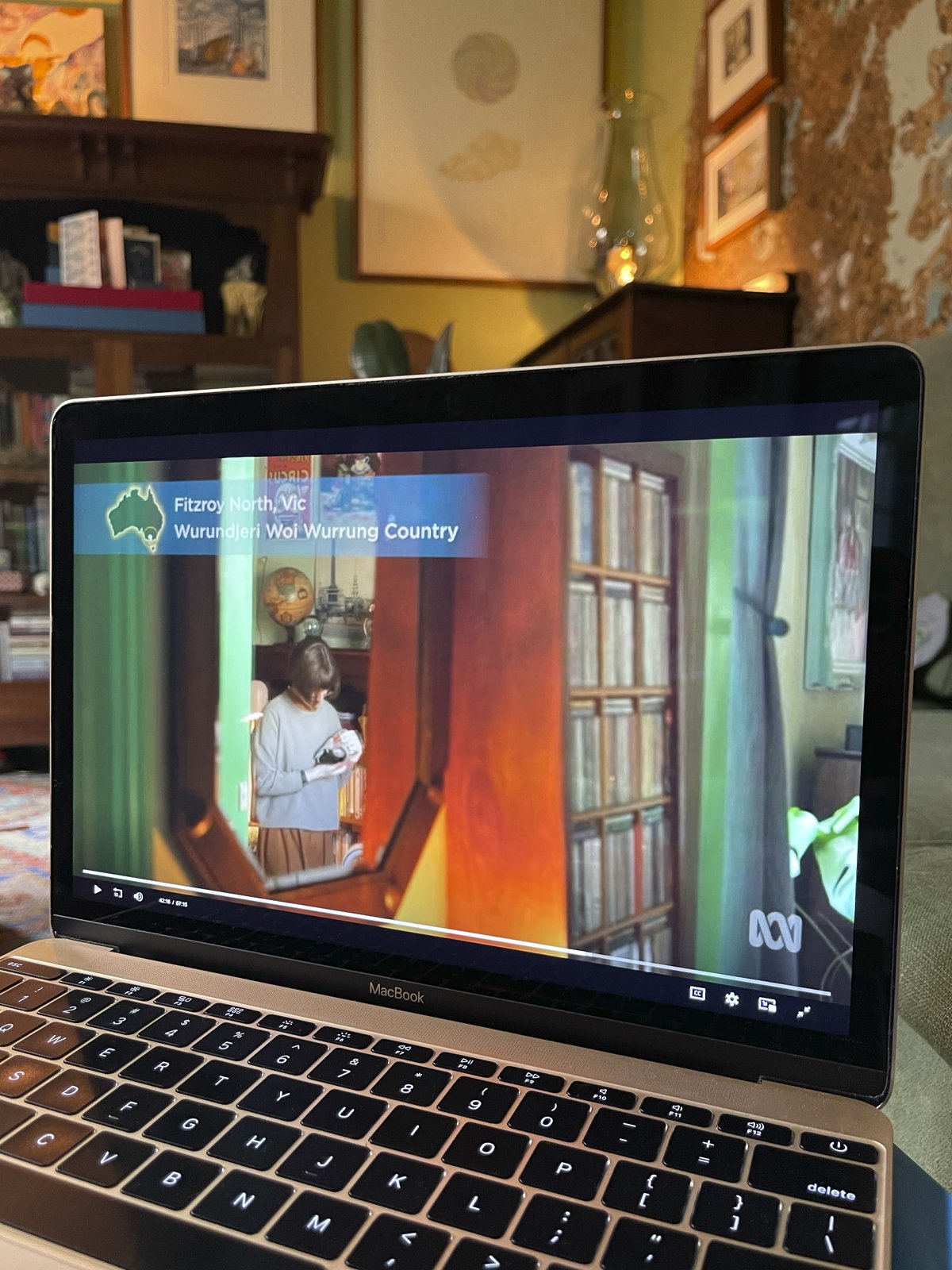
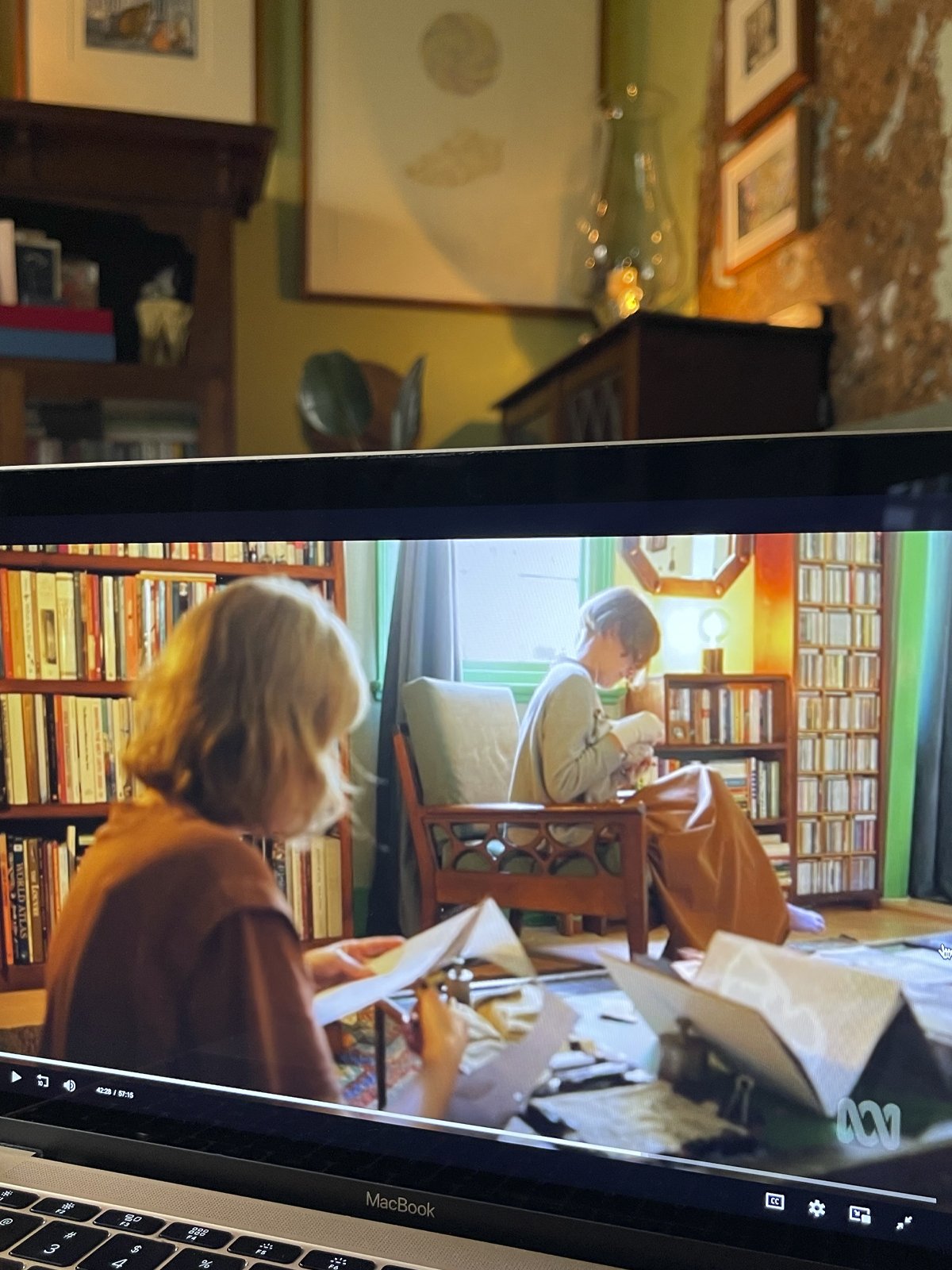
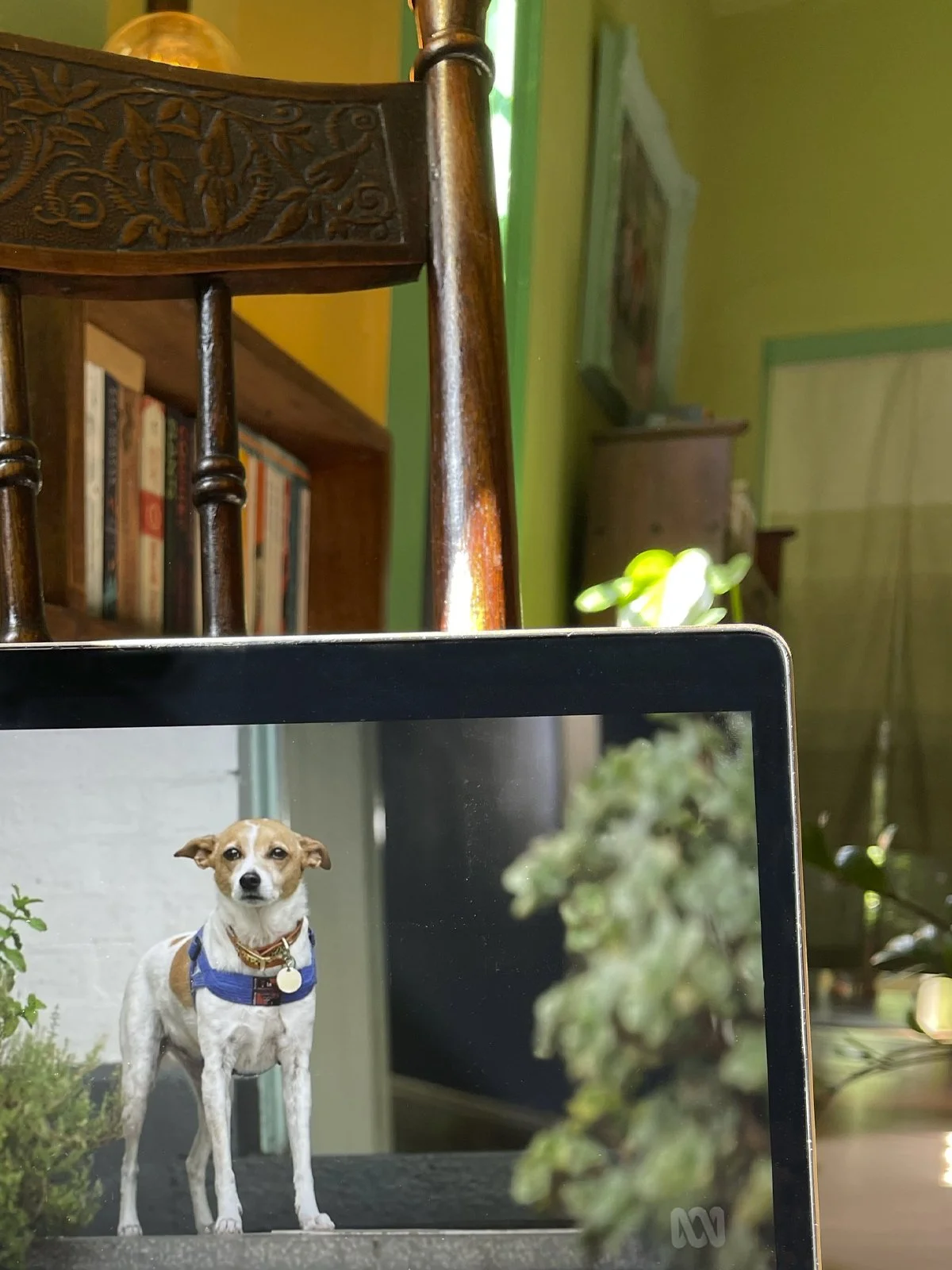
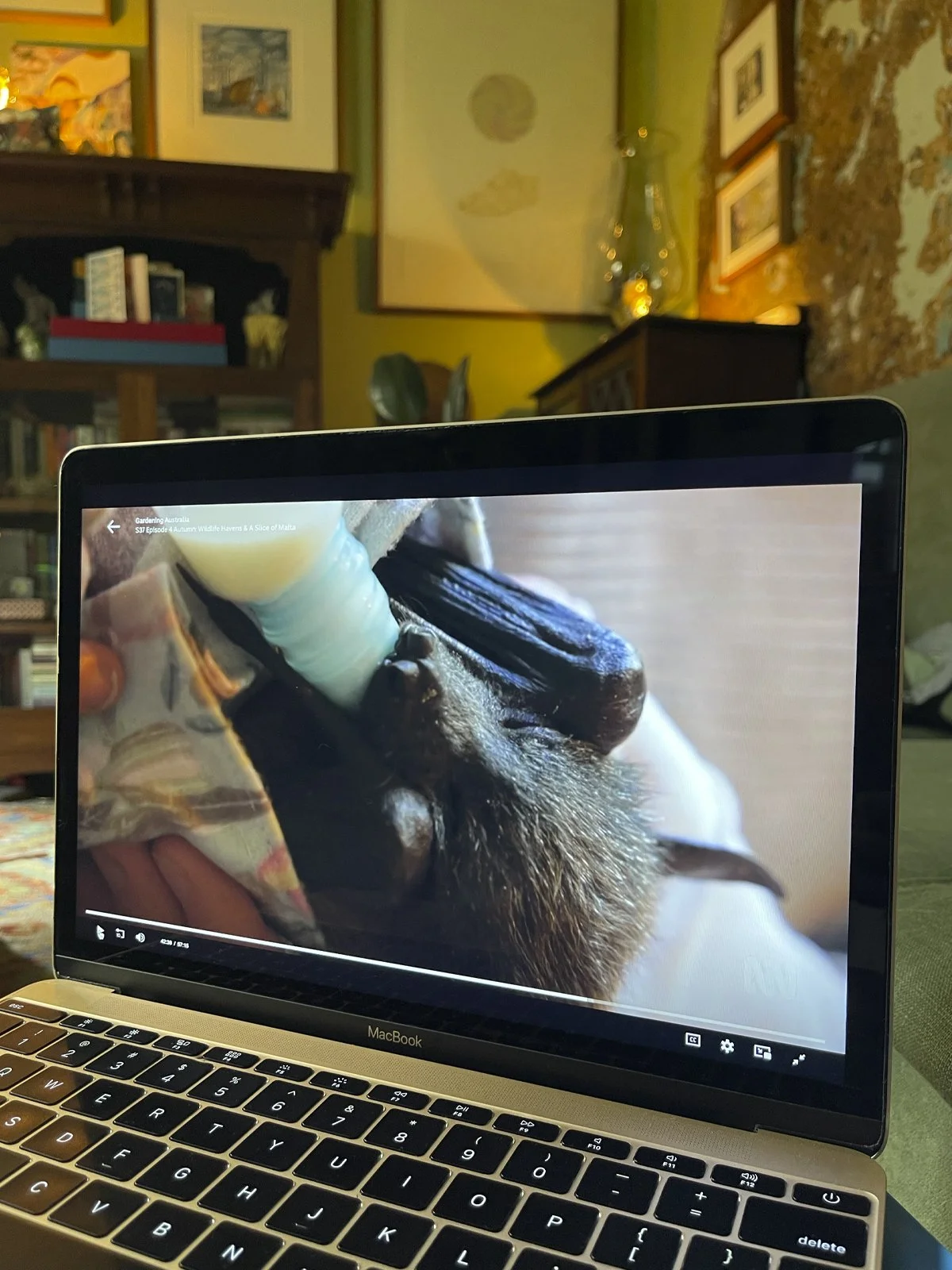
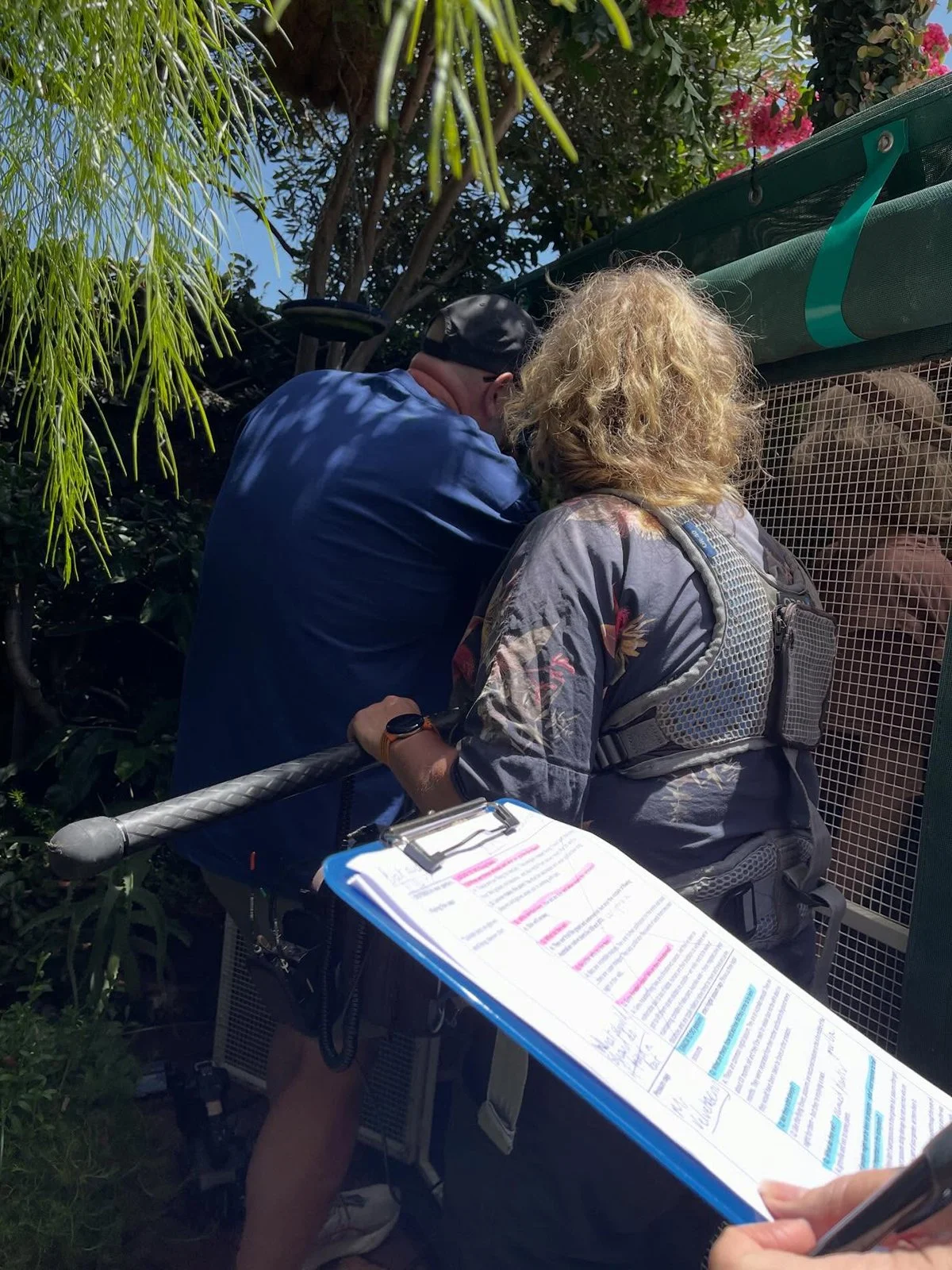
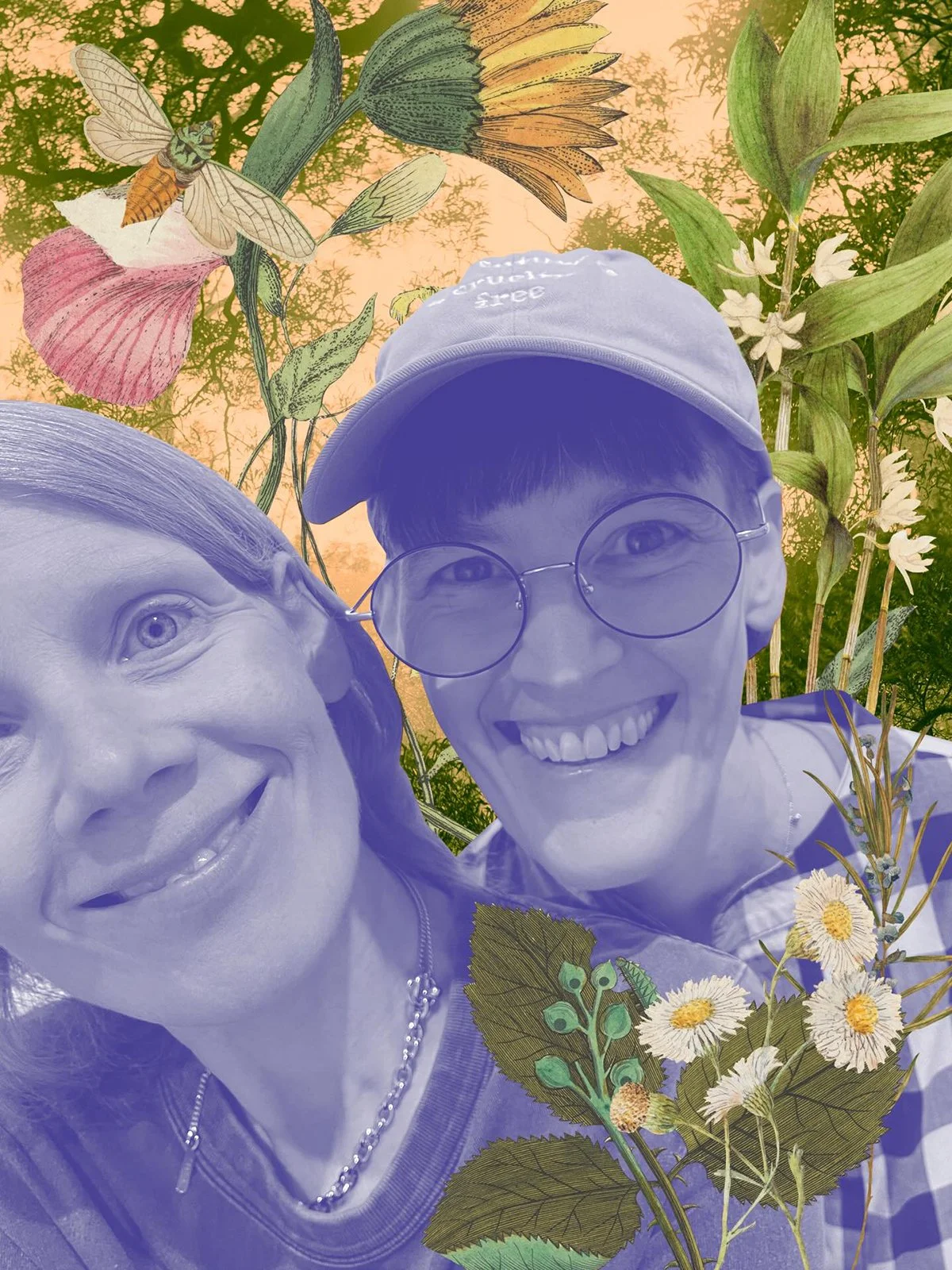
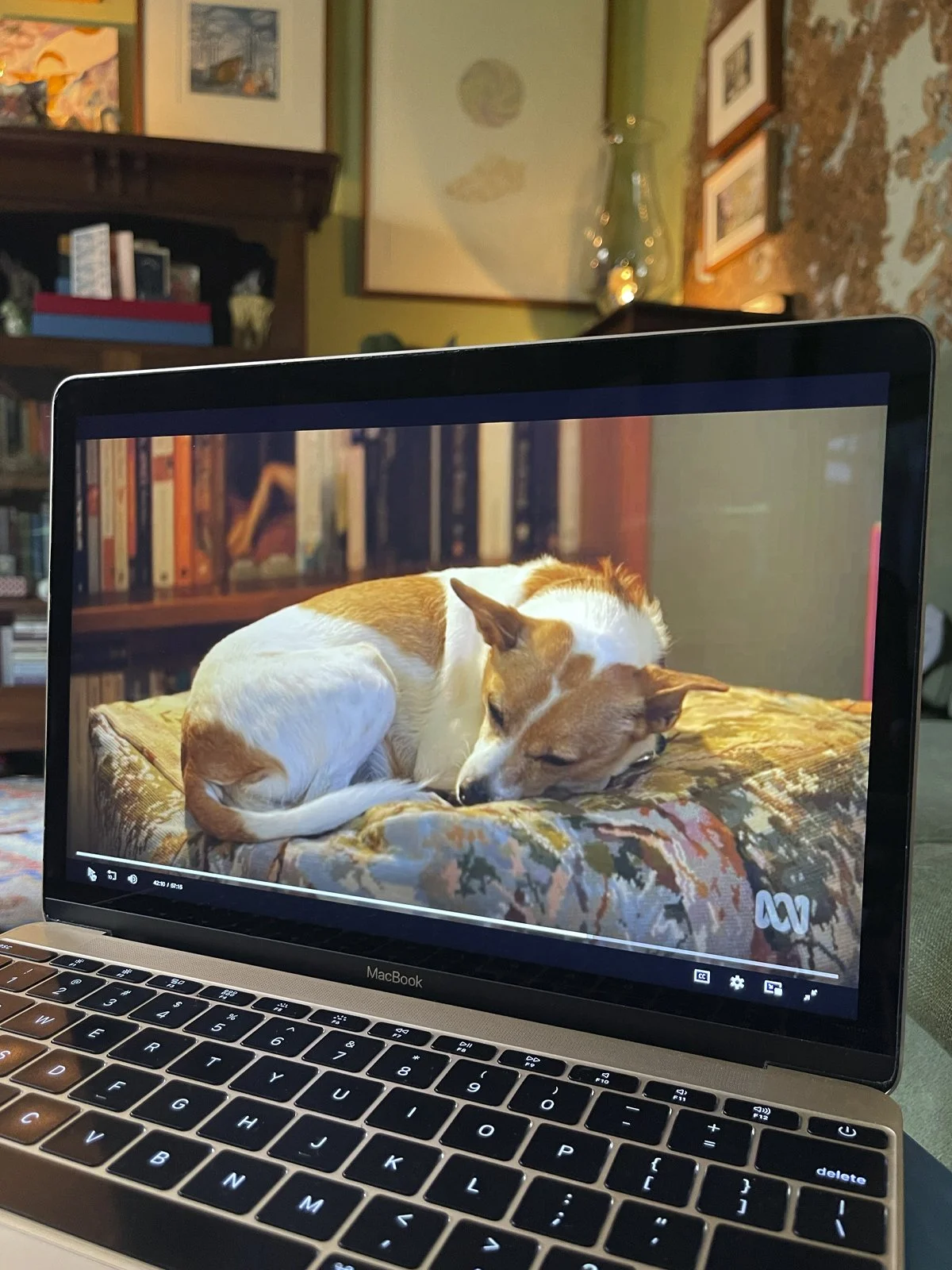
Rewind the tulips, the swamp everlastings, and see a little of the two of us and all things Tiny but Wild on the box. Our My Garden Path segment, recorded the summer previous, recently aired on ABC’s Gardening Australia.
Walk down the garden path with us on ABC’s Gardening Australia
You can stream it on iview, and all the previous episodes.
Find our particular segment on the Gardening Australia site.
Or watch it on the Gardening Australia YouTube channel.
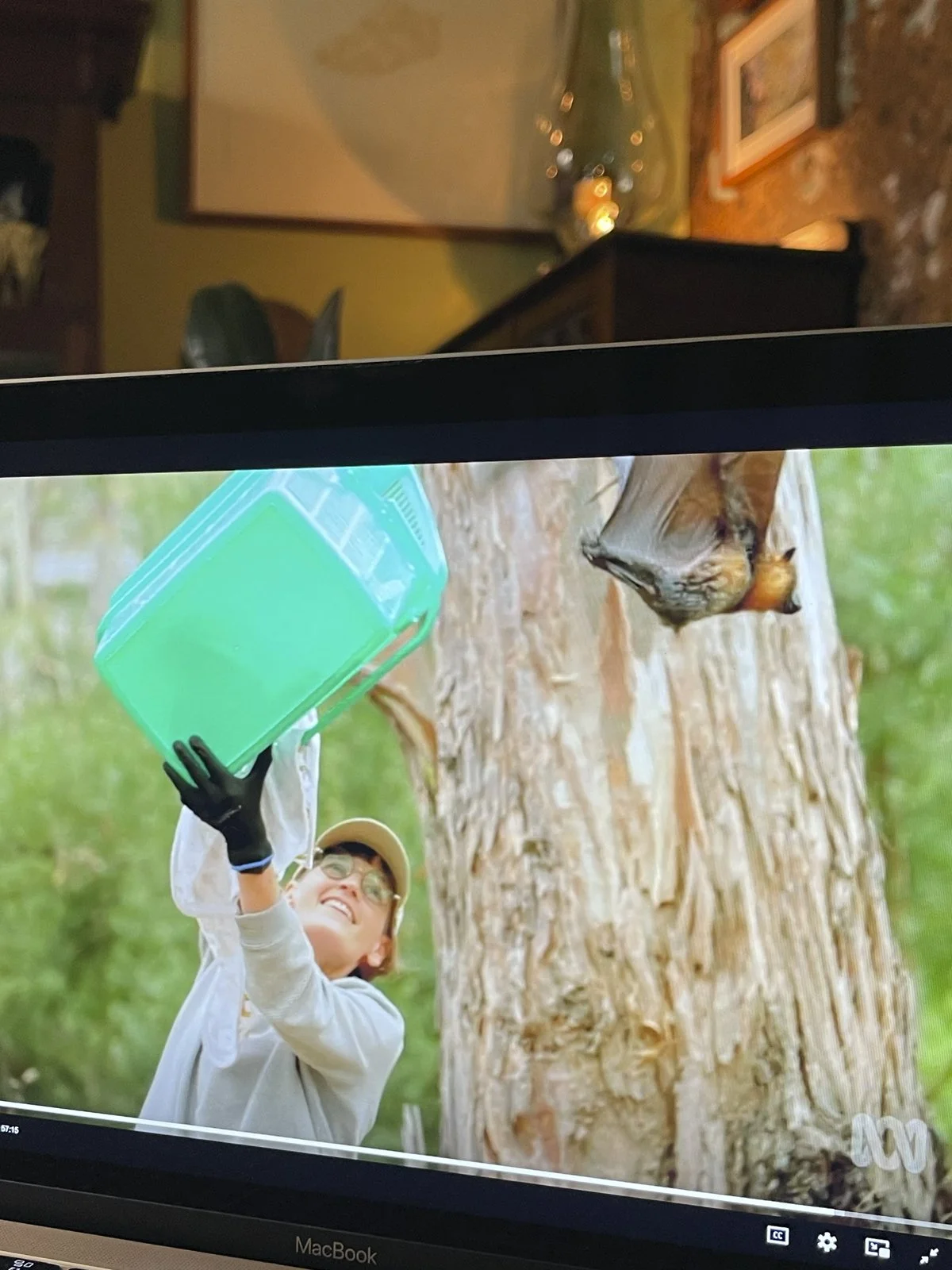
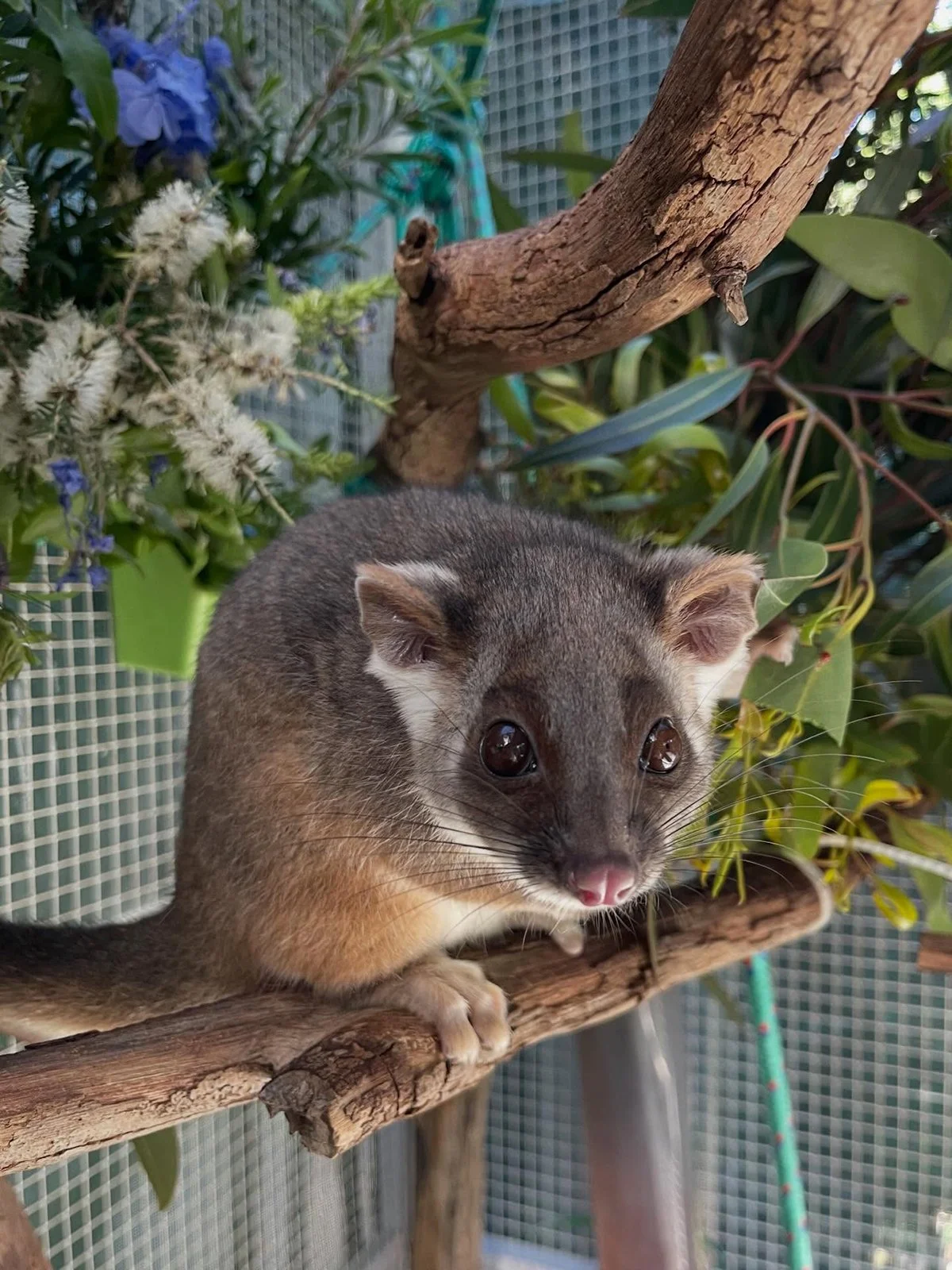
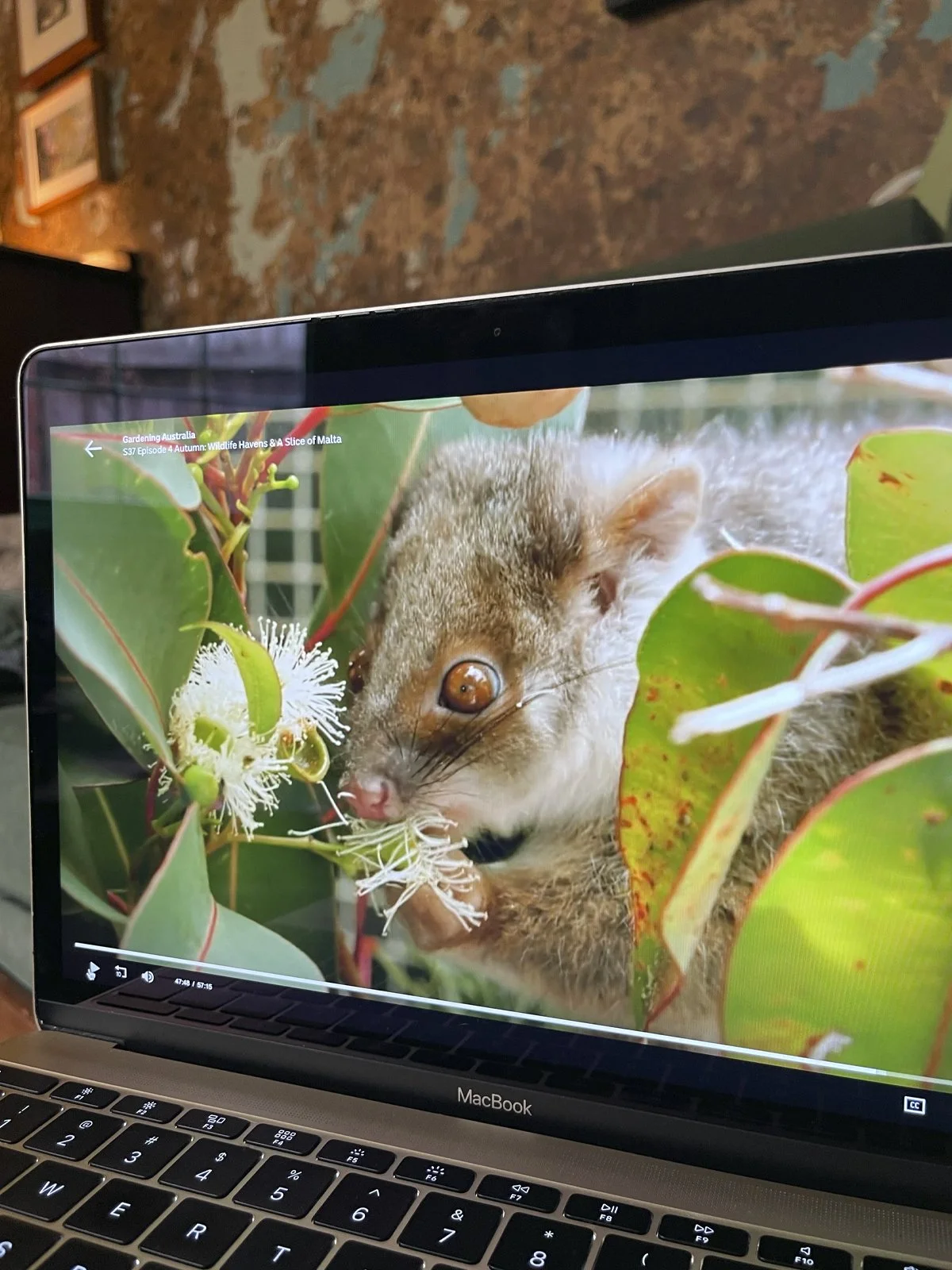
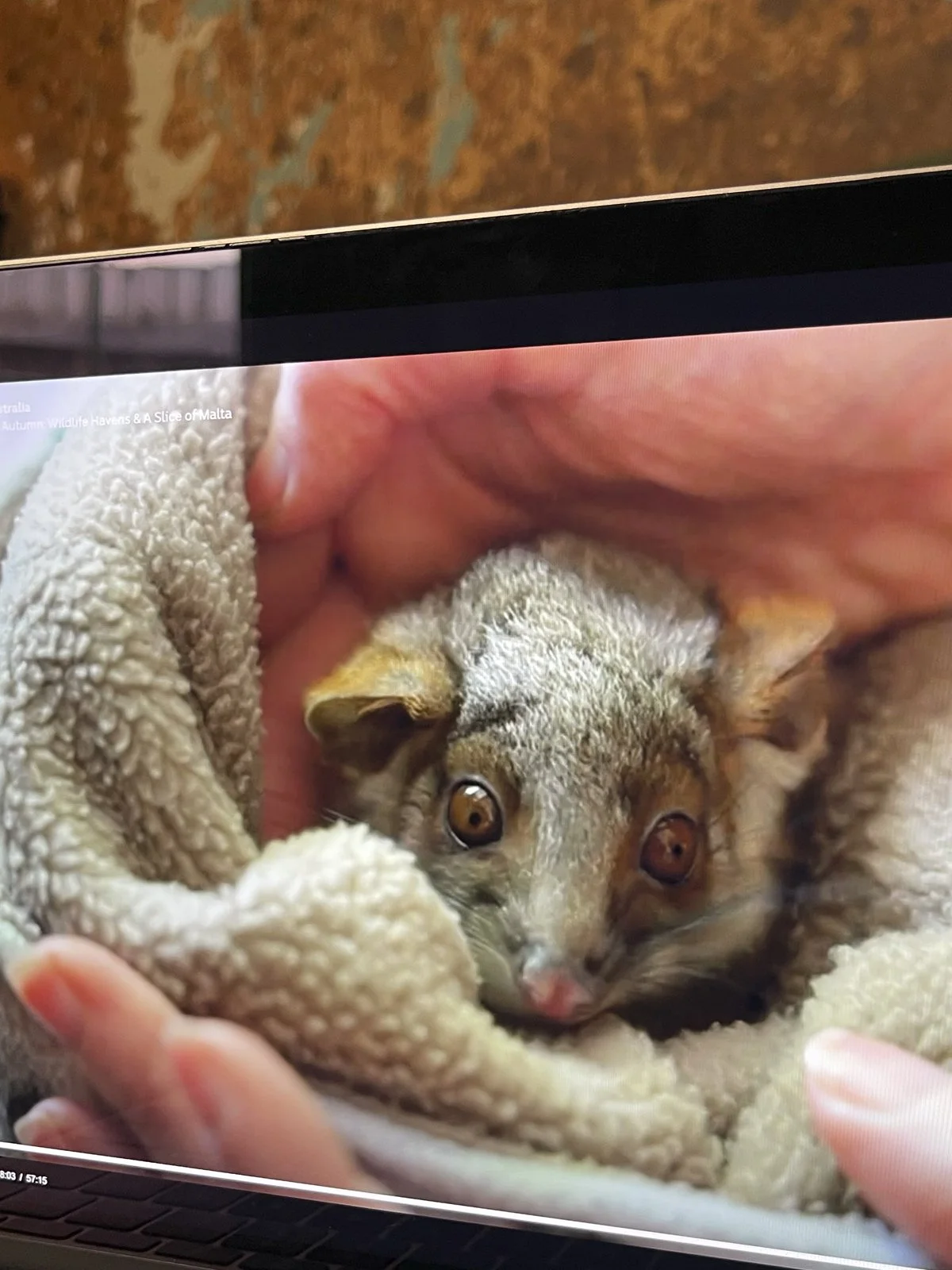
Thank-you to everyone for your abundance of cheerful, heartfelt messages about our wildlife shelter, Tiny but Wild, and our artwork featuring in the My Garden Path segment of Gardening Australia (episode 4, ‘Autumn: Wildlife Havens & A Slice of Malta’, series 37, 2026). Your messages across our socials, emails, text, orders, and donations (via our site) have been so very lovely to receive. We are overwhelmed, in the best possible sense, by such outpouring. Thank-you, dear all, on behalf of the wildlife currently in our care, and the two of us.
Thank-you to the Gardening Australia team for inviting us to feature, and compiling such a beautiful memory capsule for us. It was wonderful to see Marble, the ringtail possum, being weighed prior to her soft release; Hans Holbein the Younger, the Gould’s wattled bat, eating a mealworm; and Mr Velveteeny, the adult male Grey-headed flying fox, return to the colony at Yarra Bend to be with his kin once more.
Thank-you, all.
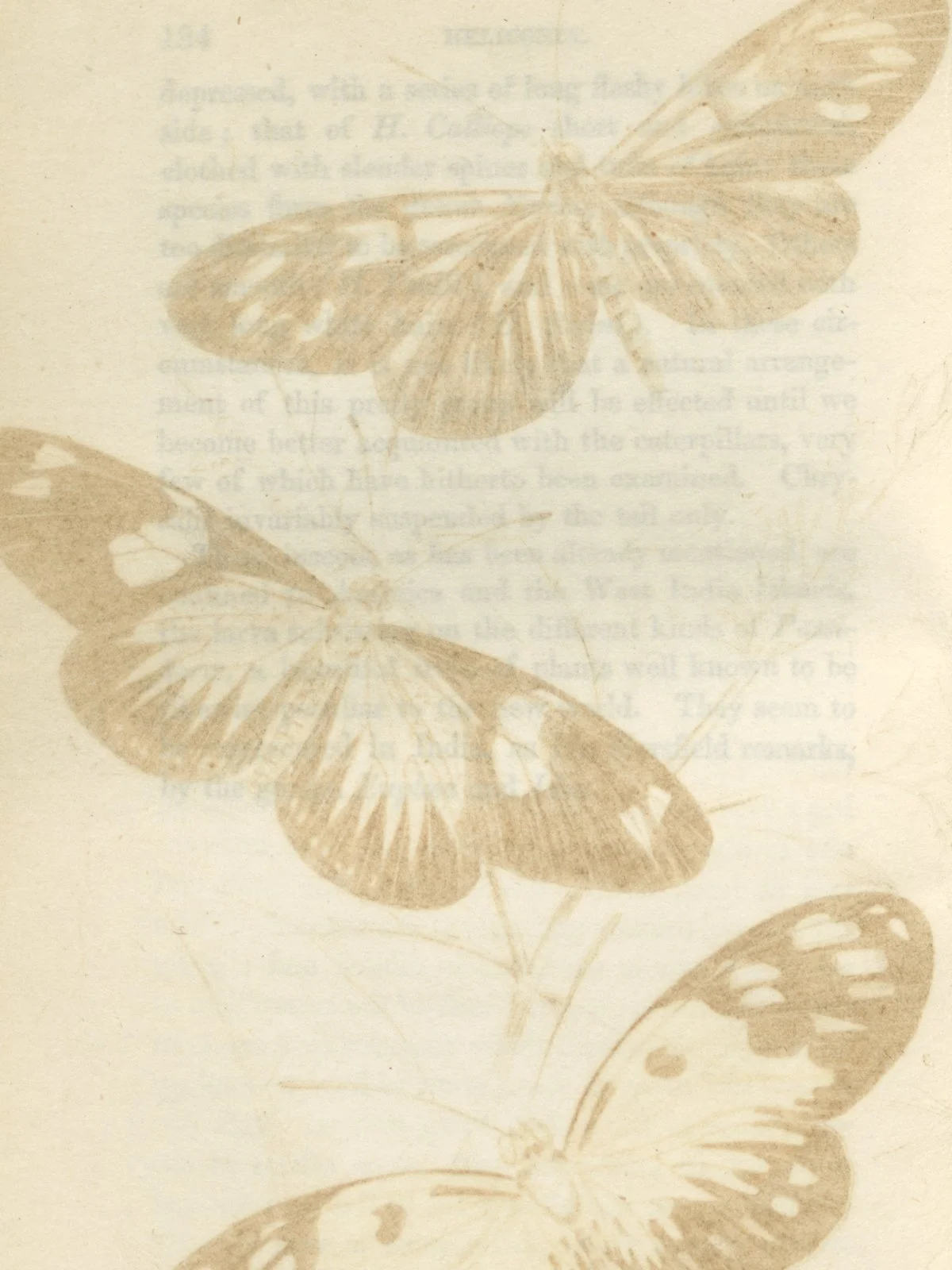
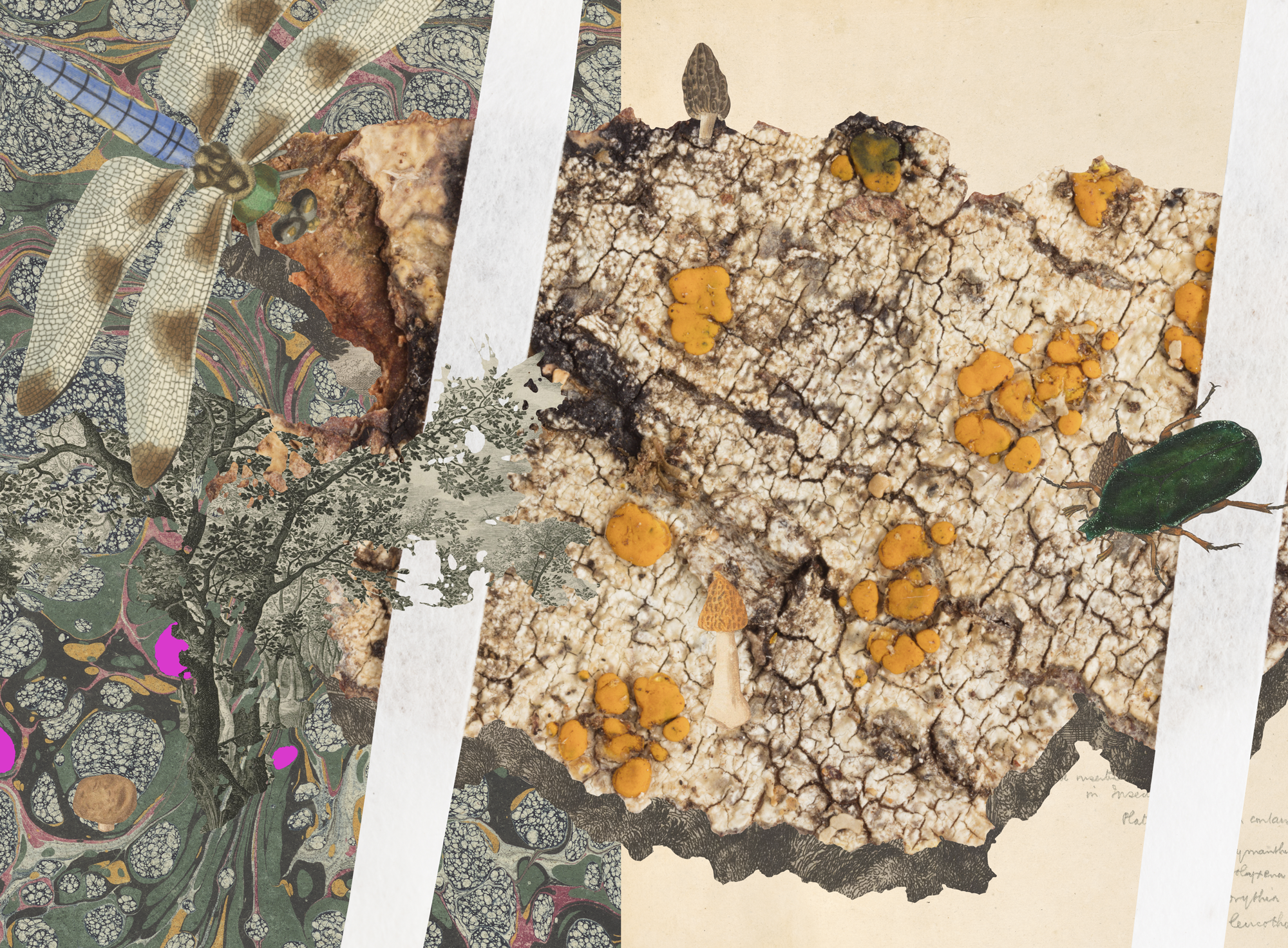
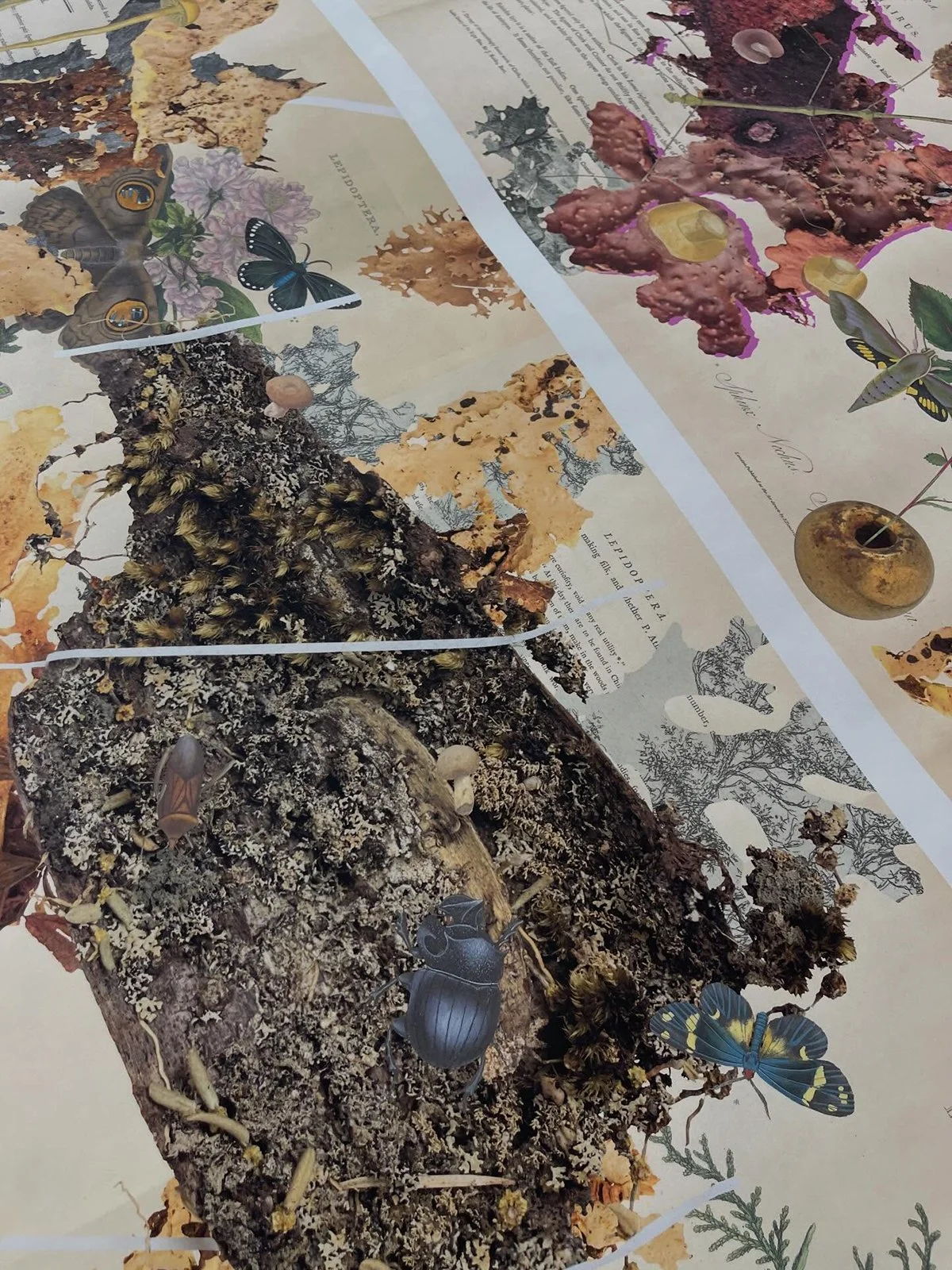
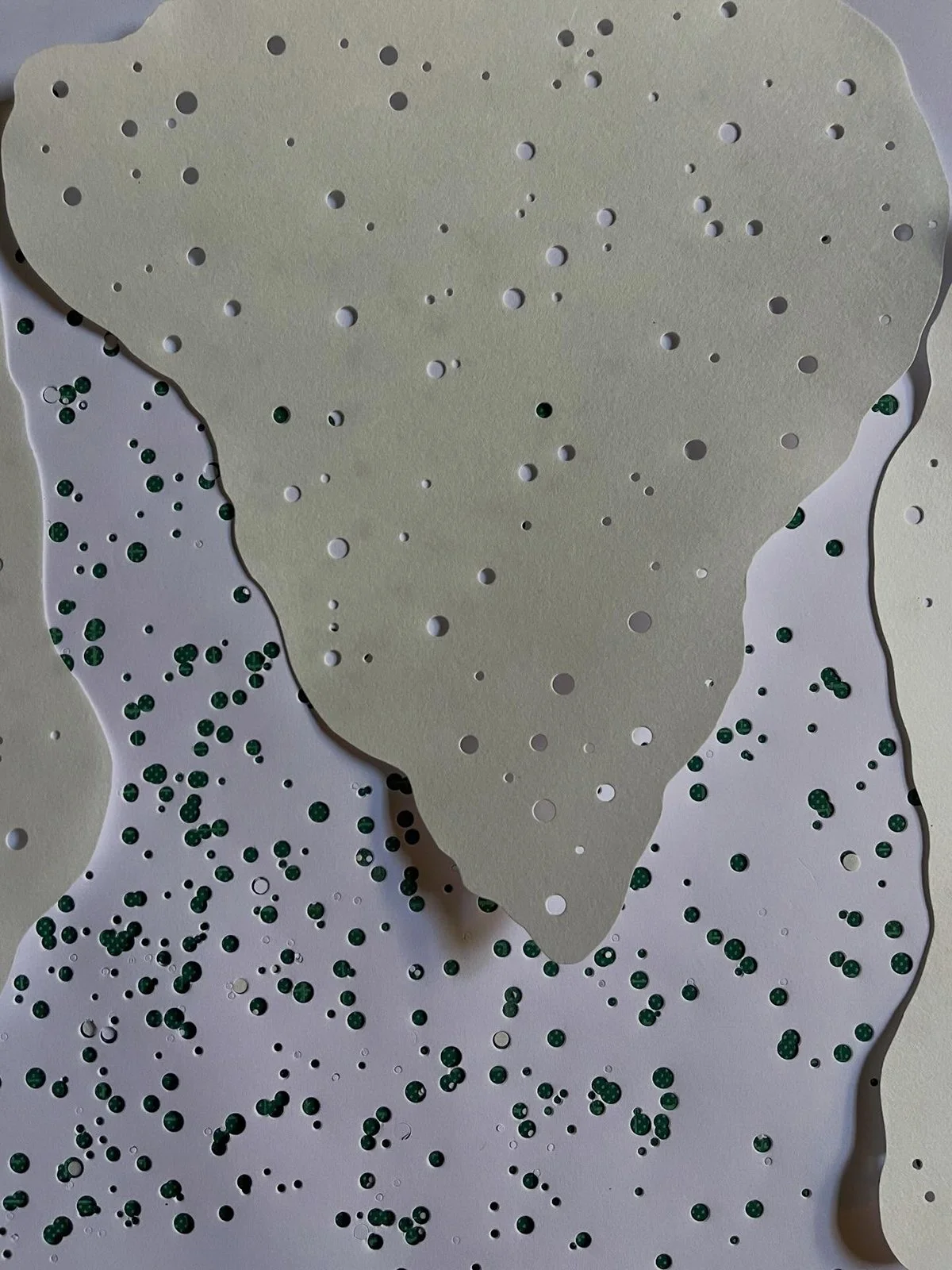
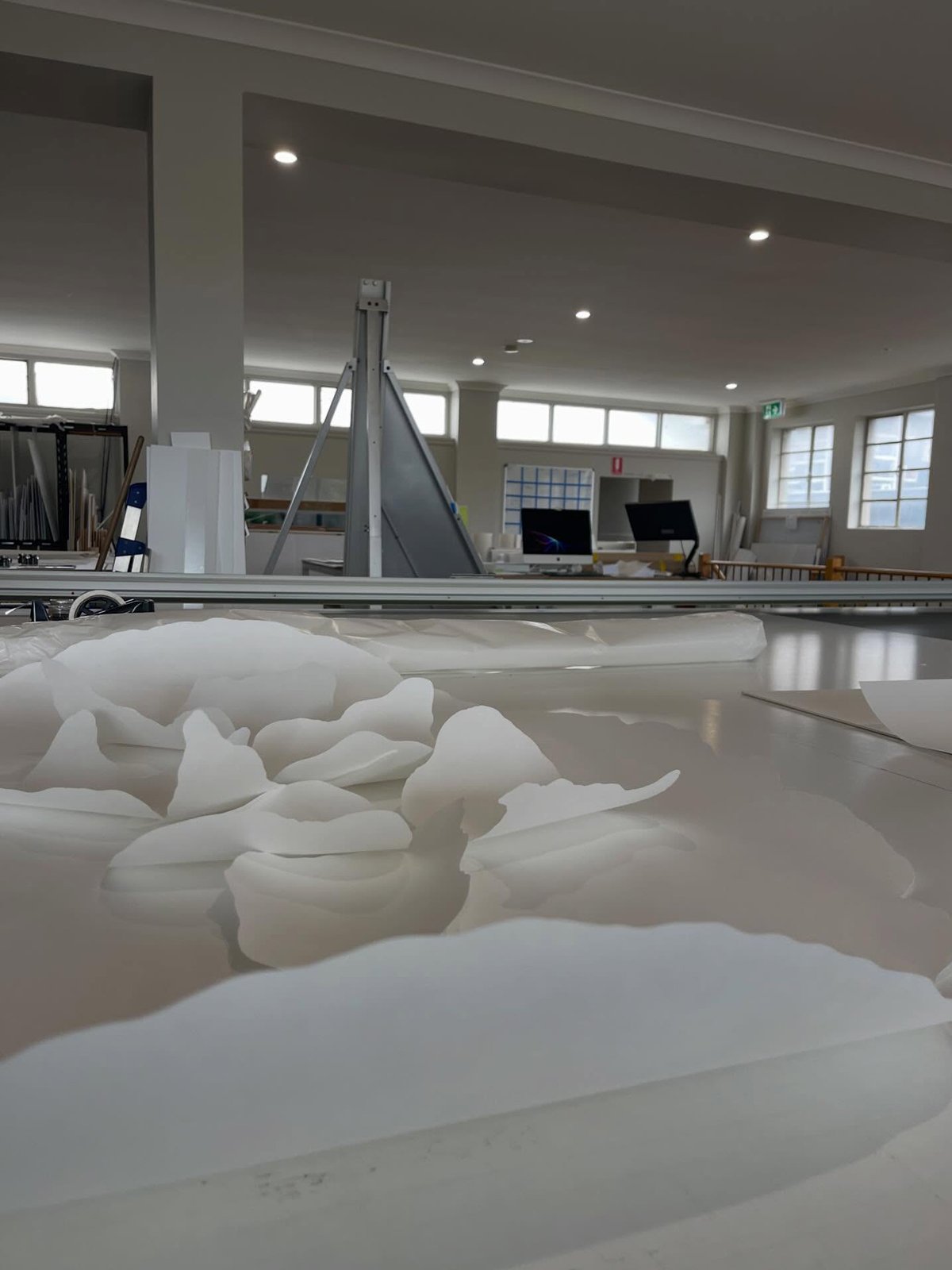
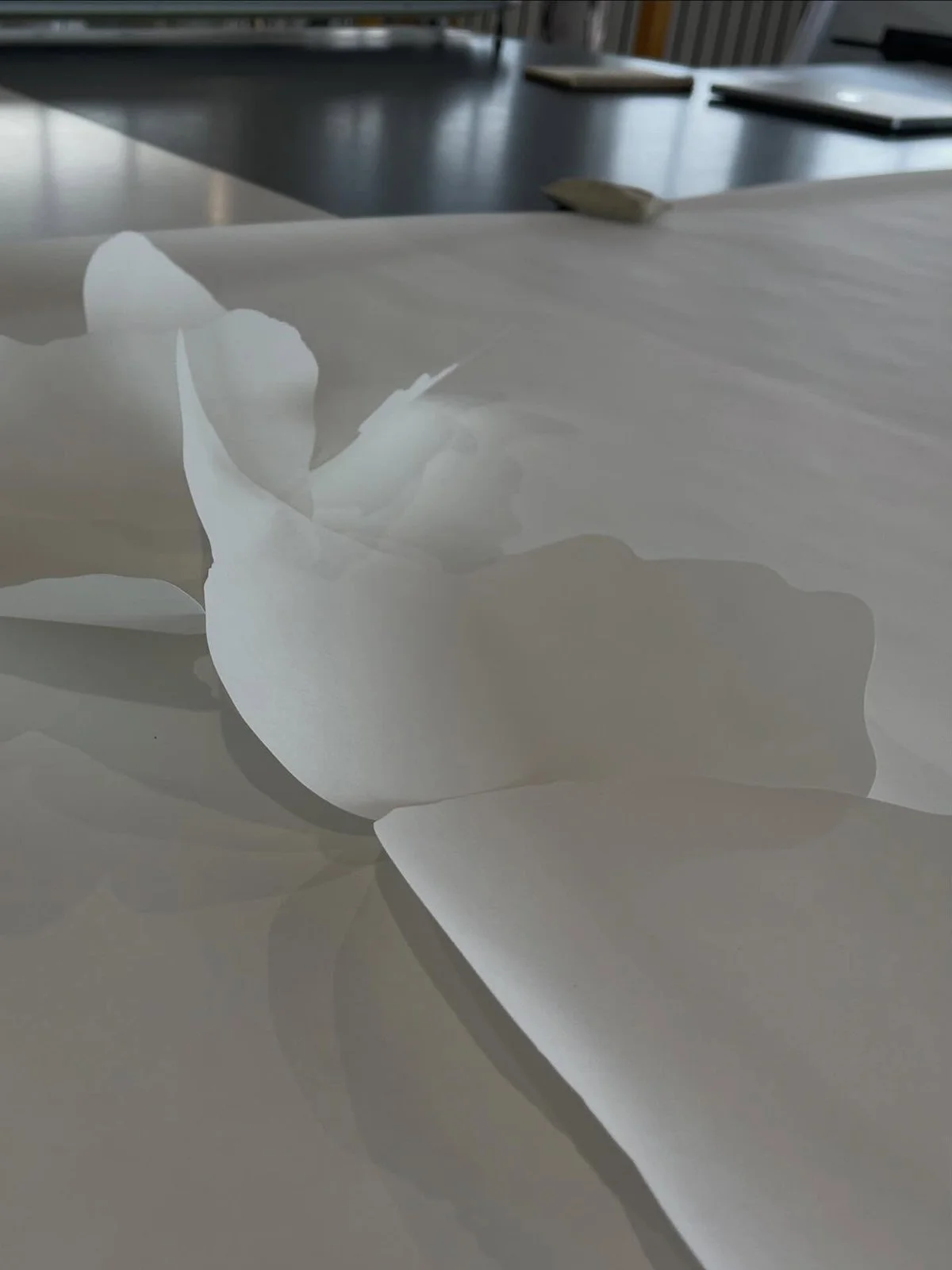
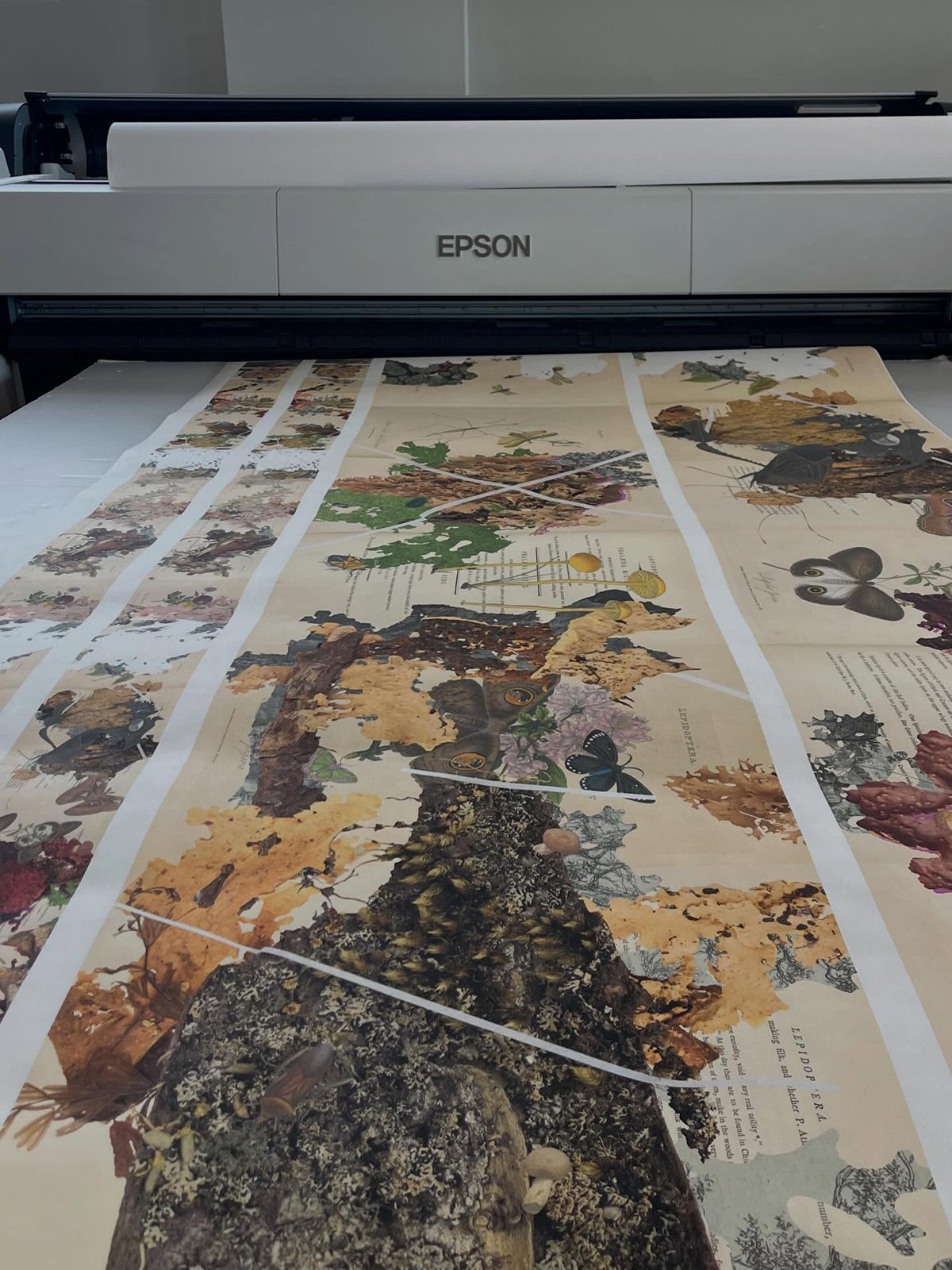
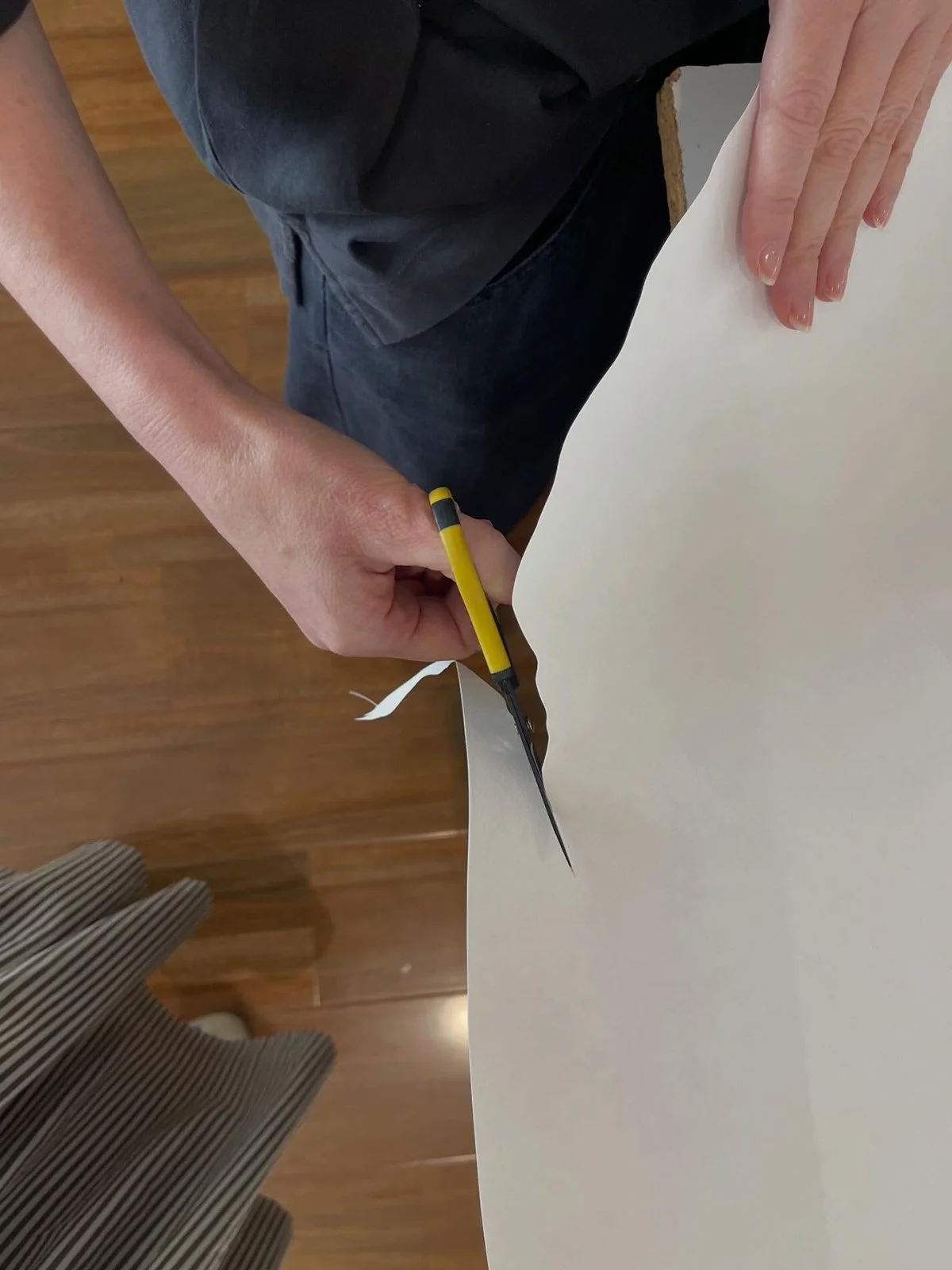
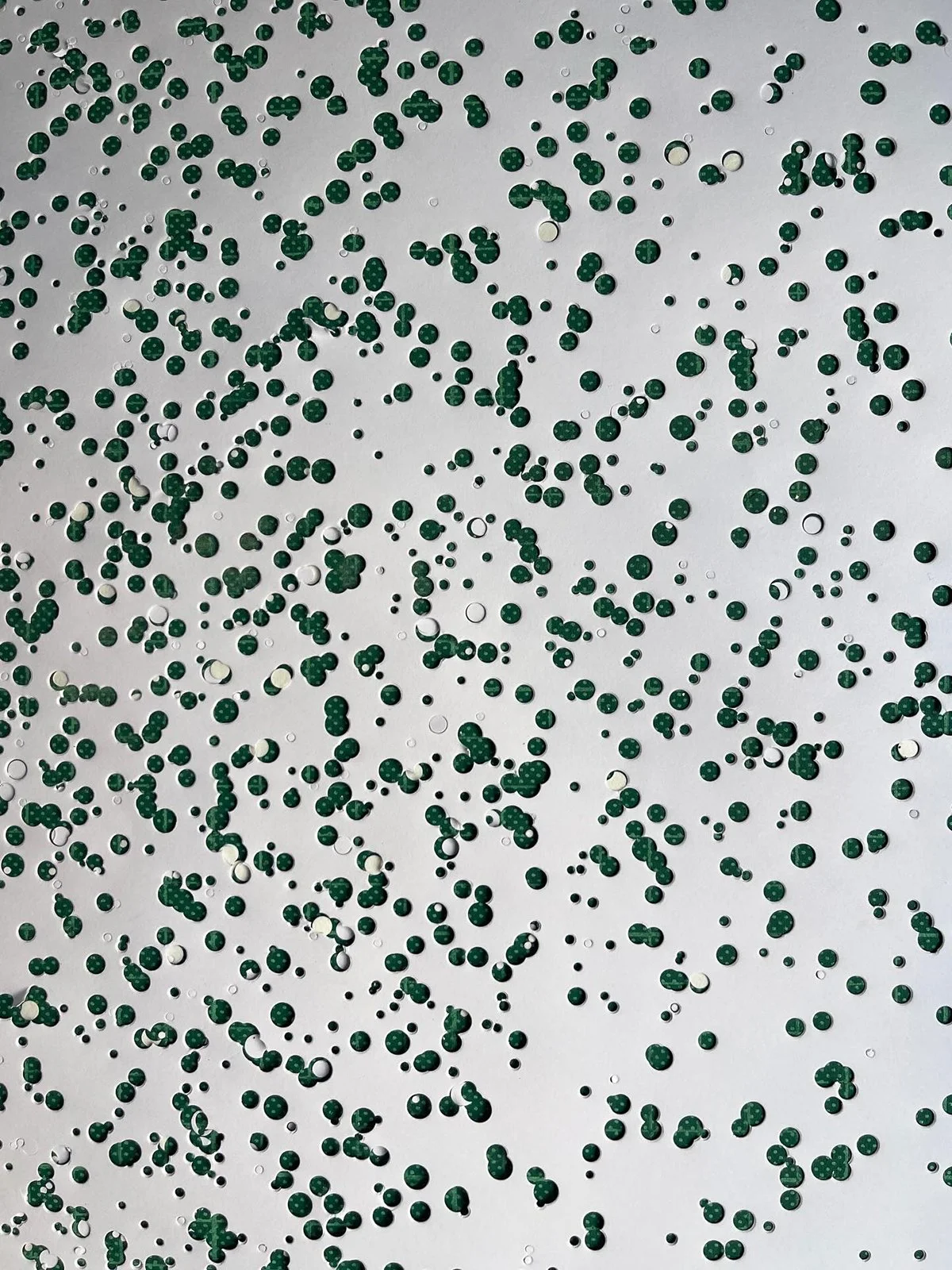
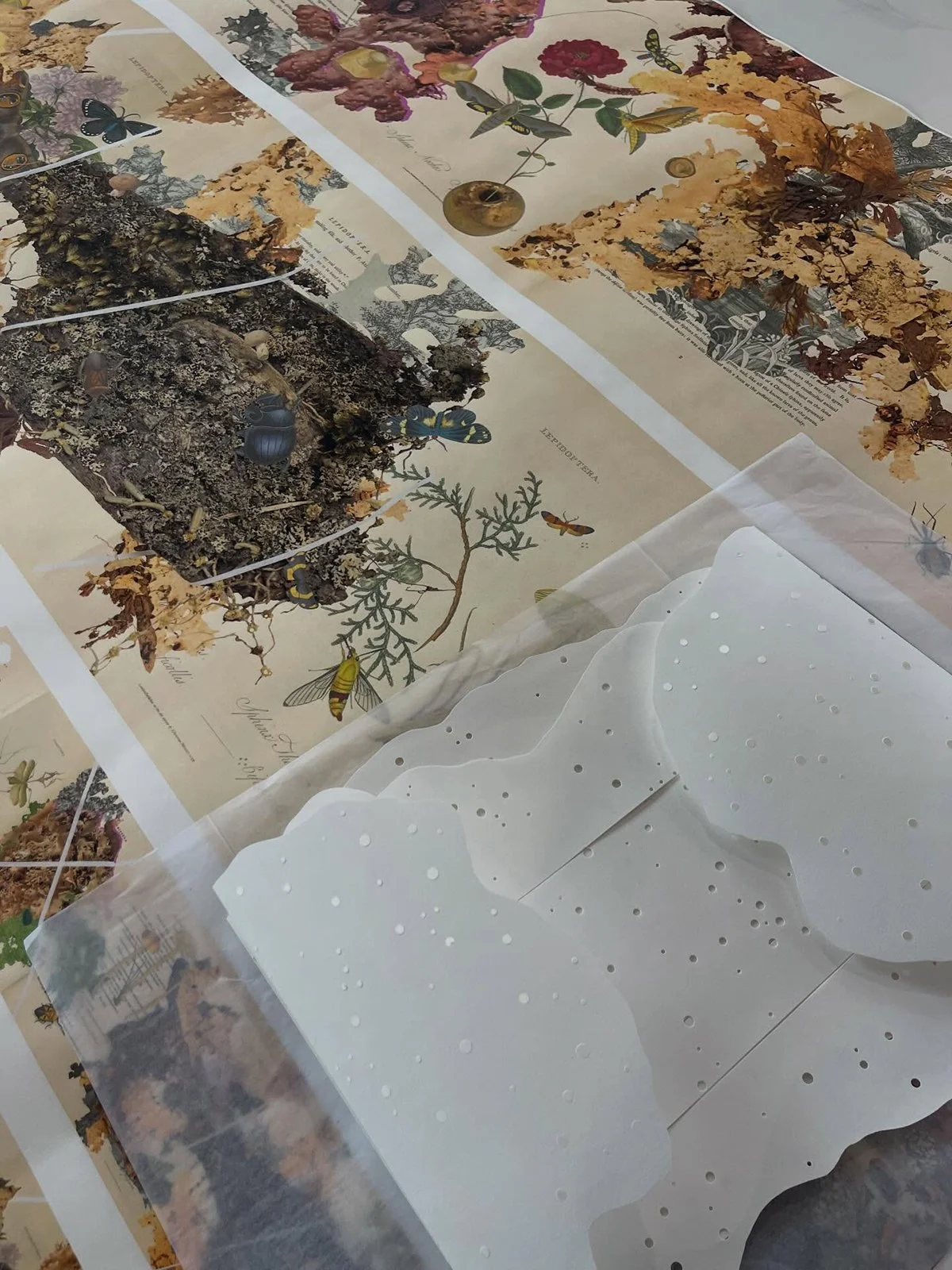
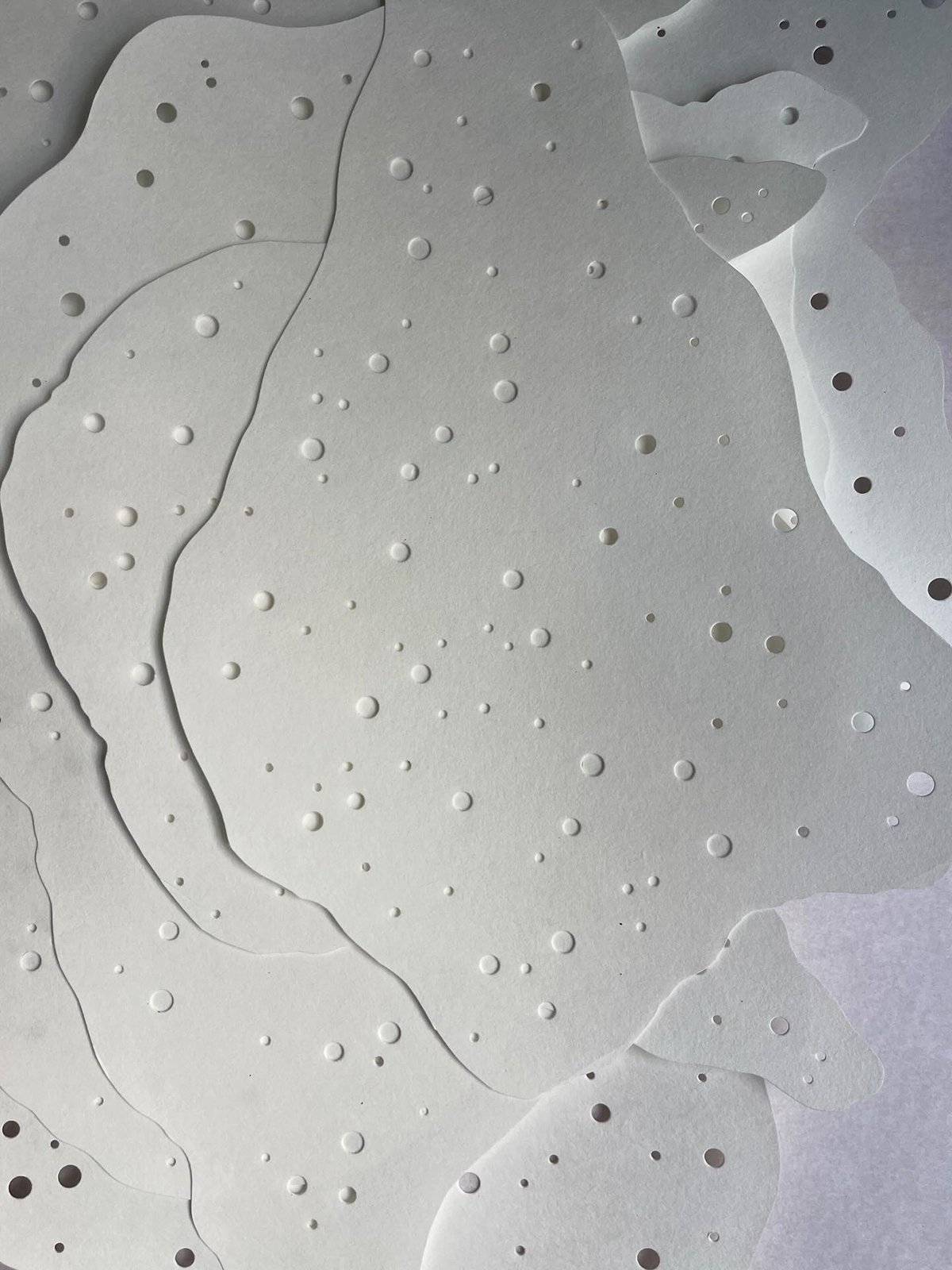
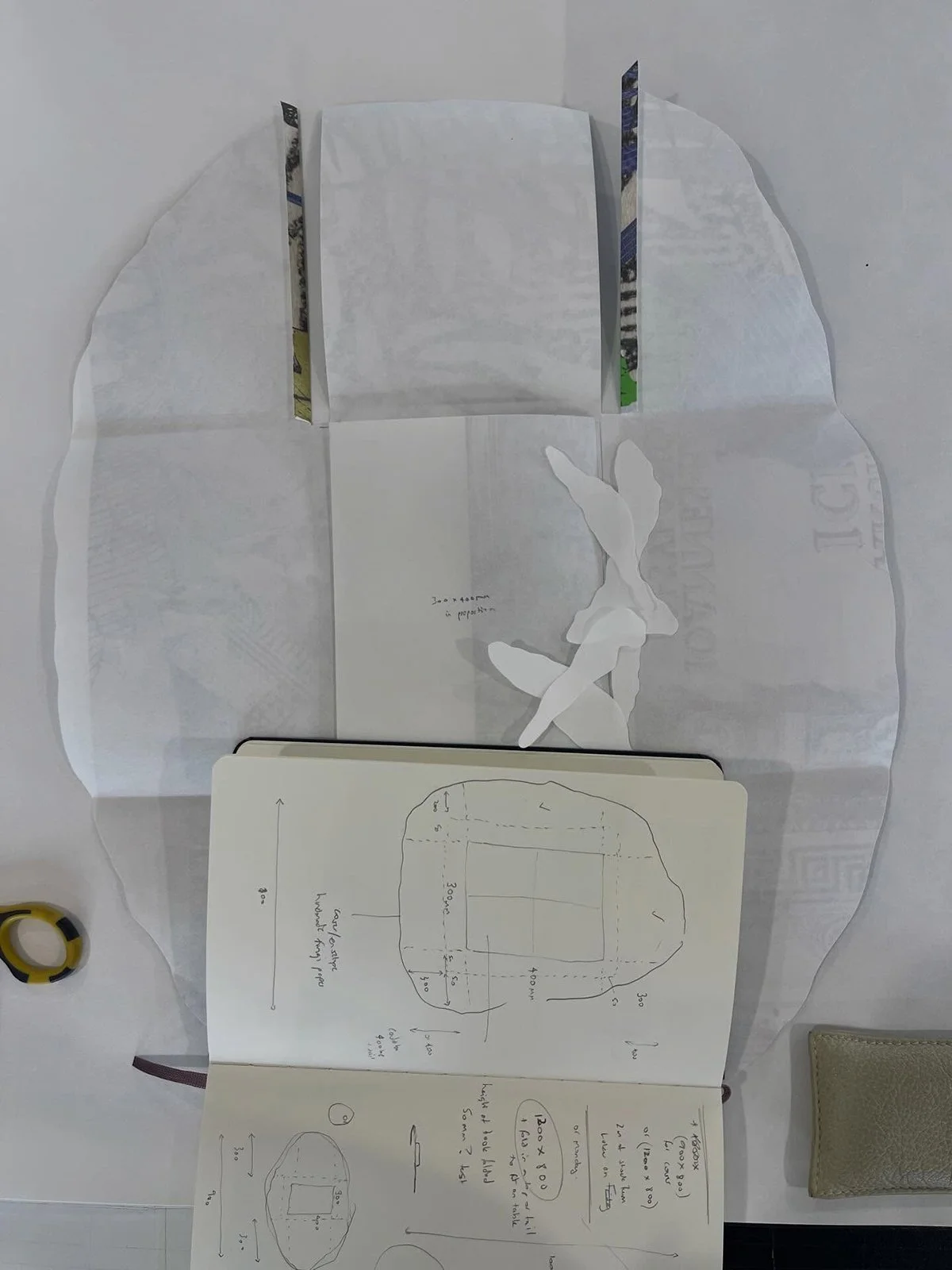
Elsewhere, a natural history book continues to become a mycelial landscape. Our new artists’ book, Can we dream it?, is very near complete. 9.6 metres in length, this single-sided concertina artists’ book, folded at 300mm intervals, unfurls like a hyphal thread. Housed in a paper cover, cut by hand, it will soon to be exhibited as part of Entanglements with Fungi: Life, Death, and Renewal, curated by Dr Felicity Spear, at WAMA, the National Centre for Environmental Art.
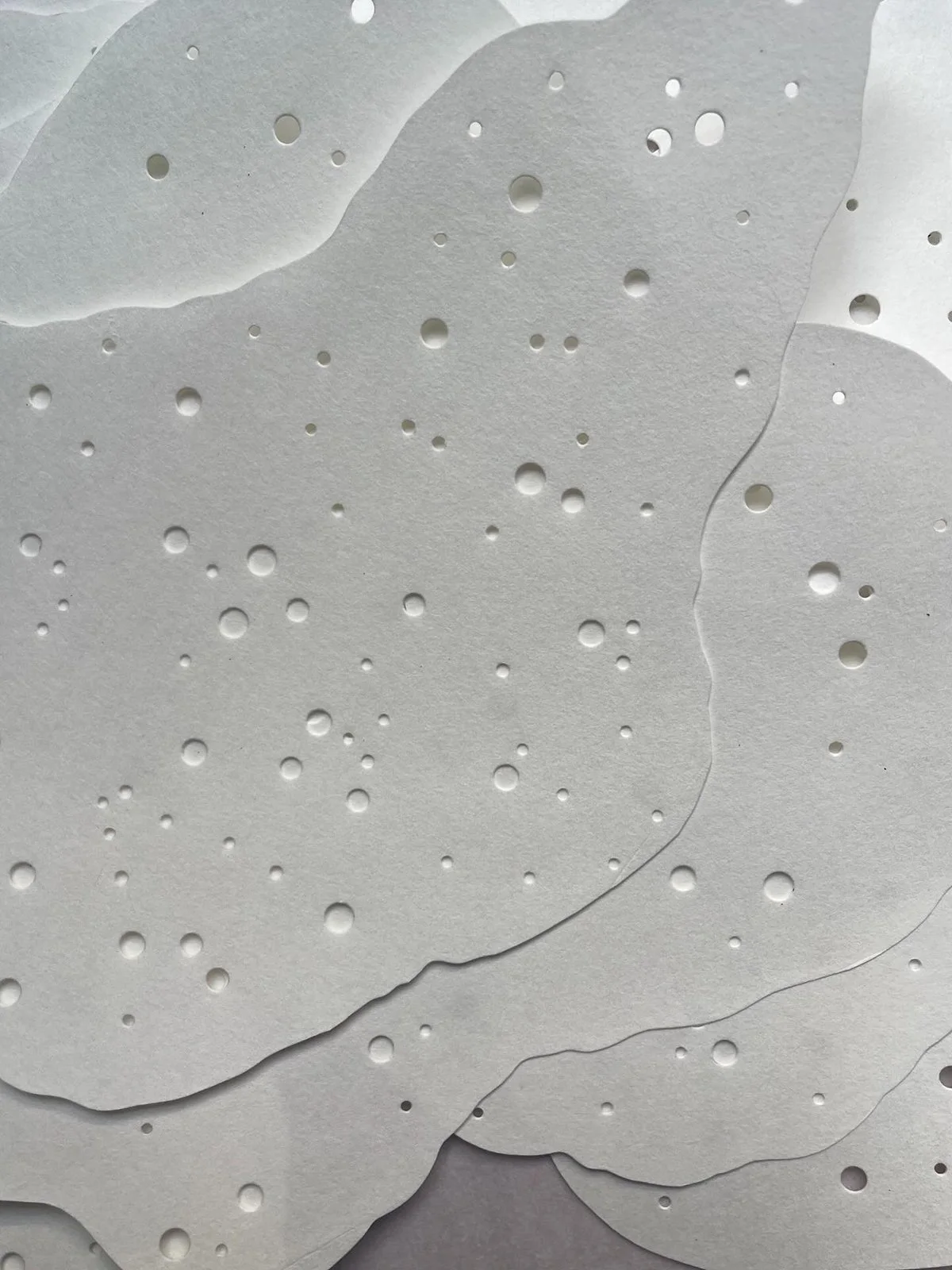
Hole by hole, Can we dream it? responds: quite possibly.
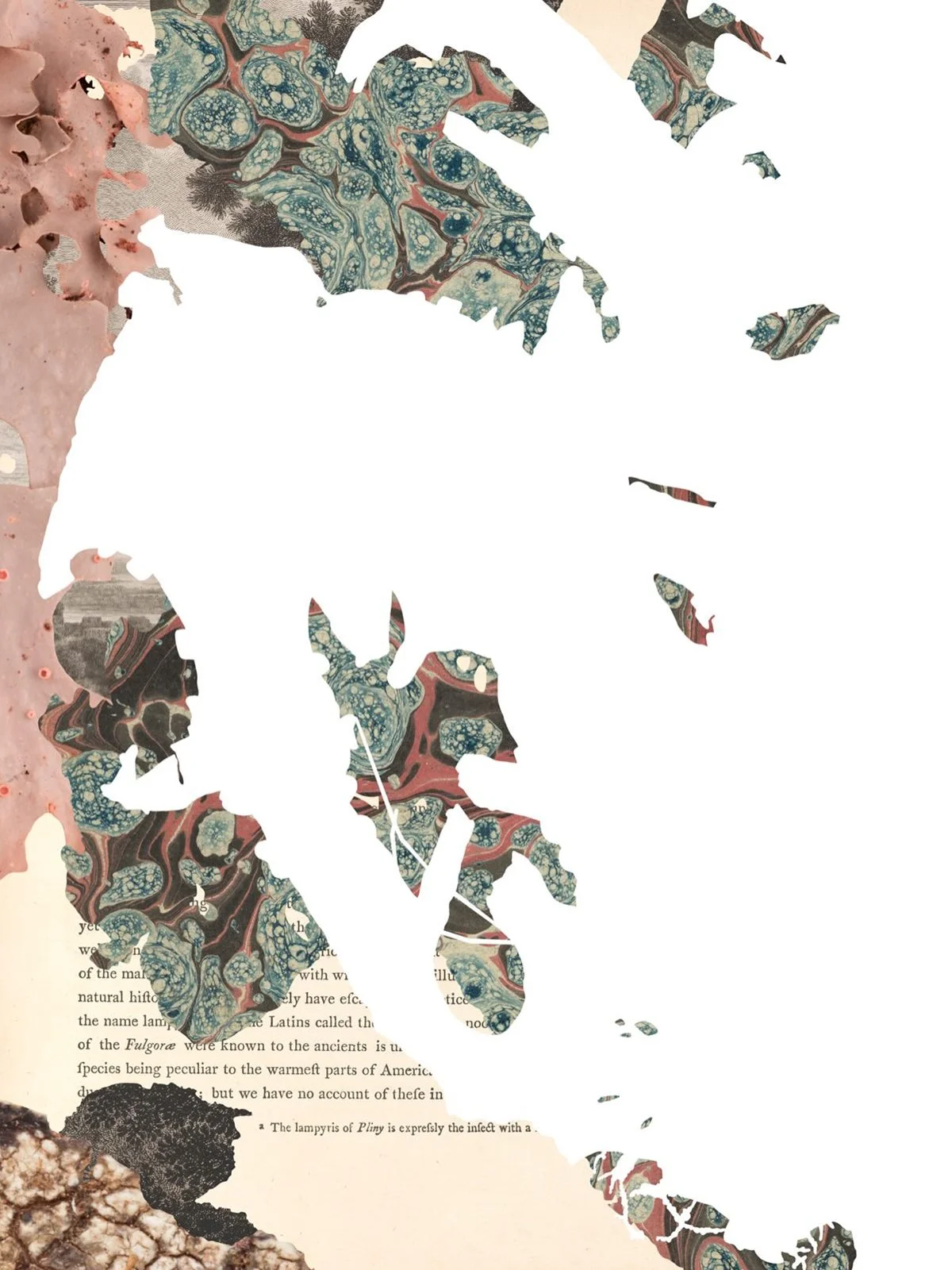
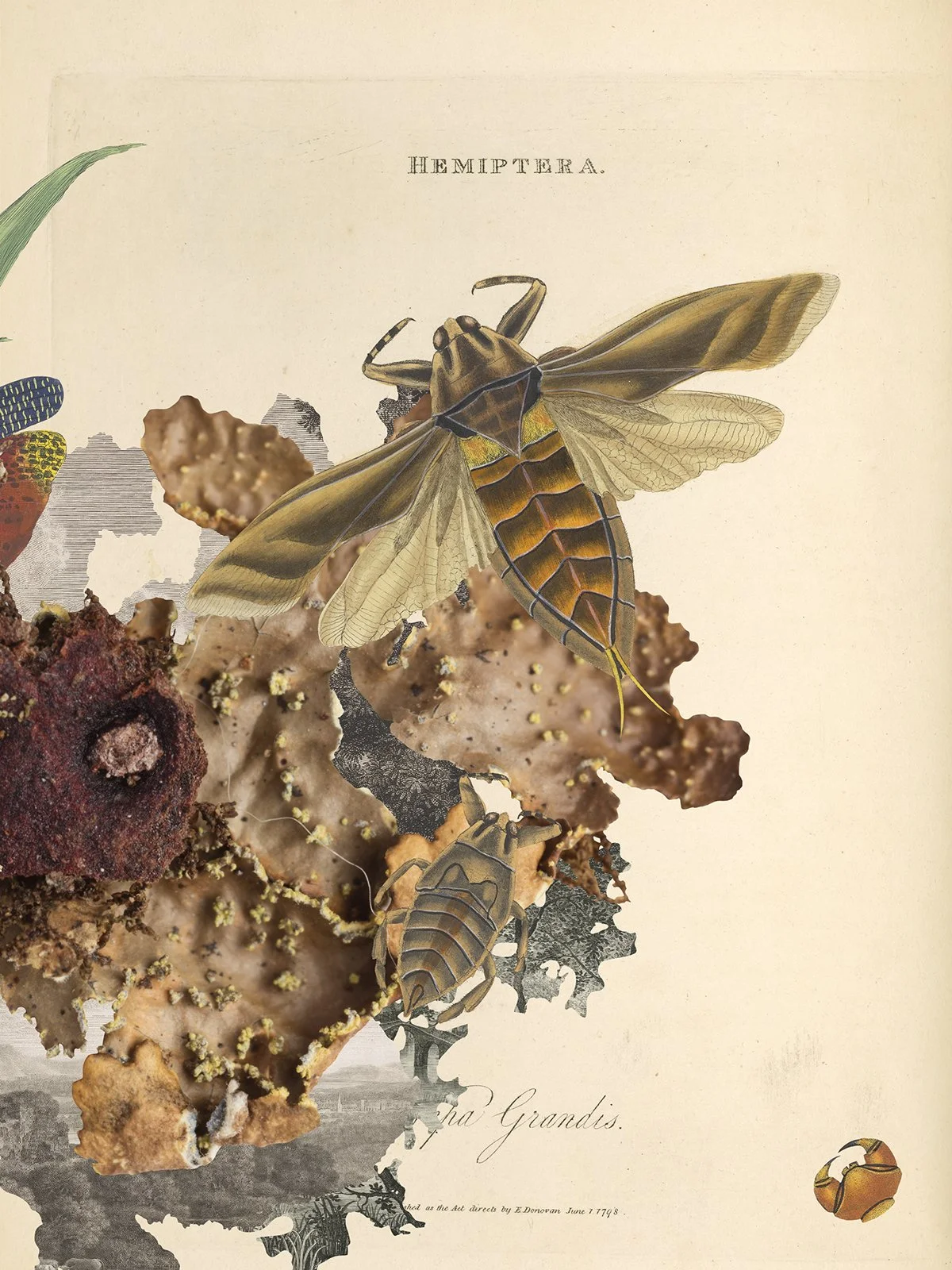
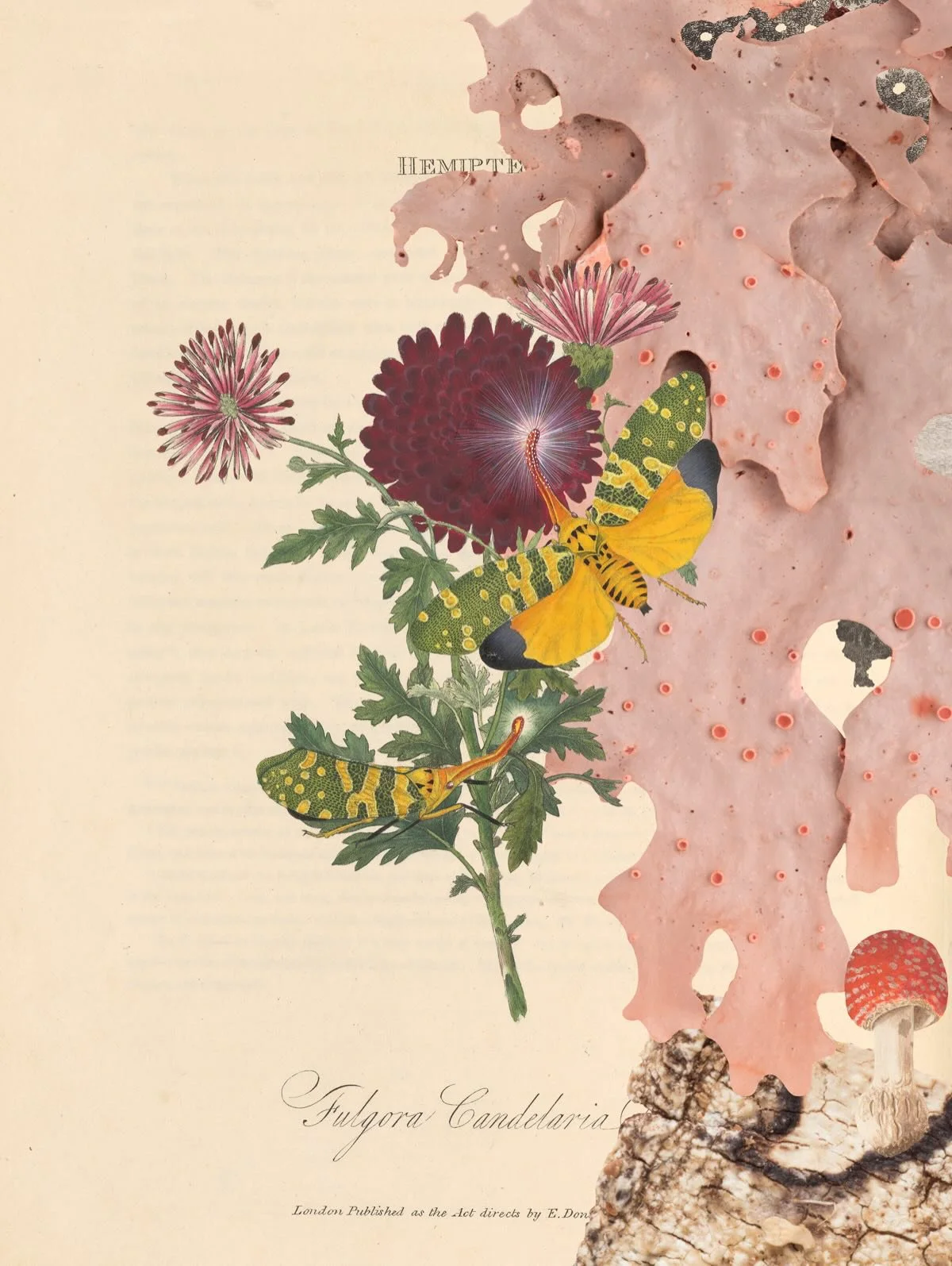
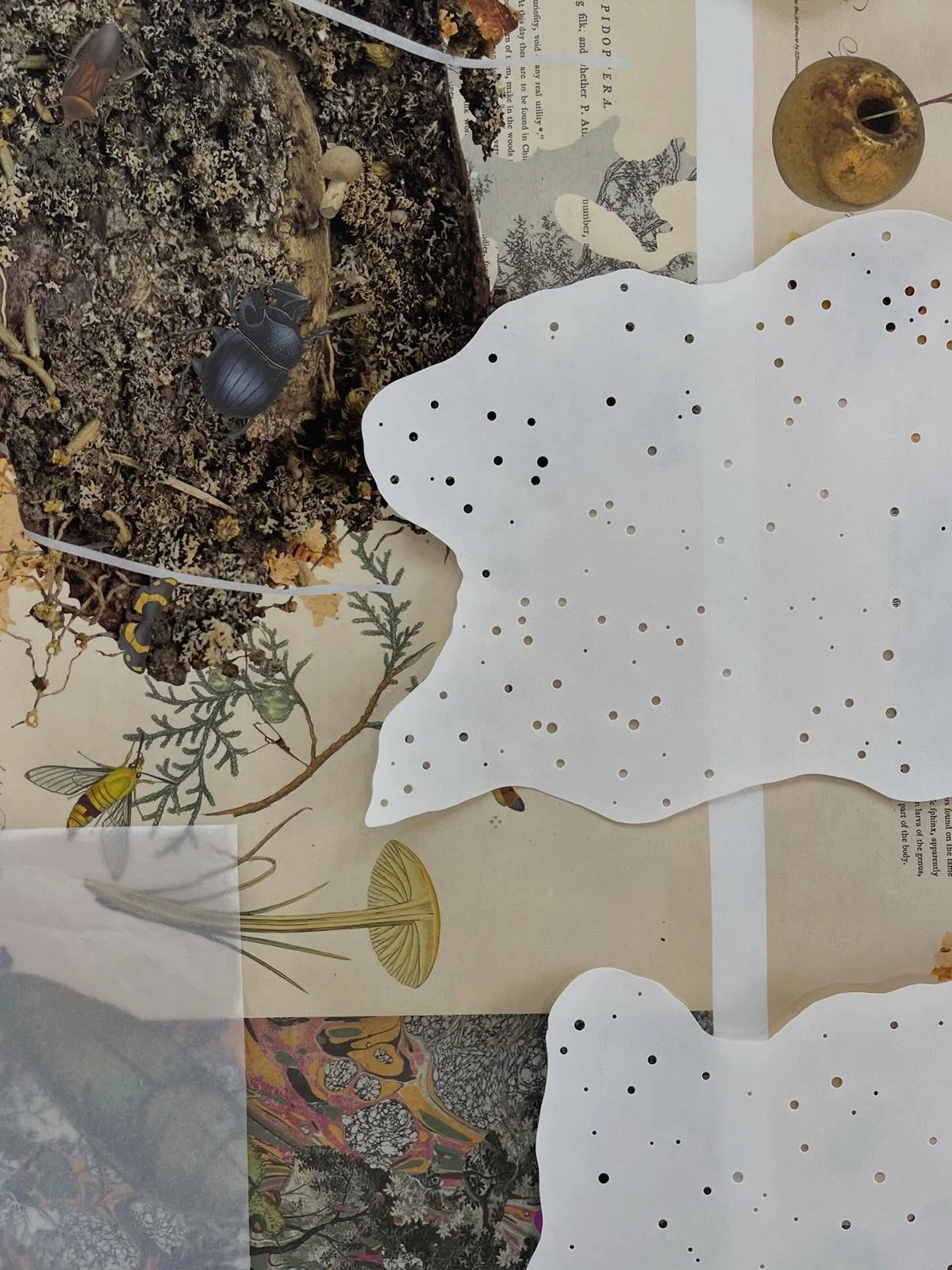
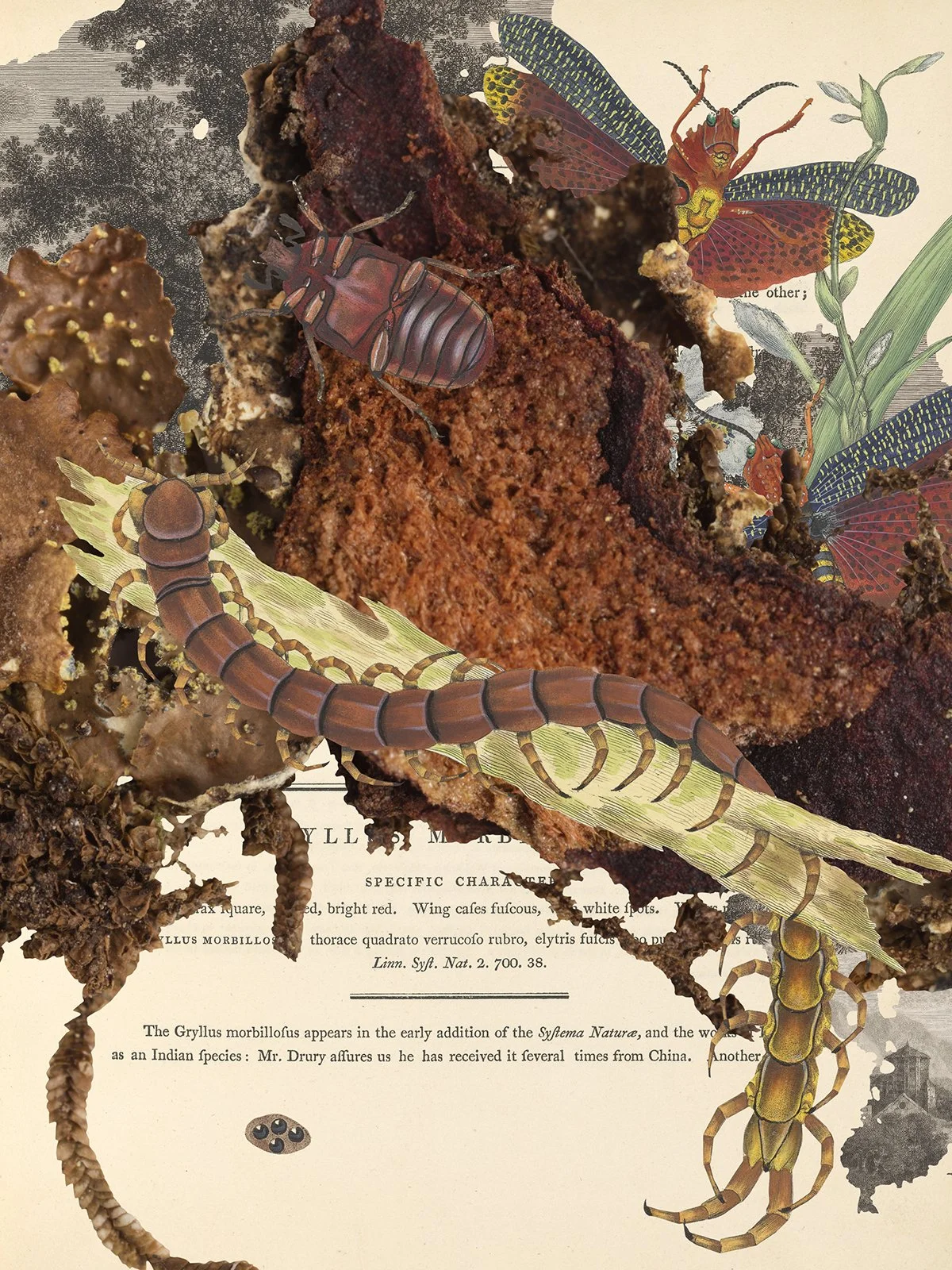
Can we imagine what an edition of Edward Donovan’s An epitome of the natural history of the insects of China[i], from 1798, might look like if it were buried beneath the earth, if it were absorbed by the mycorrhizal framework of diverse systems? Permeated with dried specimens of Coniophora, Coprinopsis and several lichens[ii], the engraved and hand-coloured, glossy highlights of Donovan’s Field crickets and Lantern bugs are in a different kind of transformative process, one that is part concealment, part dream state. What does it look like? How might it feel? How, indeed, do fungi make worlds, over the albumen overglaze of Dung beetles, or the metallic sheen of the wood-boring Chrysochroa vittata? What might those interlaced webs sound like as they grow, all energy and all movement?
Can we fuse a fantastical symbiosis on the page in a state of togetherness?
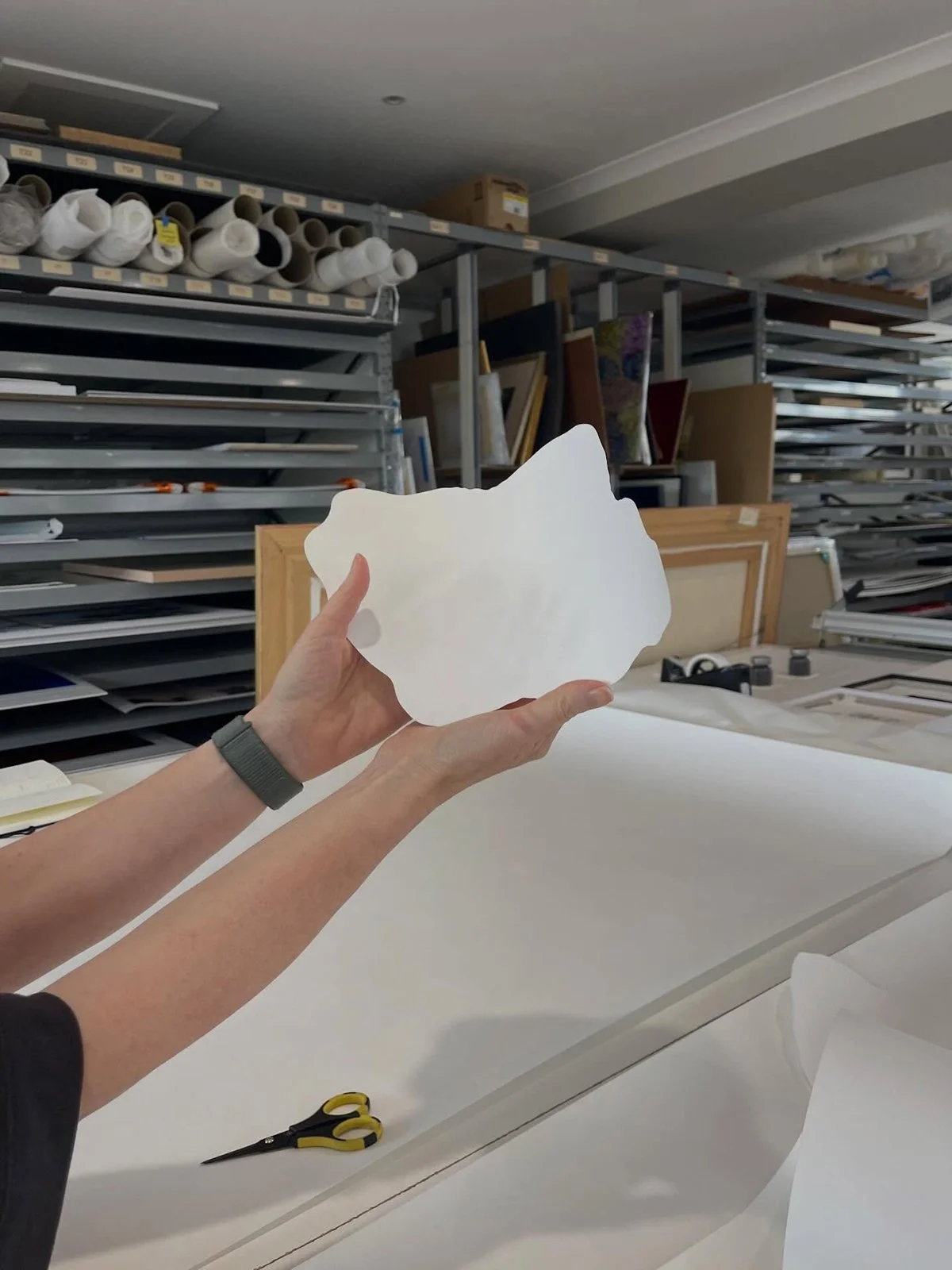
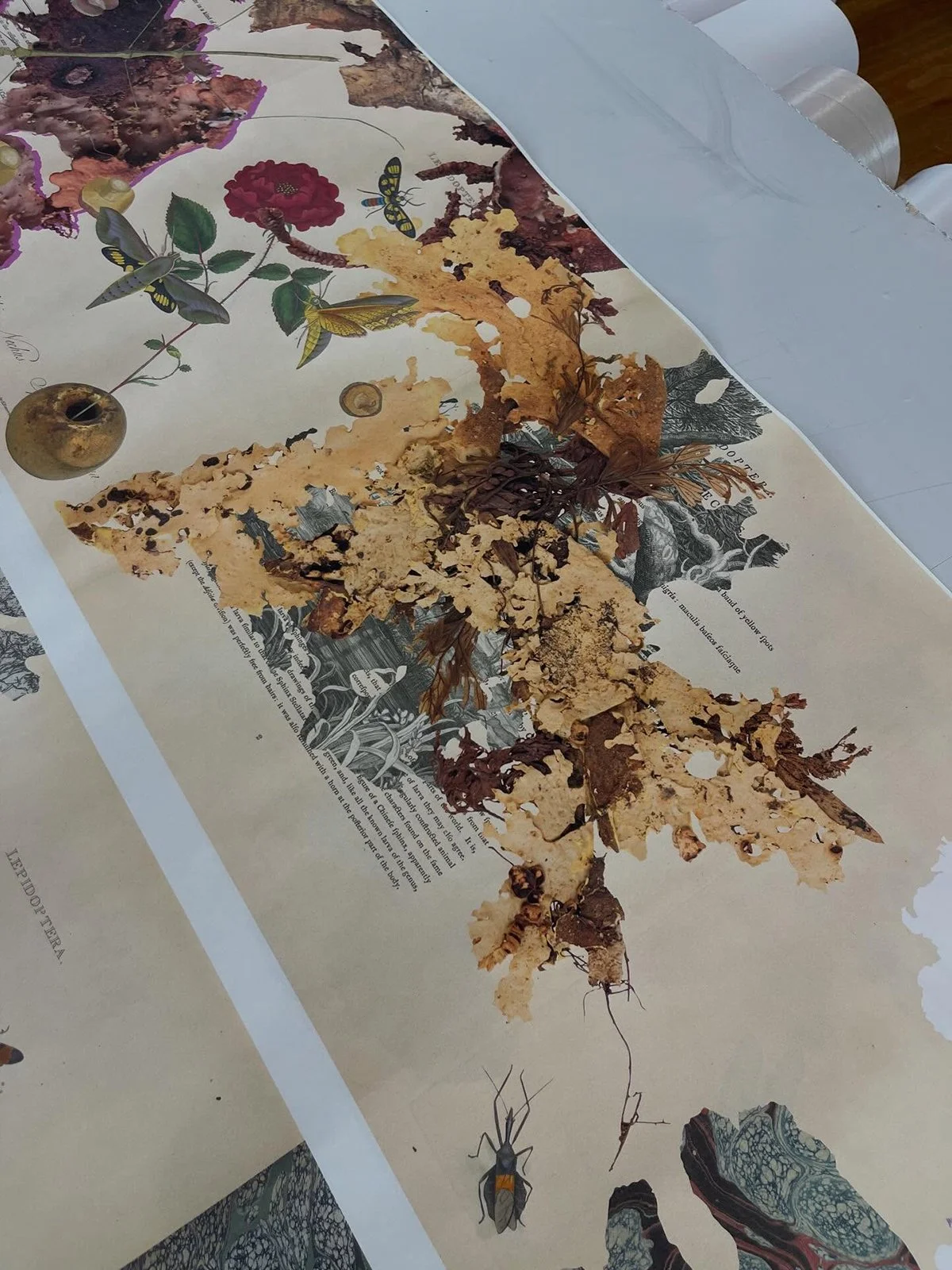
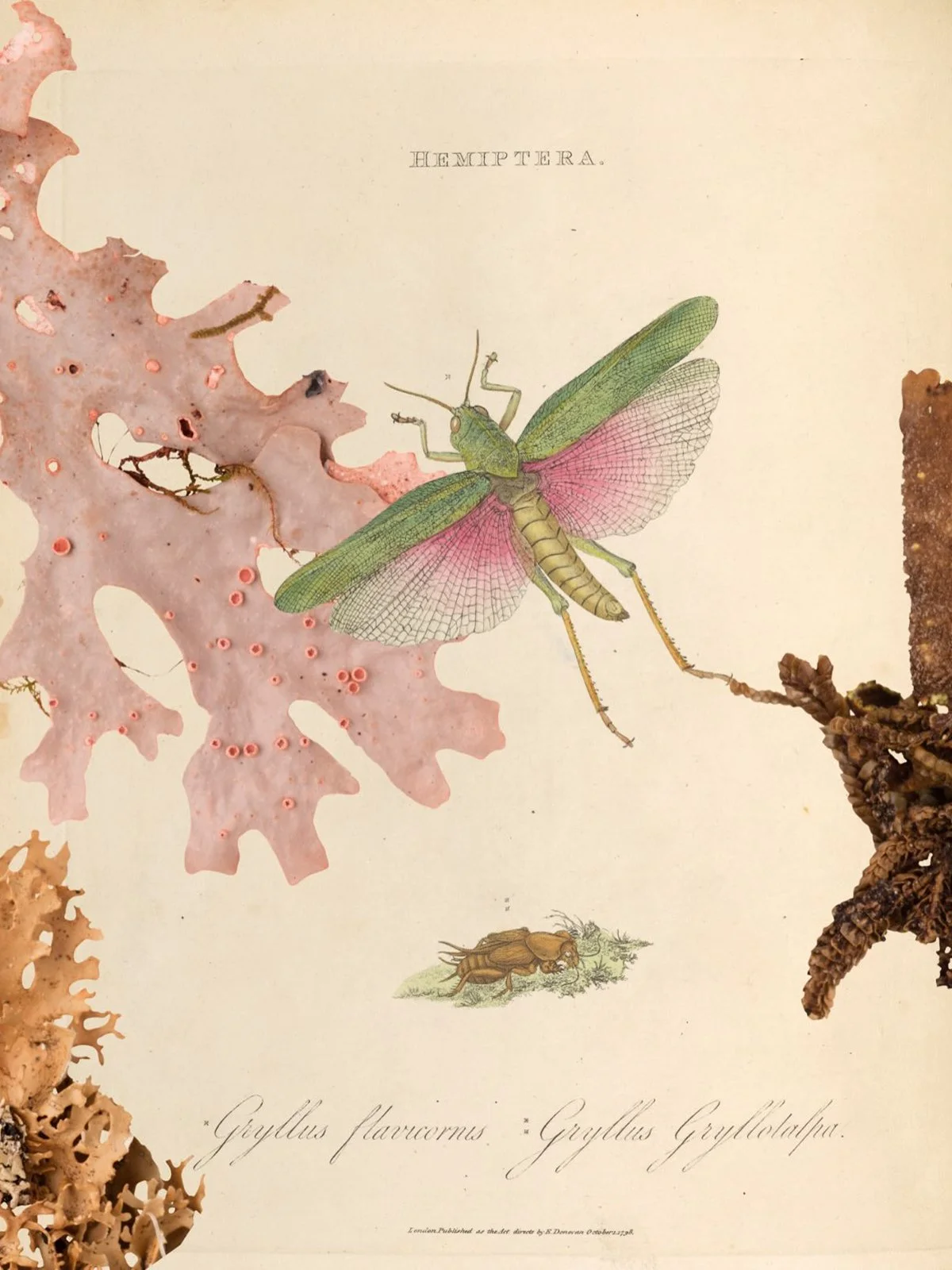
Coming up soon, please join us for a talk and zine-making workshop, as part of Archives and Special Collections Spotlight On series this April.
Spotlight on: Artists’ books and zines with Gracia and Louise
Leigh Scott Room, Level 1, Baillieu Library
The University of Melbourne, Parkville
Thursday 2nd of April, 2026
12:30–2pm
Book a (free) spot!
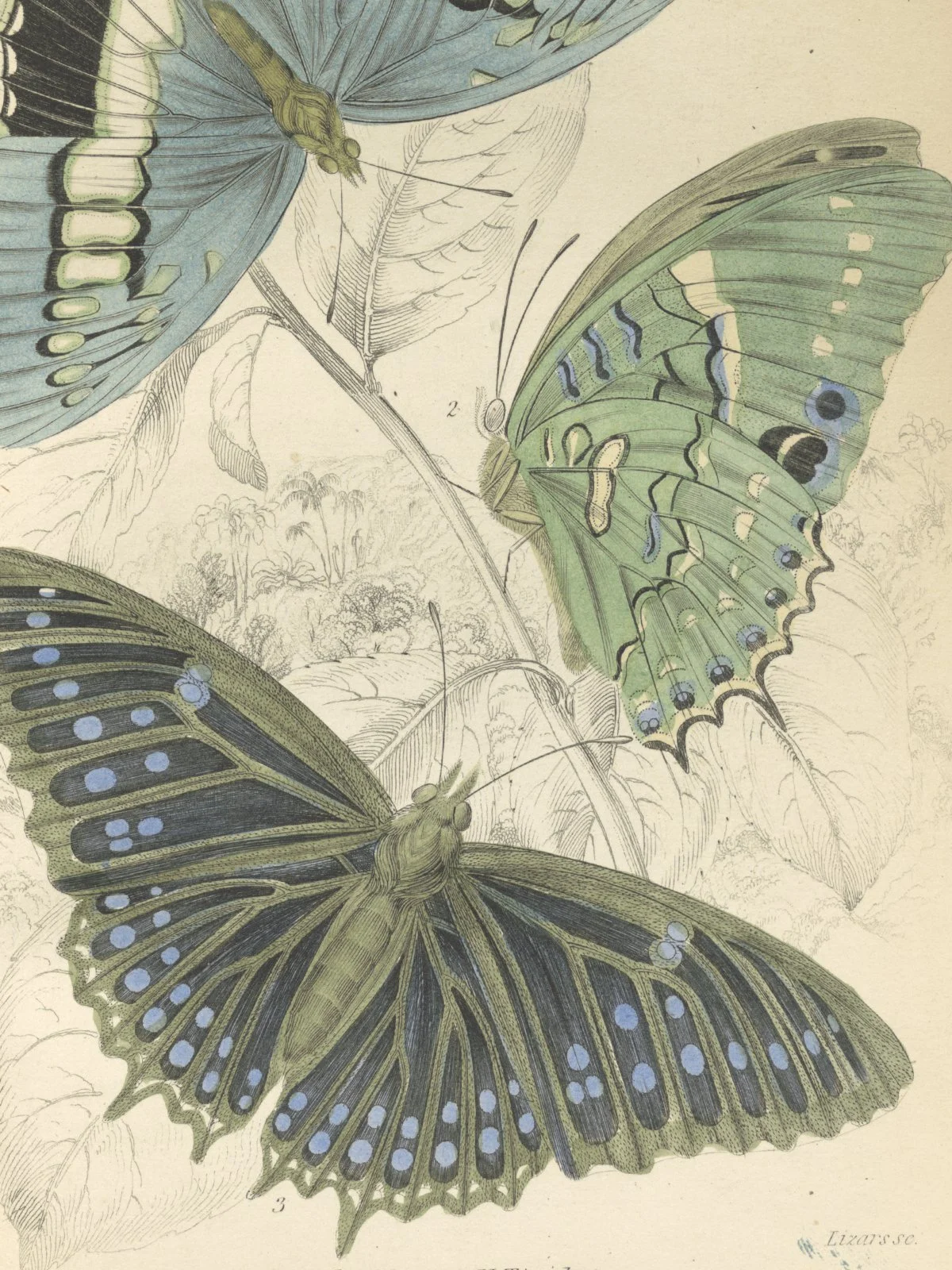
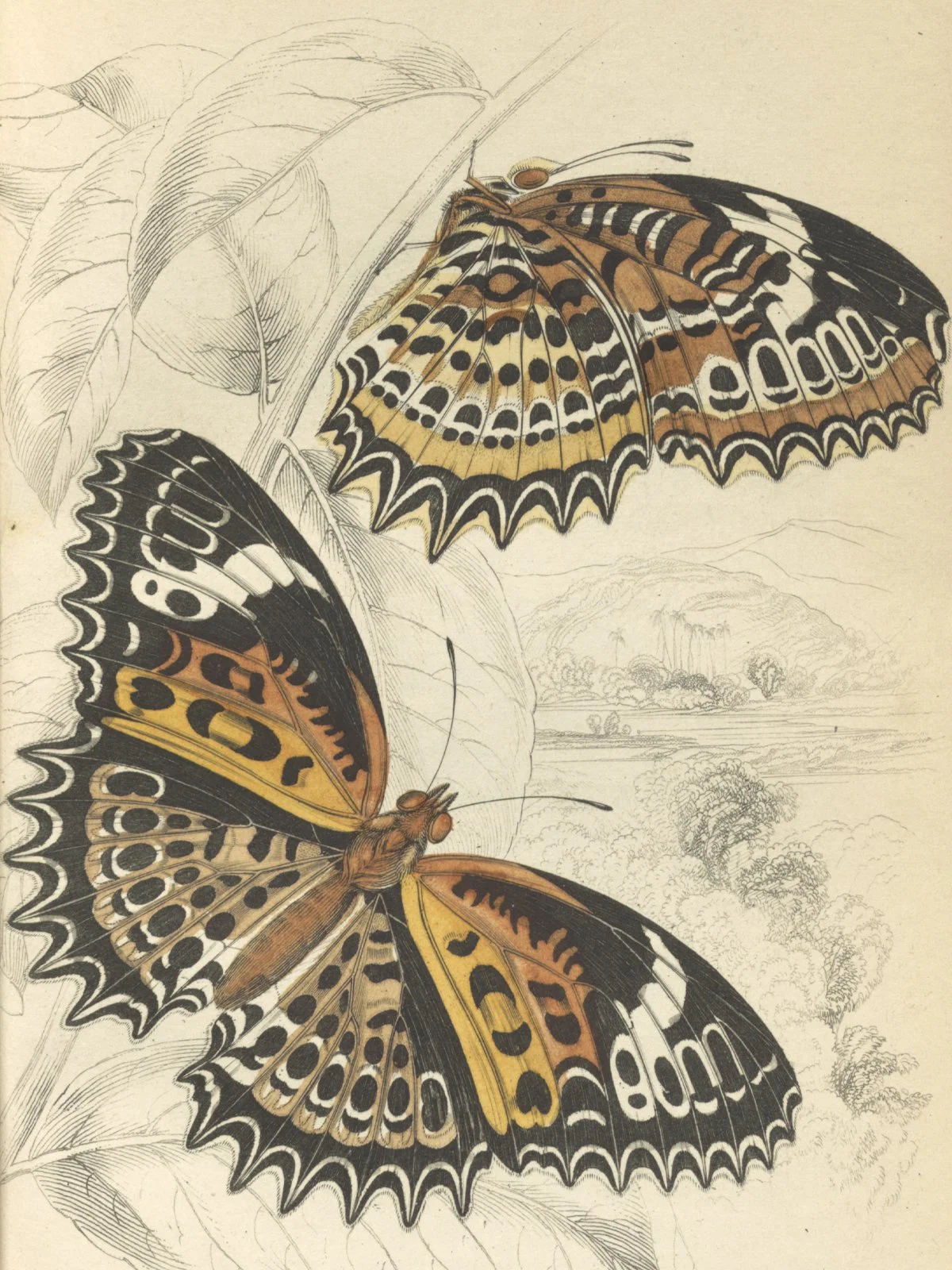
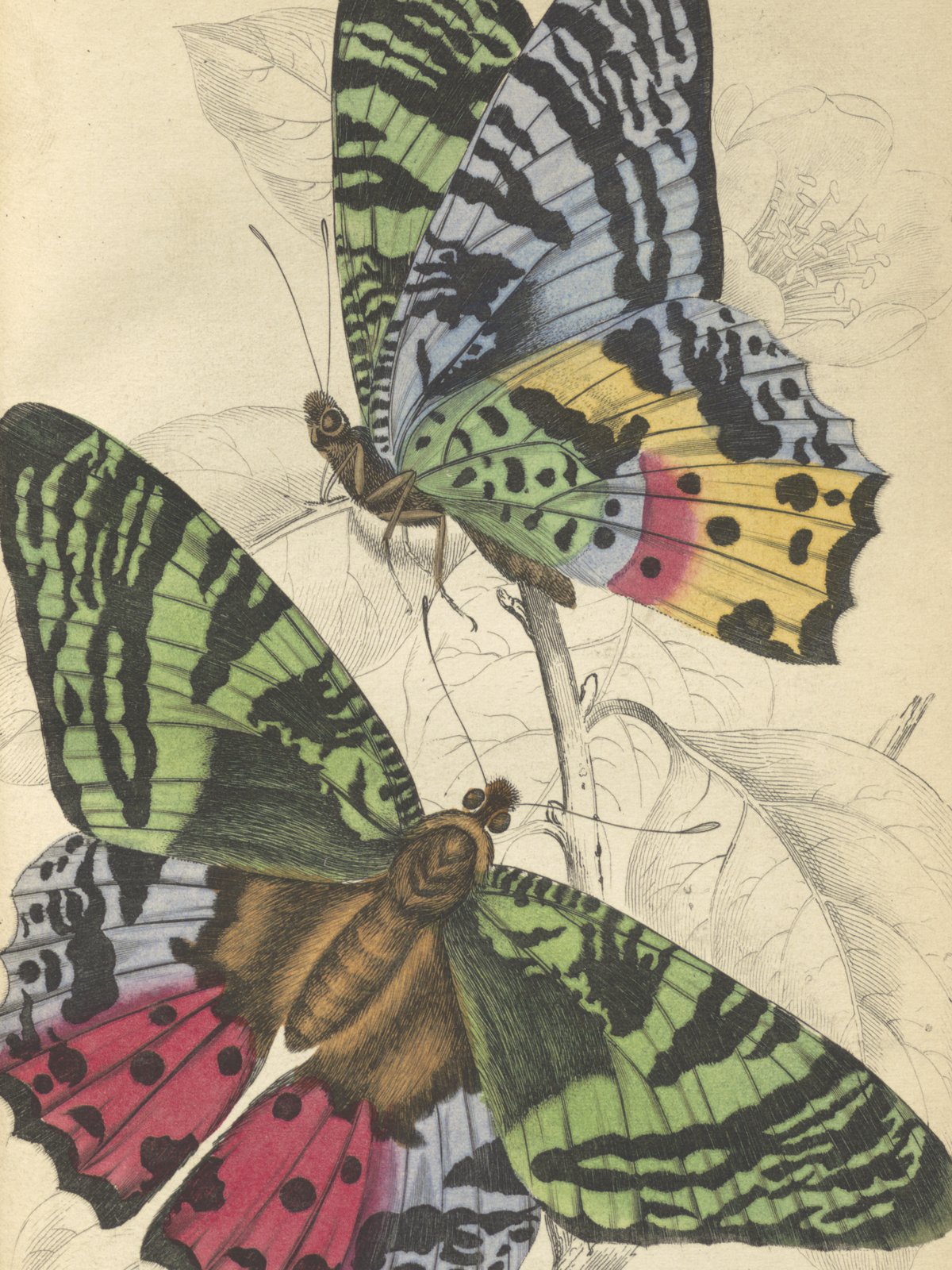
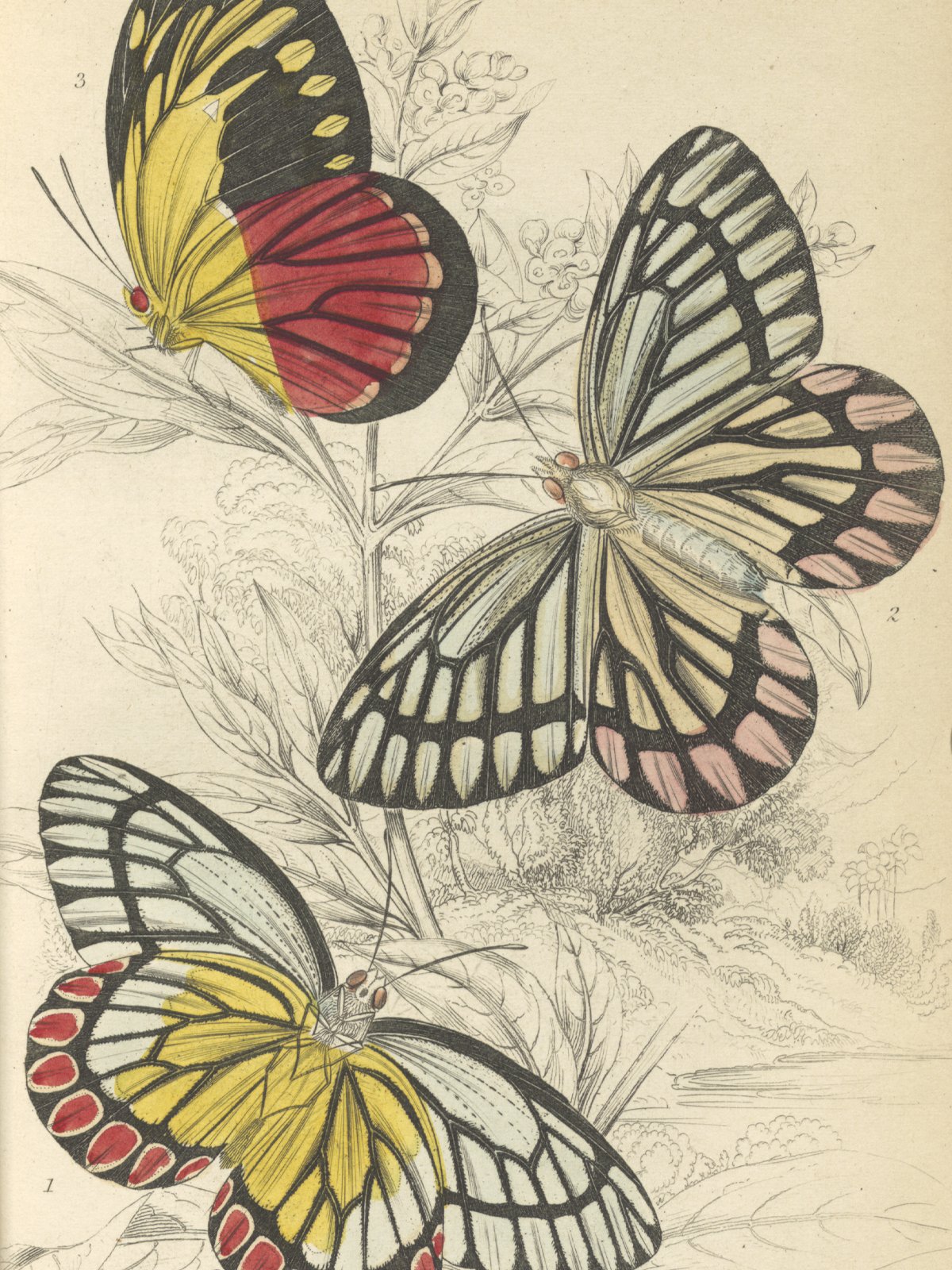
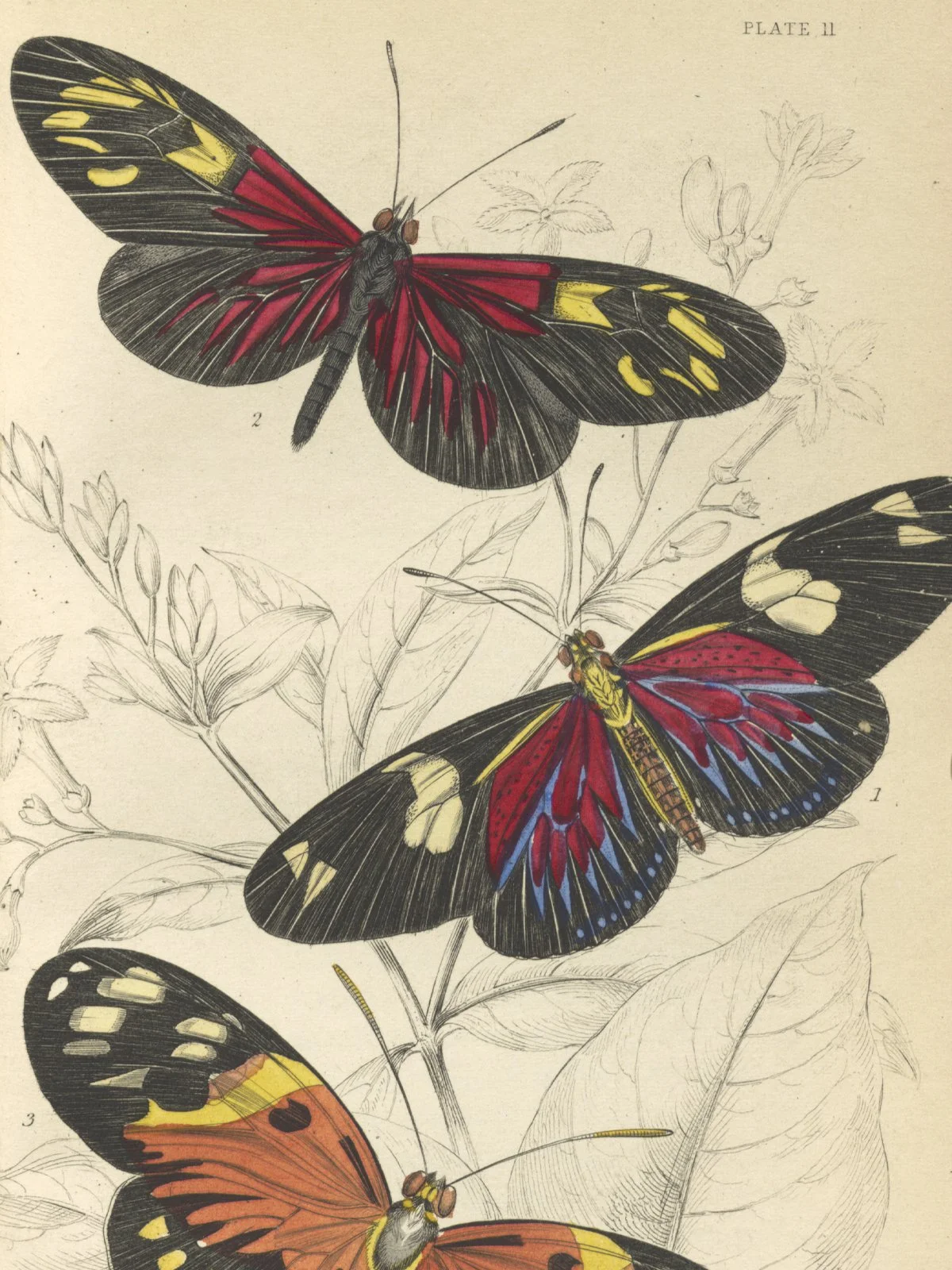
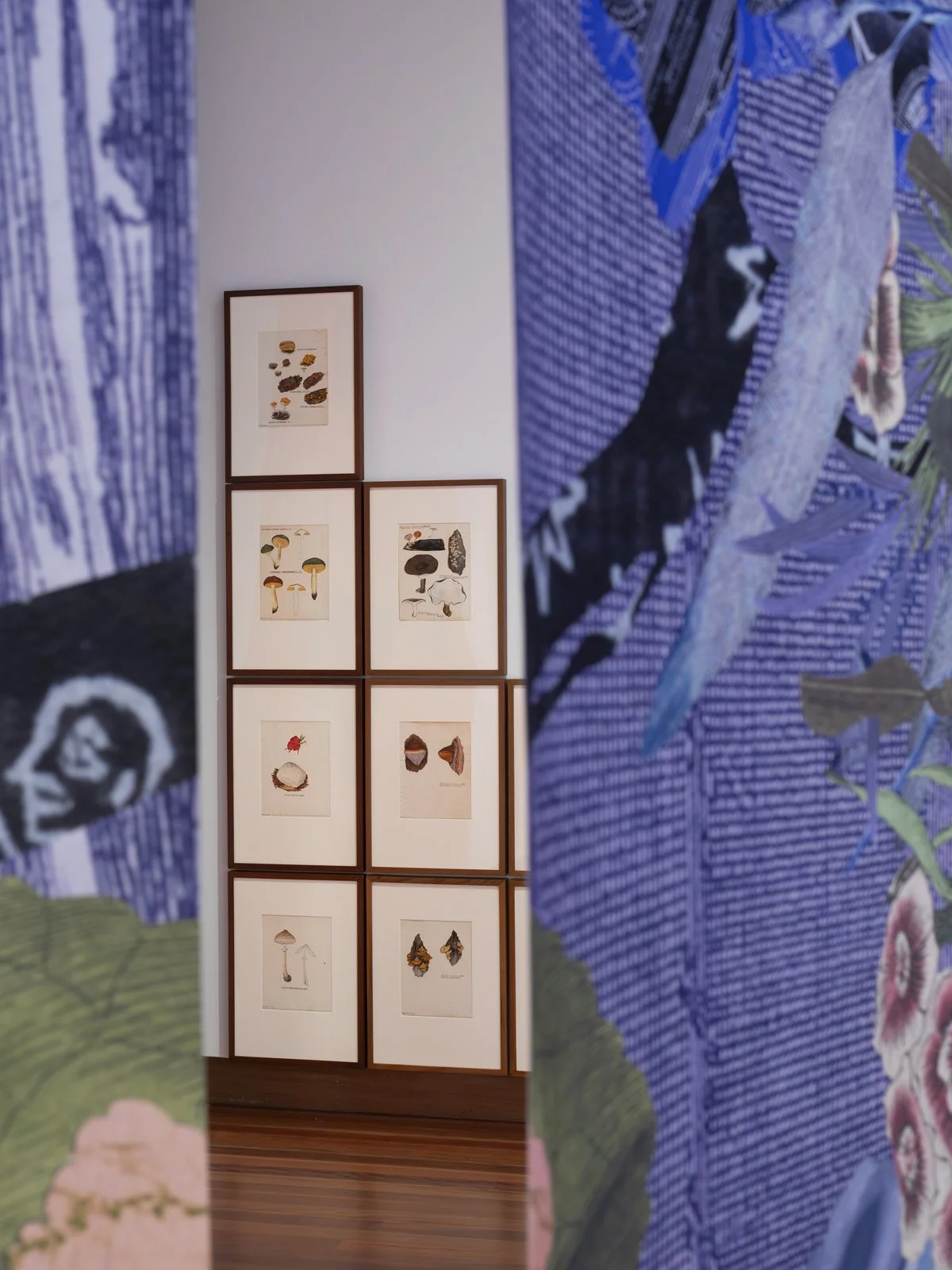
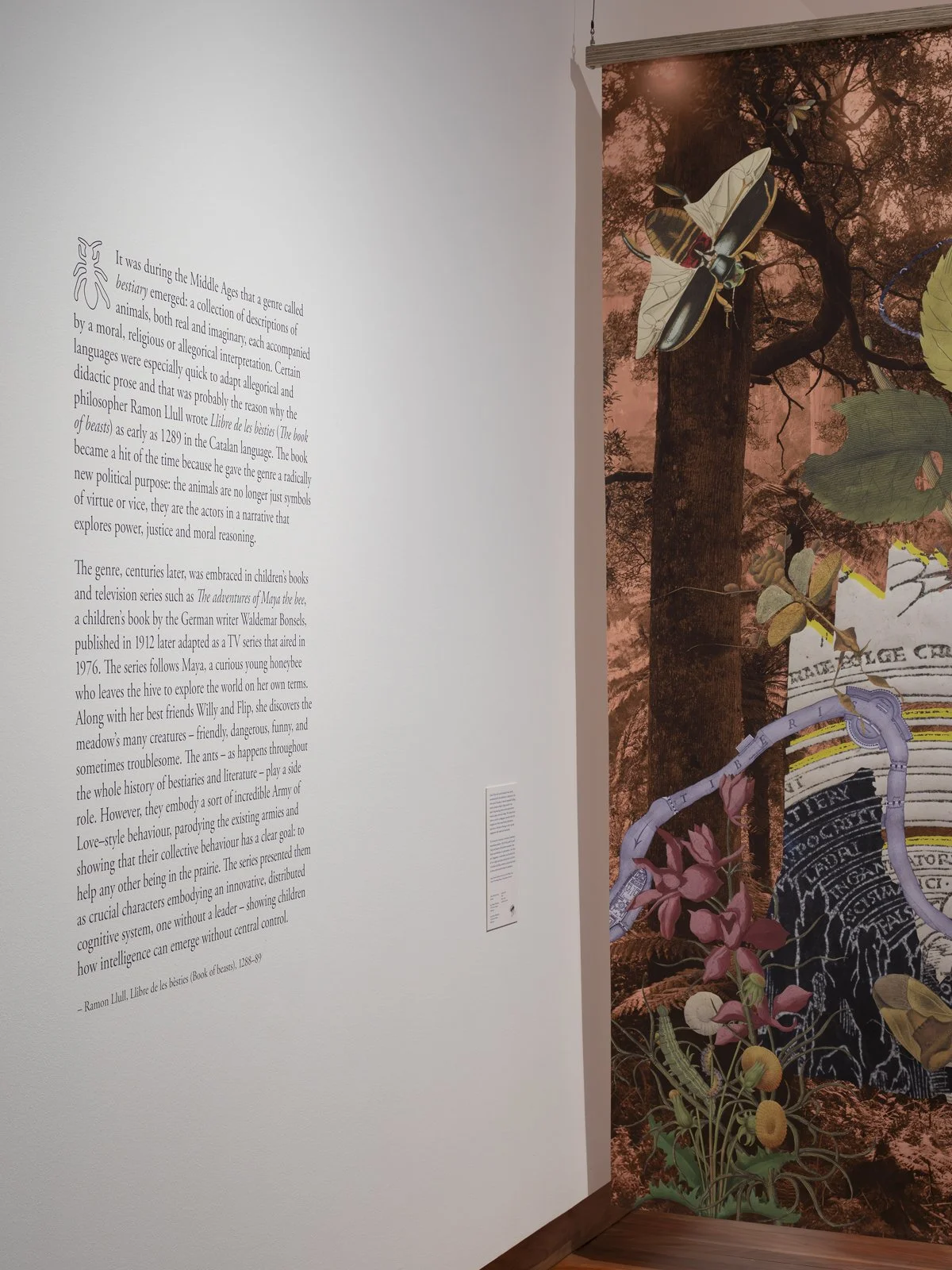
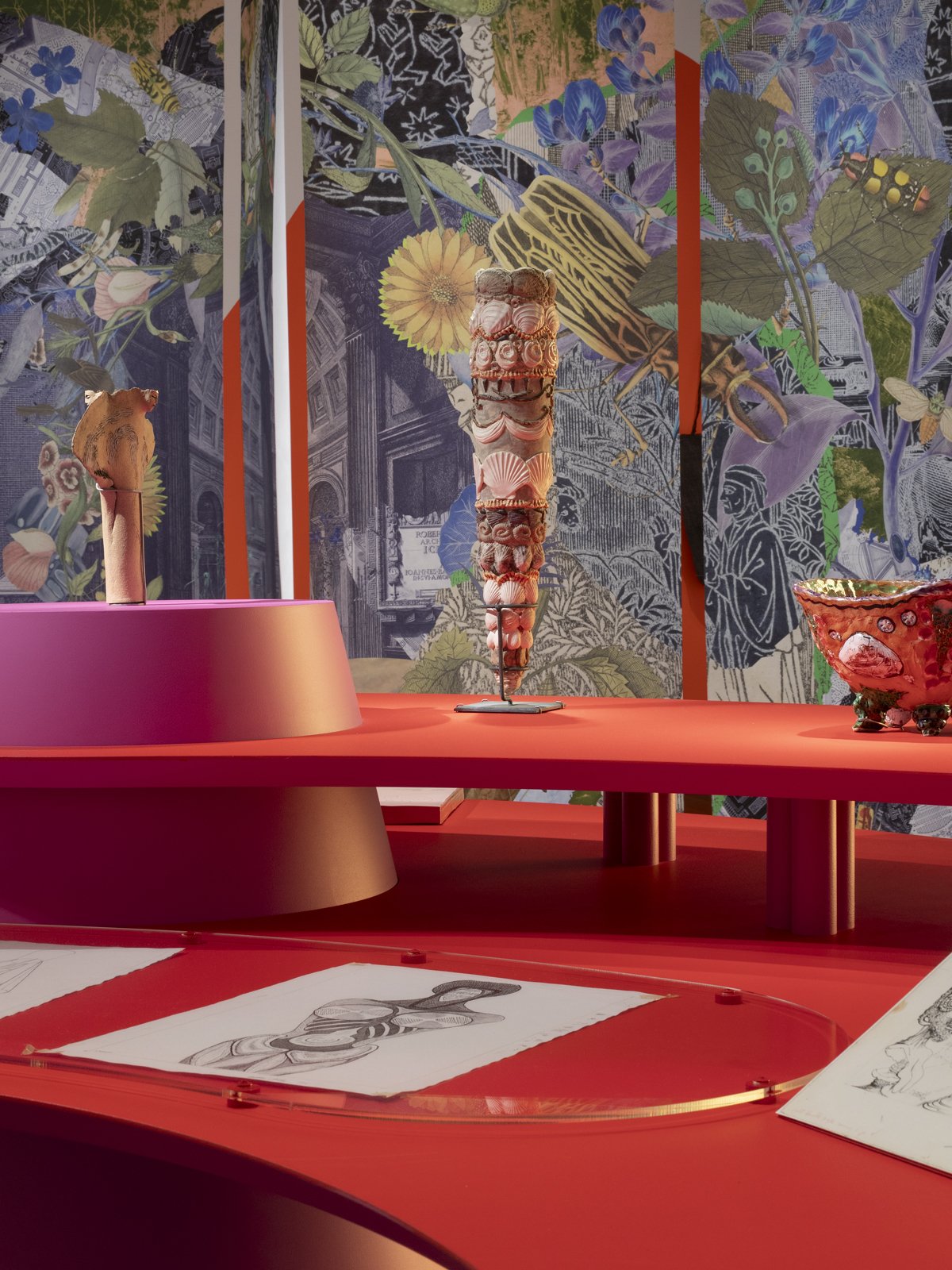
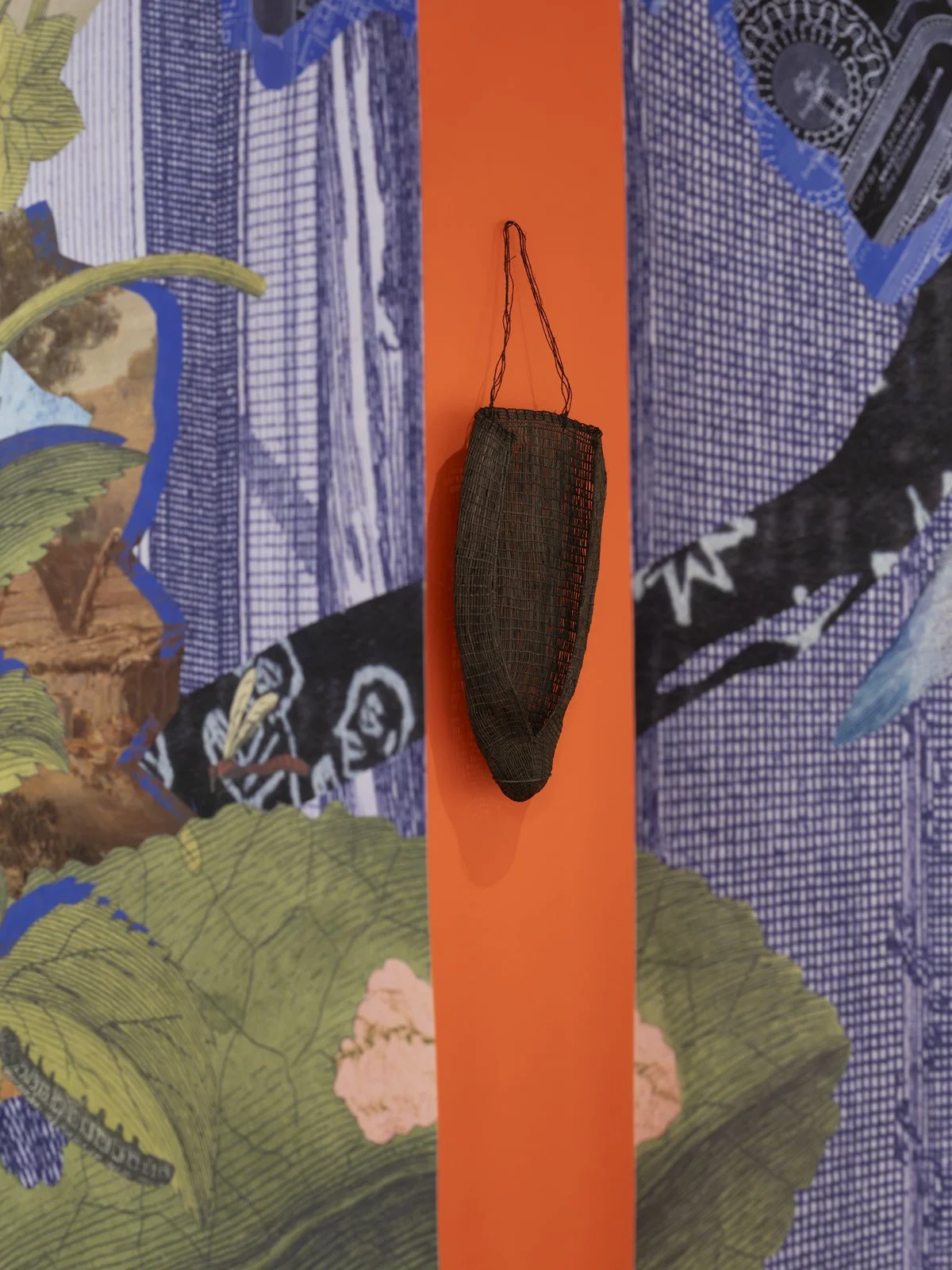
Included in the above, our work, Specimen 1963, currently on display as part of A velvet ant, a flower and a bird, photographed by Christian Capurro; and details from James Duncan’s The natural history of foreign butterflies / illustrated by thirty-three coloured plates, 1837.
[i] Donovan’s trilogy of illustrated works on insects, known as the Epitome series, features over 100 species from China, 250 species in Insects of India and the Islands in the Indian Seas (1800), and 153 species in Insects of New Holland, New Zealand, New Guinea, Otaheite, and other islands in the Indian, Southern, and Pacific Oceans (1805). “These works offer a glimpse into the intersection of art and science in the Georgian era.” ‘Donovan’s Insects: Among the earliest European recordings of the entomology of Asia and the Pacific’, The University of Sydney Library, https://www.library.sydney.edu.au/browse/special-collections/donovan-s-insects, accessed 2nd March, 2026.
[ii] Pseudocyphellaria carpoloma (Delise) Vain., Pseudocyphellaria durvillei (Delise) Vain., Pseudocvohellaria carooloma (Delise) Vain., Menegazzia eperforata P.James & D.J.Galloway, and more besides. “Lichens are neither fungi nor plants — they are both. Lichens are classified with the fungi (being sometimes referred to as lichenized fungi). The fungi incorporated into lichens are largely ascomycetes, with very few basidiomycetes involved.” ‘What is a lichen?’, Australian National Herbarium, https://www.anbg.gov.au/lichen/what-is-lichen.html, accessed 2nd March, 2026.
Image credit: Gracia Haby & Louise Jennison, (detail from) Can we dream it? , 2026, 32 page concertina artists’ book, inkjet print, with hand-cut paper components, on Moenkopi Kozo 110, encased in hand-cut envelope. Printed by Arten. Bound by Gracia Haby & Louise Jennison, with hand-cut elements. Unique state.
