Listening to plants
PLANT LIFE
Curated by Rhett D’Costa, Magali Gentric, and Jason Waterhouse
Stockroom Kyneton, 98 Piper Street, Kyneton
Saturday 24th January – Sunday 1st March, 2026
Plant Life artists:
Sofi Basseghi, Steven Bellosgardo, Kris Coad, Amber Cronin, Rhett D’Costa, Beverly Downs, William Eicholtz, Peter Ellis, Gracia Haby & Louise Jennison, Clare McCracken & Heather Hesterman, Anthea Kemp, Sara Lindsay, Sally Mannall, Julie Millowick, Betty Mula, Laetitia Olivier-Gargano, Petra Rodgers, Sarah Rudledge, Jason Waterhouse, Lisa Waup, Rosie Weiss
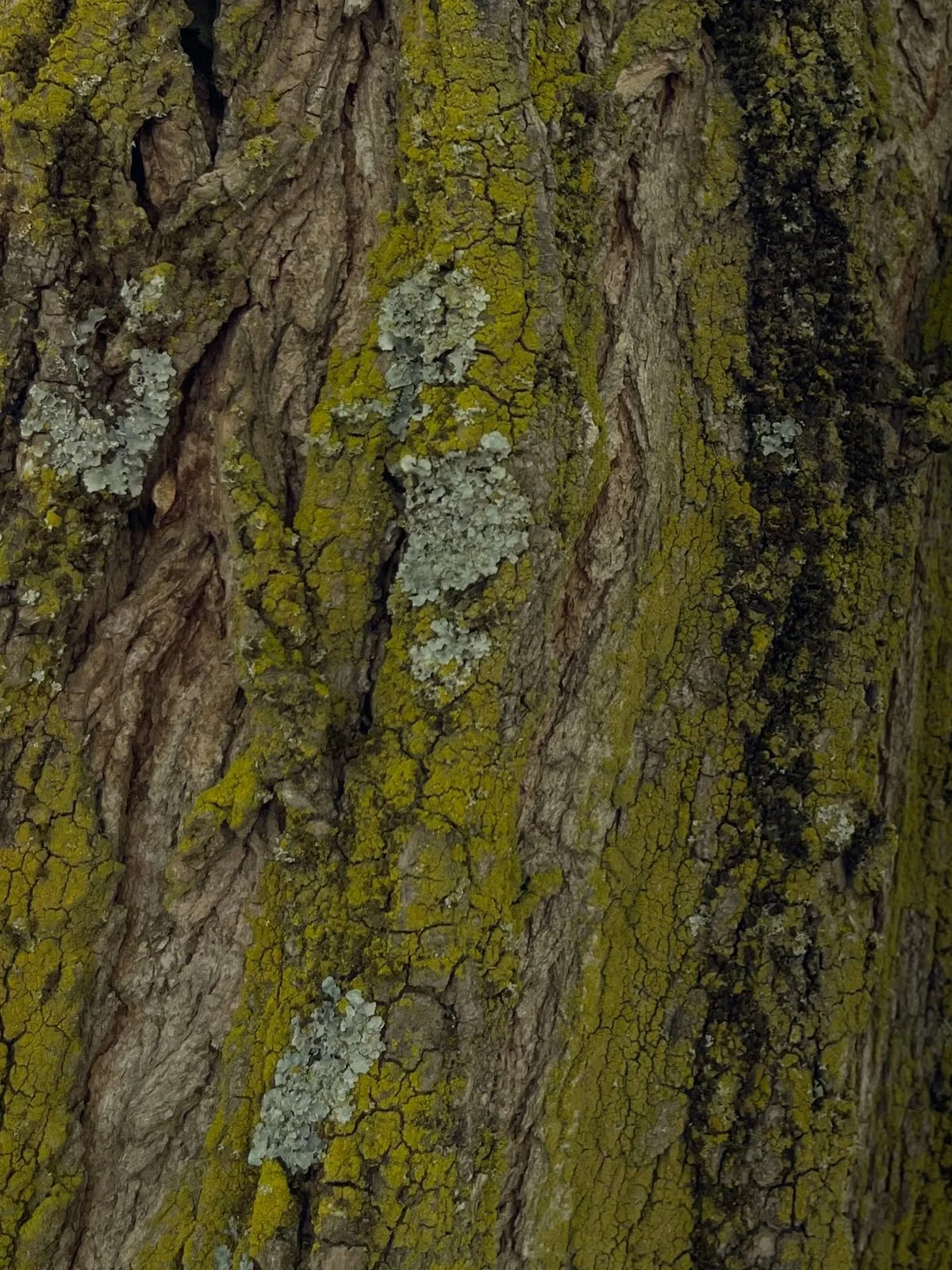
“It’s been days and she hasn’t moved. She just stands in the backyard. She says she doesn’t need anything, that she’s drawing water from the air and the ground and her energy from the sun. Last night it rained and I begged her to come inside. She shook her head slowly, as if doing so caused her pain. I took out an umbrella and held it over her, but she growled so deeply and inhumanely that I dropped it and fled inside.
In the morning, Travis comes around and I make him coffee. We sit down next to her, hoping the aroma will tempt her.
It doesn’t.
‘She’s given up,’ Travis says.
‘That’s not what this is,’ I say”
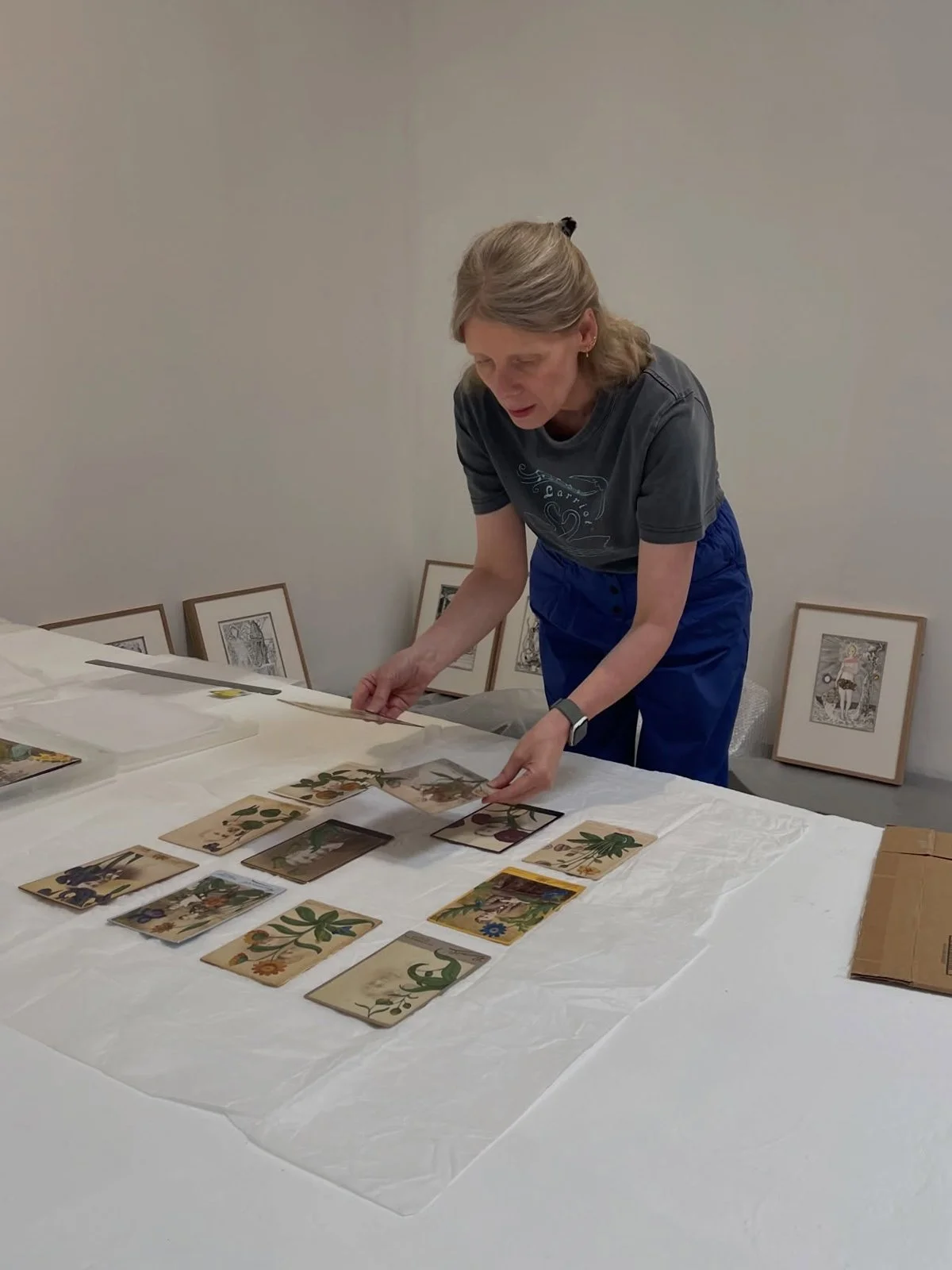
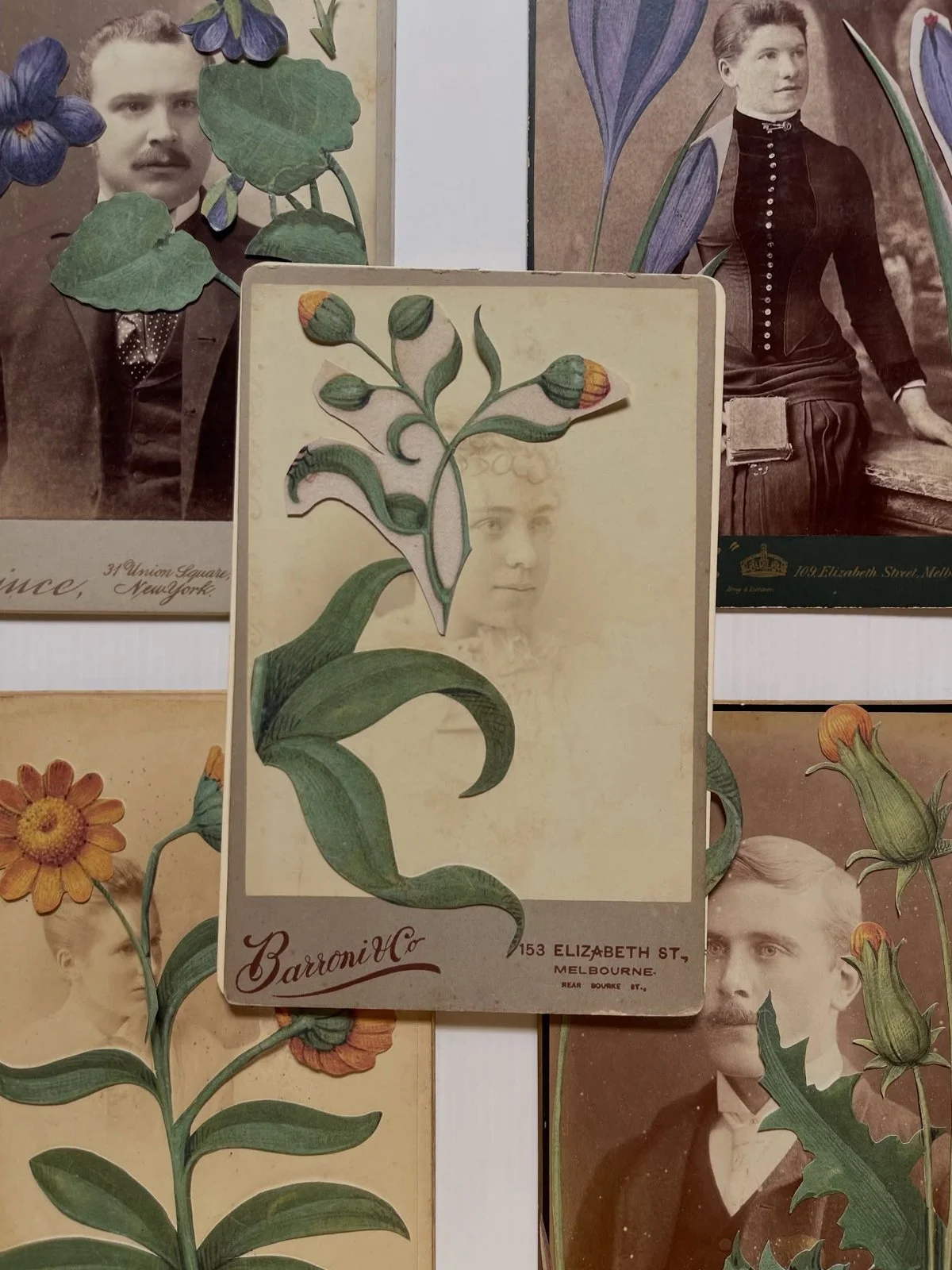
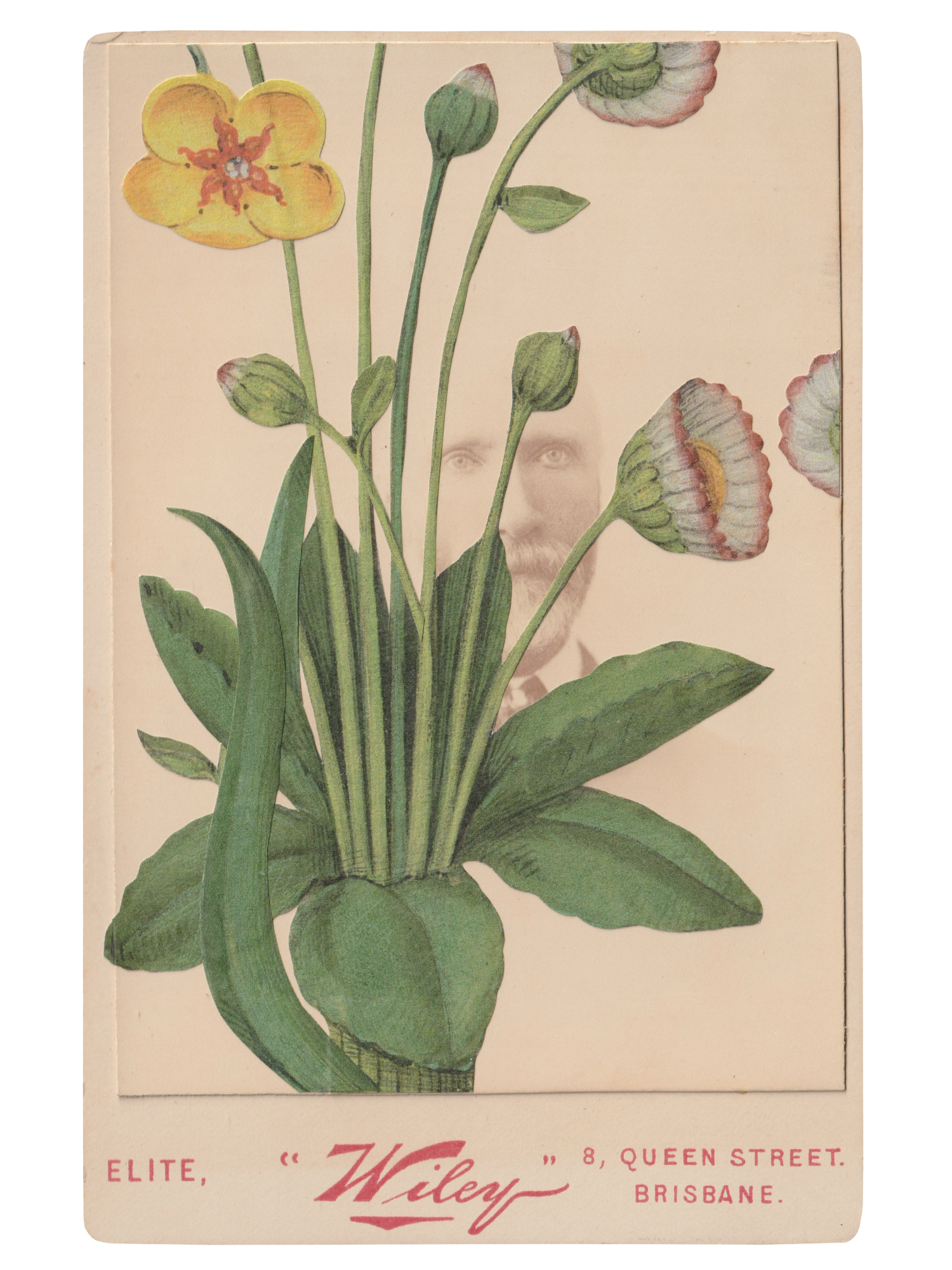
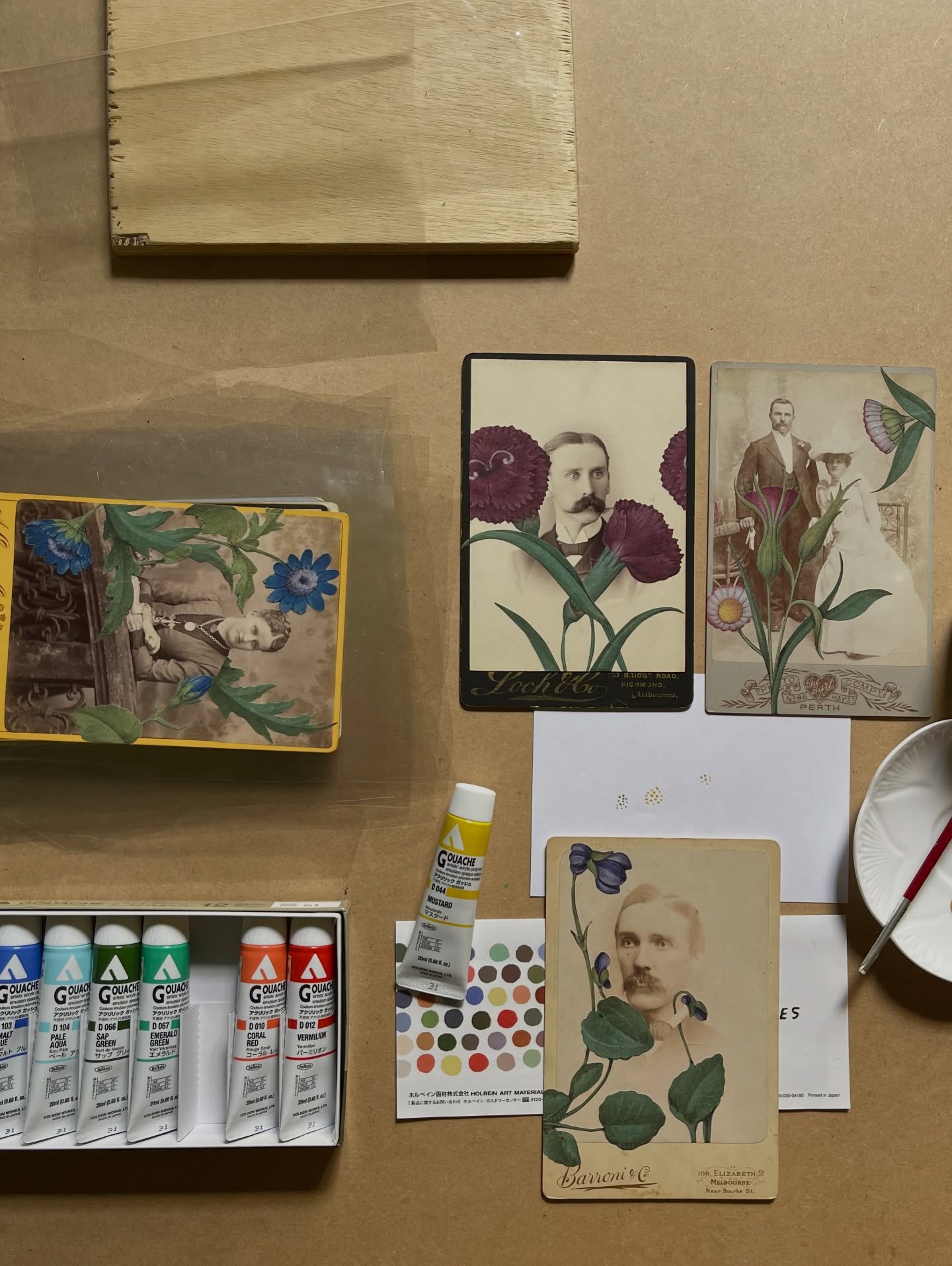
Over the summer, a deck of Salvaged Relatives has been growing on the drawing board. They have been created especially for a group exhibition, Plant Life, which blooms to open this Saturday, should you not, nor they neither, have wilted in the predicted heat.
Revisiting the costume department, this time of the leaf and petal variety, continued to prove an enjoyable exercise, and was perfect for the peculiar-shaped pockets of time between festivities (from giddy 80th Birthdays to pre Bat Rescue Bayside crèche preparations). The languorous pace of days were calendar dates drop from view was ideal to meet a new troop of Salvaged Relatives and pick up loose threads, in the spirit of The Company You Keep and Prattle, scoop, trembling: a flutter of Australian Birds. For cabinet card characters to forgo Ballet Russes history for a far older slice still as they turned slowly into plants.
Leaf by leaf, there she goes. Glued, pressed, penciled, painted, and potted as well. Sometimes, coming back to an earlier theme, but with a different forest of ideas and understanding, is the required tonic, as a Saffron Crocus (Crocus sativus) looms overhead.
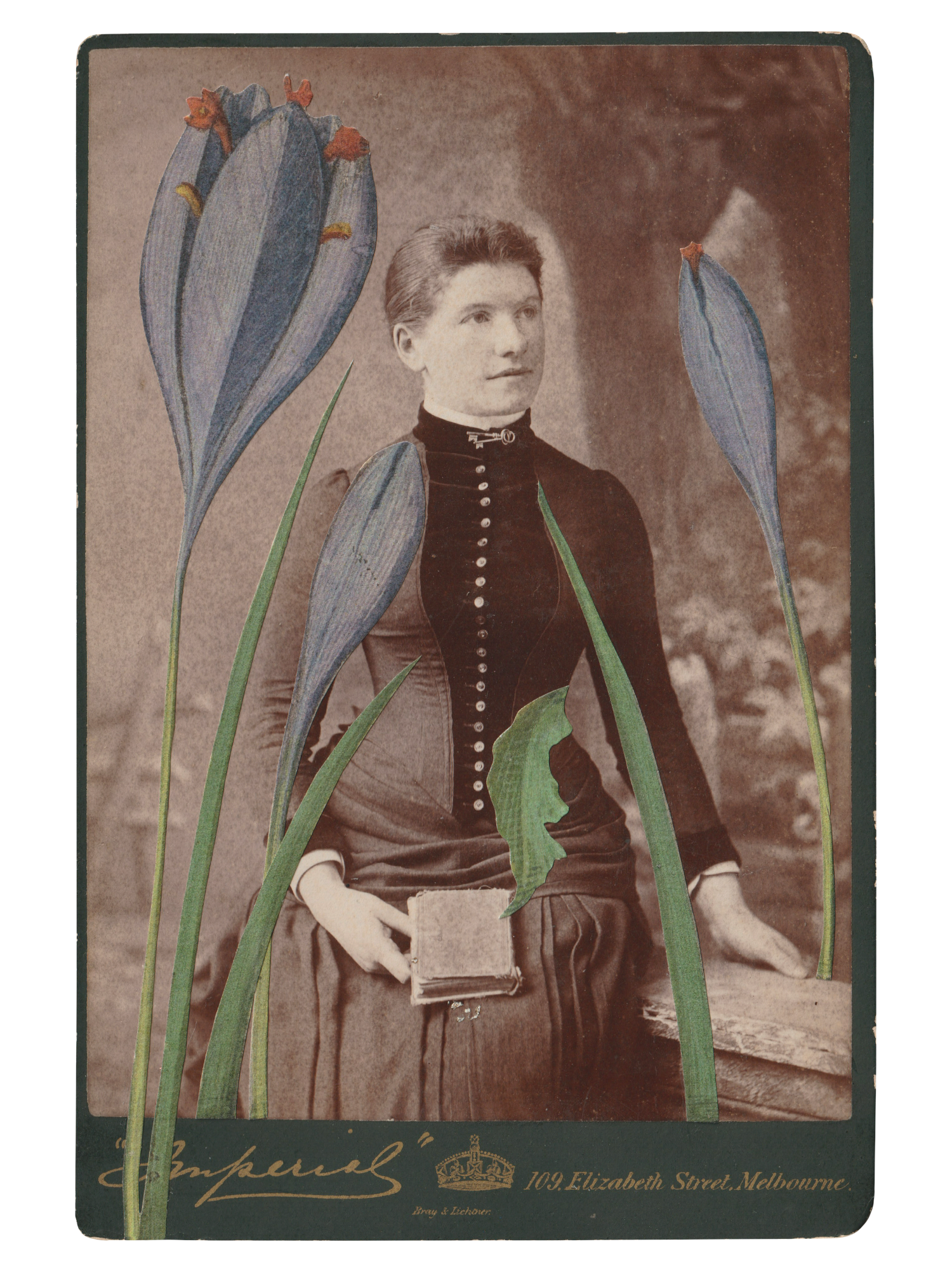
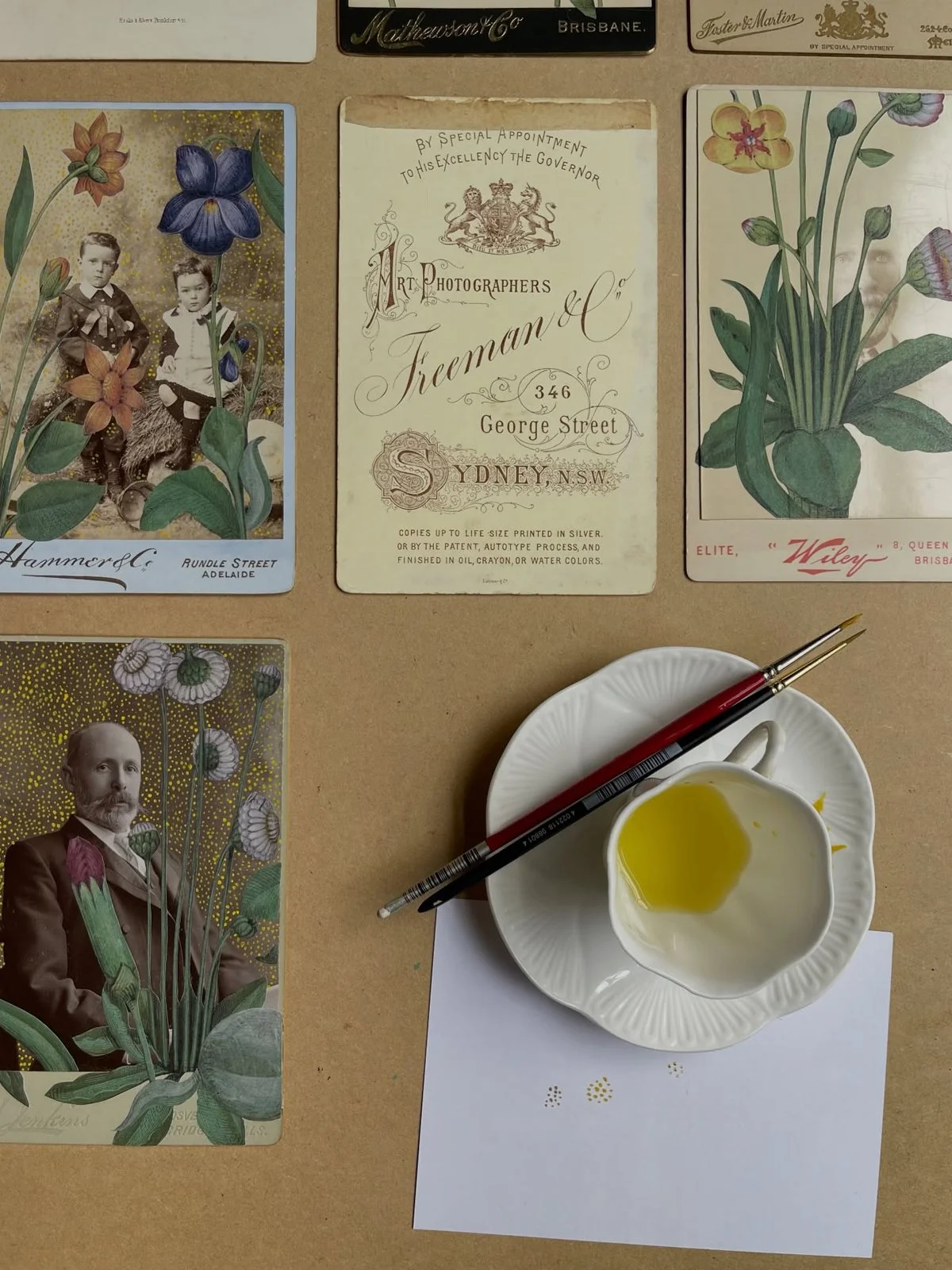
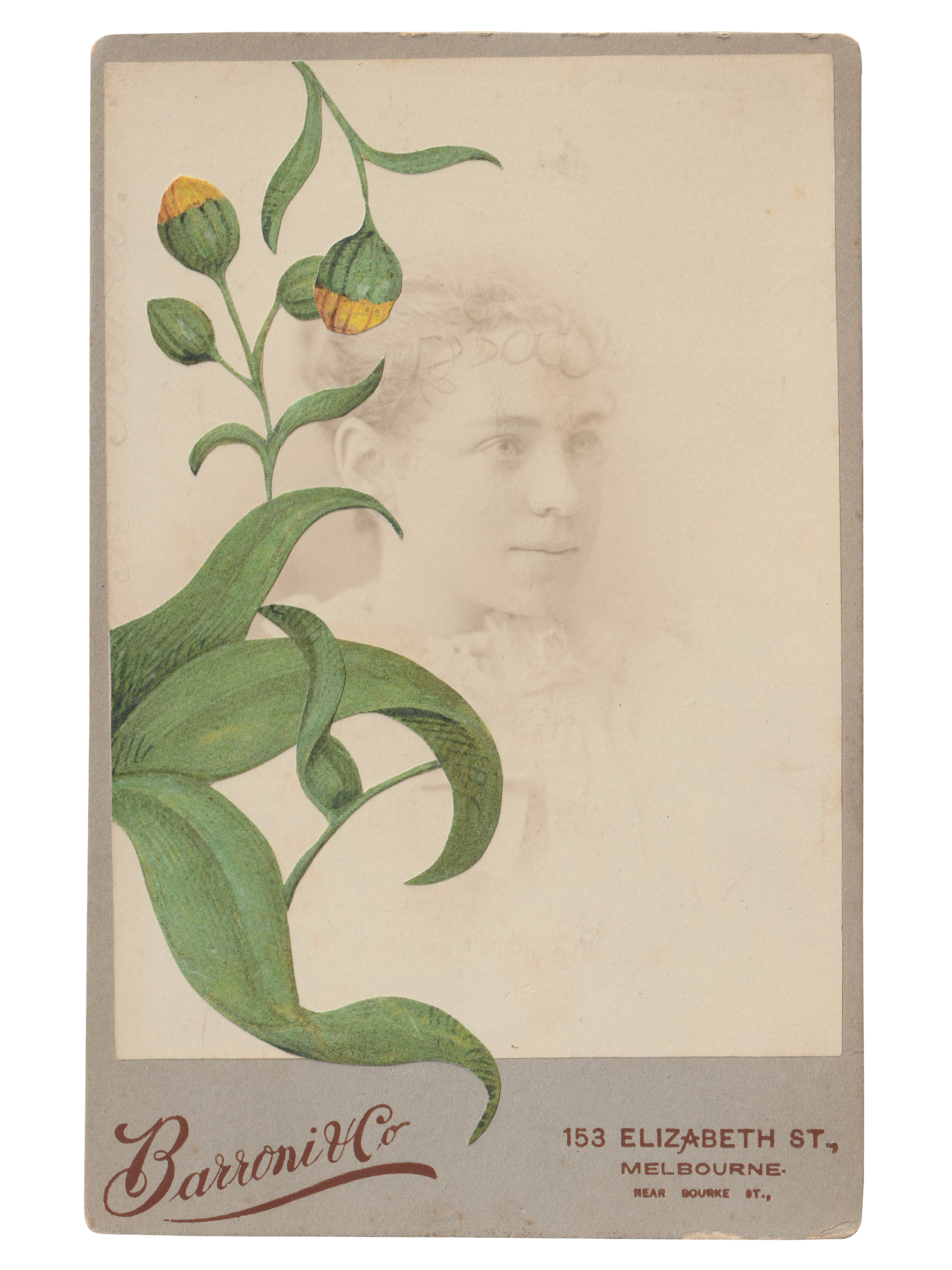
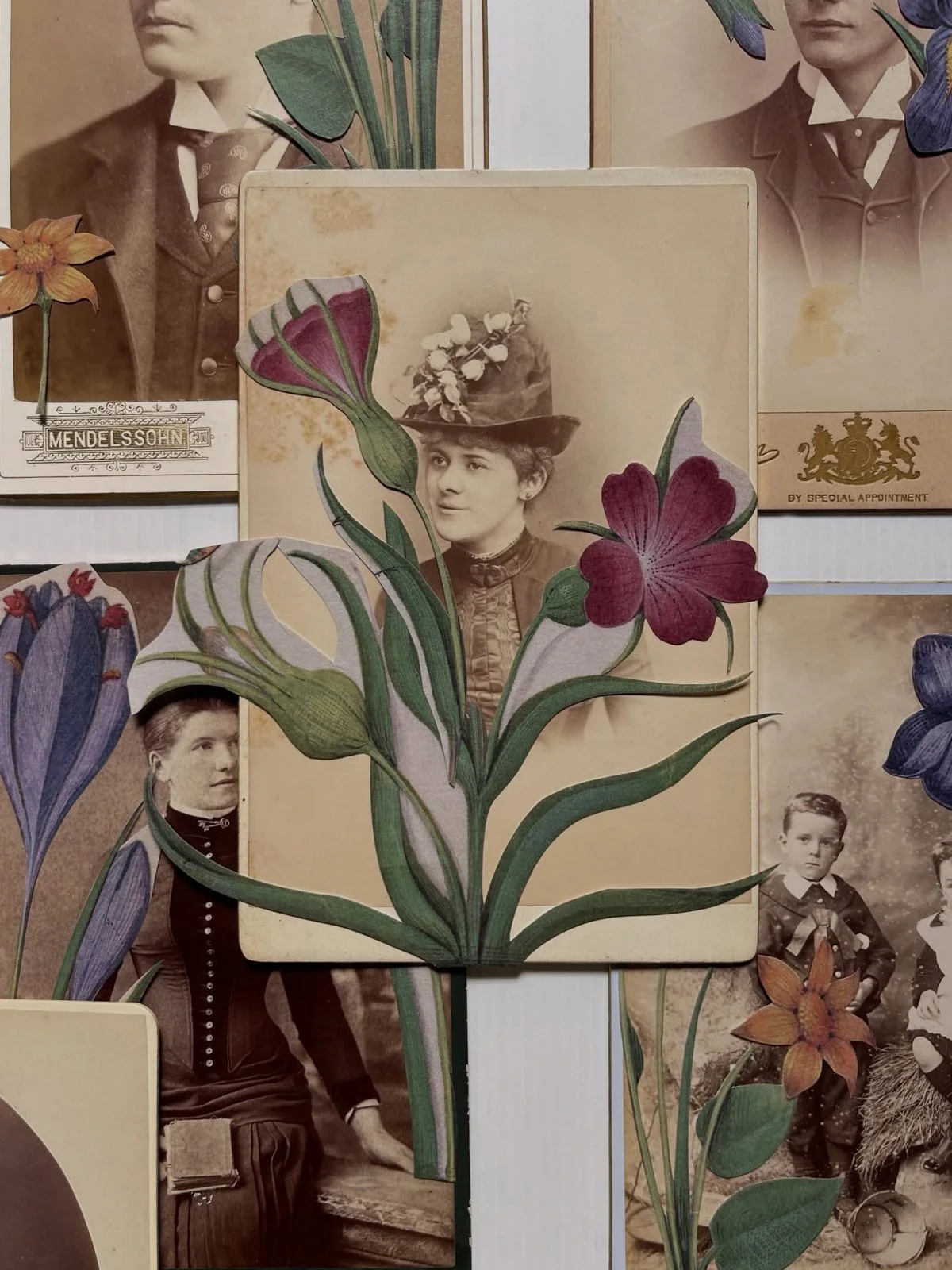
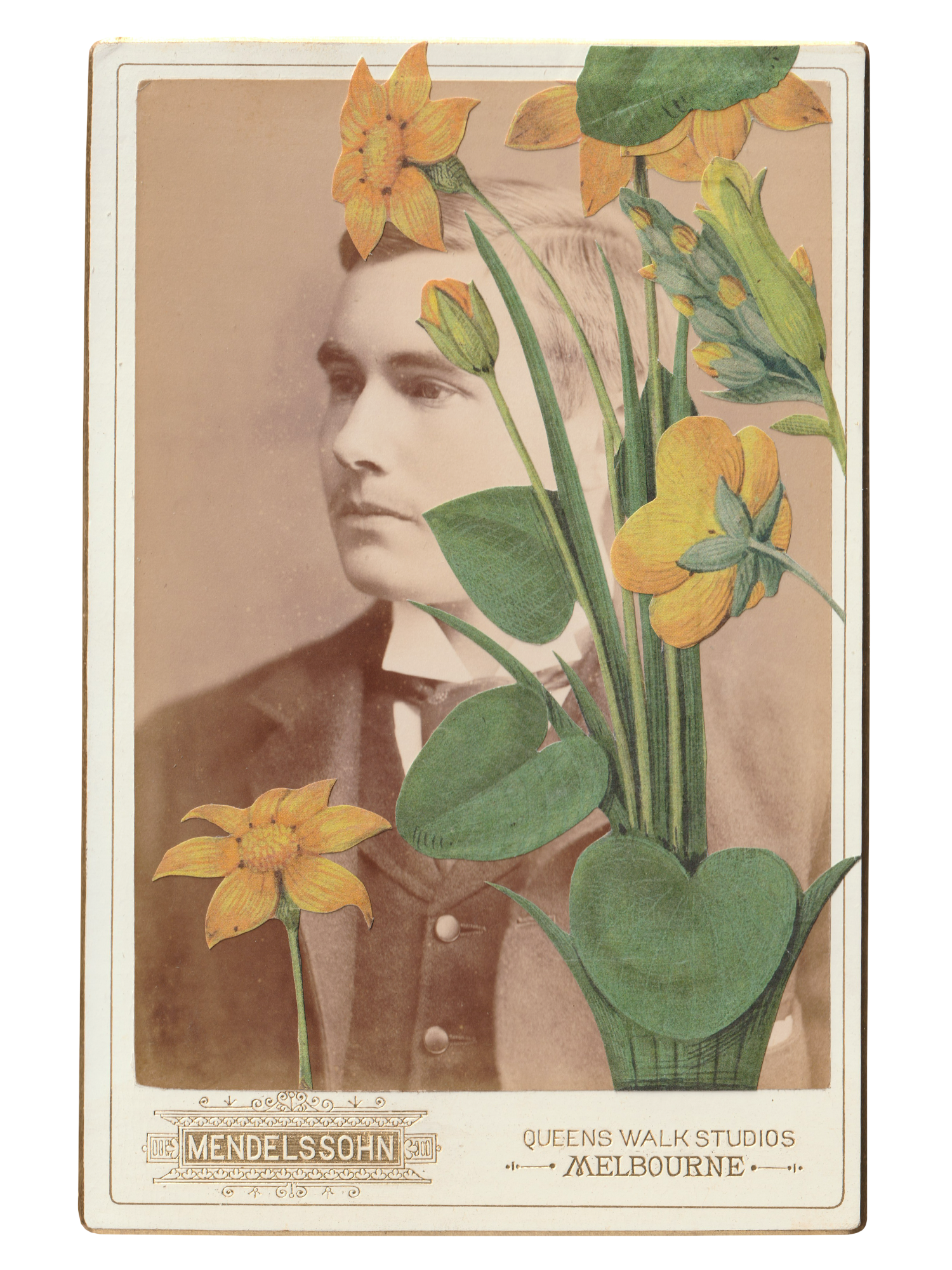
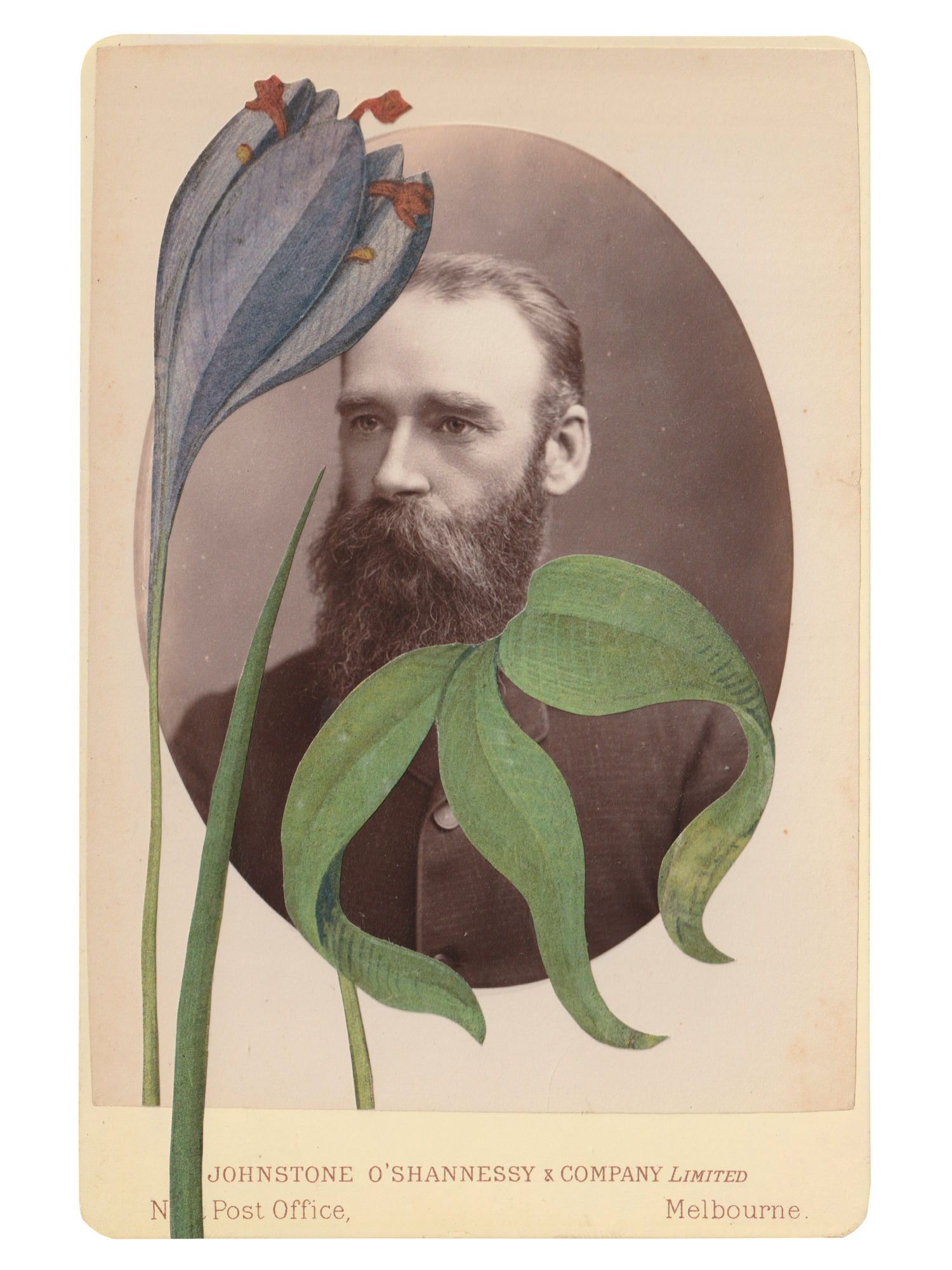
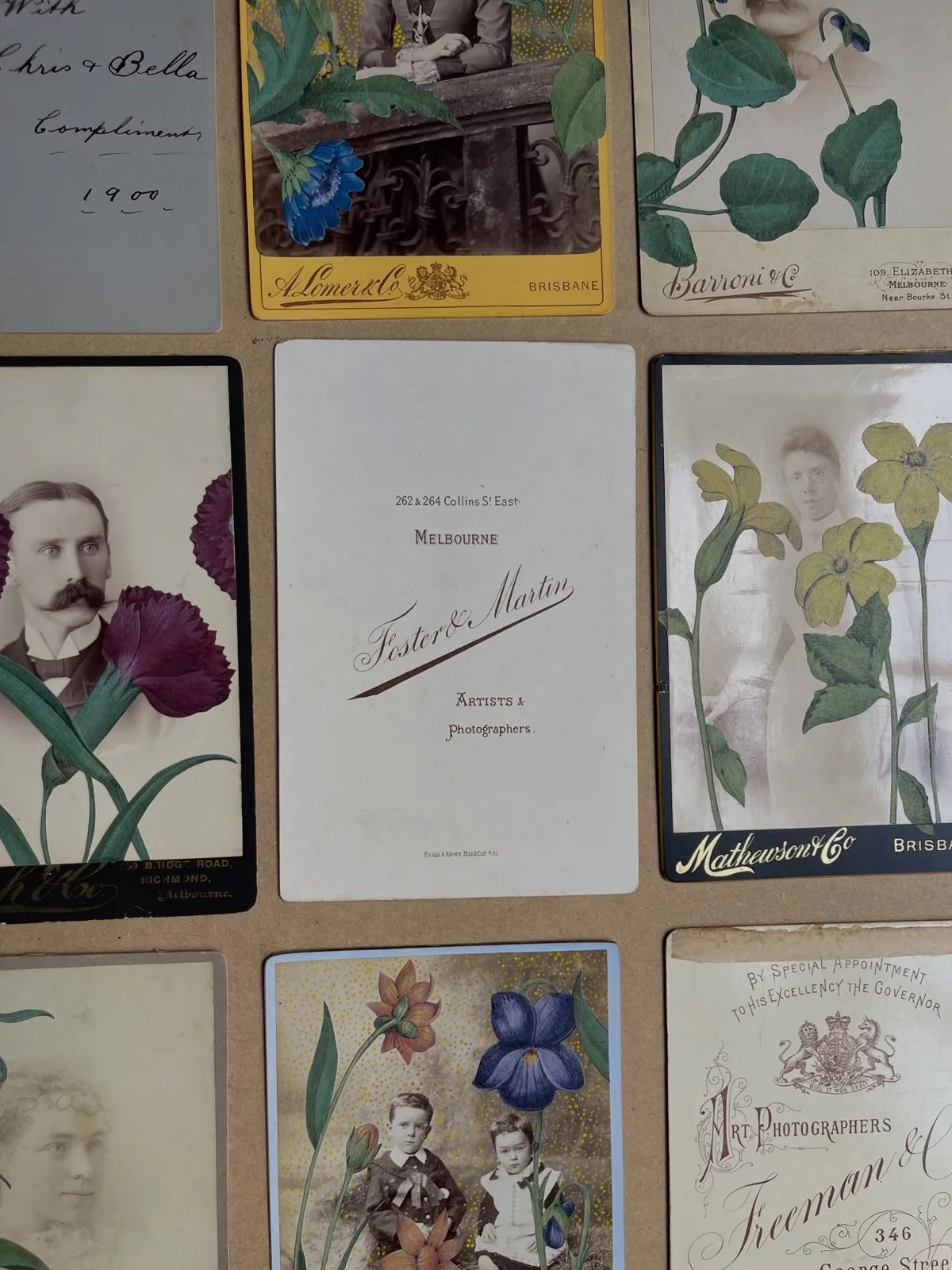
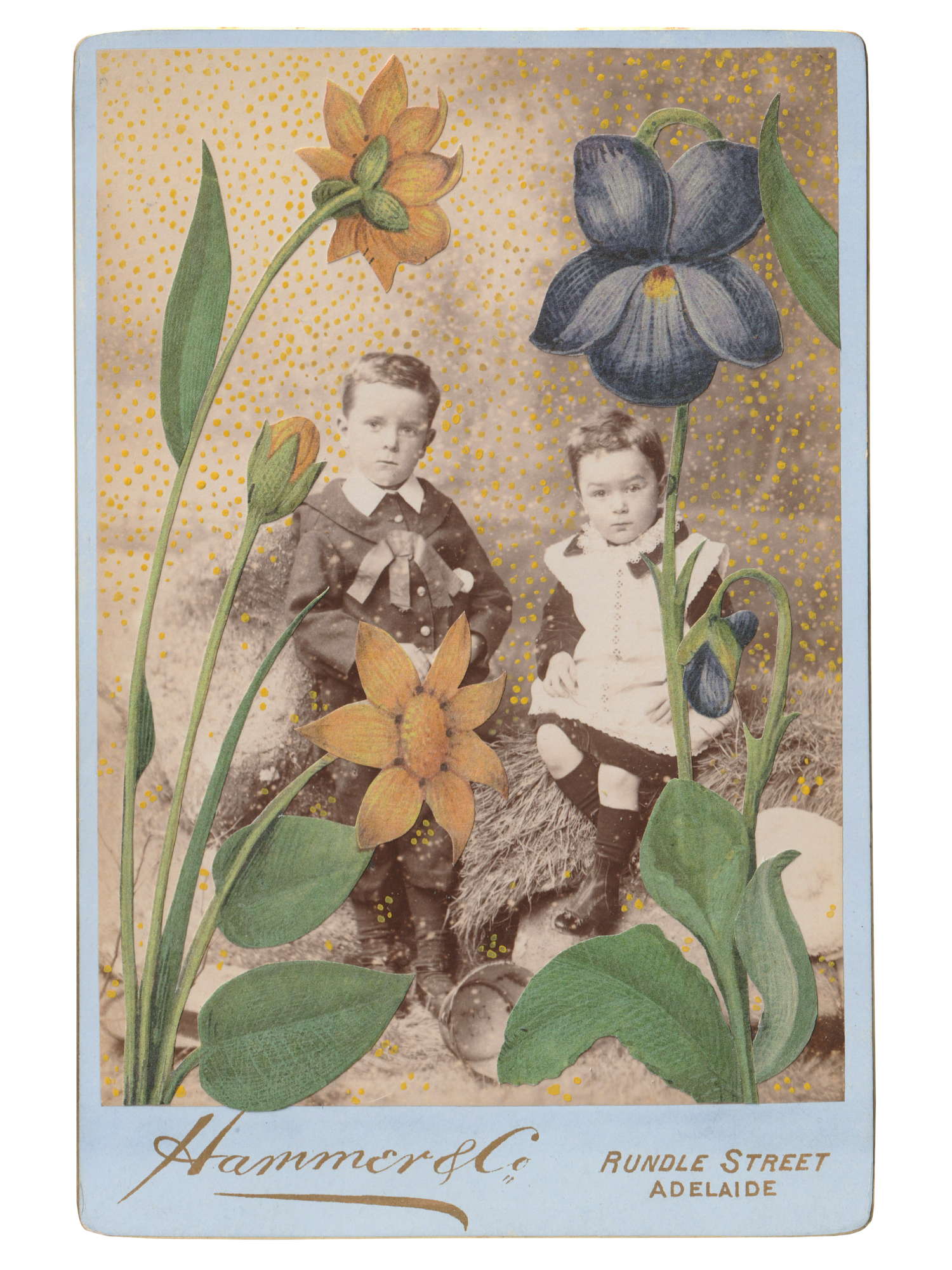
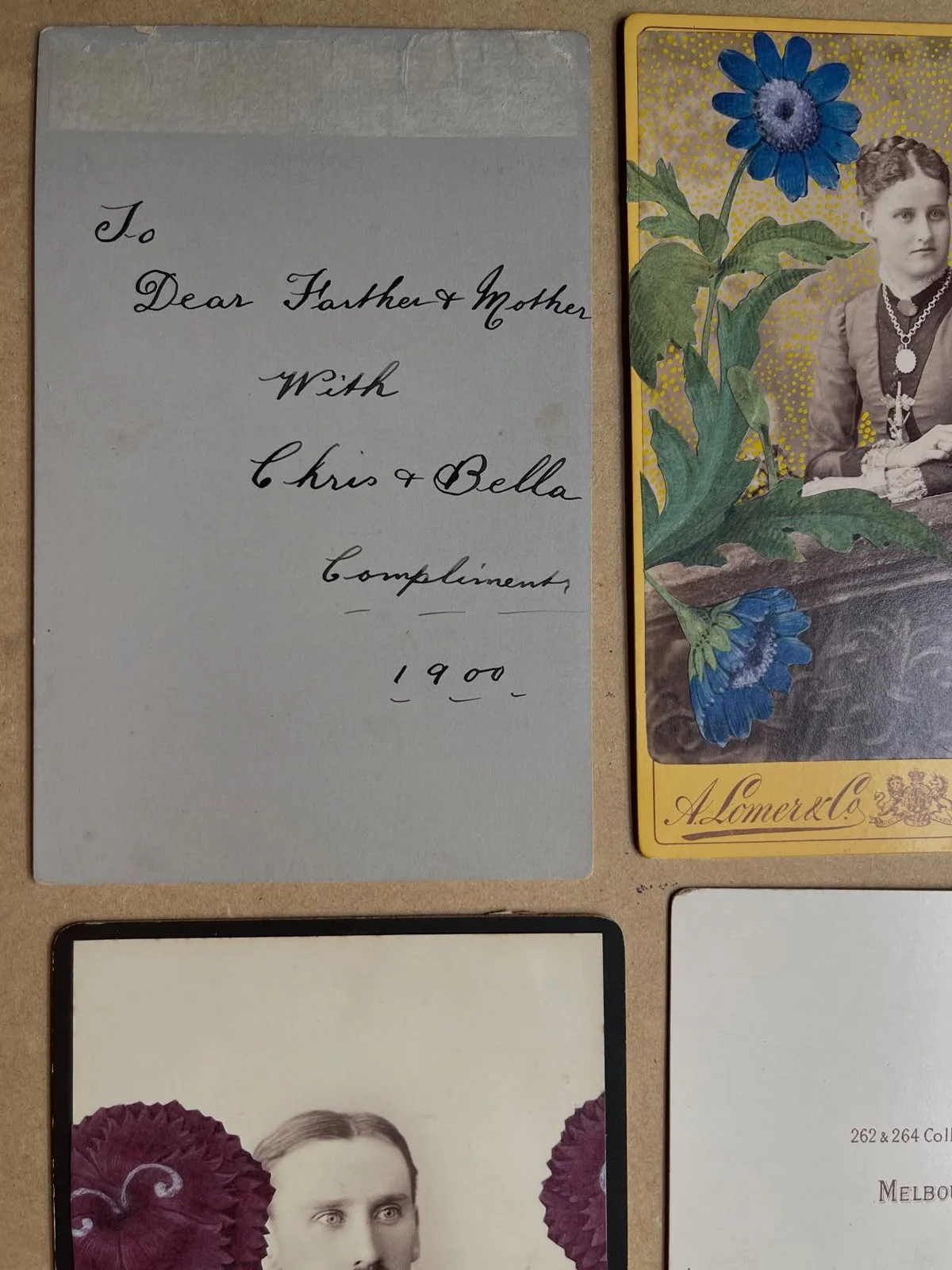
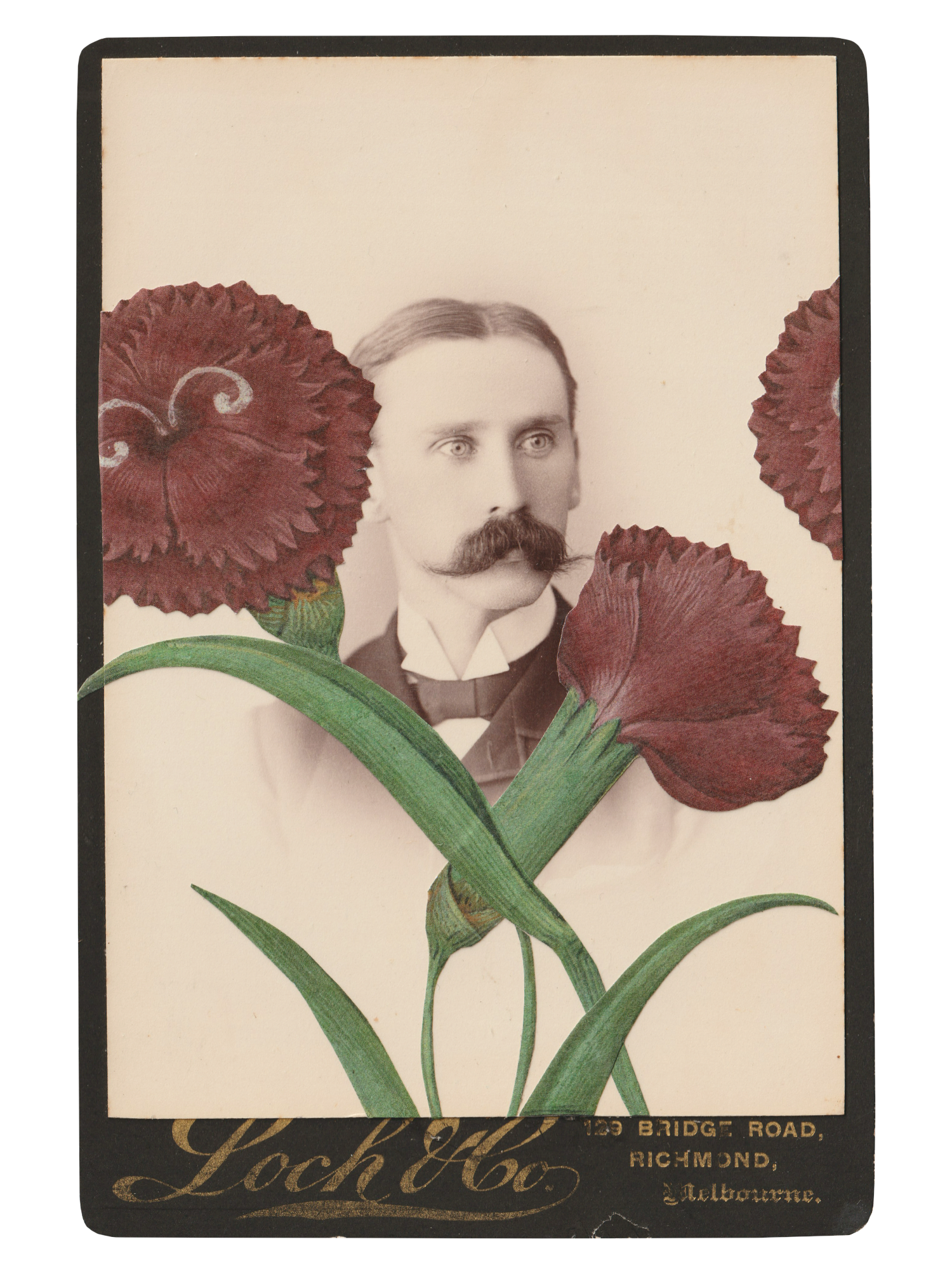
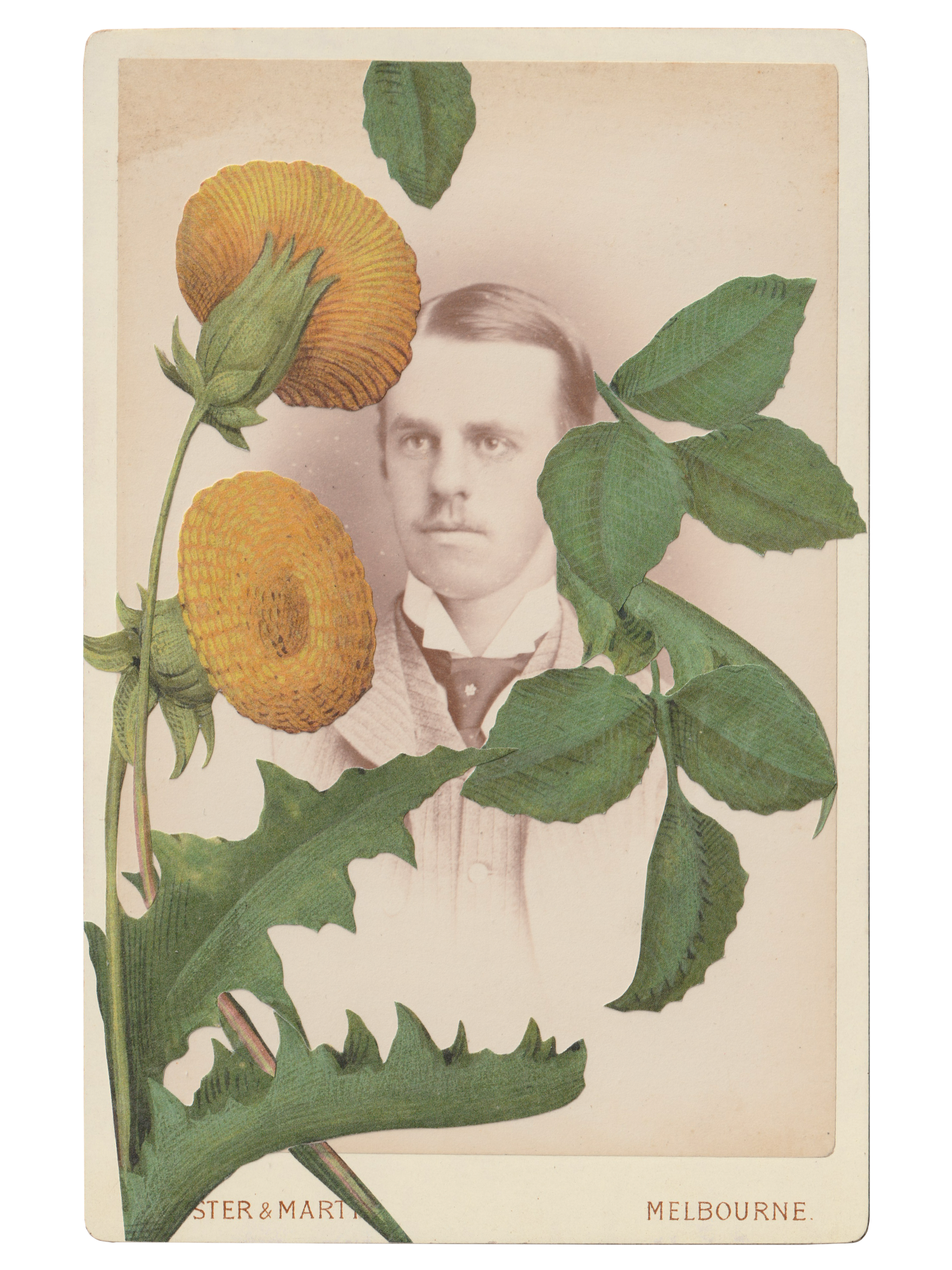
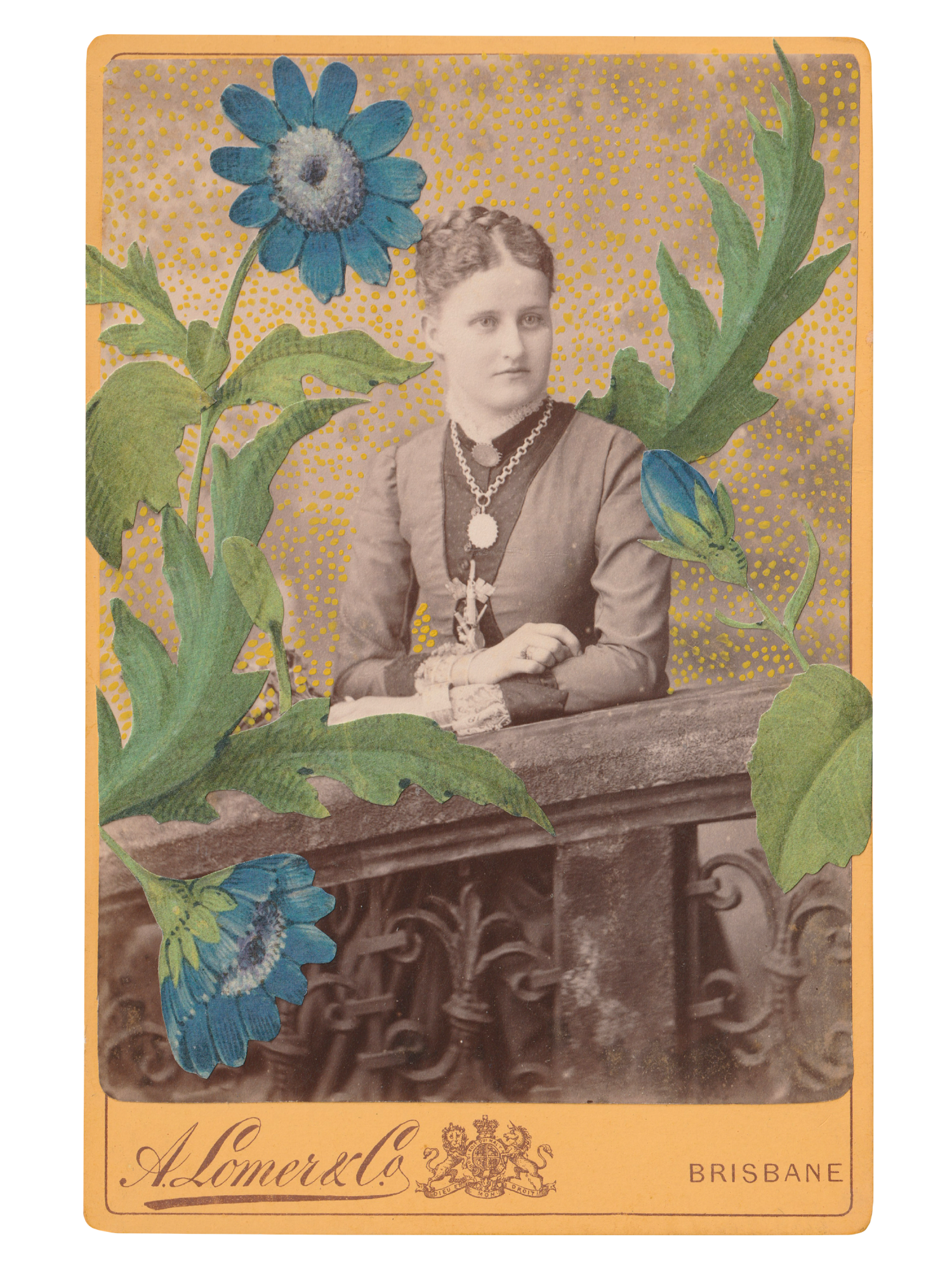
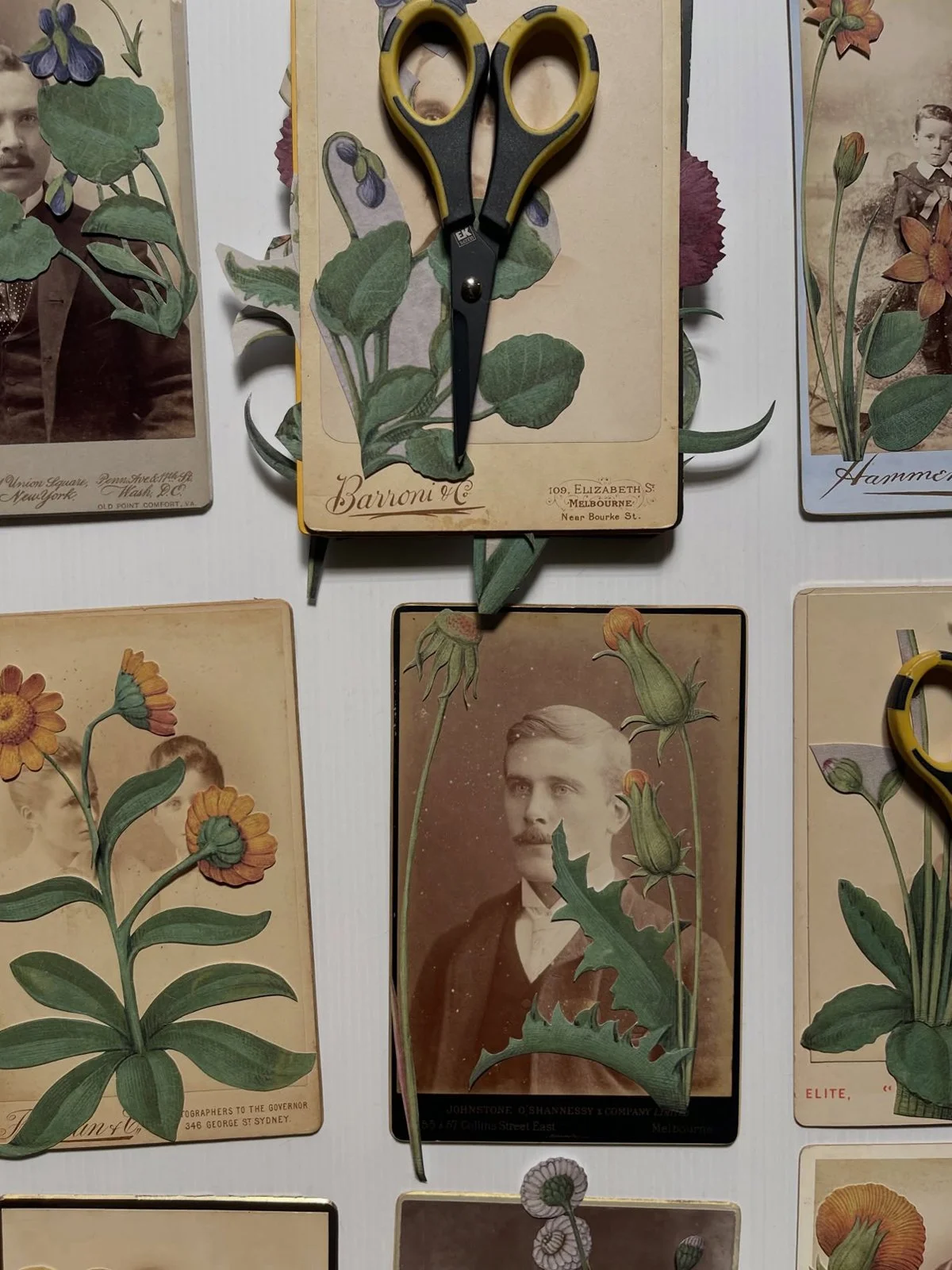
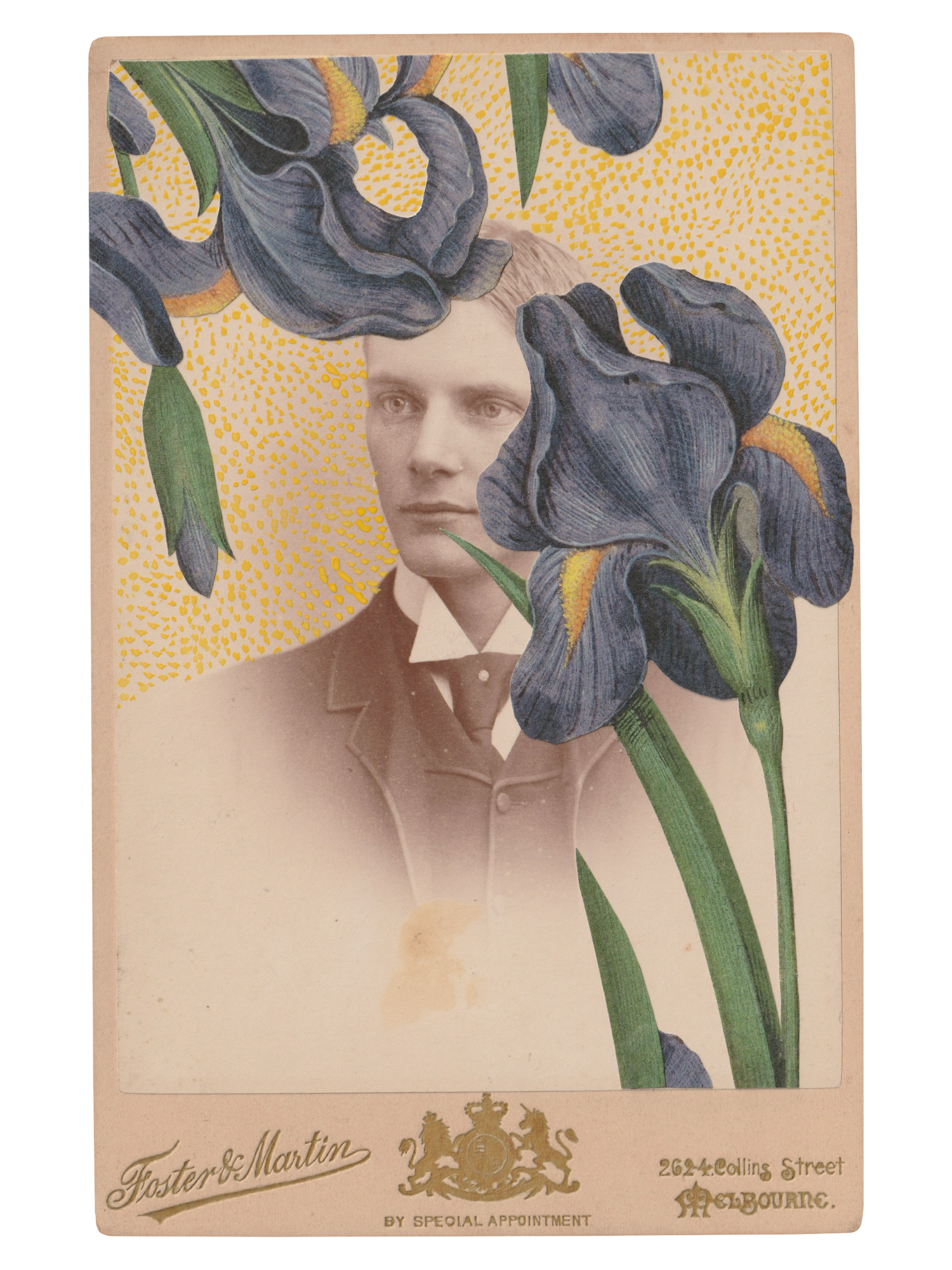
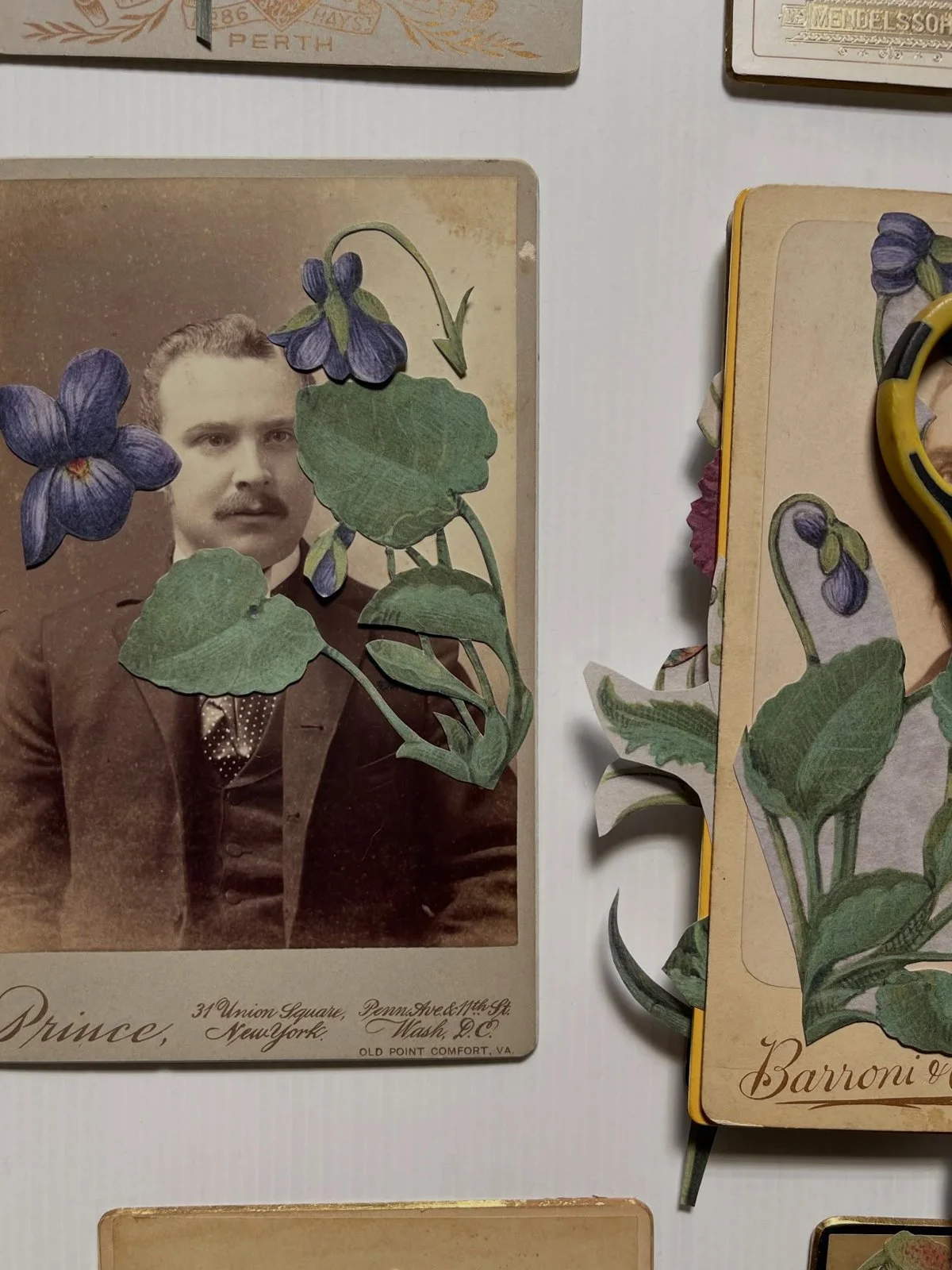
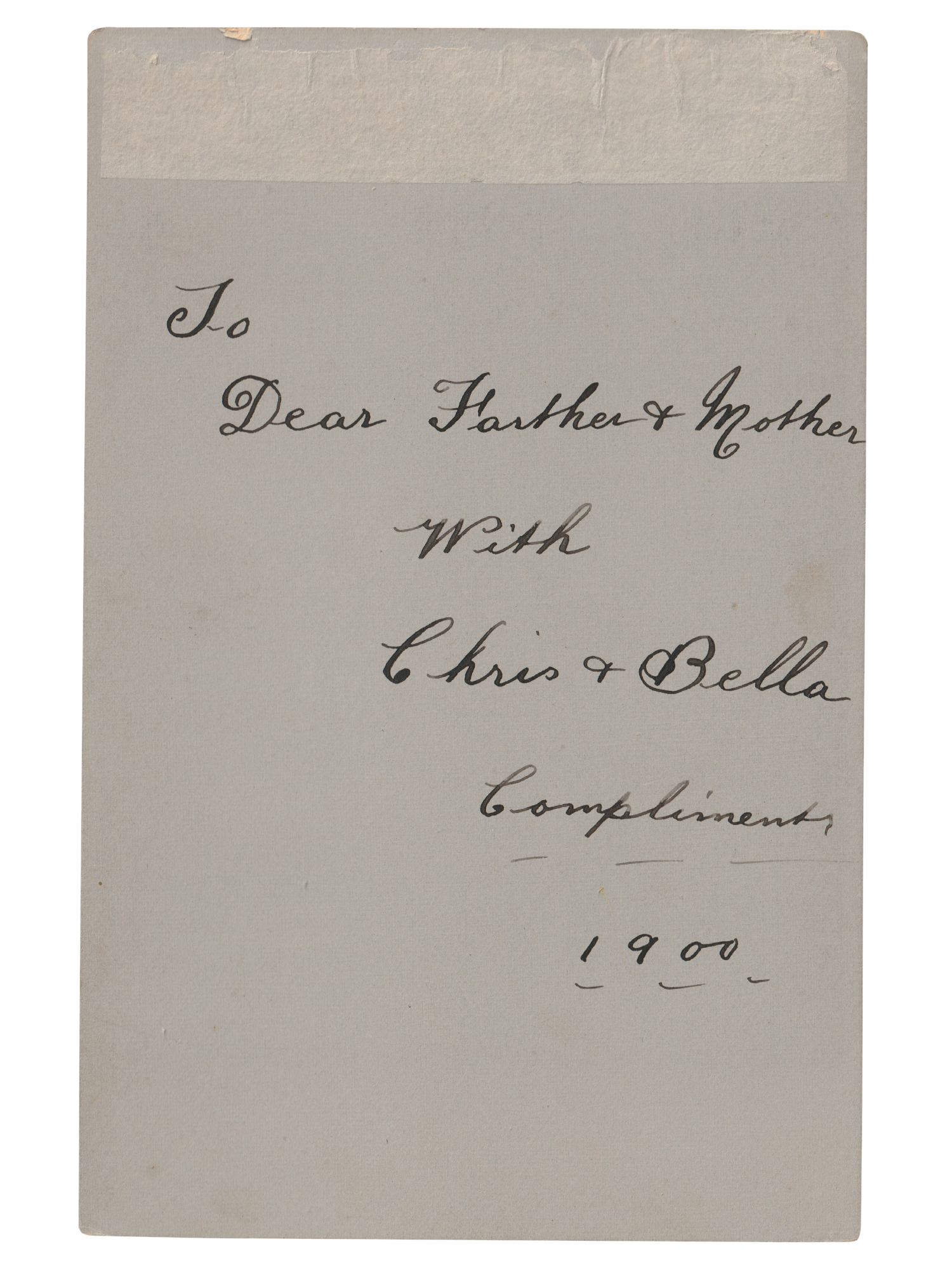
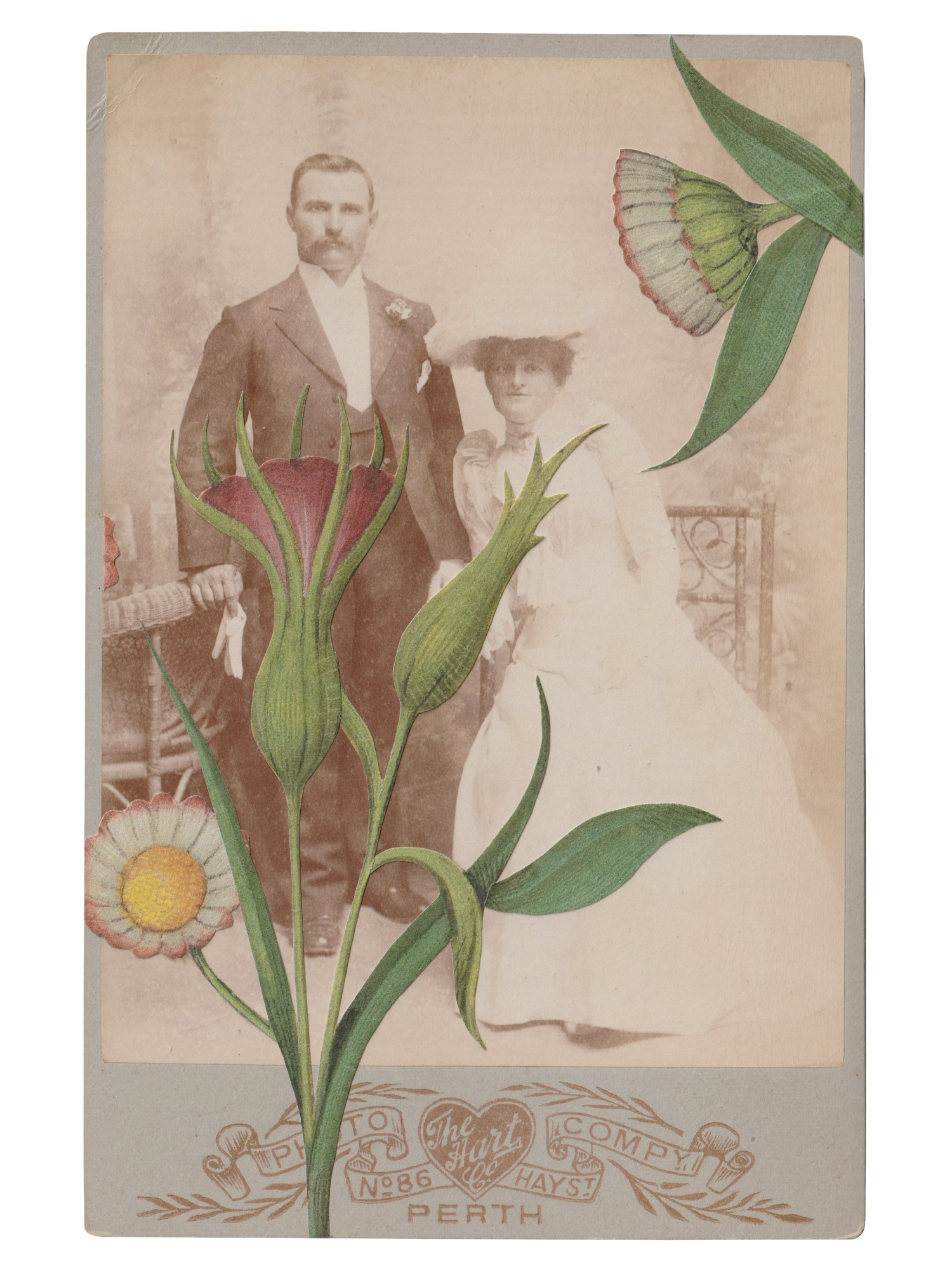
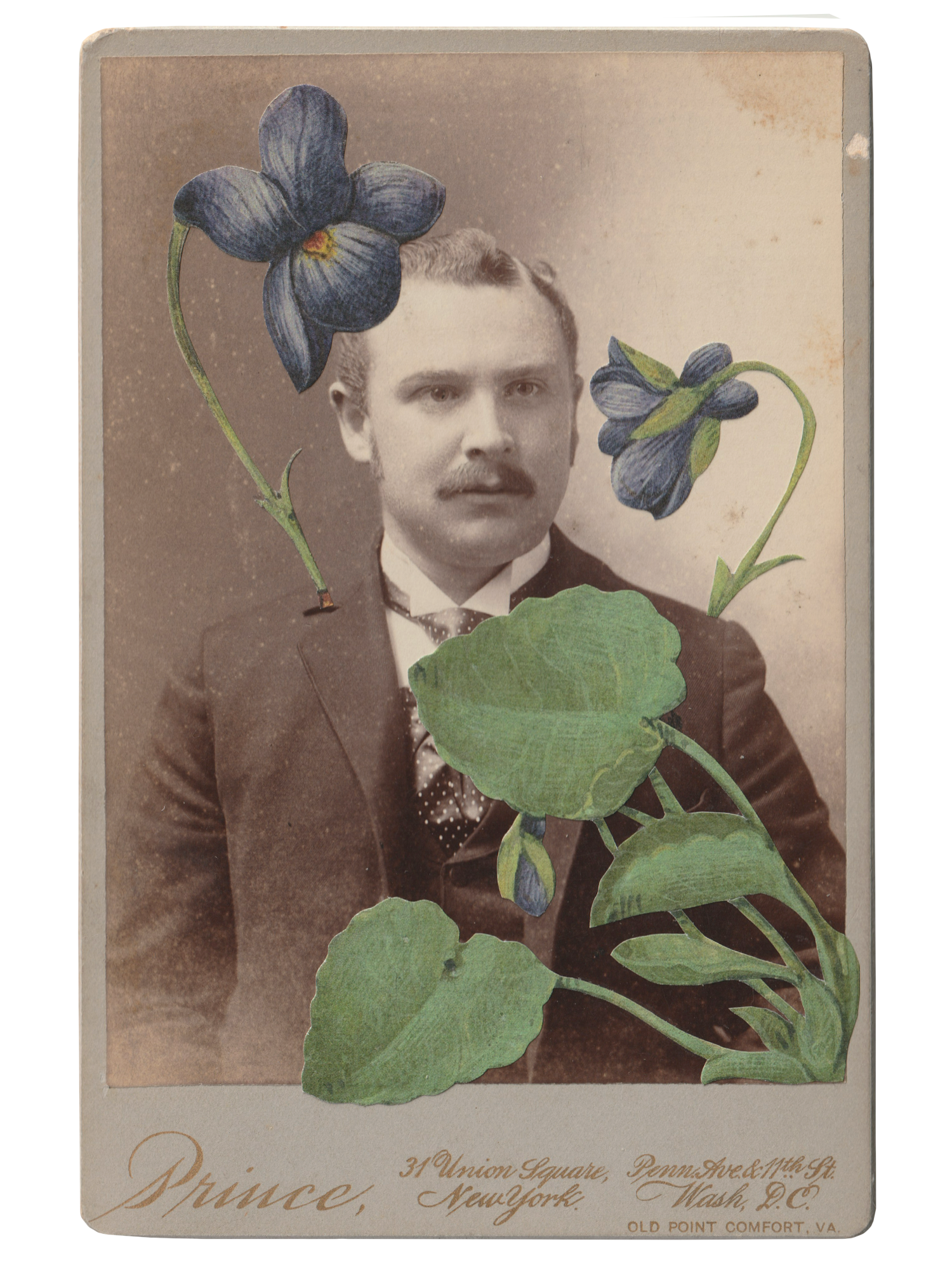
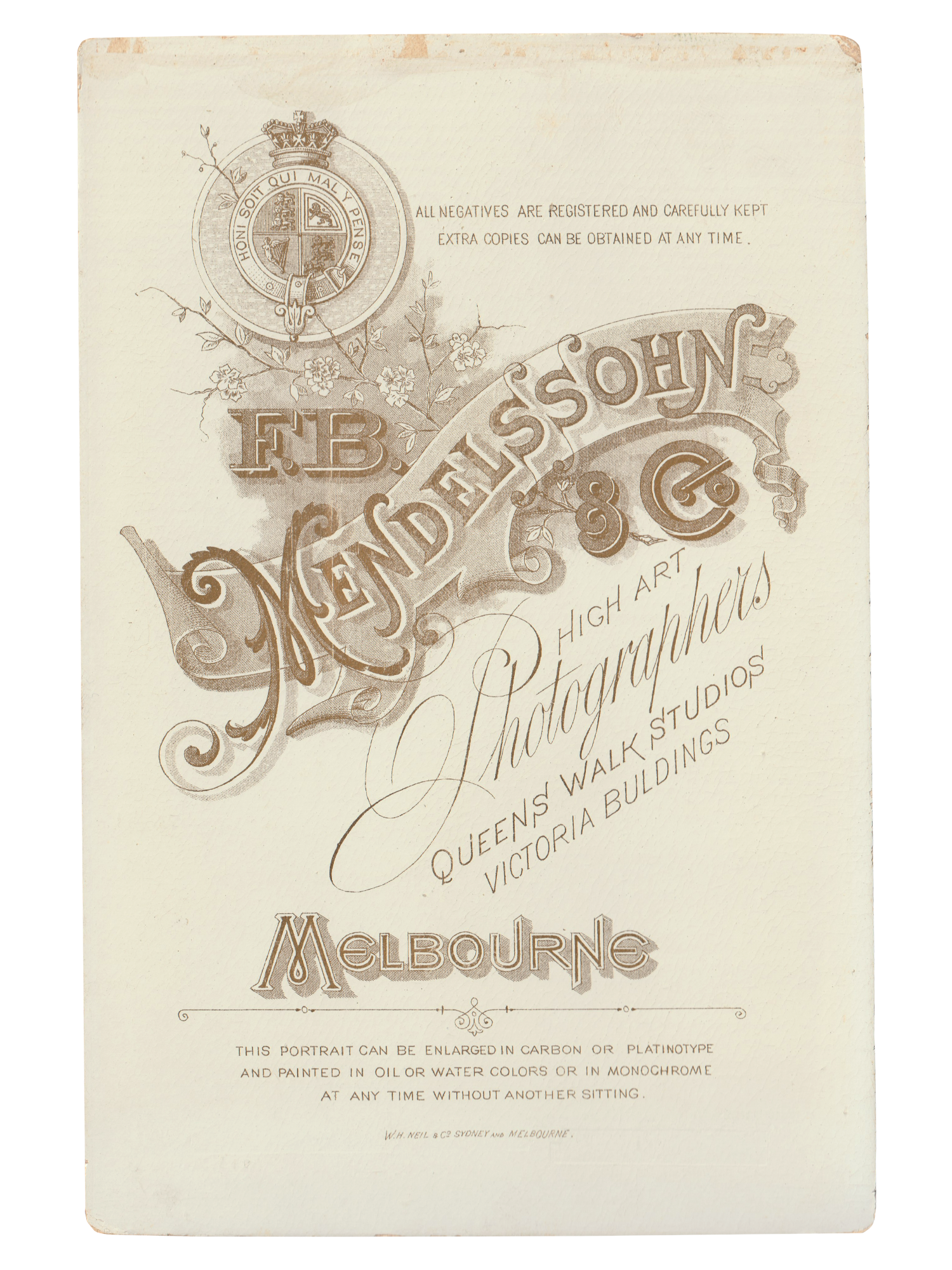
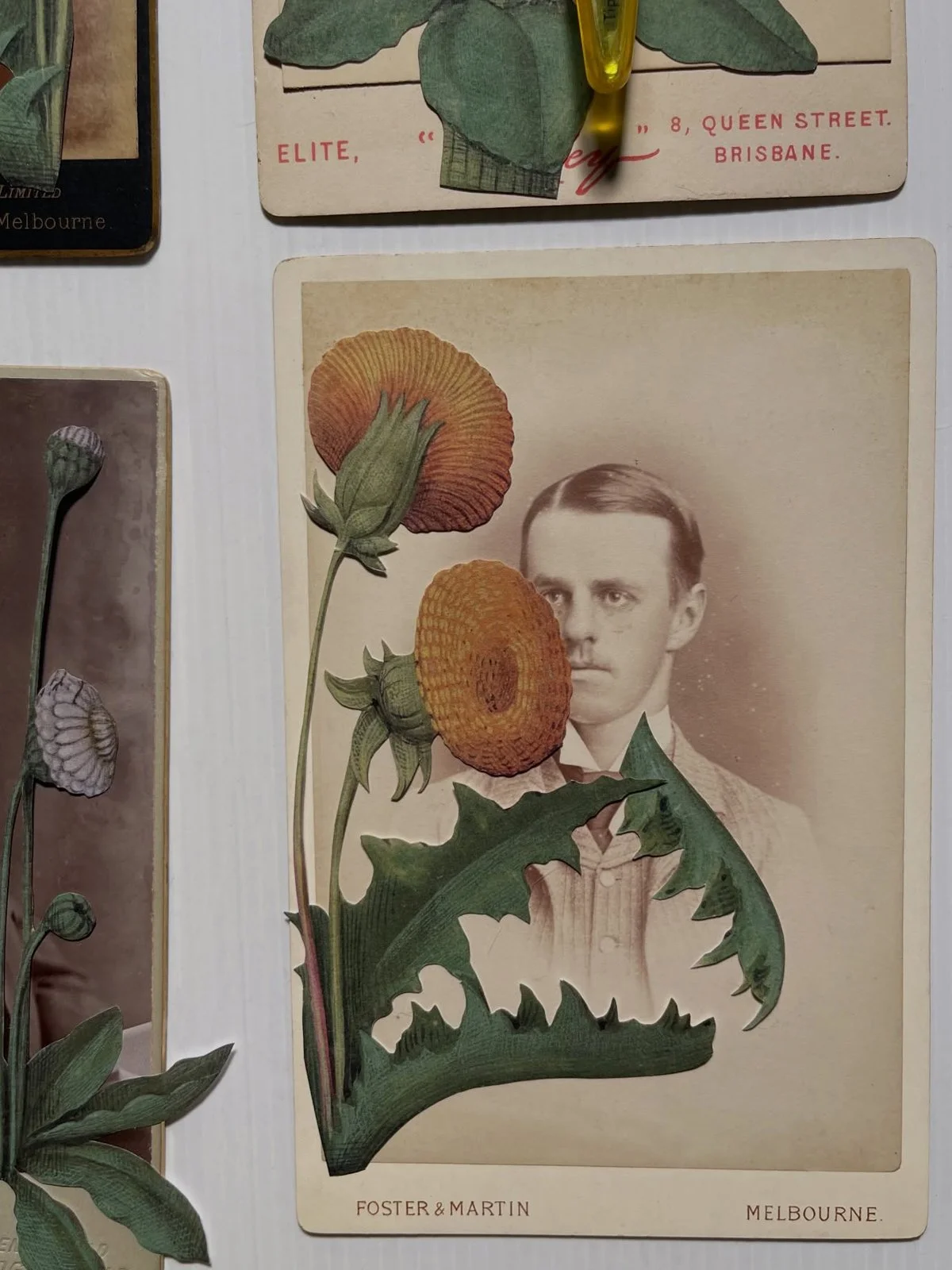
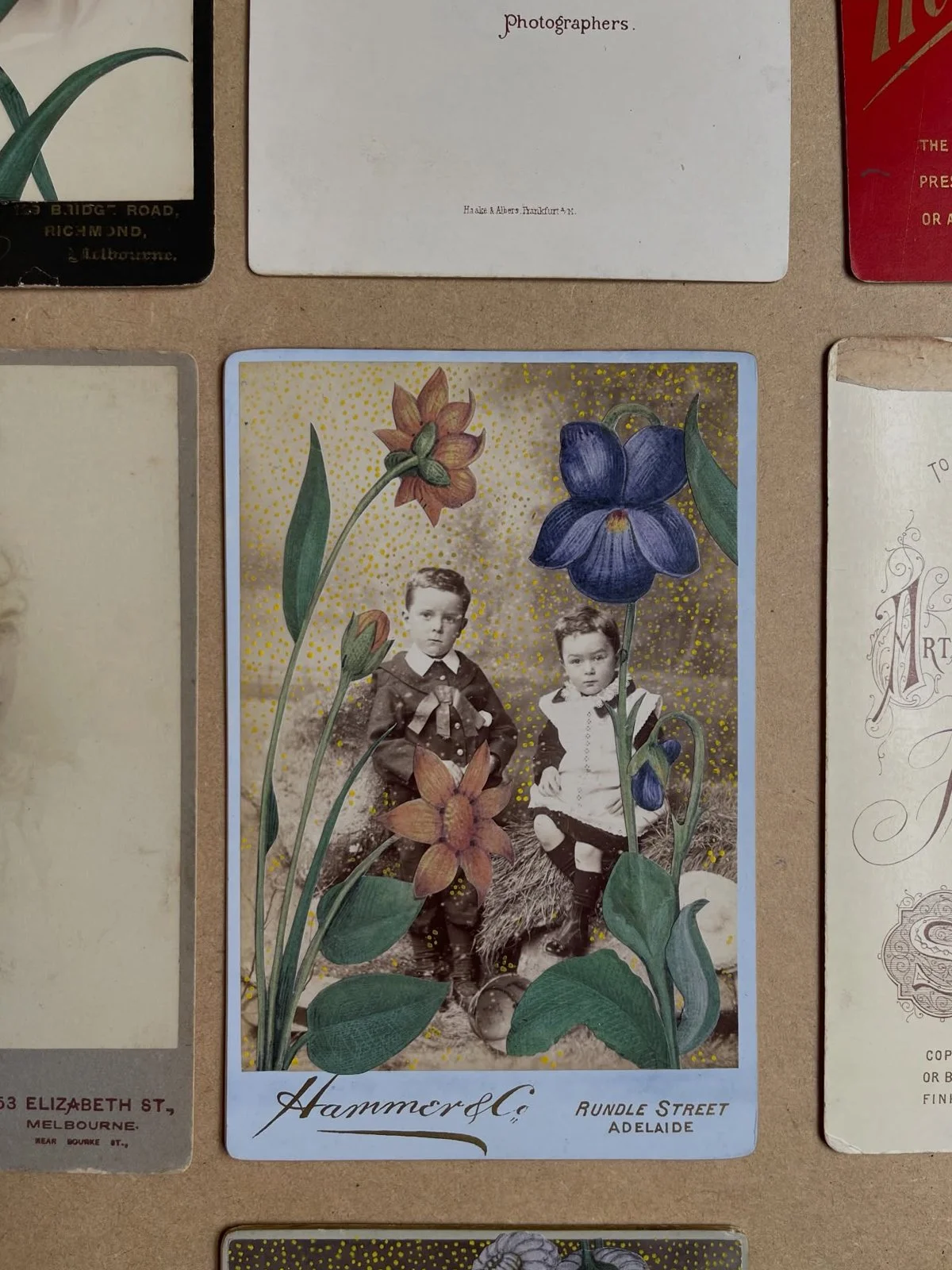
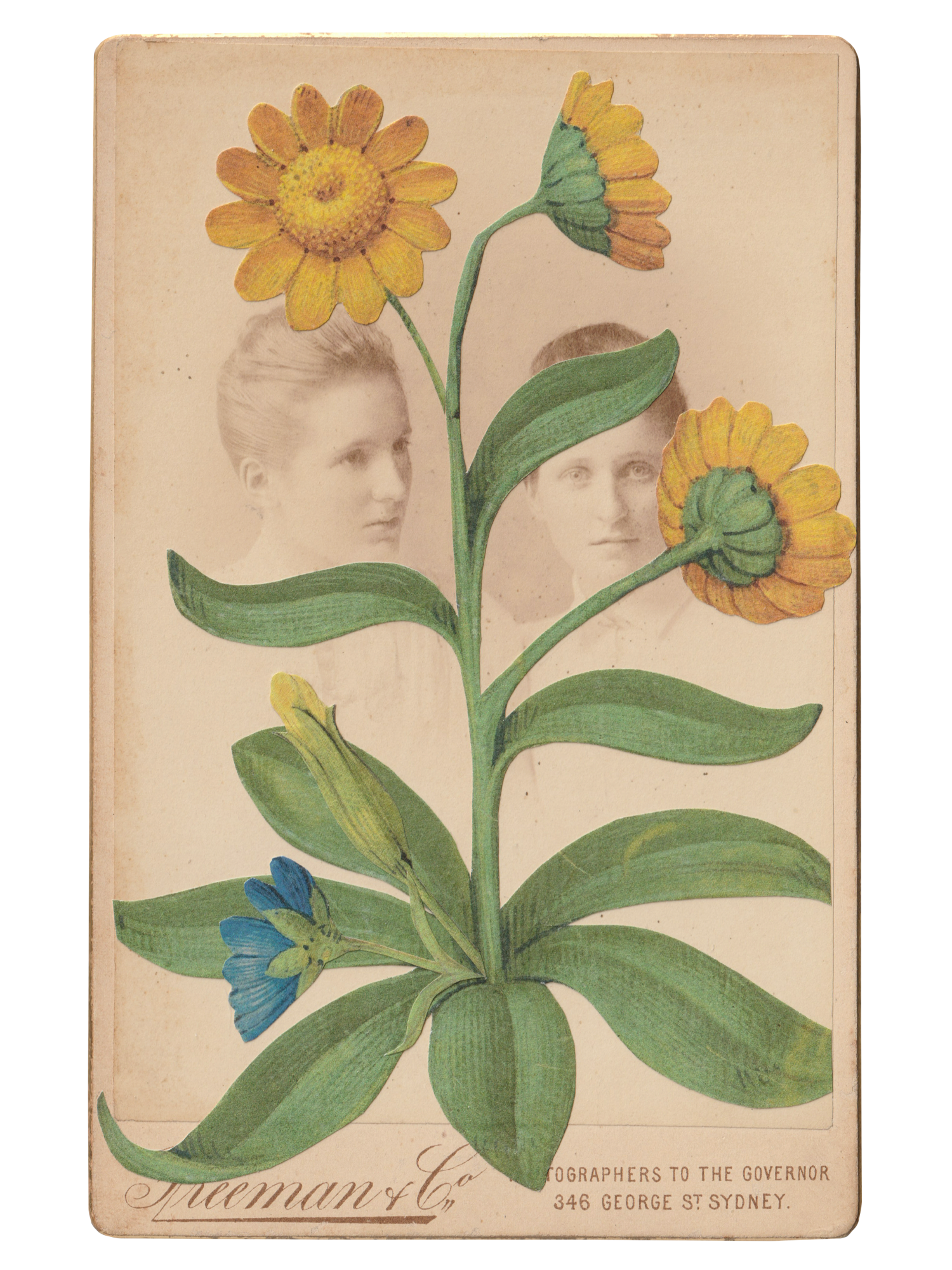
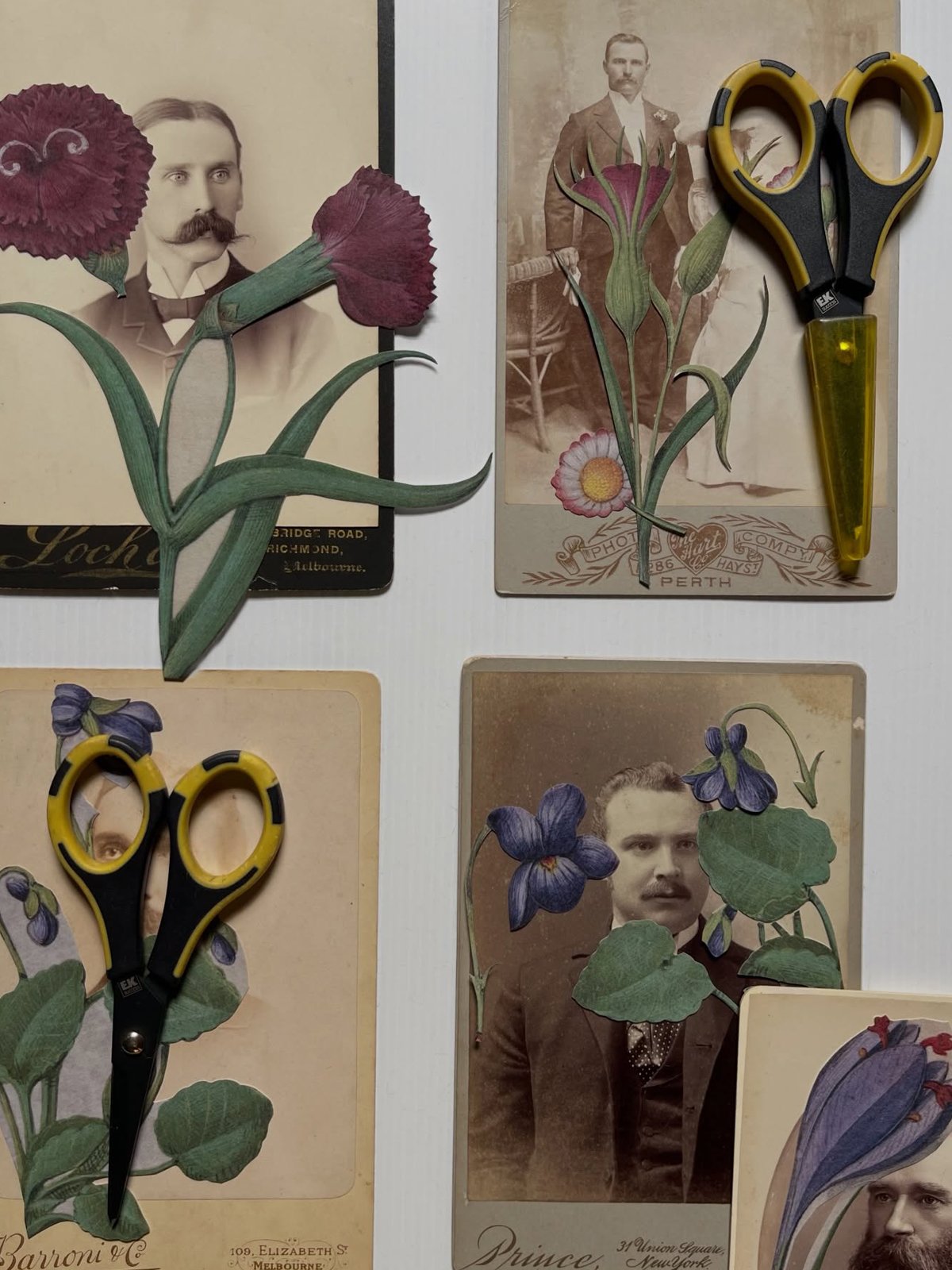
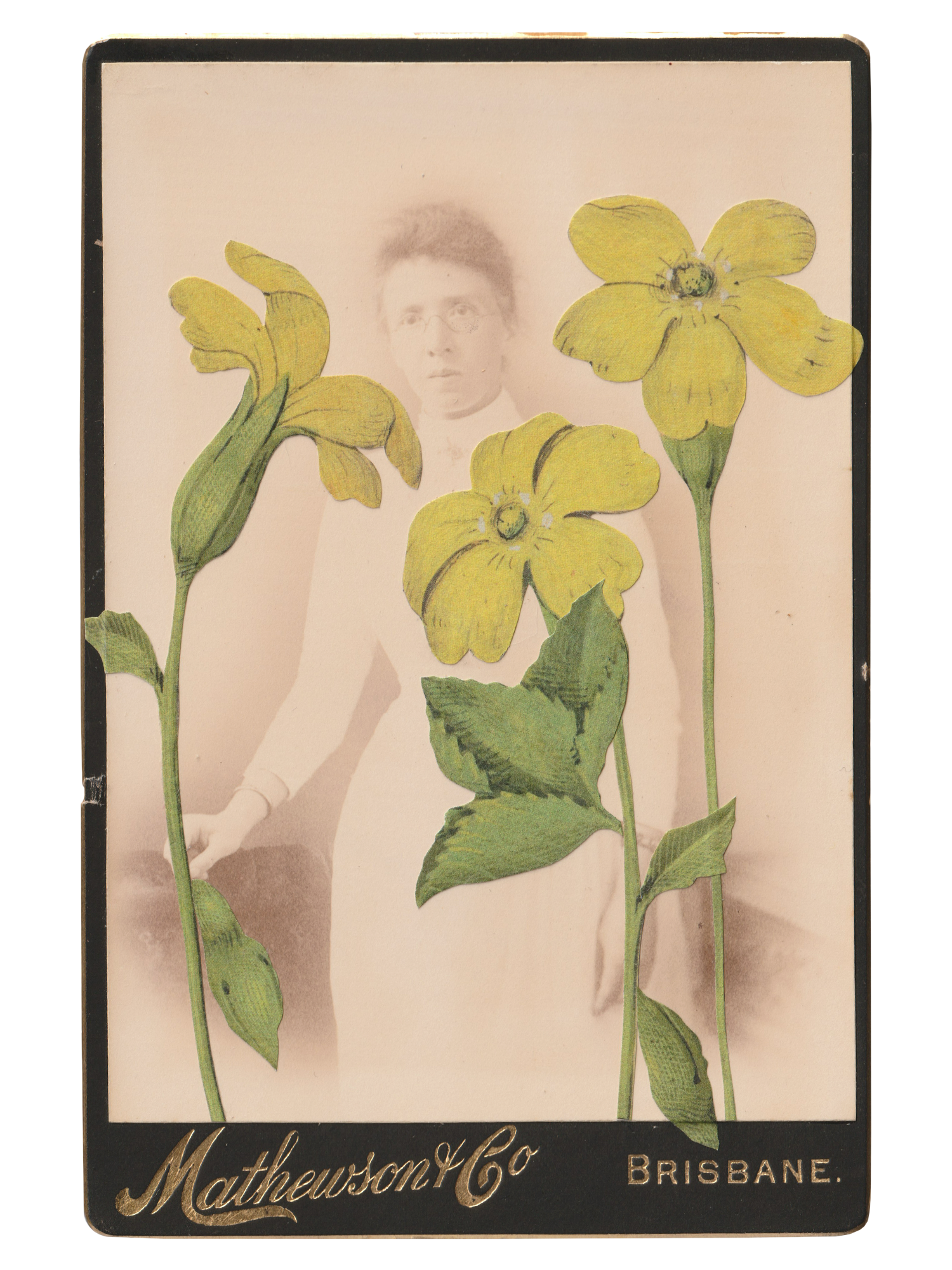
This new suite of collaged Salvaged Relatives feature botanical details from The Book of Flower Studies, created in the workshop of the Master of Claude de France, ca. 1510–1515, on Australian cabinet cards (bar one, from Prince Artistic Portraits, New York Studio, 31 Union Square) ranging from the late 1880s through to the early 1900s.
12 of the 18 collages are exhibited as part of Plant Life, alongside an edition of our similarly leafed artists’ book, Bilateral Symmetry. They include Marigold (Calendula arvensis) and Forget-me-not (Myosotis sylvatica), Dandelion (Taraxacum officinale), Autumn Buttercup (Ranunculus bullatus), Sweet Violet (Viola odorata), and more besides.
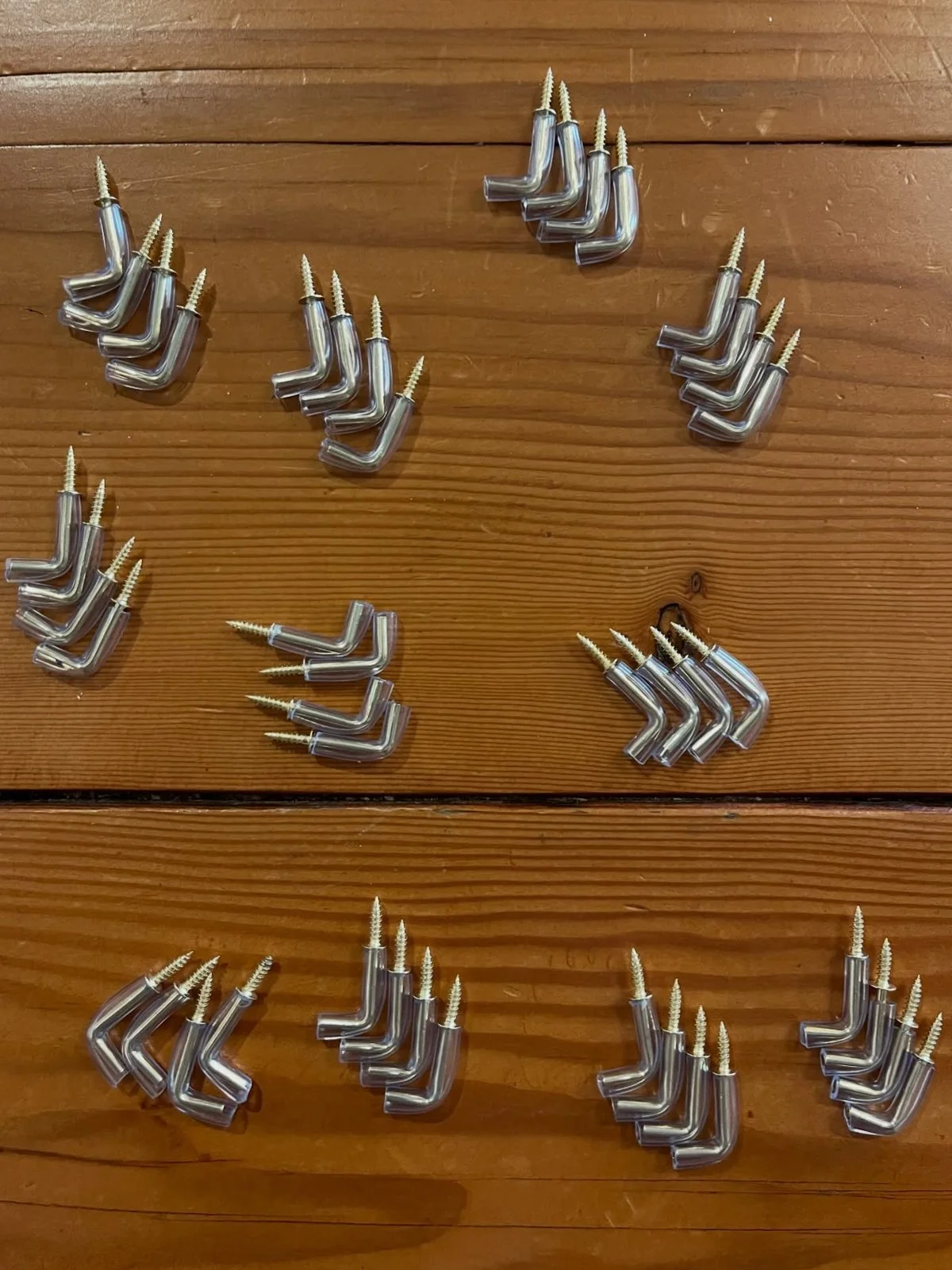
Inspired by how the Salvaged Relatives have taken to the stage at the State Library of New South Wales, as part of Paper Universe, we have followed suit with the hang, and have encased golden right angle hooks in plastic tubing to hold snug to the wall our chosen grid of 12 Salvaged Relatives.
“Unlike earlier works of botanical illustration in the vade mecum mode, which contained educational inscriptions, no descriptive text is present here and the flowers seem less like supportive stakes for medicinal learning or arcane symbolism, more like freestanding objects of beauty. The chosen plants are of European origin. They tend to skew away from ornamental flowers and toward crops and medicinal herbs. Opaque watercolors, organic glazes, and gold and silver paint come together to create a startling play of perspective, as the plants appear to grow outward from the paper toward the beholder’s gaze. Experimentations in scale delight: a jaybird perches on the leaf of a giant blackberry, as if waiting for the fruit to ripen; a long-eared owl looks confused by the enormity of a succulent unfurling above its head. Toward the end of the manuscript, the alphabet is reproduced across recto and verso, imposed over an apothecary rose and a white rose of York by means of the parchment’s translucence.”

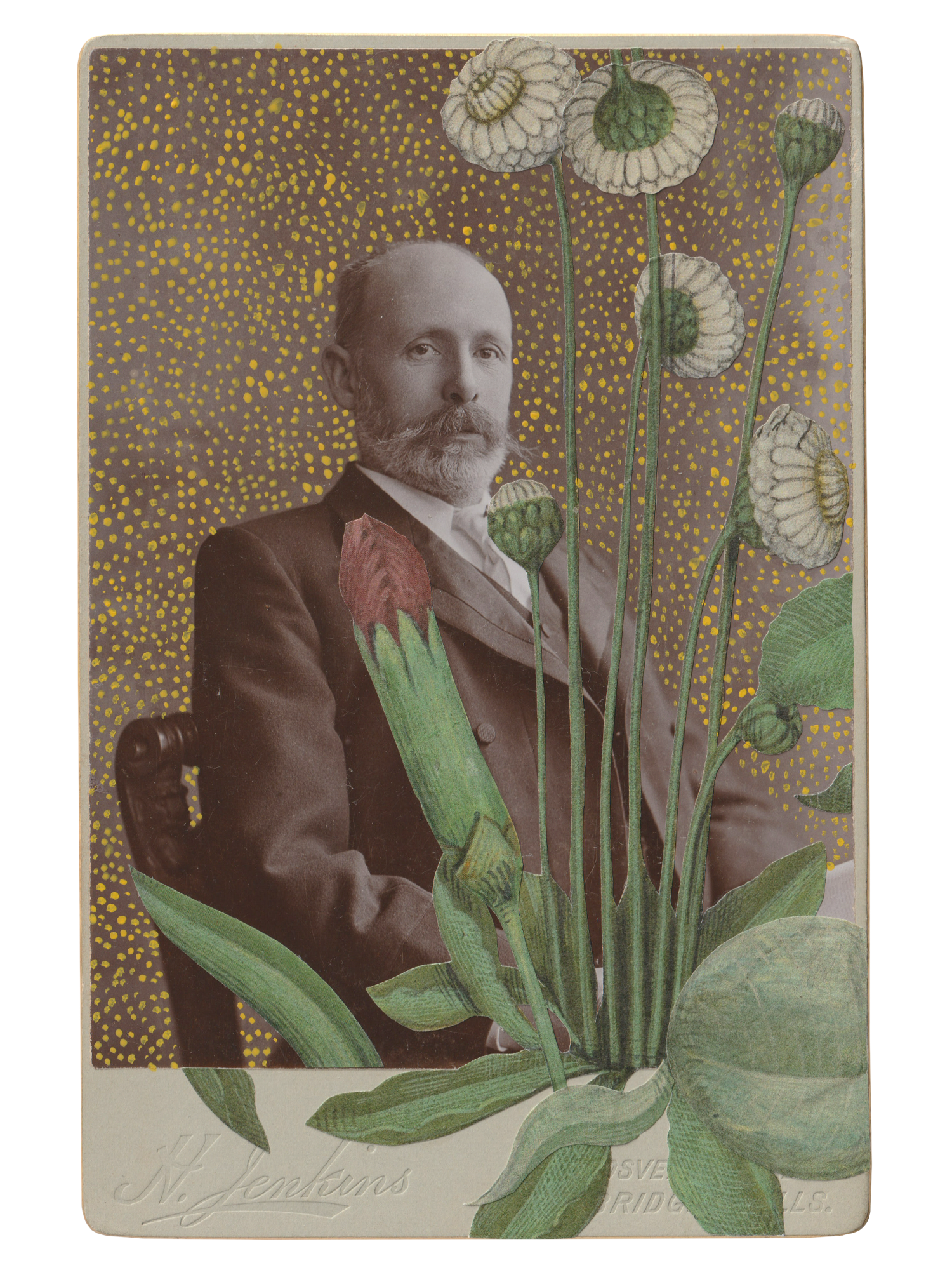
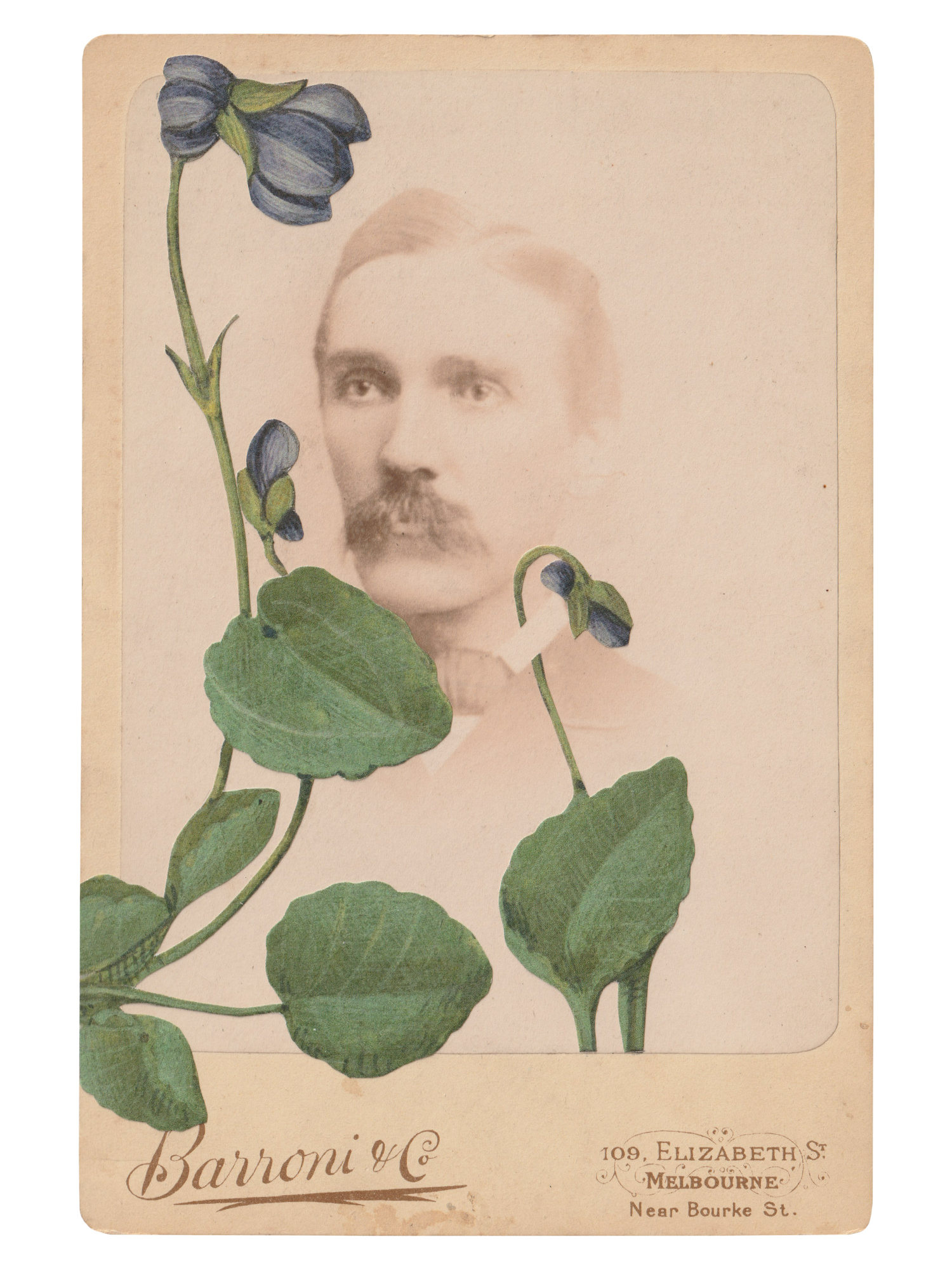
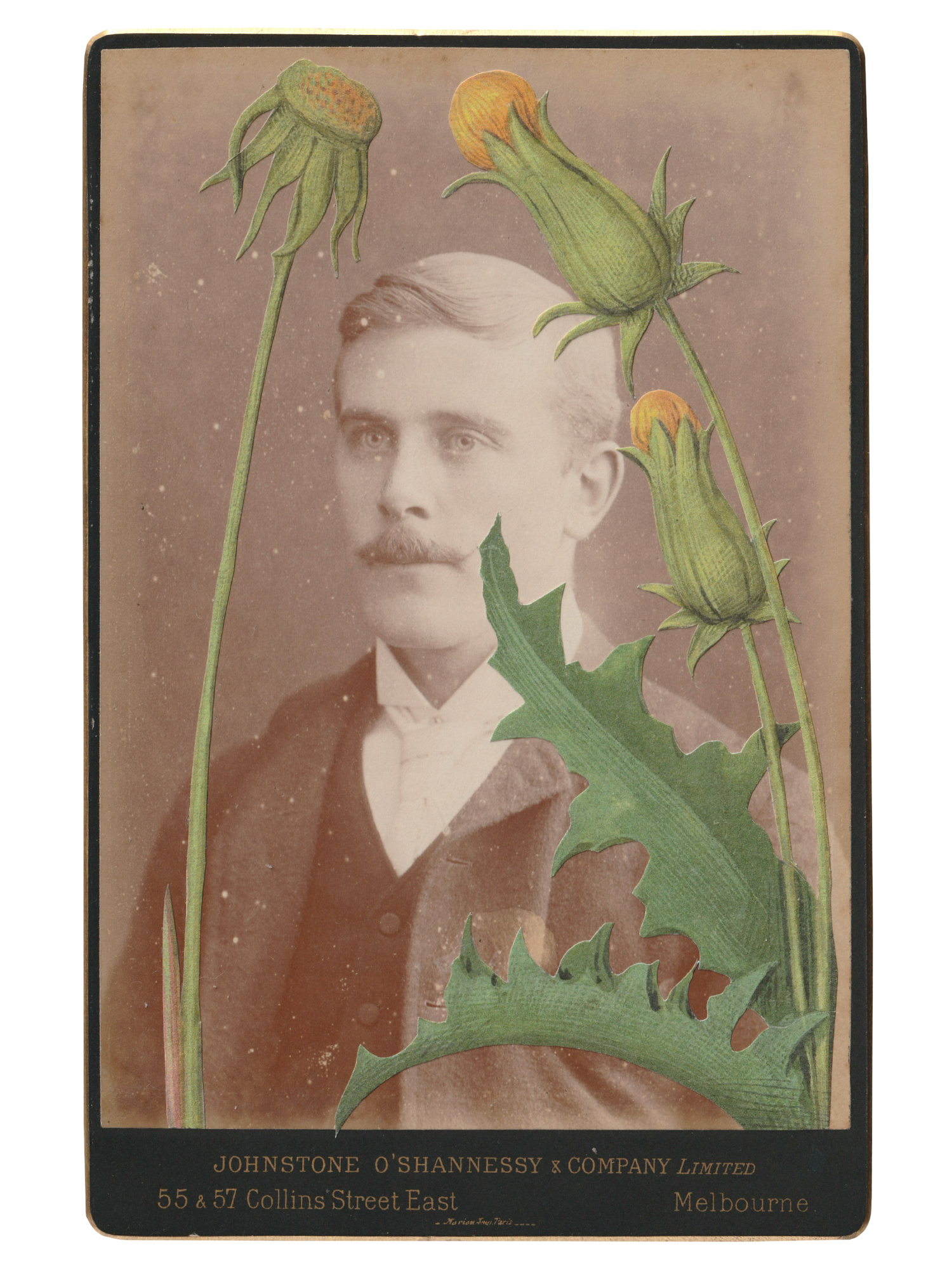
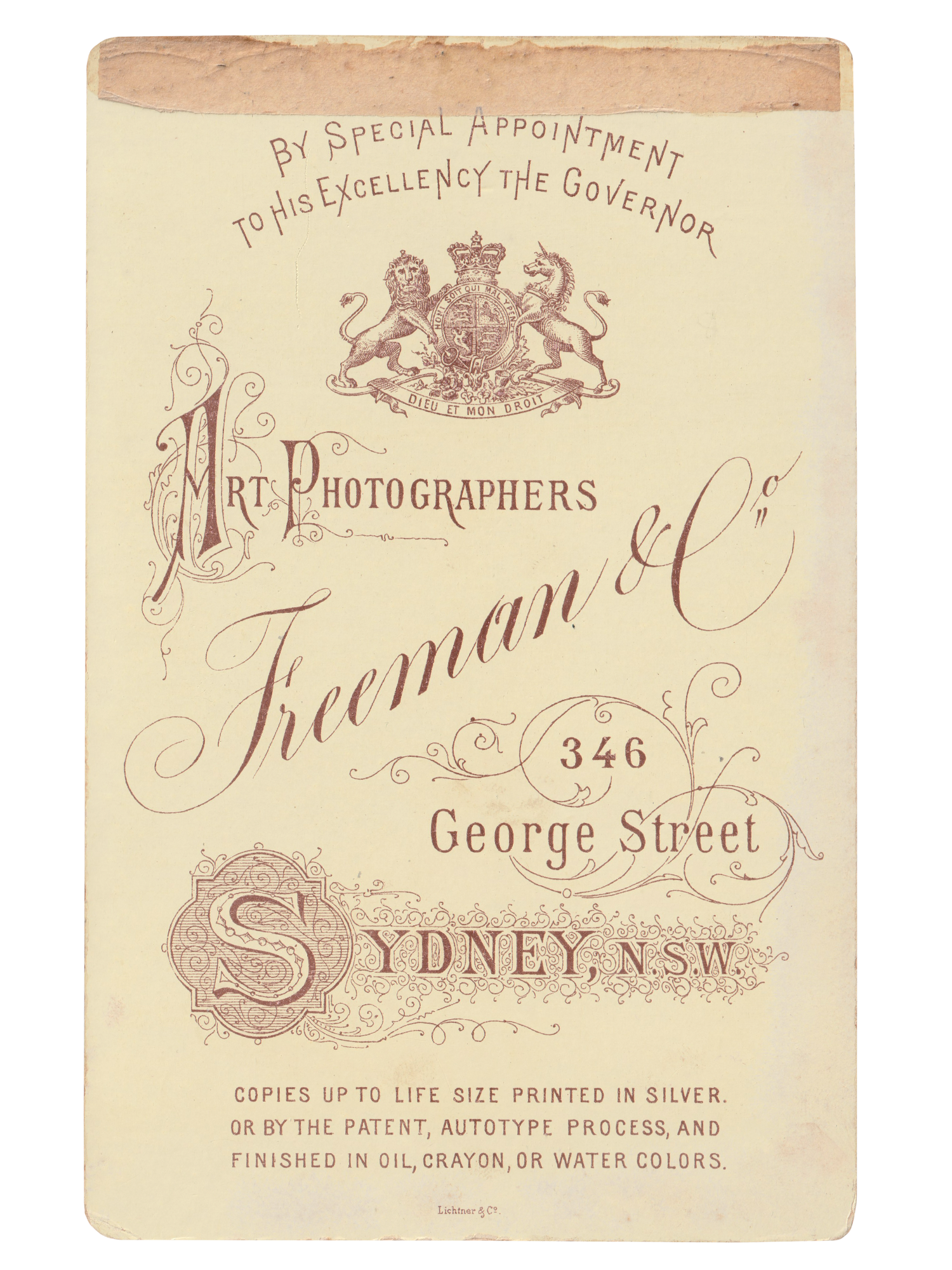
Somehow simultaneously yesterday and a world ago, tender memories of Salvaged Relatives in the window (as part of Blindside’s On the Verge festival, and at Port Jackson Press Print Gallery), in the cabinets (as part of the Czech and Slovak Film Festival), and in the gallery (as part of Birds: Flight paths in Australian Art, at Mornington Peninsula Regional Gallery) have come to the fore. Looking back to look for a path ahead, ten years ago, when Olive and Percy were in the frame. This planted life, brims.
With heartfelt thanks to our former RMIT School of Art Drawing lecturer, Rhett D’Costa, for including us in the exhibition. The superabundance of Plant Life runs until Sunday the 1st of March, 2026.
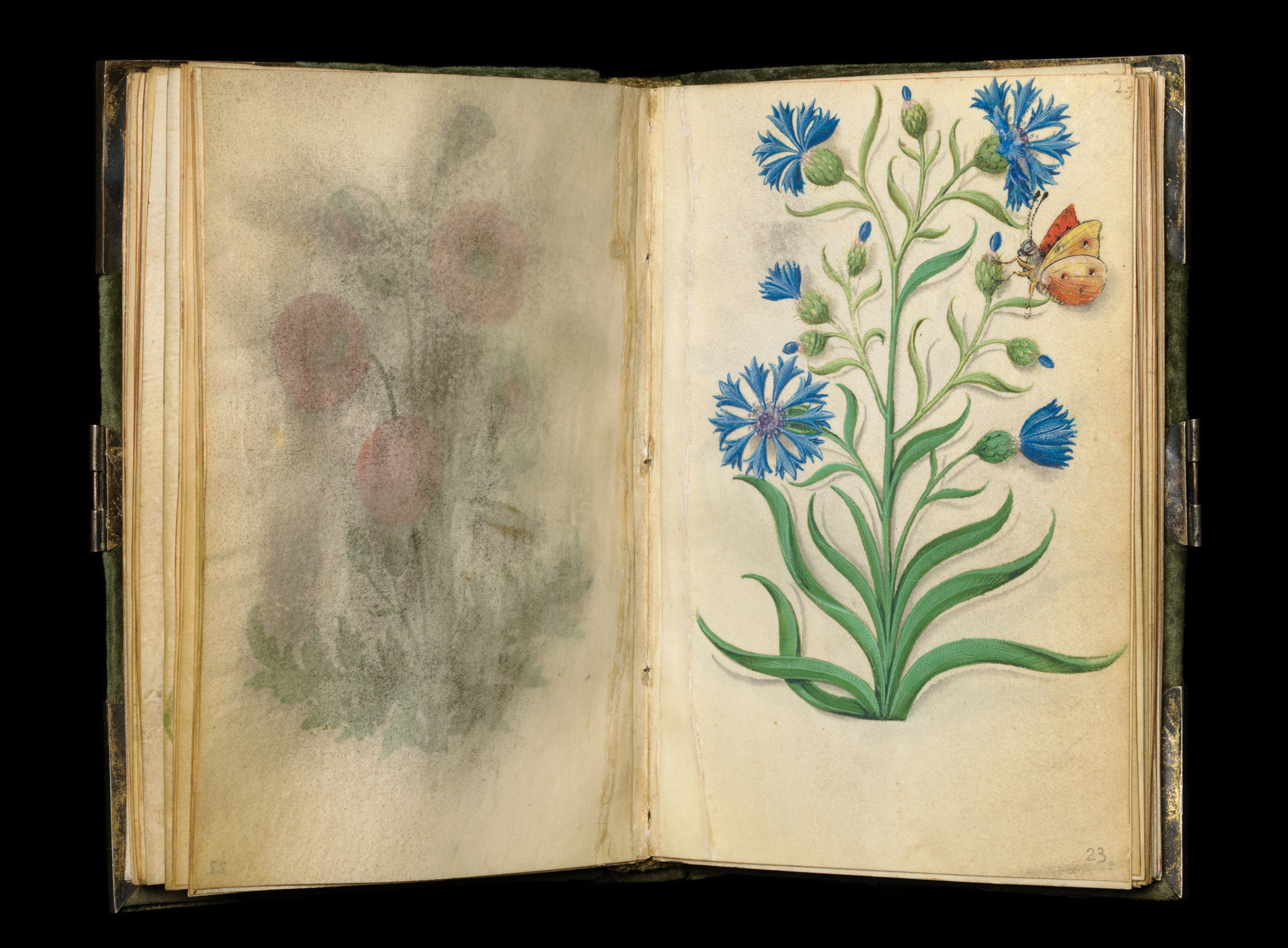
Image credit: Folio 23: Cornflower (Centaurea cyanus) with a yellow and red butterfly from Master of Claude de France’s (active from ca.1508–1520) Book of Flower Studies, ca. 1510–1515.
“The Book of Flower Studies belongs to what is often dubbed the last flowering" of northern European manuscript illumination in the medieval tradition. Illuminators working at Tours brought the garden inside to enrich the pages of princely manuscripts. The pages of this book unquestionably provided the models for renderings in several celebrated commissions linked to Claude, Queen of France and to Antoine de la Barre, a prominent ecclesiastic who became Archbishop of Tours.
These flowers were painted in witness to their inherent beauty, not gathered merely for their symbolism, nor for their perceived medicinal value. Each of them can be found in the gardens of The Met Cloisters.”
— The MET
