Specimen 1963
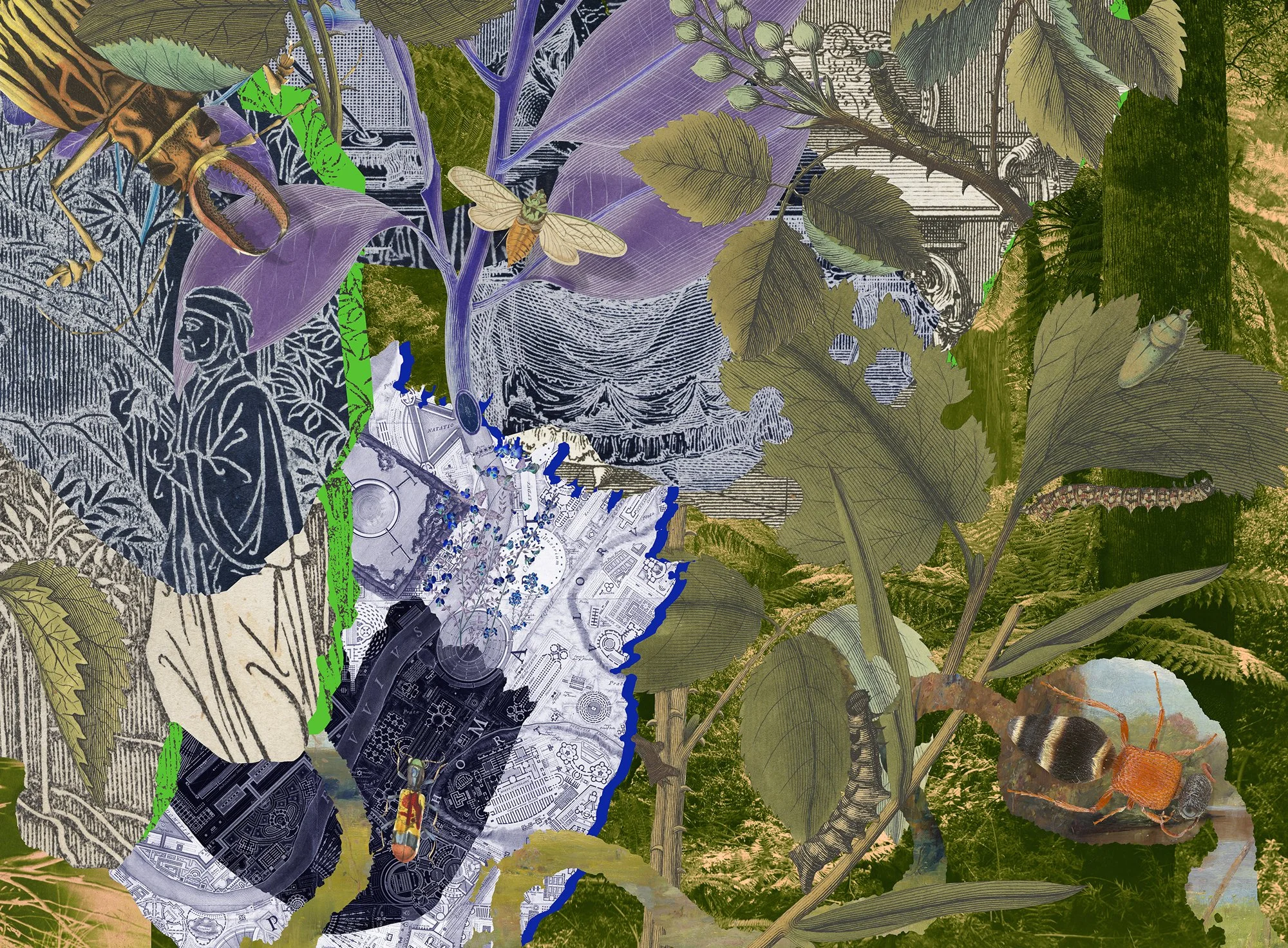
A velvet ant, a flower and a bird
A Potter Museum of Art commission for A Velvet ant, a flower and a bird exhibition guest curated by Professor Dr Chus Martínez, Head of the Institute of Art Gender Nature at the FHNW Academy of Arts and Design, Basel, Switzerland
Potter Museum of Art, Cnr of Swanston Street and Masson Road, Parkville
Thursday 19th February – Saturday 6th June, 2026
“What better metaphor for life itself than insects? Their abundant, colourful swarm connects us to nature: that source of all life which we humans sometimes delude ourselves into seeing as seperate from us. ... At a time when certainty of their ability to survive anything has been replaced by concerns over declining populations .... to discover their strange and diverse beauty is to plunge into the unknown: from the depths of the rainforest to our own backyards.”
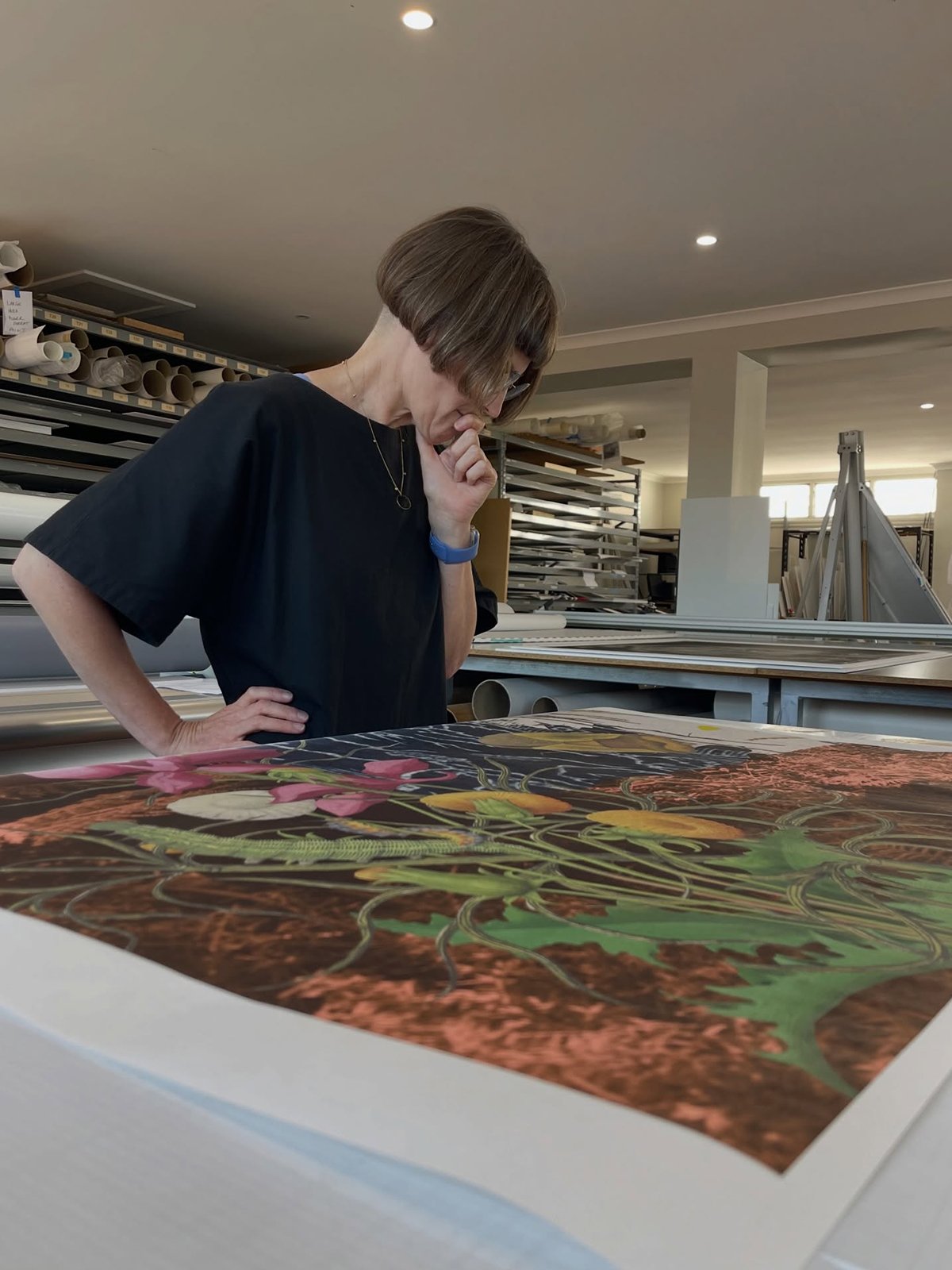
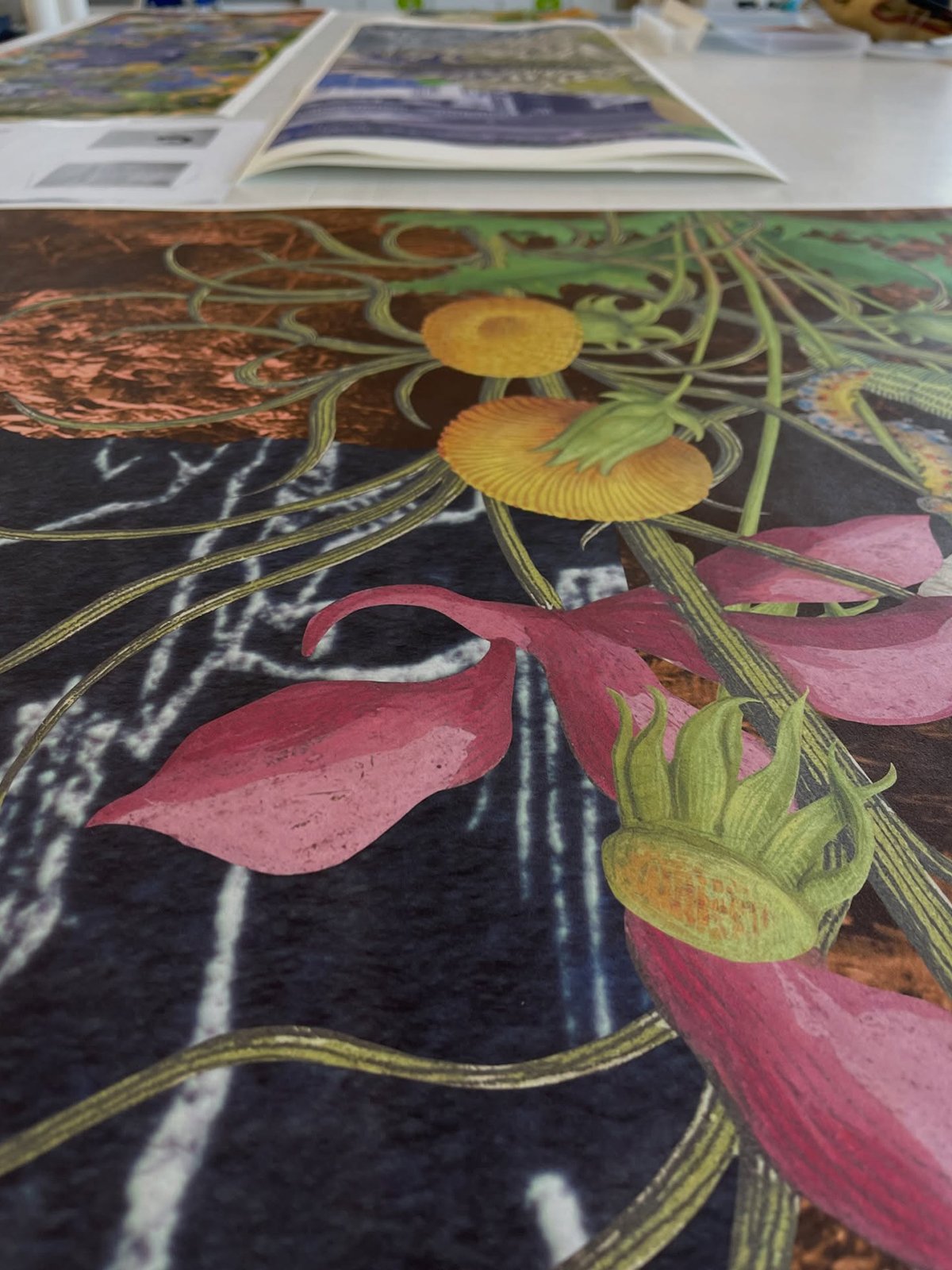
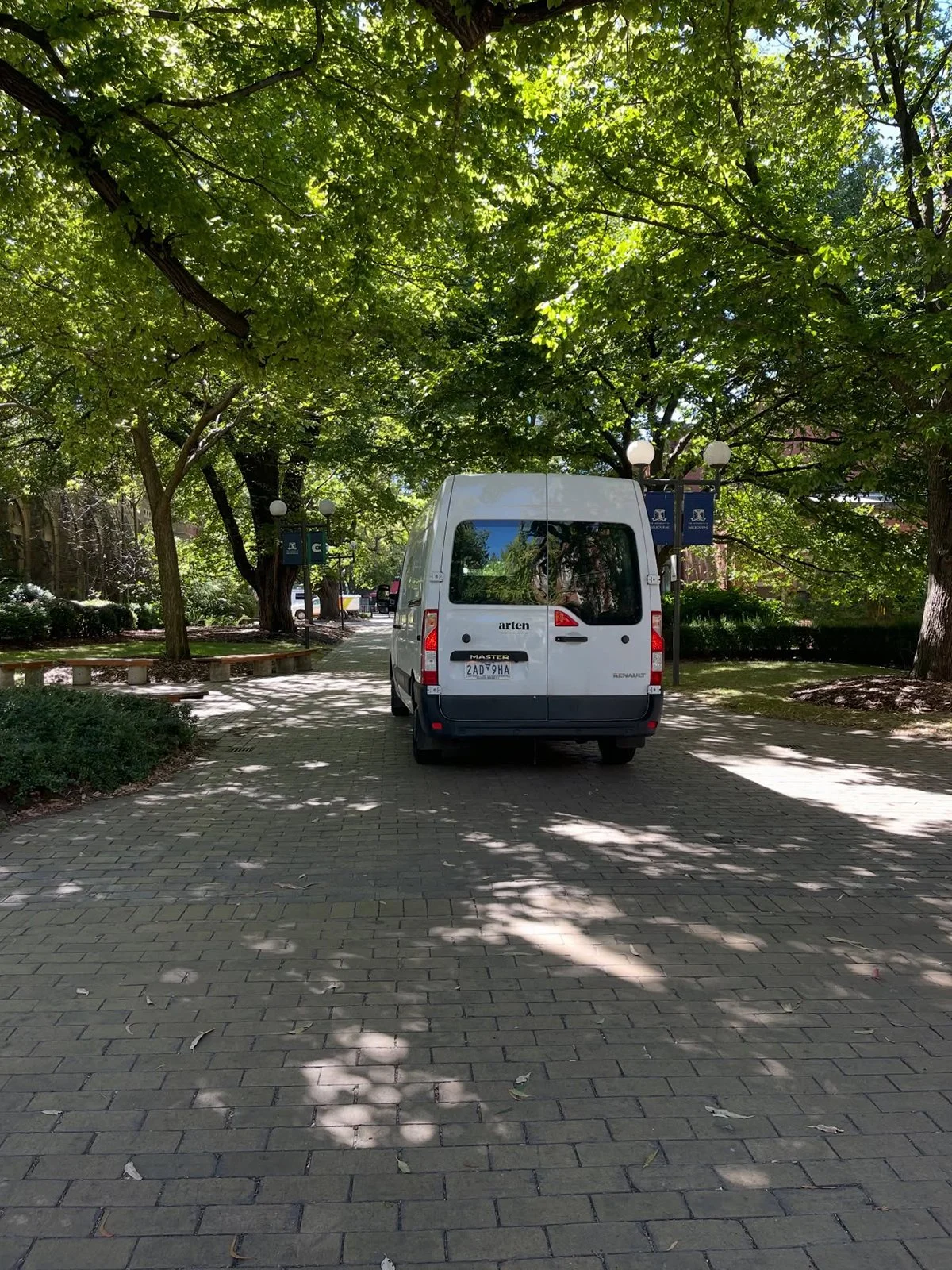
Shrink your own form and see the world anew. A hint, but a peep, at our new work, imagining the world as viewed through the eyes of a female Velvet ant, commissioned (excitingly!) by @the_chus_martinez for @pottermuseum’s forthcoming wonderment, and printed by Luke Ingram at Arten.
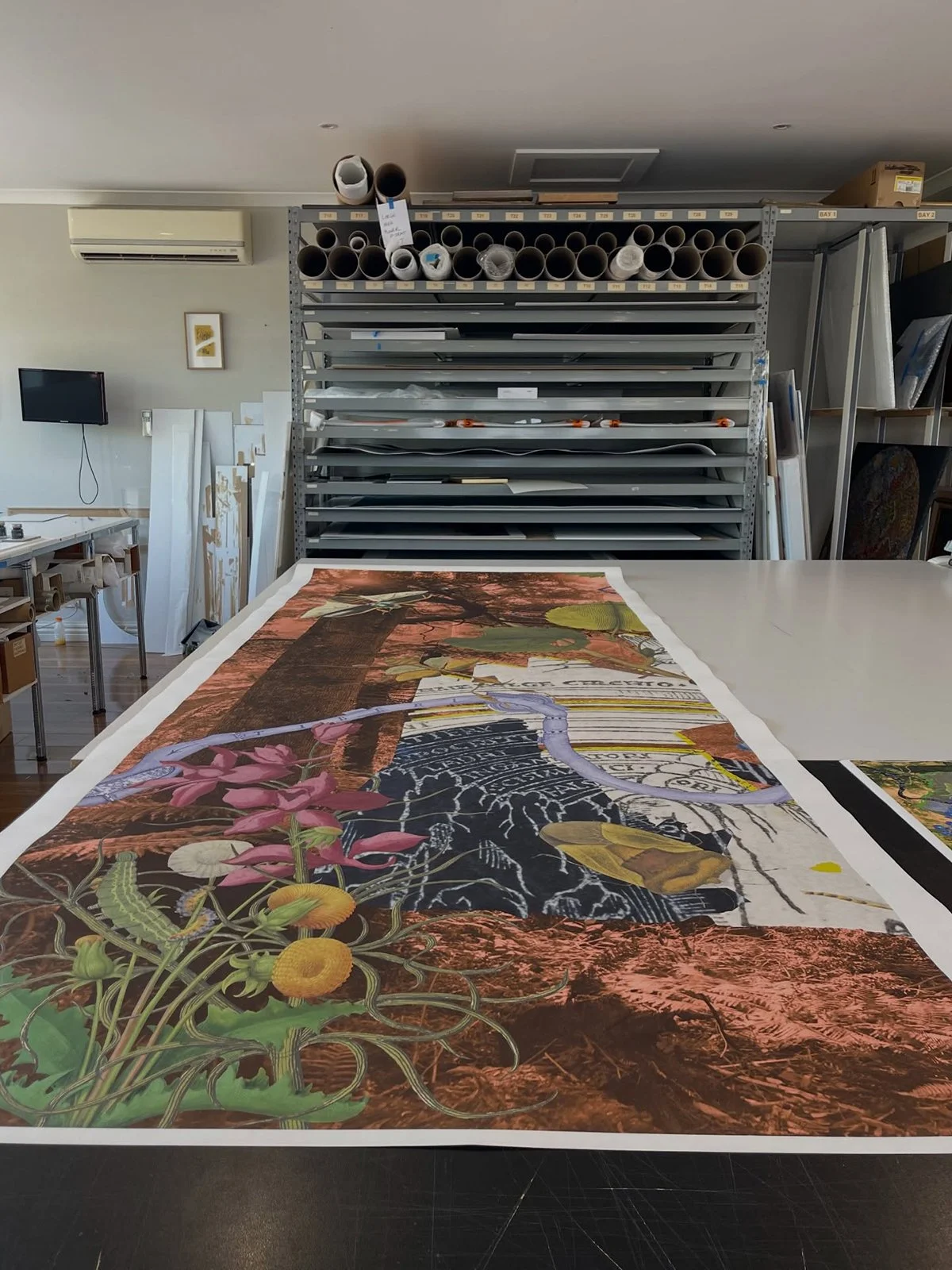
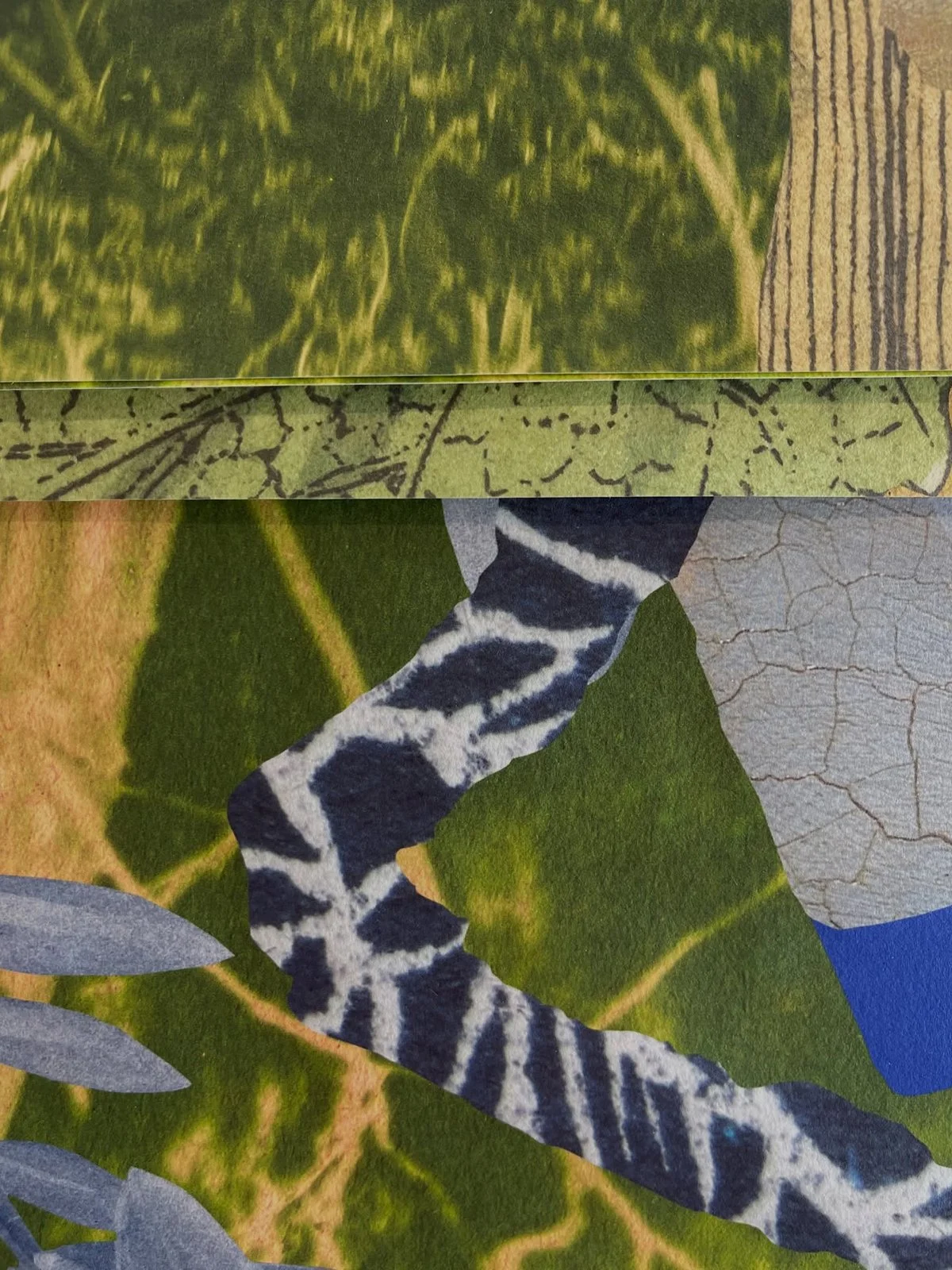
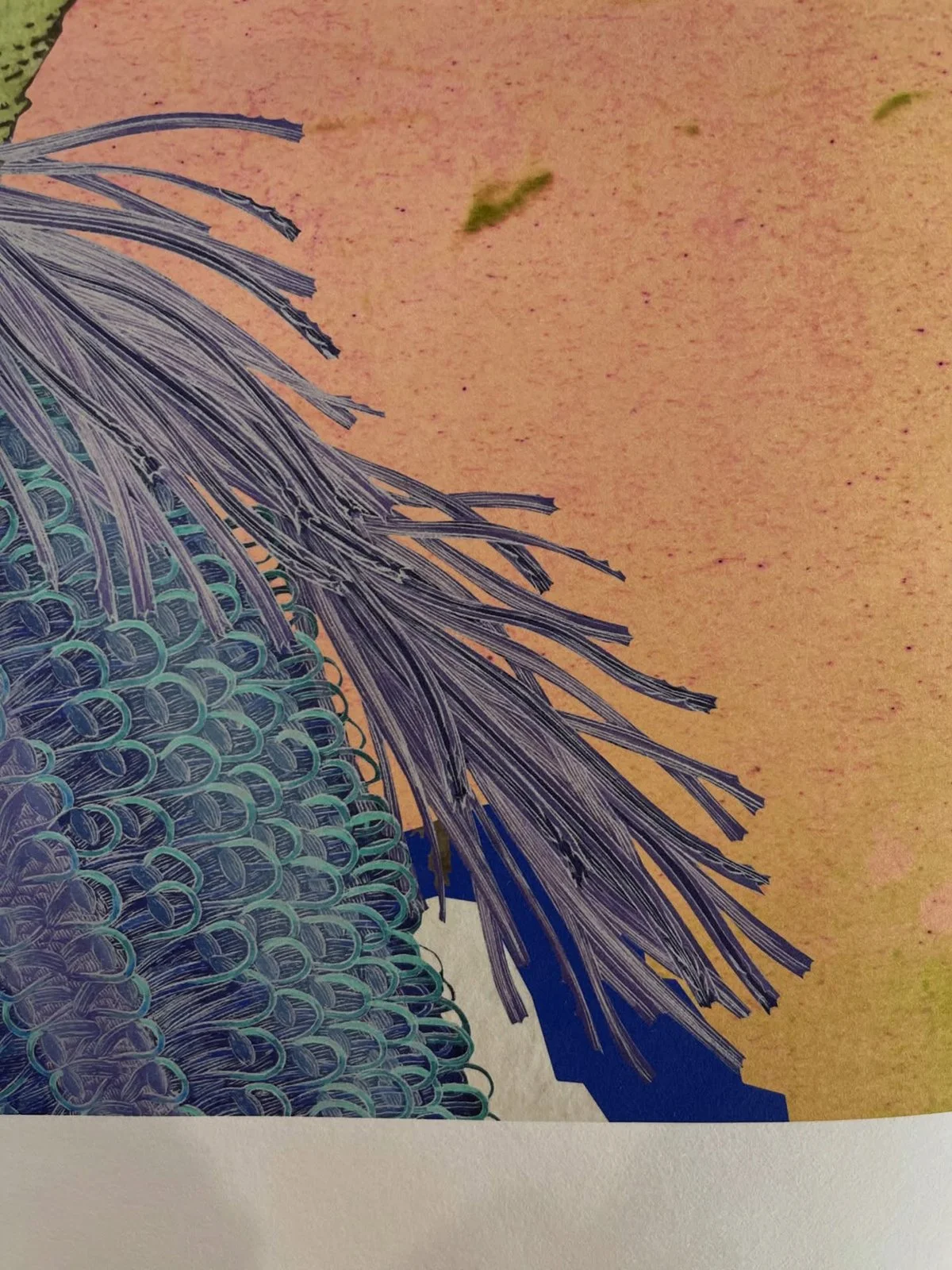
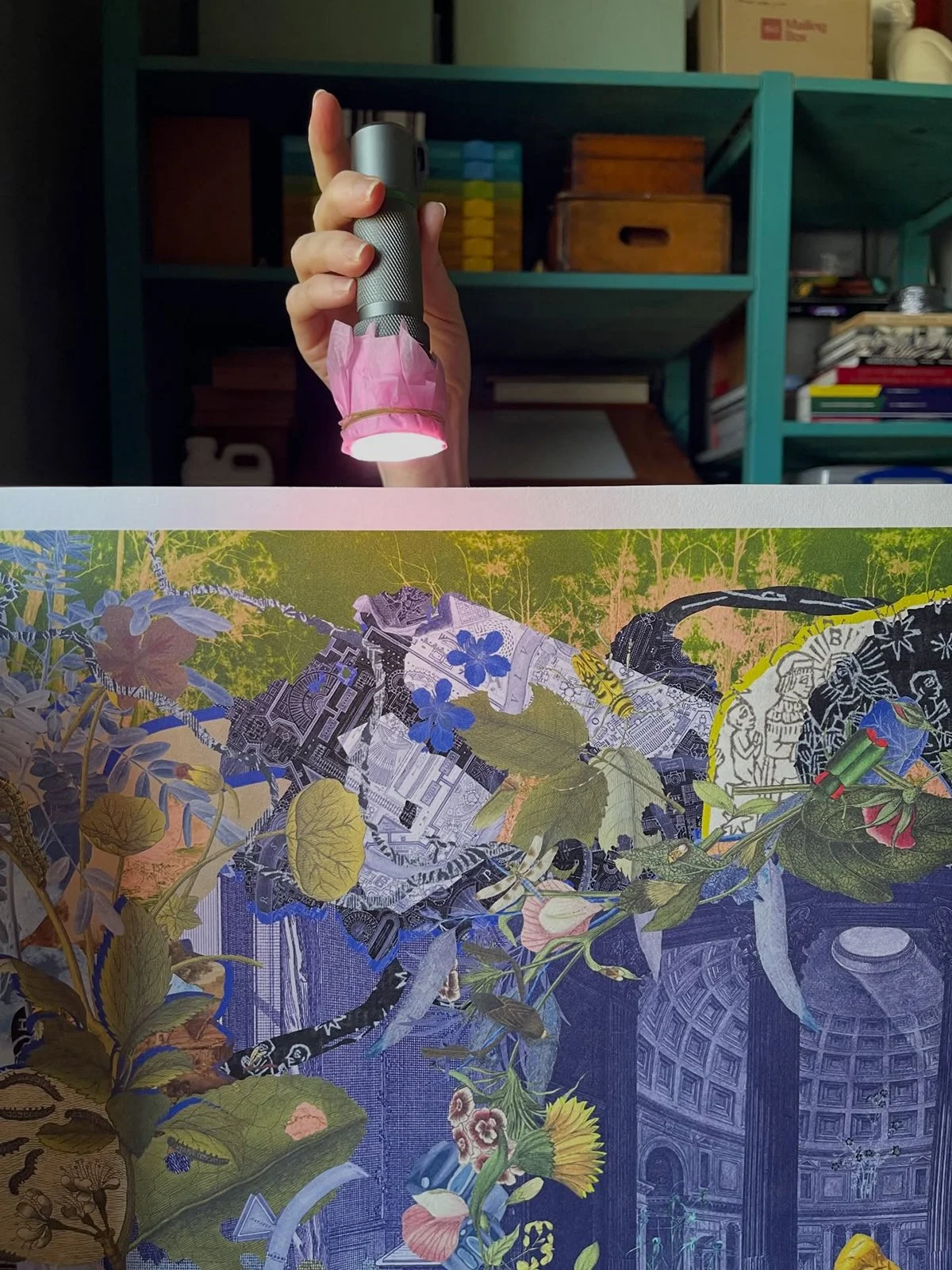
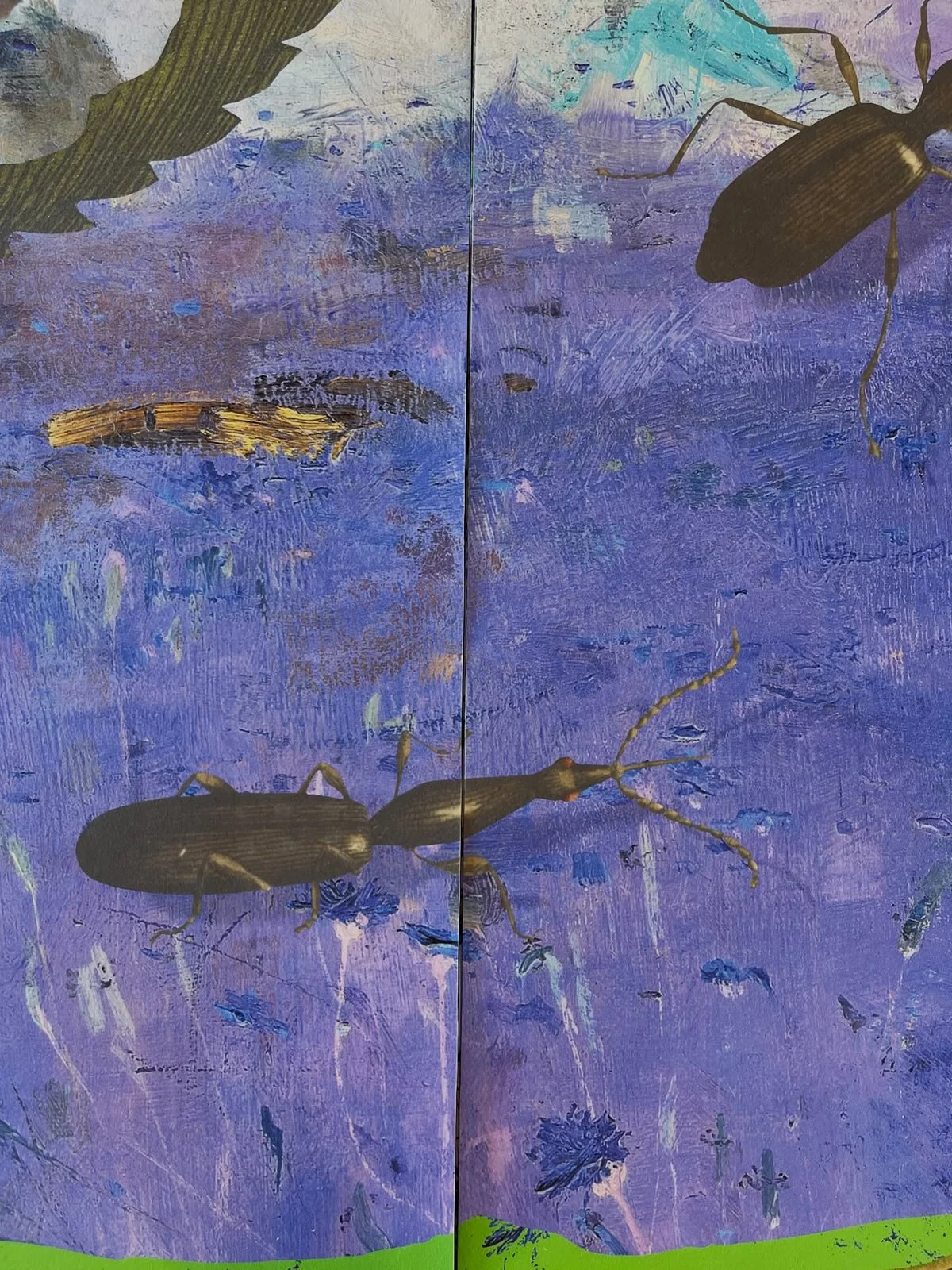
Inspired by the concept of Charles Frederick Holder’s (1851–1915) Half hours in the tiny world: wonders of insect life, tilt your head to the side and wonder at this ‘tiny world’ writ large. From the Australian Museum collection of minerals, we have traced outlines to form the landscape of the Velvet ant, or, more specifically, ‘Specimen 1963’, with her thorax of amber glass. It is comprised of Dante Alighieri and Giovanni Battista Piranesi, but in the shape, now, of Azurite, Angelsite, Cuprite on Calcite, and shafts of Rhodochrosite. Because the world ‘Specimen 1963’ understands is as vast as it is, we fancy, saturated.
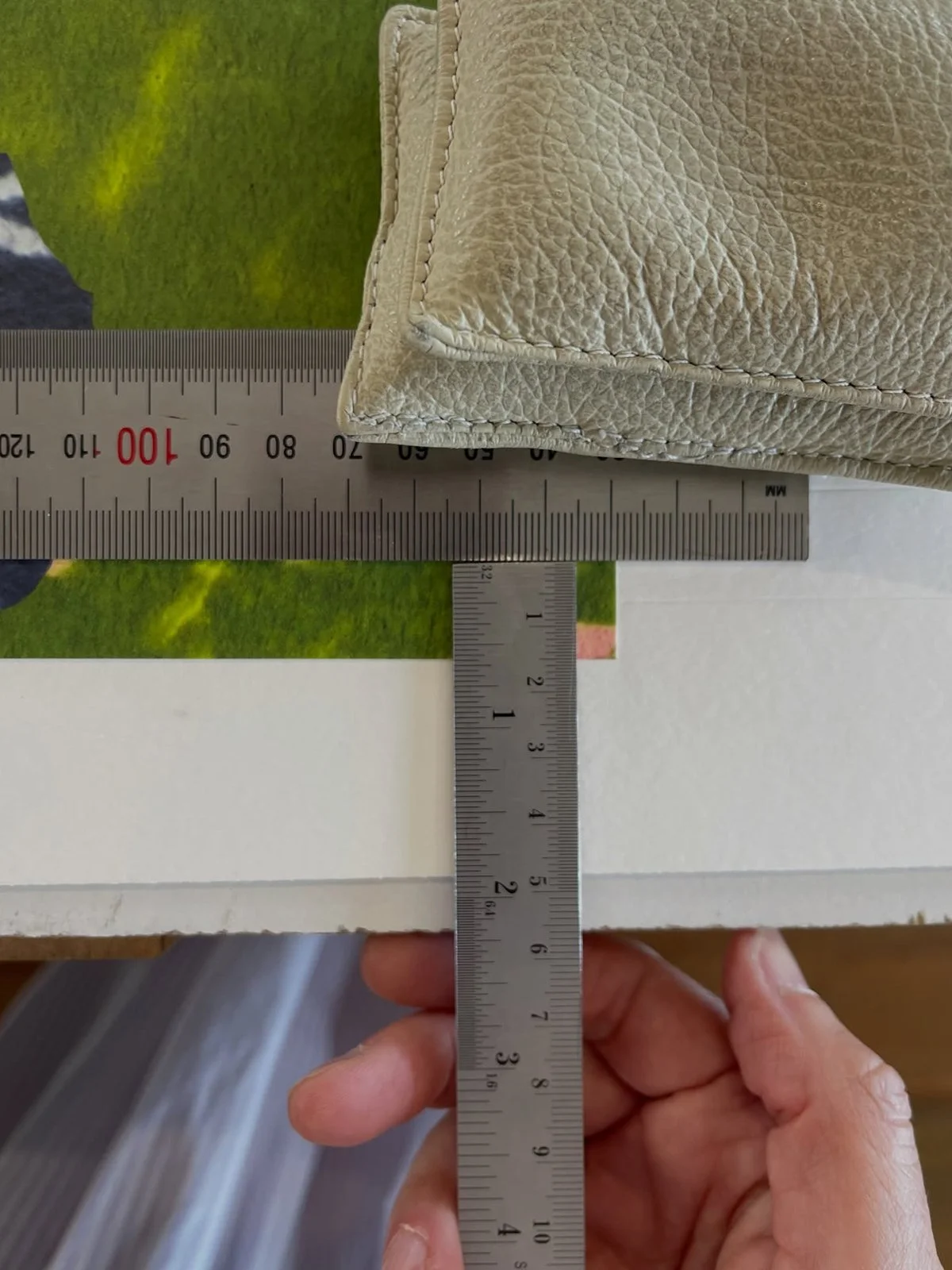
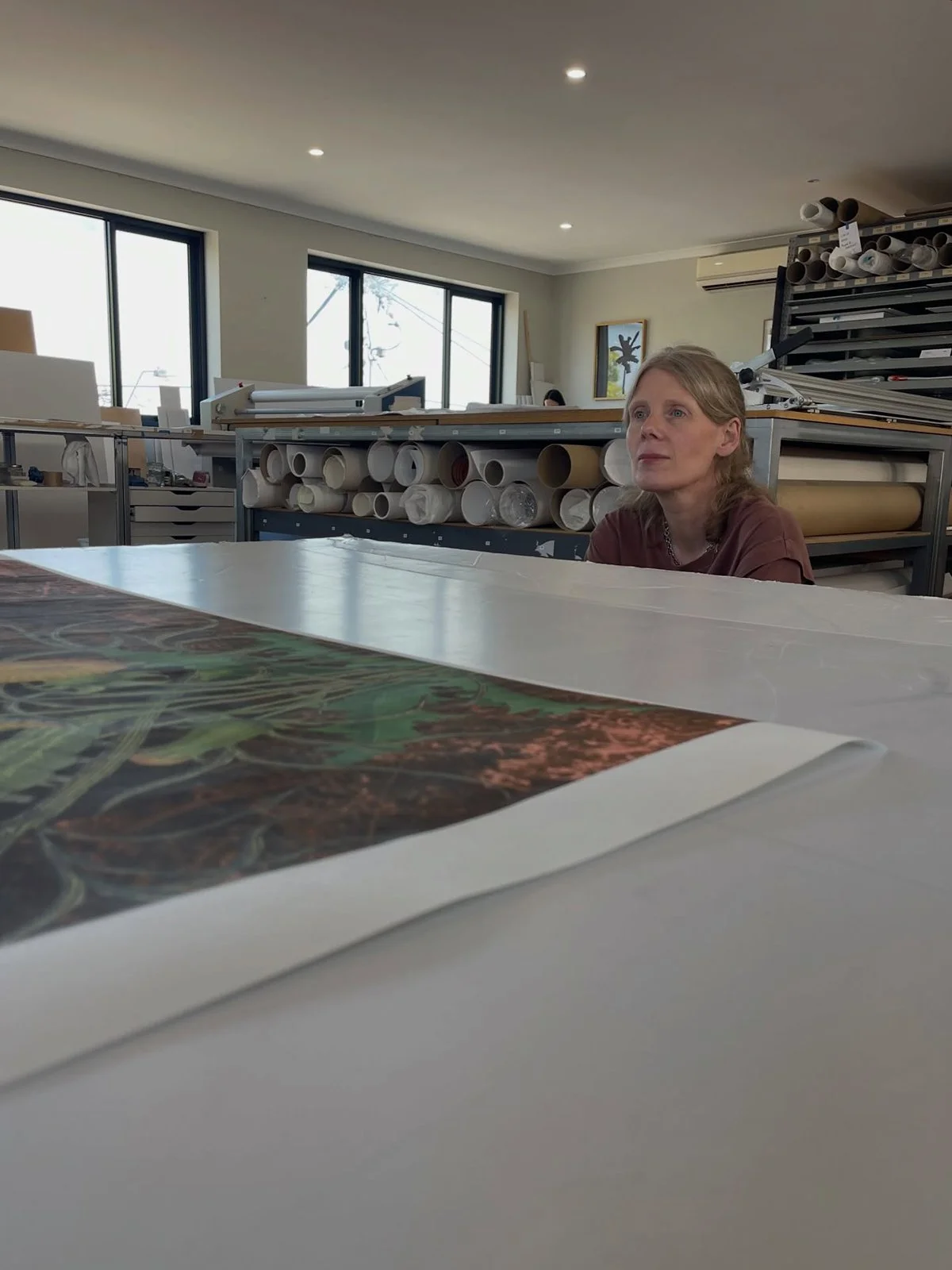
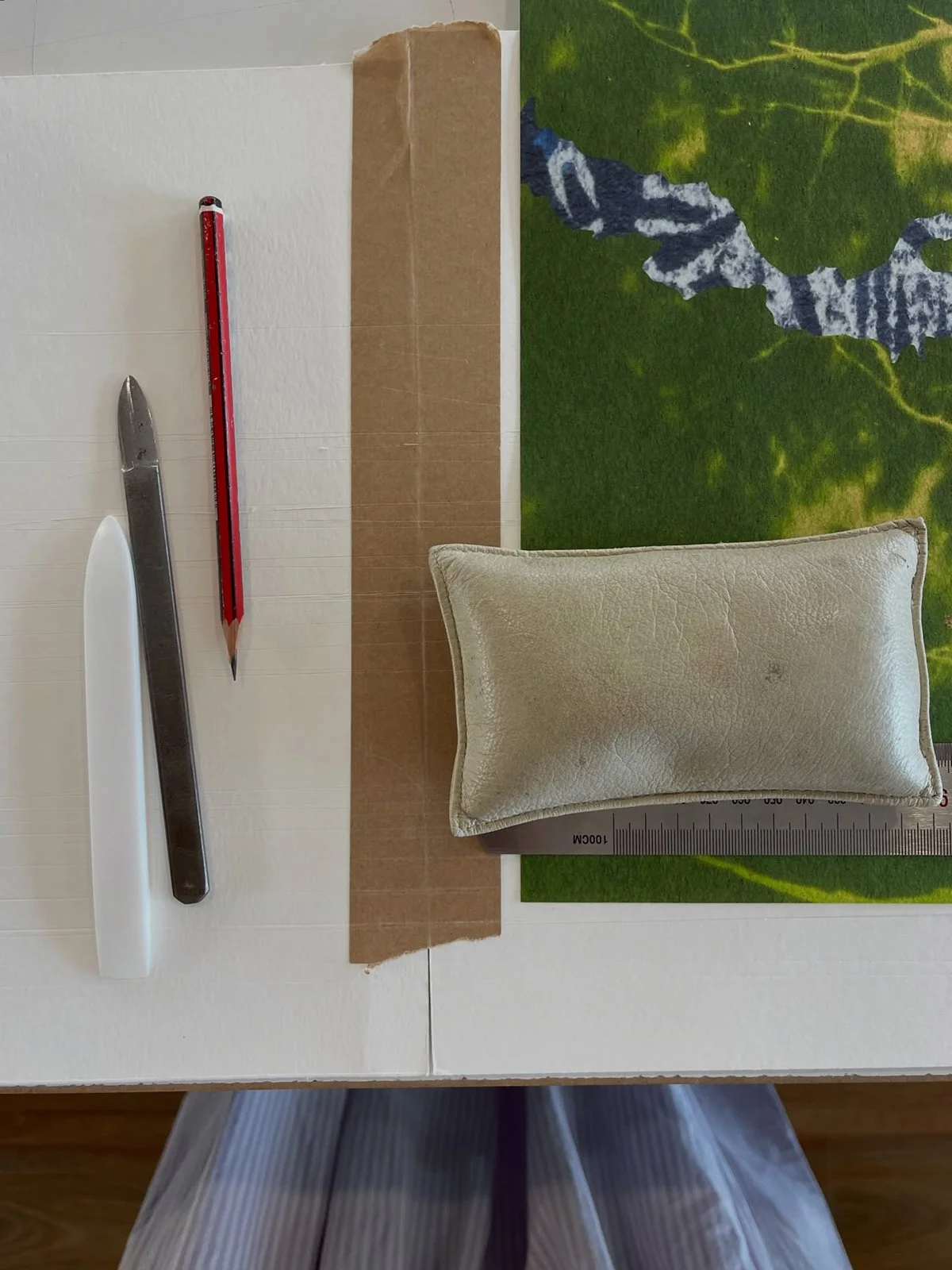
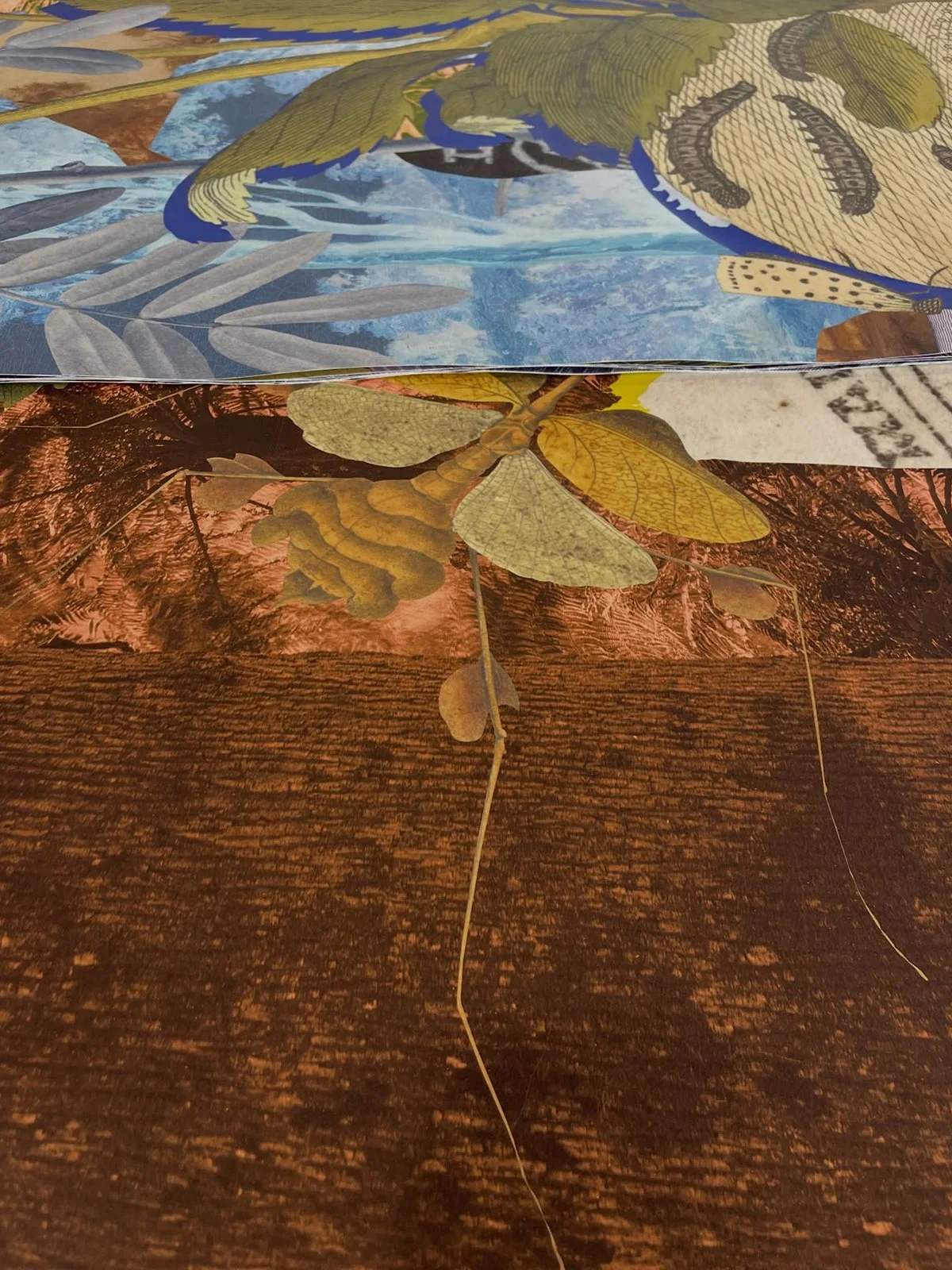
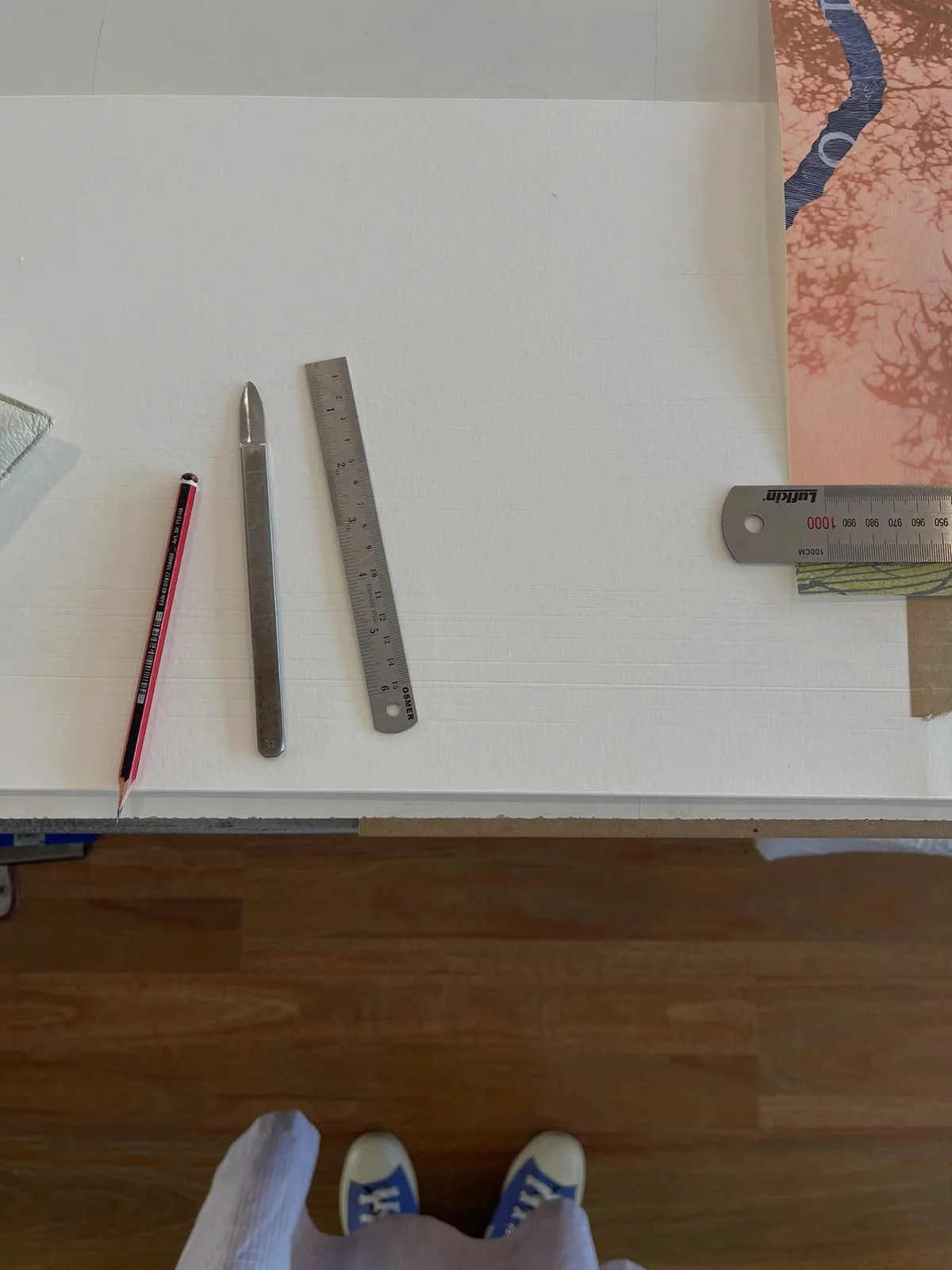
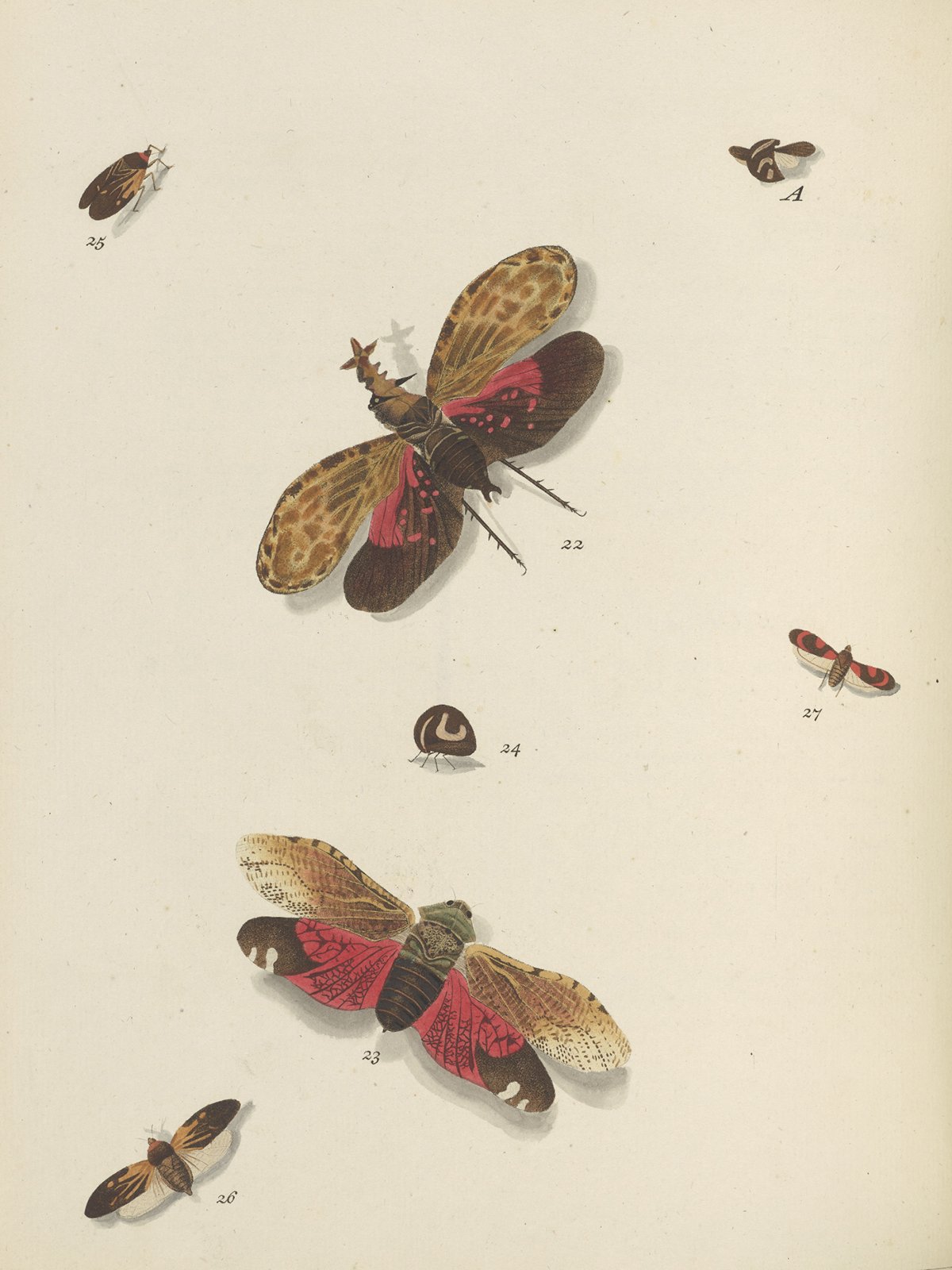
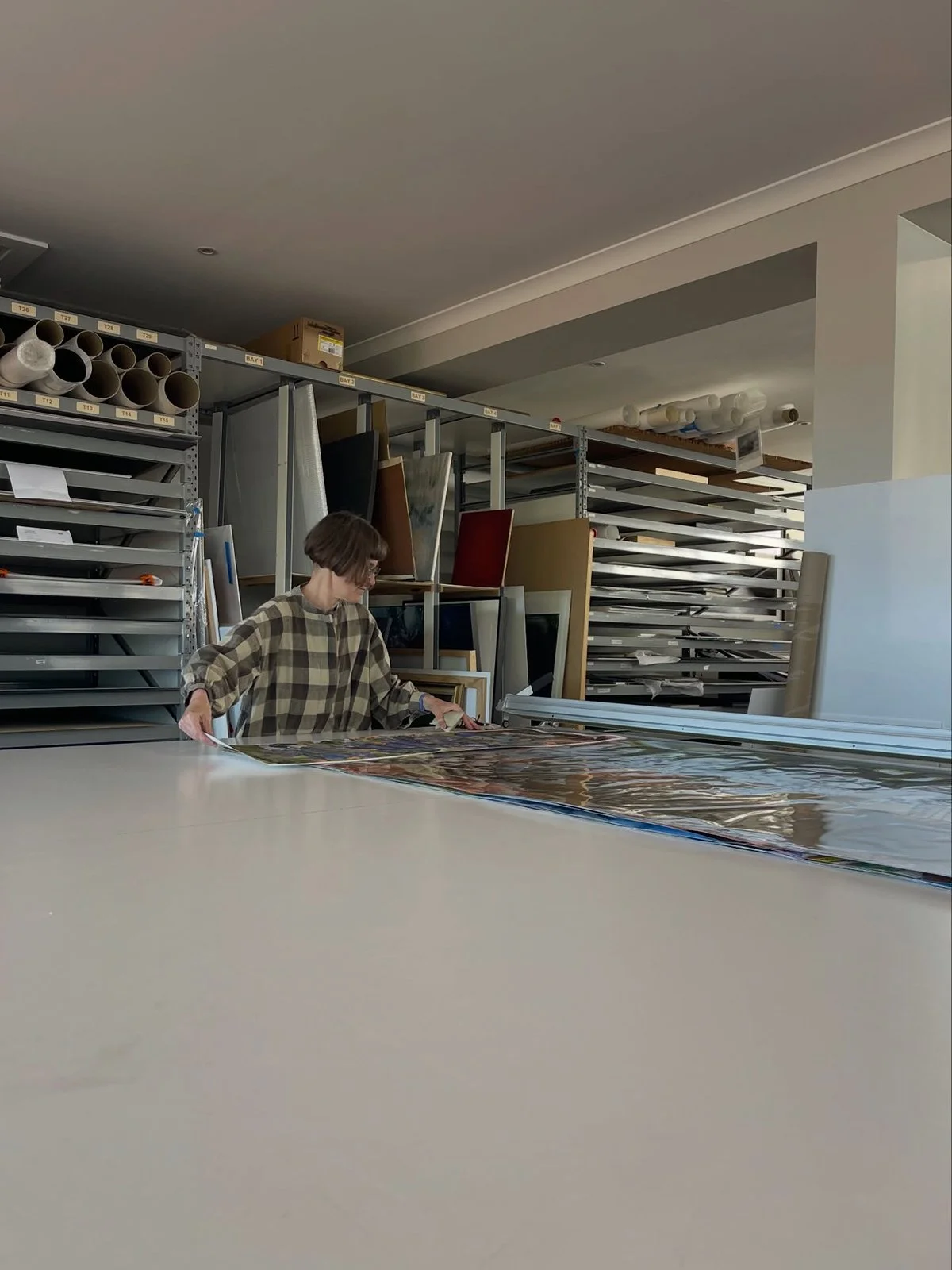
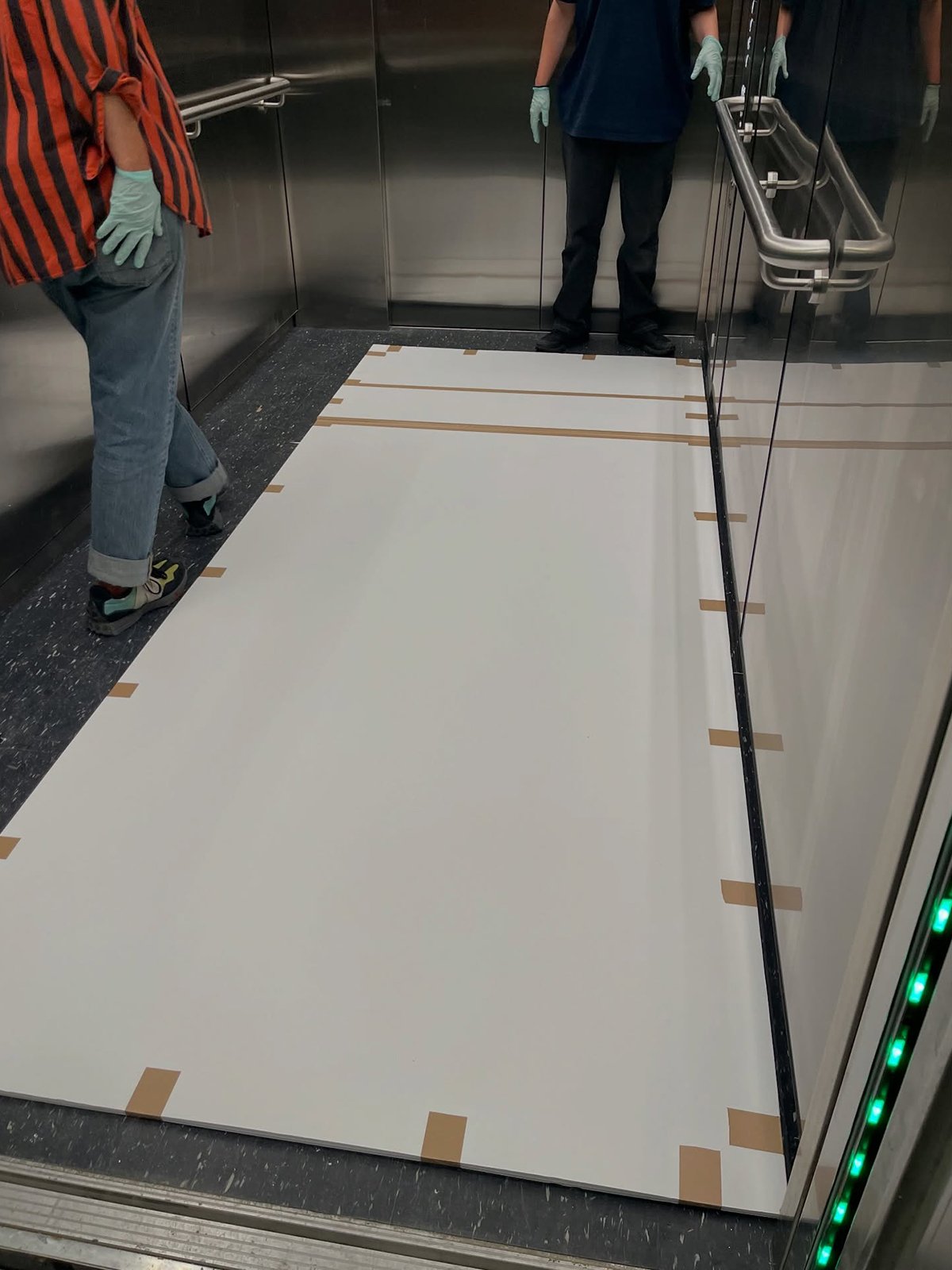
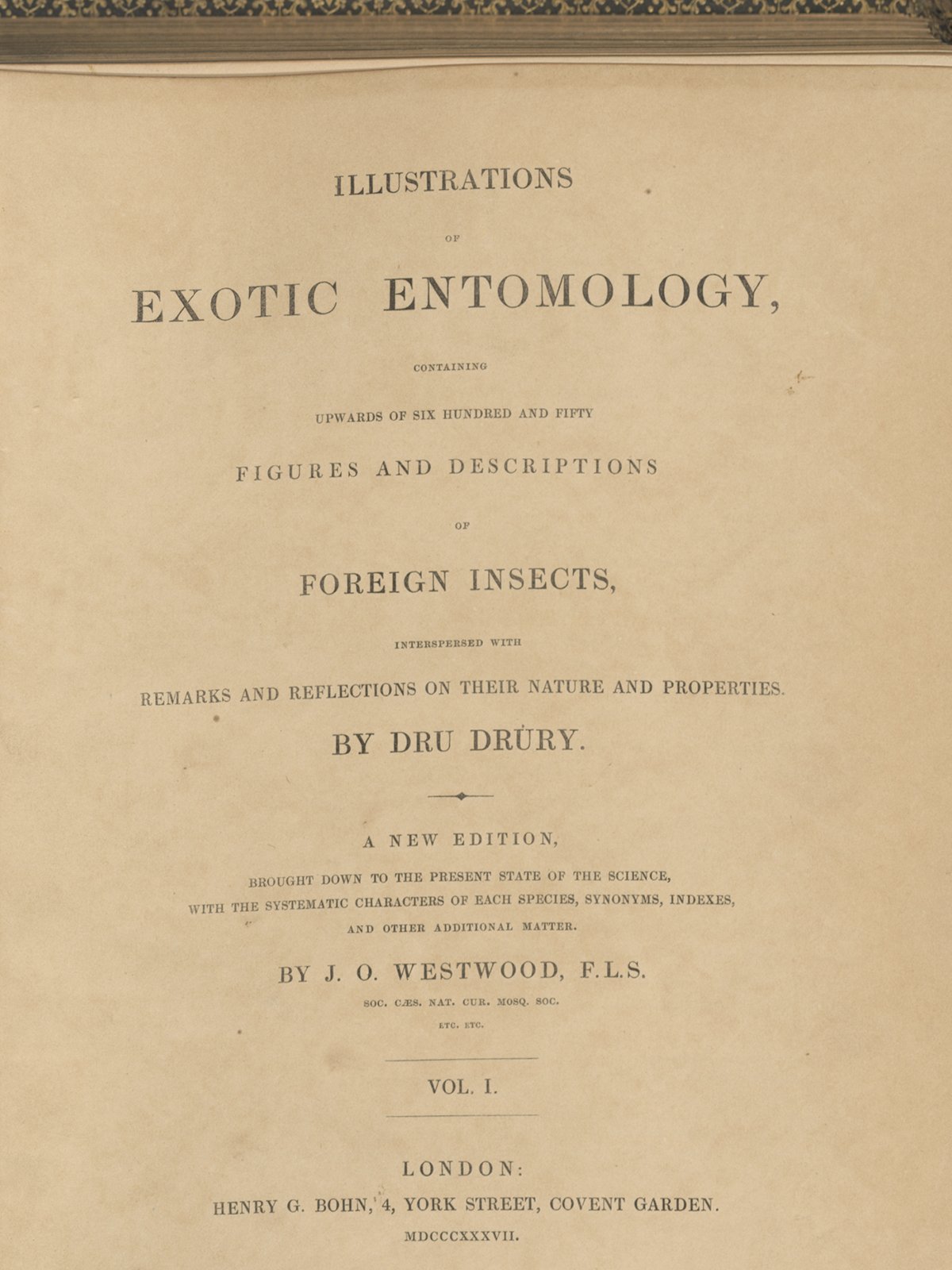
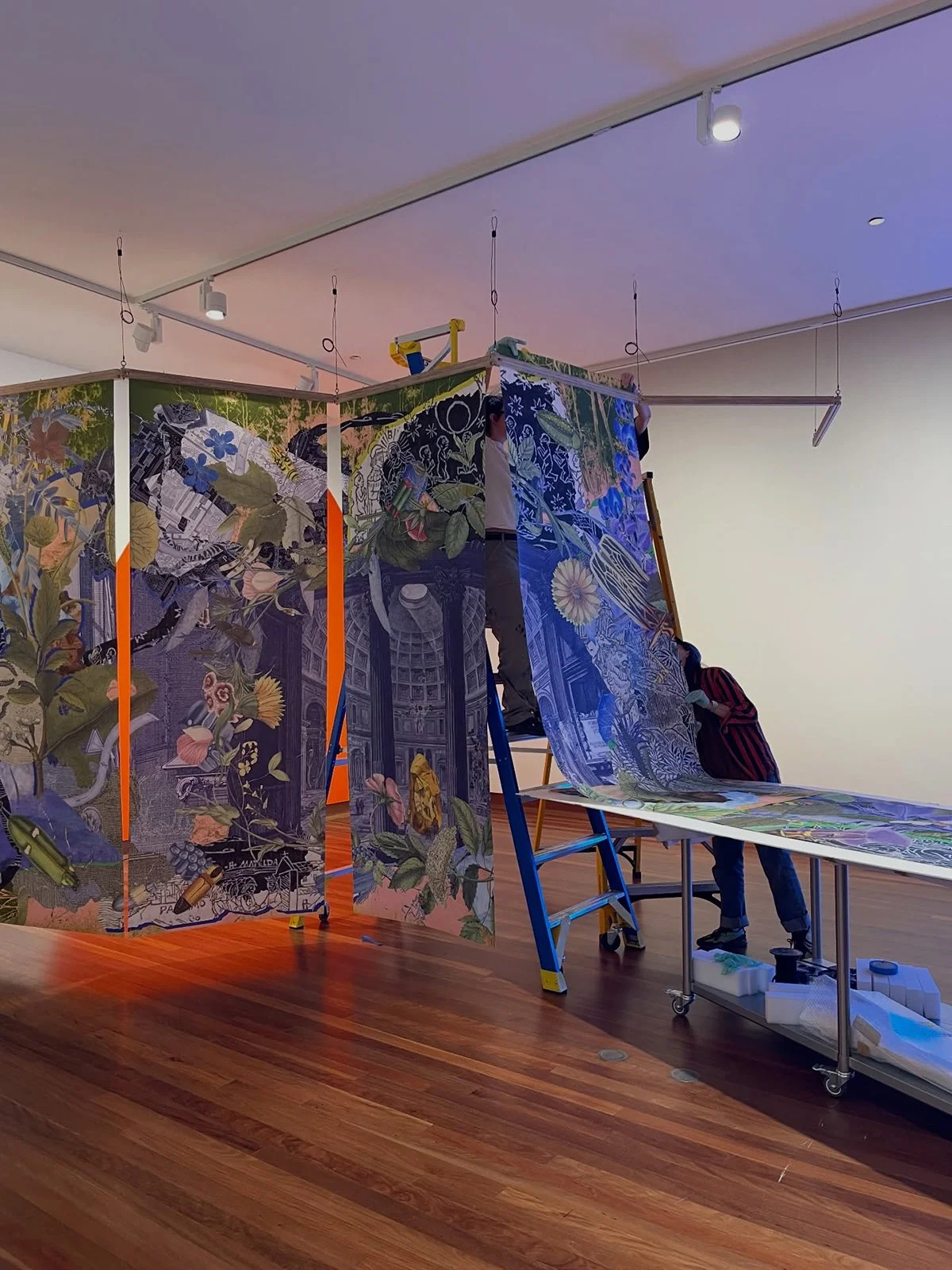
In celebration of the ‘more than human’, since completing the composition, once printed, Louise began cutting down the large paper drops of our Velvet ant piece. An iridescence of entomological elements from Dru Drury’s Illustrations of exotic entomology: containing upwards of six hundred and fifty figures and descriptions of foreign insects, interspersed with remarks and reflections on their nature and properties (1837) to R. J. Tilyard’s The insects of Australia and New Zealand (1926) spanned the tables at Arten. At just under three-metres in length, each drop required a steady hand. Of which, the steady hand and nerves of steel, Louise has in spades. To add to our protagonist’s softness, from which the first part of her common name hails, fine pencil hairs were later layered to her form. If you squint from the sidelines, the silver of pencil may just be detectable.
From the collection of State Library Victoria, can you locate Mount Purgatory, or Piranesi’s vast cityscape of invented “ancient monuments”?
Can you find a species of praying mantis (Empusa gongylodes) “exactly resembling the colour of a withered leaf”? Perhaps a Bacteria linearis, who resembles, charmingly, “a parcel of straws united together… known to collectors as spectres, or walking-stick insects” from plate L of Drury’s Illustrations of exotic entomology?
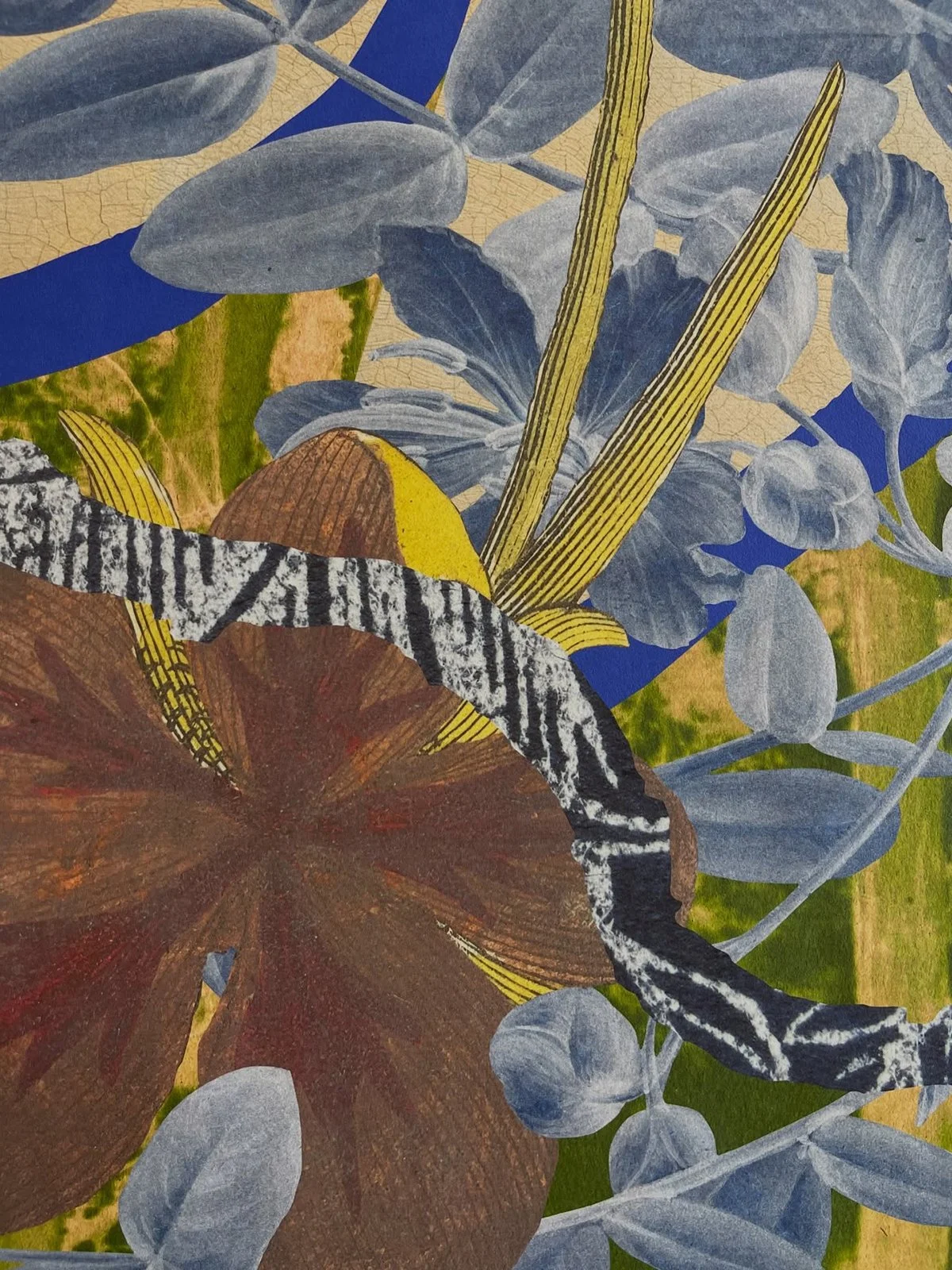
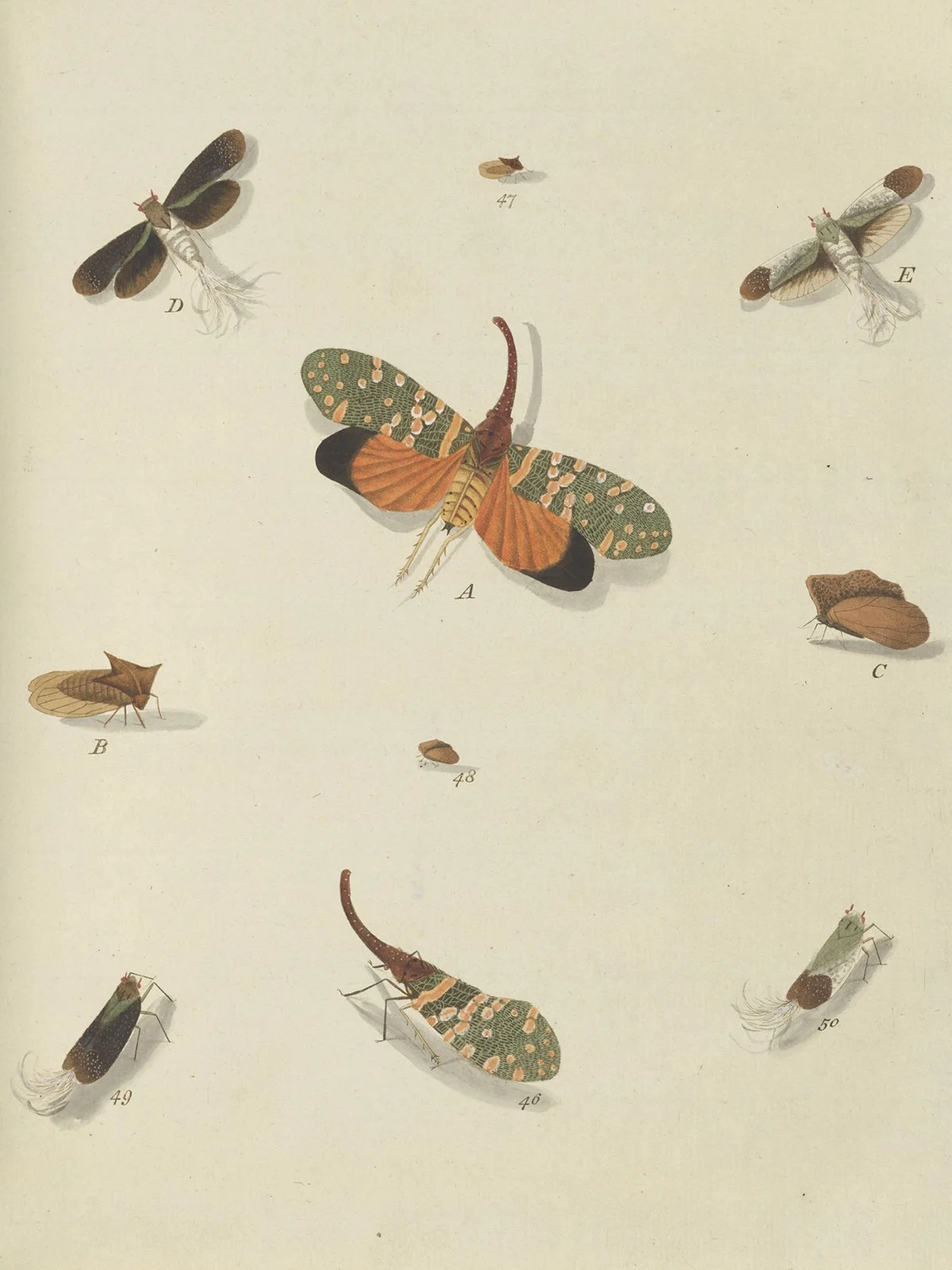
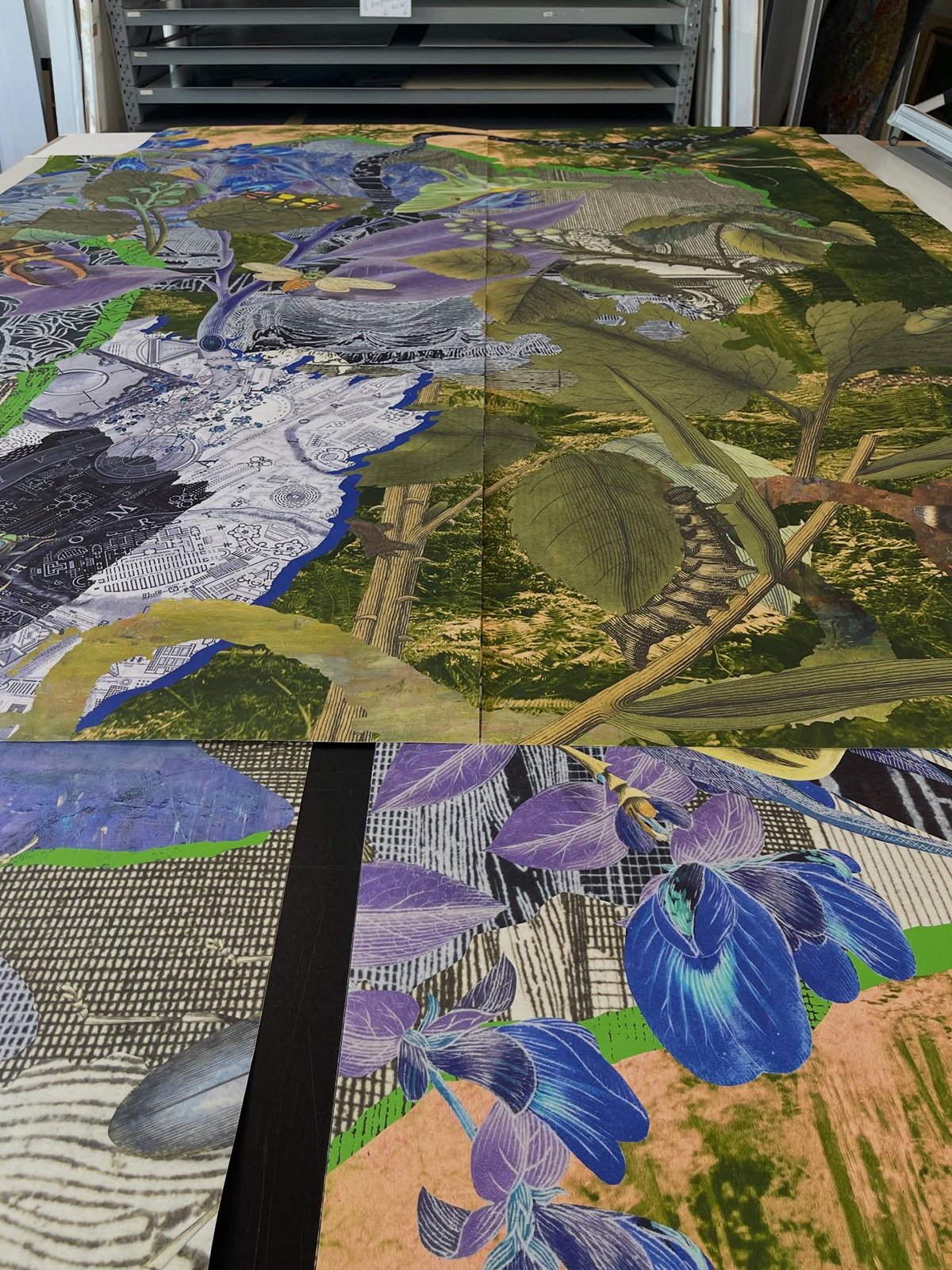
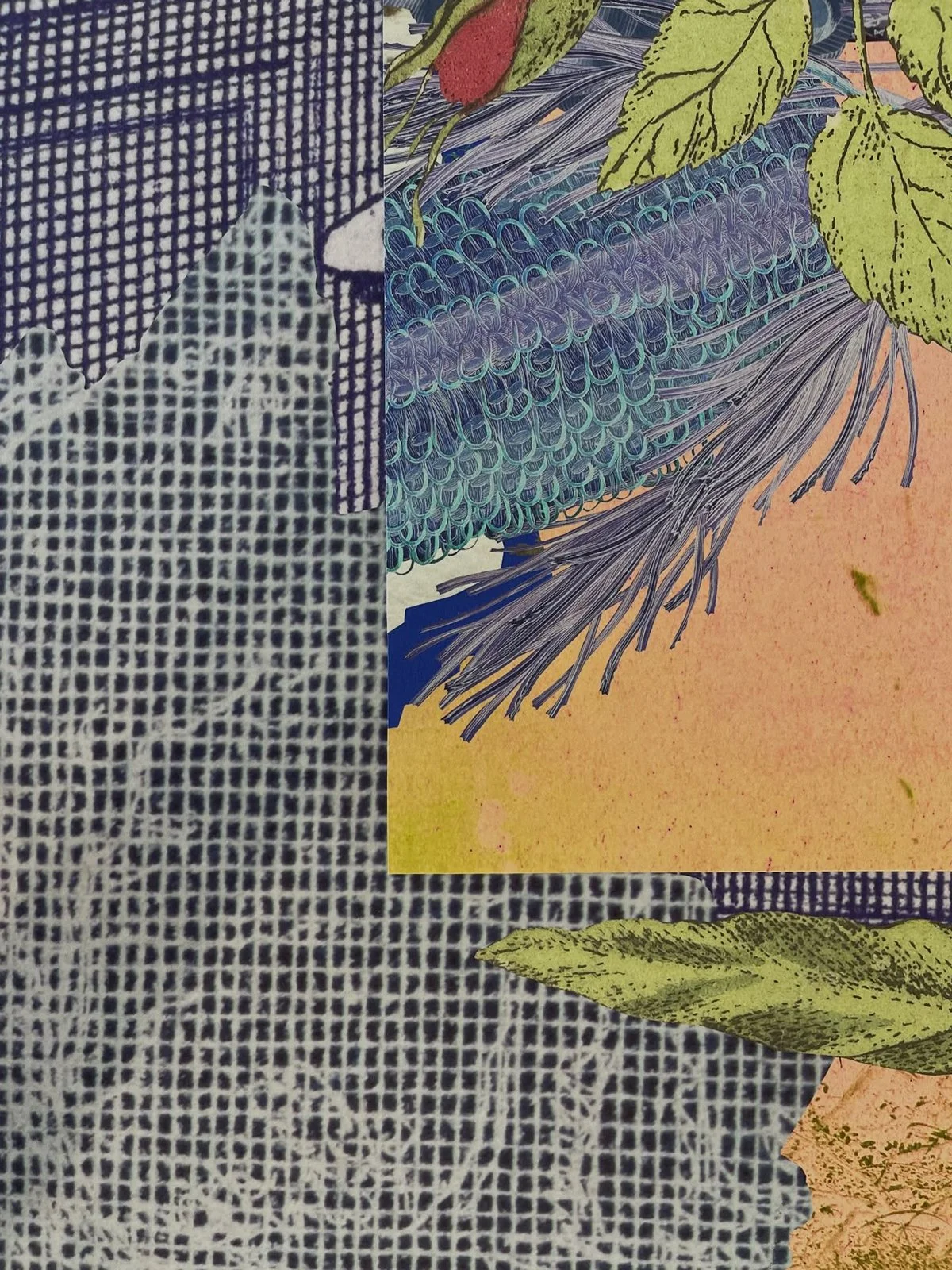
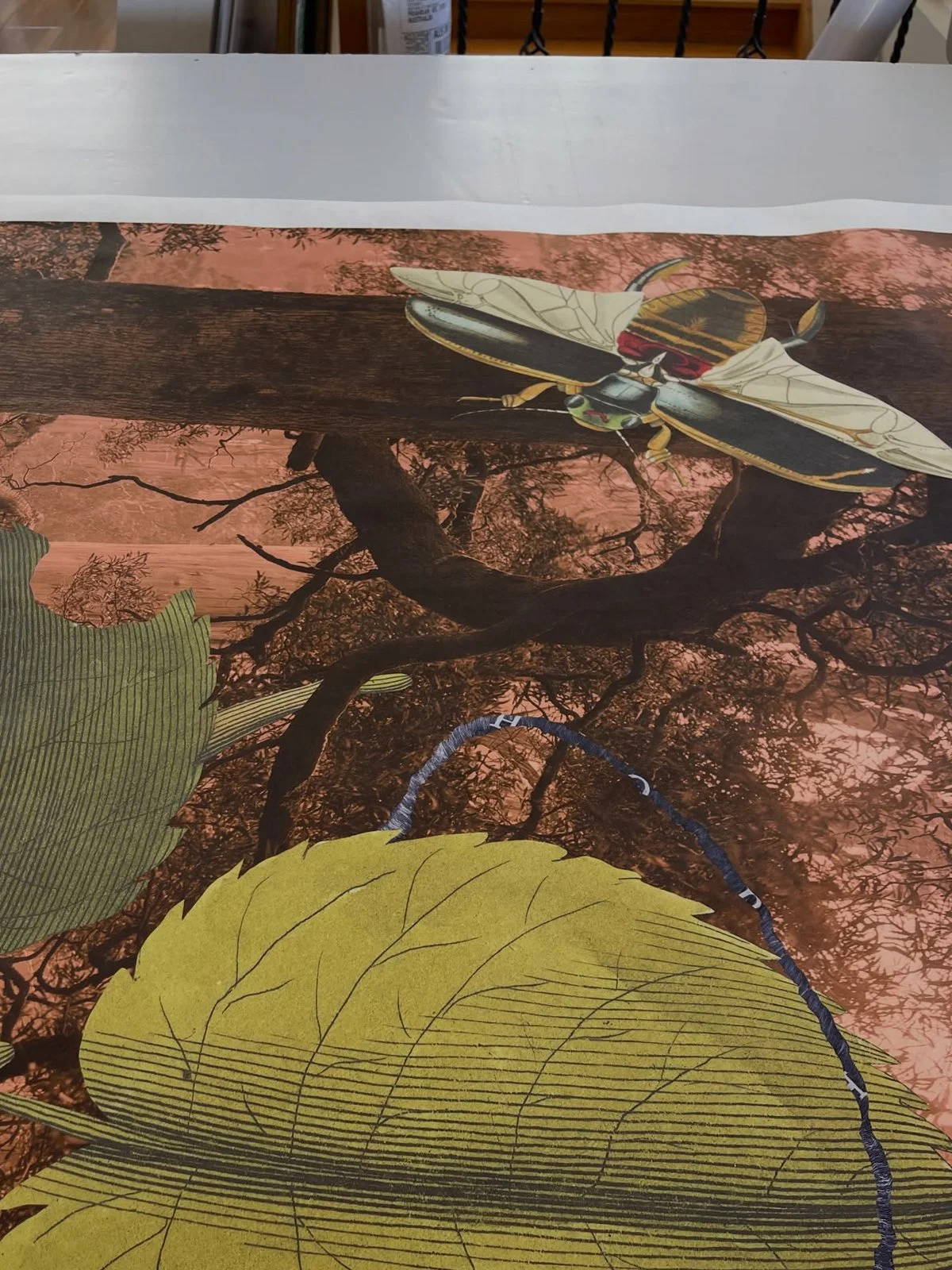
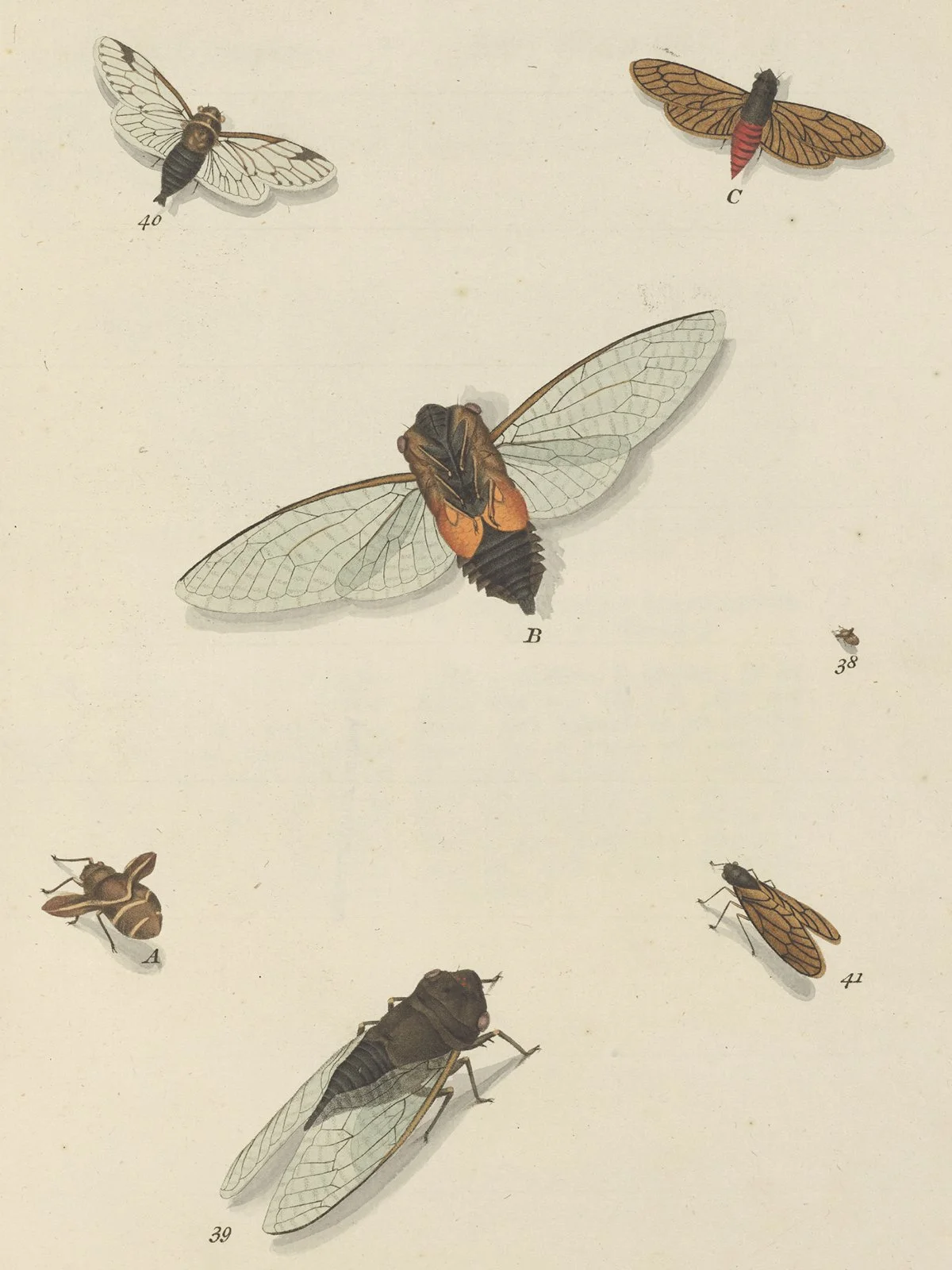
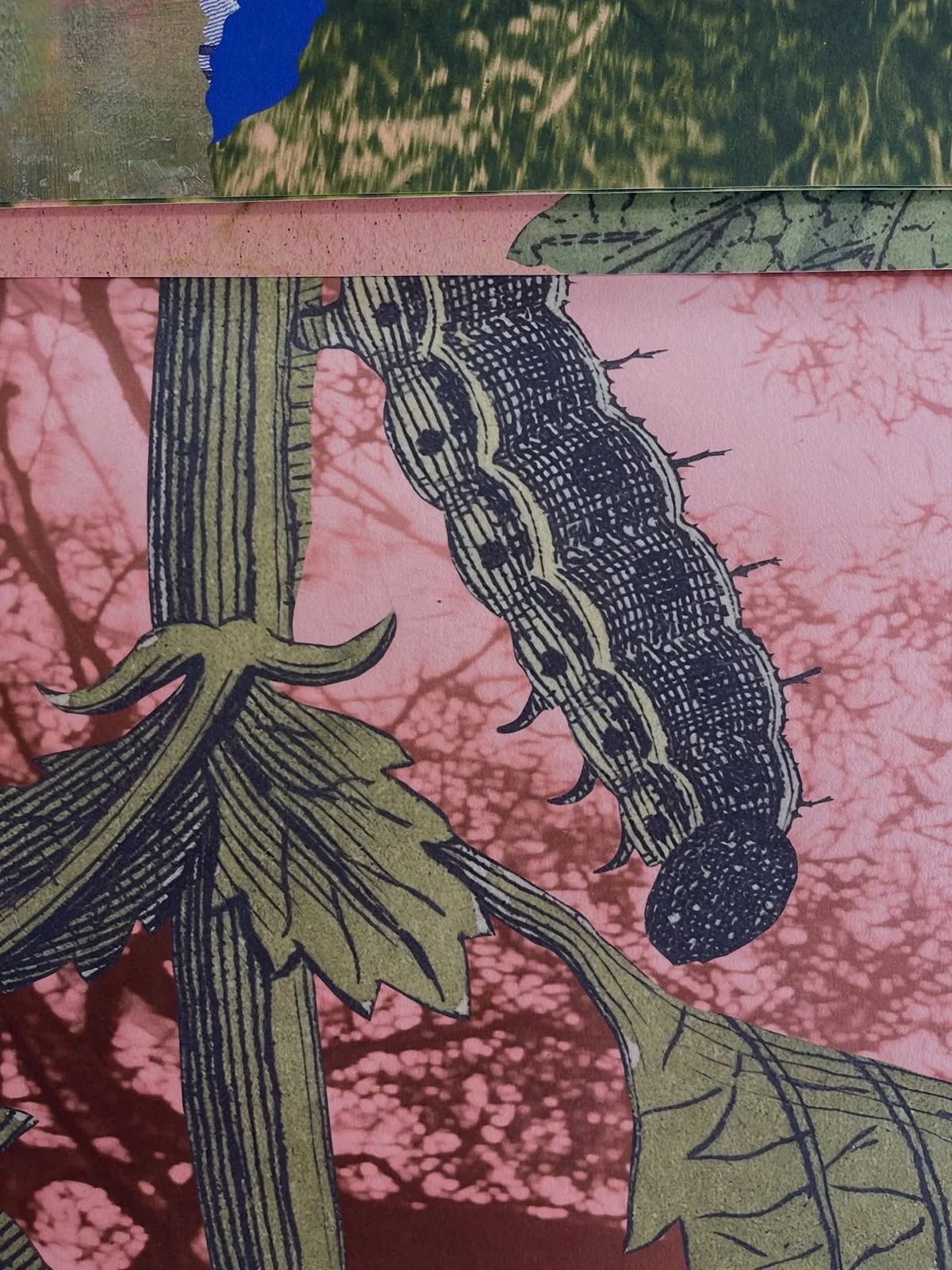
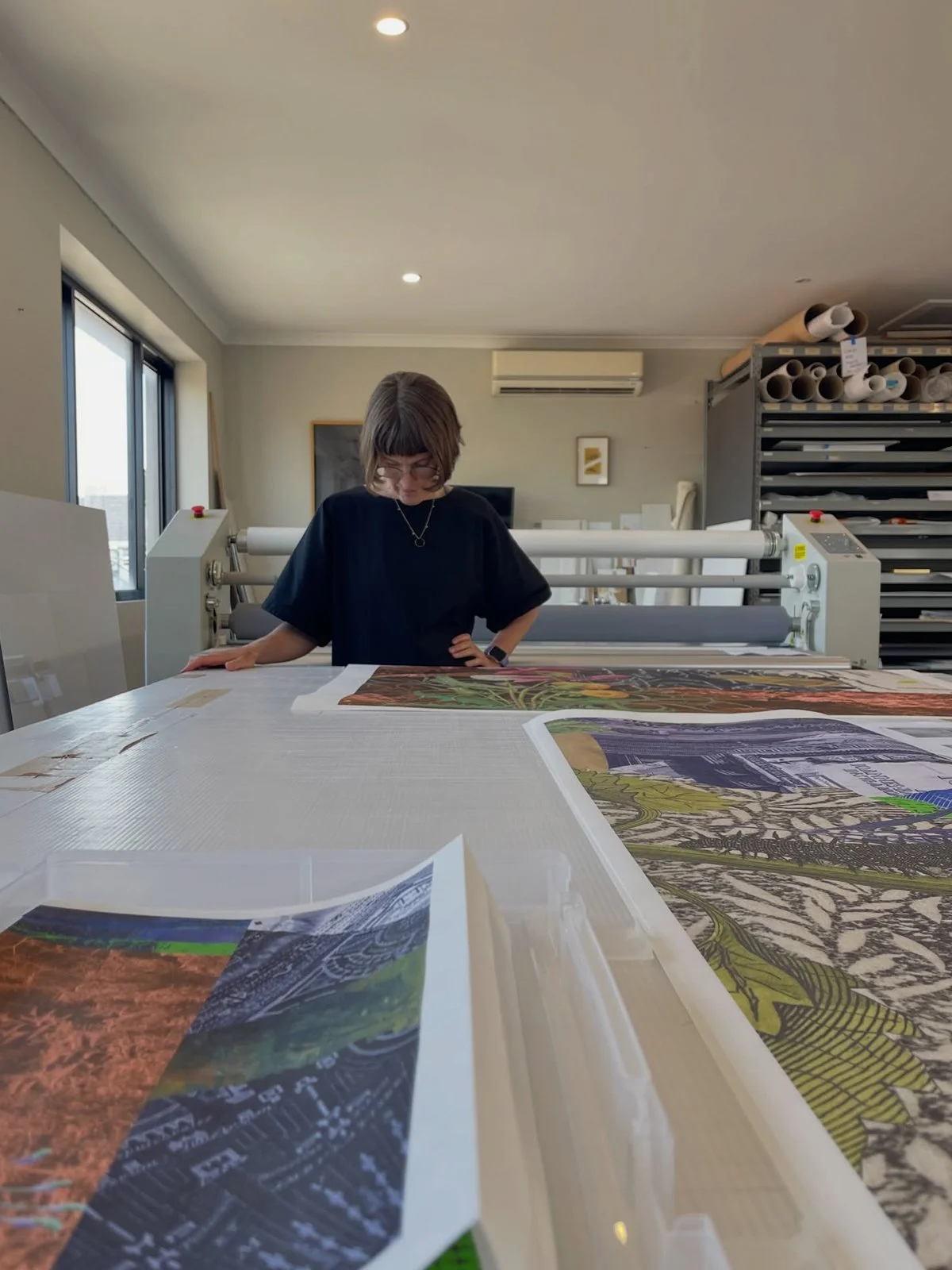
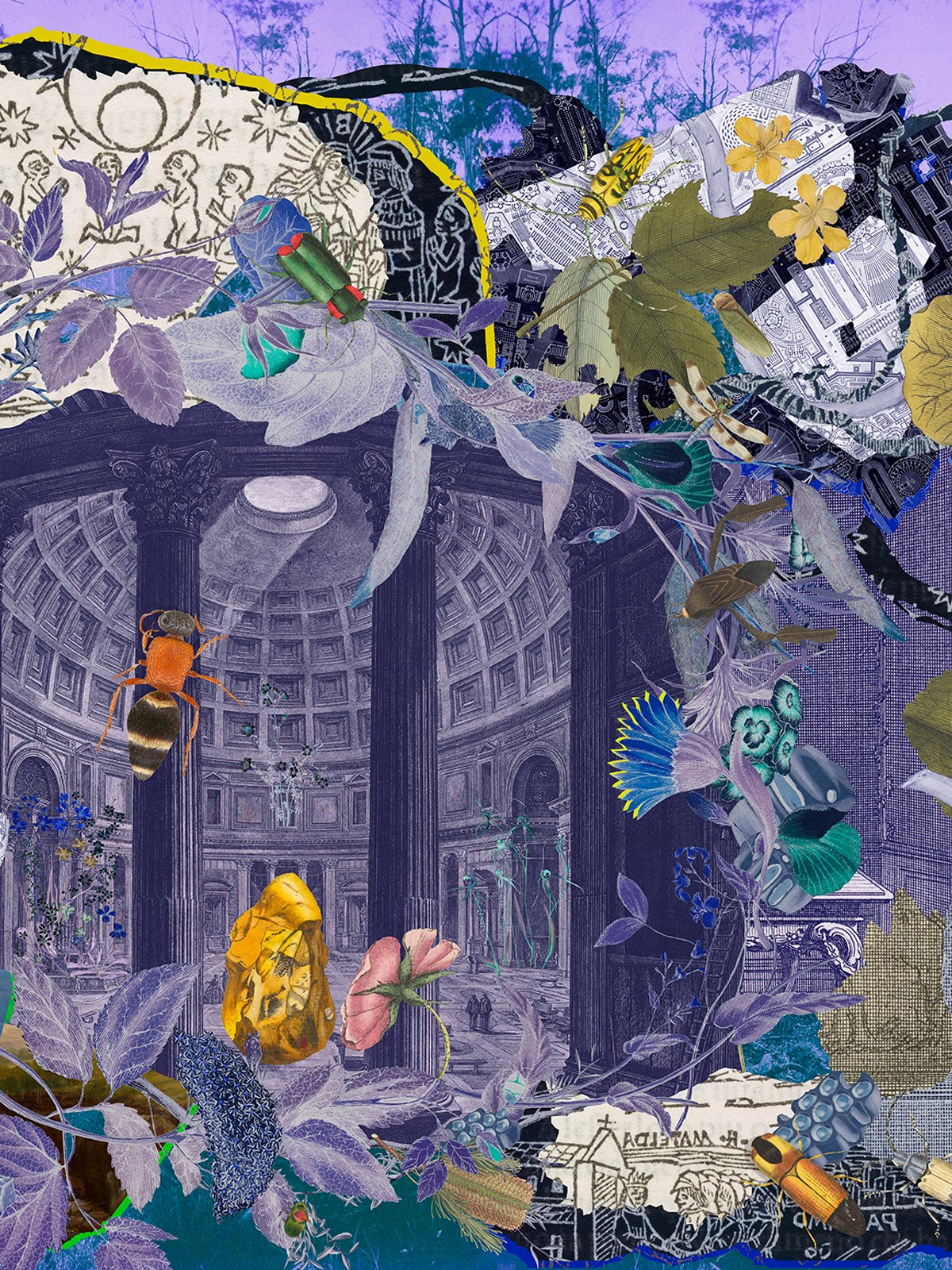
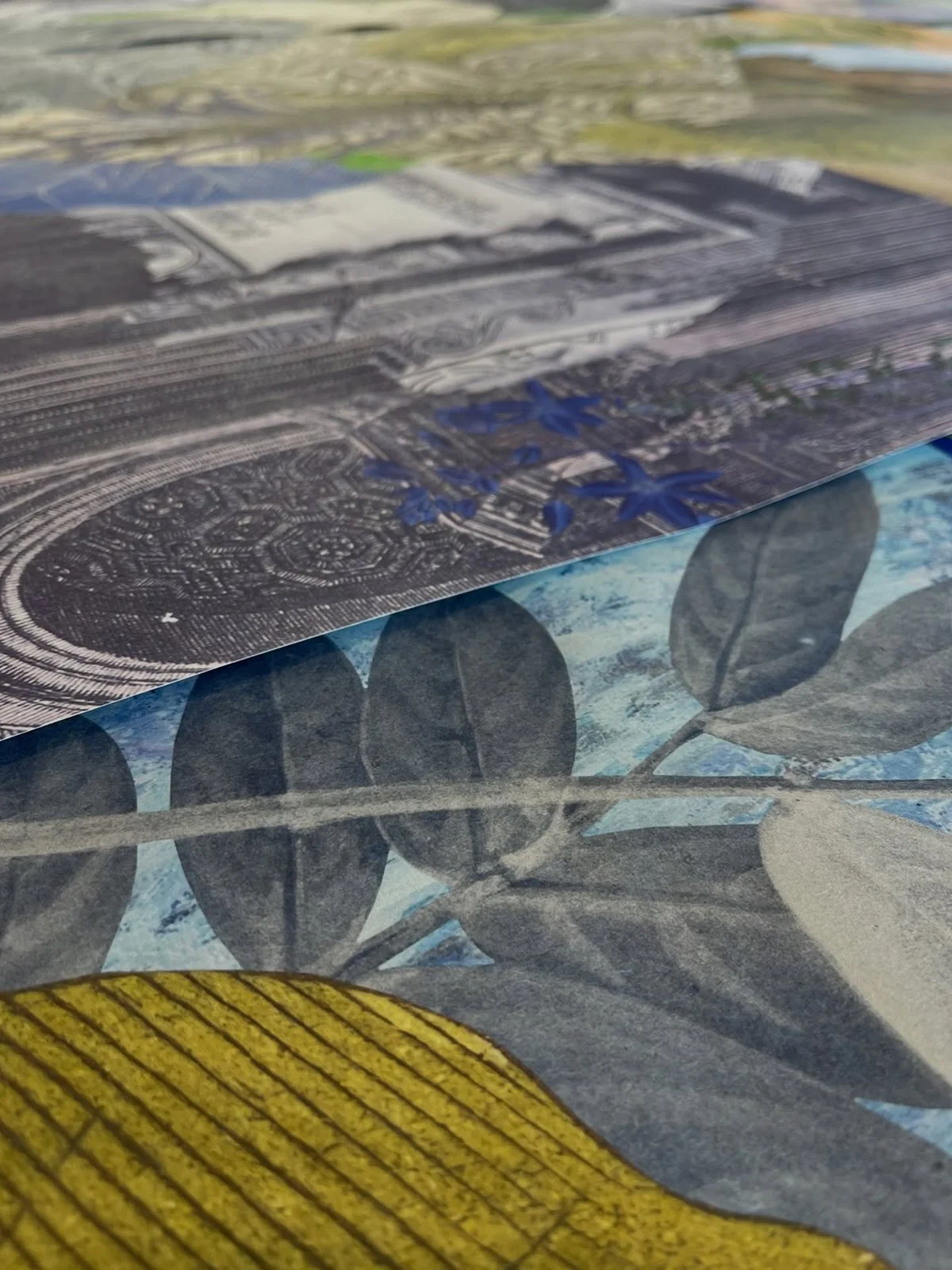
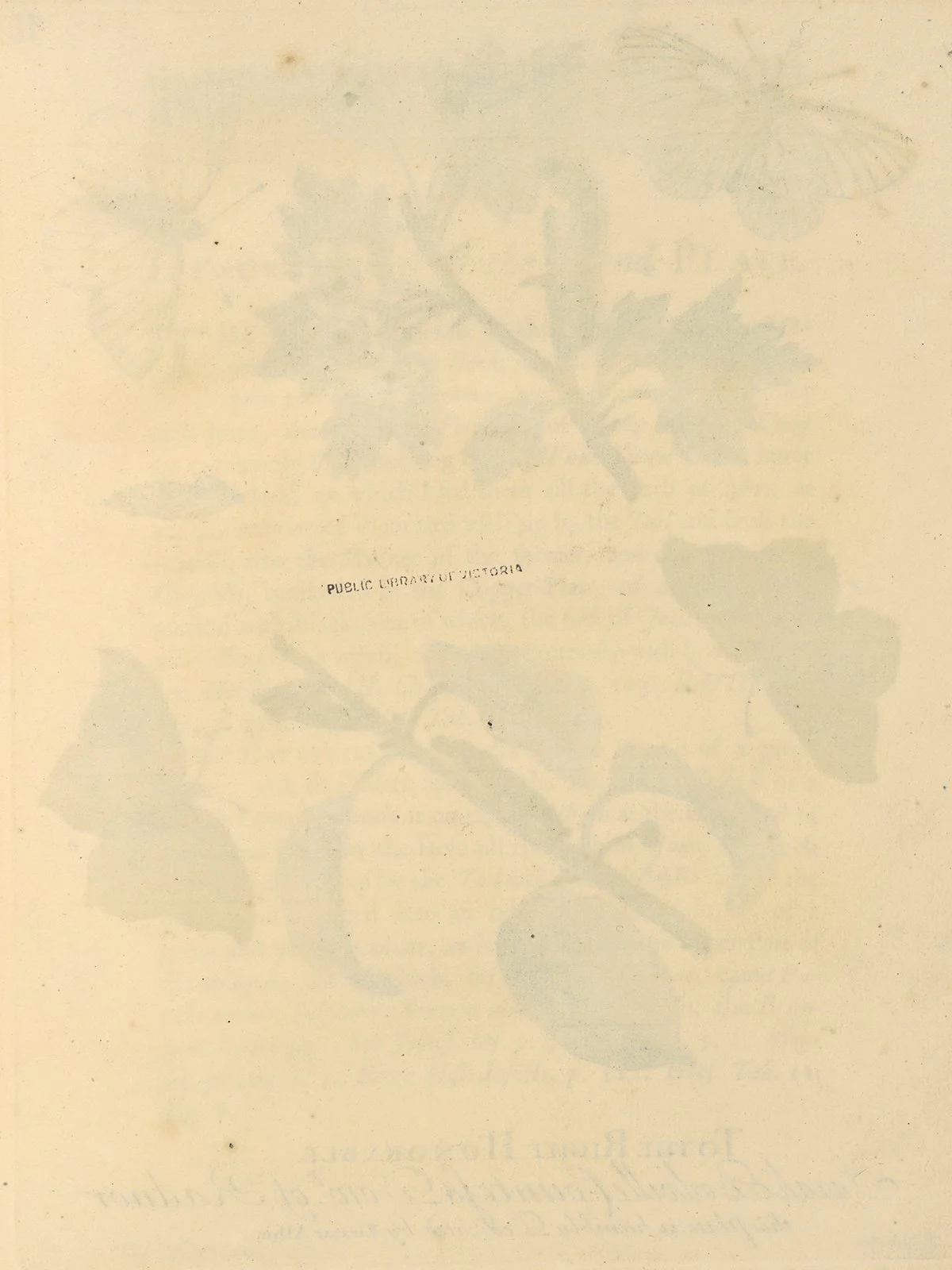
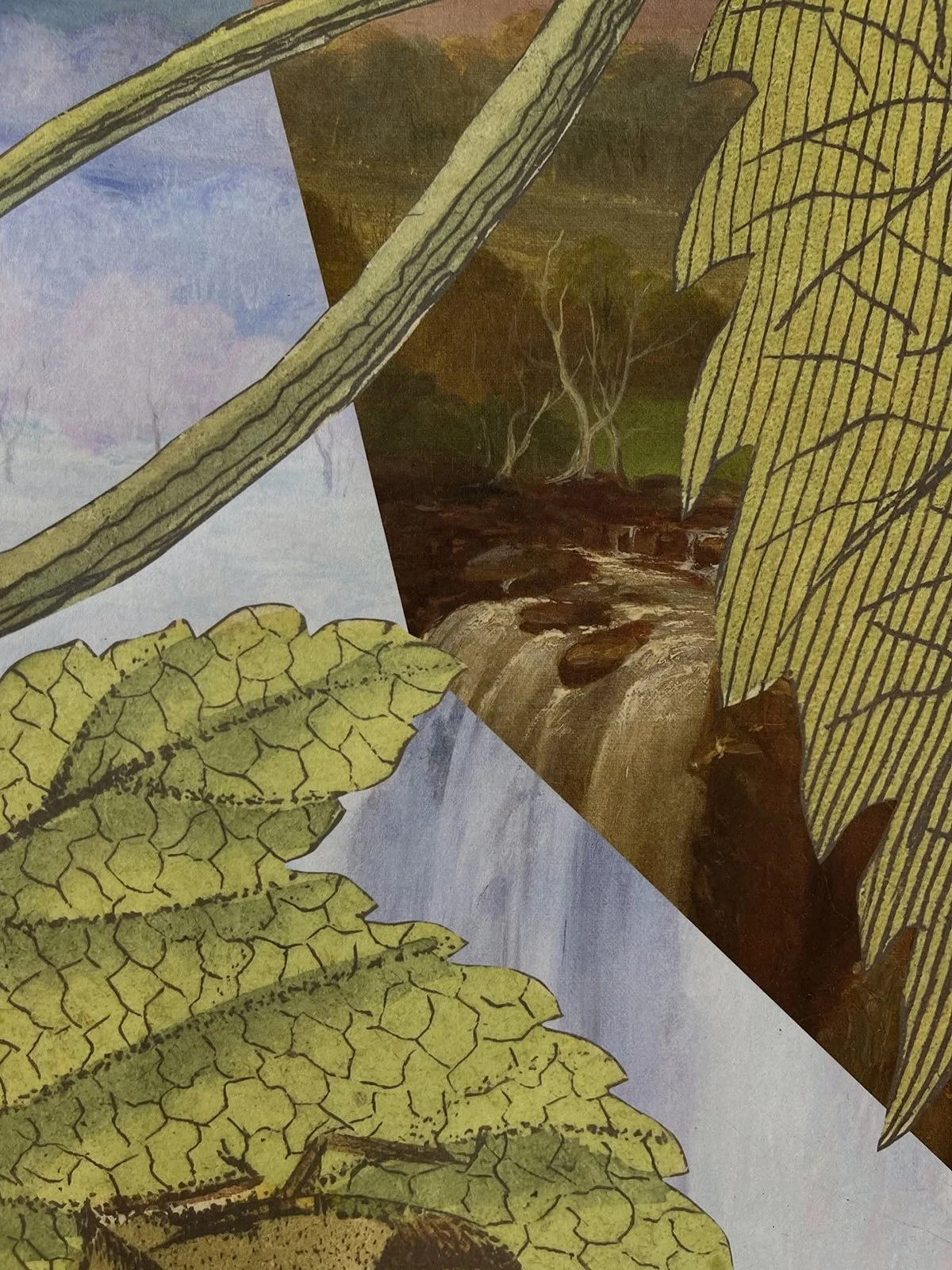
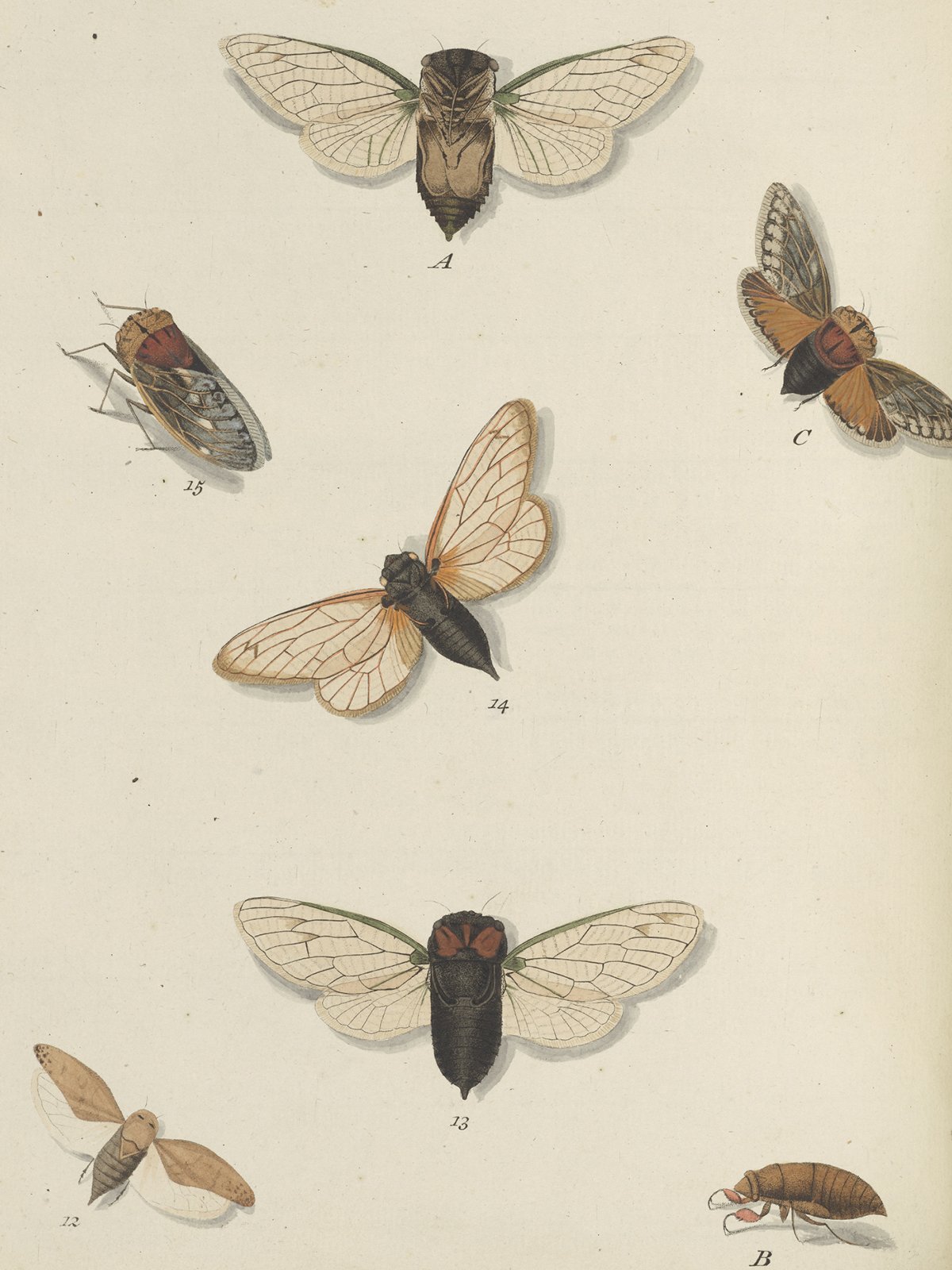
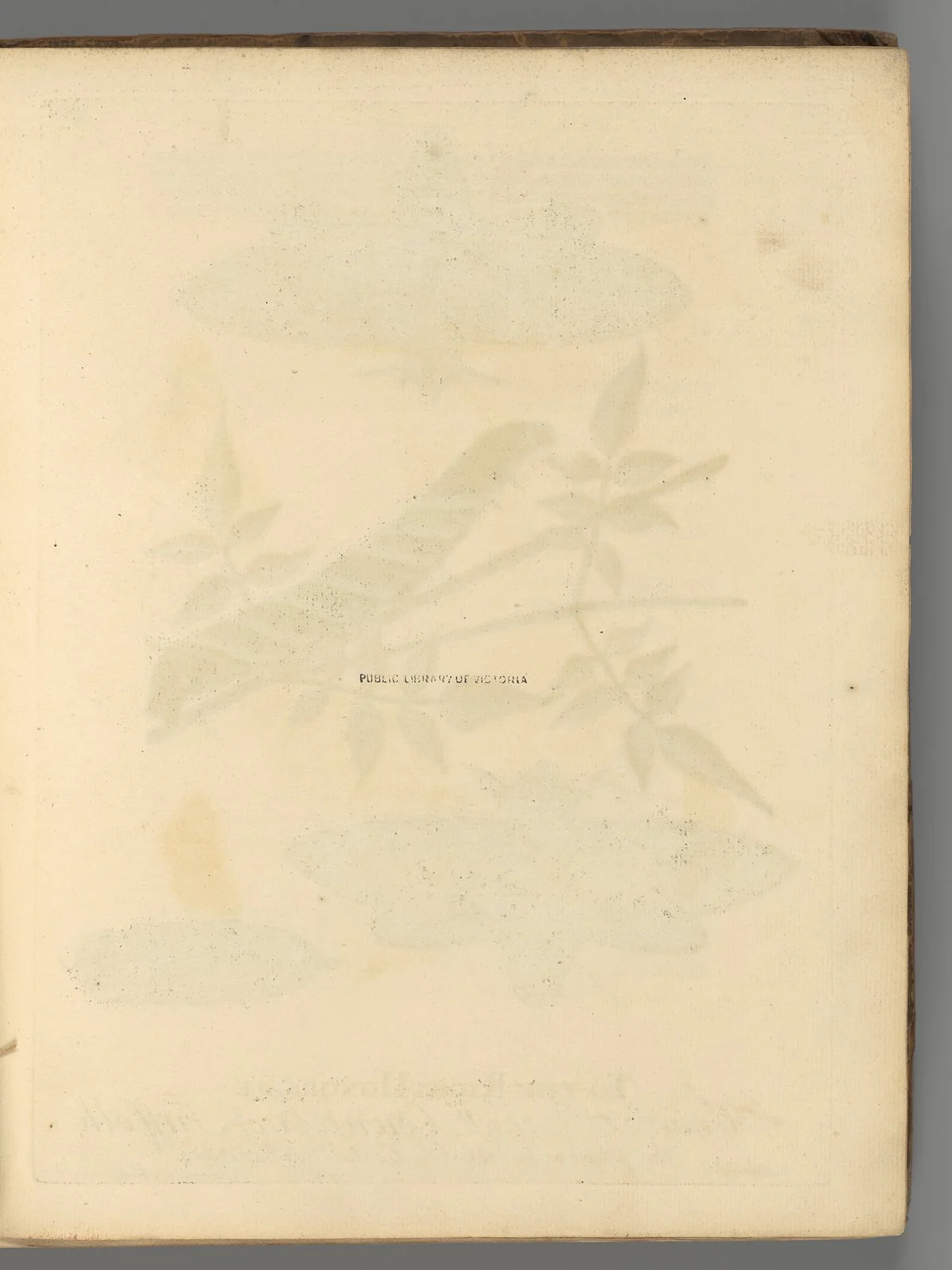
Influenced by the shadows beneath the individual specimens within Caspar Stoll’s Natuurlyke en naar ‘t leeven naauwkeurig gekleurde afbeeldingen en beschryvingen der wantzen, in alle vier weerelds deelen Europa, Asia, Africa en America huishoudende, 1788, many of the inhabitants within our imagining of the world of a Velvet ant sport shadows to anchor them in place.
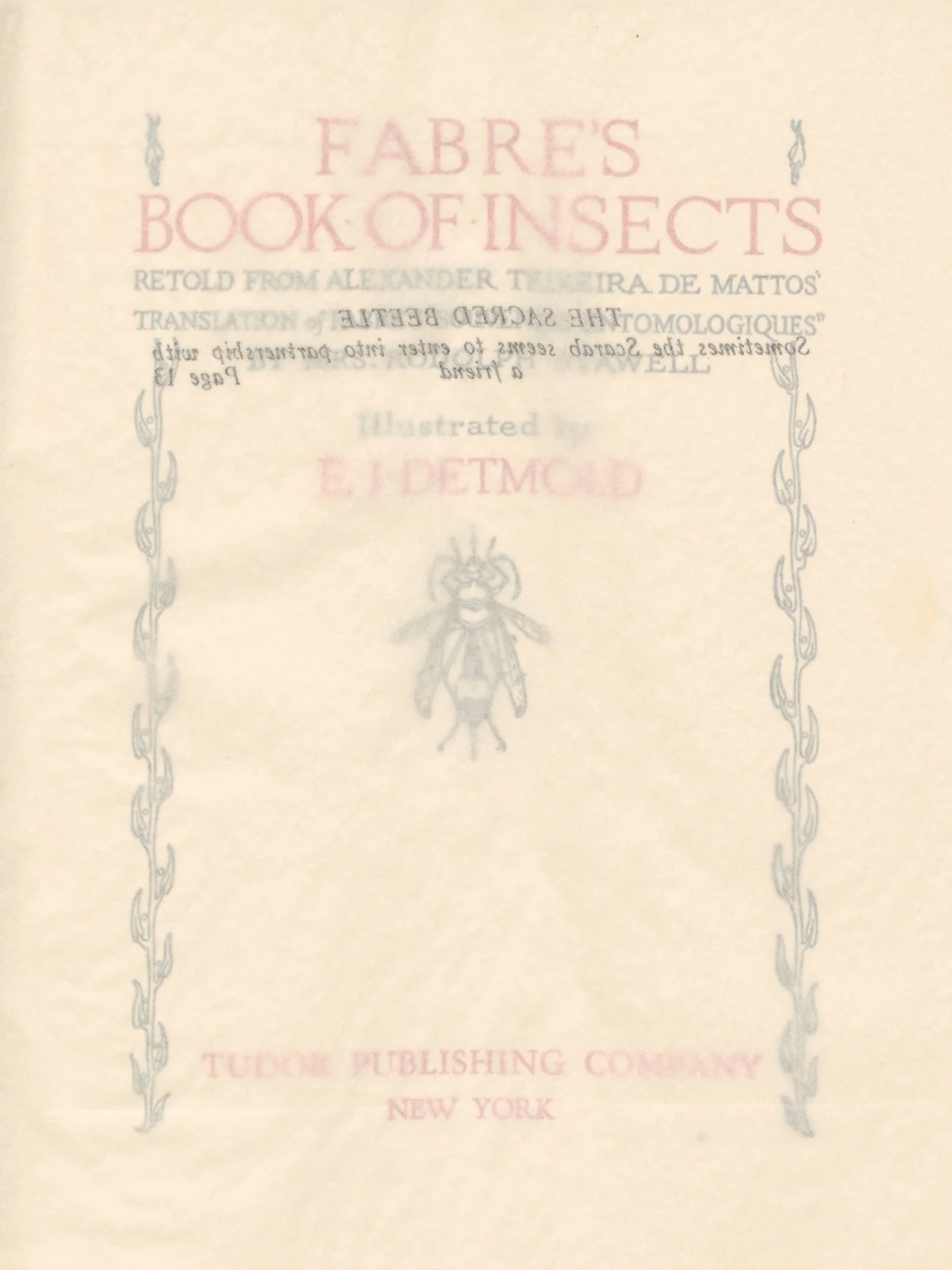
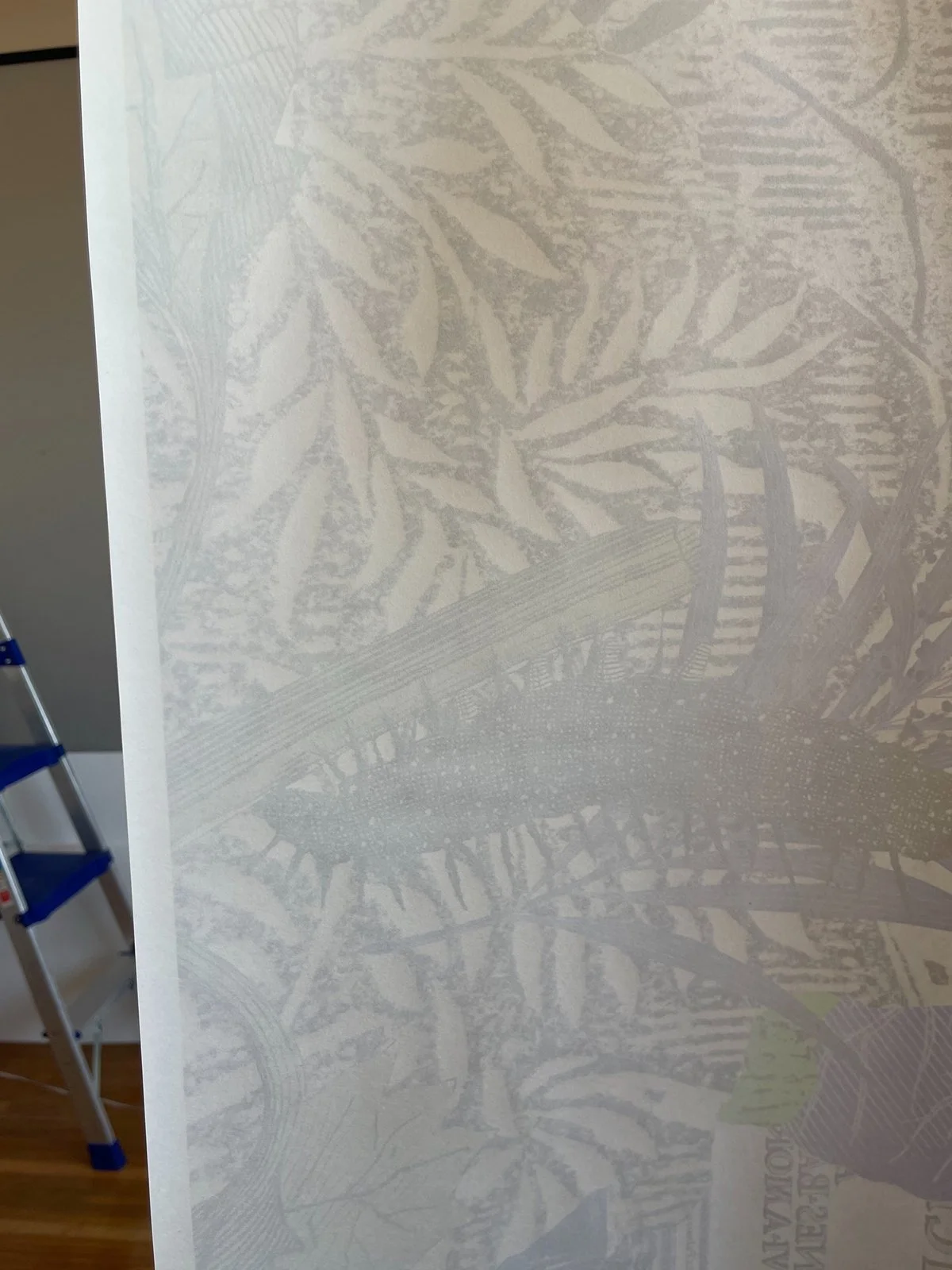
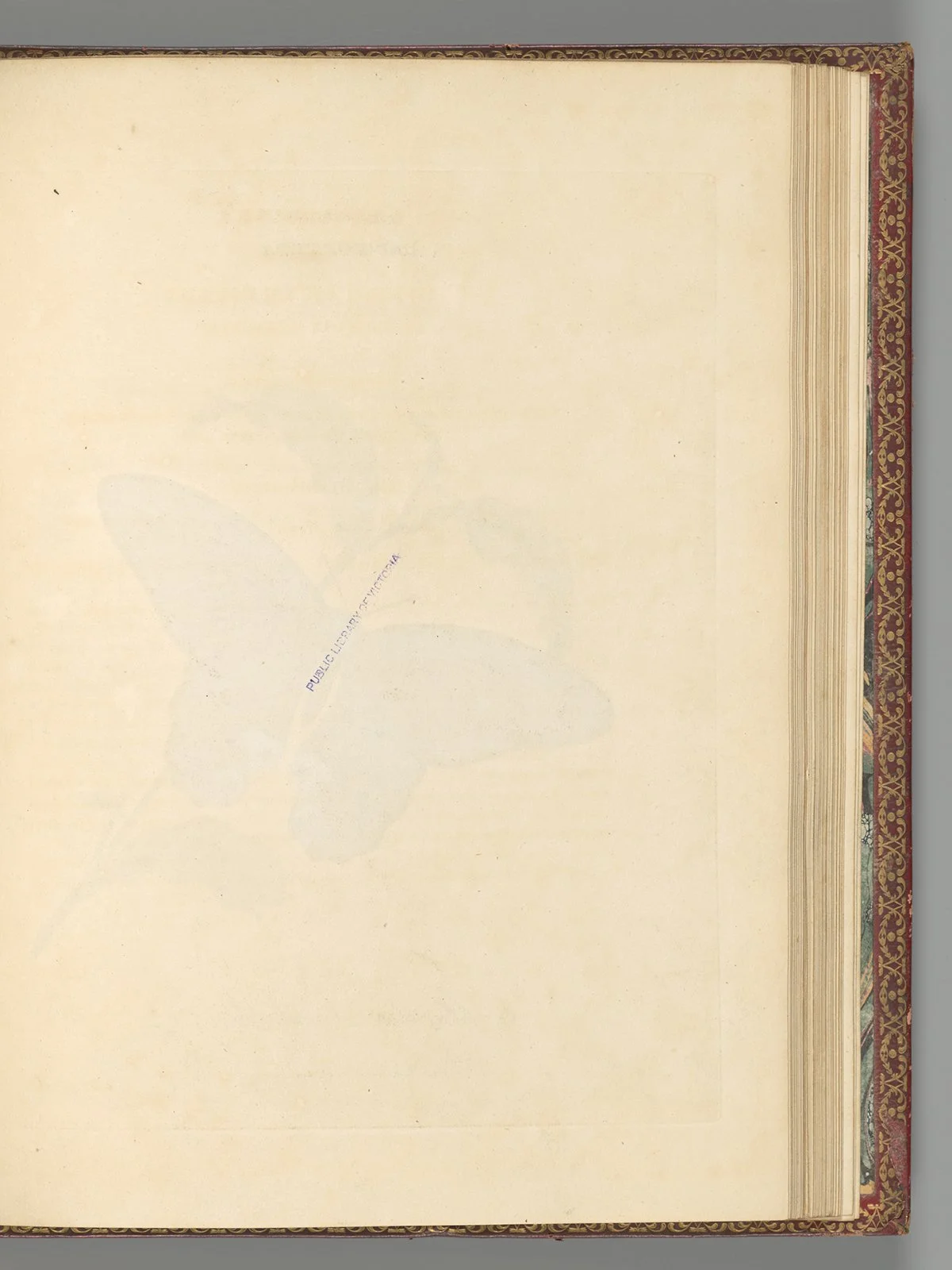
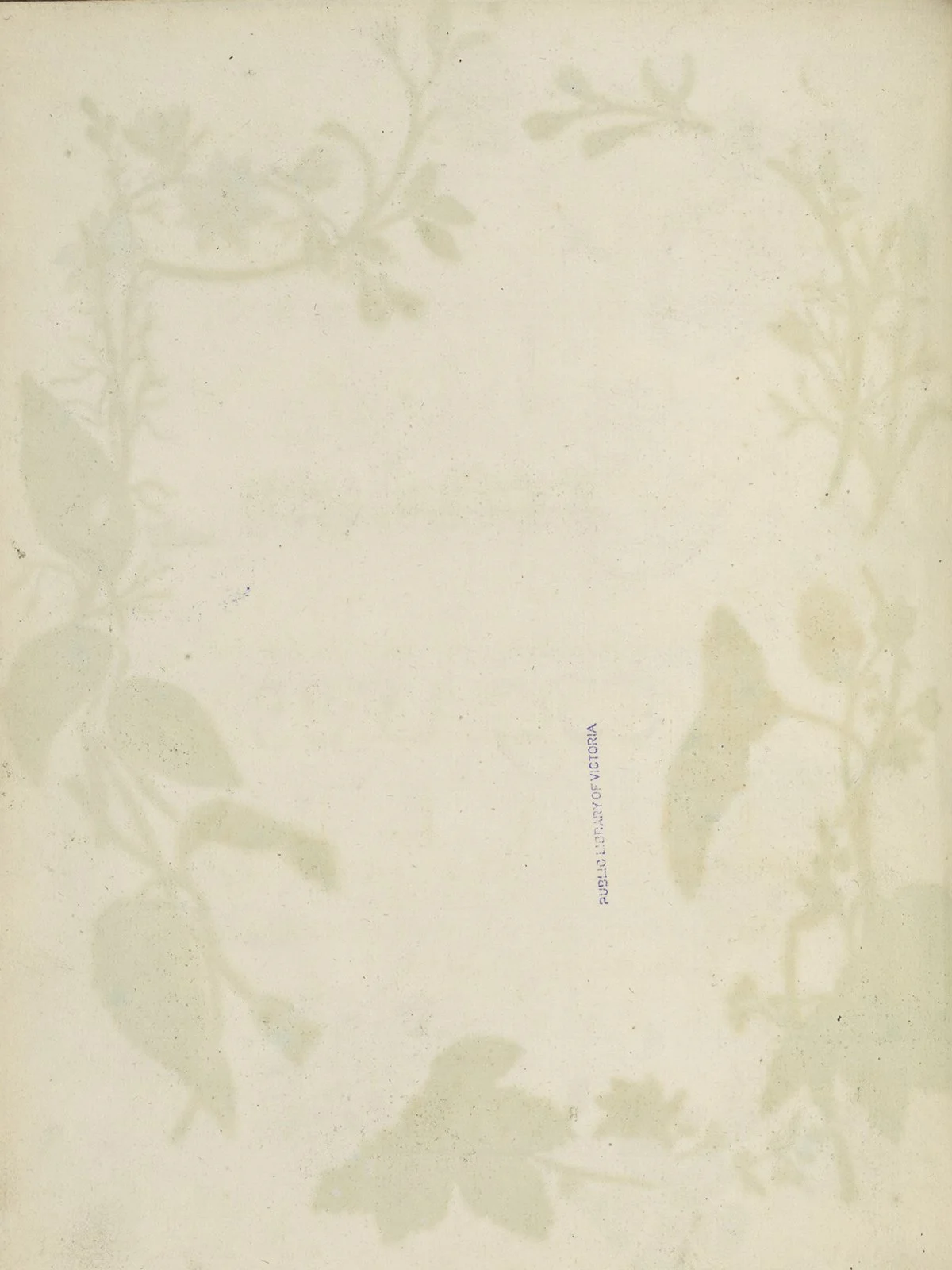
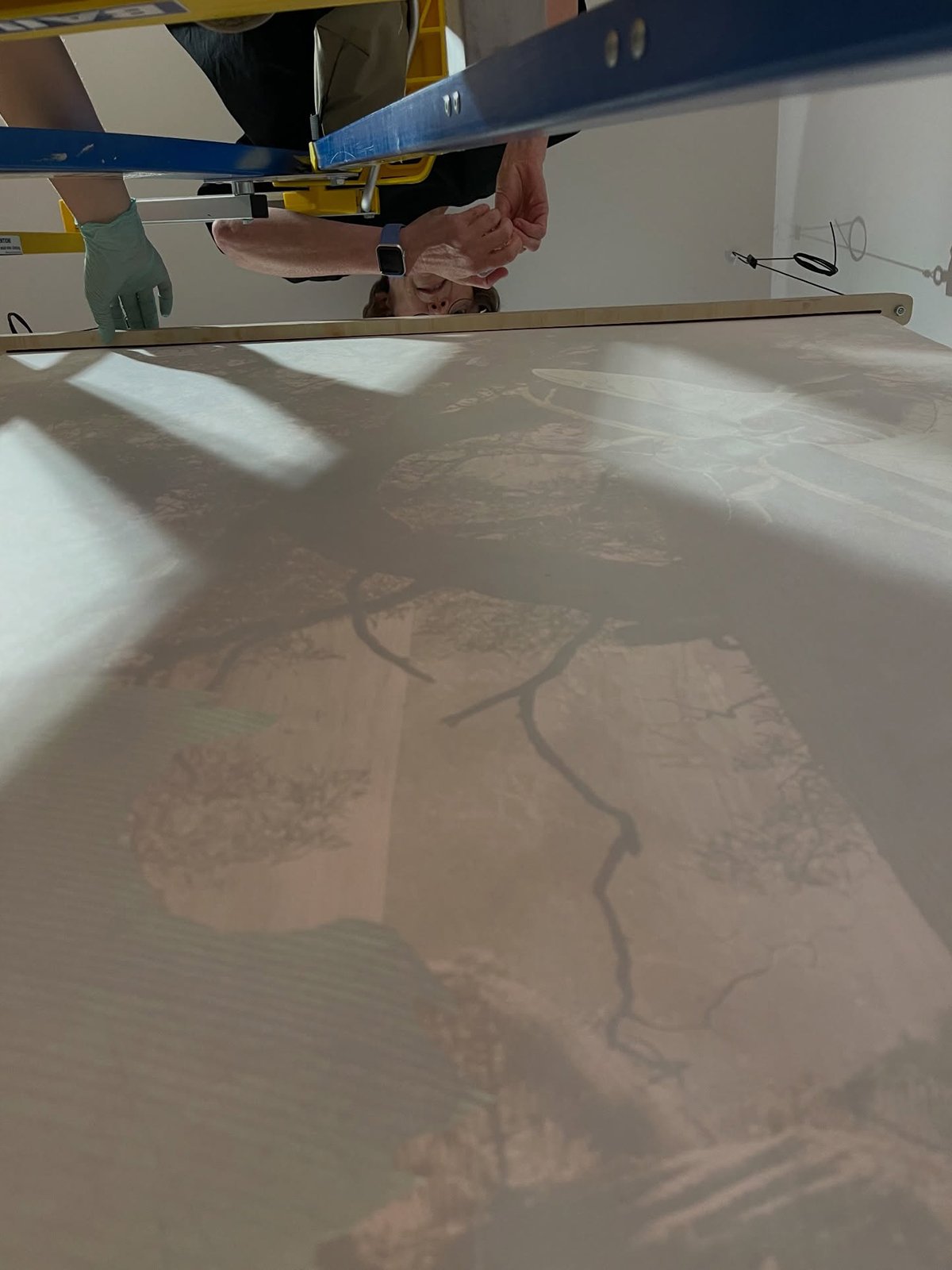
Also encouraged by Stoll, and Drury, the beautiful ghost image on the verso. Something we hope to emulate through how the work will be illuminated. O! For the love of books. All things Velvet ant, another leaf closer.
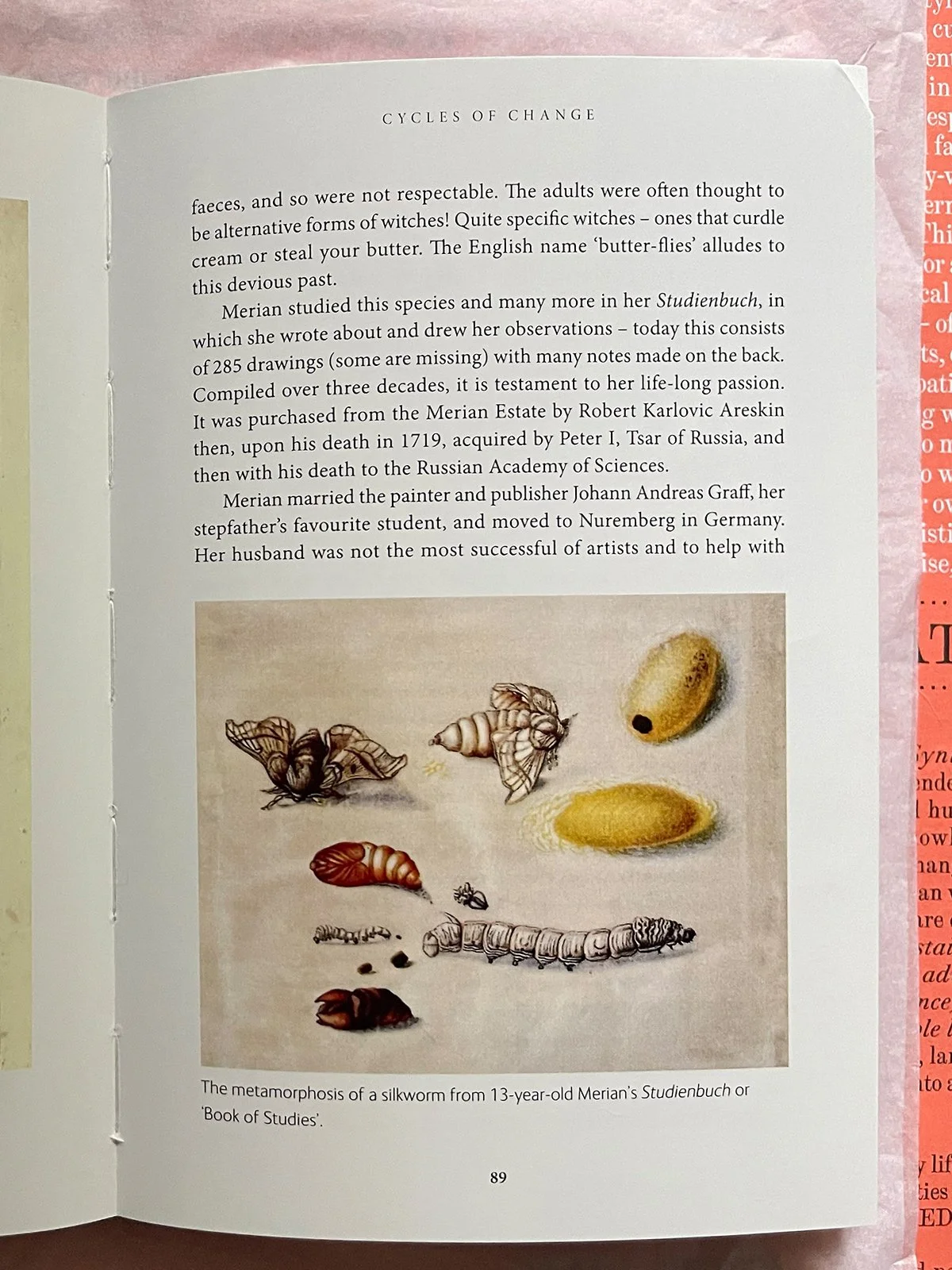
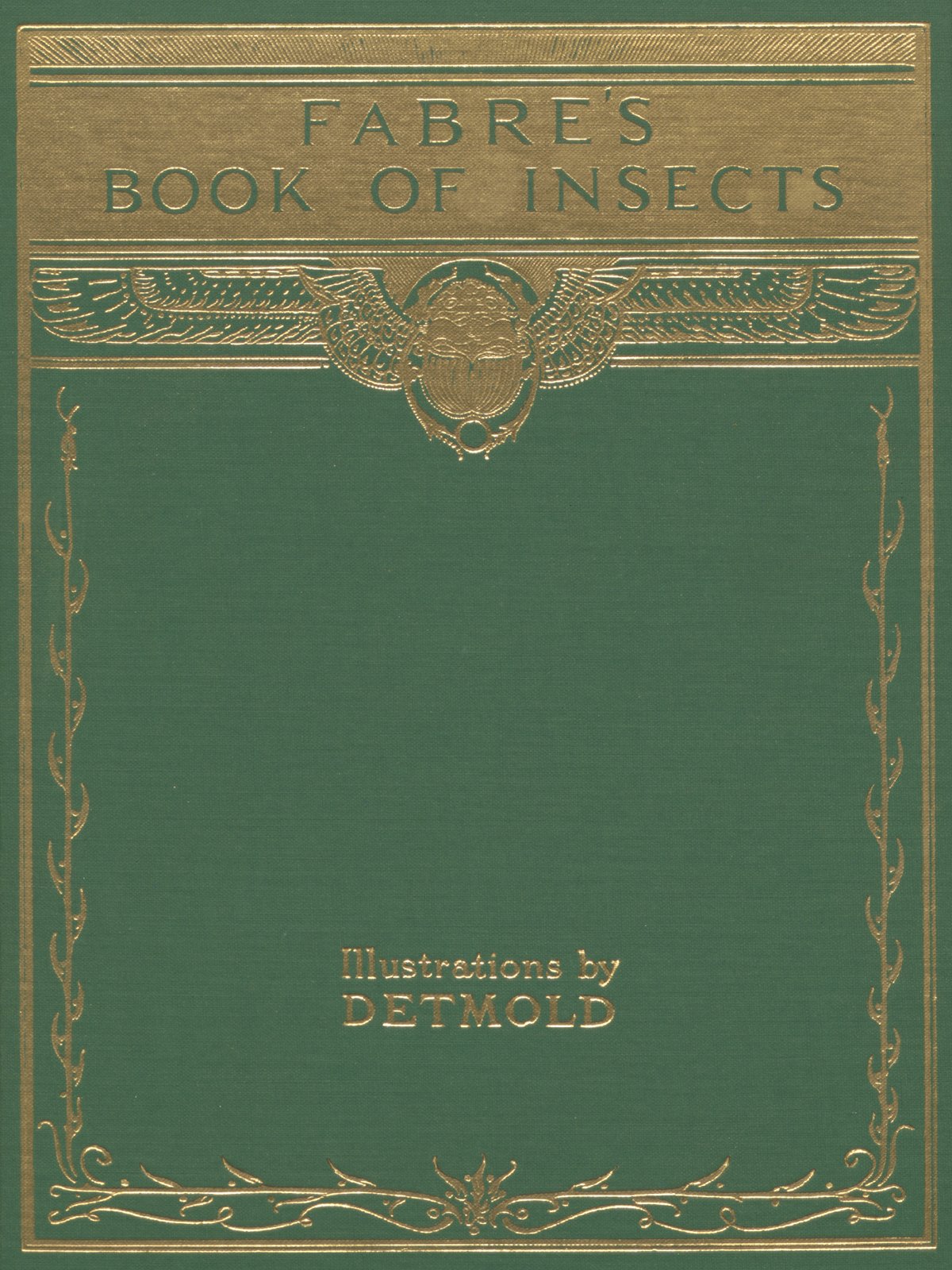
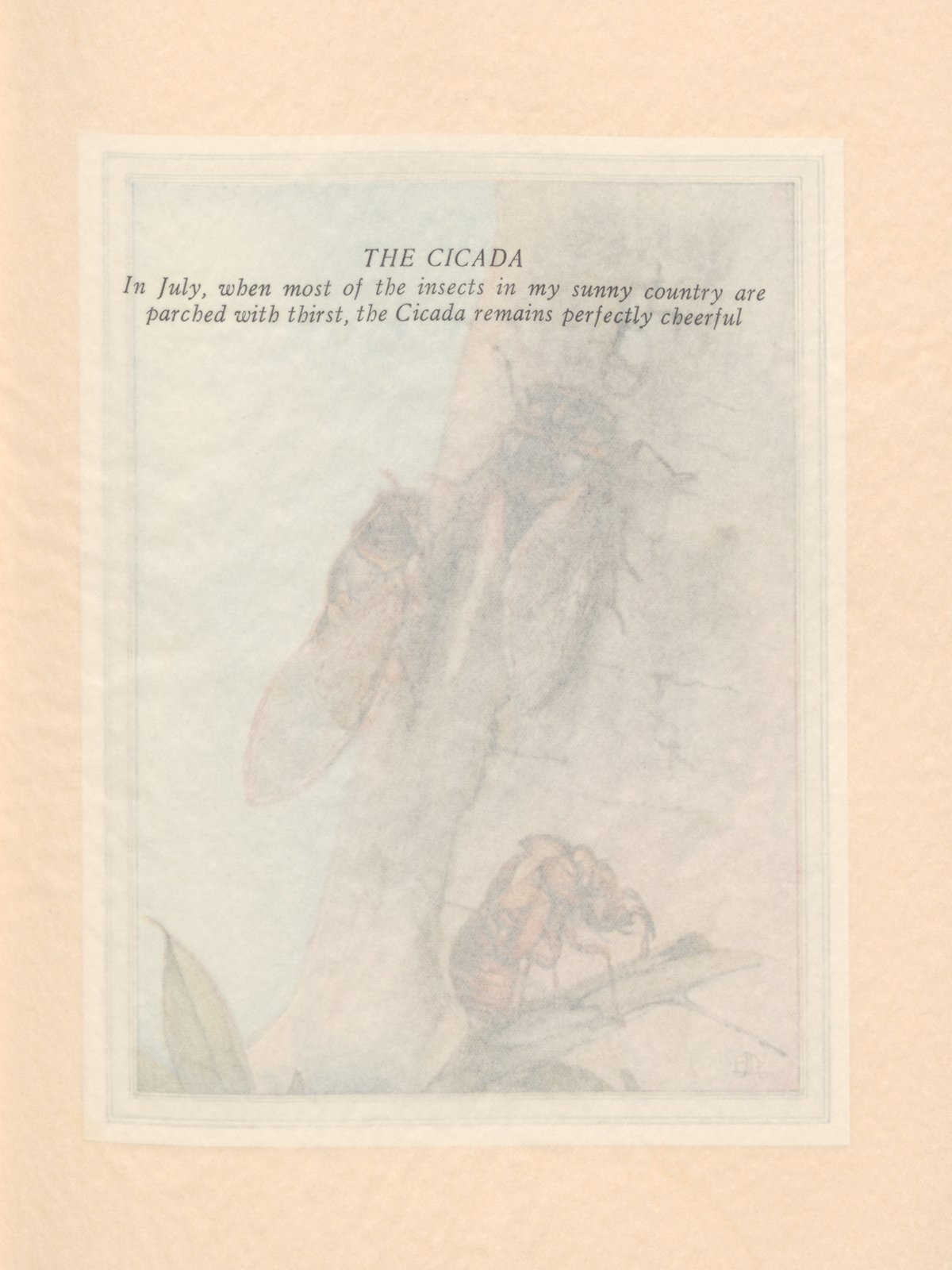
Pictured here, as well, courtesy of the Baillieu library, The University of Melbourne, details from Rodolph Stawell’s Fabre’s Book of Insects: retold from Alexander Teixeira de Mattos translation of Fabre’s “Souvenirs entomologiques” (New York: Dodd, Mead and company, 1921). From the “Homer of the Insect World”, according to Victor Hugo, to the rich colour soak of Edward Donovan, this entomological dip will be a lengthy one (no surprises there). In the distance something featuring a “parcel of straws” stick insect calls.
Yes, this is sure to grow into something else.
“Few insects enjoy more fame than the Glow-worm, the curious little animal who celebrates the joy of life by lighting a lantern at its tail-end. We all know it, at least by name, even if we have not seen it roaming through the grass, like a spark fallen from the full moon. The Greeks of old called it the Bright-tailed, and modern science gives it the name Lampyris.”
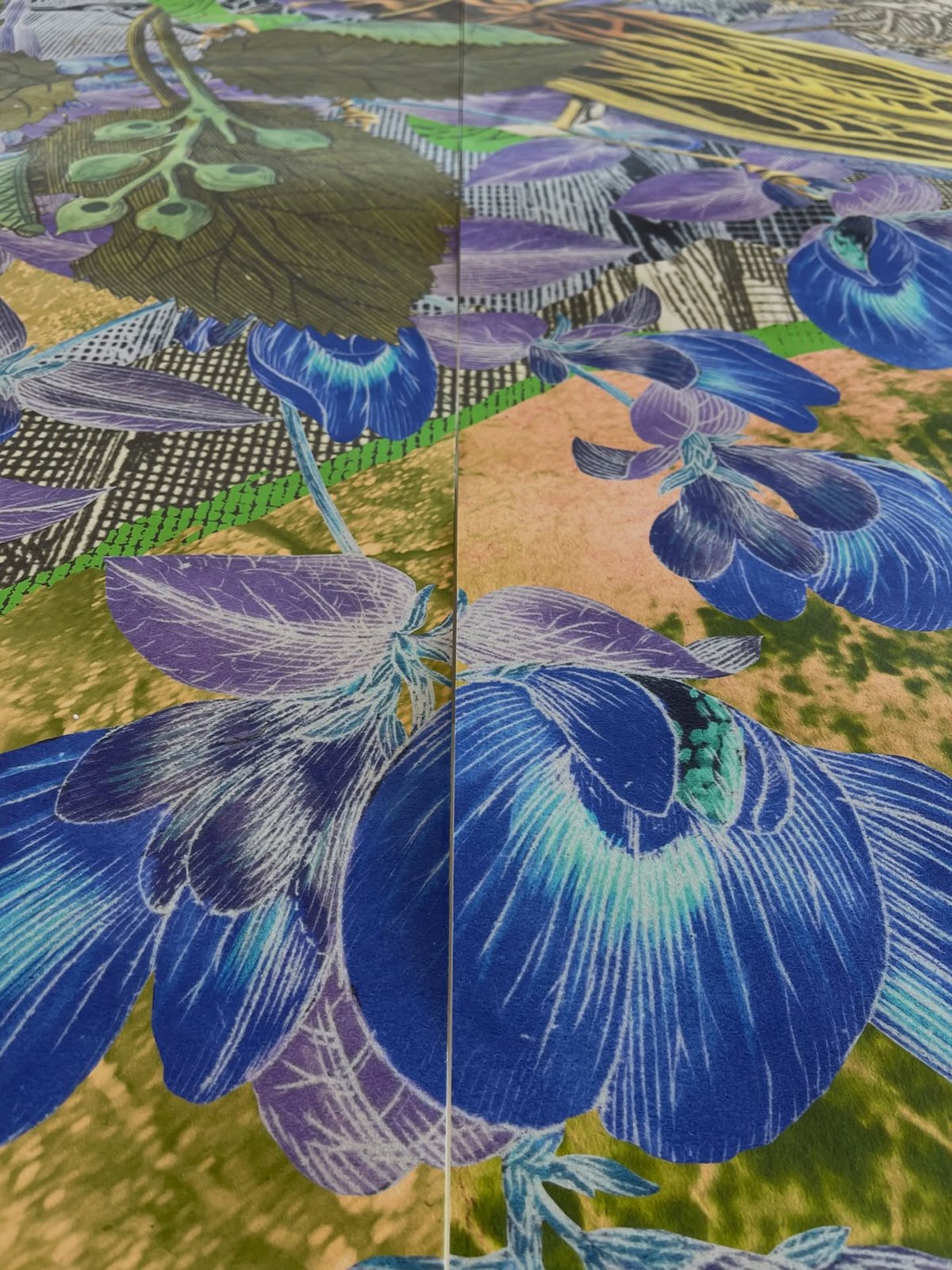
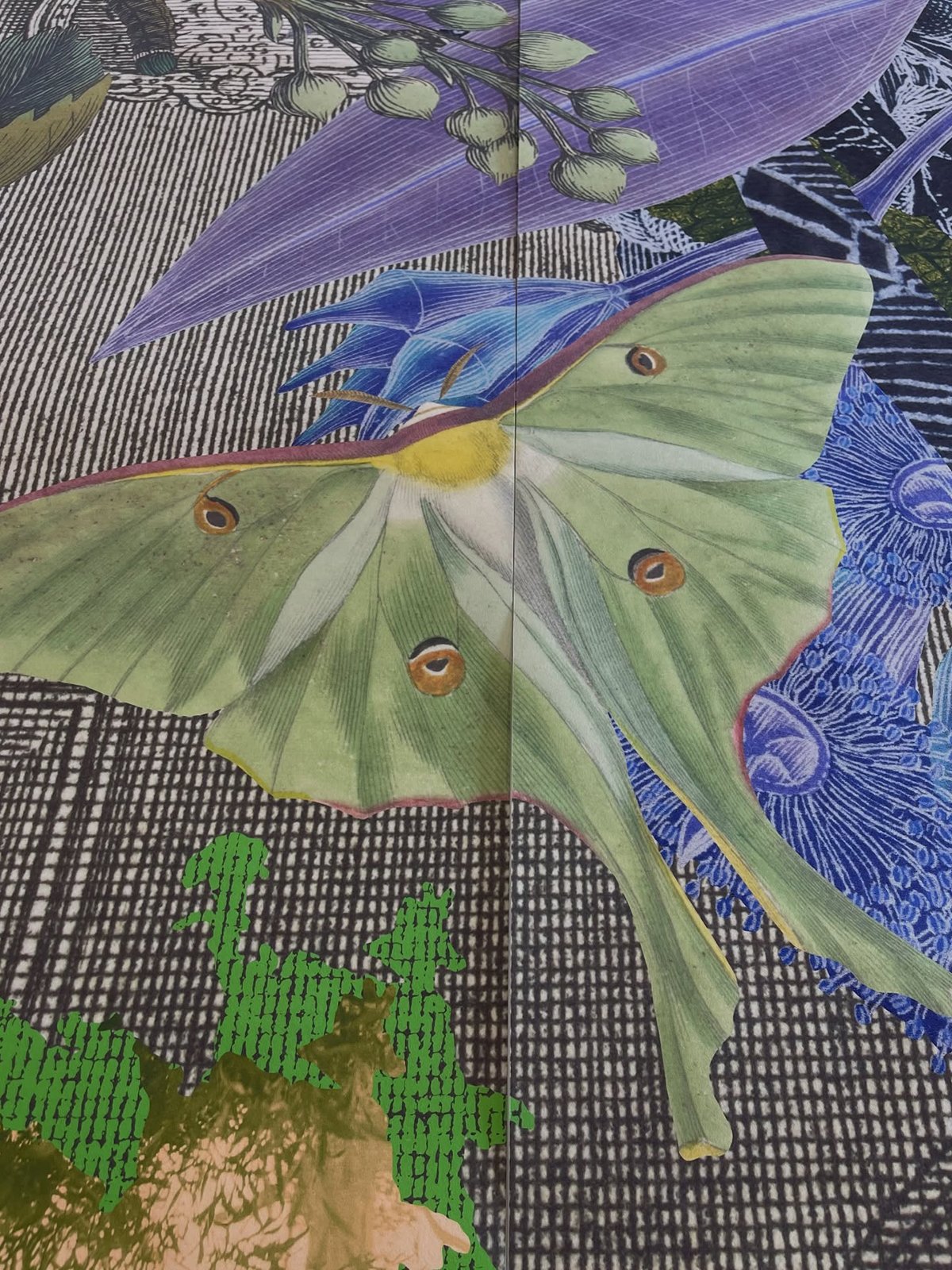
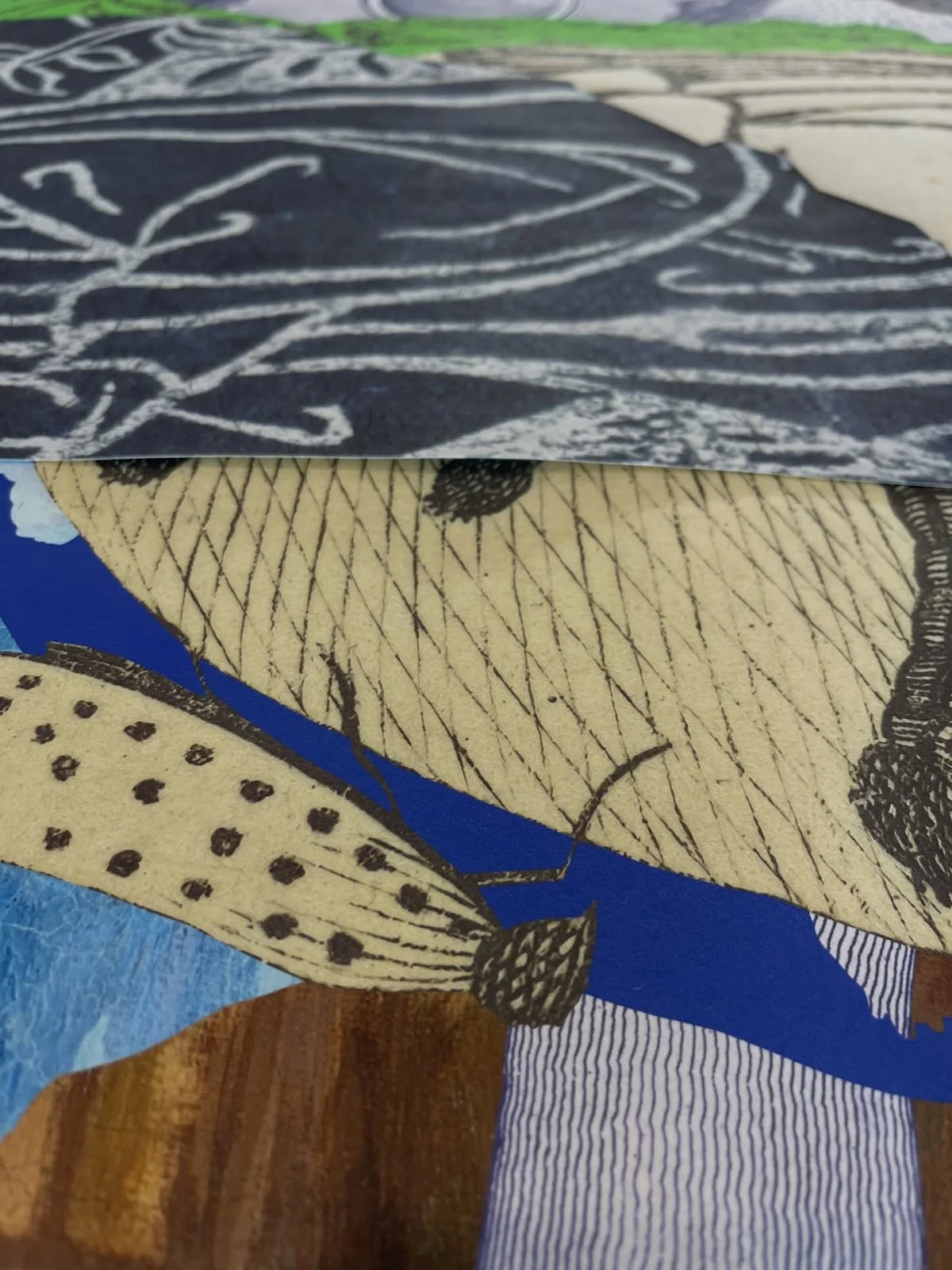
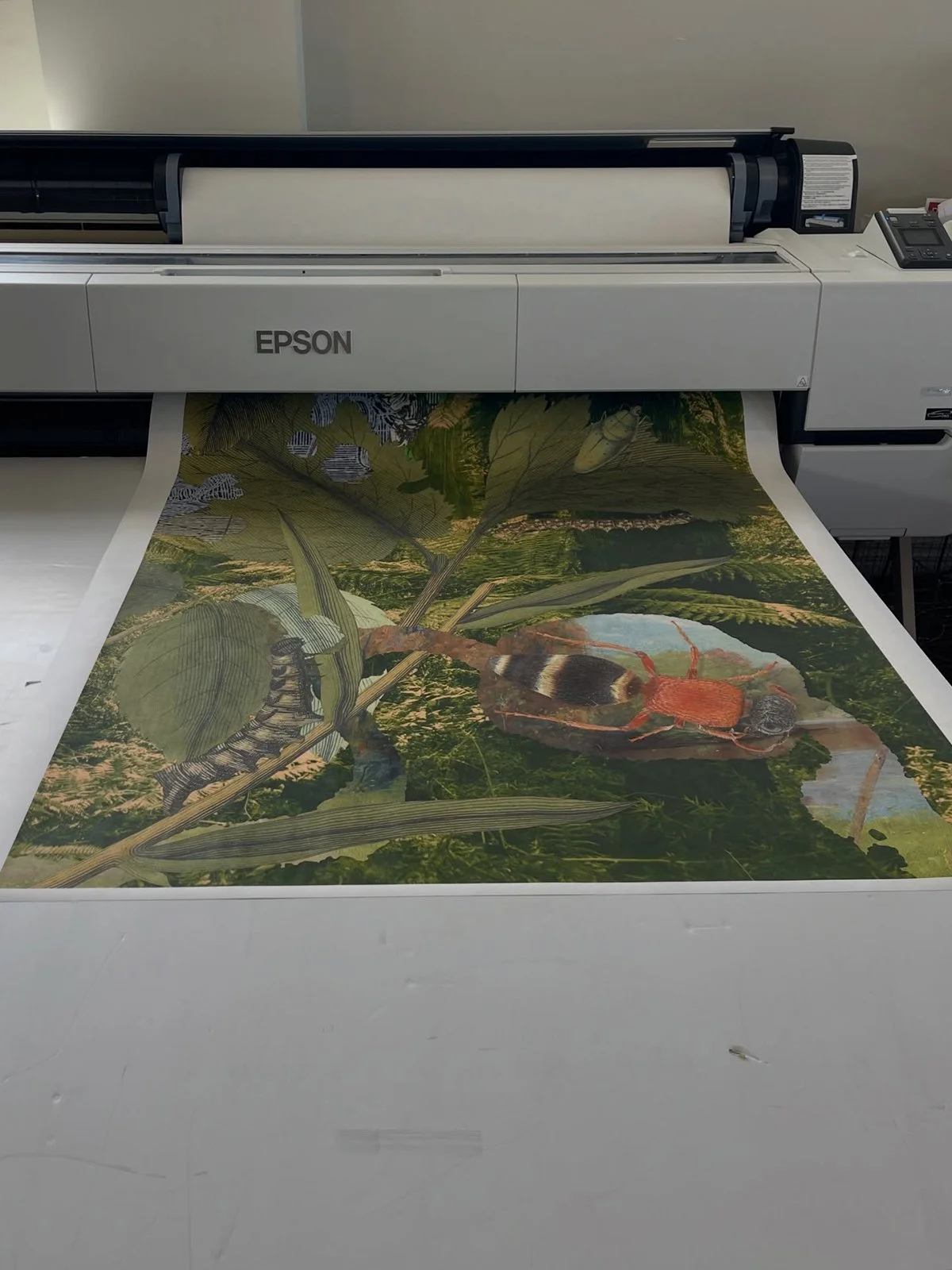
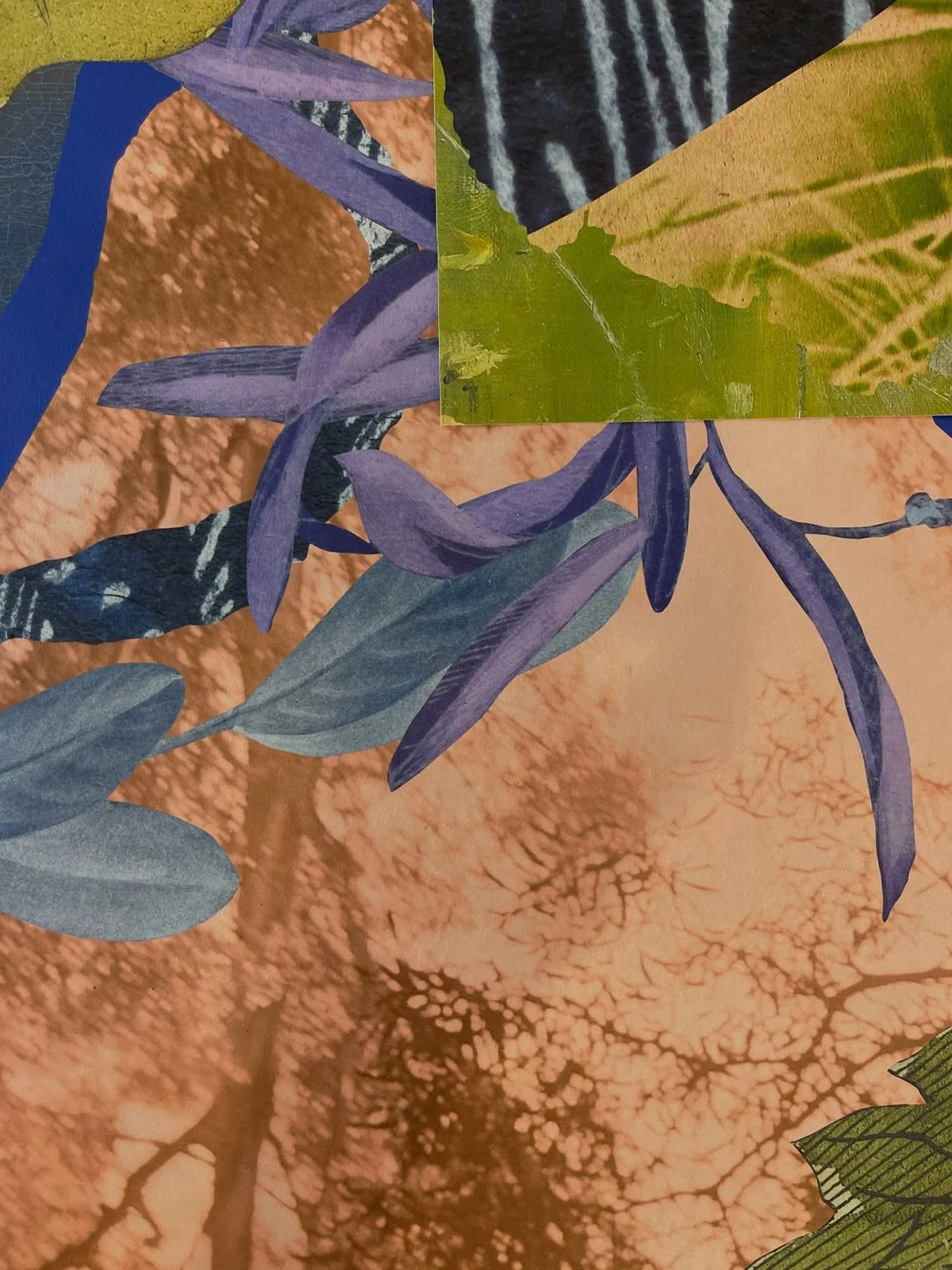
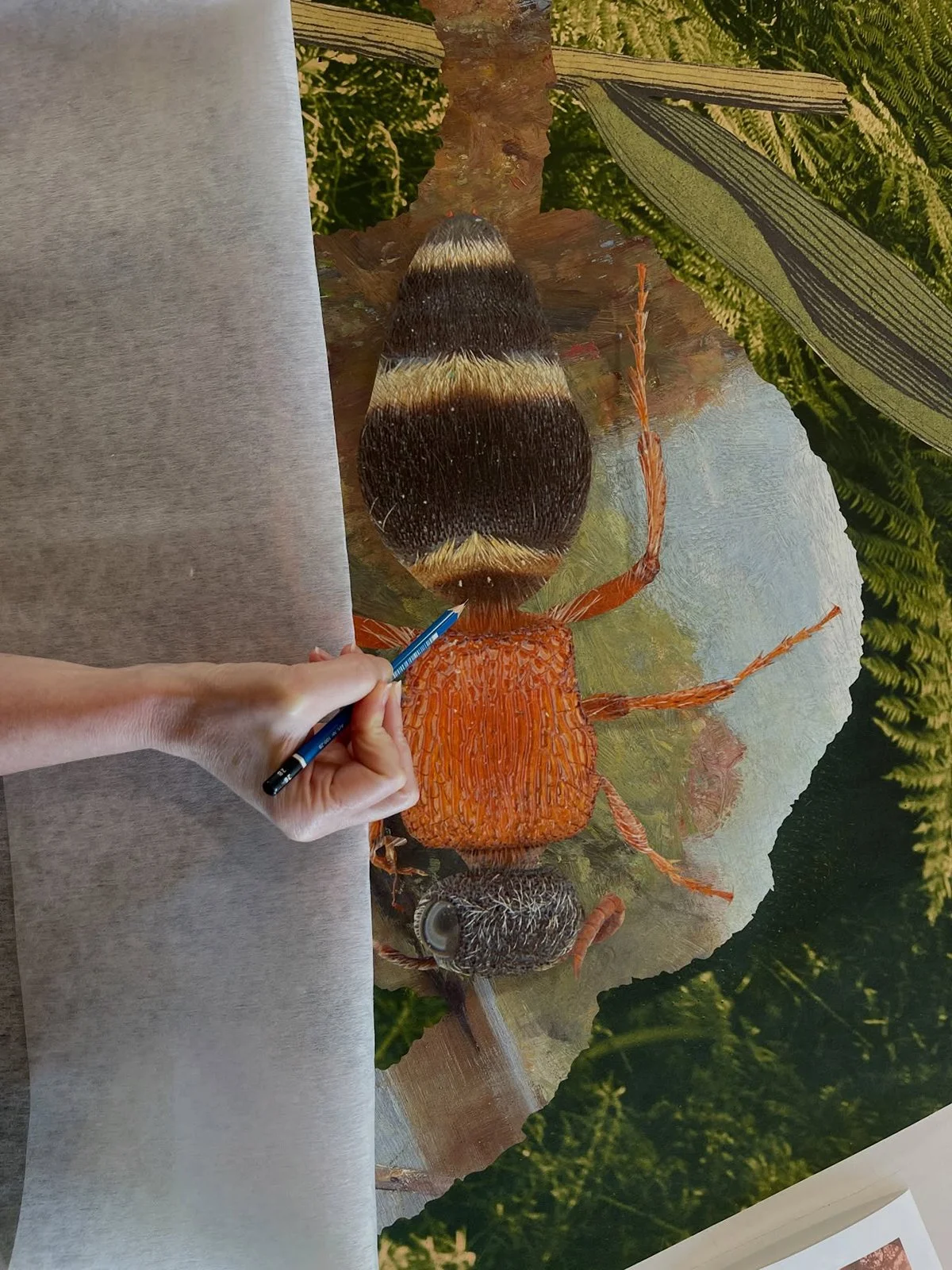
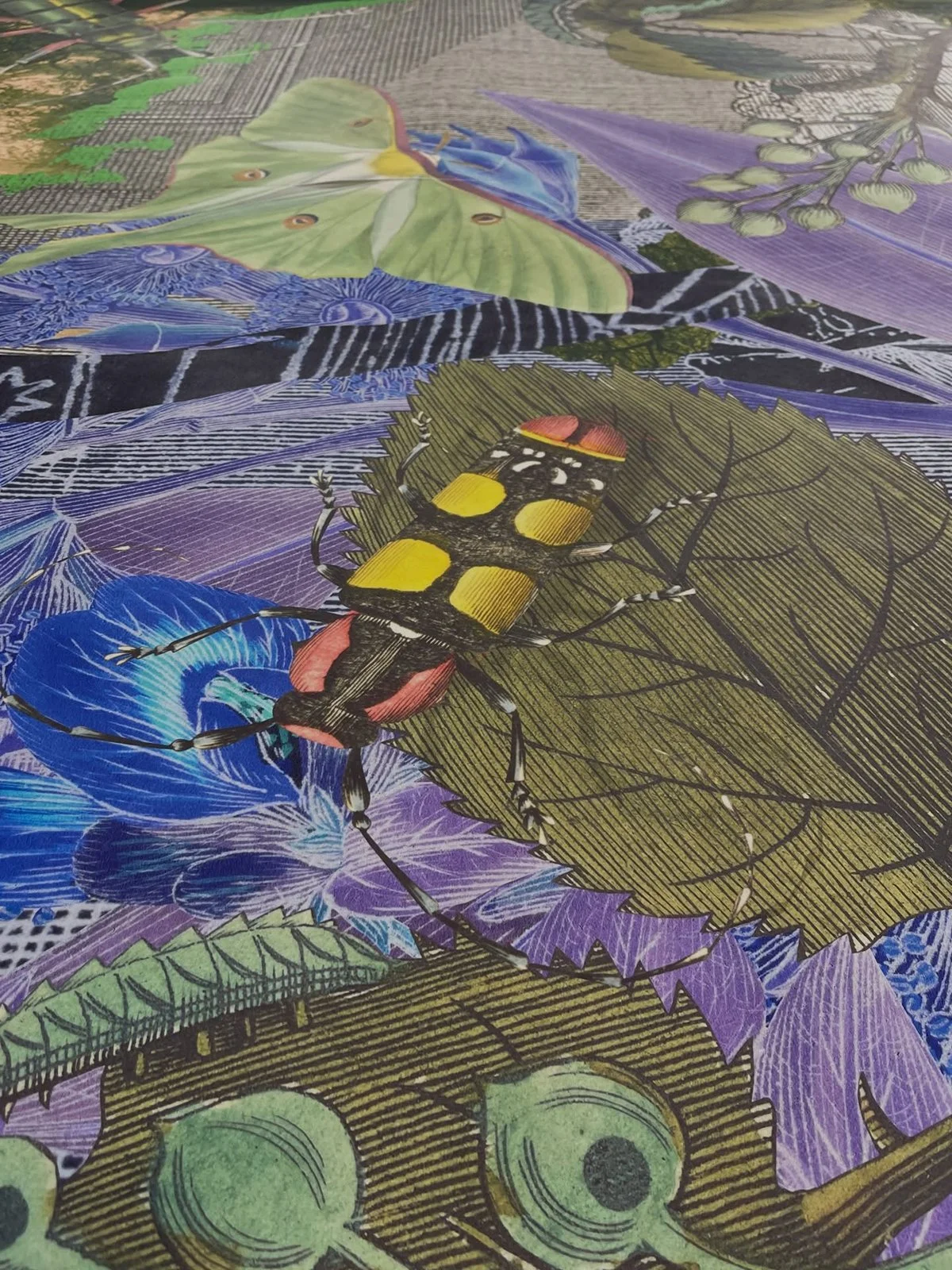
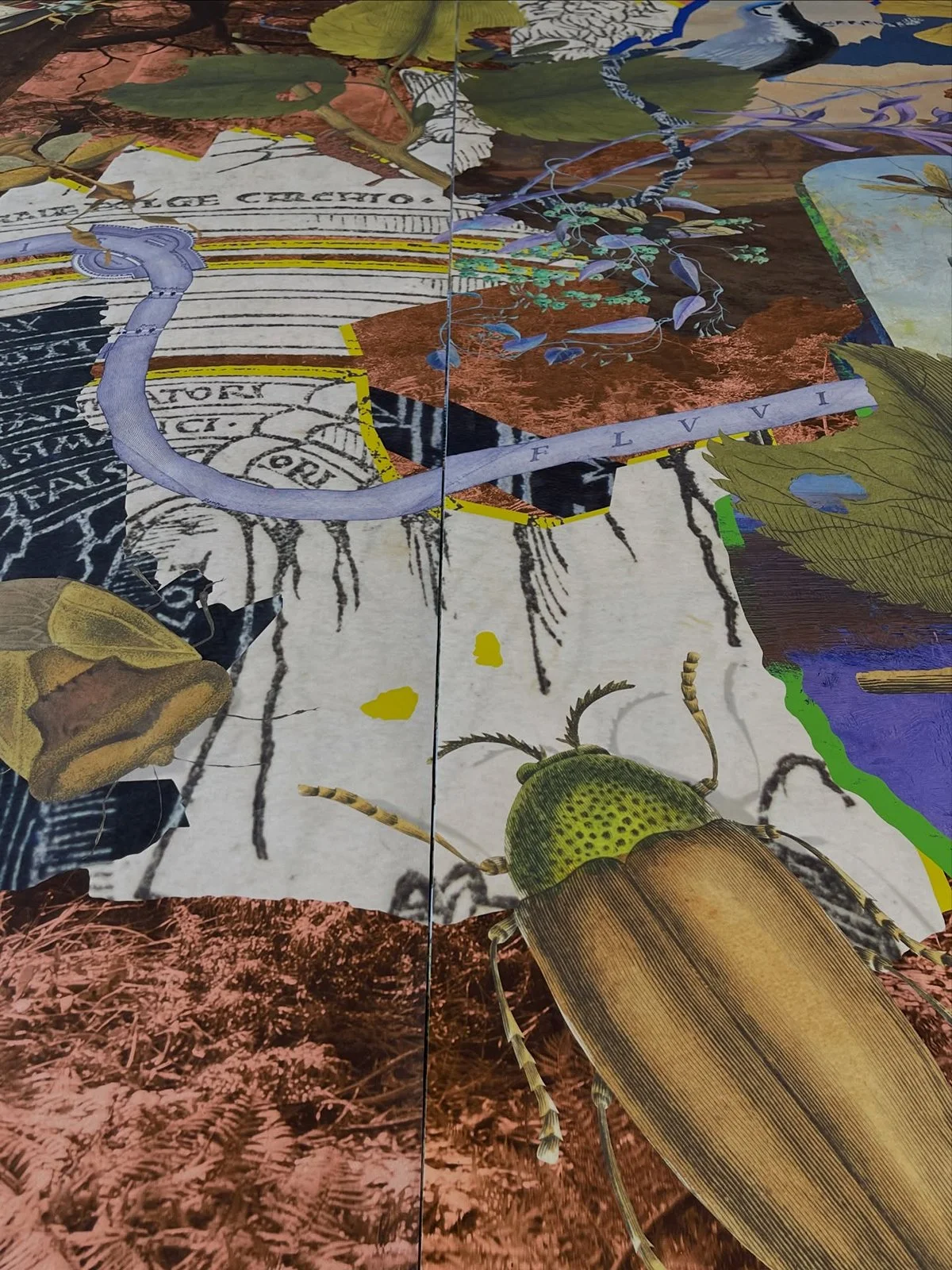
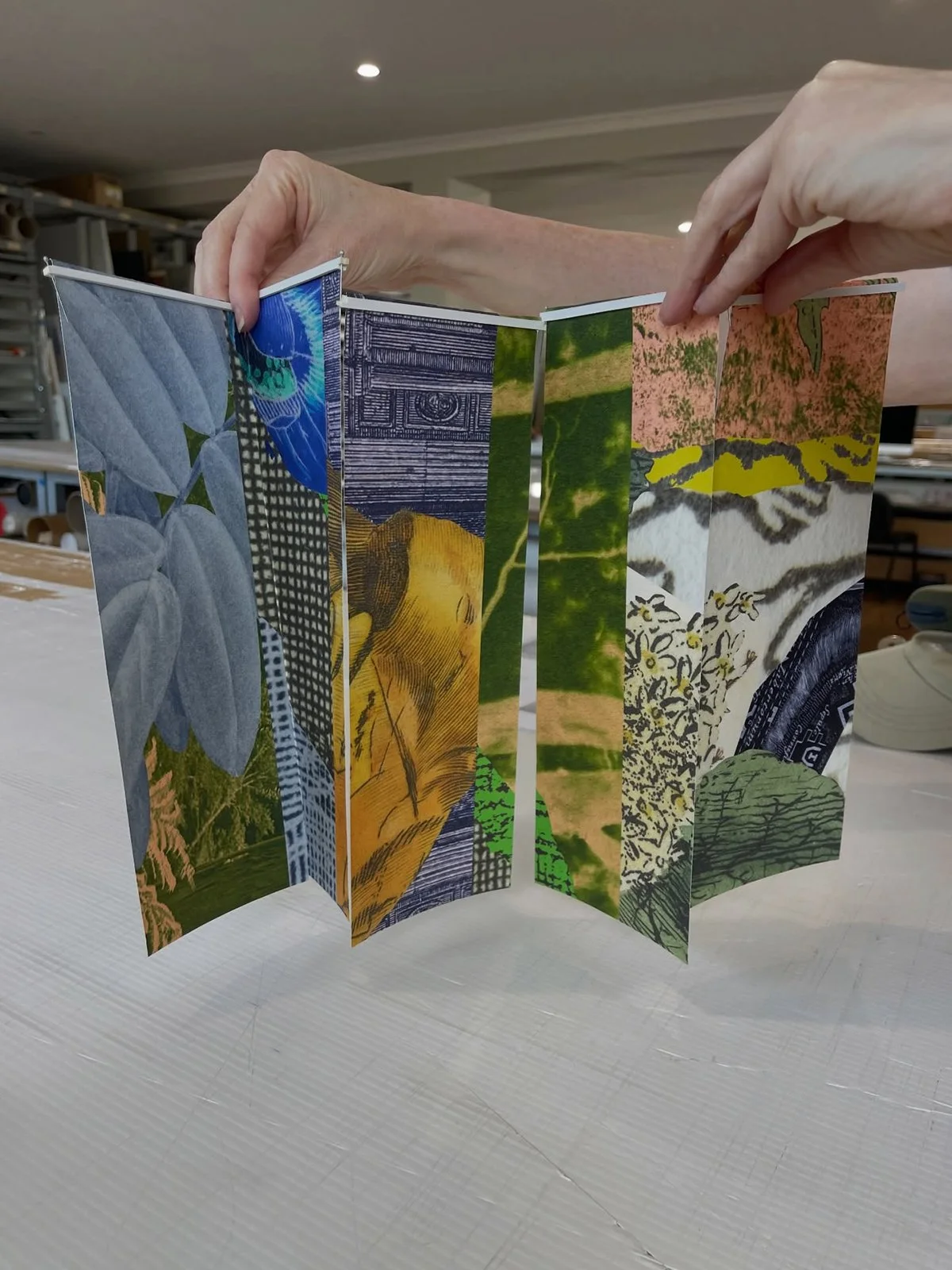
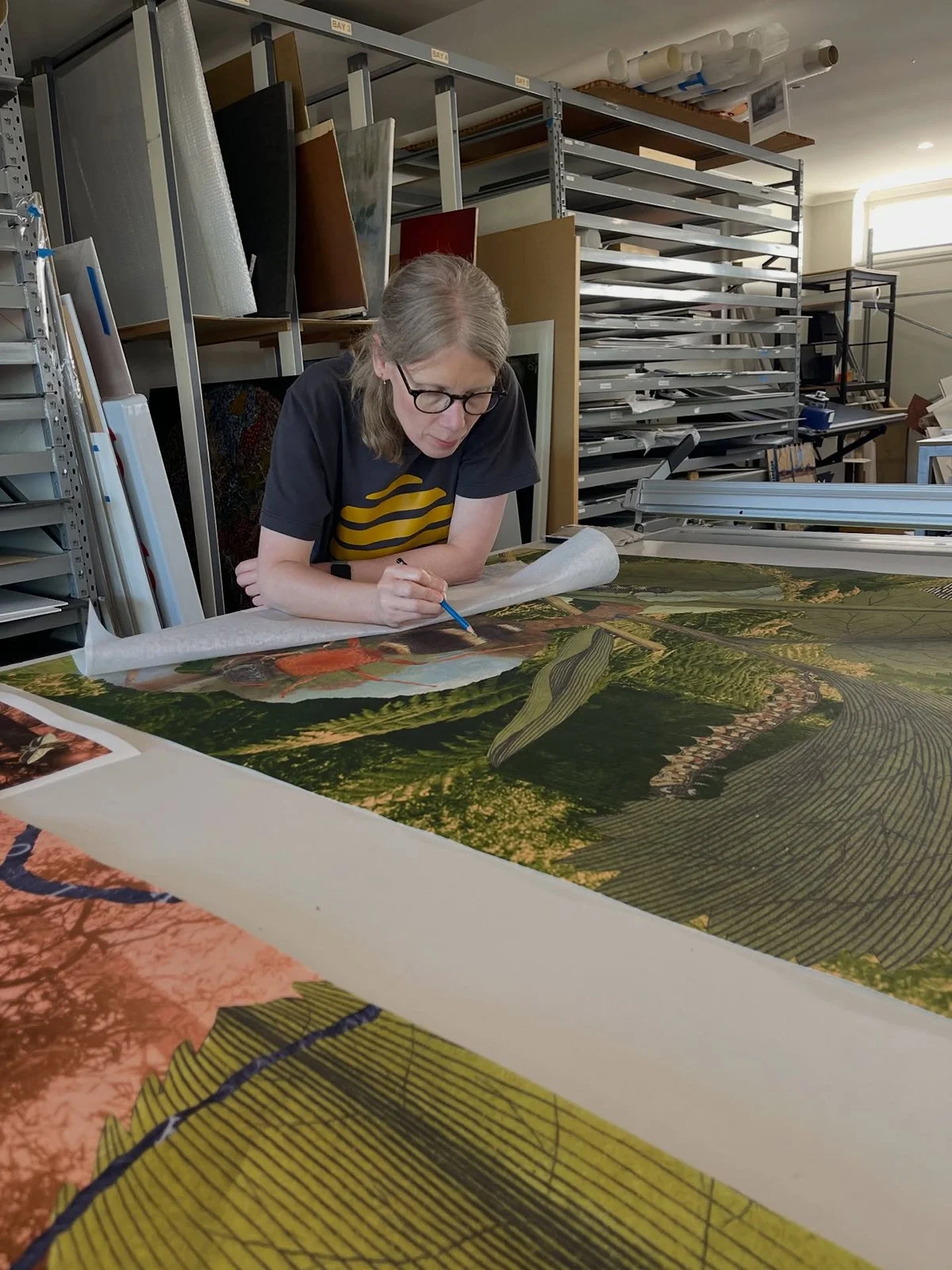
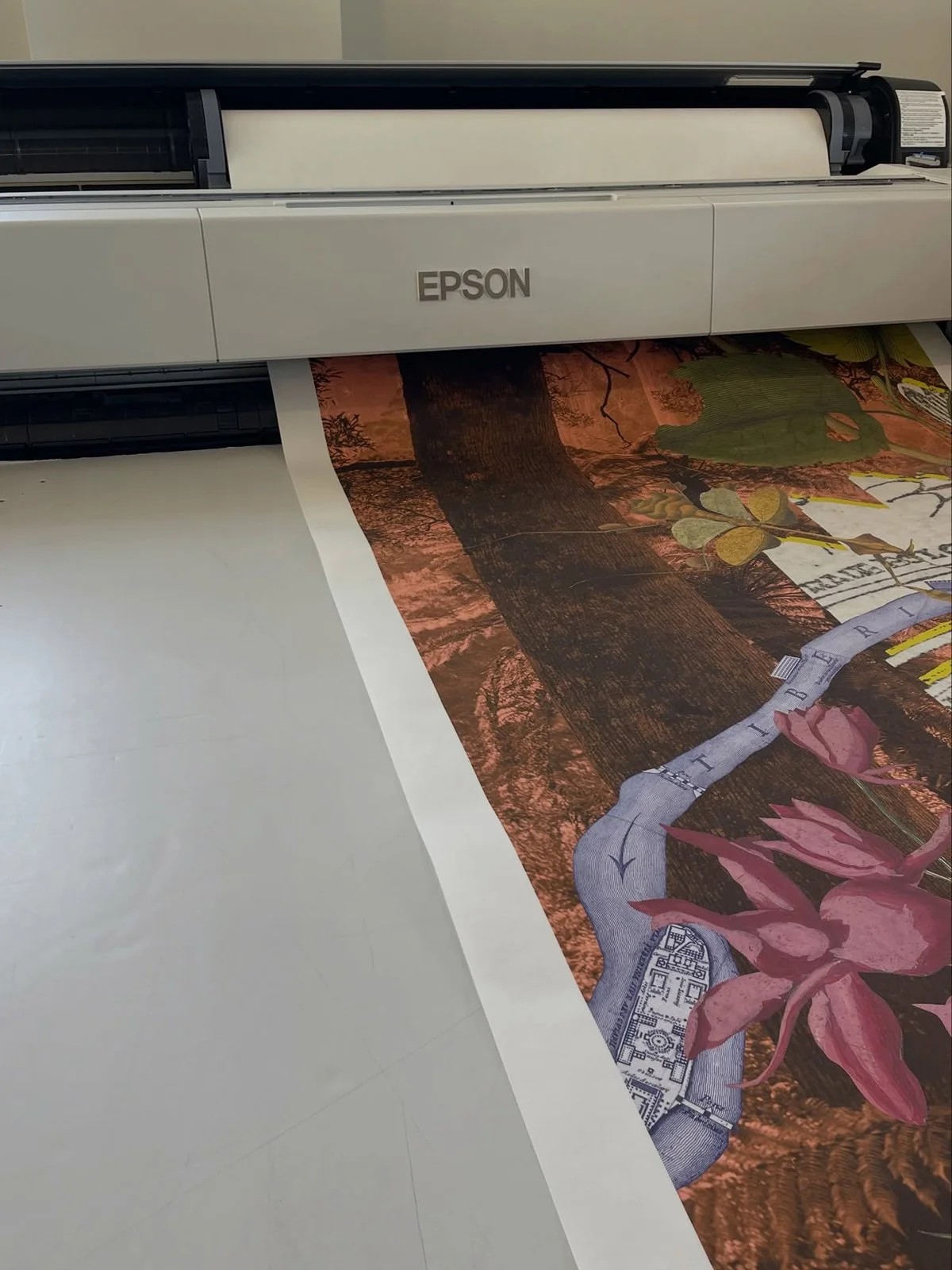
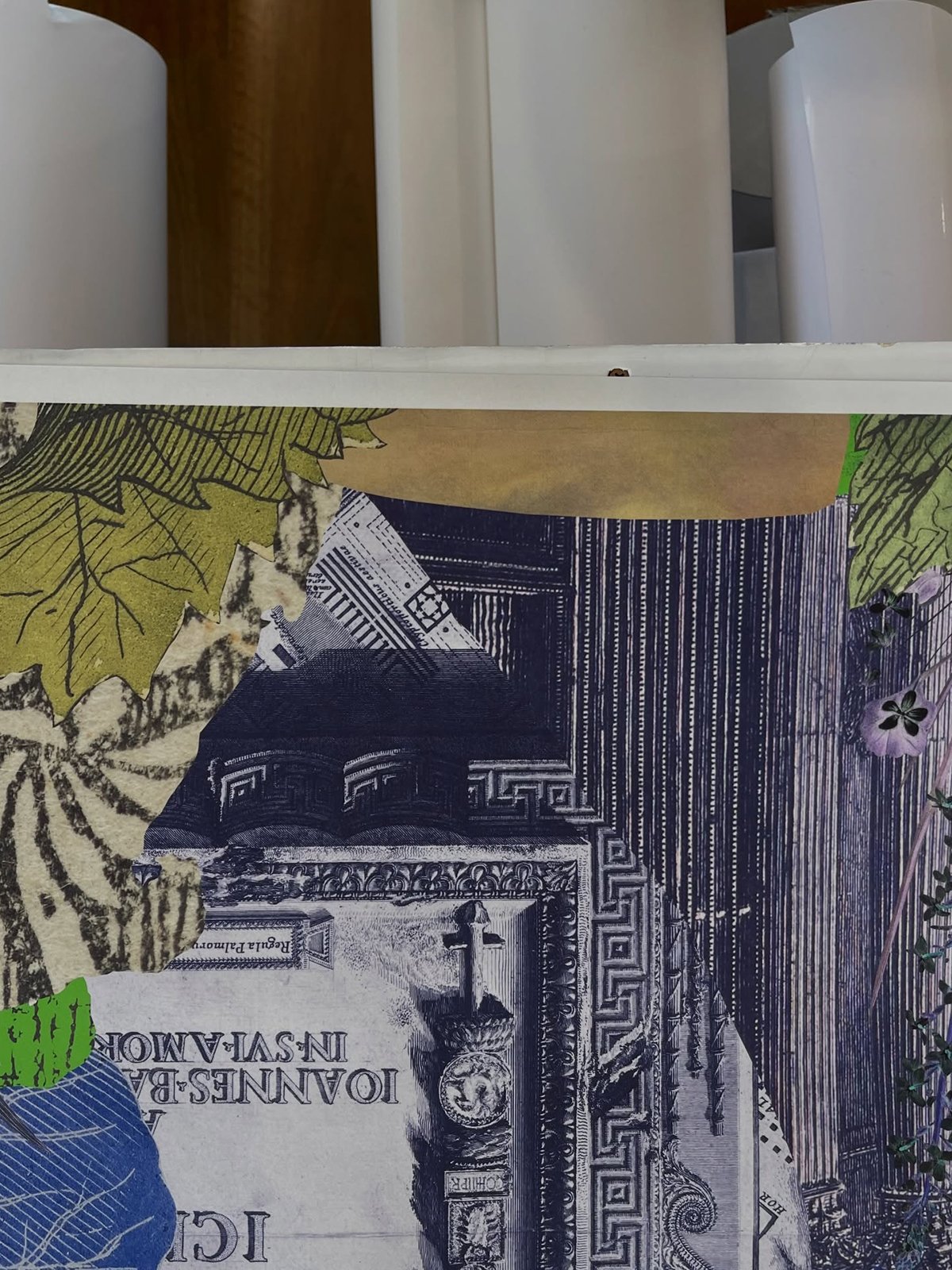
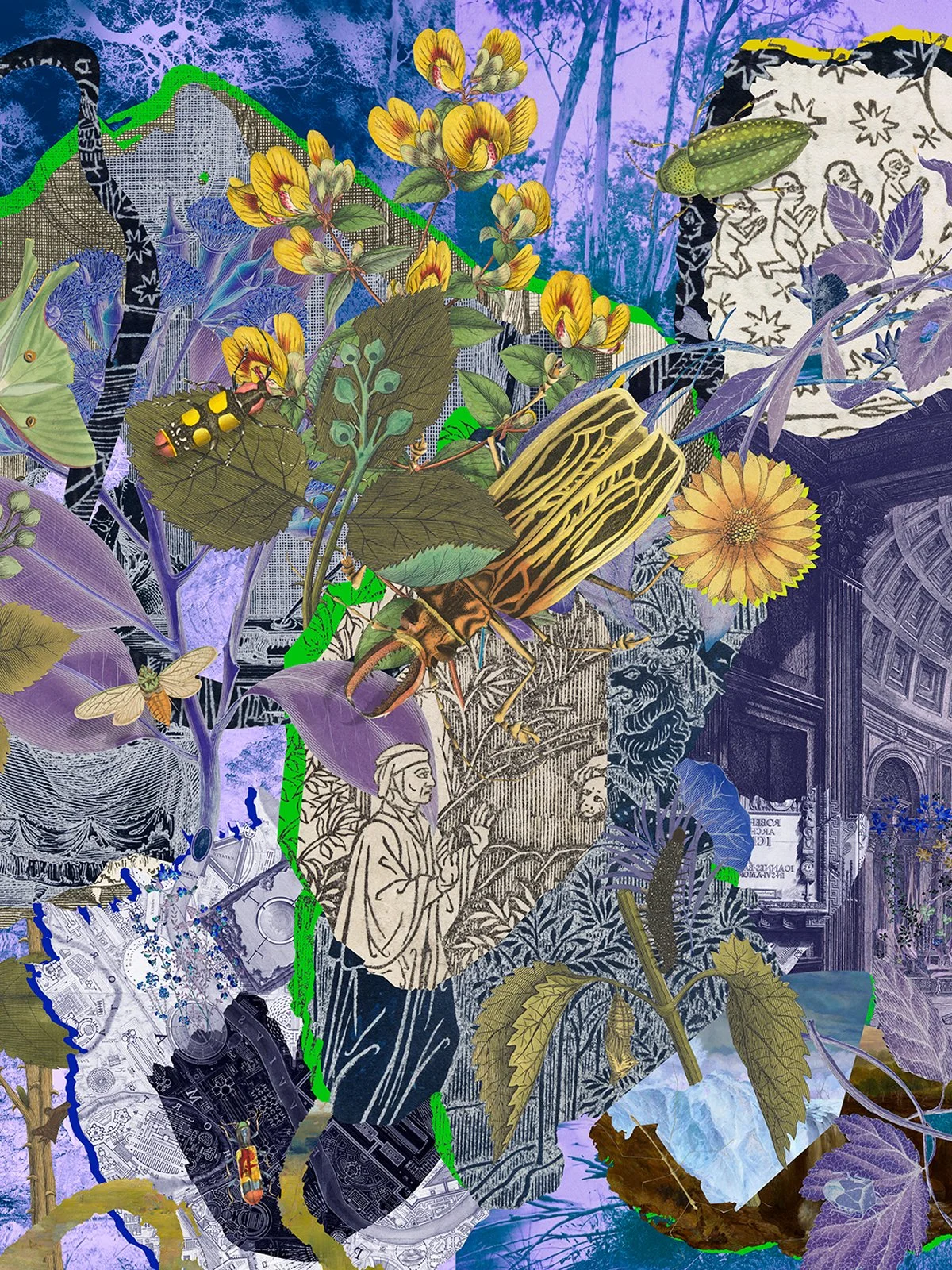
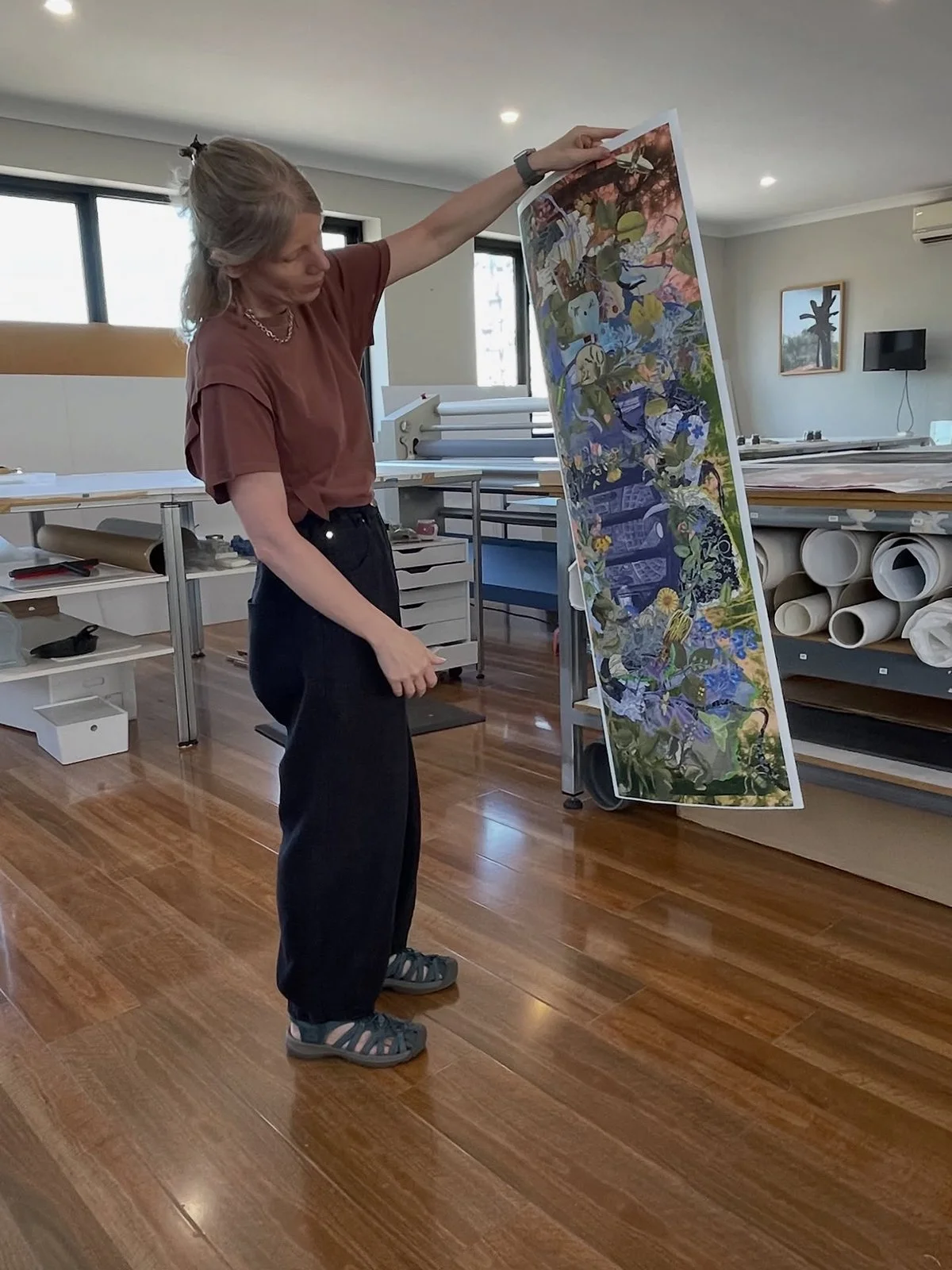
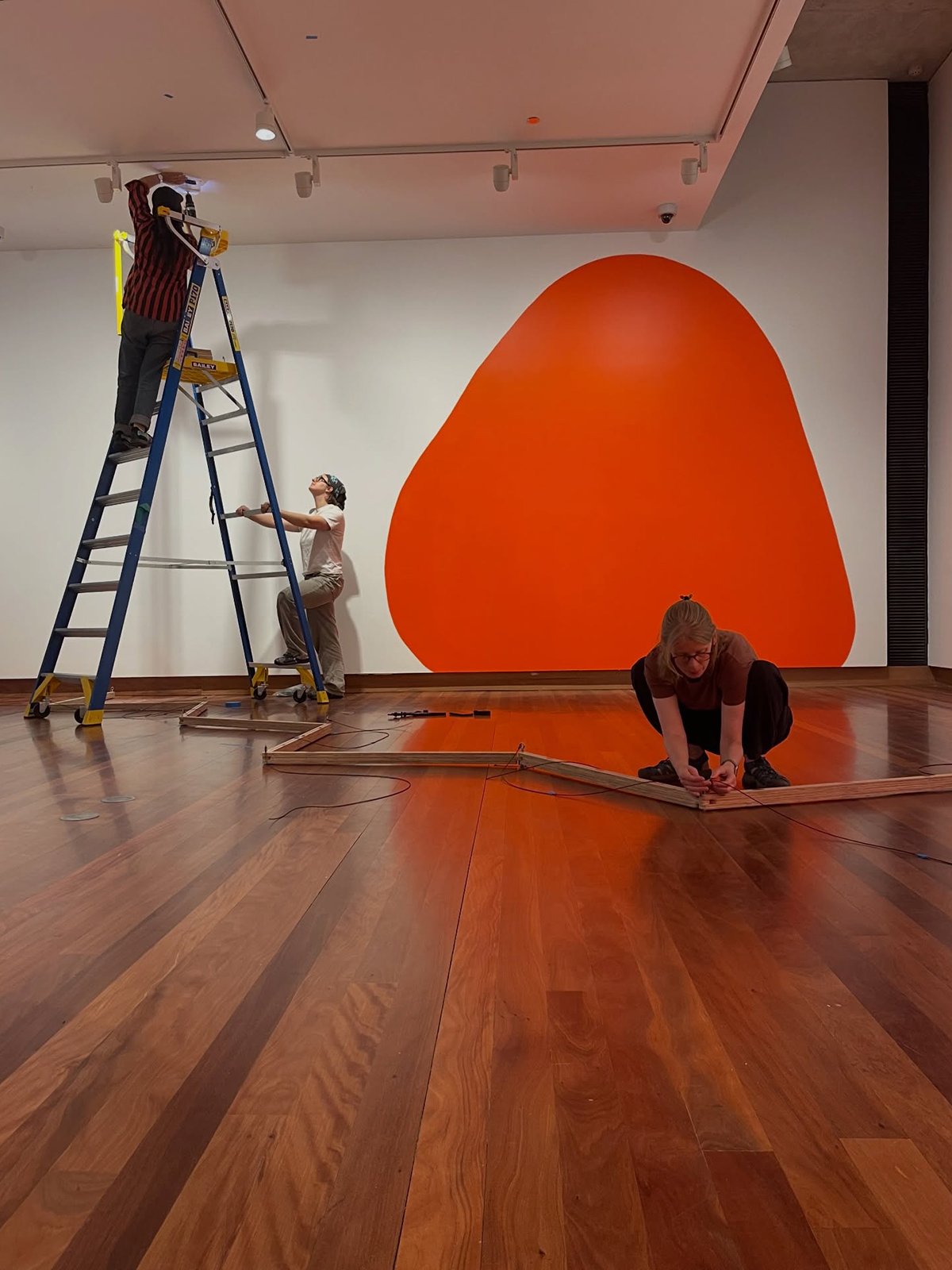
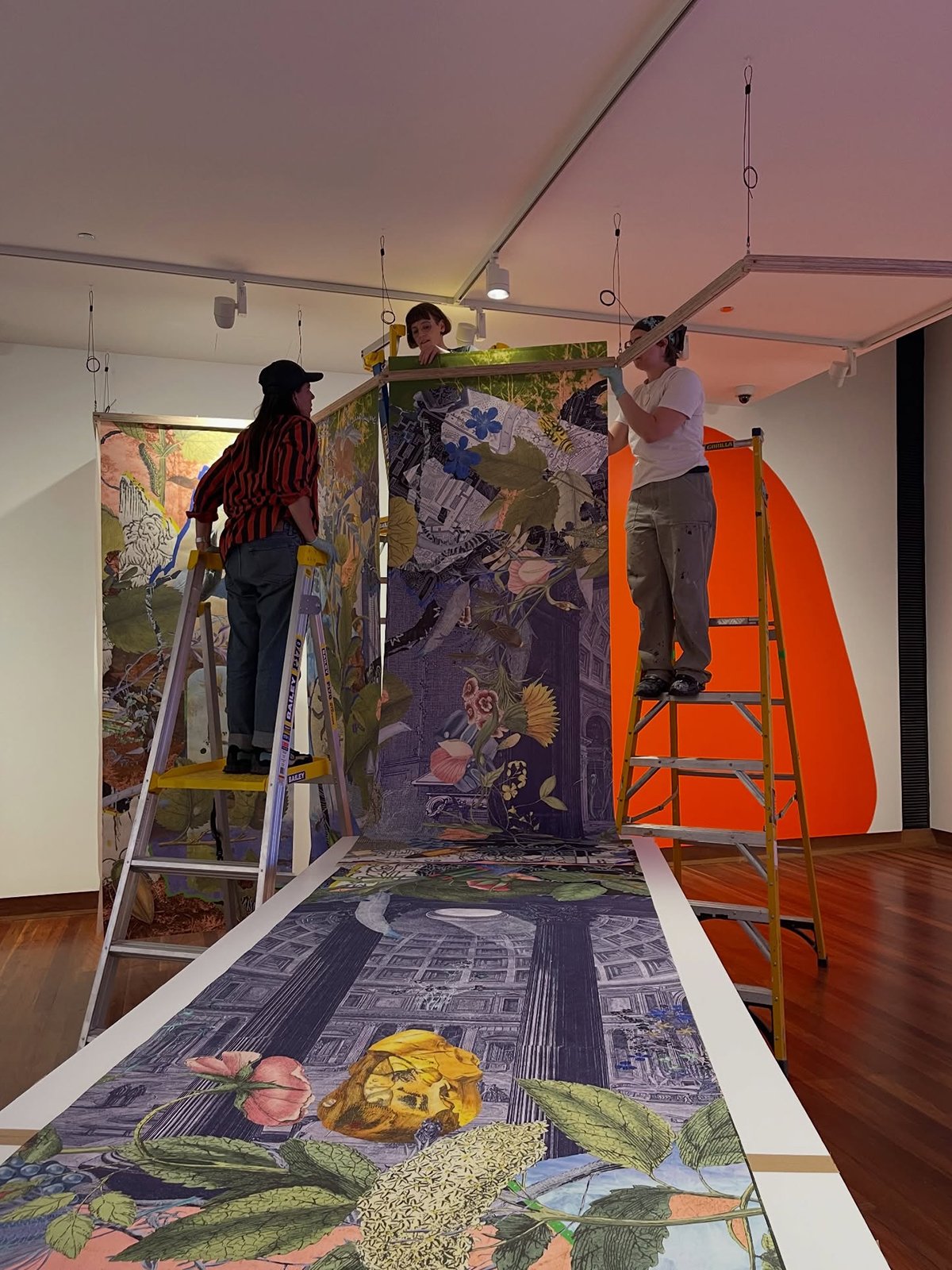
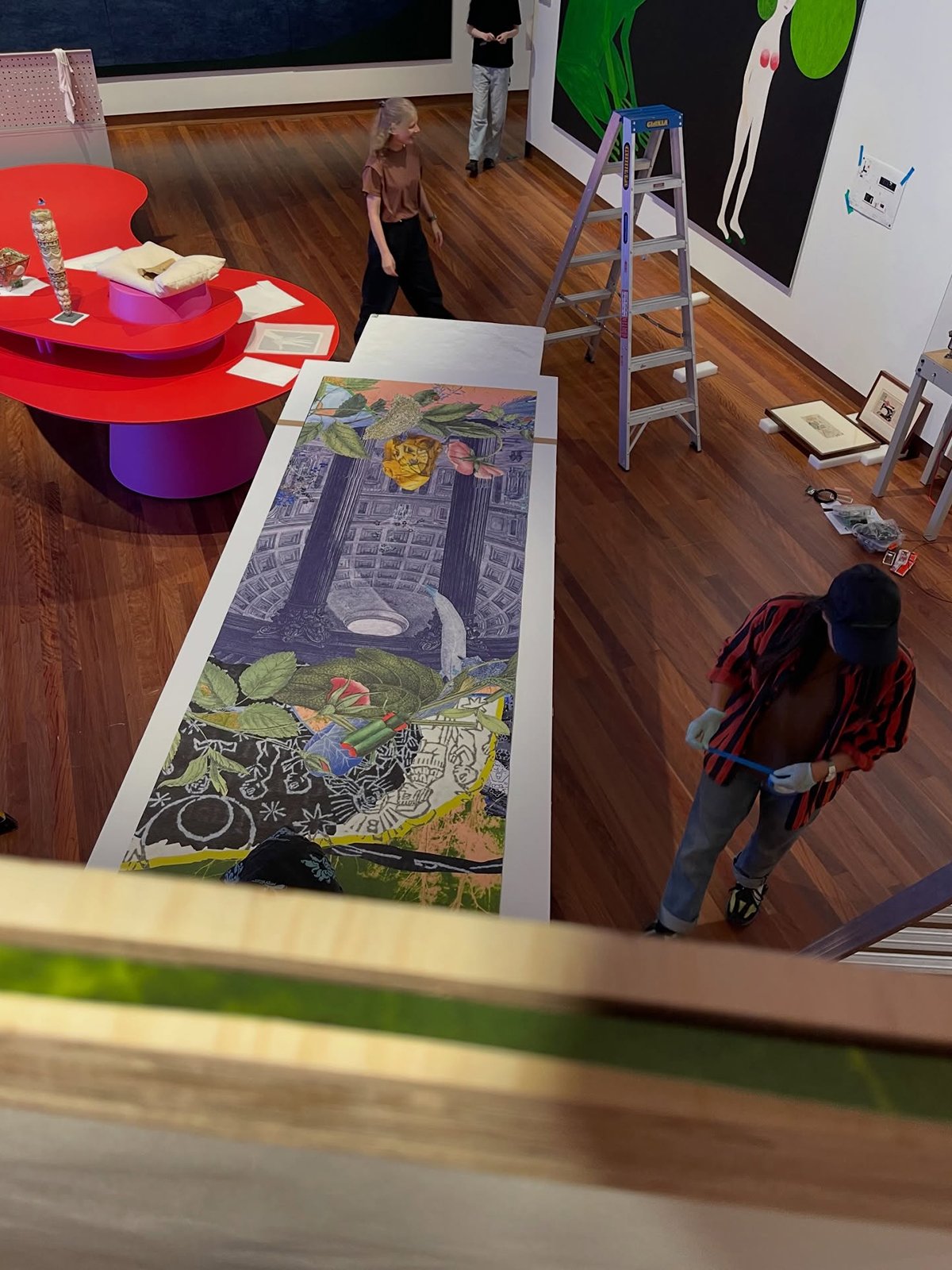
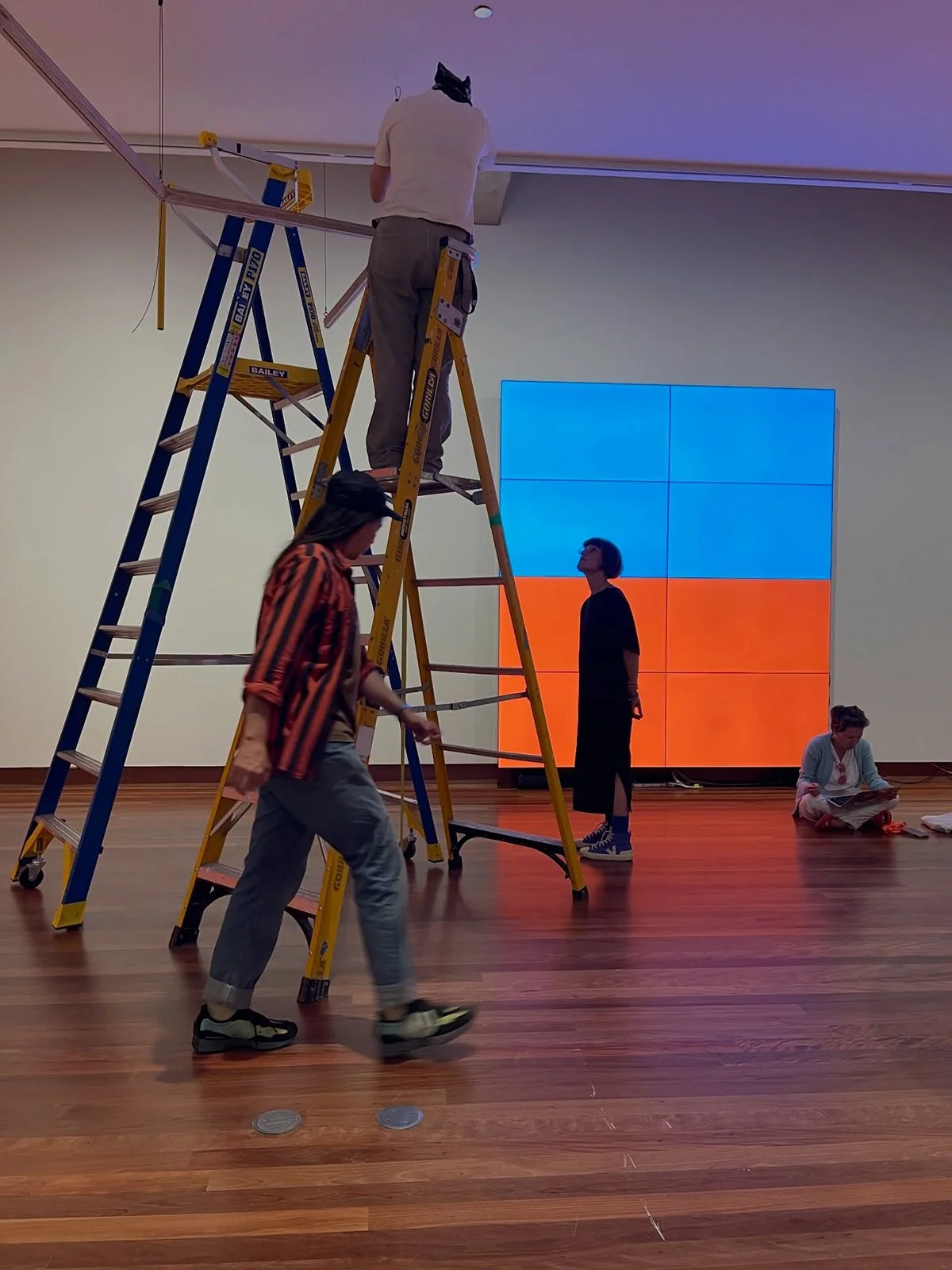
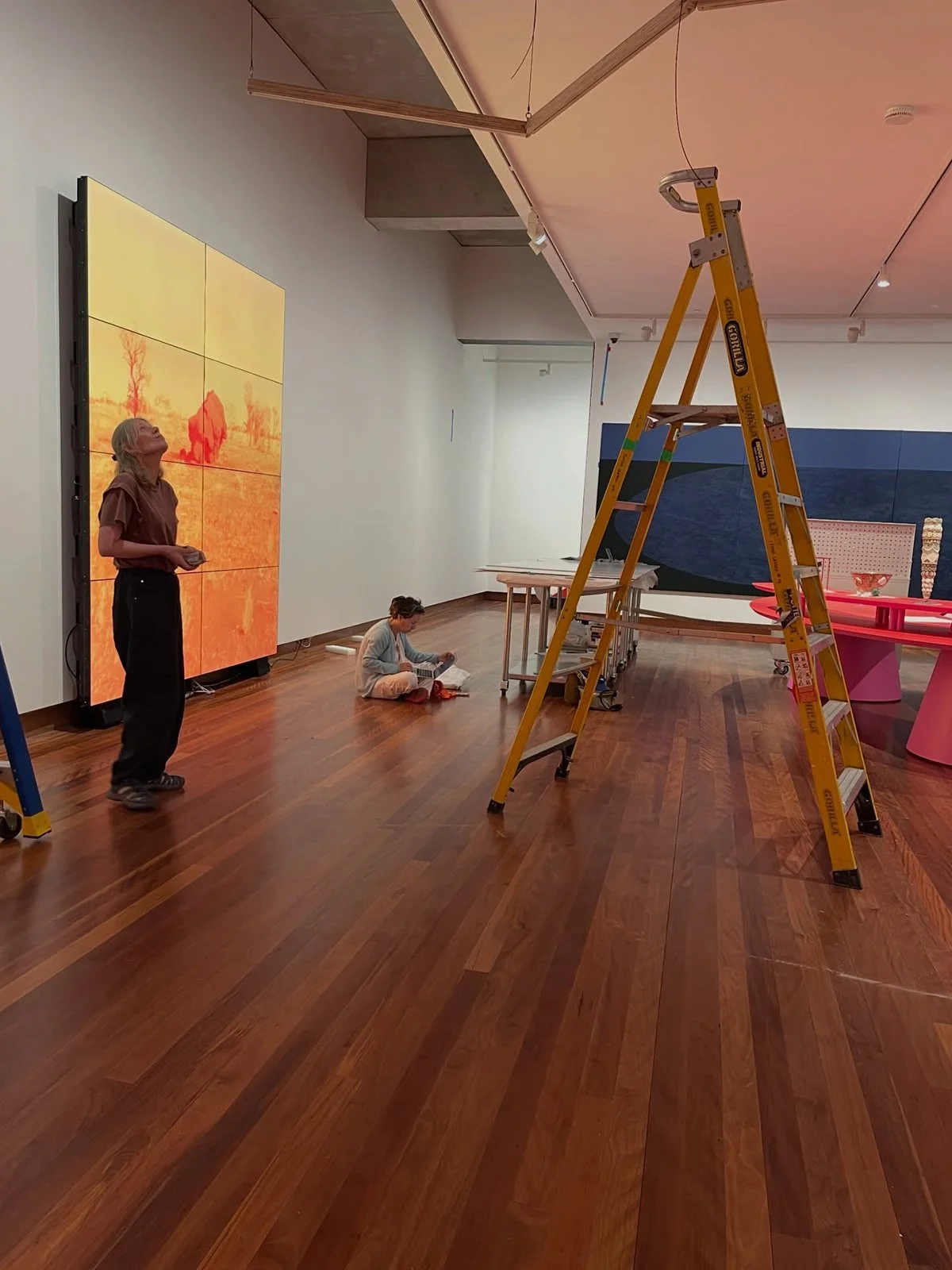
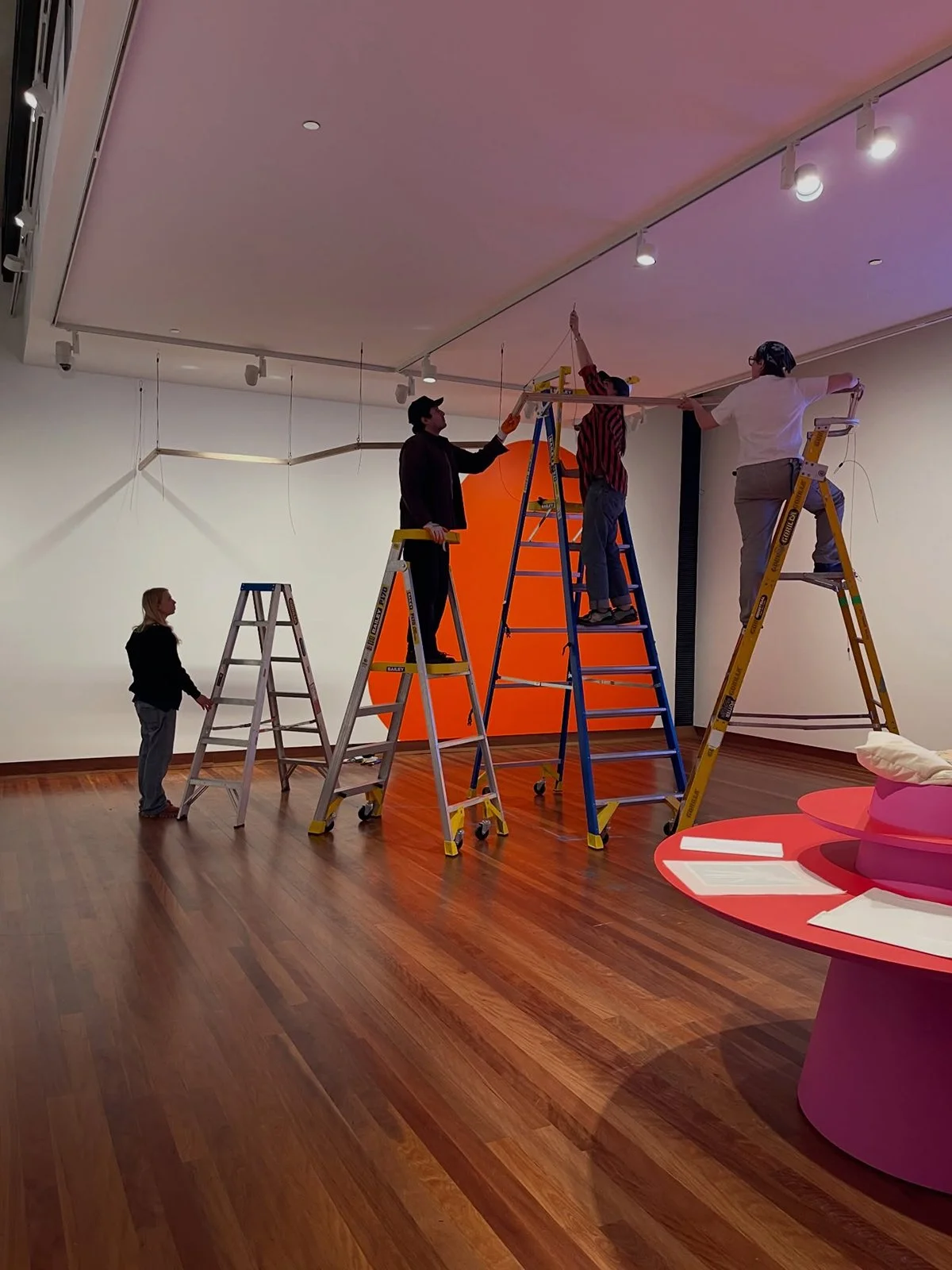
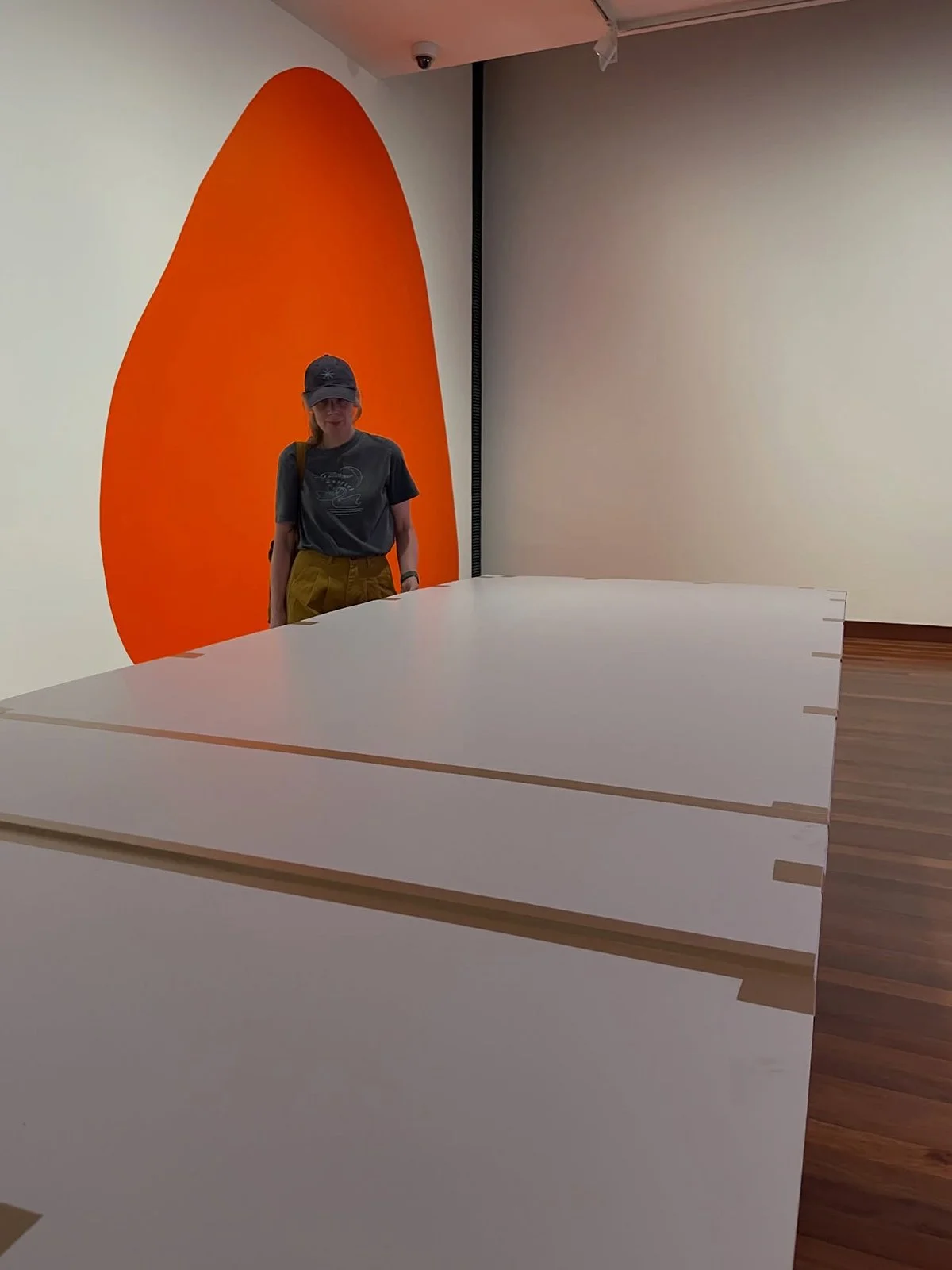
Over the past few days, we have had the absolute pleasure of seeing our Velvet ant take her final steps from conversation, idea, research, screen, redraft, tinker, inked, and spliced to installed in the gallery. Our ‘tiny world’ writ large of a single Velvet ant’s journey is a digital collage, spanning 8 metres in length.
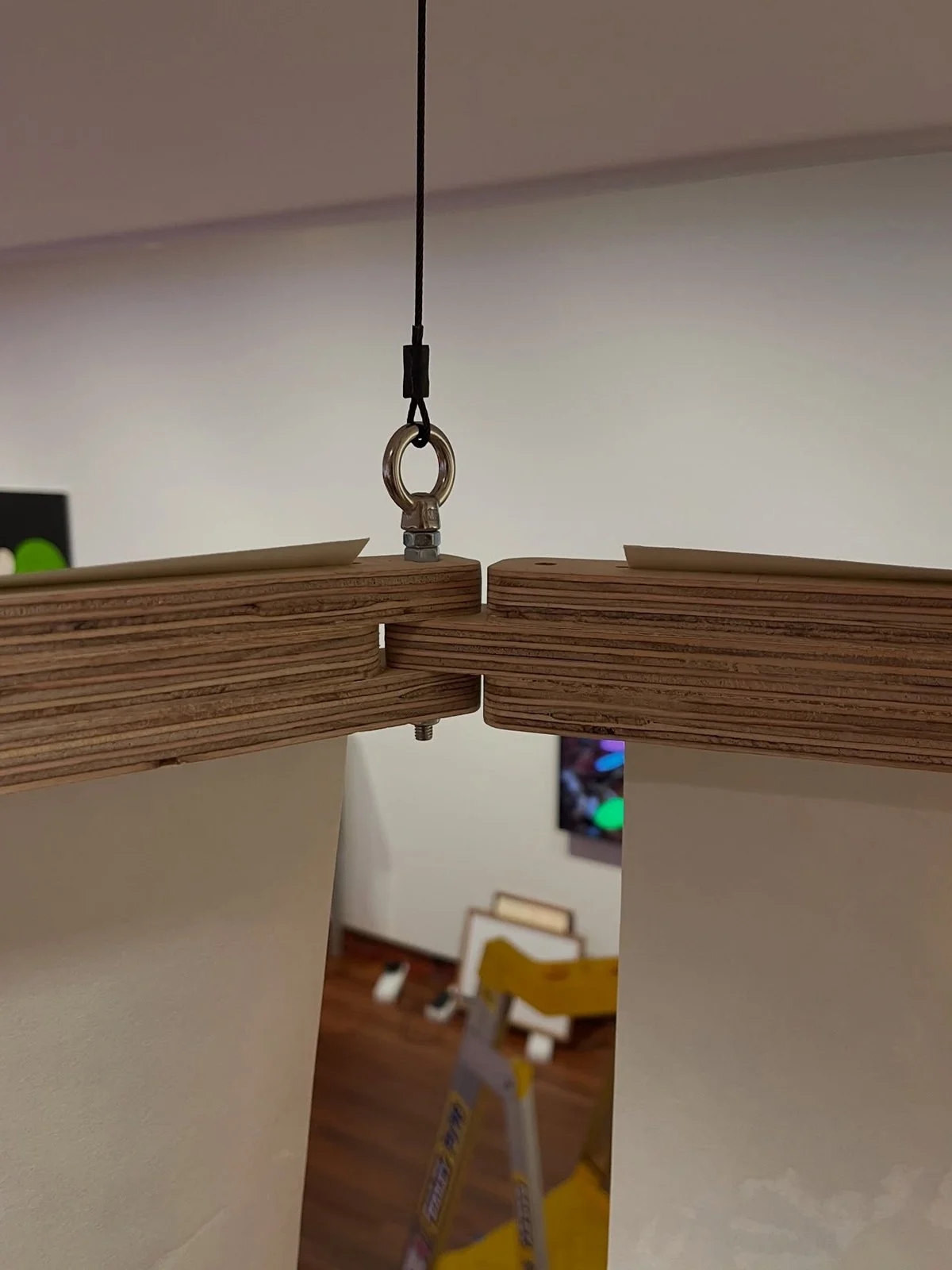
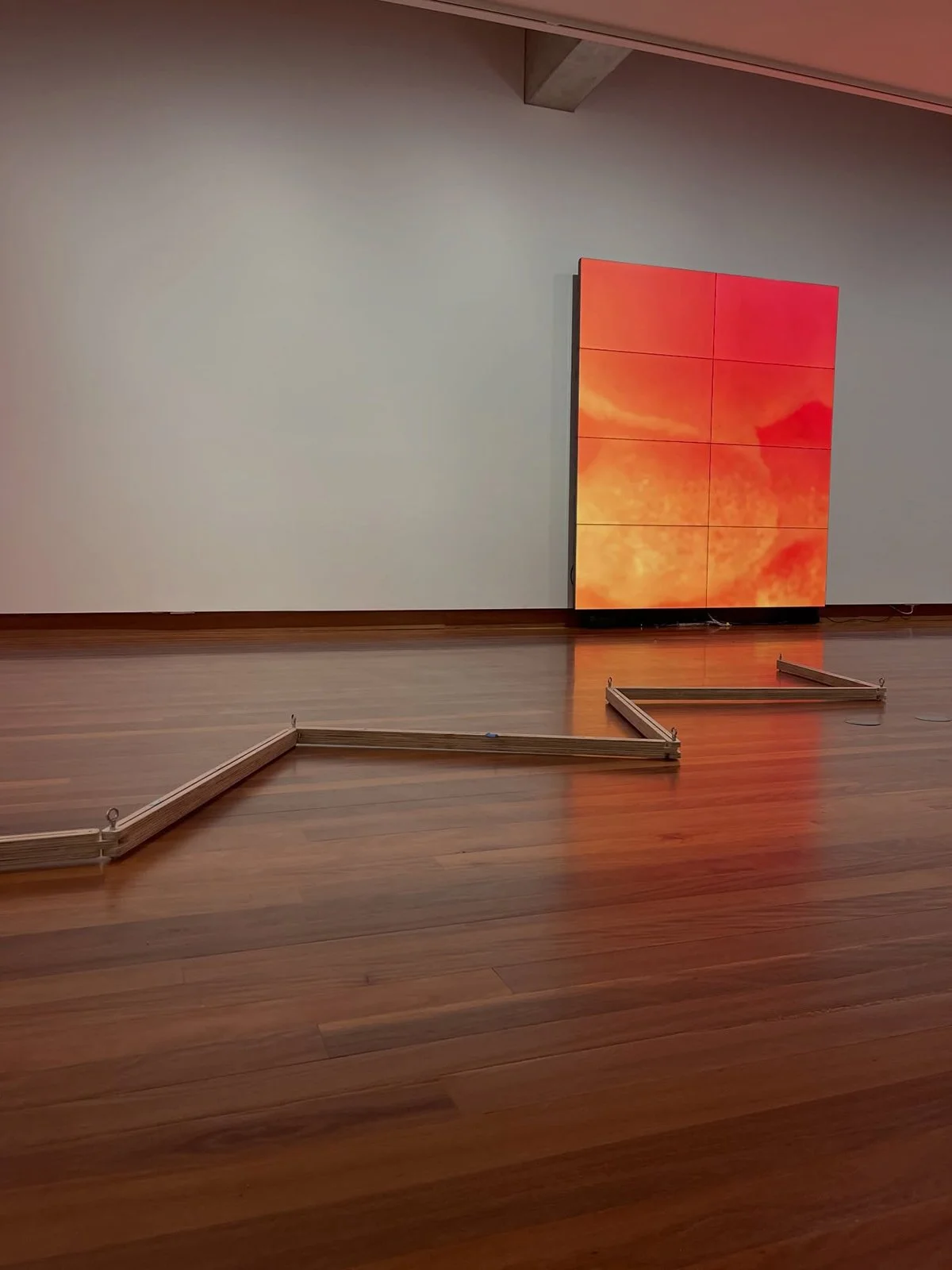
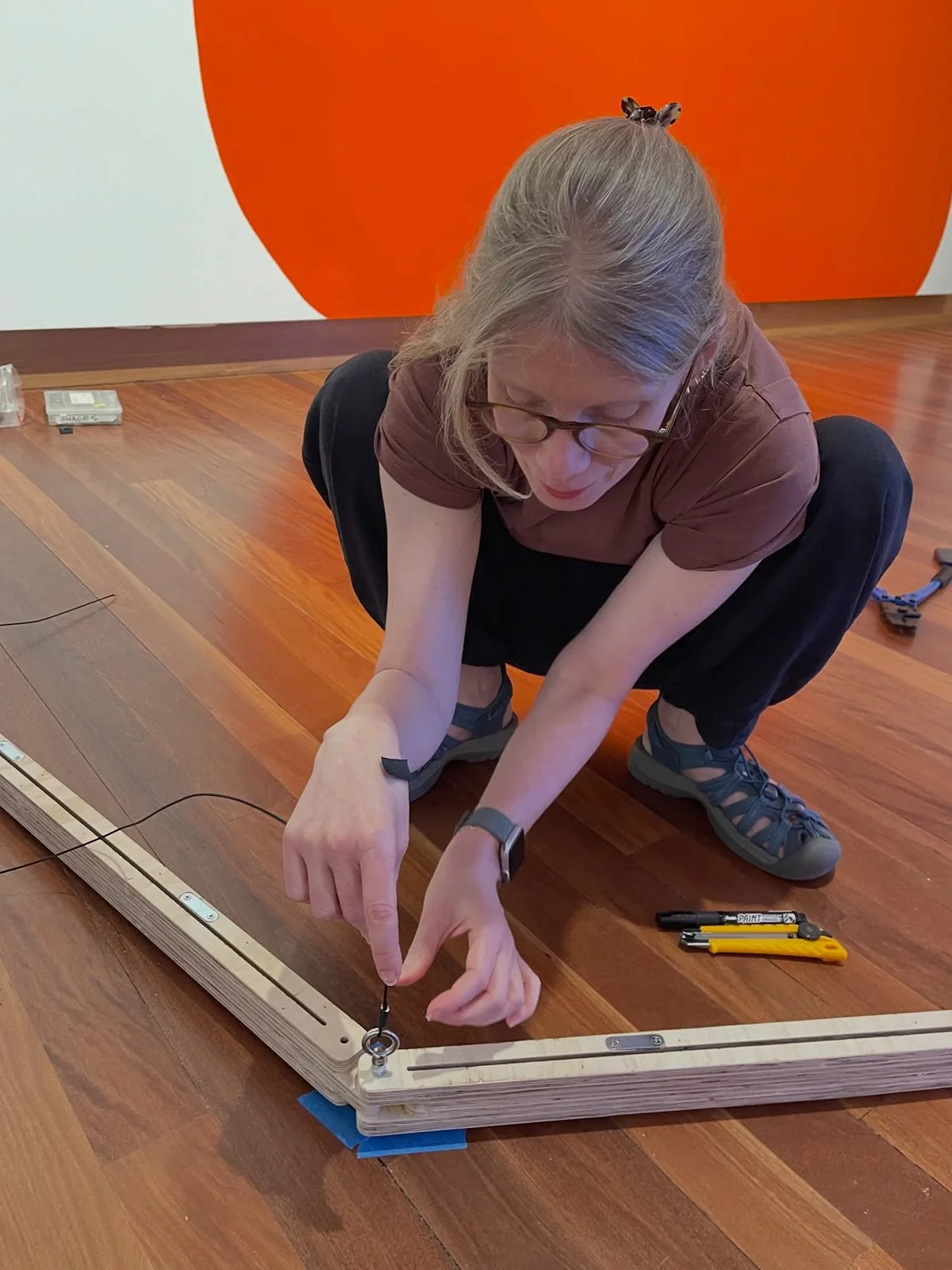
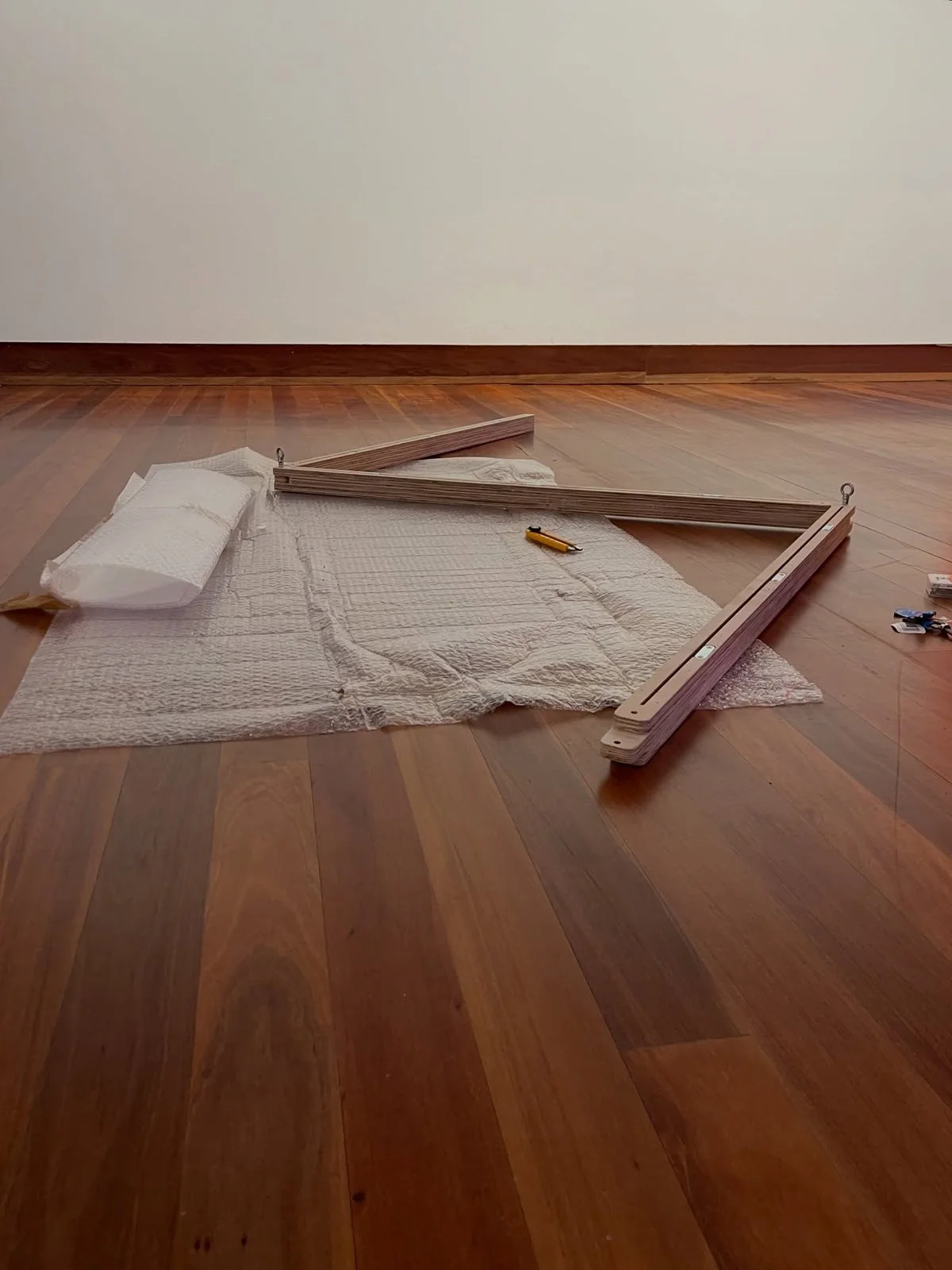
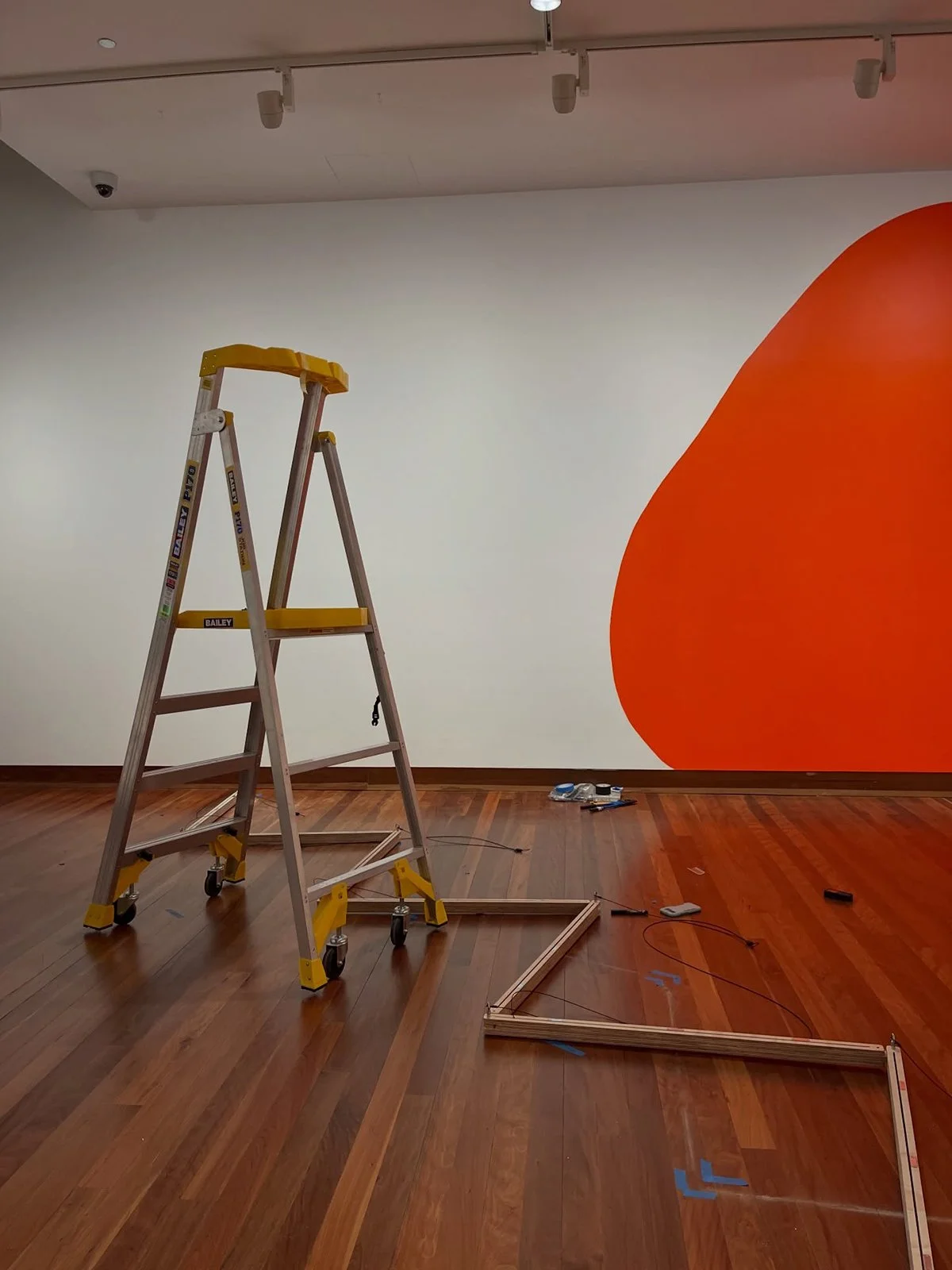
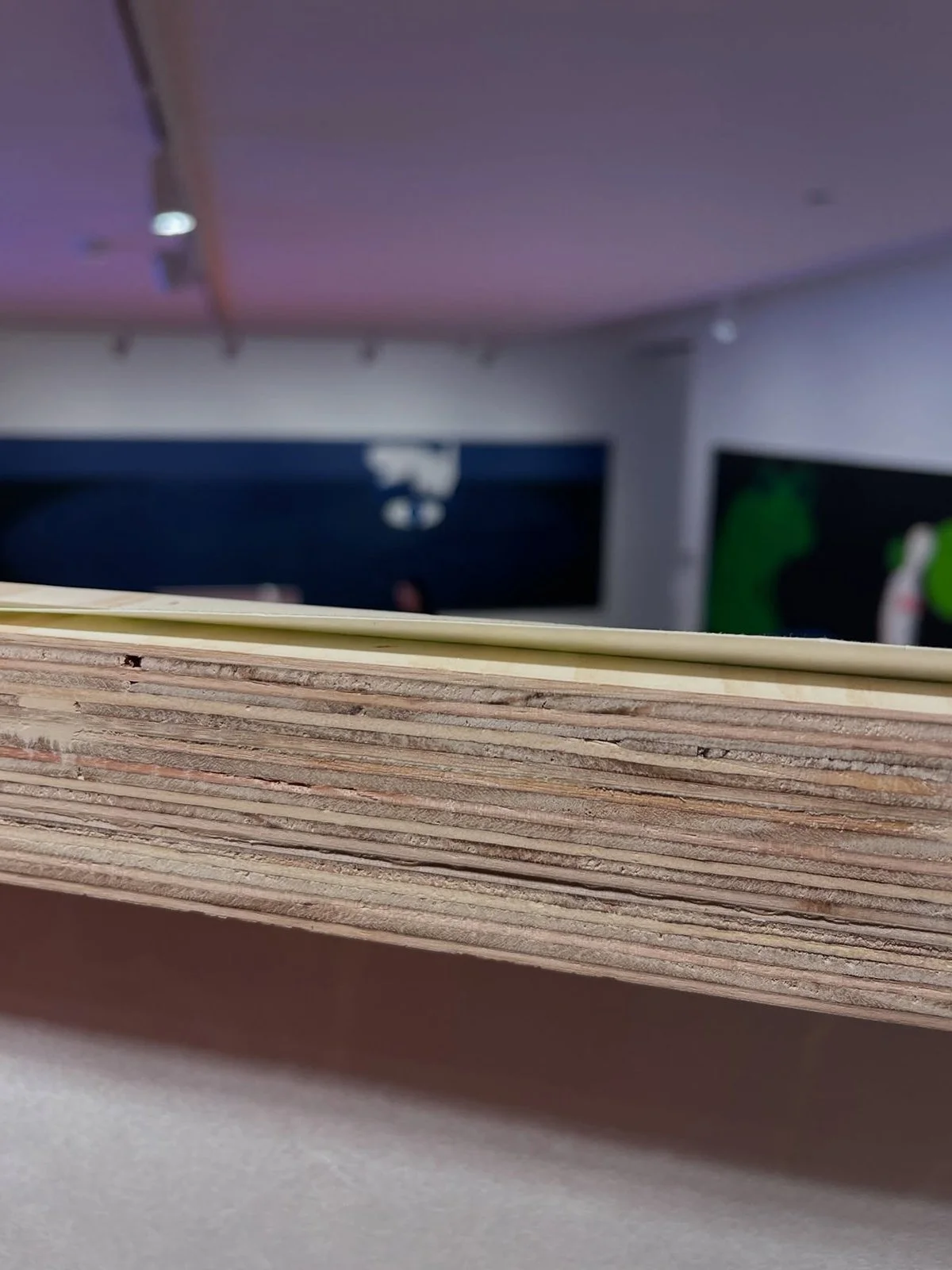
Our floating concertina consists of eight individual drops, which hang from a timber mechanism, fabricated, also, by Luke at Arten. And like the Velvet ant’s antennae, which enable her to smell her world and in doing so add to her understanding of it, this series of connected screens is responsive; it can compress or extend within the space, altering the angle and, thereby, the visual relationships. It can also flutter, somewhat. An archival inkjet print on Moenkopi Kozo 110, a Traditional Japanese Washi paper, there is also a hint of a wing-like transparency to the pages of ‘Specimen 1963’, as she awaits the exhibition’s opening.
Thank-you for this glorious opportunity, Chus Martínez, Pippa Milne and all at the Potter Museum of Art. Installing this with you is proving a thrill!
Next step: illumination!
A Velvet ant, a flower and a bird opens Thursday the 19th of February, 2026.
Image credit: Gracia Haby & Louise Jennison, Specimen 1963 (detail), 2026
