Tiny February
Wildlife Care
To paraphrase the curator Chus Martínez (@the_chus_martinez), at the recent farewell artists’ brunch, sometimes things might look like an ending, but they are often just the beginning. The transition from one state to another, it can often be read this way. And so it felt, for The giant flower festival for the opening weekend of the A velvet ant, a flower and bird exhibition: the start of a community, and ideas to delve into.
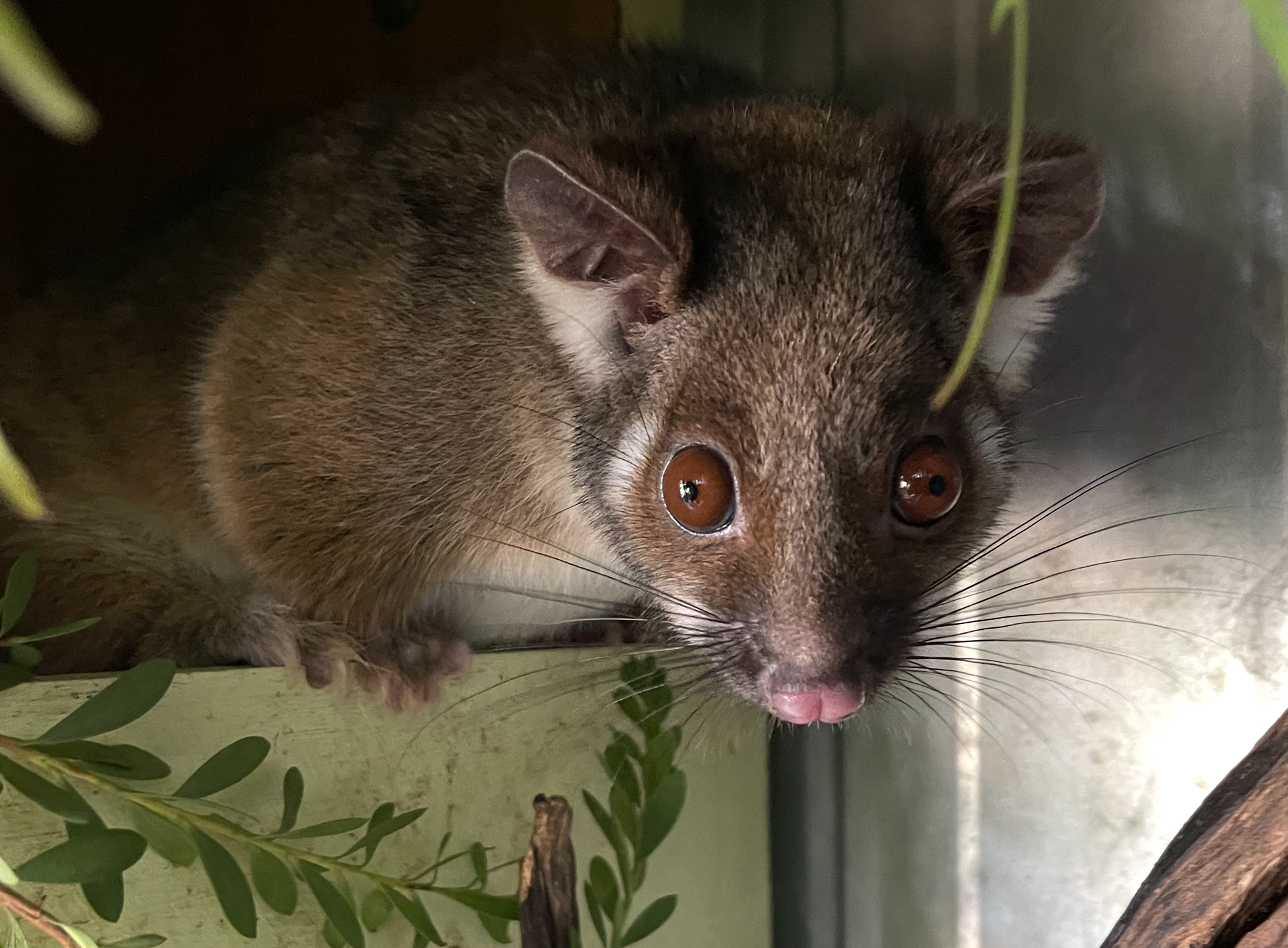
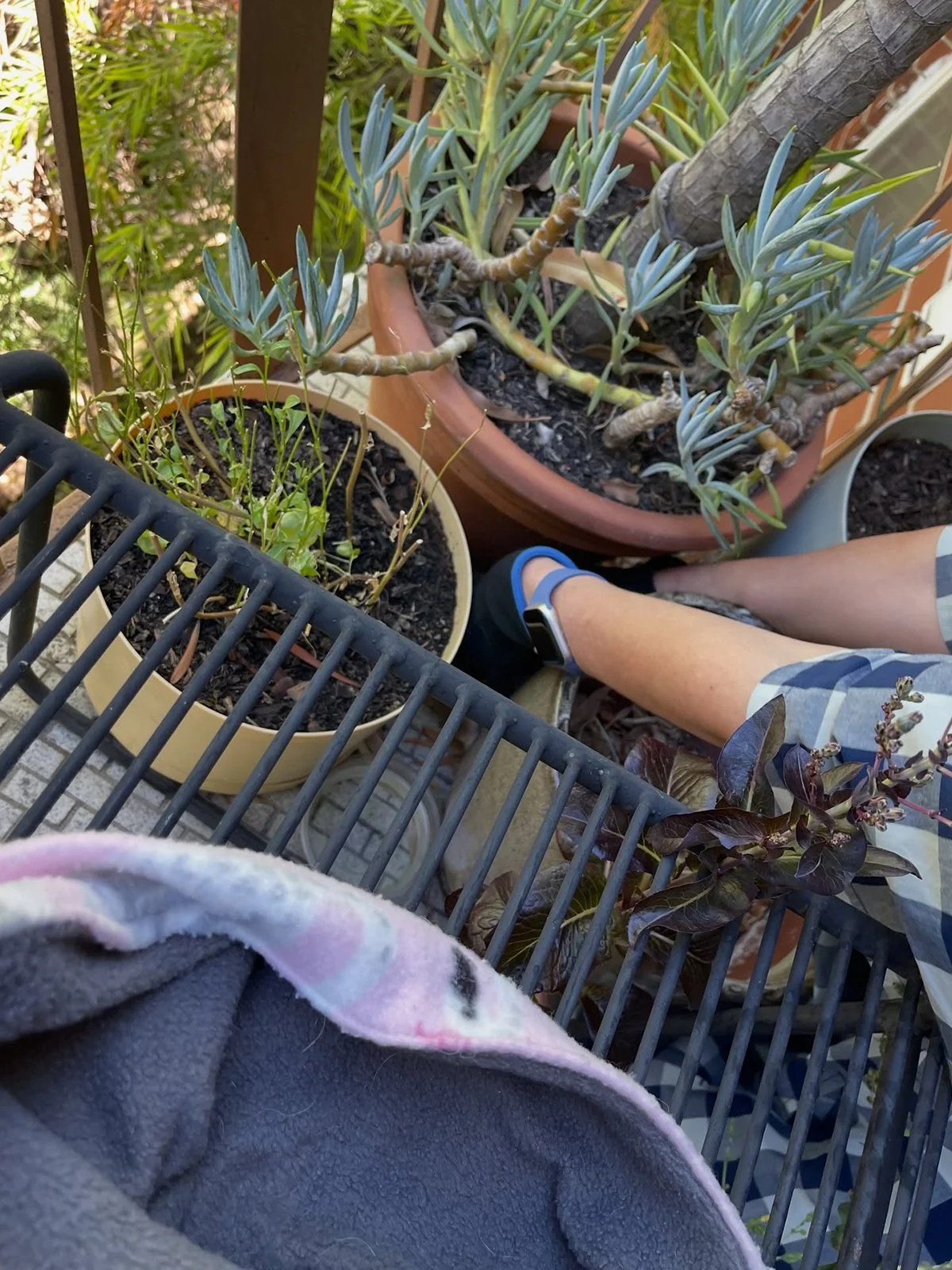
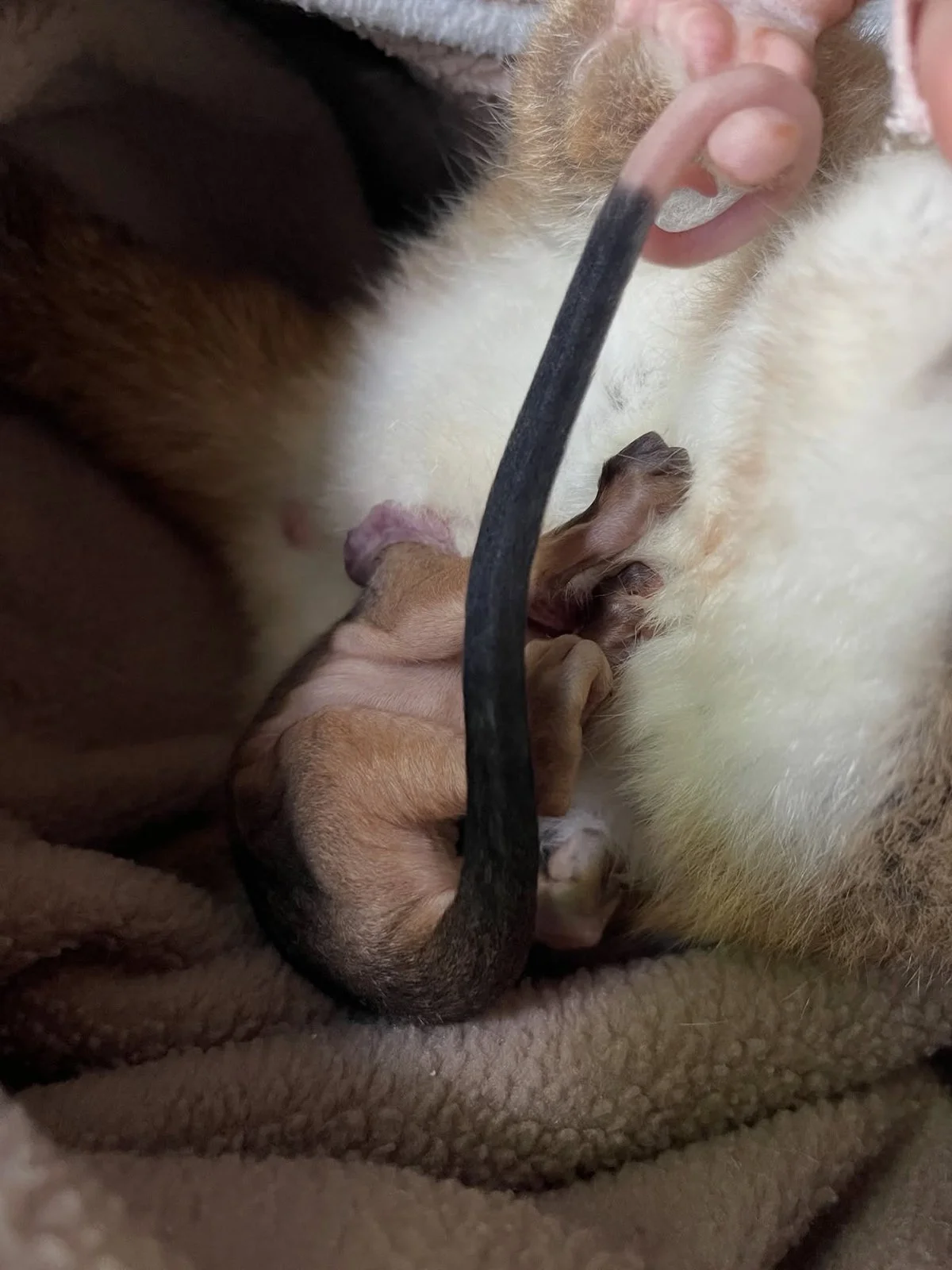
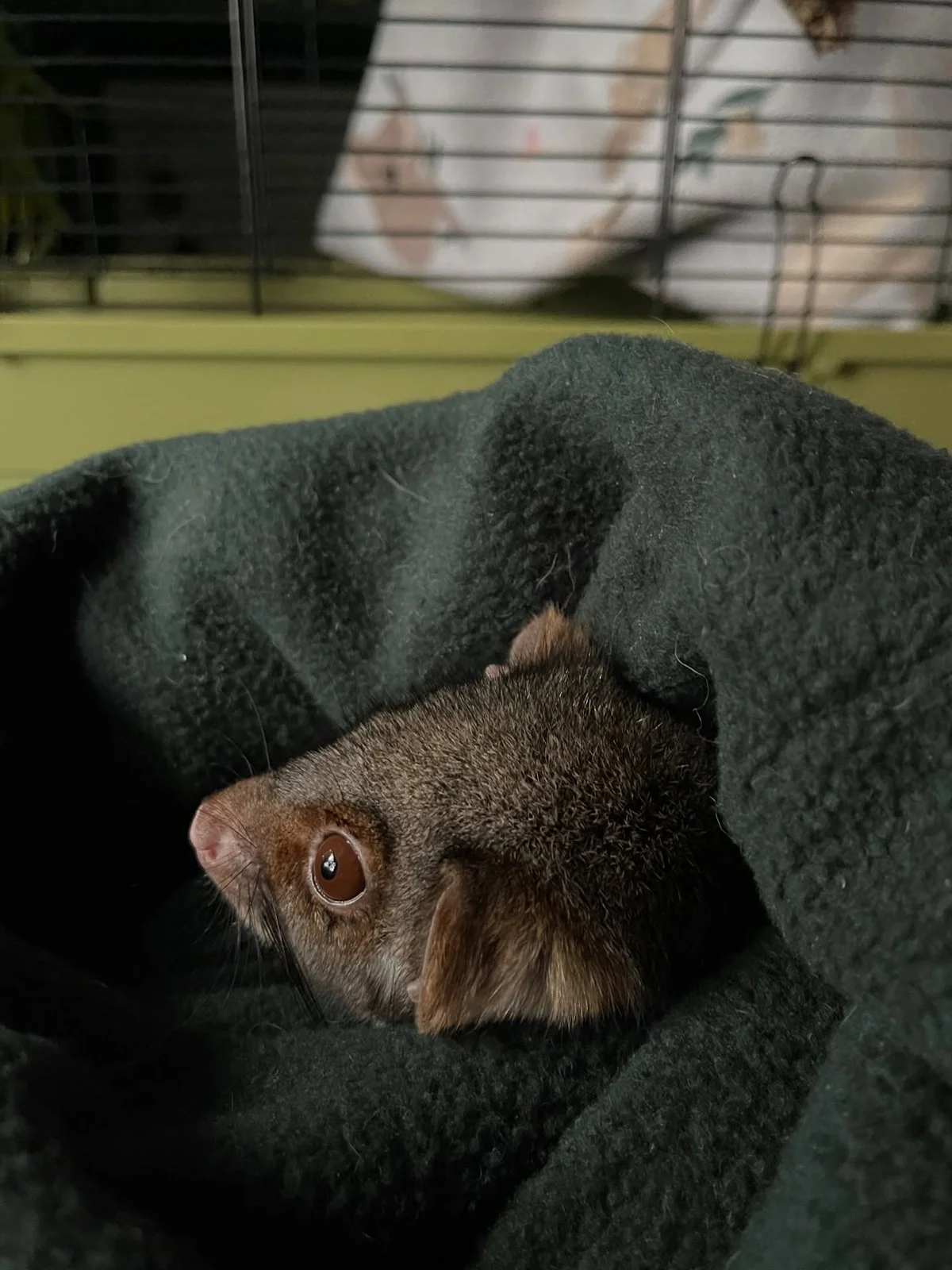
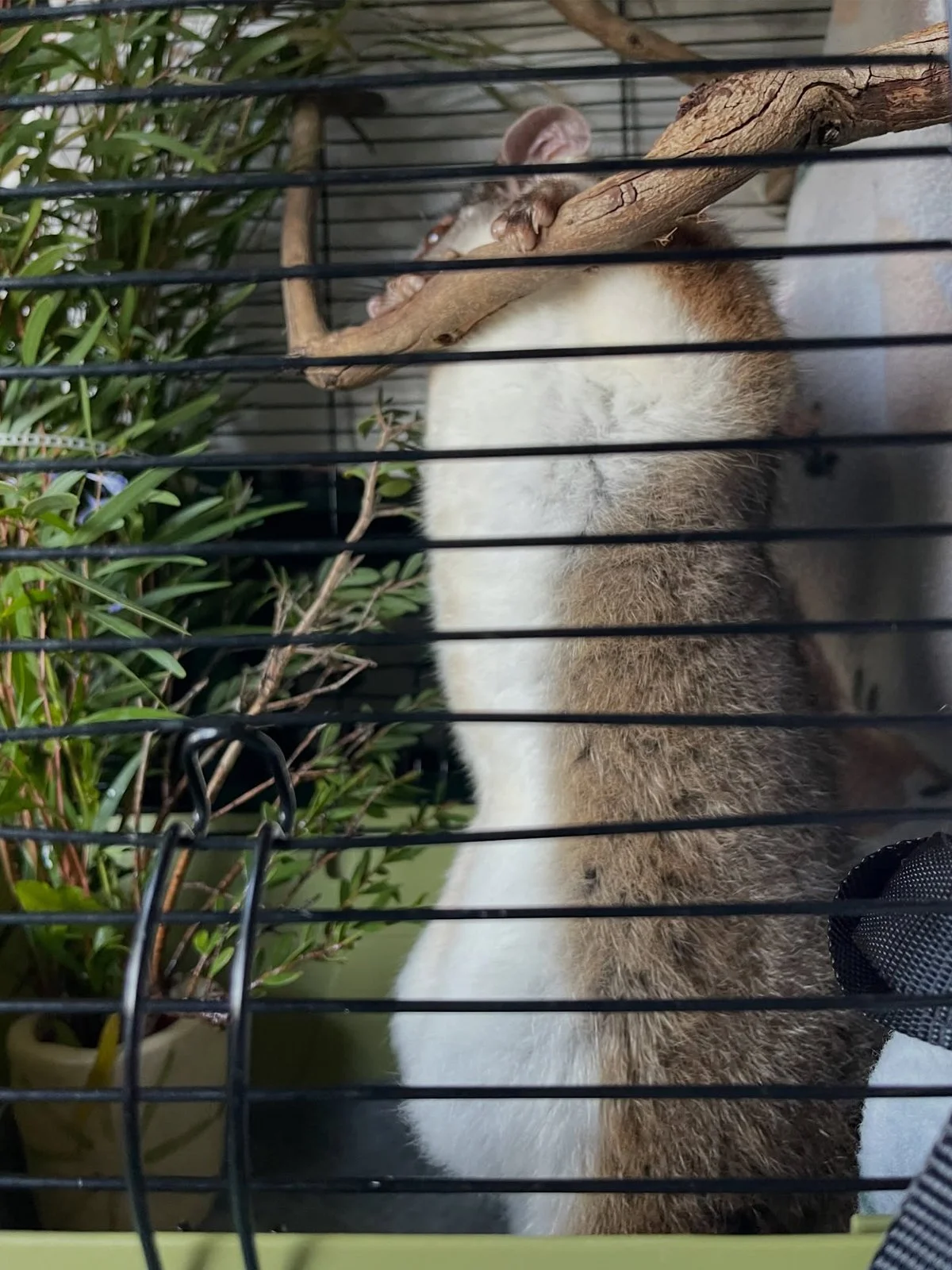
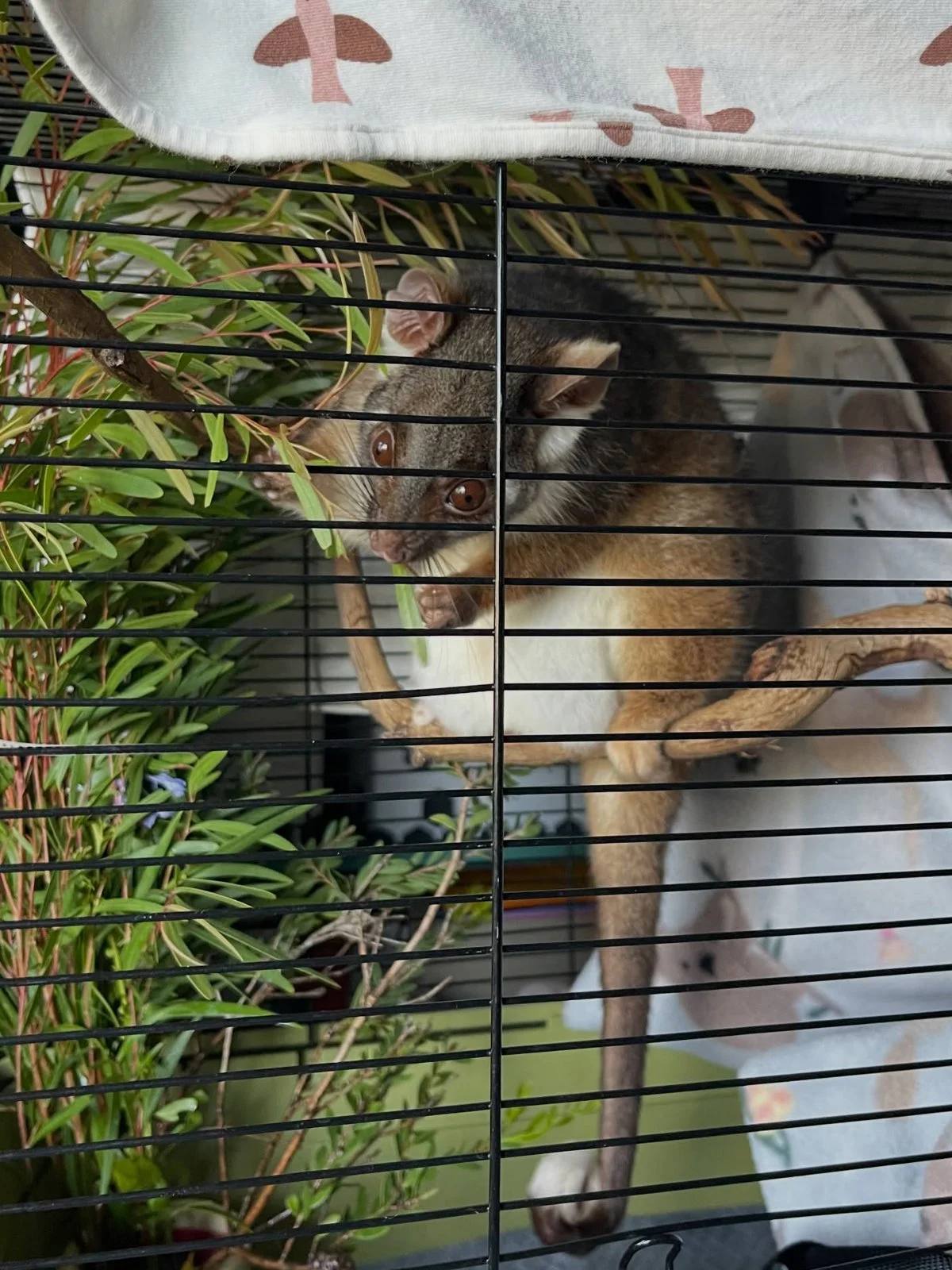
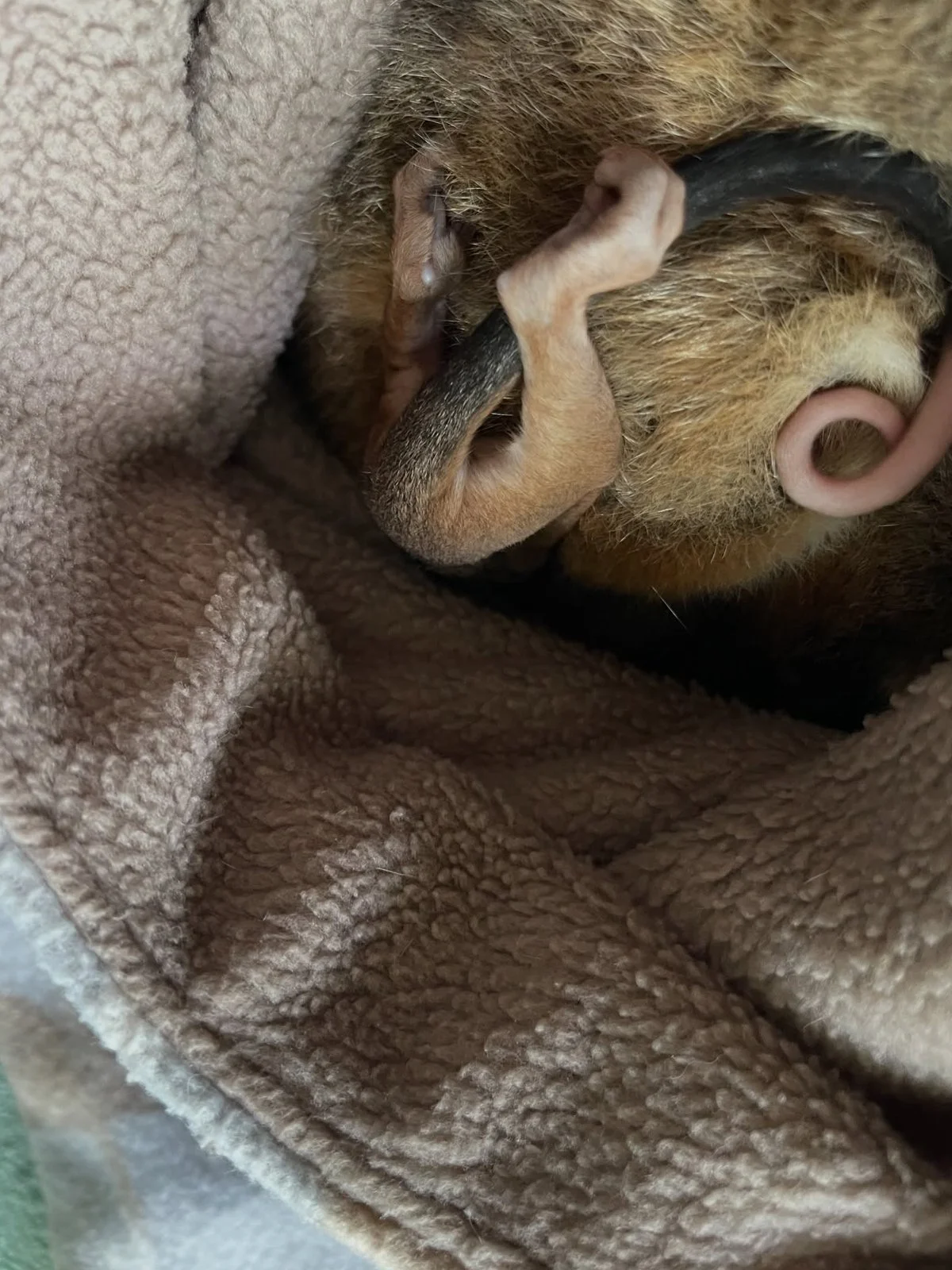
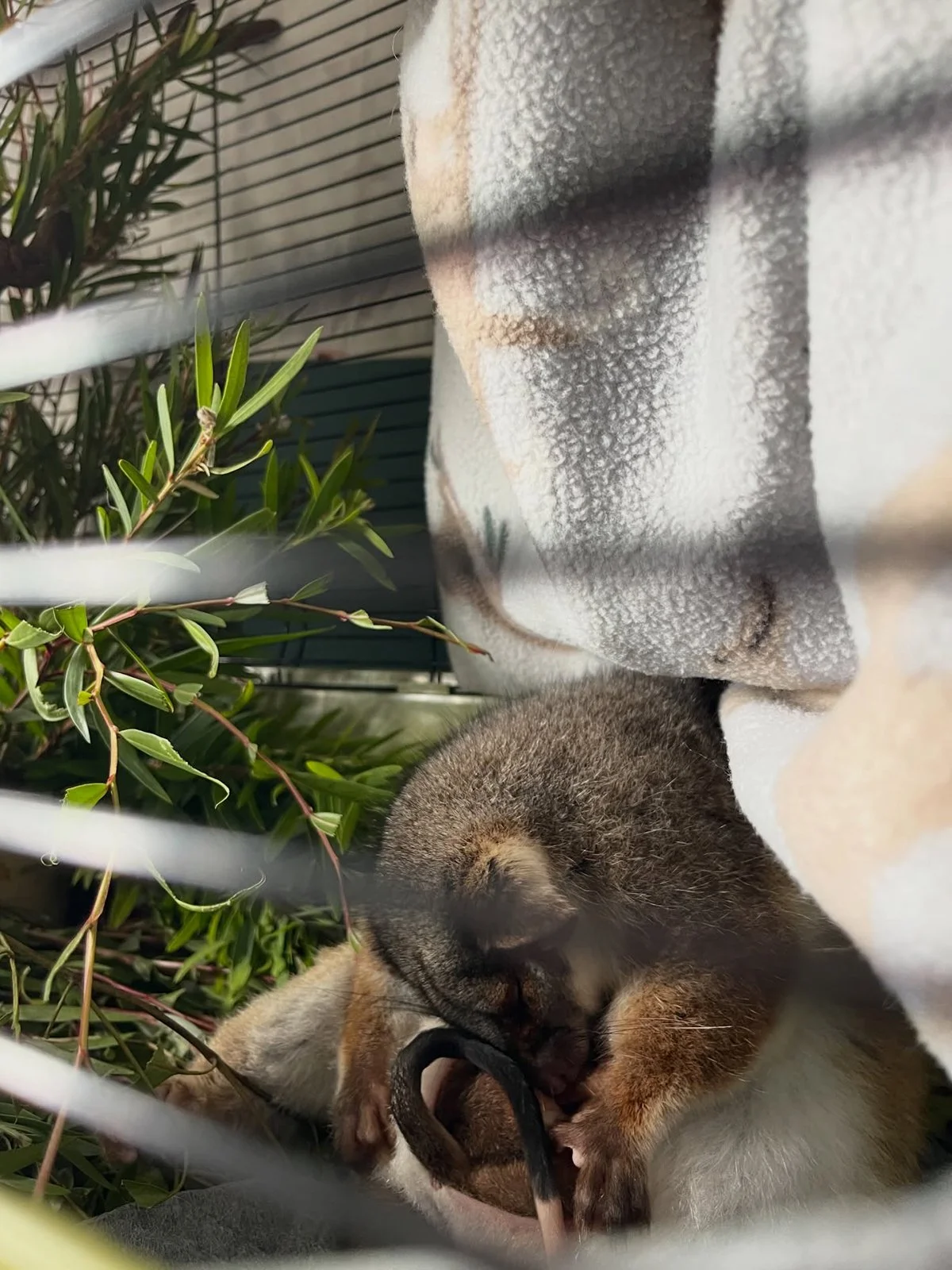
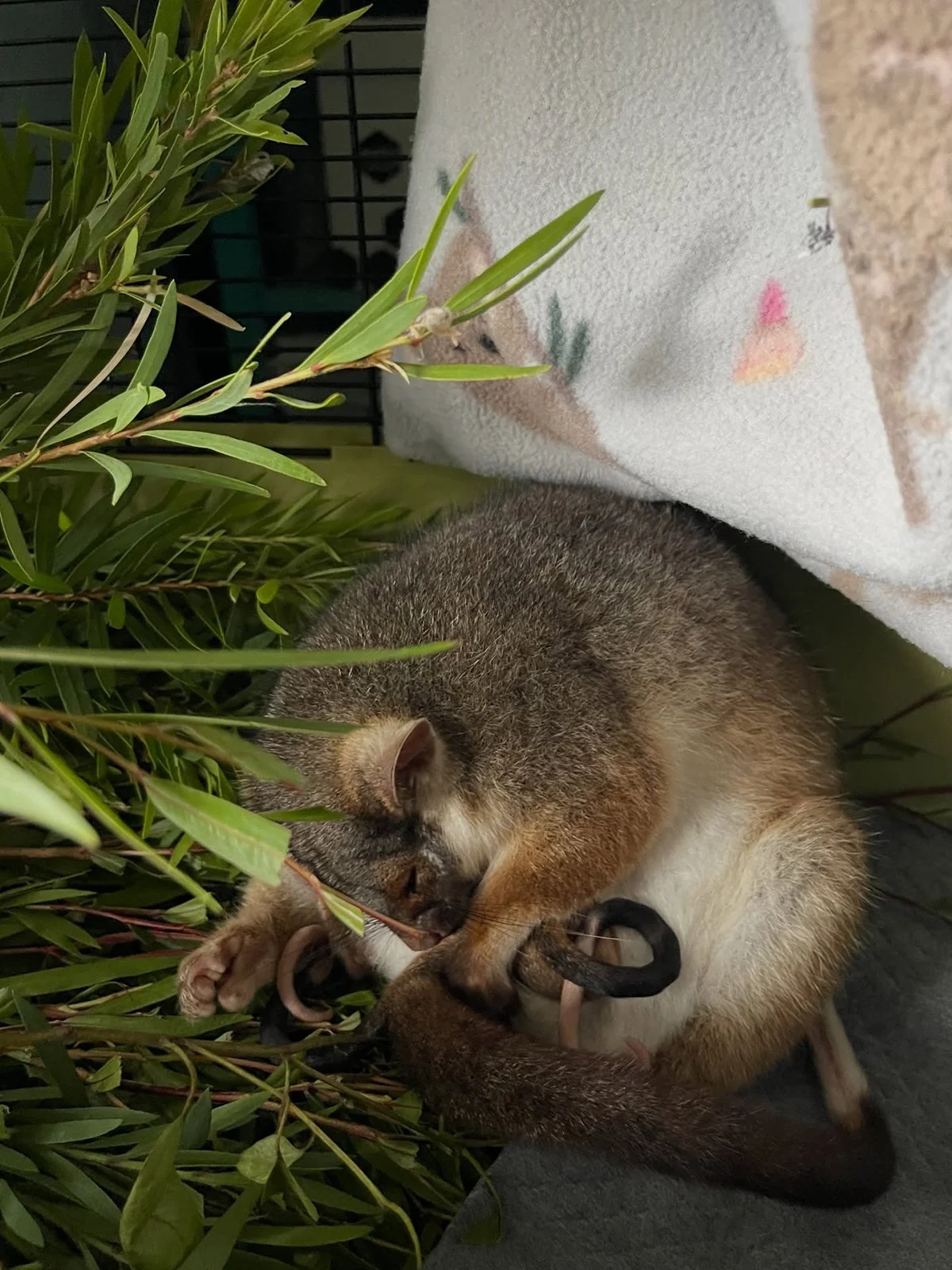
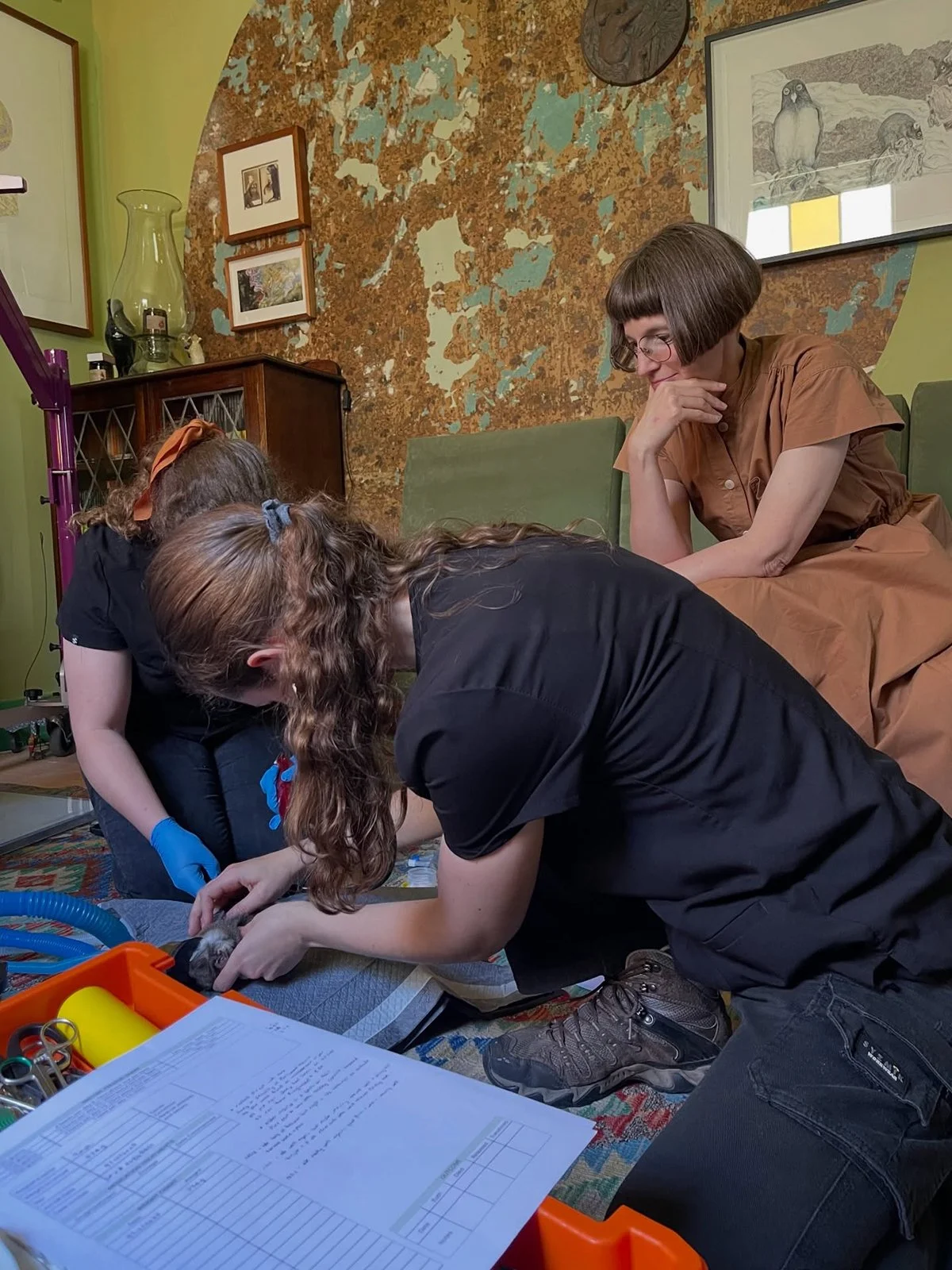
An embodiment of this feeling was the rescue of a female ringtail possum with Ingela (@blodfrukten_fran_istiden) and Peter (@petherrlaaauhrssson). Named, Ingeborg, the possum, found exposed on a third-storey open-balcony stairwell in North Fitzroy, and called into Wildlife Victoria (@wildlifevictoria), had a very large pouch. Once tucked up to rest in an enclosure indoors, upon examination, we discovered Ingeborg was with two joeys (please scroll across to see video footage).
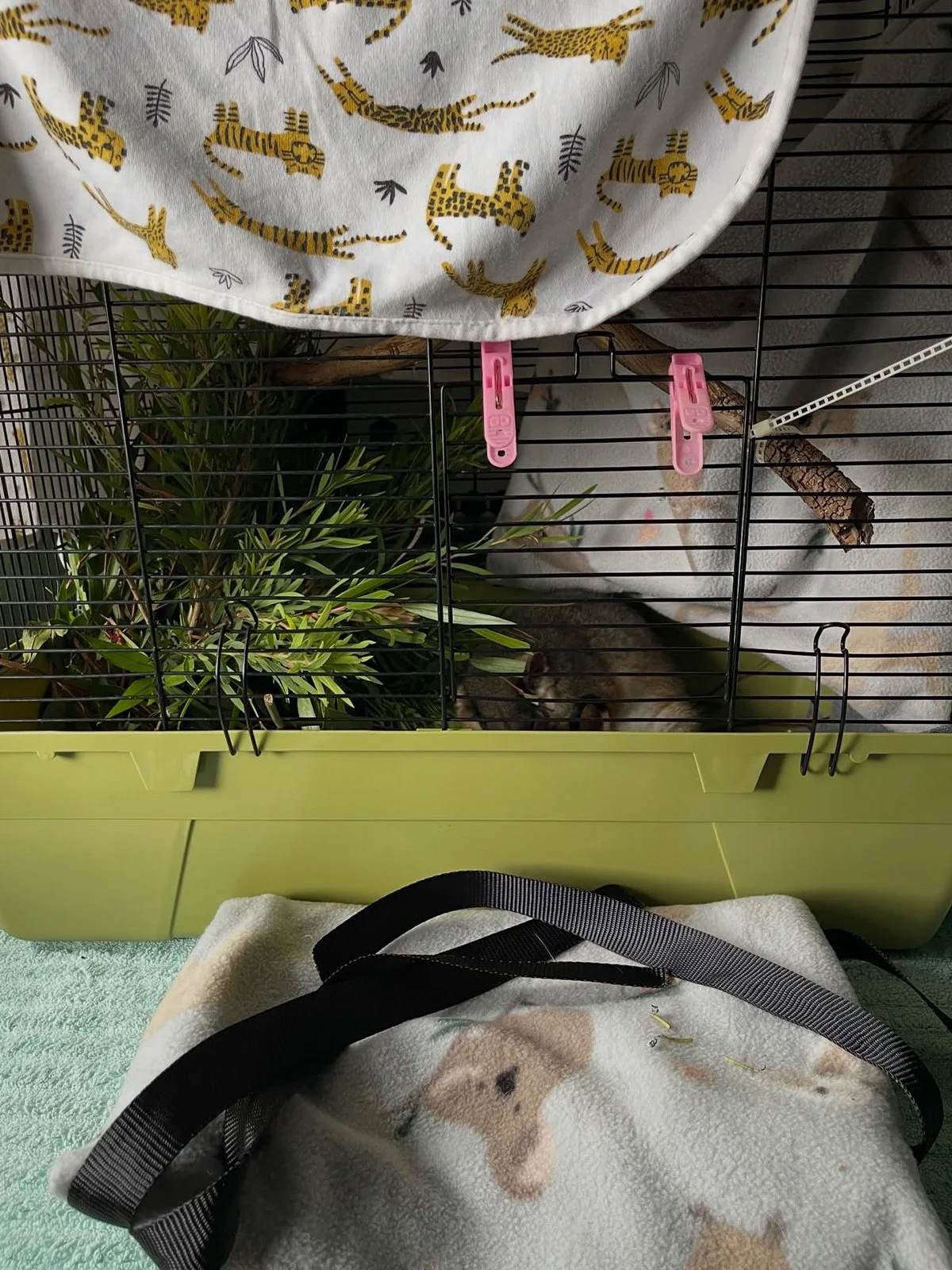
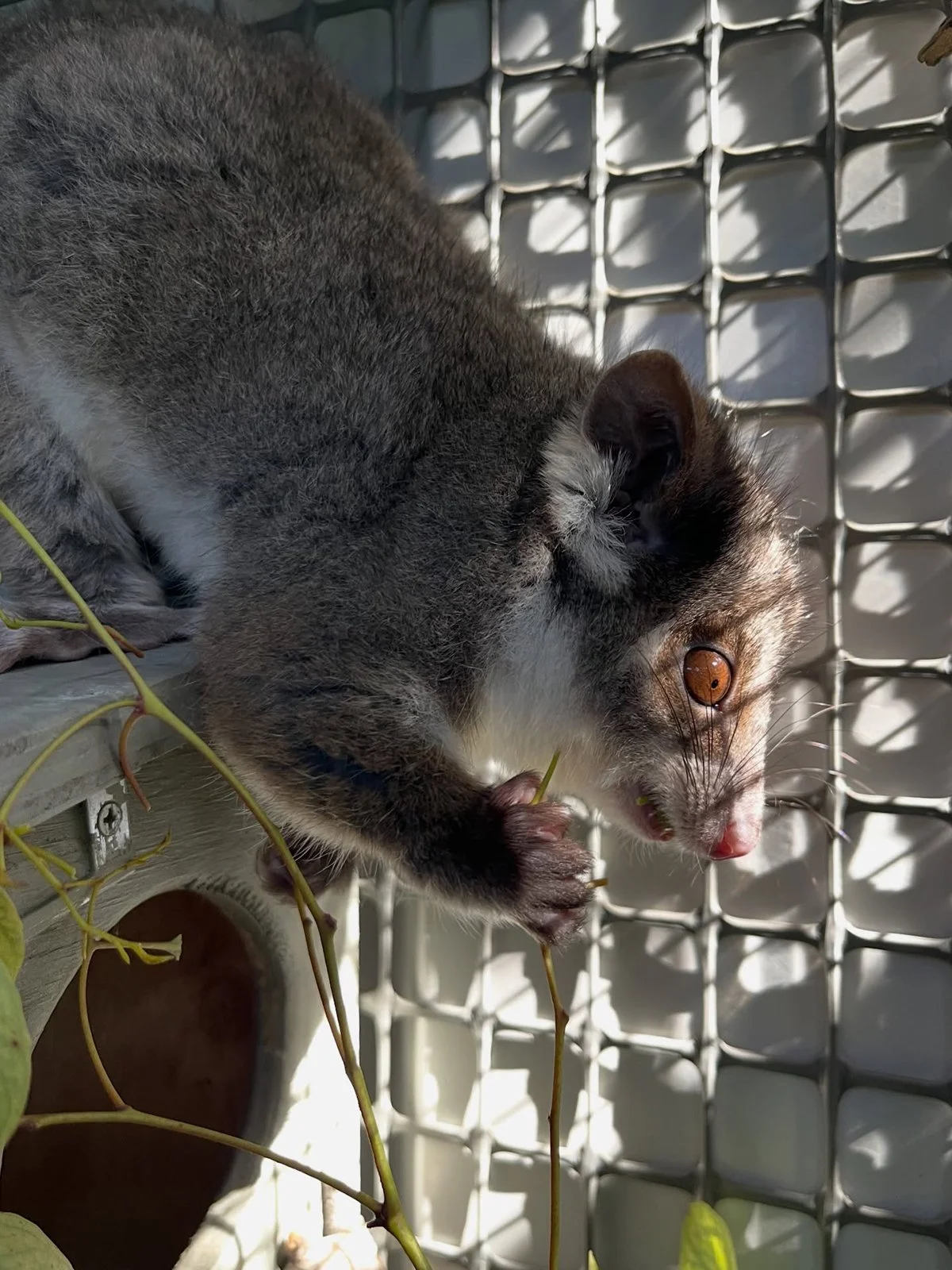
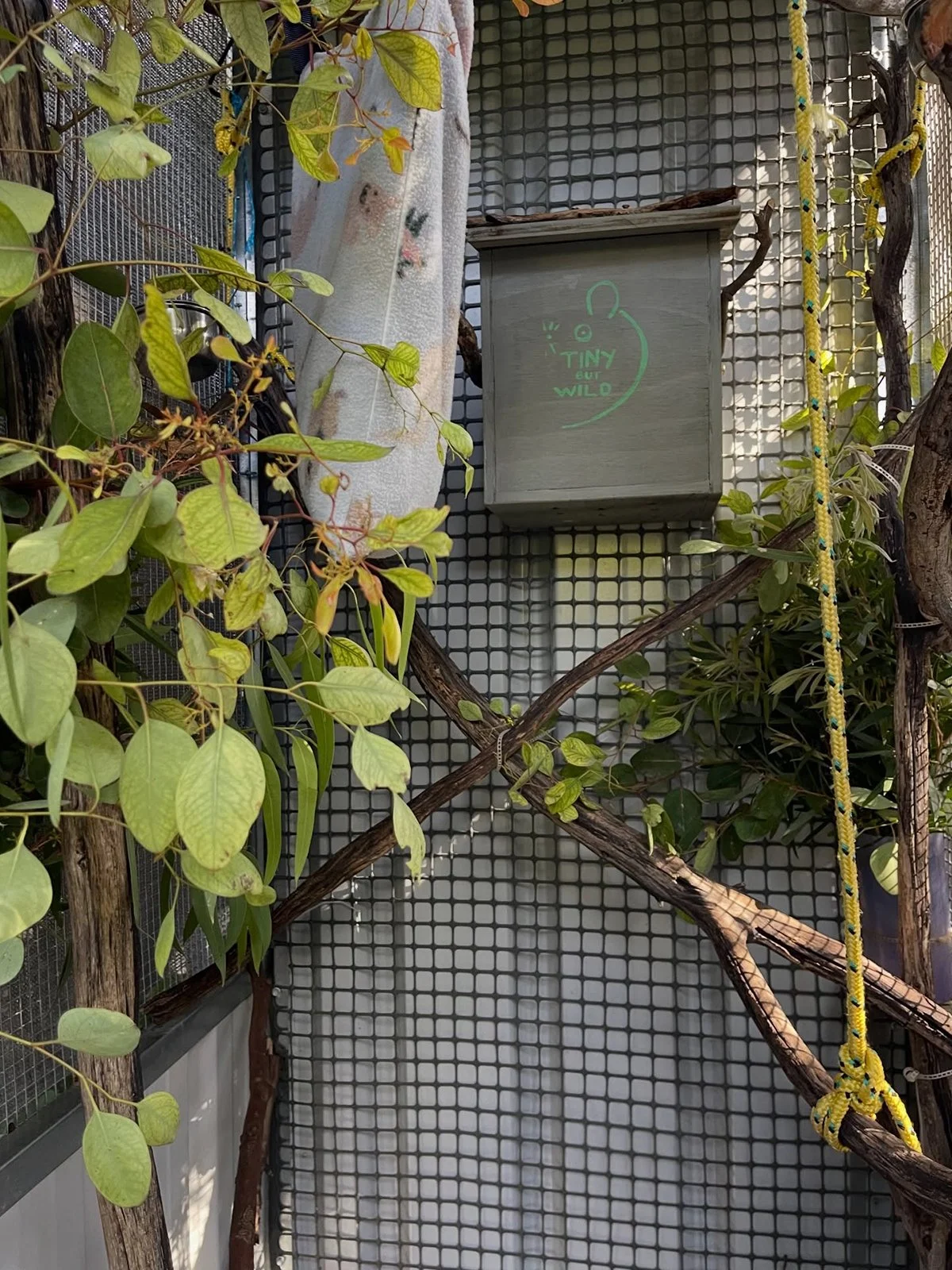
After five nights of rest with us at Tiny but Wild, Ingeborg was ready to return home to her patch of food and shelter trees alongside the apartment block where she was found. She recovered in a cool, darkened, and quiet room, and ate well. Her shape changed, and not just in the sense of the joeys as they moved in her pouch. She became less wary of us, though still very much a wild possum. She began to look brighter eyed. From what we were permitted to see, the joeys stayed largely in her pouch, so we were hopeful that they would also remain in the pouch come their release (and that we wouldn’t be left with two tiny joeys to raise, like Juniper and the joeys). As we cleaned her enclosure, and popped in the fresh browse we had gathered for her (Lemon myrtle was her favourite), we sometimes caught sight of one or two of the joeys’ tails. She tended to them with such love. We tiptoed around the family, we let her sleep. She preferred to be at the foot of the enclosure, near to the browse she’d pulled close to eat and later curl near to, fatigue etched upon her face. Ingeborg, named by Ingela and Peter, and whose joeys were named Chully and Jo by Anouk (@anouk_tschanz), will forever be a lovely reminder of the community and democratic spirit of The Velvet ant, a flower and a bird, at The Potter Museum of Art (@pottermuseum).
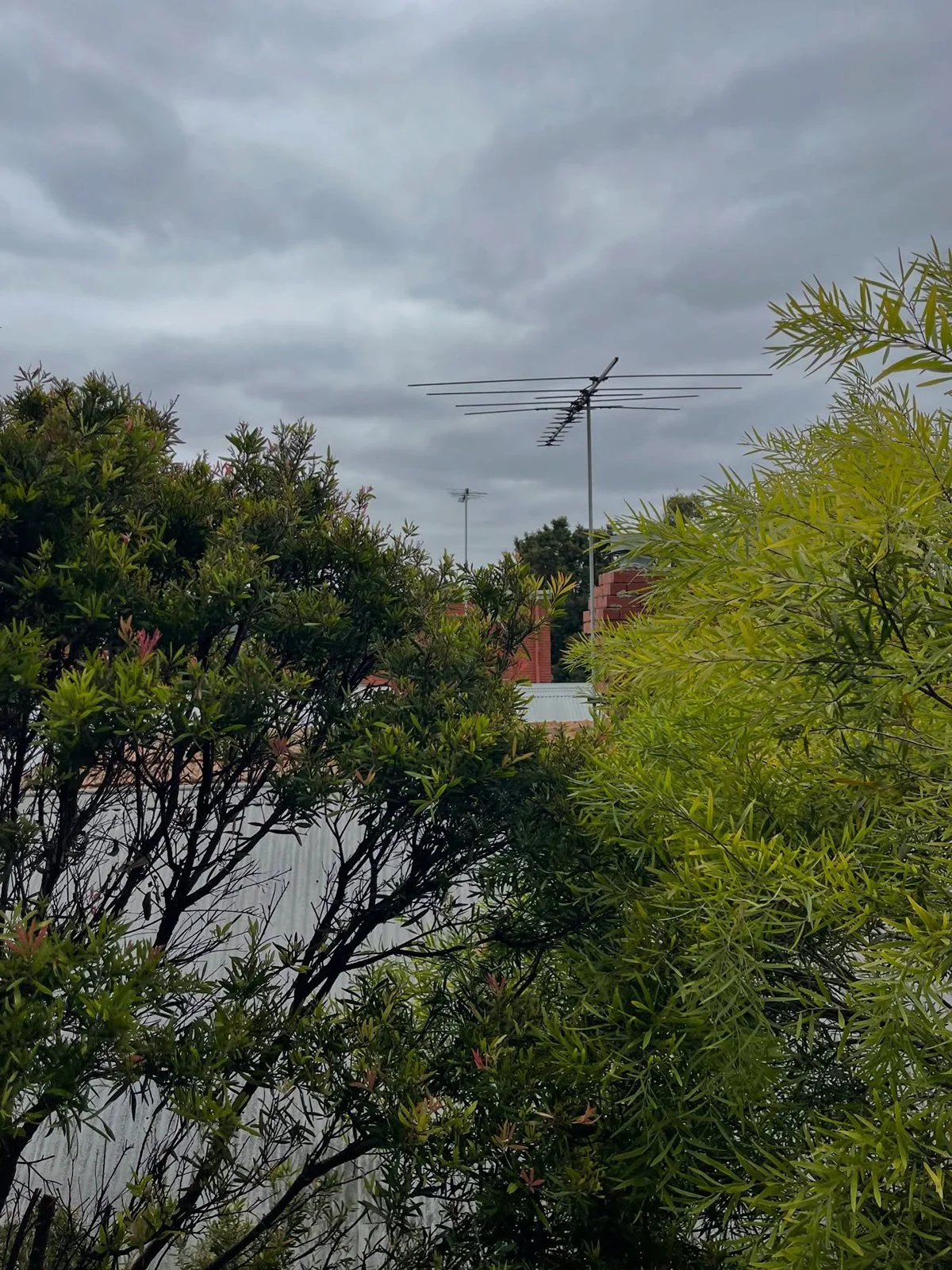
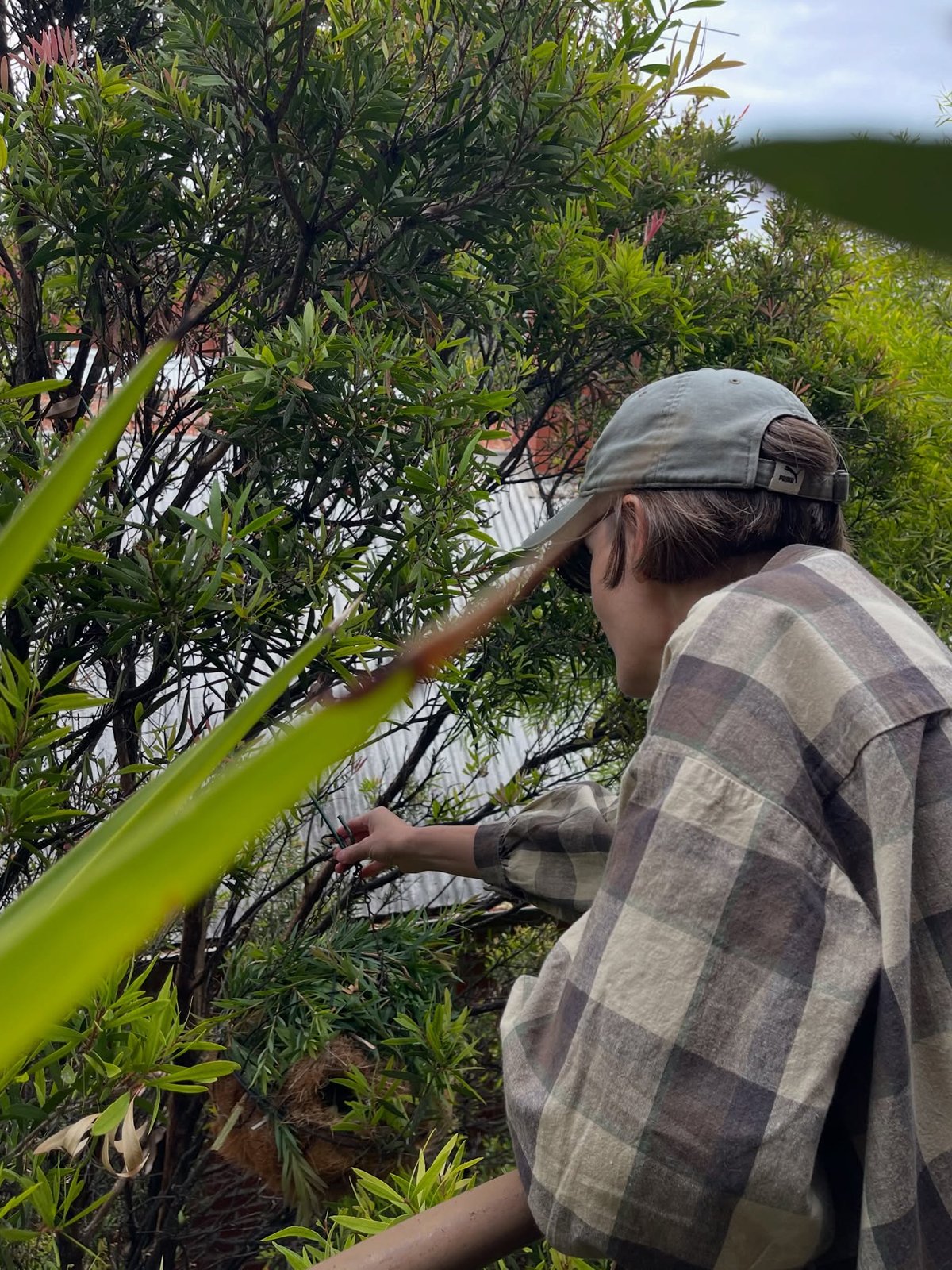
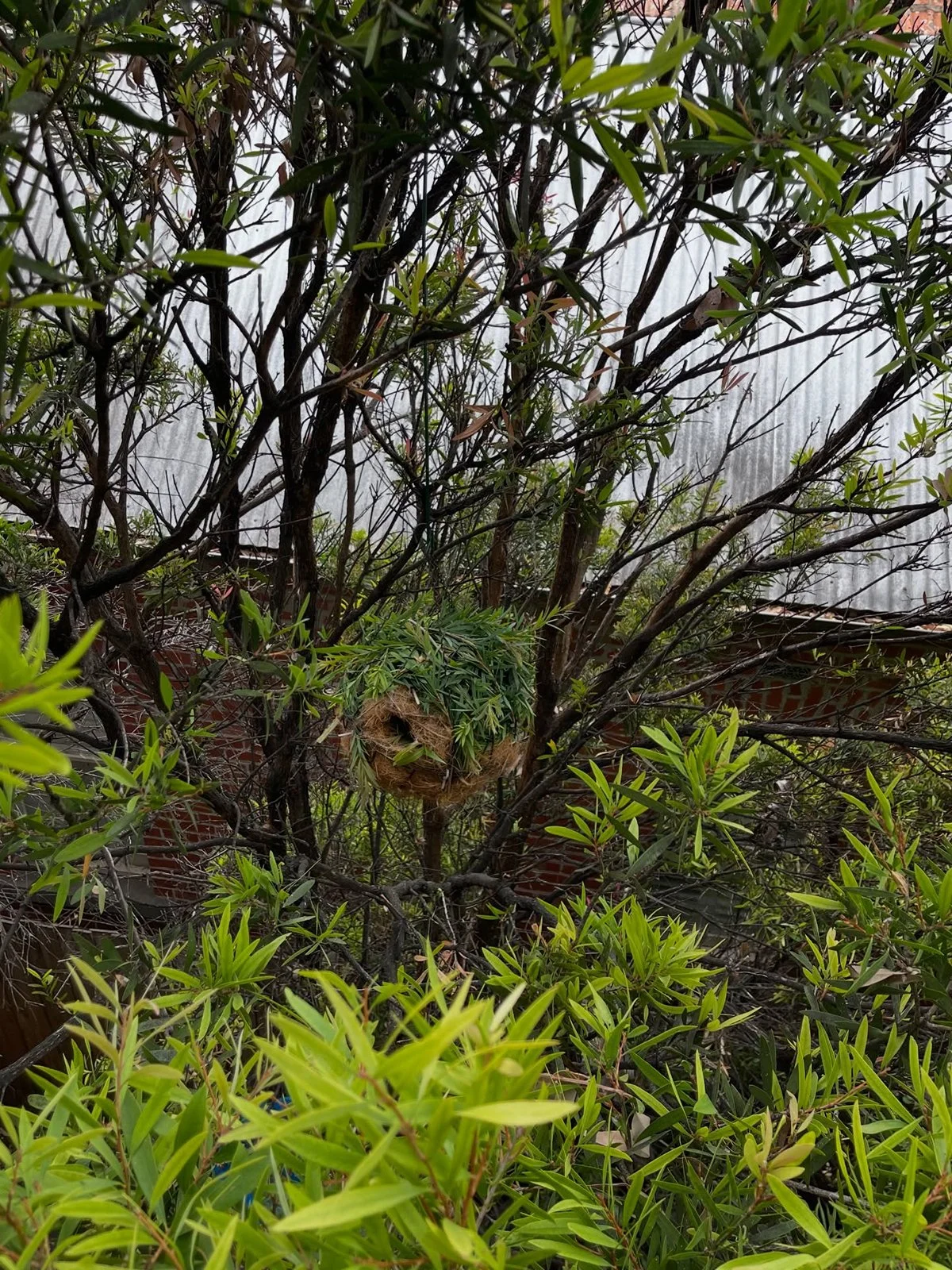
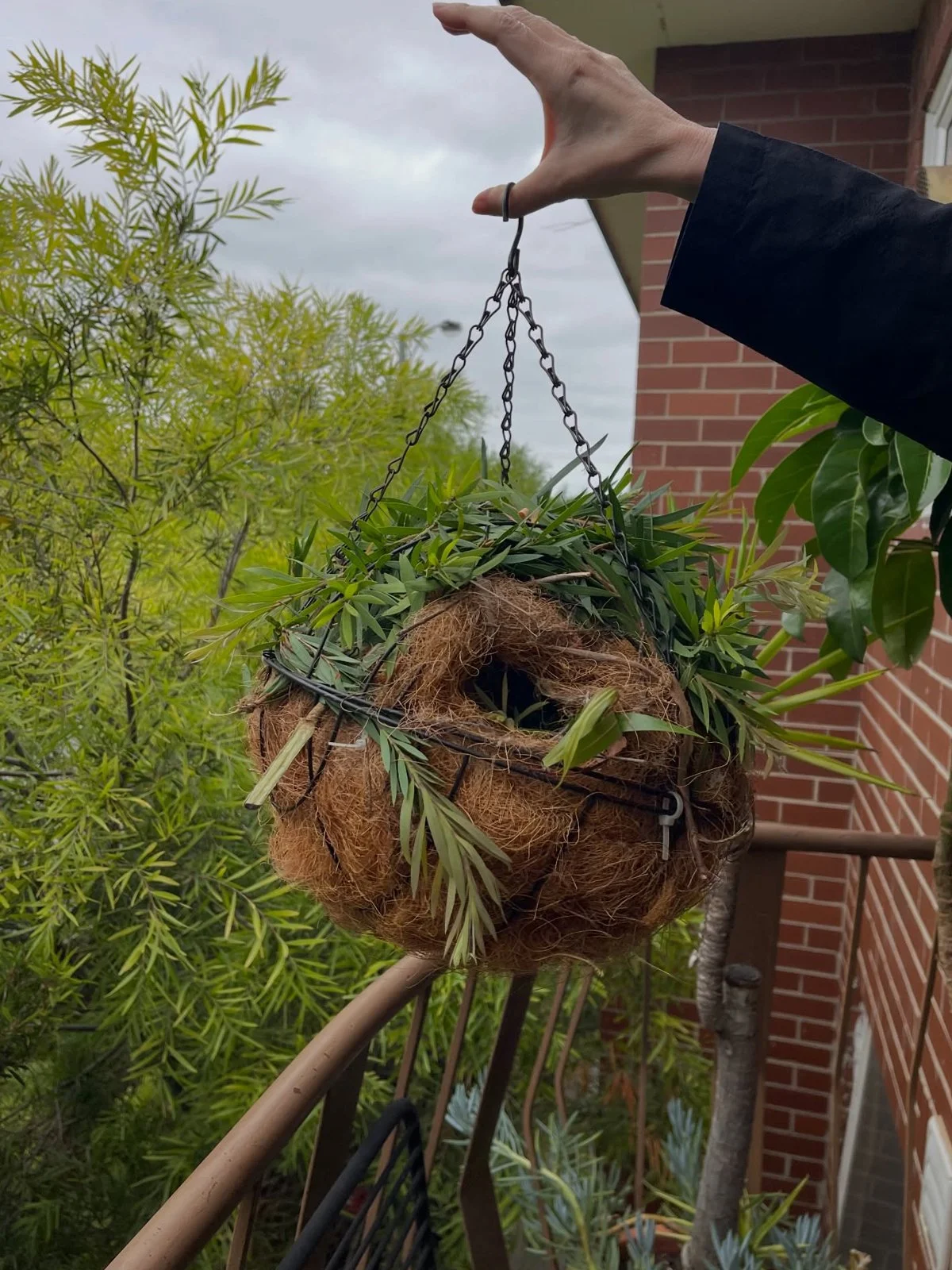
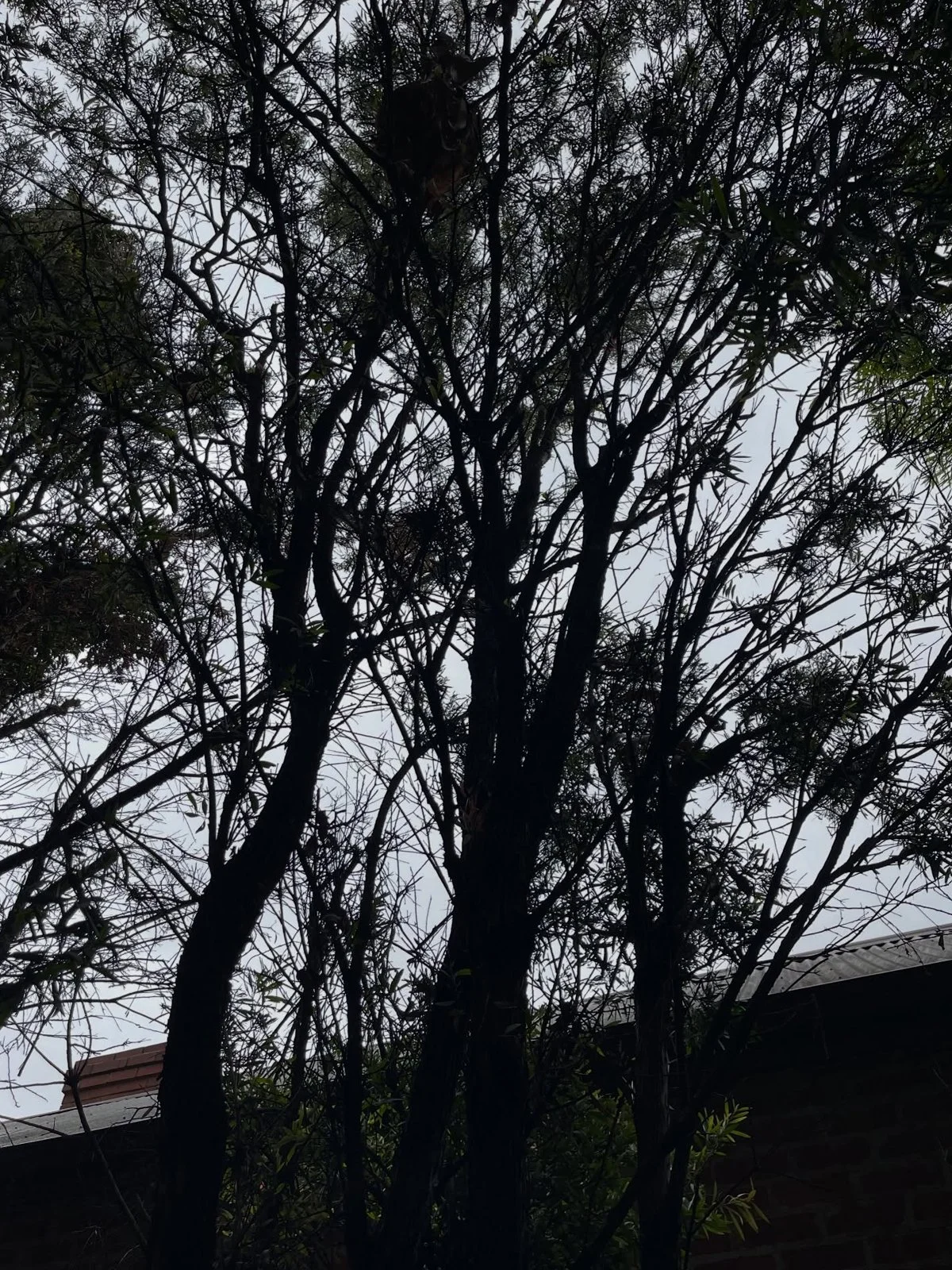
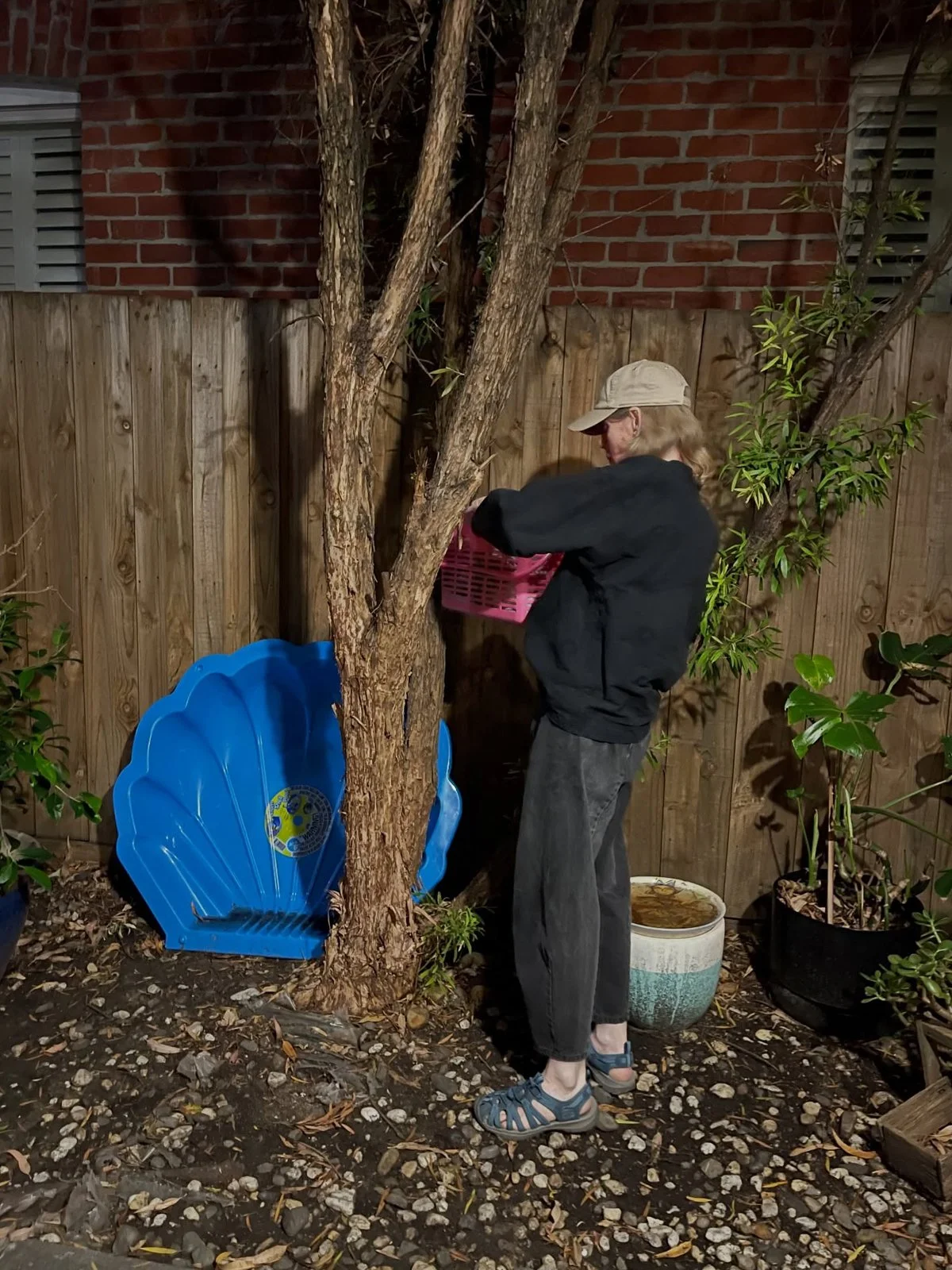
Before releasing Ingeborg, we returned earlier in the day with a drey she and her joeys might use, or pull apart as she fashions her own in a safe place of her choosing. From the third-storey, we were able to place it high up in the trees. Suspended securely from a long metal gardening hook, it is there if she needs it. As we did so, we spotted a wicker basket hanging in one of the trees, and a dish of water near to where we had first scooped her up; she clearly has a few souls looking out for her.
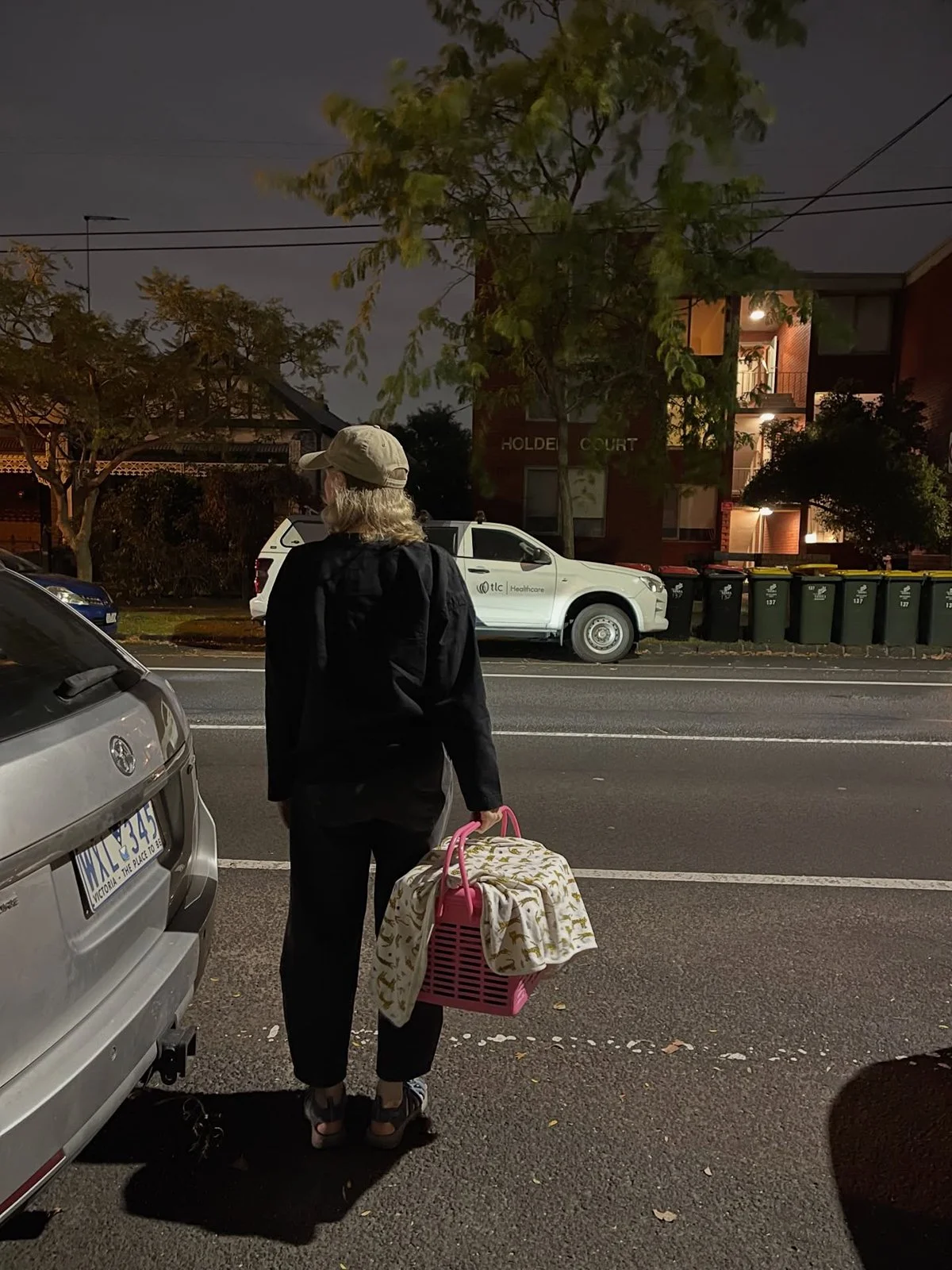
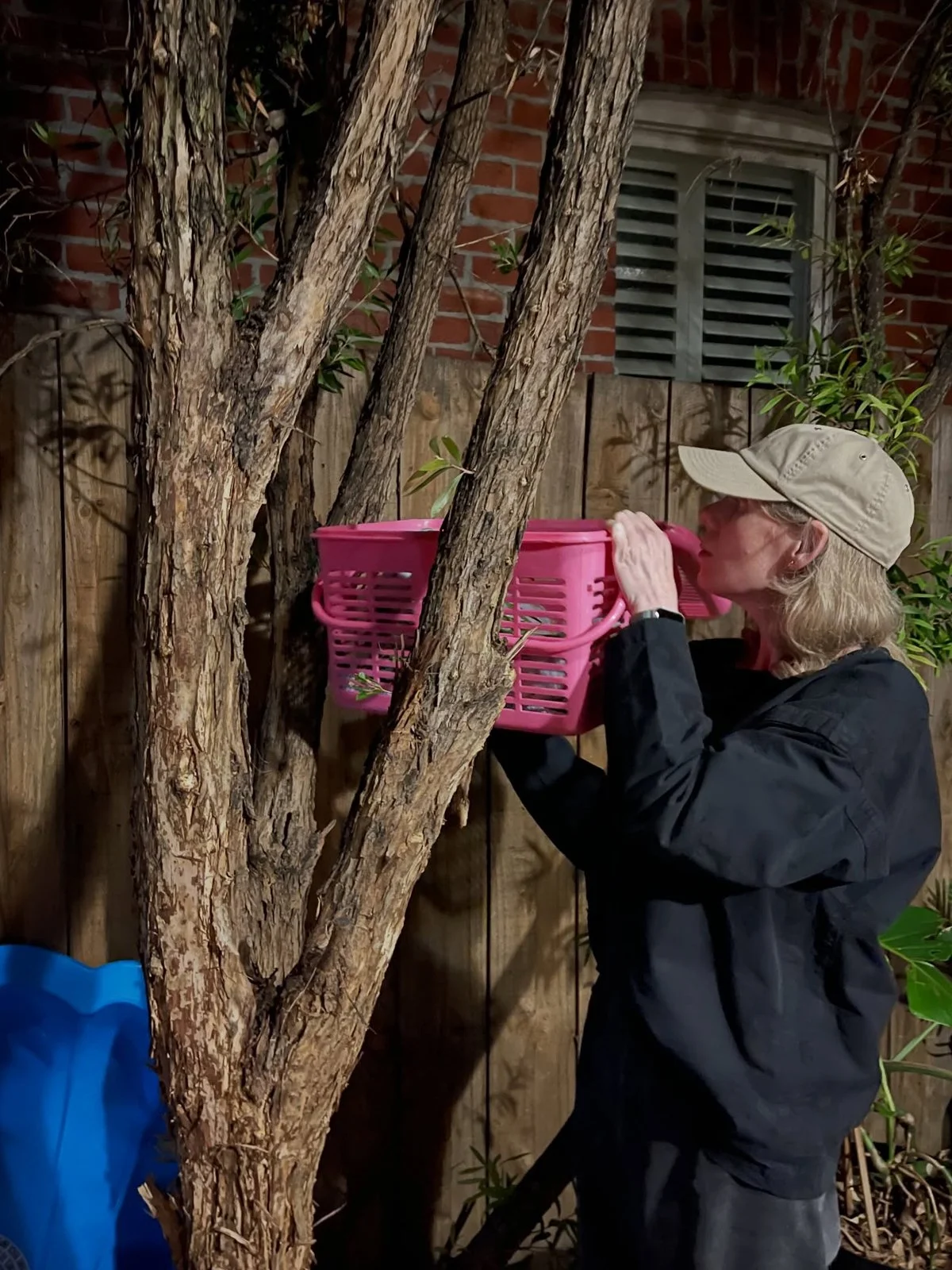
After dark, we returned with Ingeborg, Chully and Jo, and held our carrier up to the tall tree that connected to the third-storey balcony (please scroll across to see video footage, albeit fleeting). From the pouch inside, she paused and listened. From the second-storey stairwell, a man called out to us, checking what we were doing. He was happy to learn she was coming home. “She’ll be right; she’ll know what to do”. As he told us about the family of ringtails, his dog Muscles wagged his tail, and Ingeborg took off at speed. She leapt up the trunk, with impressive agility, two joeys safe in her pouch.
Home, at last.

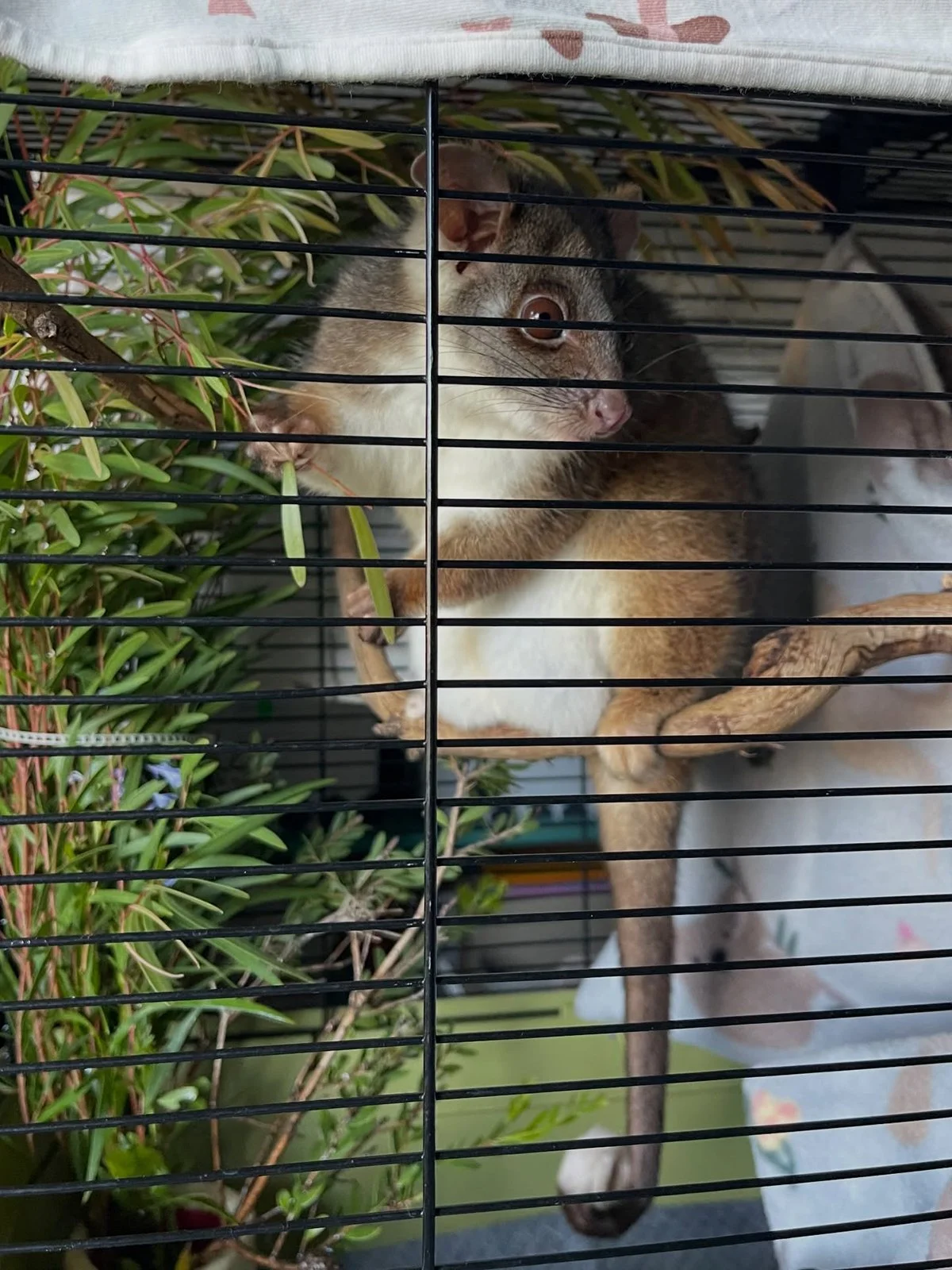
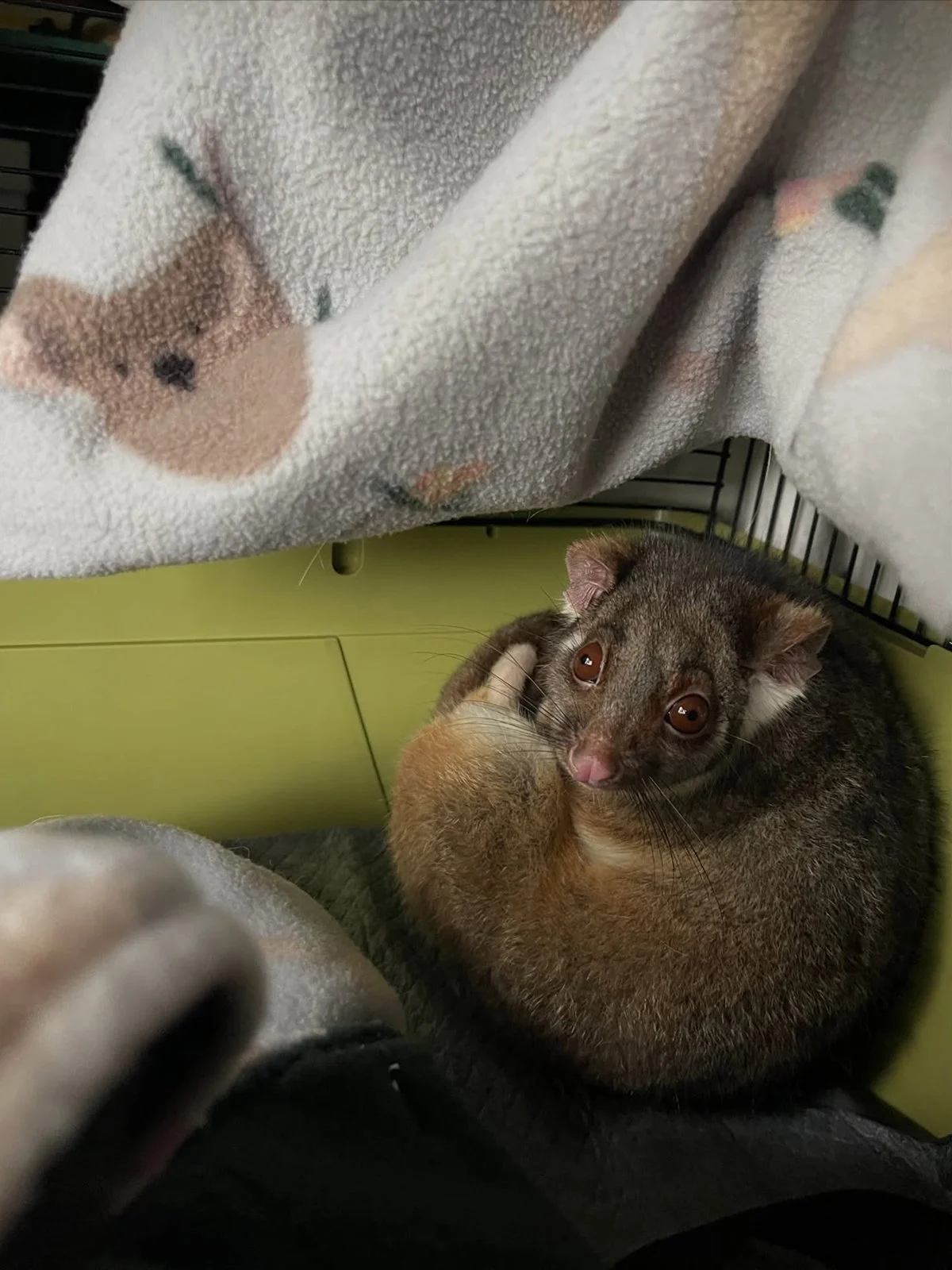
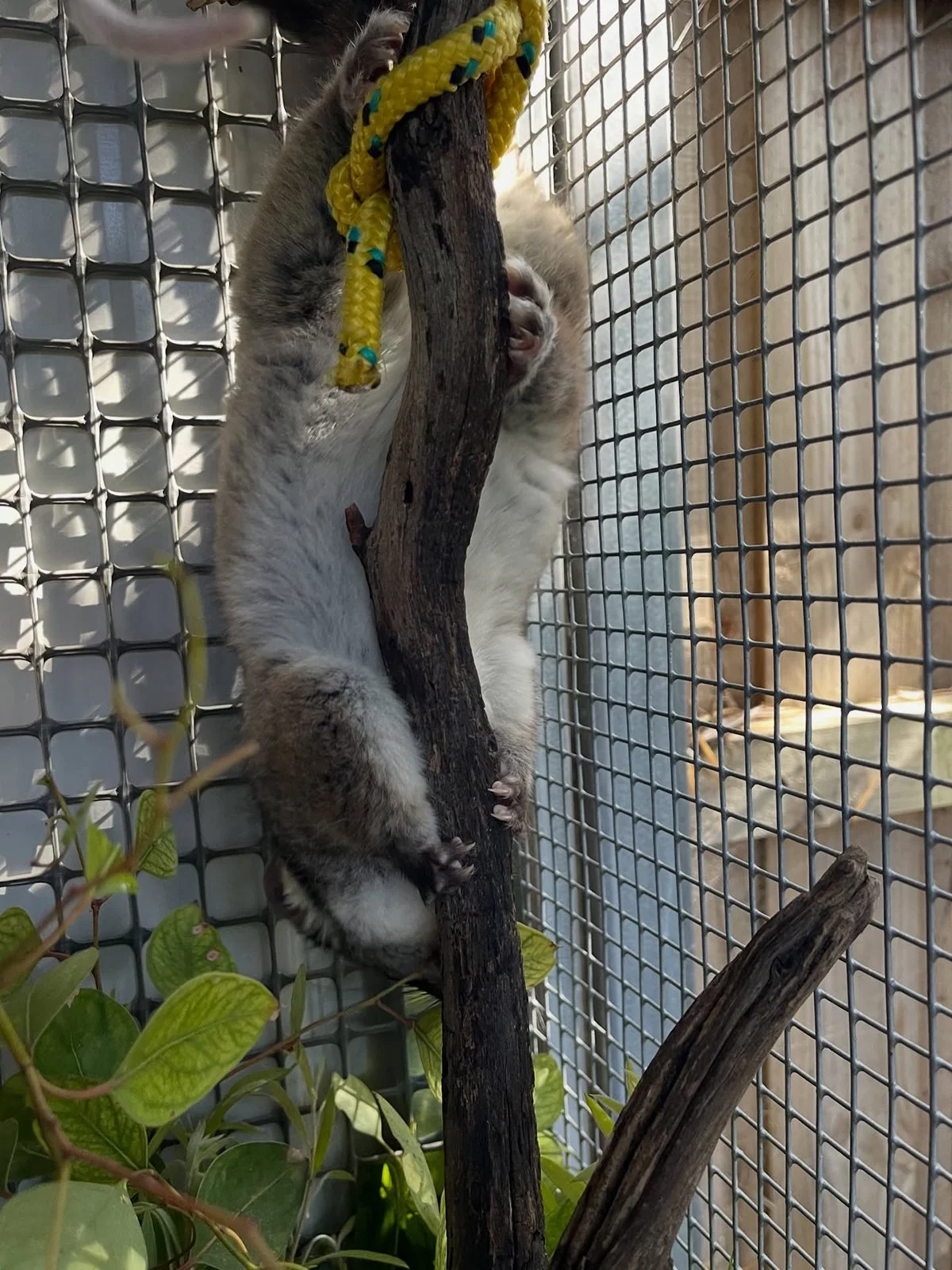
Ingeborg’s happy ending coincided with the quartet, Homer and Pansy (with the shorter white tail tips), Albertina and Humphrey (with the longer white tail tips) heading to our soft release site in Sutton Grange. A tail ending to a new beginning.
On the night before their departure, they feasted on a bouquet of flowering grevillea to mark the occasion. This ingenious quartet takes our total of soft-release possums to a neat number of 40. As we look at our paperwork, as Tiny but Wild, our wildlife shelter established in January 2024, to date, we have cared for 267 wild souls.
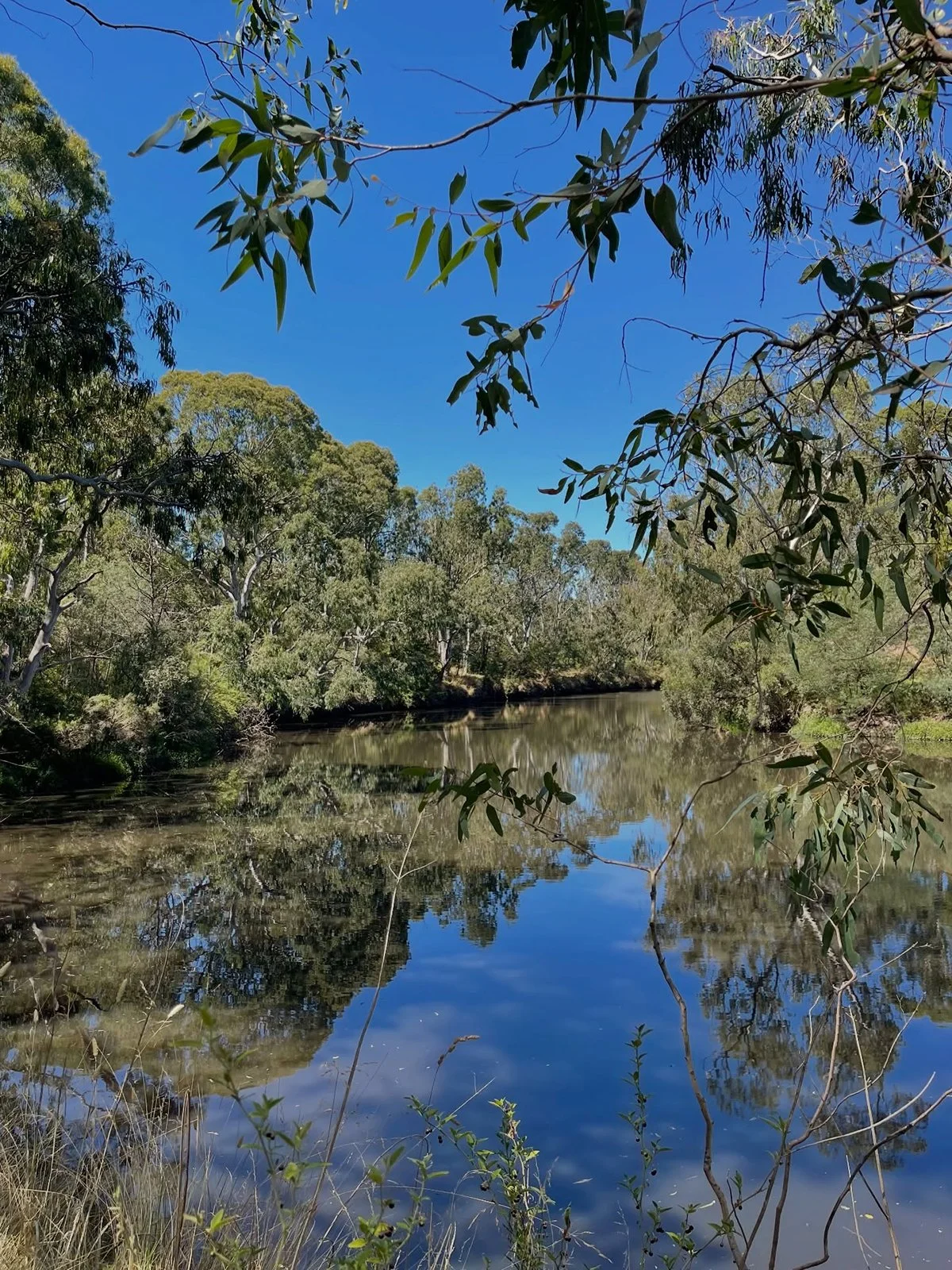
We marvelled at the quartet moving with confidence, and looking remarkably plush and healthy; we are so very happy for them for having made it this far. Their world ahead smells of River red gums, and offers a bigger plain, and the thought of them soon out and thriving makes things easier to bear. For while we will miss their inquisitive nose-twitching and from-tail-tip-dangling, their return makes the world a better place.
They are an essential wild puzzle piece.
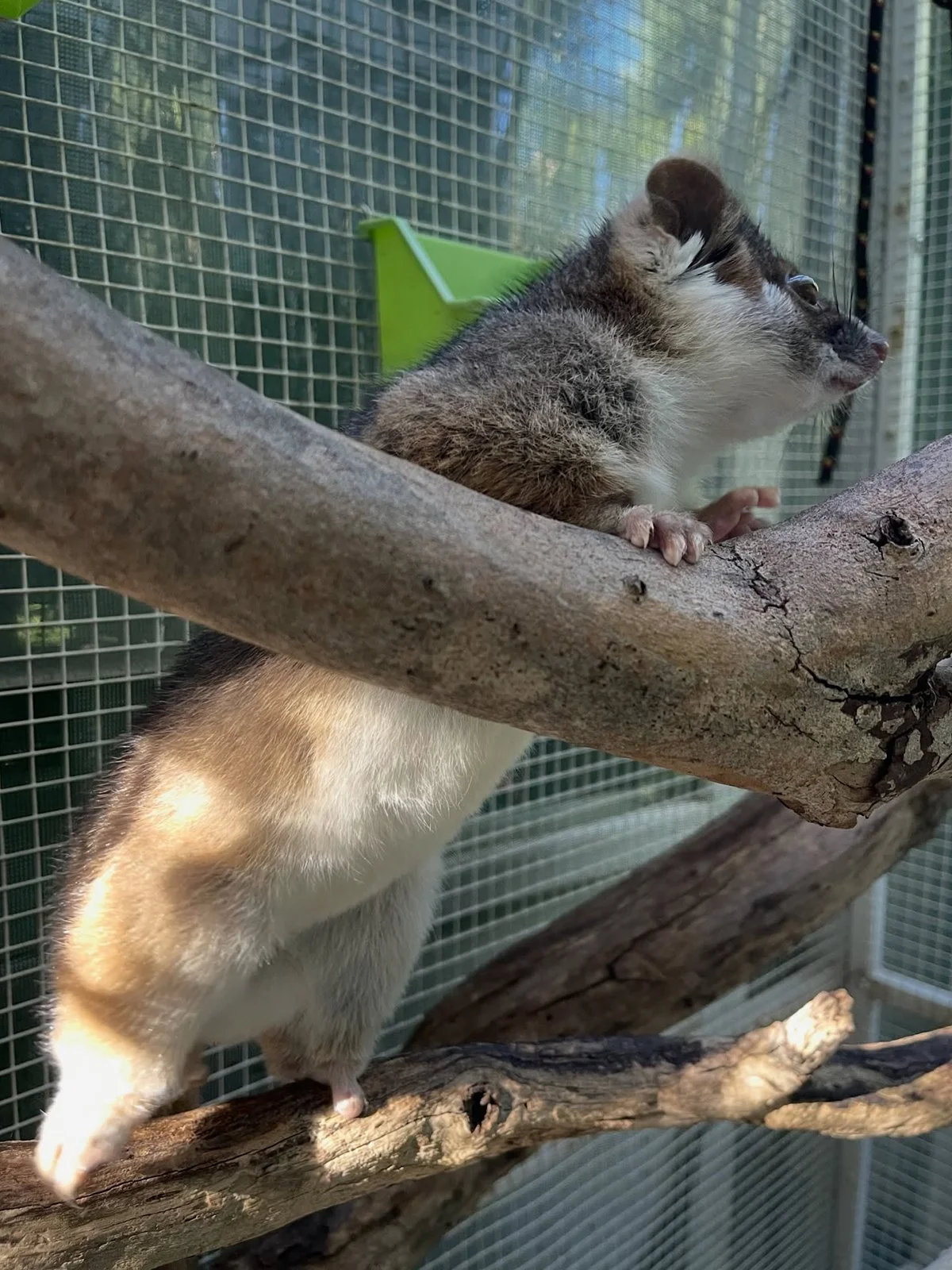
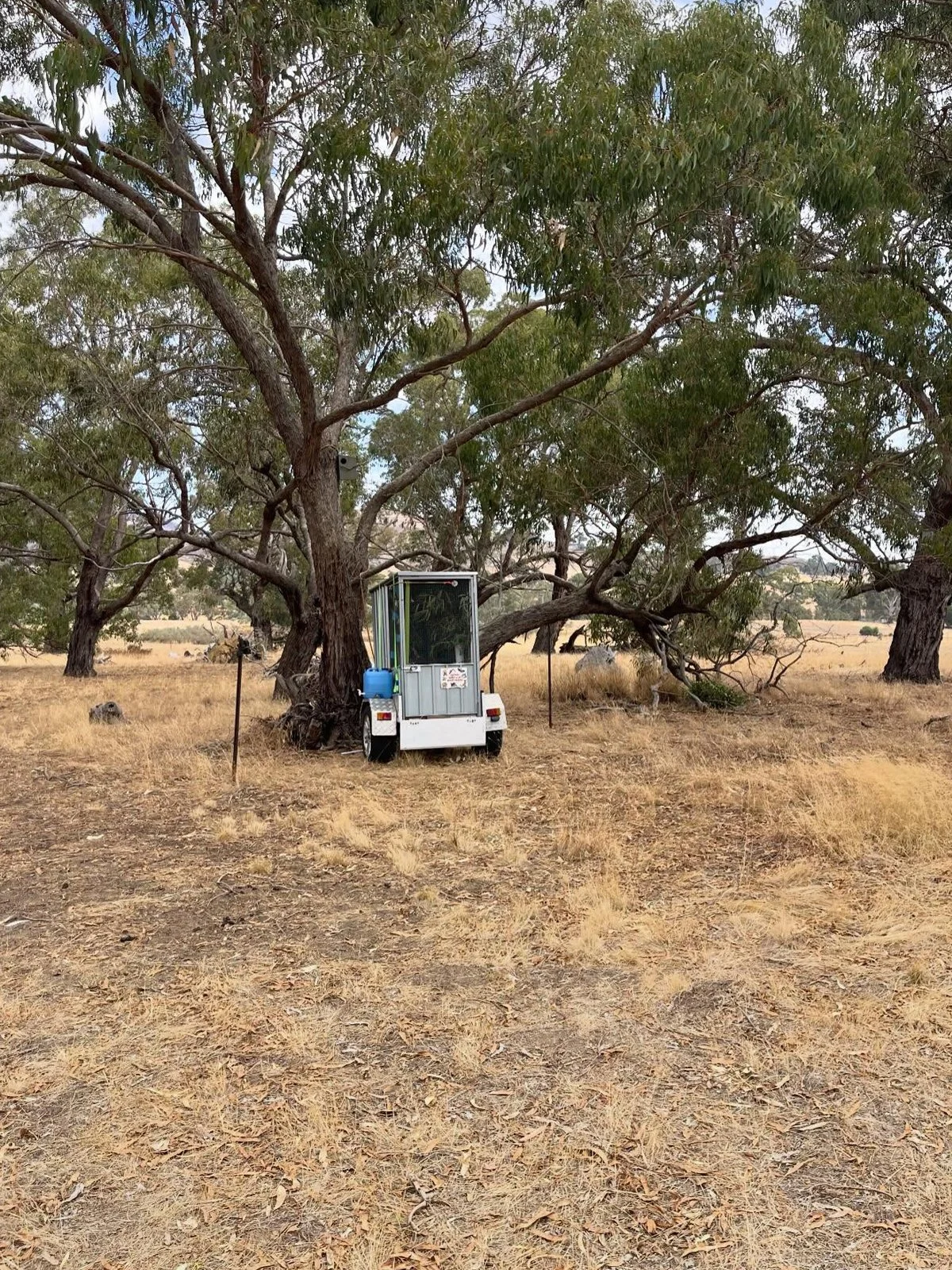
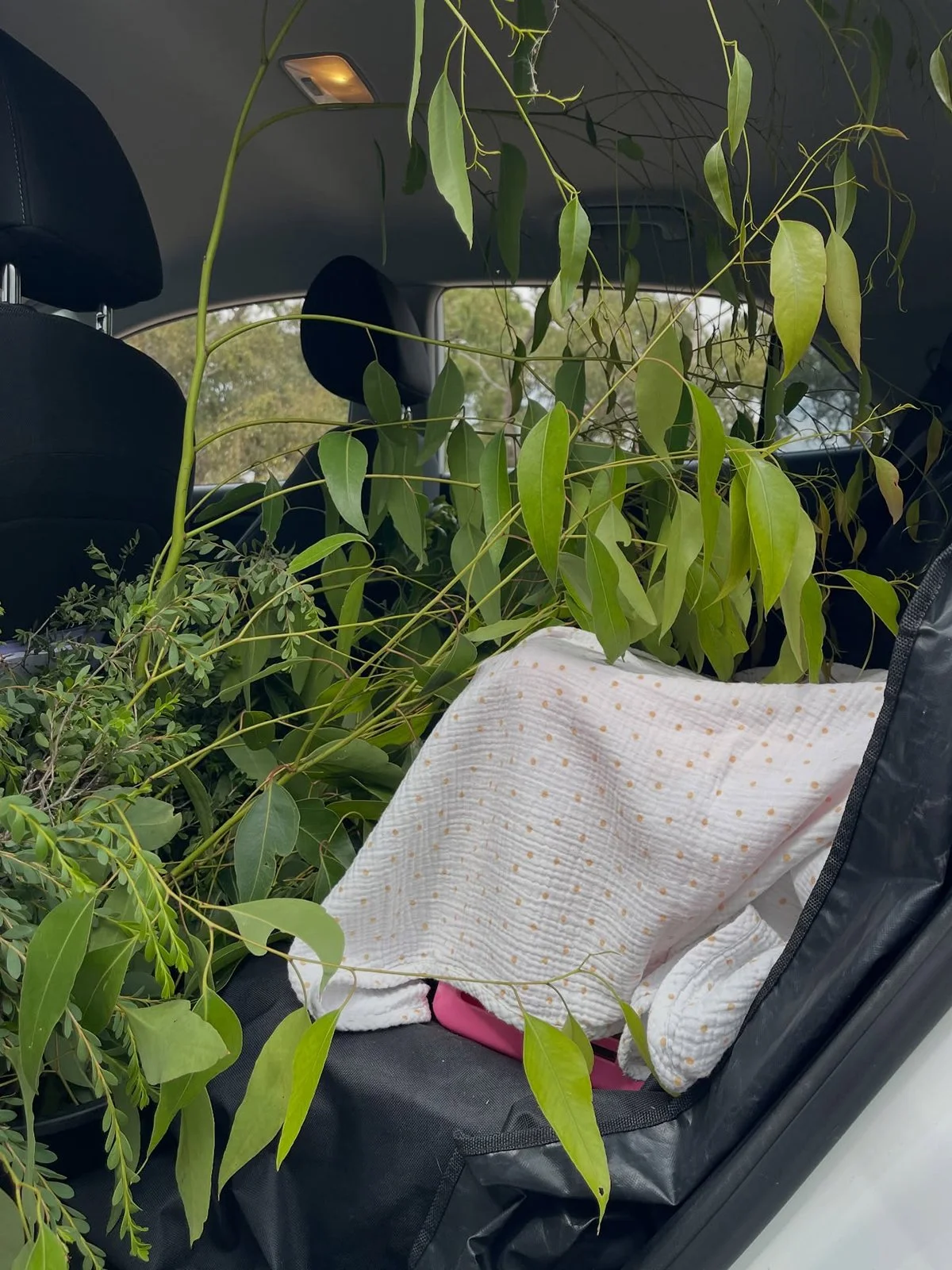
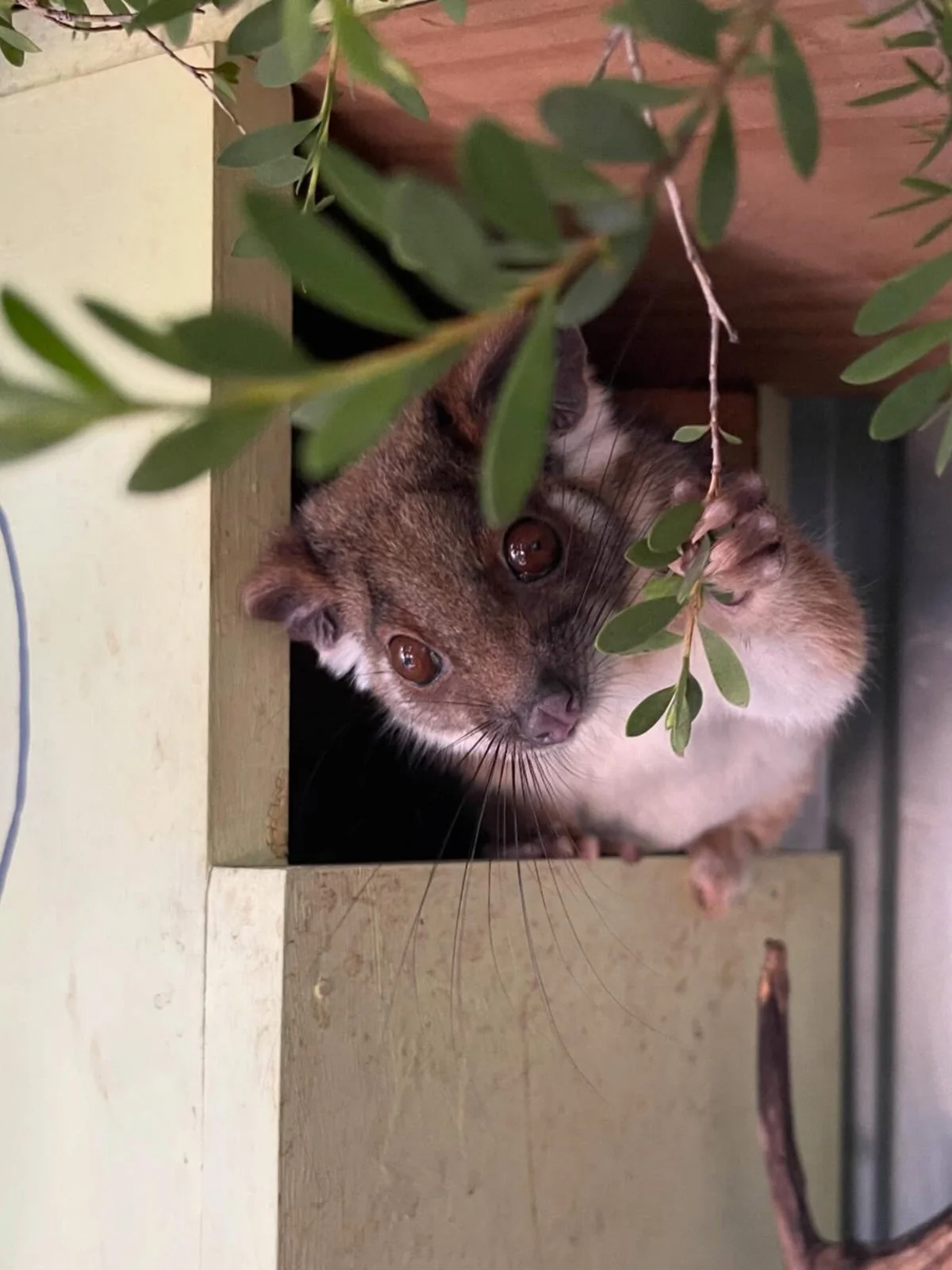
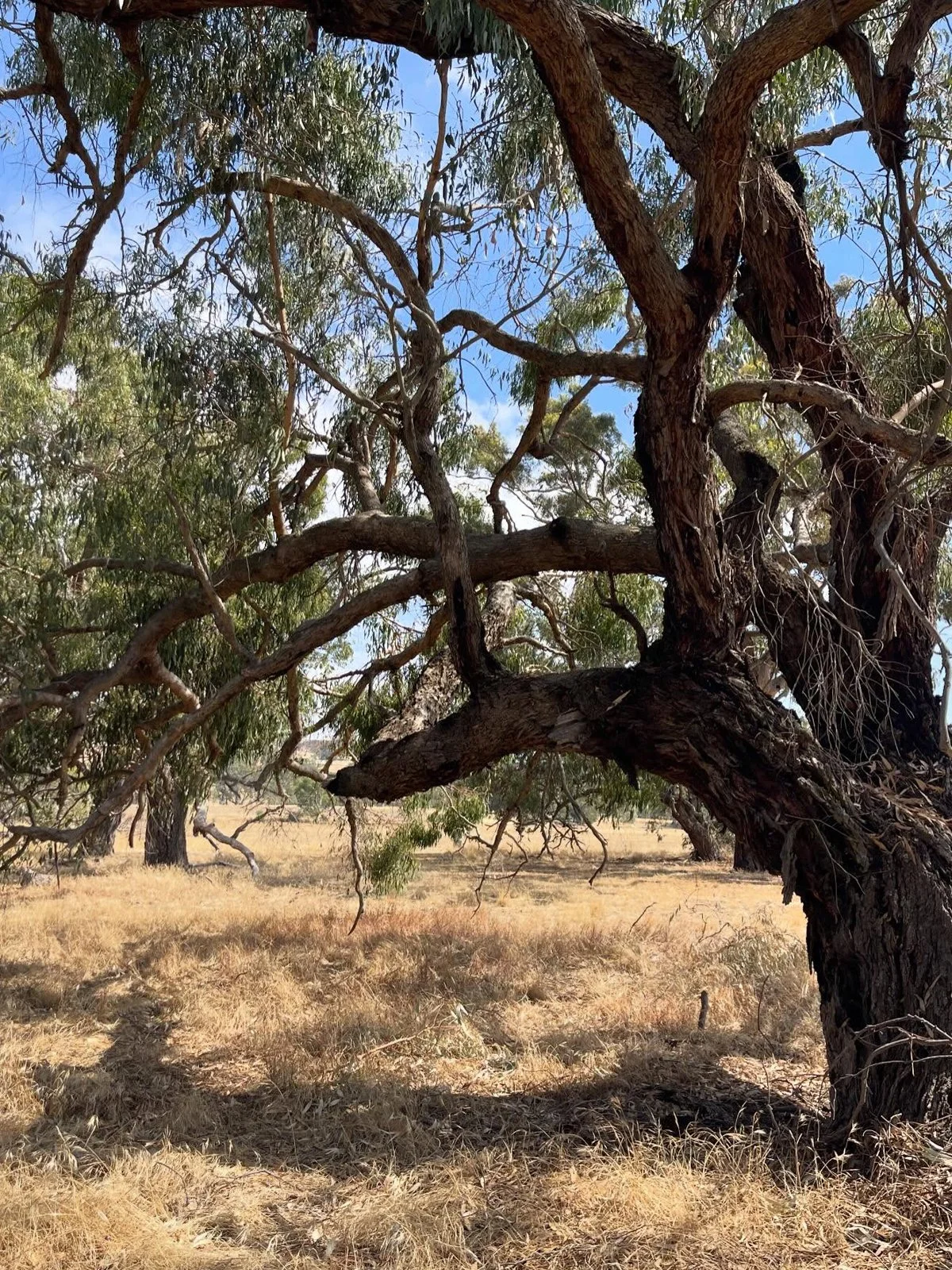
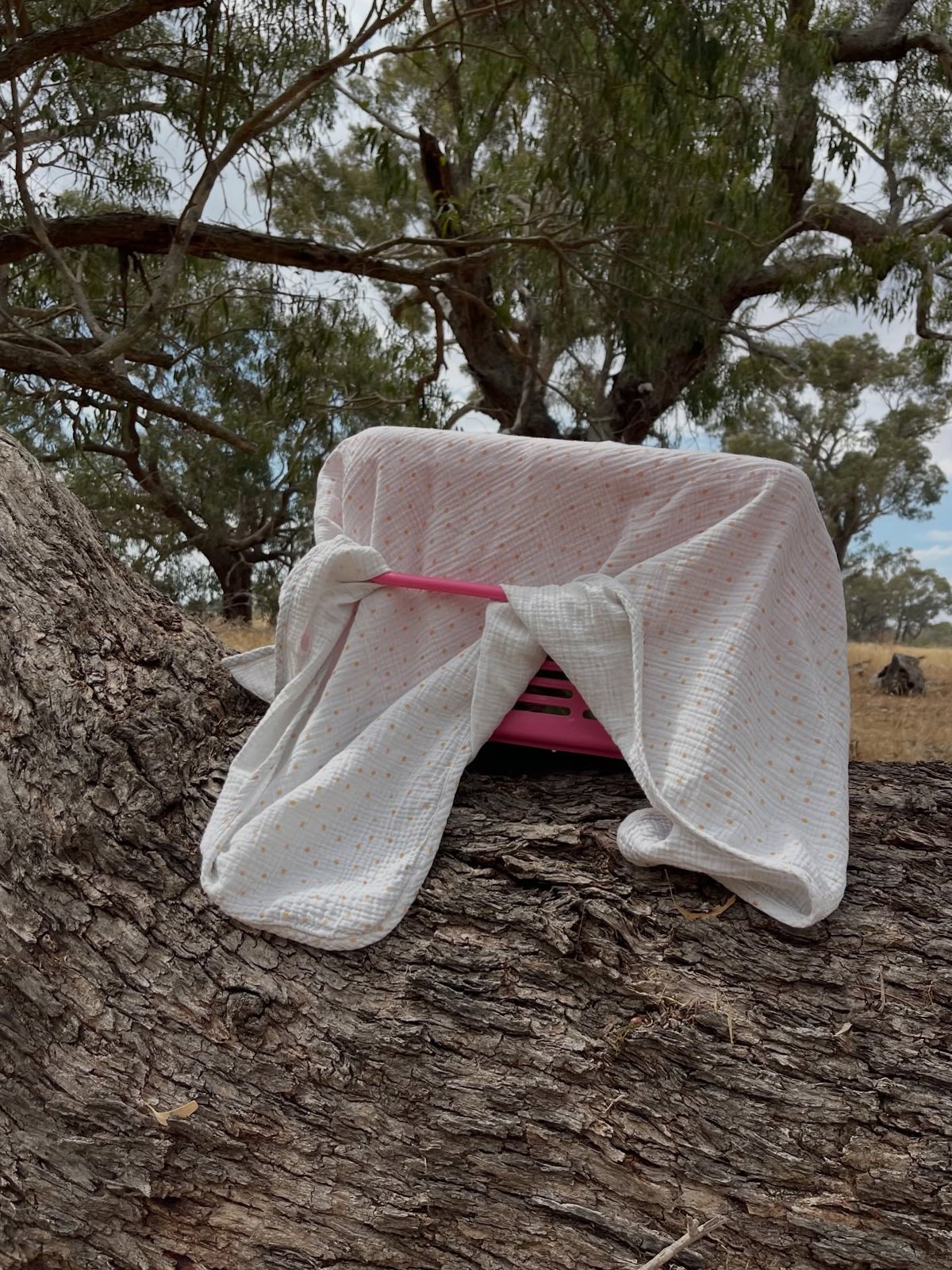
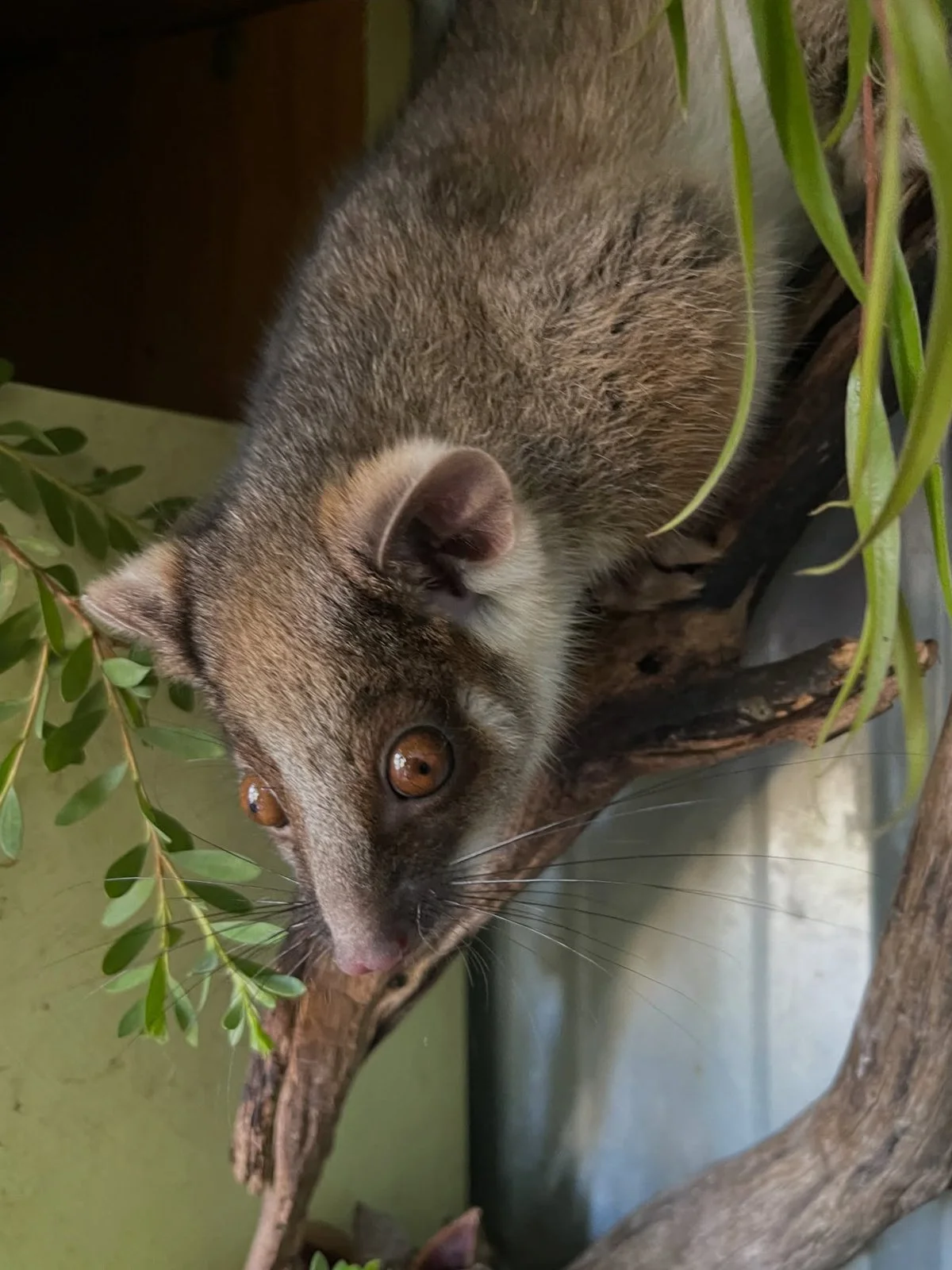
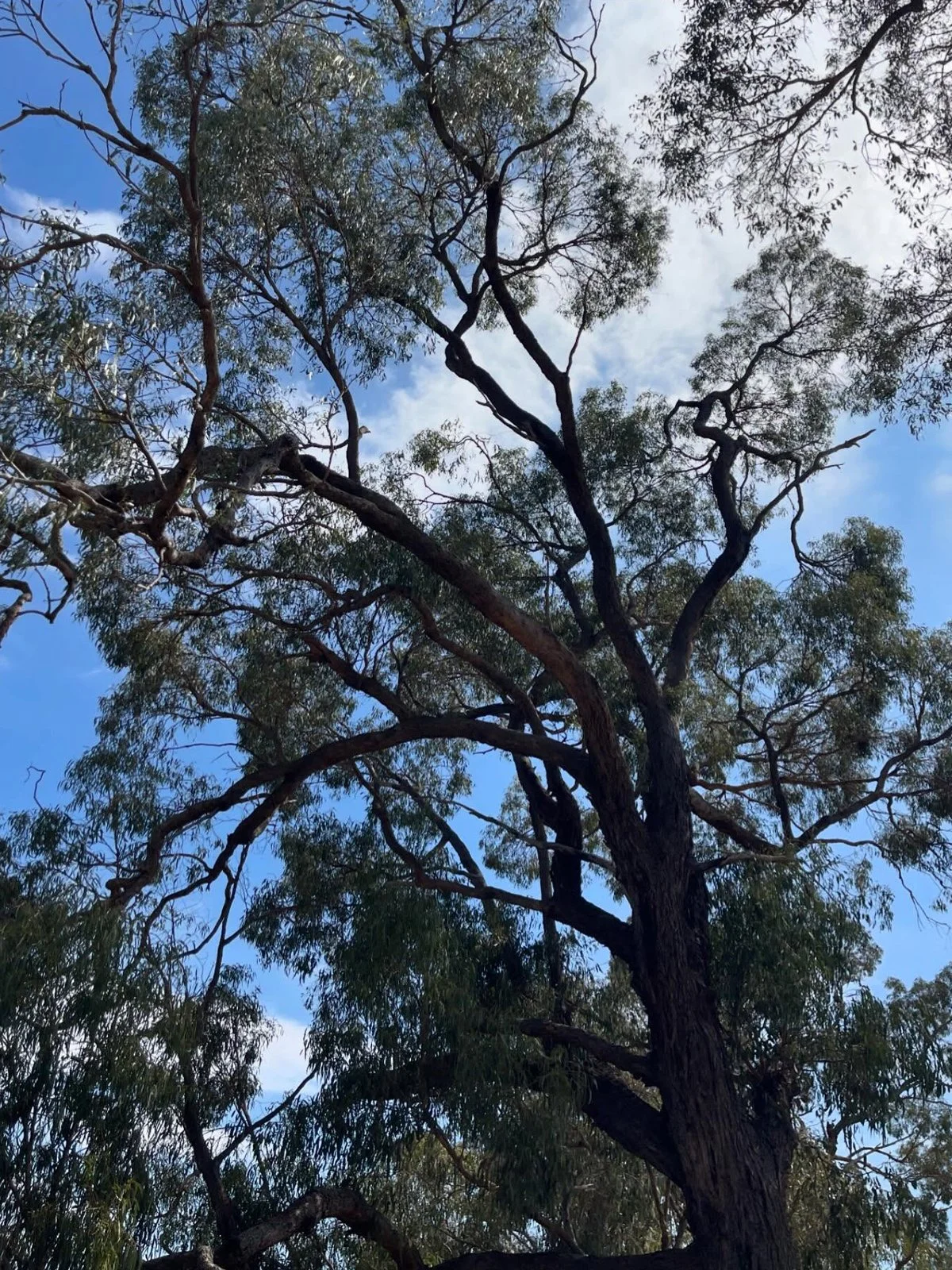
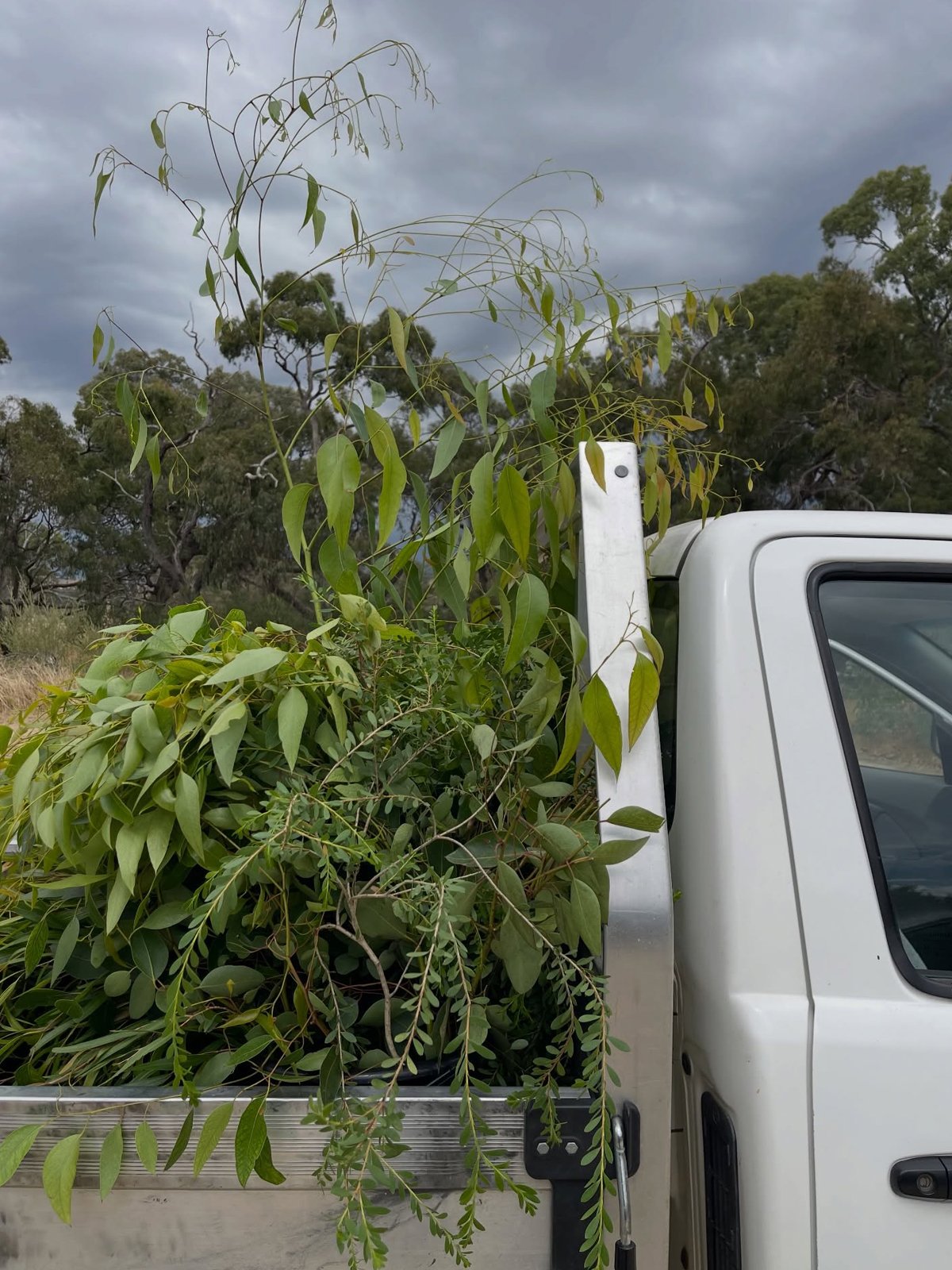
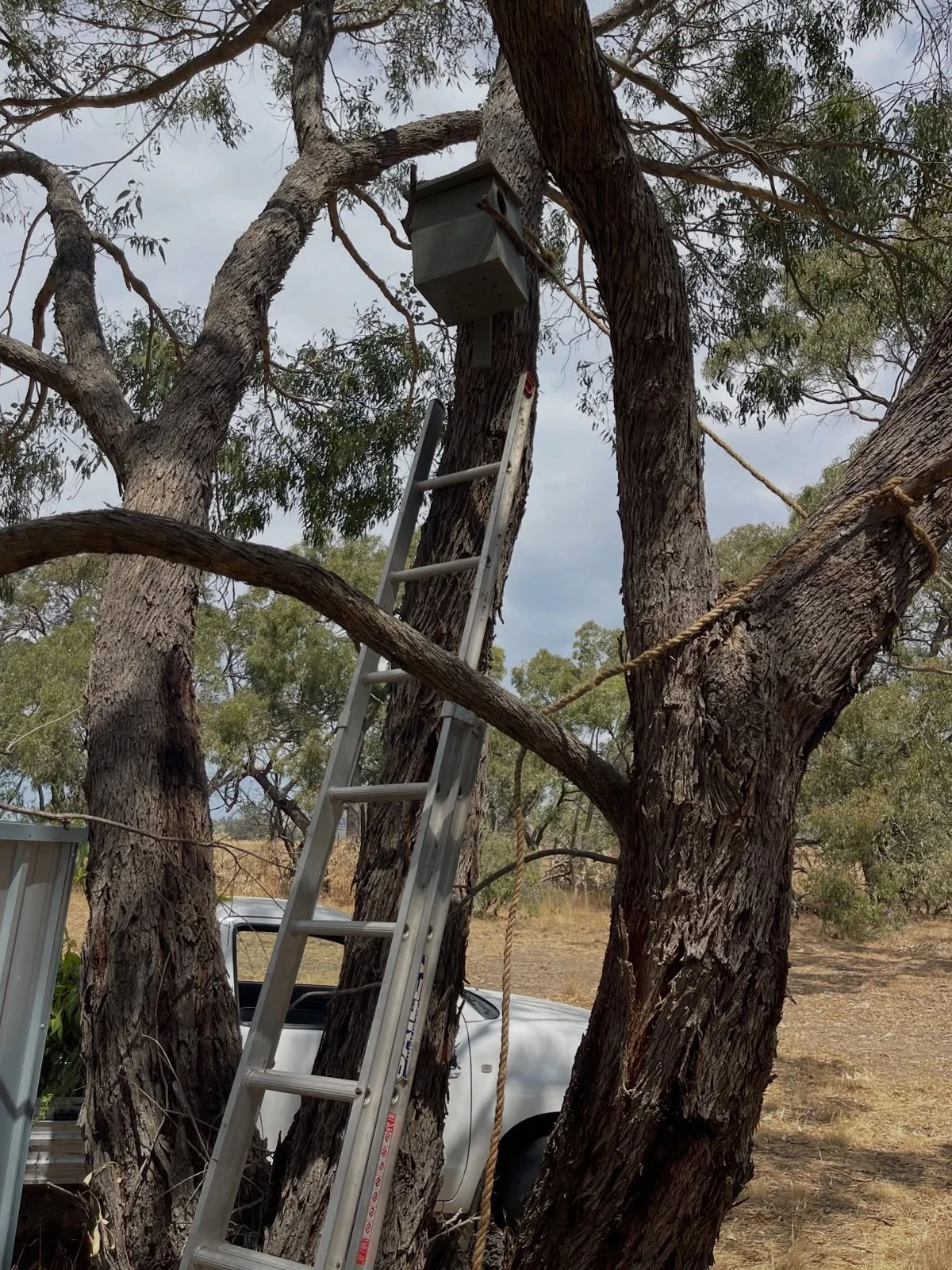
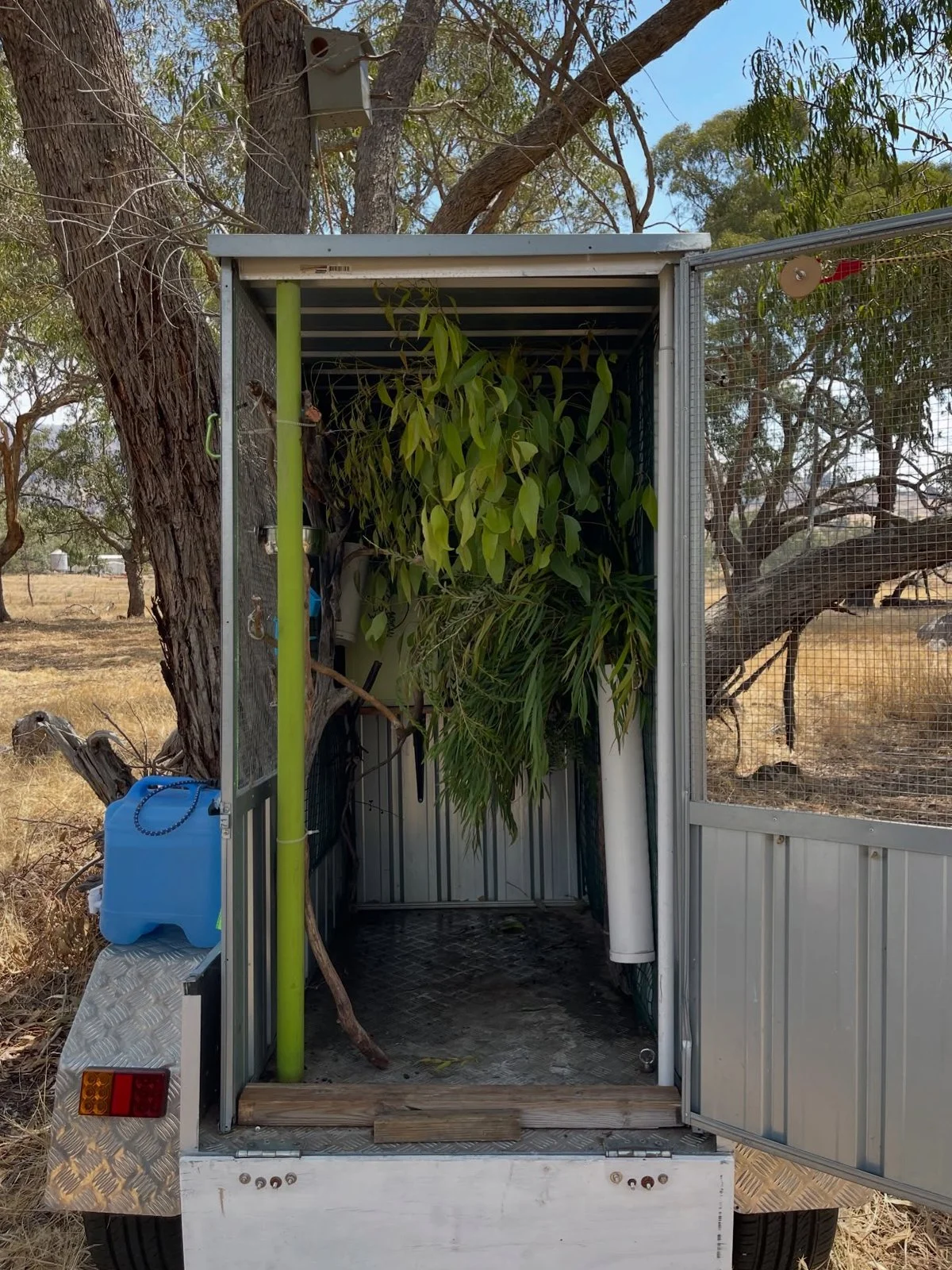
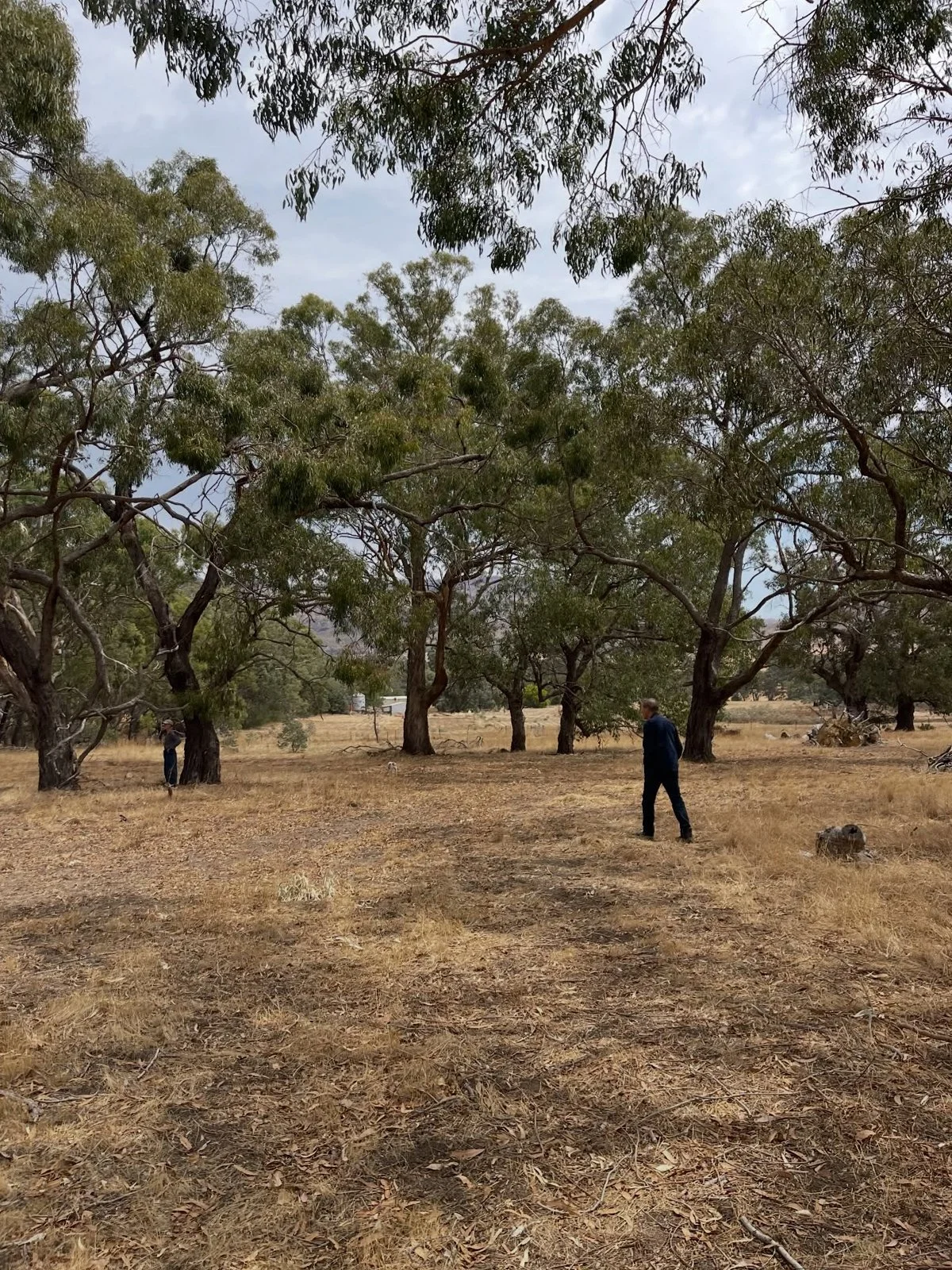
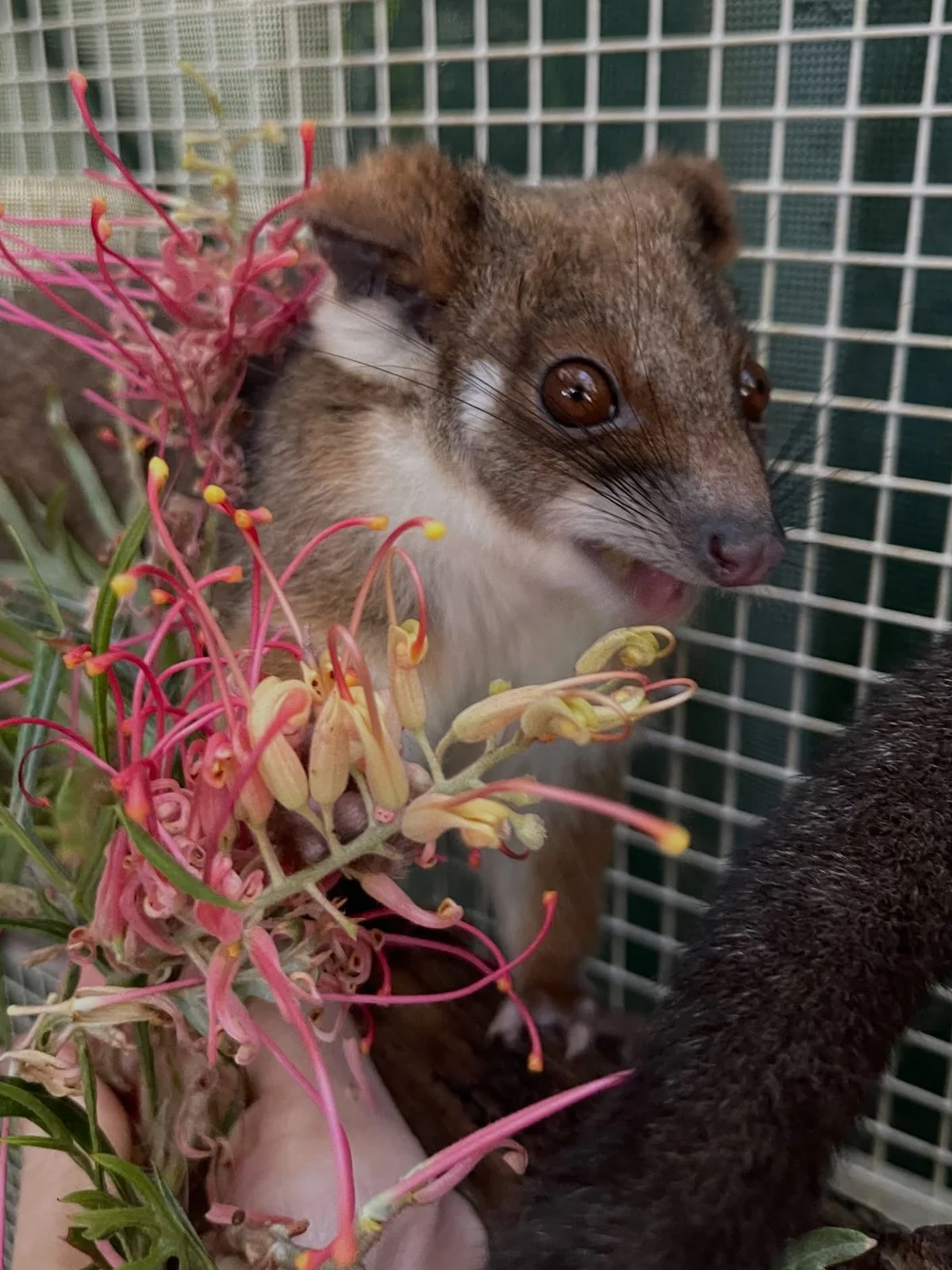
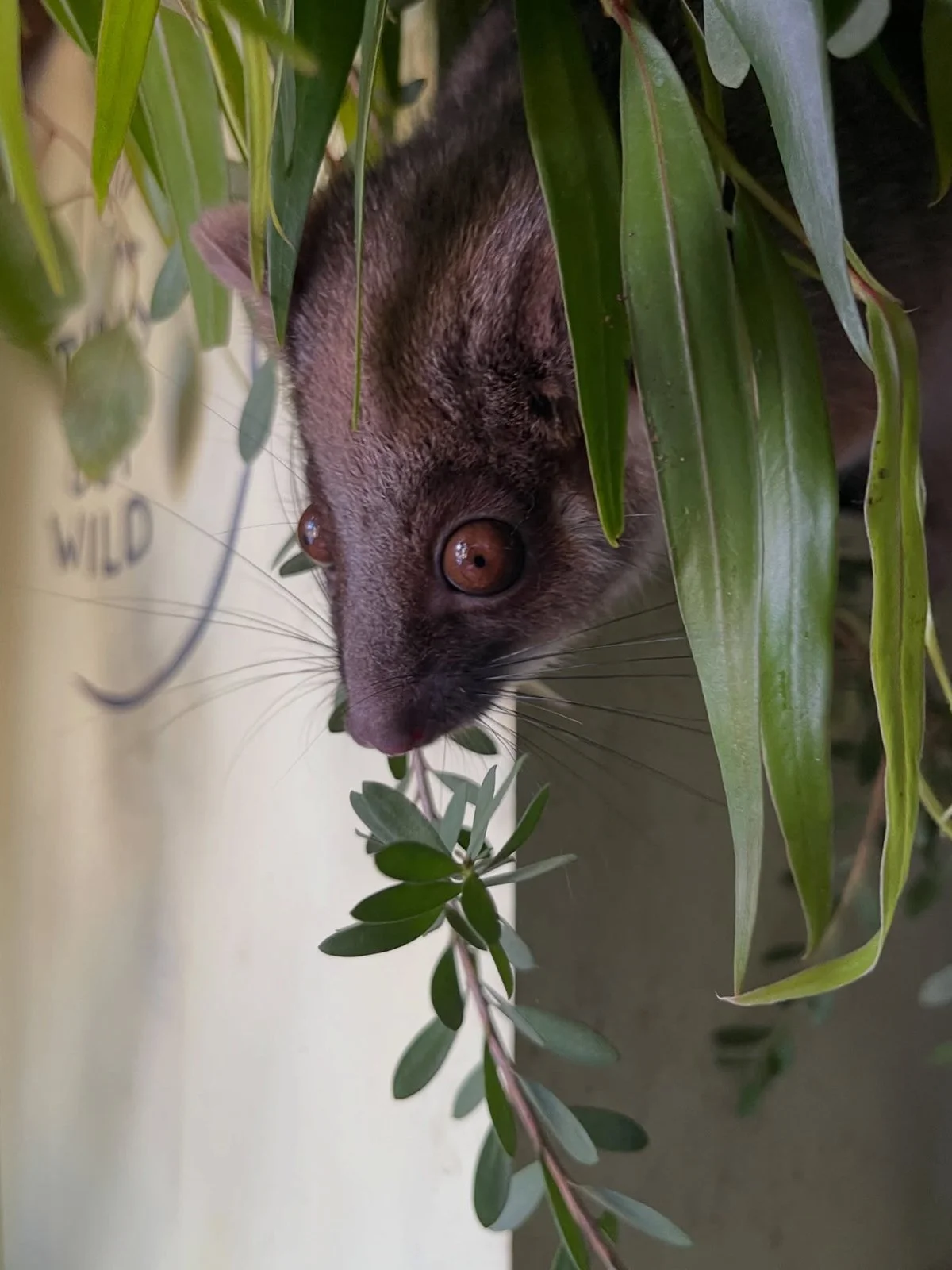
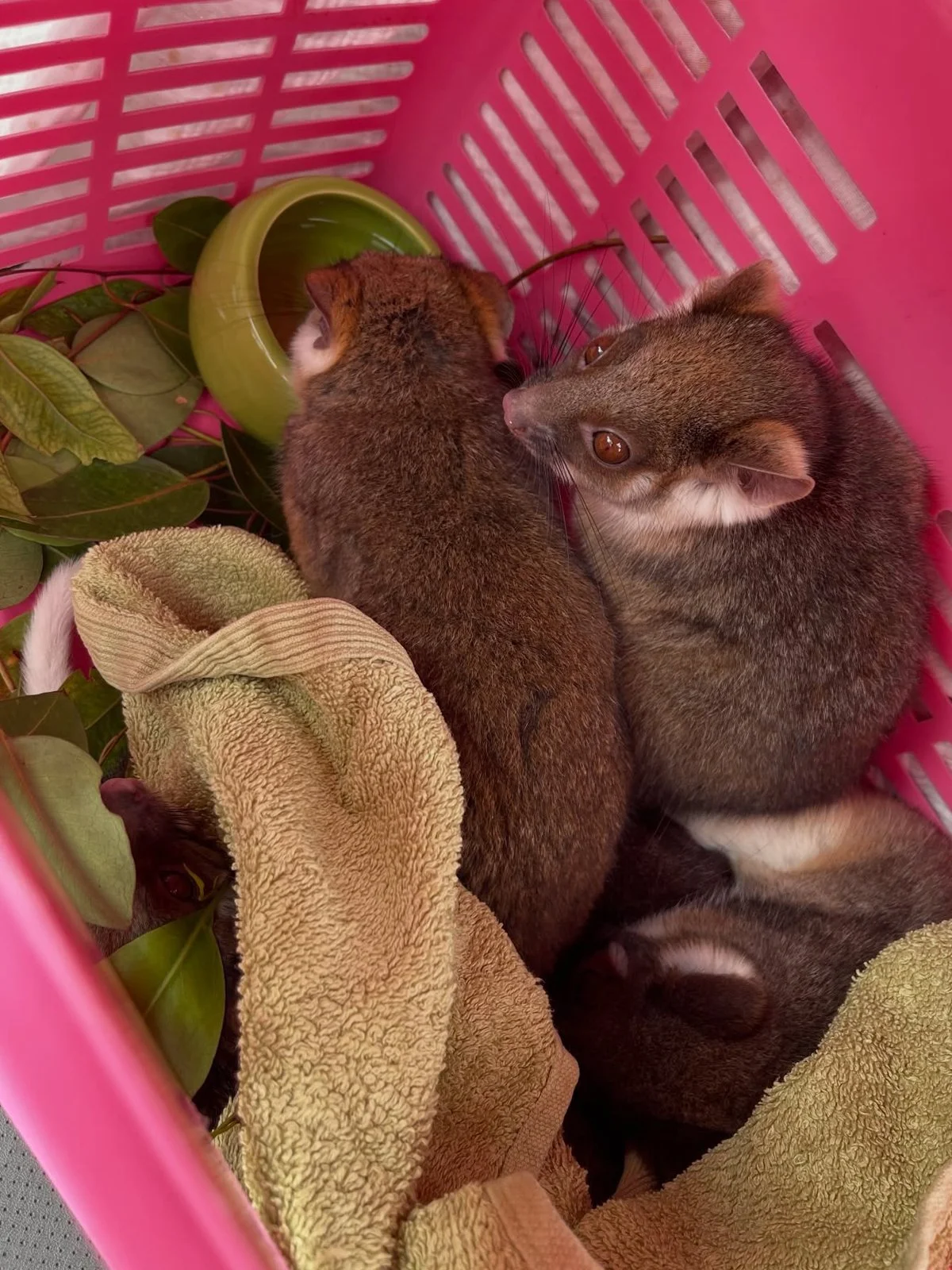
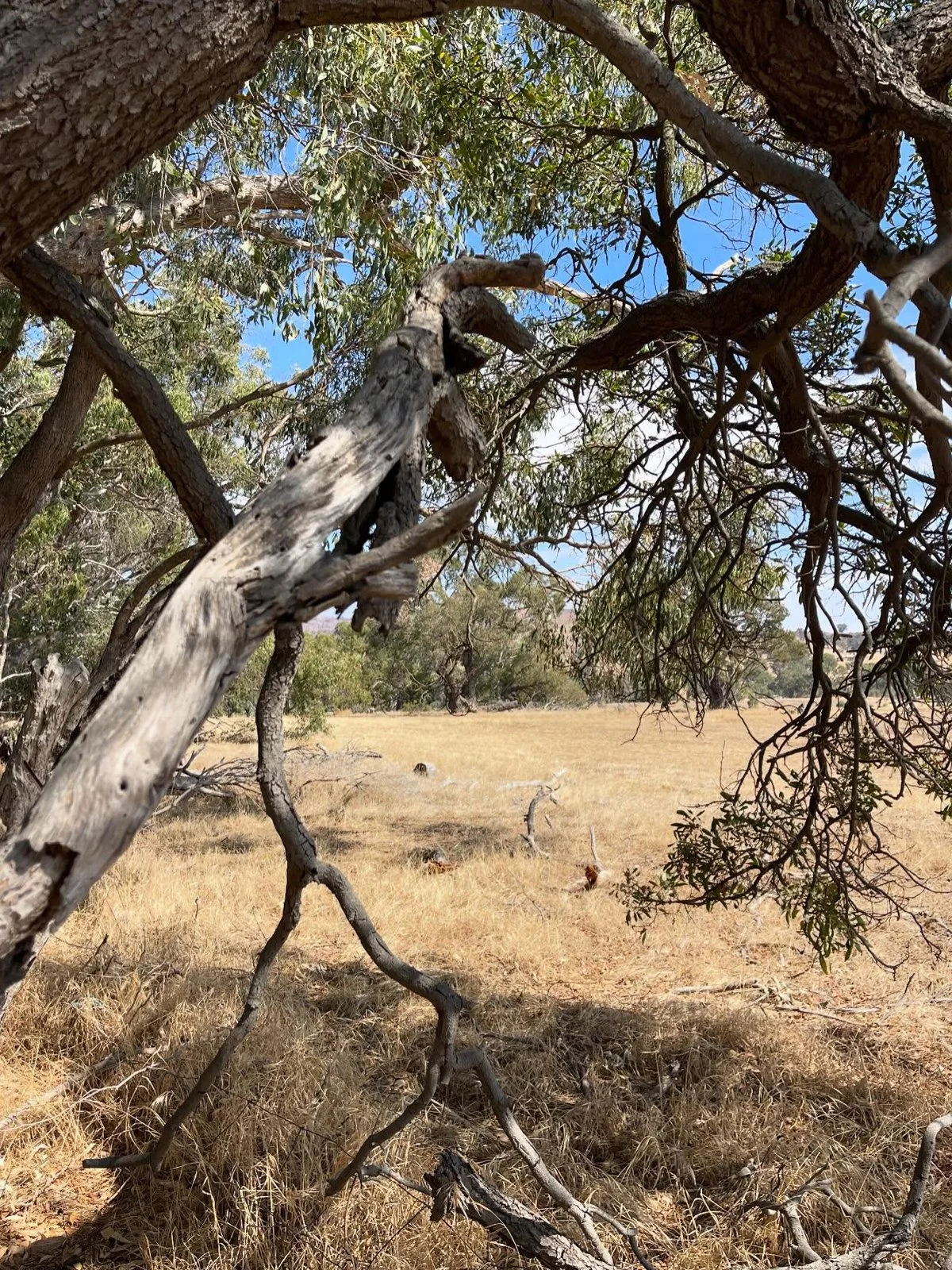
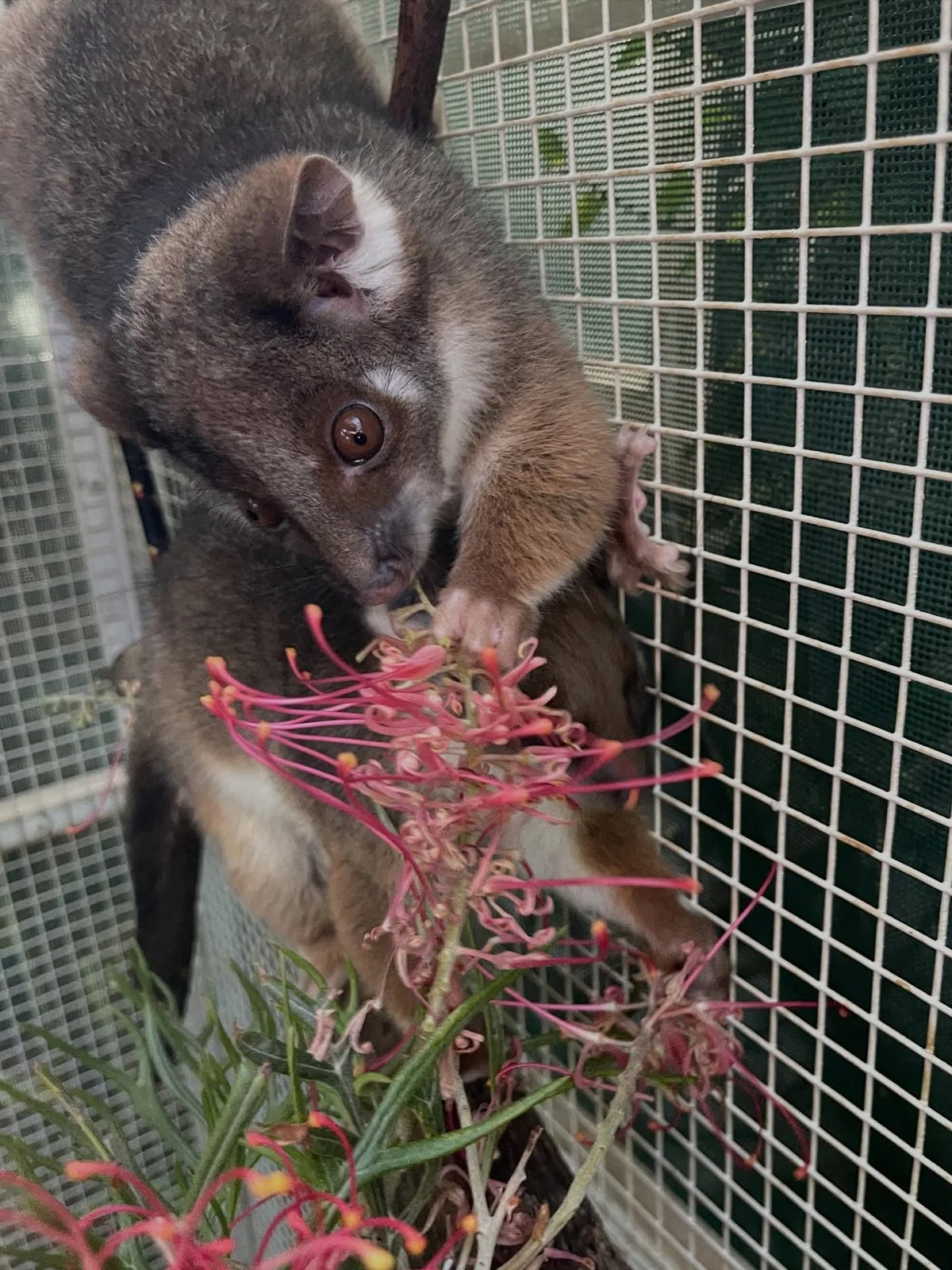
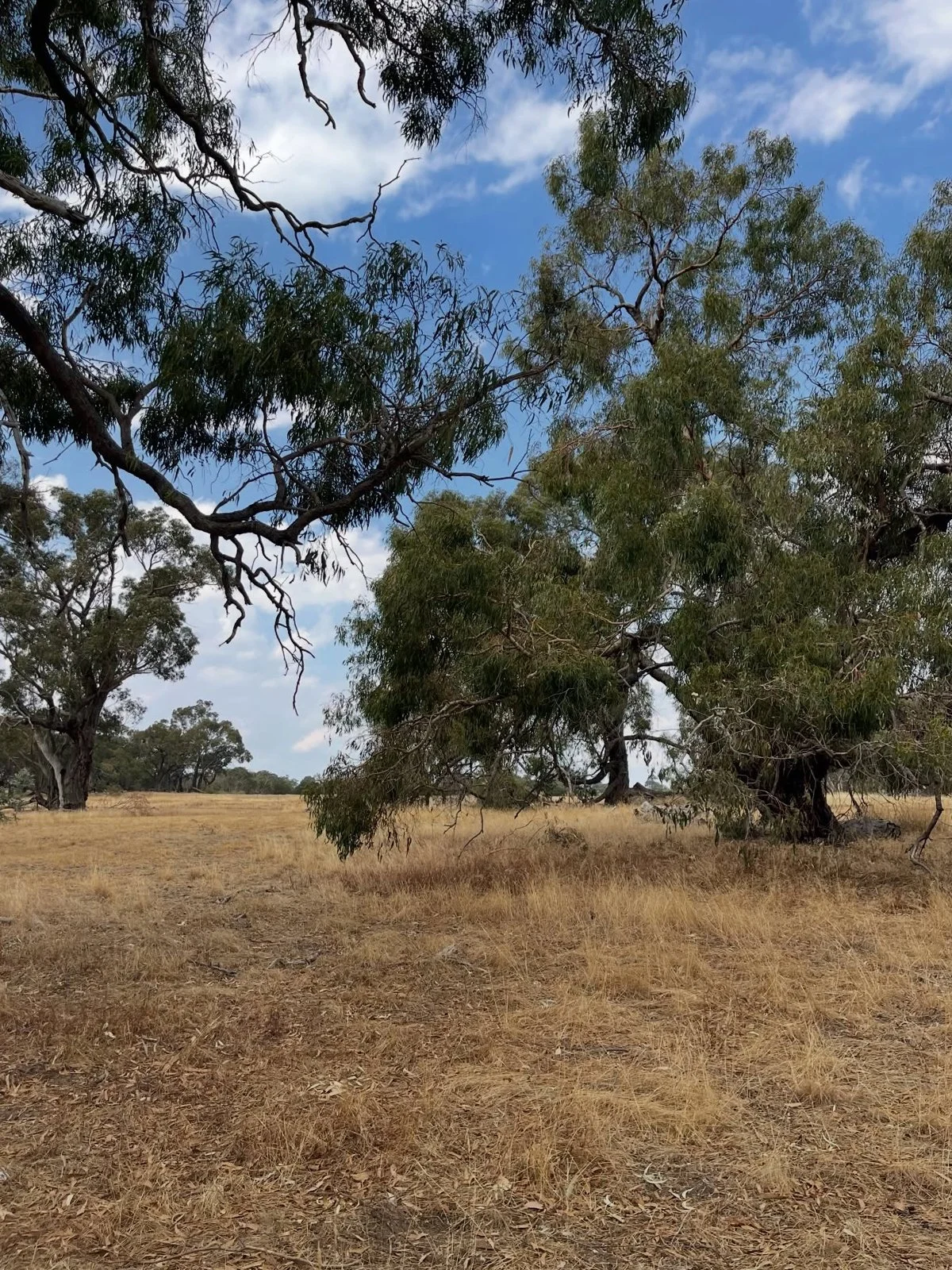
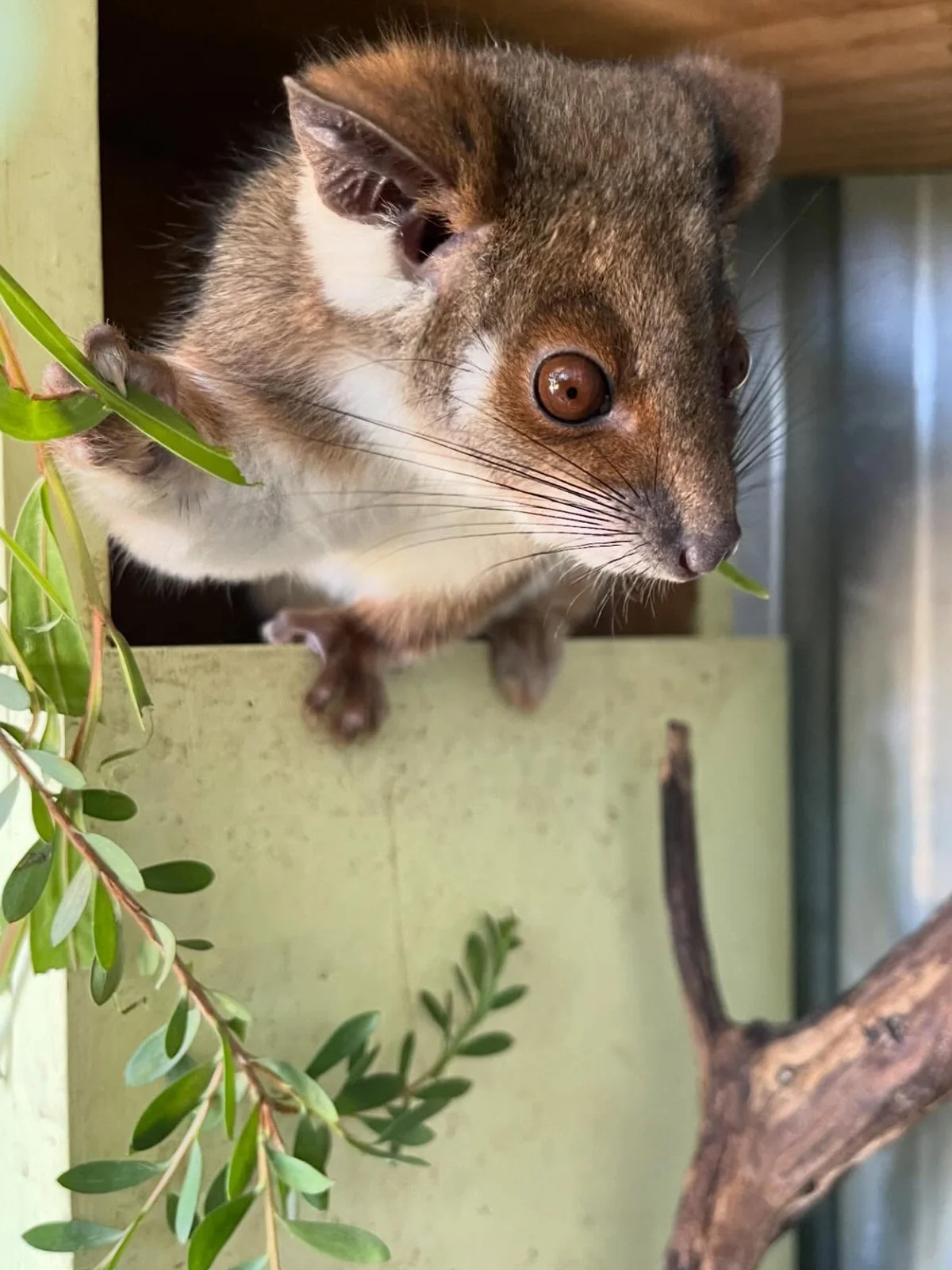
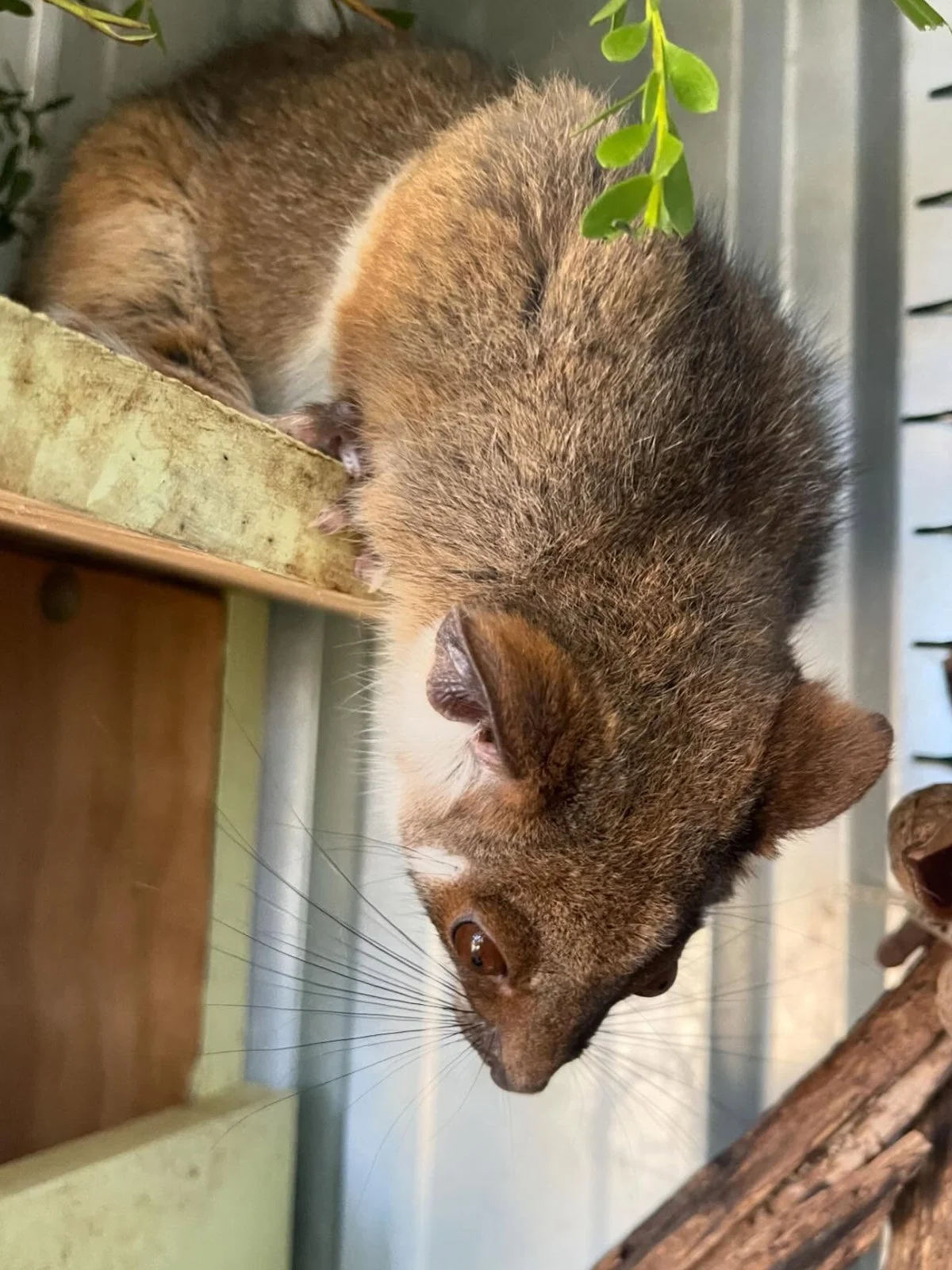
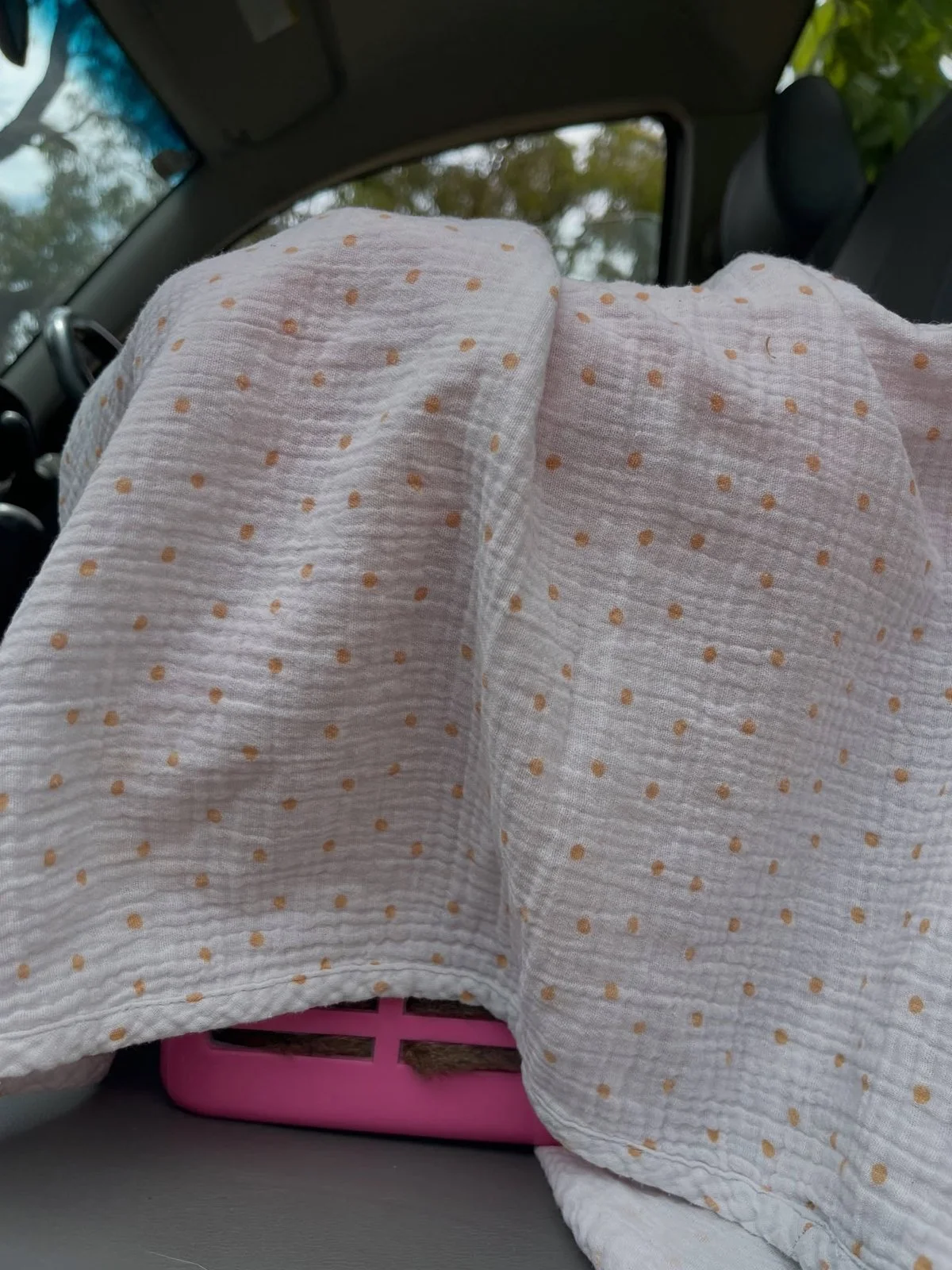
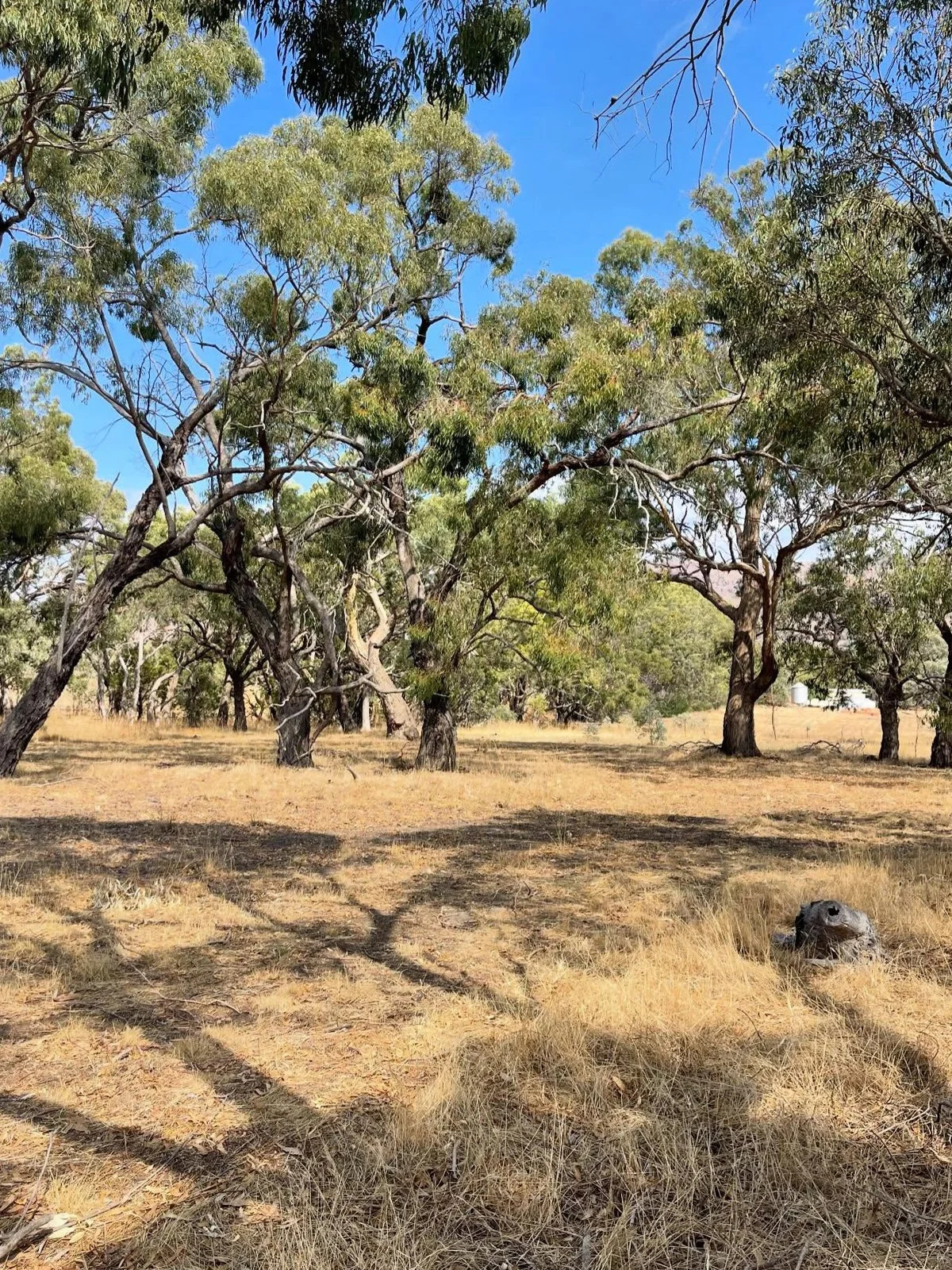
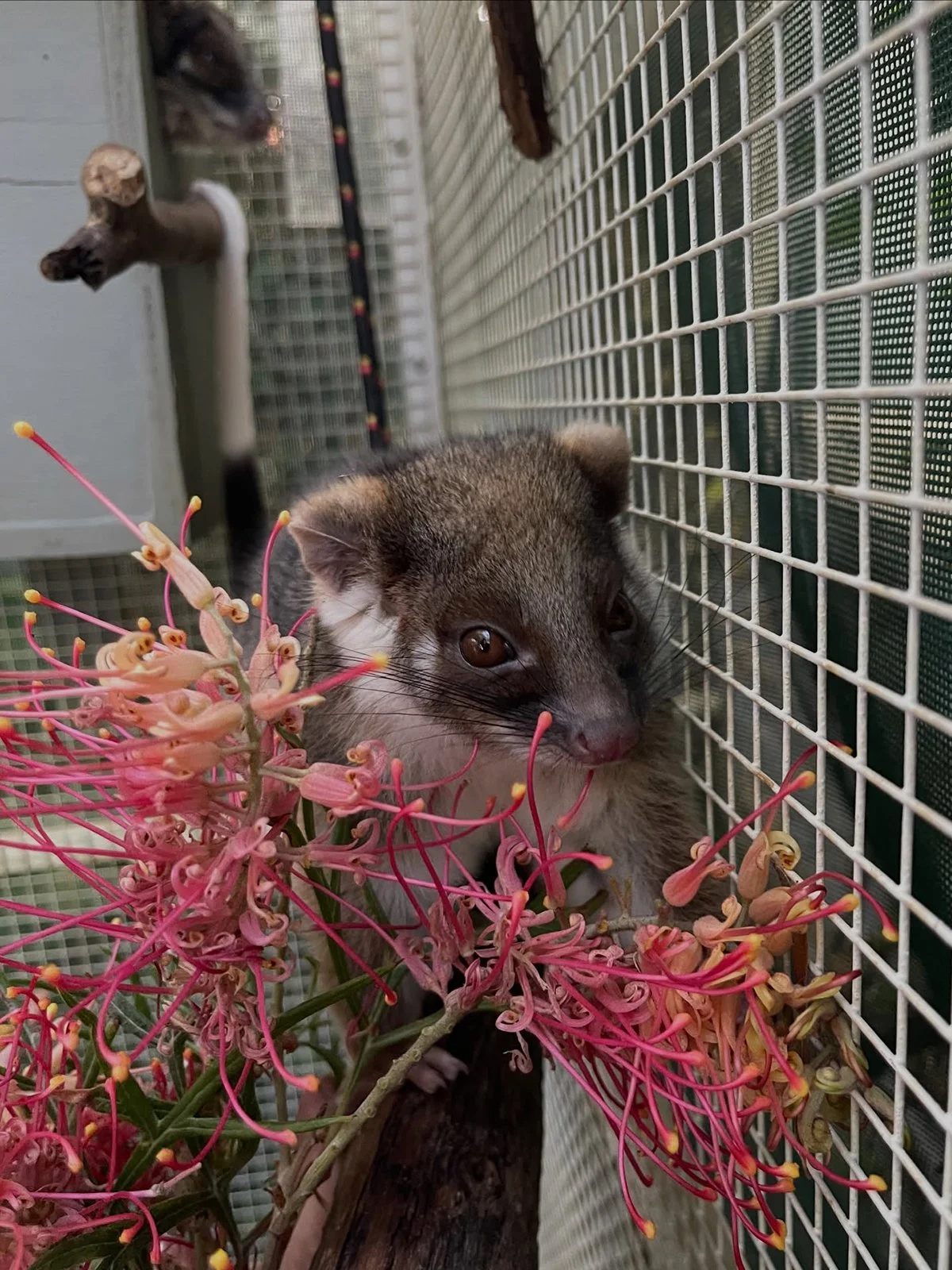
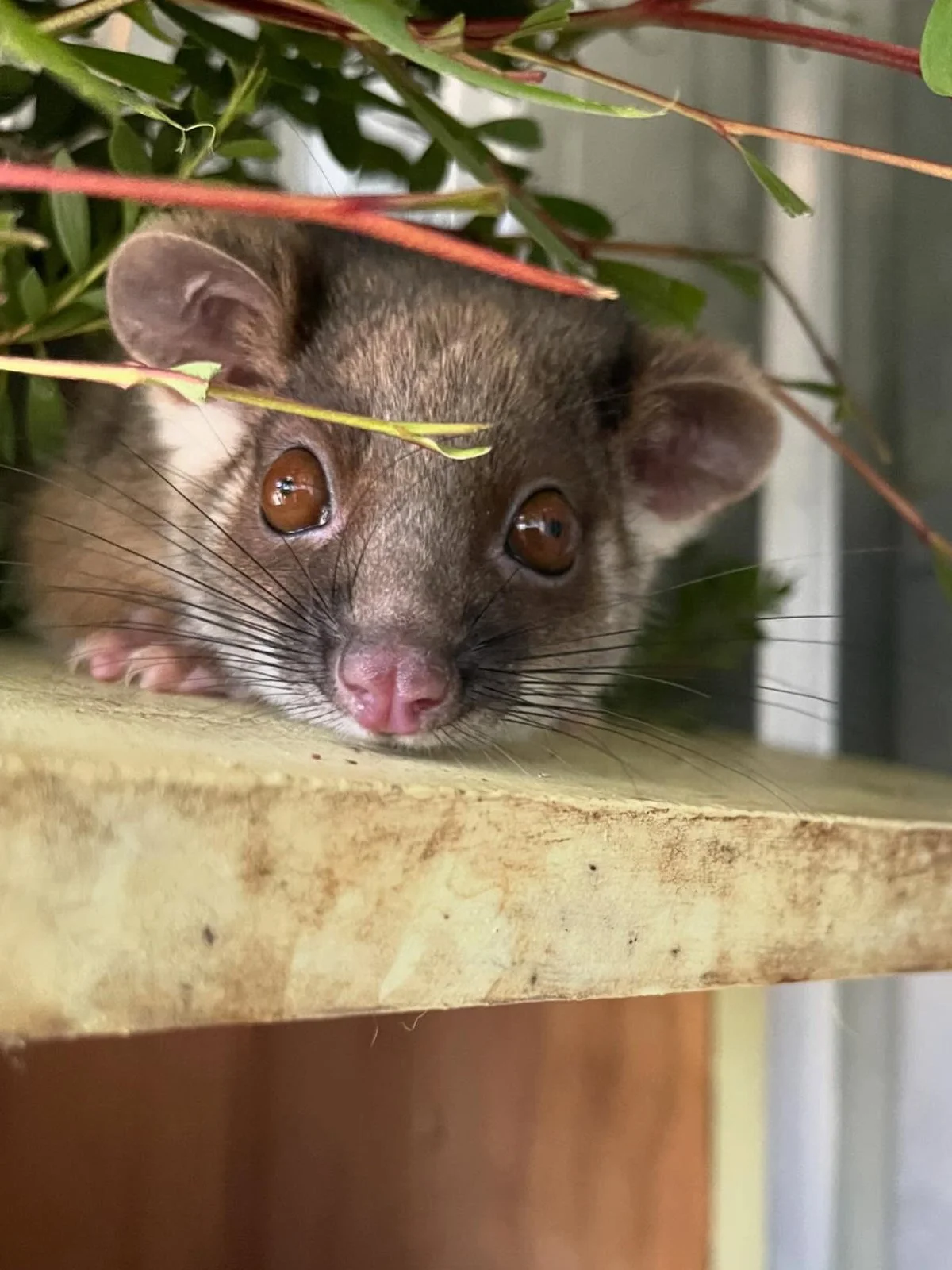
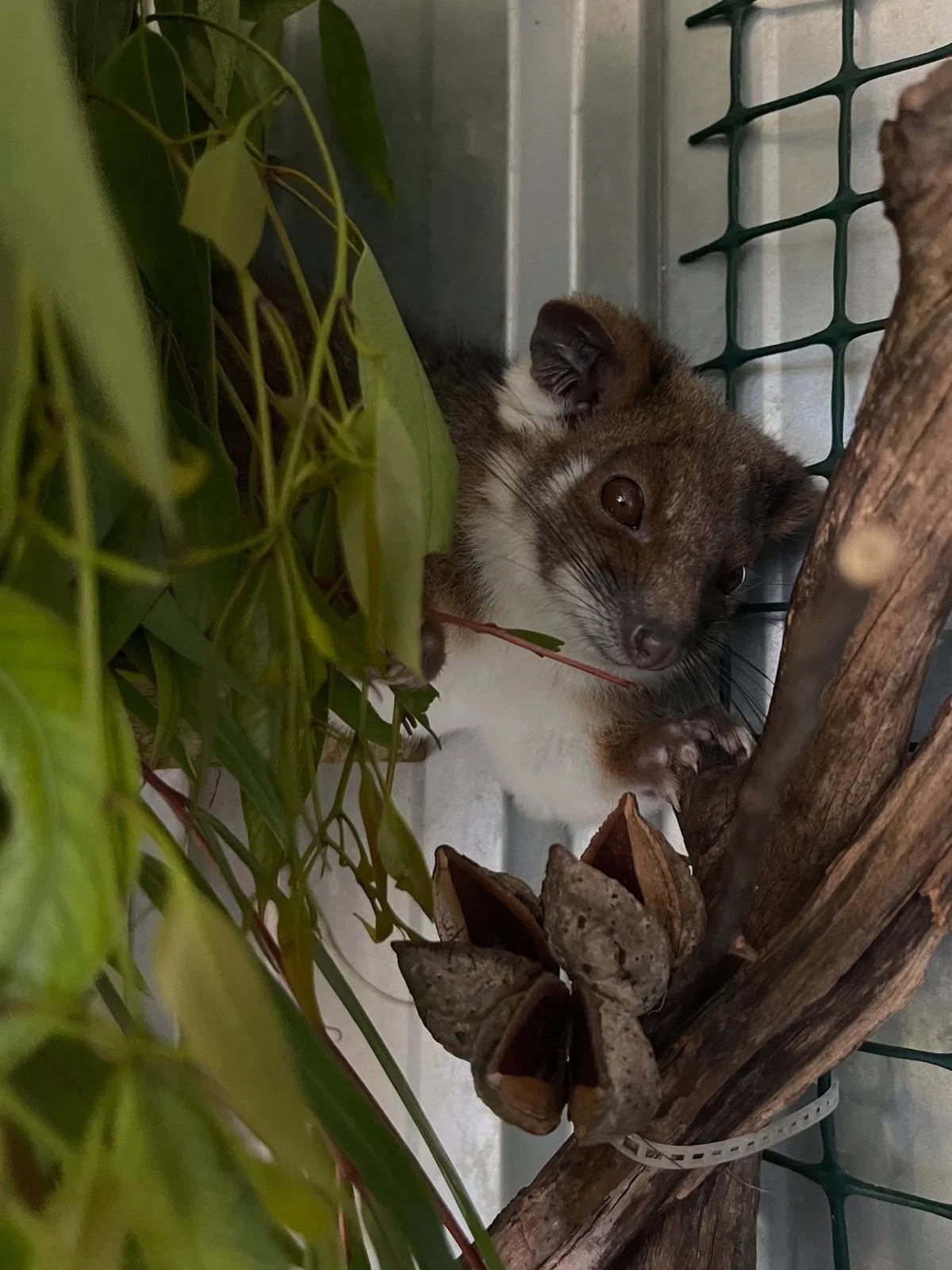
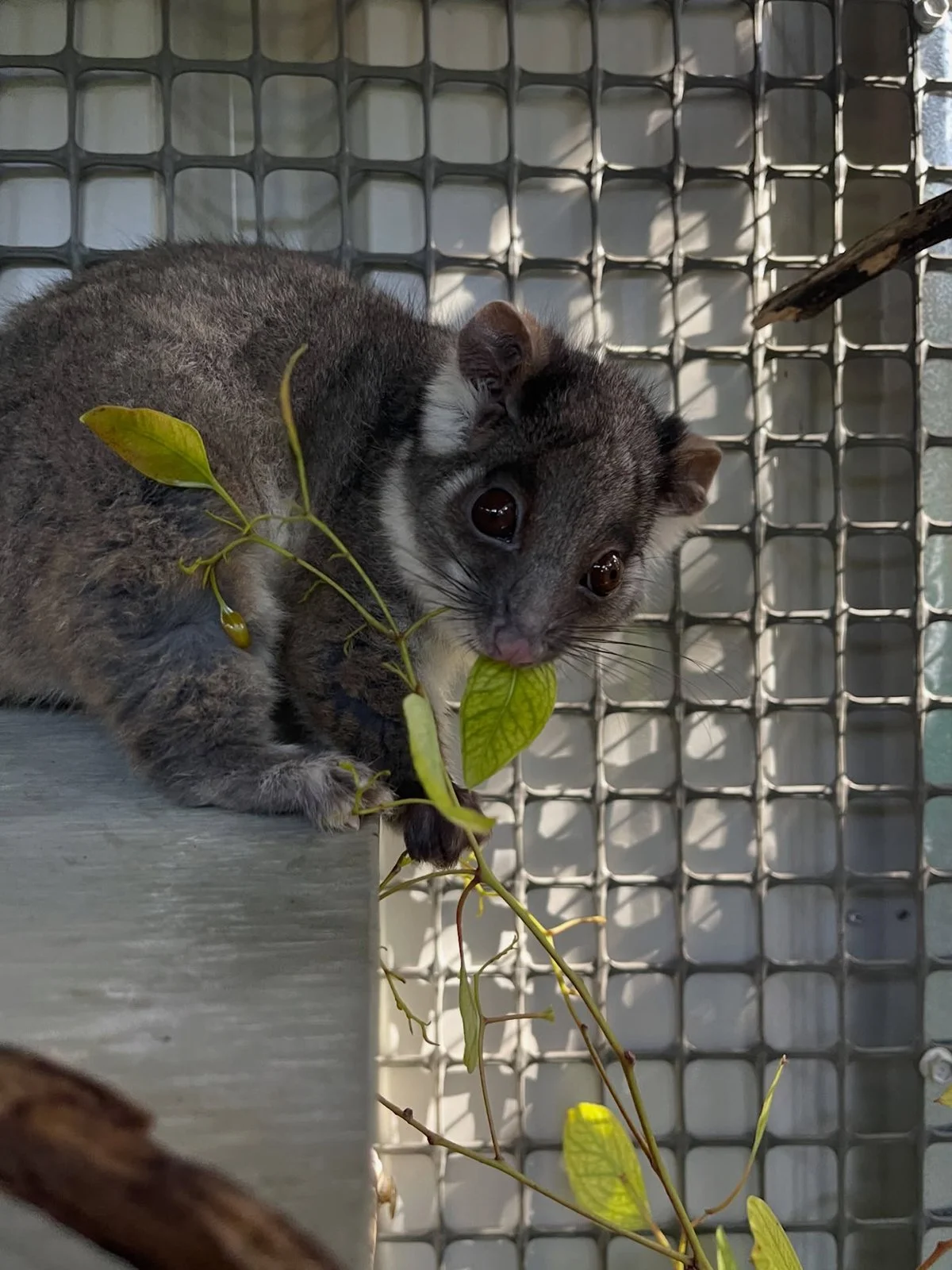
A handful of days* after setting the quartet up in the soft-release enclosure, we headed up to possum land to check on the transition of Homer, Pansy, Albertina, and Humphrey, as they shake off their urban upbringing with us and shed their human-given names. They seem to be making the shift with some ease, which is heartening to discover. They continued eating as we put in fresh browse, adding in some more local browse as we did. Since we saw them last, rain hads fallen, and perhaps a mob of kangaroos had passed by and peered at the temporary structure, our curious, on-wheels possum caravan. Our trail camera, for one reason or another, failed to detect this, but the earth had received a drink and there was a little more kangaroo poo about since our last visit. Looking at the inside of the trailer floor, the possums had certainly been feasting. So much of our care work, it seems, is looking in on resting possums.
What better way, for us, to mark the occasion than Melbourne Chamber Orchestra’s (@melbchamberorch) Flexible Sky at the Melbourne Recital Centre, featuring Bartók’s Romanian Dances, the swirling chase of Beethoven’s presto agitato from his Moonlight sonata and the bookends of Matthew Hindson’s lyrical Song and energetic Dance. In celebration of reinvention and listening, the elements are flexible, the sky, in flux, the readings, varied, and the senses, sharpened to it all.
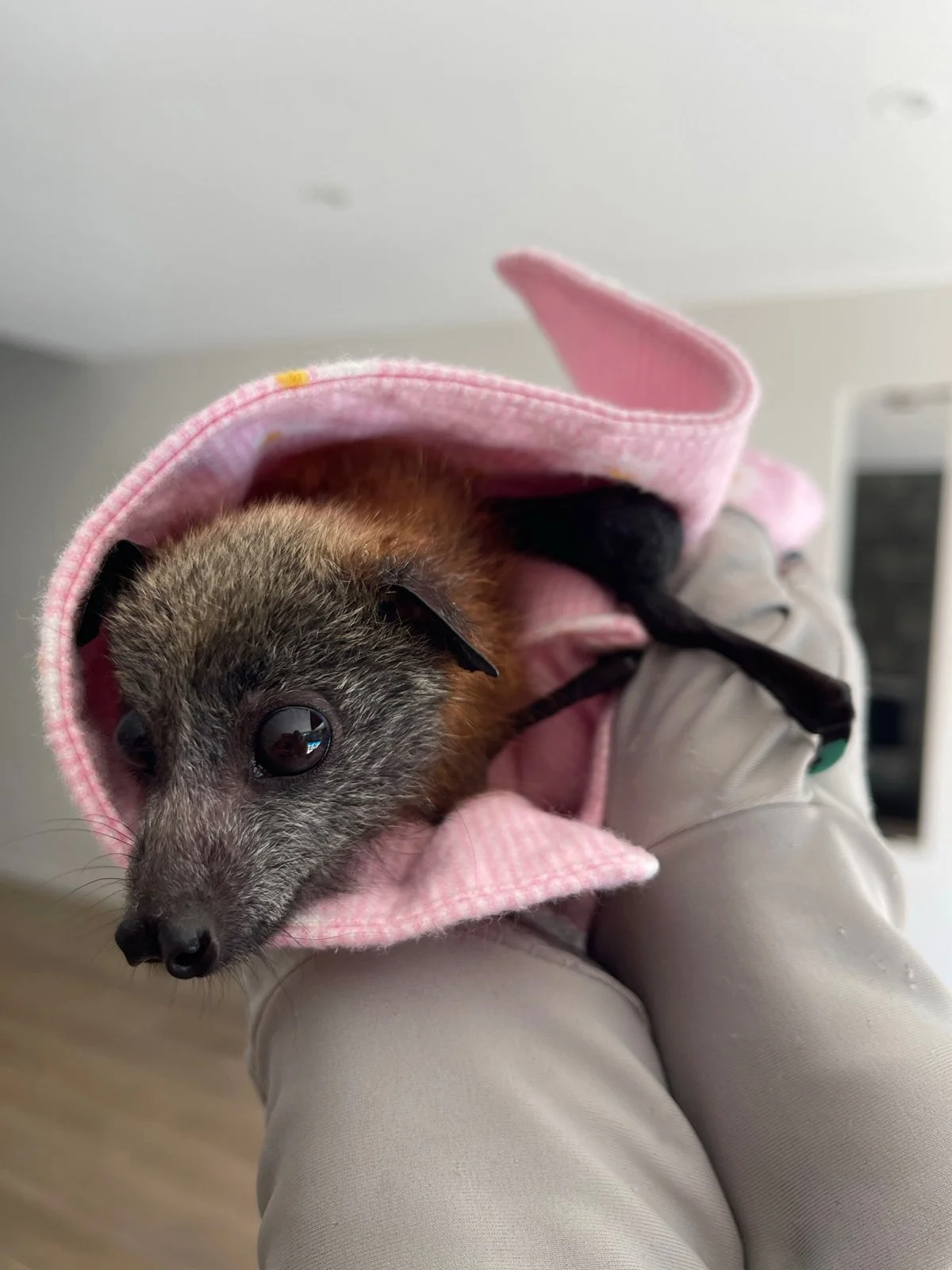
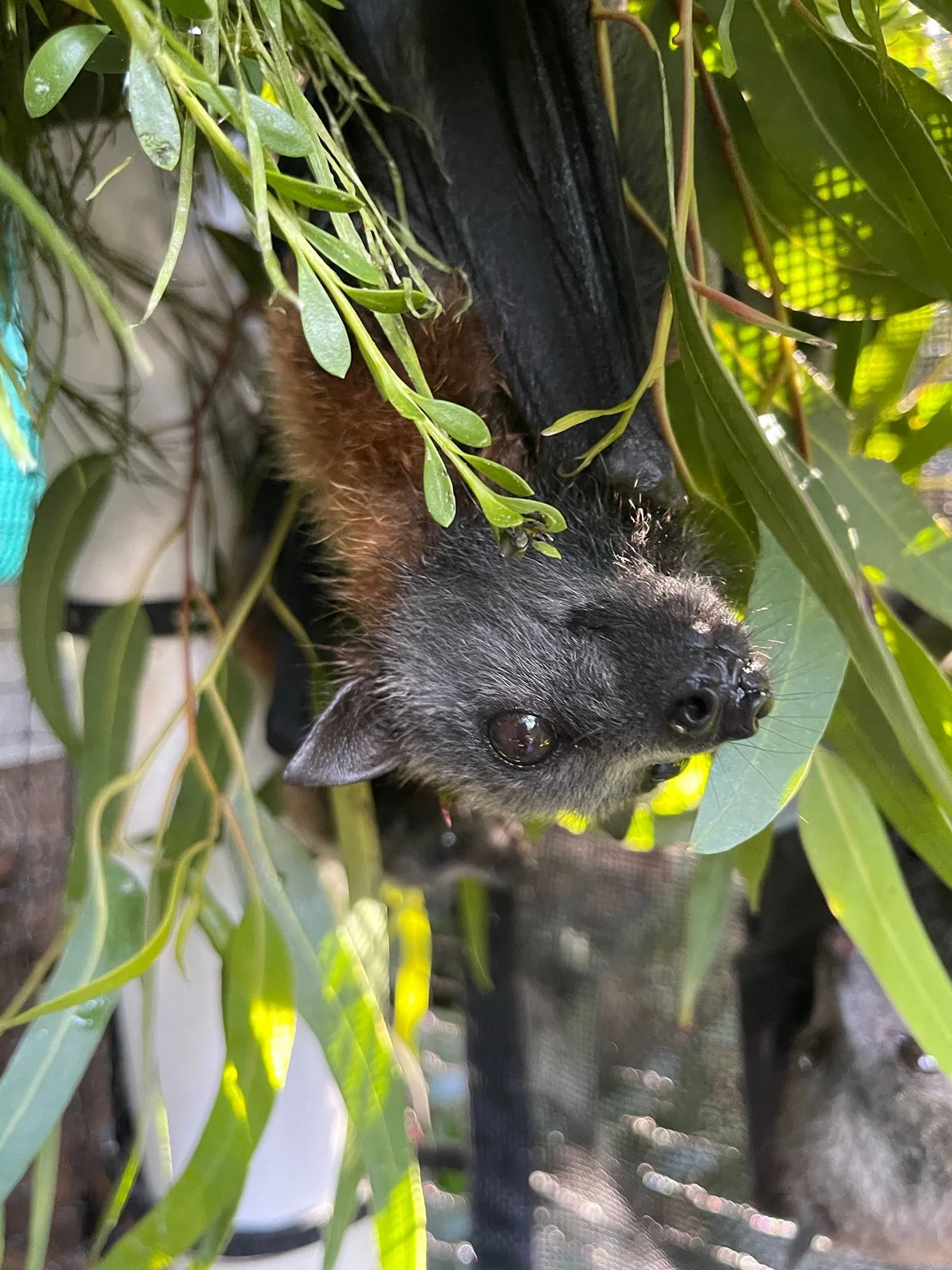
Summer is soon to draw to a close, and the enclosures are becoming increasingly bare. Our last four Grey-headed flying fox pups, June, Frick, Apricot, and Oliver Twist, were united with their friends, Flossy, Ludwig, Petipa Pink, Harp C. Chord, Fennel, and Ivo Brown, at Bat Rescue Bayside’s 2026 crèche, along with a host of other inquisitive pups from the 2025–2026 season. After being weighed and measured, prior to heading into the flight enclosure, and offered a green grape for their patience with the process, they, like the ringtails, are all another step closer to their return to the wild.
As we watch the colony fly overhead at dusk, it is encouraging to think of them joining the nightly thread come the cool of autumn. This season has been a busy juggle of pups and deadlines, and, as ever, the entanglement of the many strands remains a joy.
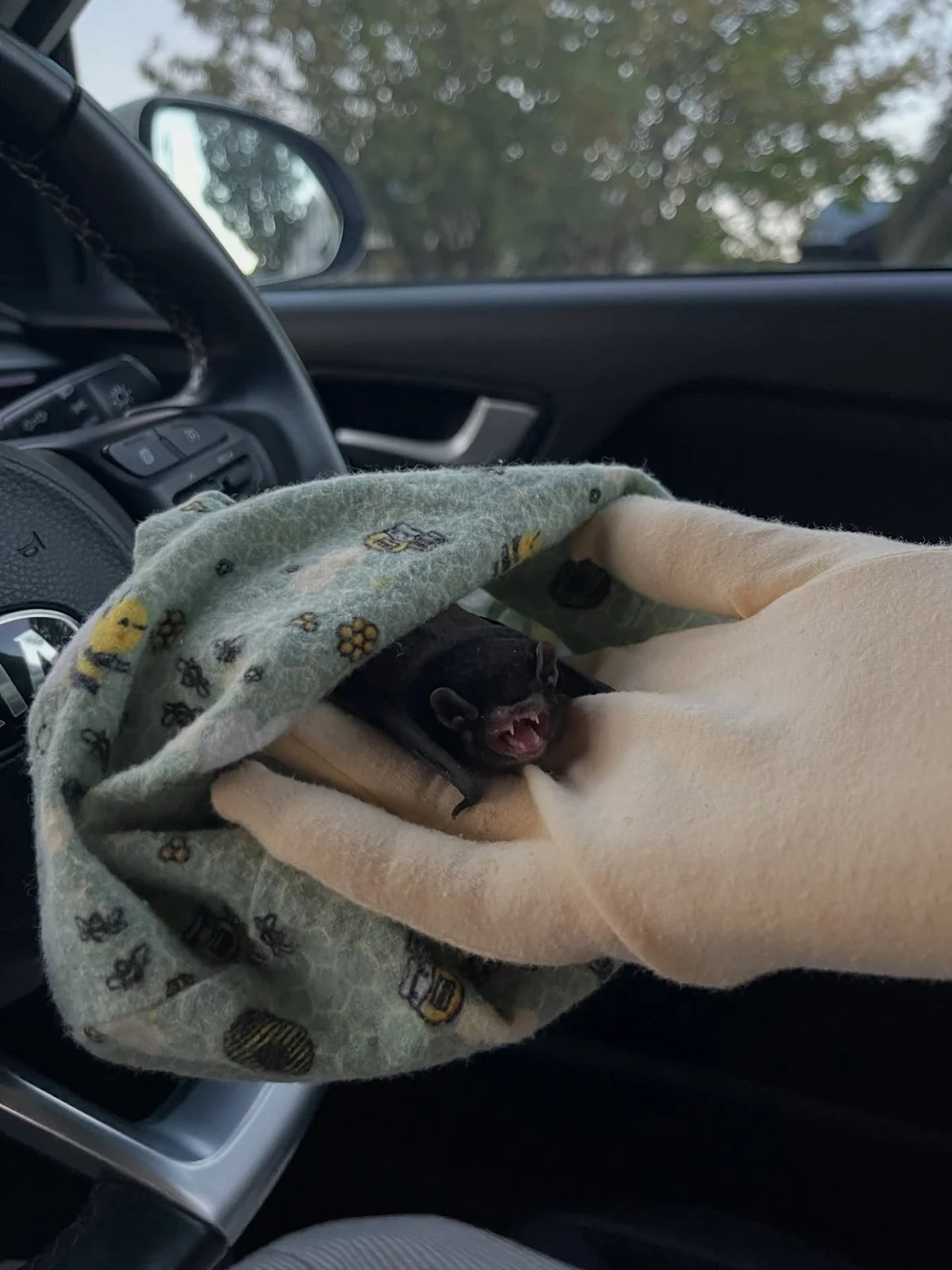
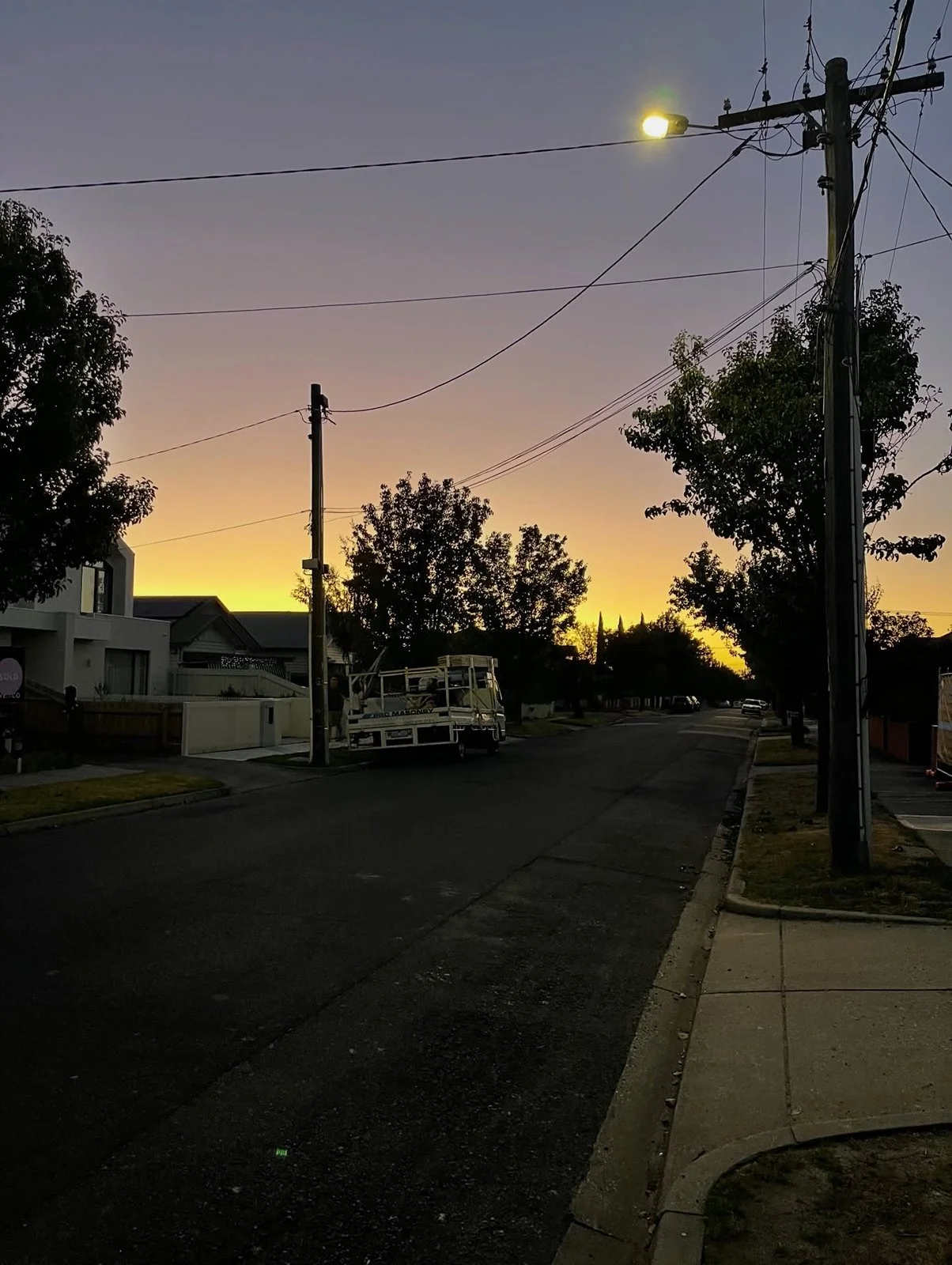
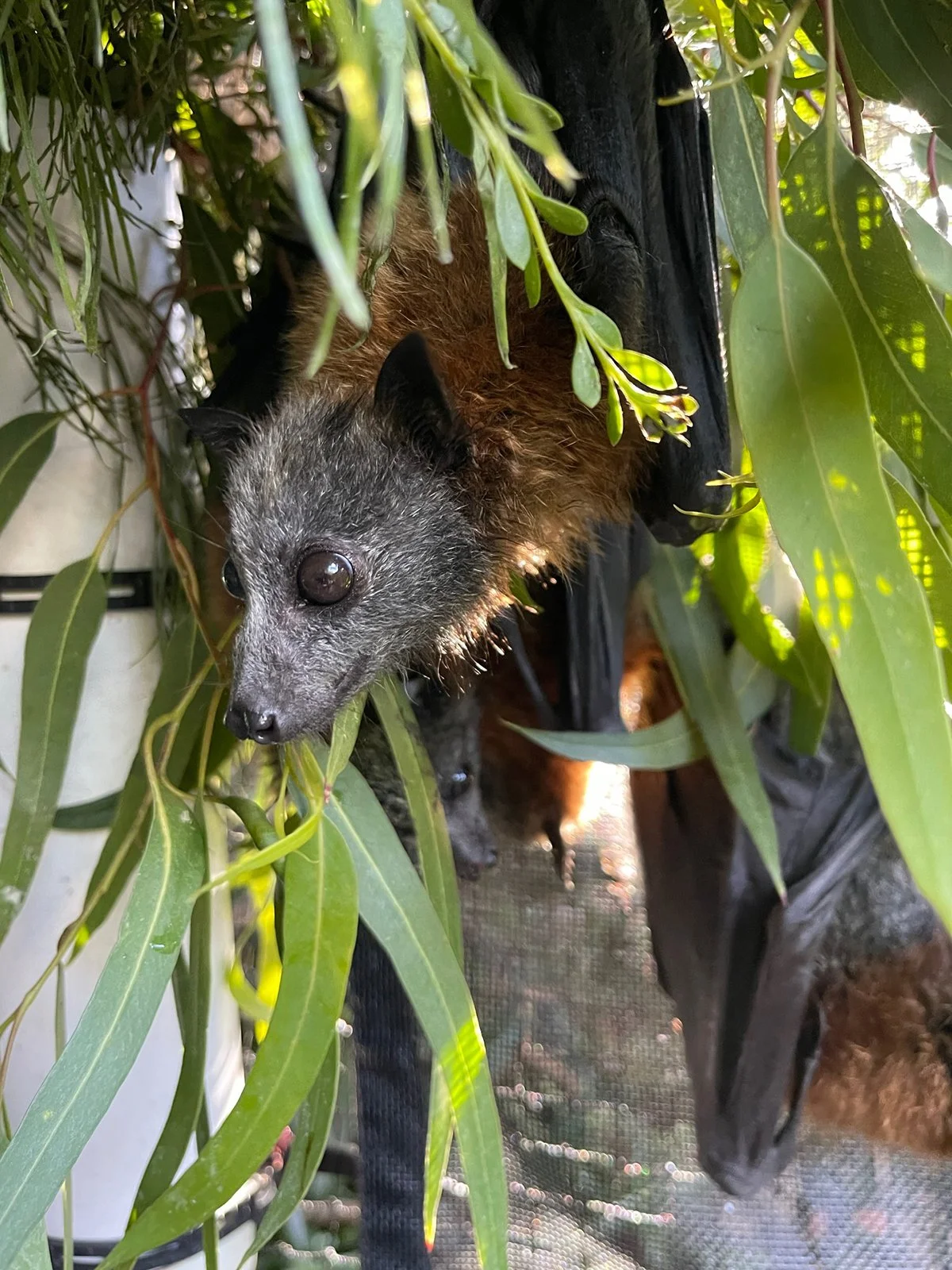
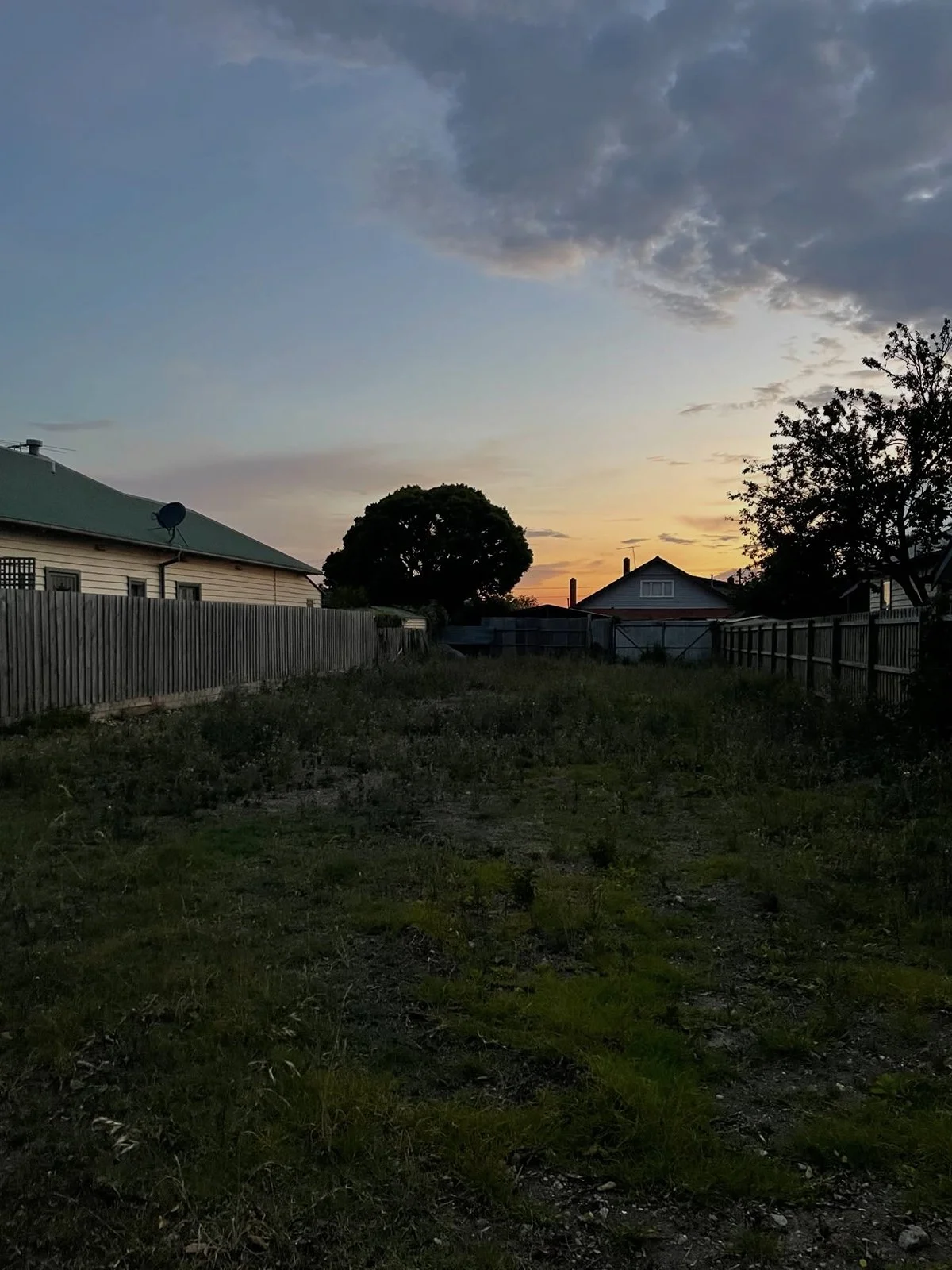
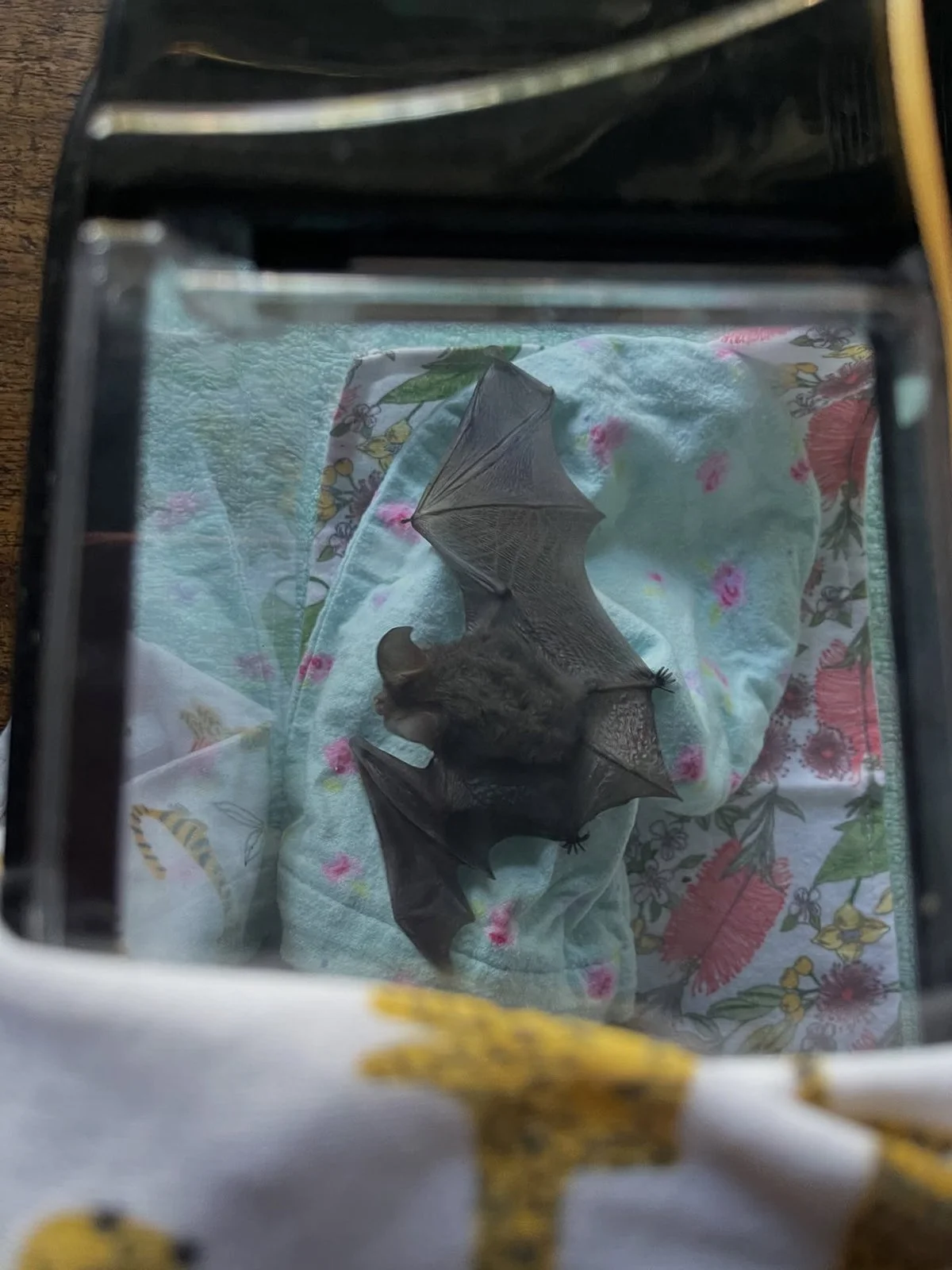
Other recent returns include Euphemia and Merlin.
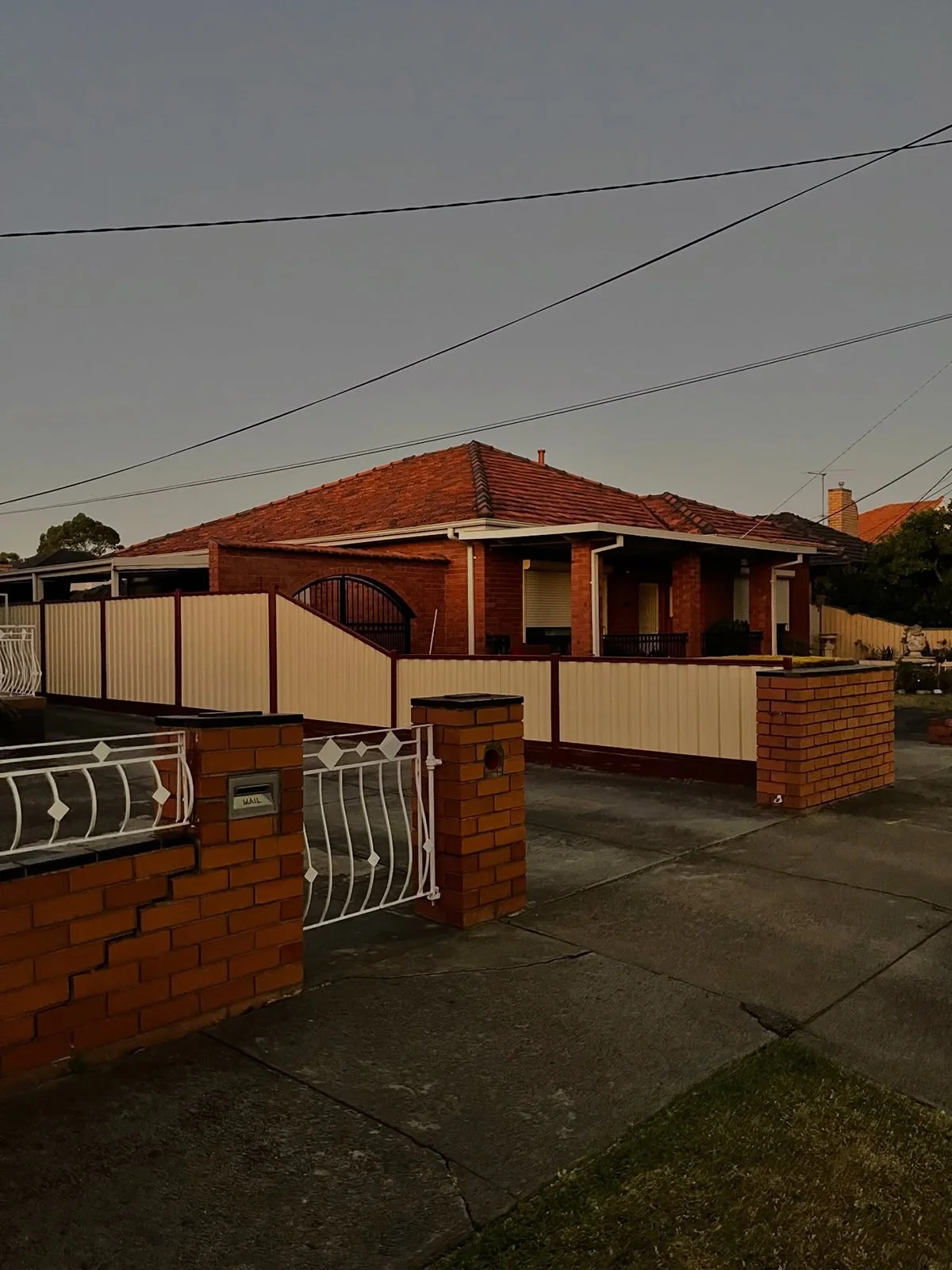
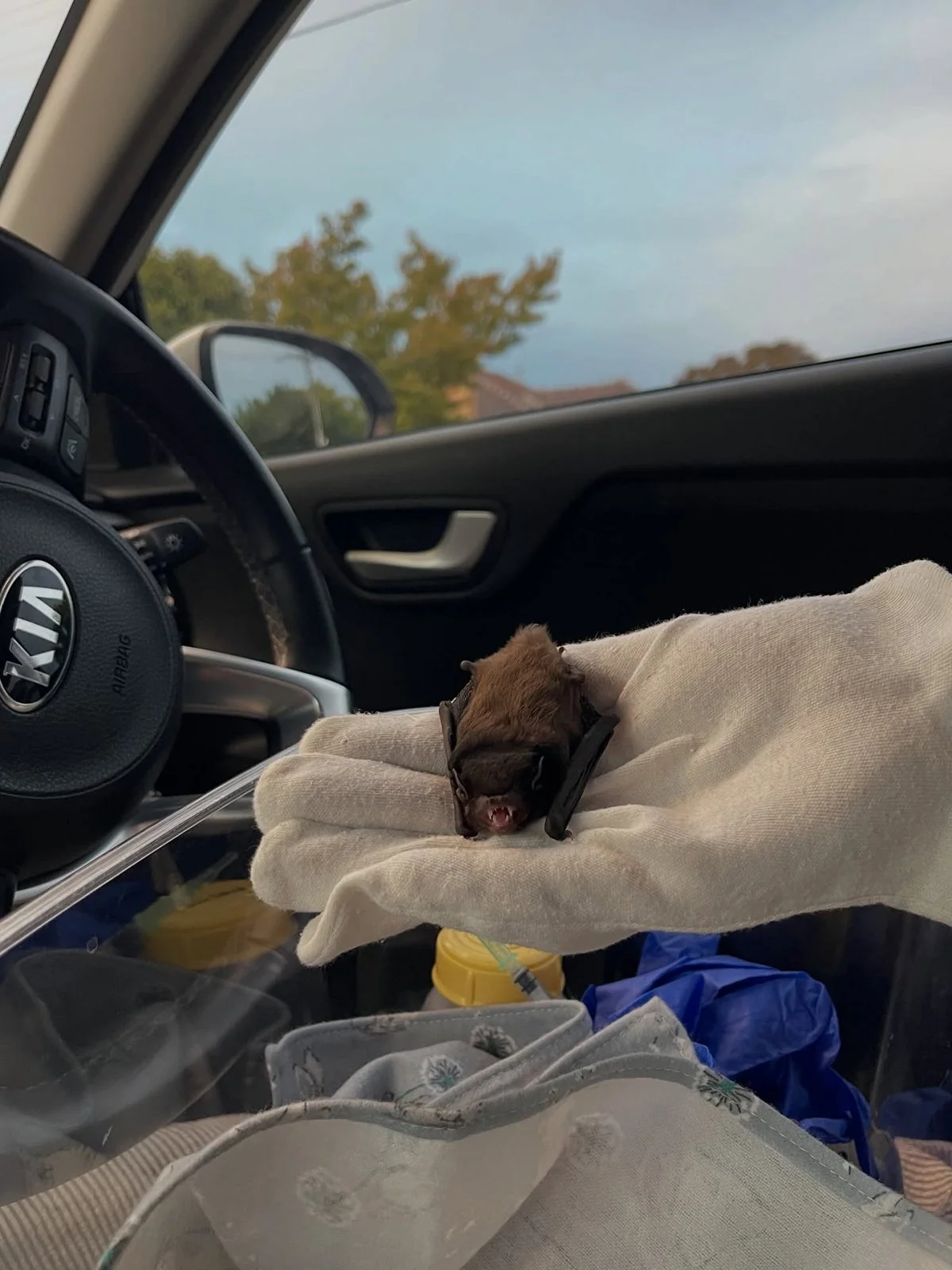
Act One: Euphemia, the juvenile Lesser long-eared microbat, who came into our care in early January, took a little while to get her confidence with flying, but once she did, she proved a nimble gymnast, as can be seen in the slow-mo video of her release (filmed by Wildlife Victoria’s George, who returned her to her home in Botanic Ridge). She took off at pace, ready for the full world beyond.
Act Two: Following the launch of The Ballets Russes (1908–1913) on Stage and Screen, by Mark Nicholls, at Arts West, University of Melbourne. Merlin, the juvenile Gould’s wattled bat, who had been in care for three months, took to the night sky like Nijinsky to the stage. The soundtrack, quiet evening, with notes of Stravinsky, Merlin headed forth, in the spirit of The Ballets Russes, redefining ballet. Now capable of swooping for insects and catching his next meal on the wing, his second attempt at release saw him loop over our heads thrice before flying to the big tree in the distance. So much ground covered in but a handful of seconds. Like dusk, blink and you’ll miss the magnificence.
Final curtain: Delving into the world of illuminated manuscripts — to peek under the robes of the angel, in Dr Anna Welch’s ‘Understanding an underdrawing: The decorative program of the Wharncliffe Hours’, and learn about how the anatomical features of the animals stays present in the parchment of the illuminated manuscript —was the perfect antidote to farewelling Political Pos, Tashi, from this mortal coil.
The Wildlife Victoria Travelling Vet Service paid her a third visit to check on her progress, and sadly, as we’d all suspected, but were closely monitoring, her two previous injuries meant that she could not be safely and in good faith released. Sweet Tashi was a rescue at Parliament House in early December, after she was found in the well of the windscreen on a car travelling from Ringwood to the city. Her main injuries were sustained prior to this, when she had been attacked by a cat and as a result suffered a broken joint and subsequent bone infection. And yet, in spite of this trauma, she was a happy patient, for the time we knew her. She responded well to the antibiotics and pain relief, but the damage was such that it would entail ongoing pain management, something not possible for her to receive long term, going forth in the wild.
Especially for her last night at Tiny but Wild, we collected all of her favourite and, coincidentally, furtherest browse from various locations (factory car parks, after hours, and nature strip trees) and she feasted heartily. That she was safe until the end and released from any suffering is a comfort.
Head to those big eucalypts in the sky, Tashi! To browse, fresh from the tree and so impossibly green they could have been illuminated by Maître François himself.
Not every journey has the desired ending.
And some endings can become beginnings.
As ever, please note: you need to be a qualified, vaccinated carer to handle megabats and microbats.
Please continue to put water out for wildlife, and create cool environments for wildlife to shelter. Always call your nearest wildlife rescue if you encounter a heat-stressed animal.
* When in soft release, our possums are given fresh water and local browse daily by Ken.
Image credit: The beginnings of the first soft release for 2026 at Sutton Grange.
