Where realms collide
Wildlife Care to RMIT School of Art
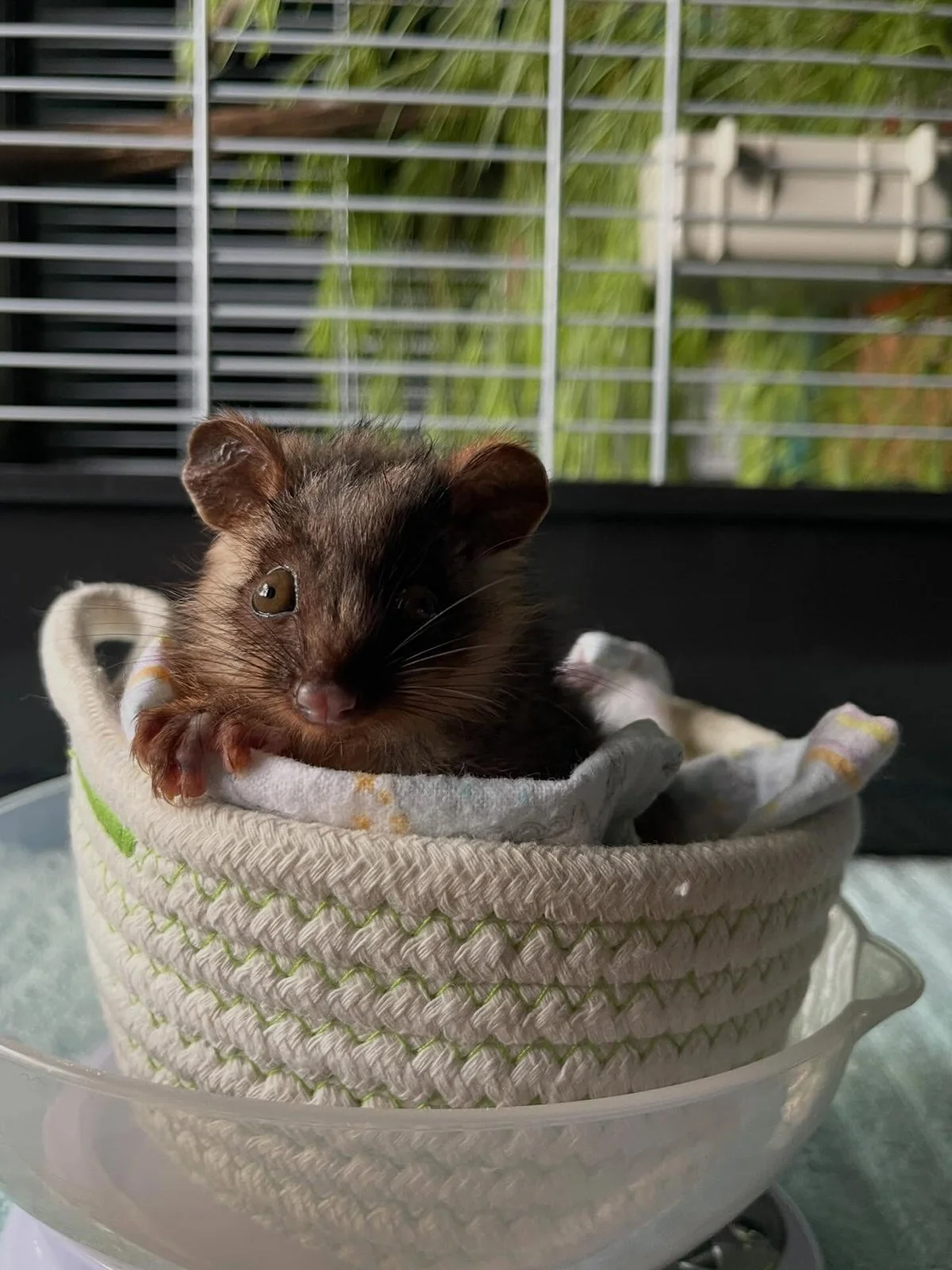
In continuation of a naming tradition, twining arrival with performance, of course the next little ringtail joey to come into care was going to be named after something to ever remind us of the recent Melbourne Chamber Orchestra’s performance. As Sophie Rowell, Merewyn Bramble, Blair Harris with Timothy Young played Robert Schumann’s Piano Quartet in E flat major Op 47, a Wildlife Victoria transporter was collecting an orphaned joey from a veterinary clinic in Kensington. To quote Sophie, in the program notes, as “the expansive warmth and optimism” swelled, presented under the mantle of Romantic Echoes, transporter and said ringtail were on their way to us at Tiny but Wild.
So, following in the paw prints of Harp C. Chord, please meet Echo, an 87-gram joey, all softness and a dash of trepidation. Echo, in mythology, might have been the nymph who fell for Narcissus, but to us they are a cluster of notes, a “perfectly nervous, nimble” scherzo, a flutter of keys “nestl[ing] down into a gently flowing song”. And once they settle, who knows what they’ll be; it is up to them.
For one cannot merely have one joey, but a plush, nimbleness of joeys, joining Echo is Harold and Asta. Harold, with his proclivity to perch atop your finger, seemed to suit him well, and Asta, with her explosion of tufty, somewhat disheveled (at present, for this will change) coat, is named after a star. For she is a spiked star of fur, as her coat grows and she settles in. Like many, her path to here was bumpy; trauma leaves a mark. All three, adorable. A trio of inquisitiveness. In the new shoots of the sugar gum, three spheres on a branch, munching, munching, munching.
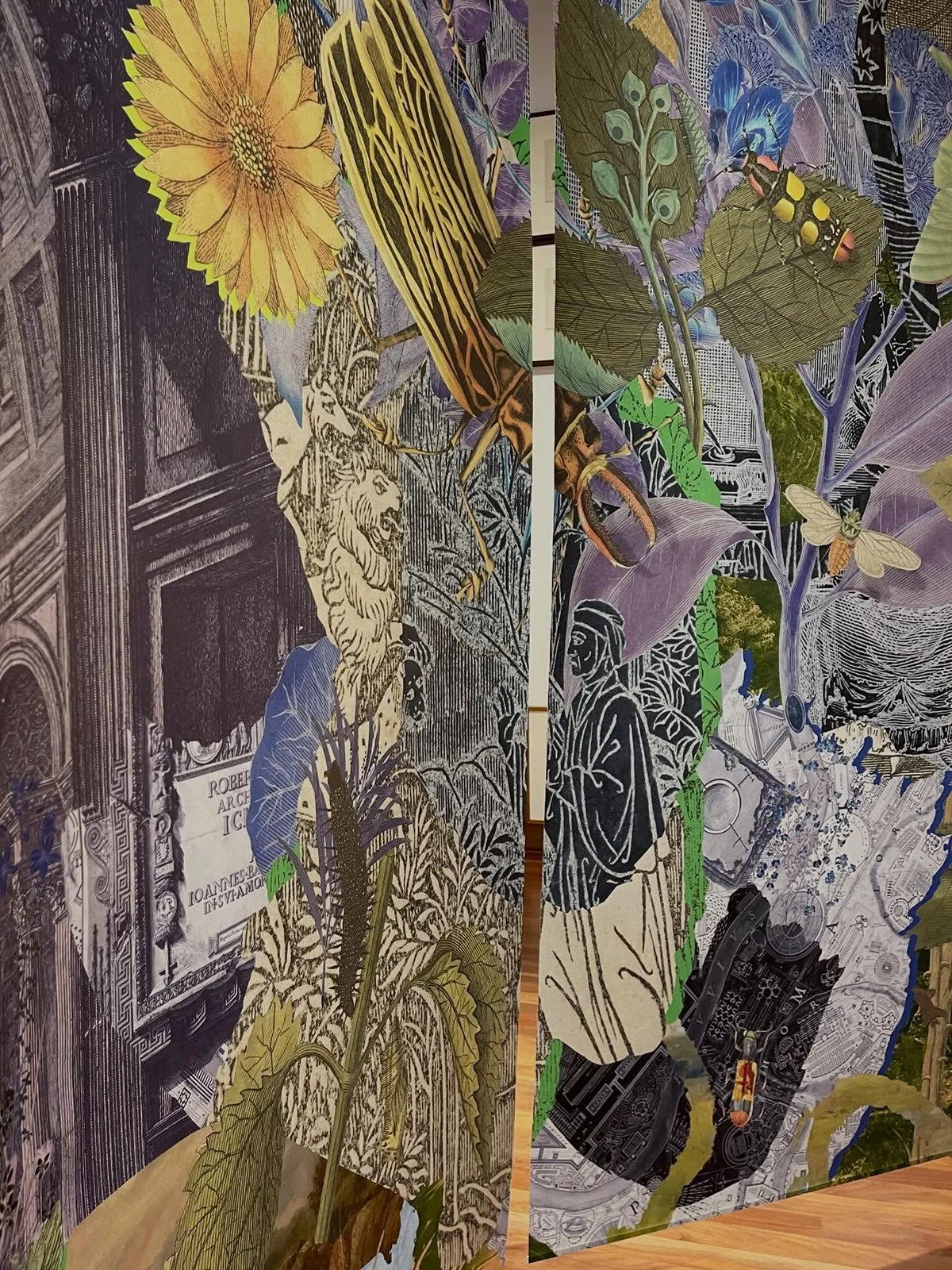
Seeing them explore their enclosure, they chip open a new window for us to peer through. And this sensation is carried over seeing our work, Specimen 1963, through the eyes of our dear friend Anna (@bibliovita). Without her, her SLV custodianship magnifique, we’d have no Dante nor Piranesi neither. Our huge thanks to Dr Anna Welch, Principal Collection Curator, History of the Book, State Library Victoria, and the digitisation team at SLV for all their enthusiasm, help, knowledge, and care with bringing this tale to life. The books you’ve shown us, the books you’ve digitised, the books you’ve allowed us to drool over, though not in the literal sense, are prisms. Fantastical prisms to new ways of seeing and understanding something.
To beautiful puzzles. To luminous contents. To joeys finding their way. To observation and devotion in all its forms. Thank-you.


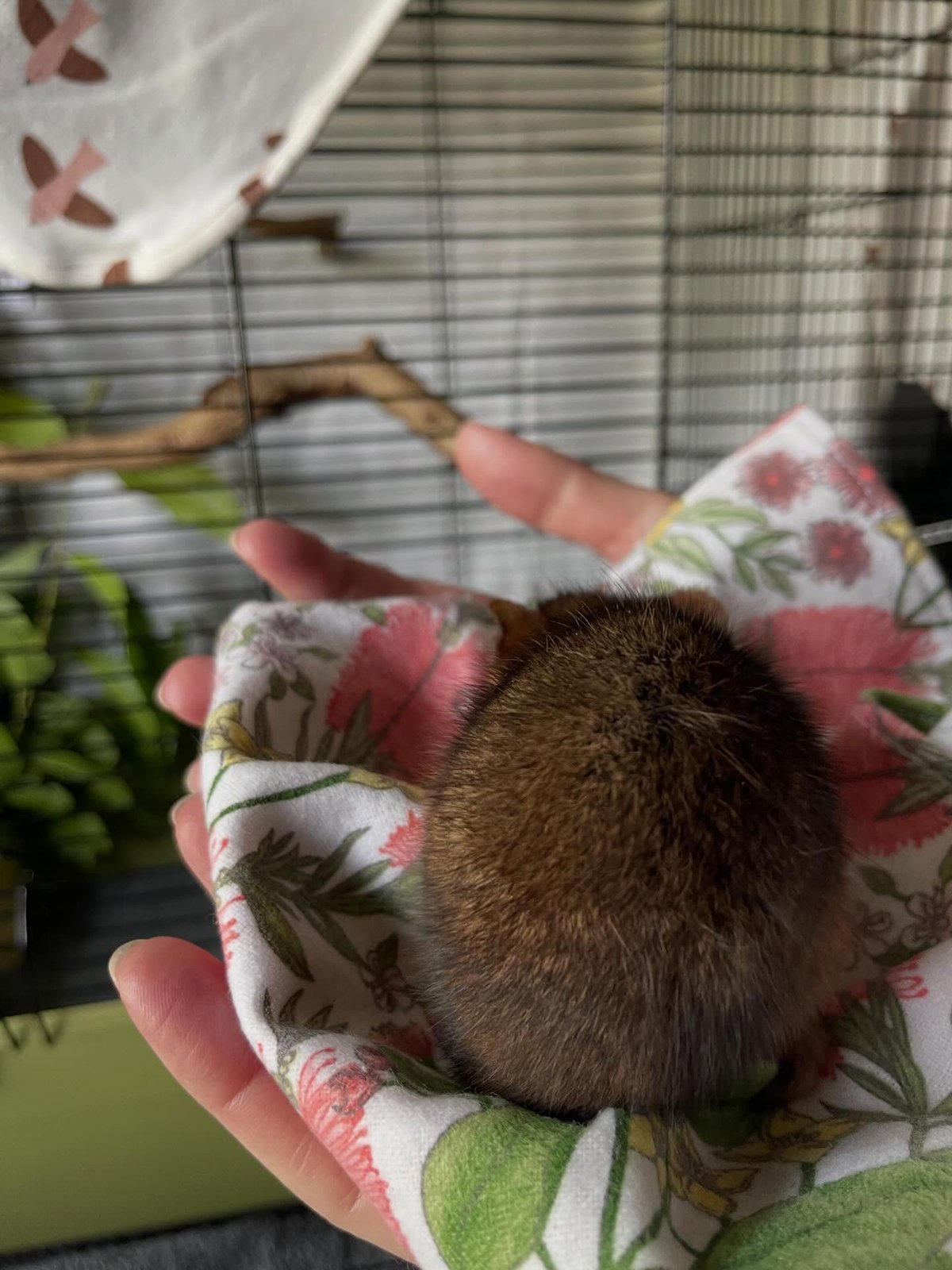




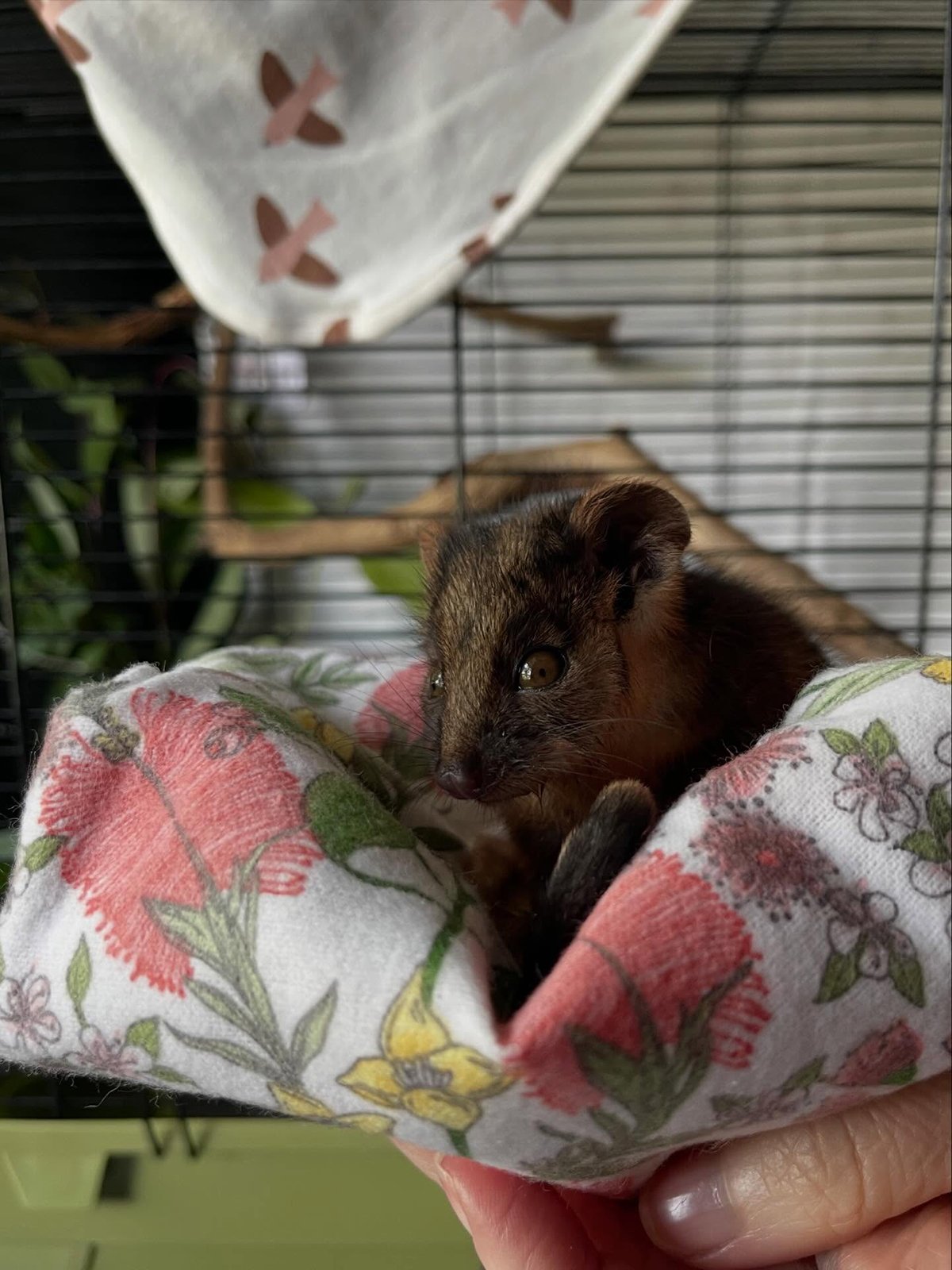





Other recent wildlife to come into care include a Gould’s wattled bat, named Venus, who was found in a martial arts centre’s toilet in West Melbourne; a juvenile ringtail, named, by the family who found him in their front garden, Mushroom, which on our return from setting up our fungi-inspired artists’ book, Can we dream it?, at WAMA, seemed a lovely case of synchronicity; and a malnourished ringtail, in for some rest and relaxation, named Wattle (after the closing night of Flora), who tucked into the sugar gum with such gusto.
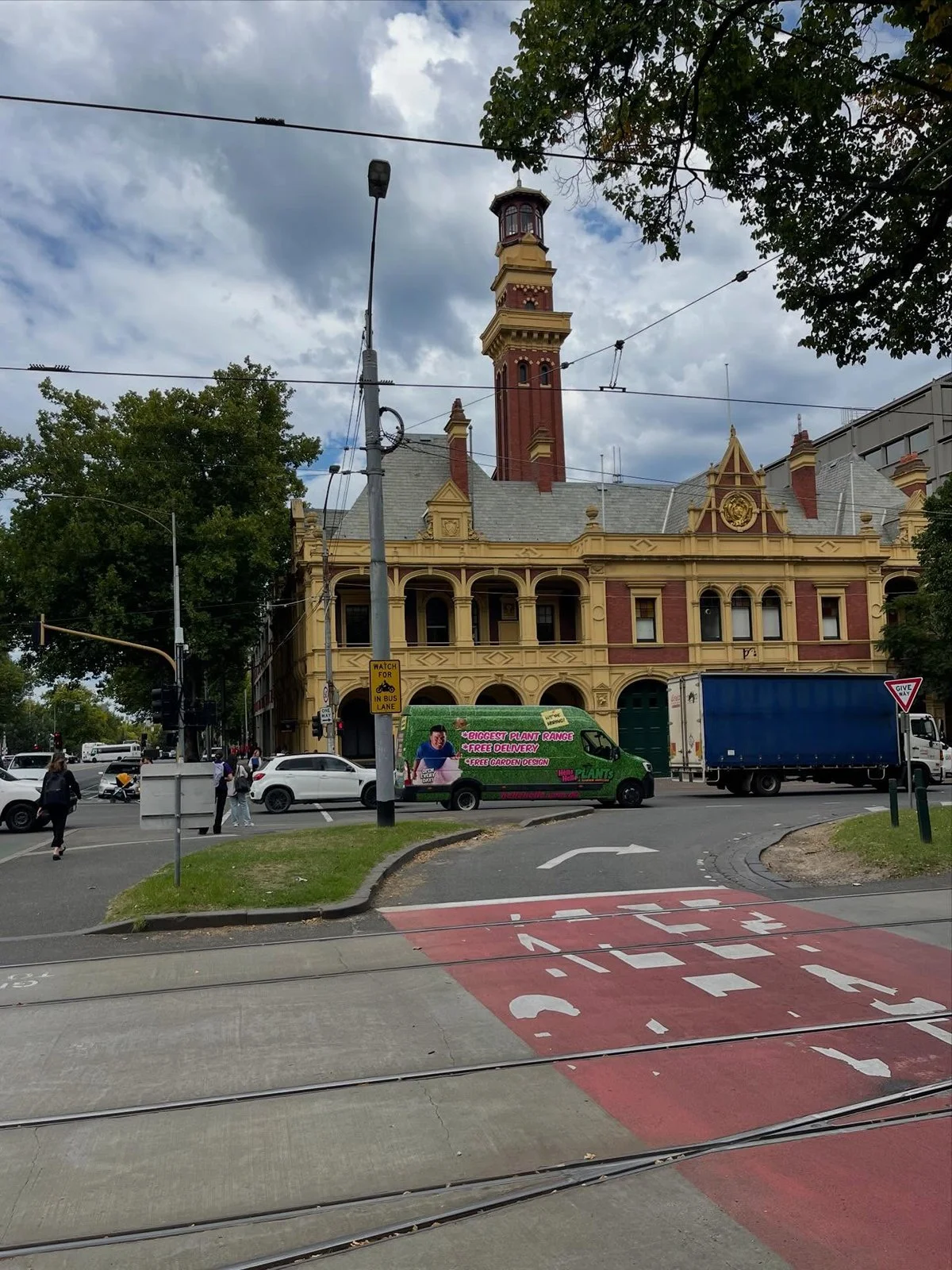
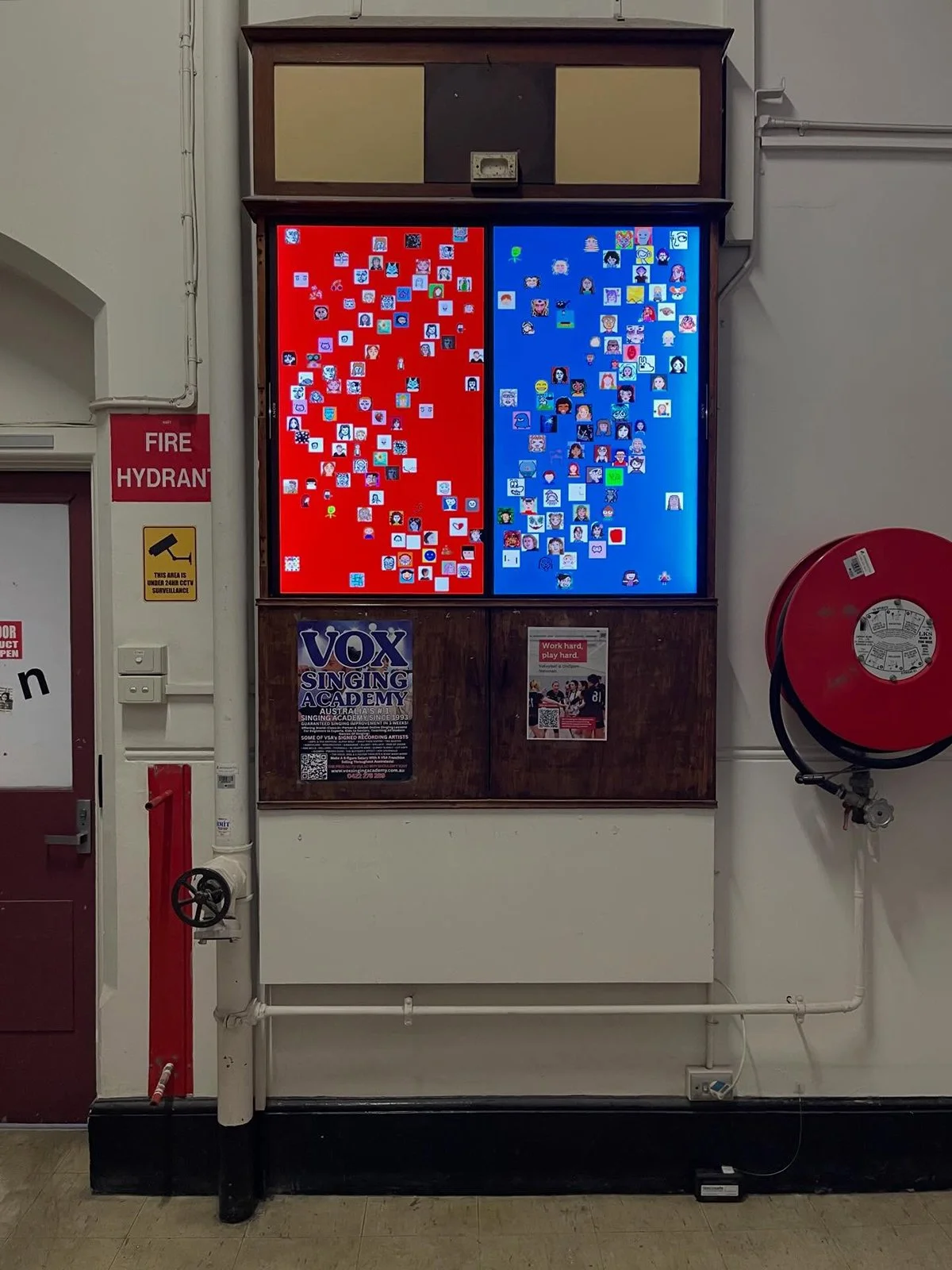
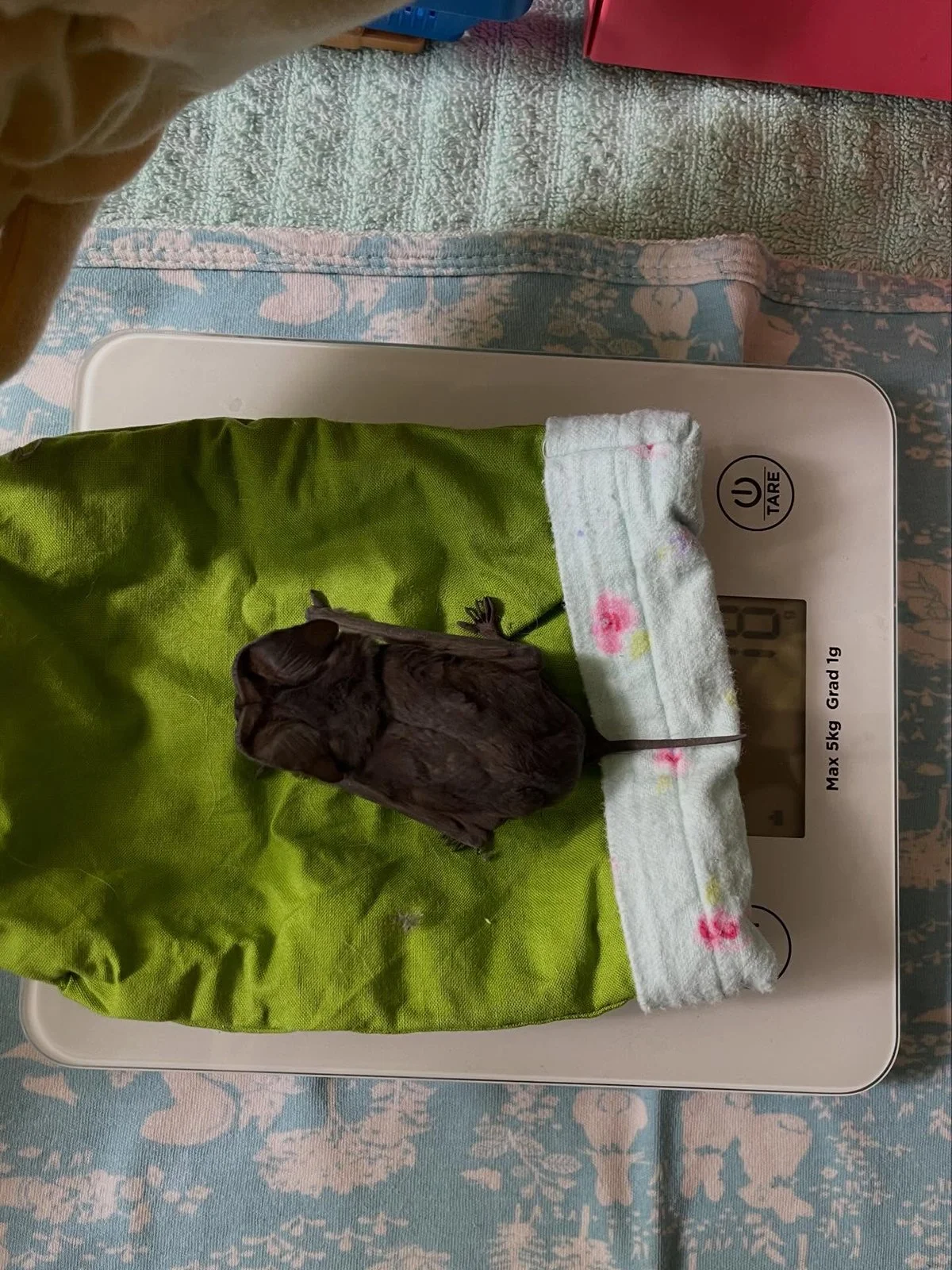
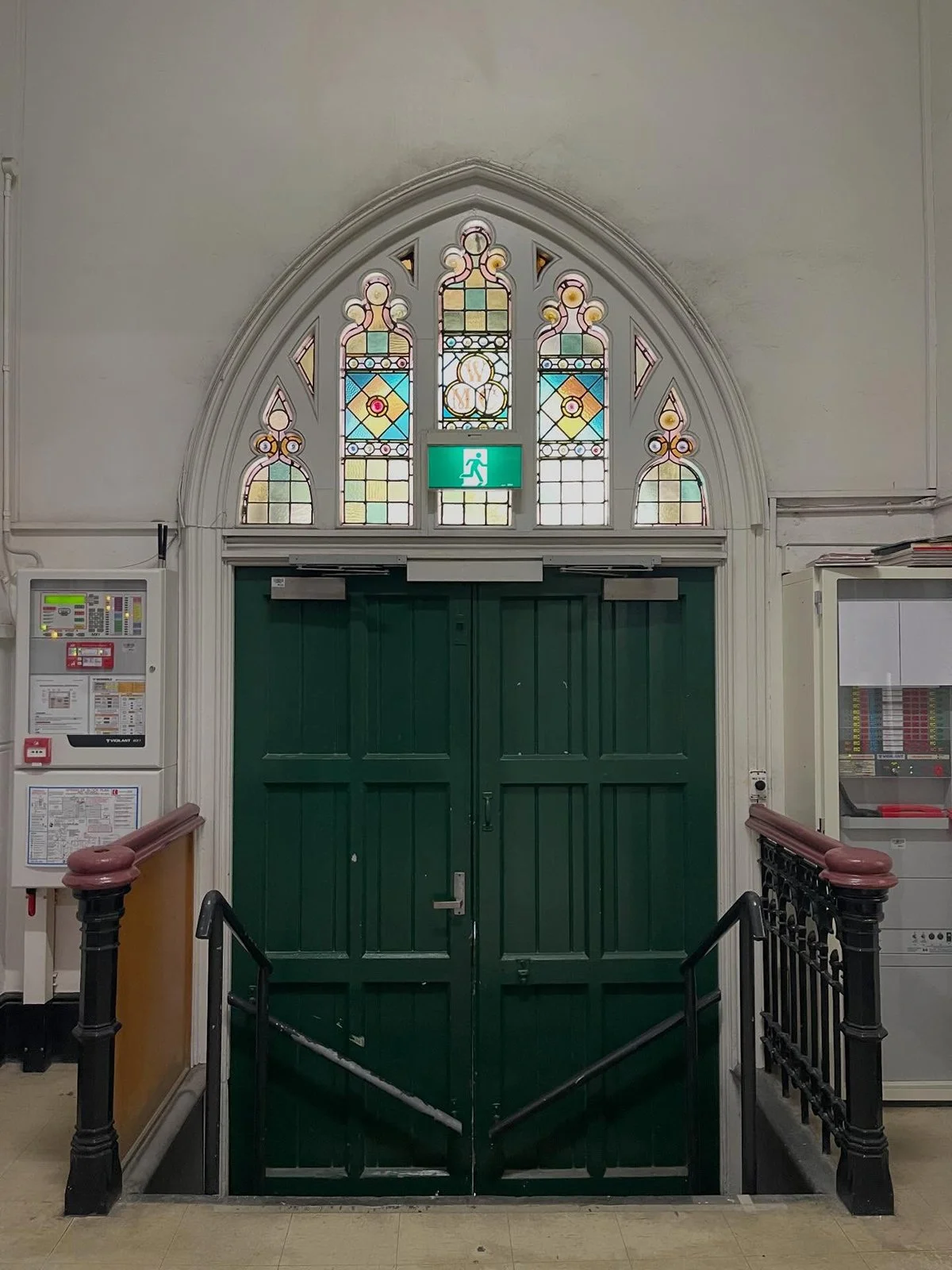
Joining them, having accepted a Wildlife Victoria case for a nearby microbat who’d been “found on the ground being pecked by birds”, on my way home from teaching a Digital Materialities class at RMIT School of Art, a surprise! In life’s beautiful pixel jump to the left from screen-world to real world, contained within a cardboard box at the Metropolitan Fire Brigade in East Melbourne, was a White-striped freetail (Austronomus australis).
From his armpits ran two perfect white ribbons of fur, two racing stripes of intense, even to my eyes, luminosity. His tail, as the name suggests, free, and fine in circumference. His face, a world of expression, and revealed why they are sometimes described as mastiff bats in guide books (as in, their wrinkled faces resemble mastiff dog muzzles). His fur, so soft it was near impossible to feel. Velvet, light. A marvel in every sense. (Though it is true, this can be said and is true of them all.)
It was a case of being around the corner at the right time, and a chance to also see inside somewhere I often walk past, and know only from the outside. To tie him to the location, we named him Hubert Sparks.
White-striped freetails are the largest of the freetails, and their call, of which Hubert emitted a couple while in the cardboard box, is audible to human ears. The Atlas of Living Australia, which also lists their name as Babil-Kan in Yuat, describes the sound as “pink-pink-pink” or a “metallic ting-ting-ting”, with a typical call recorded between 10-15 kHz. The Australian Museum site lists their conservation status as vulnerable as “White-striped freetail bats are vulnerable to loss of tree hollows and loss of feeding grounds by forestry activities, clearing for agriculture and housing”.
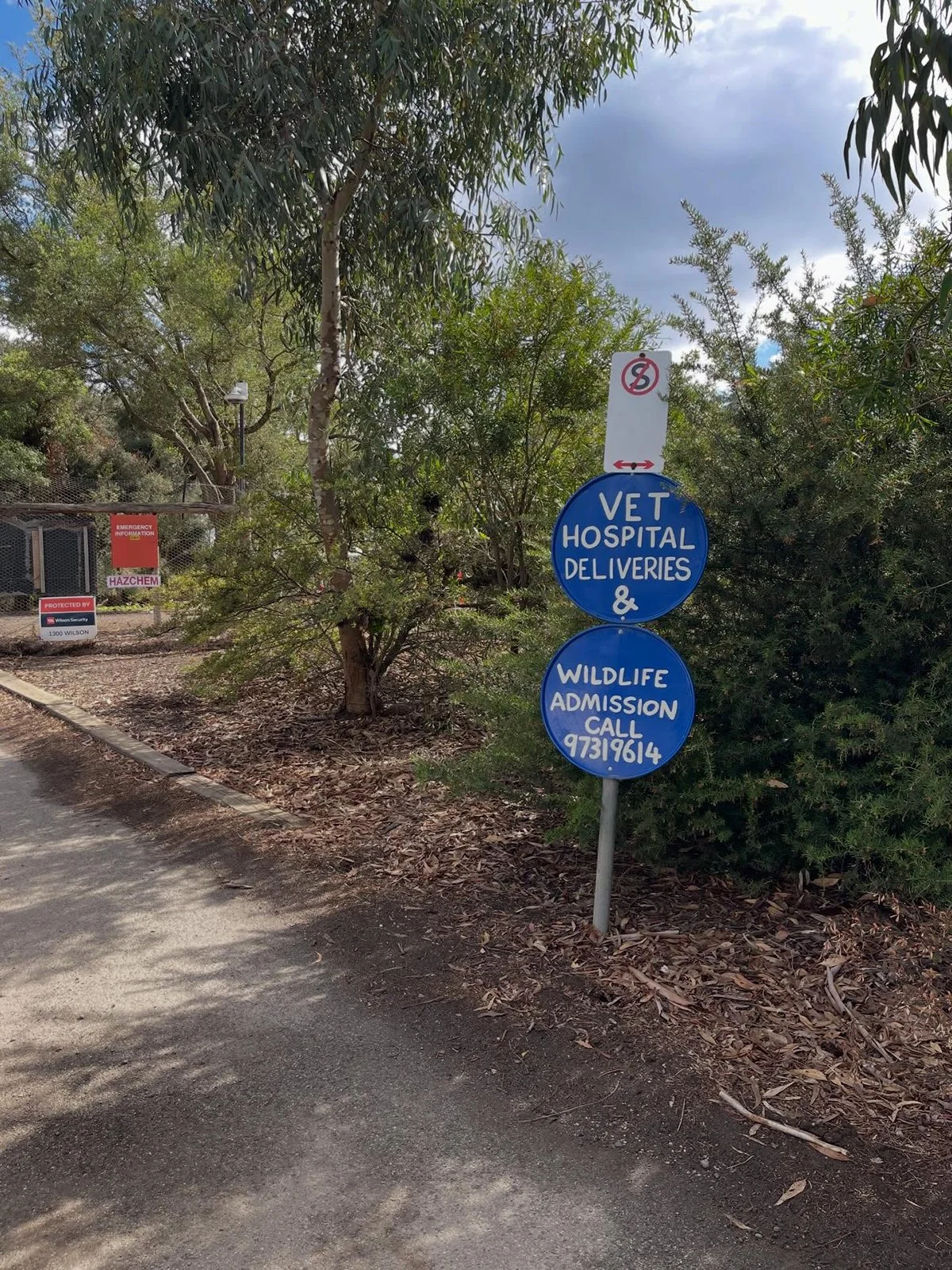
Upon thorough examination, Hubert’s injuries meant he needed to be taken to a vet. Sadly, x-rays revealed that he had a broken spine. The vets at Werribee Zoo tended to him with such care. We’d all hoped for a different outcome for Hubert, but he is free from pain now, soaring in the afterlife for insects on the fly.
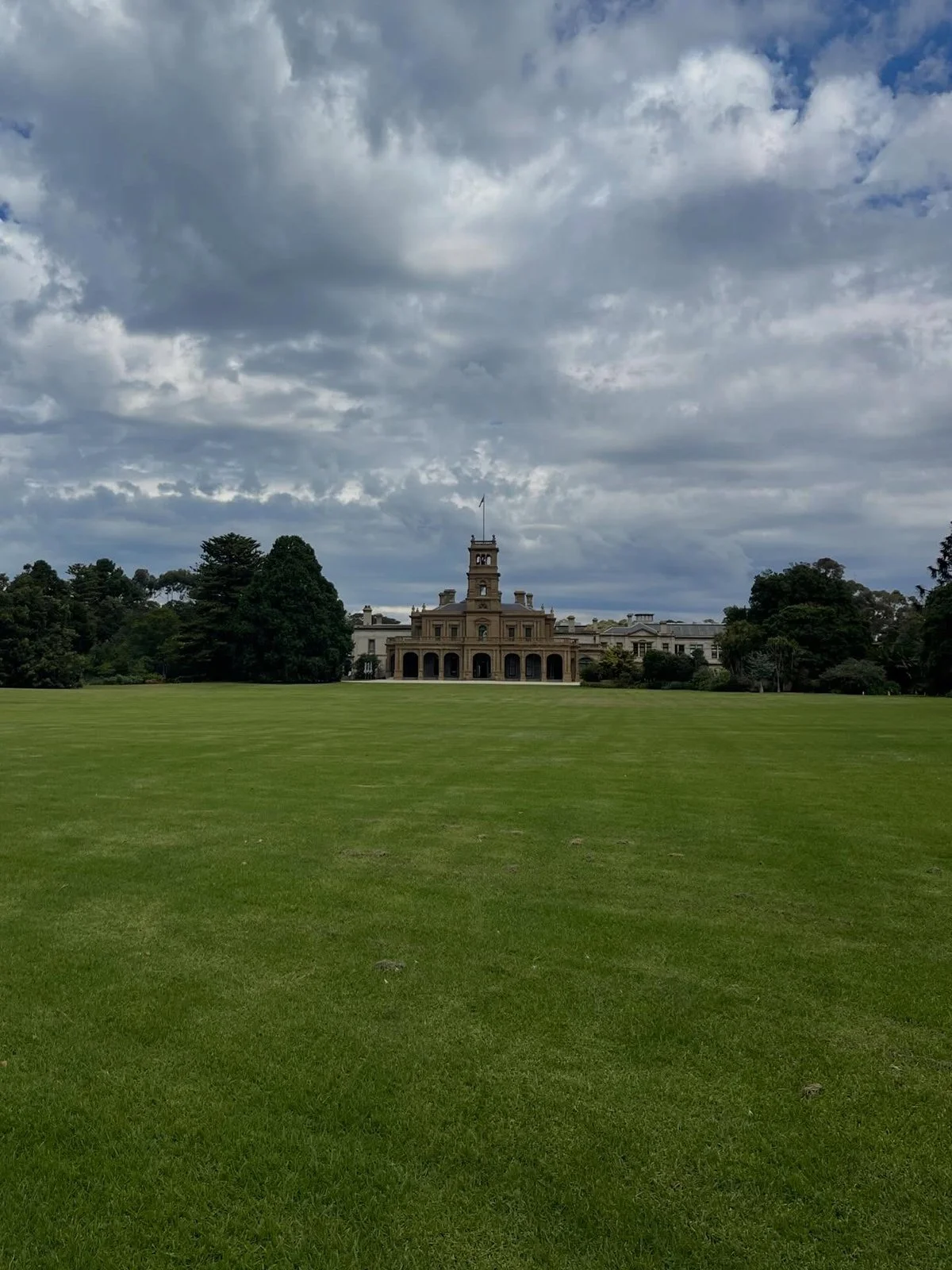
We called by the small Grey-headed flying fox colony at the nearby Werribee Park Mansion, upon leaving the zoo. A balm, their beautiful activity. The forest makers were a joy of activity we allowed to lift our spirits. In a roped off section, there was an a-frame outlining the importance of the species for the health of us all. And next to this sign, another about staying clear of the neighbouring trees and their falling pinecones, some of which “are 15 kilograms in weight”. In their private garden, the colony was having a wonderful, undisturbed time of it.








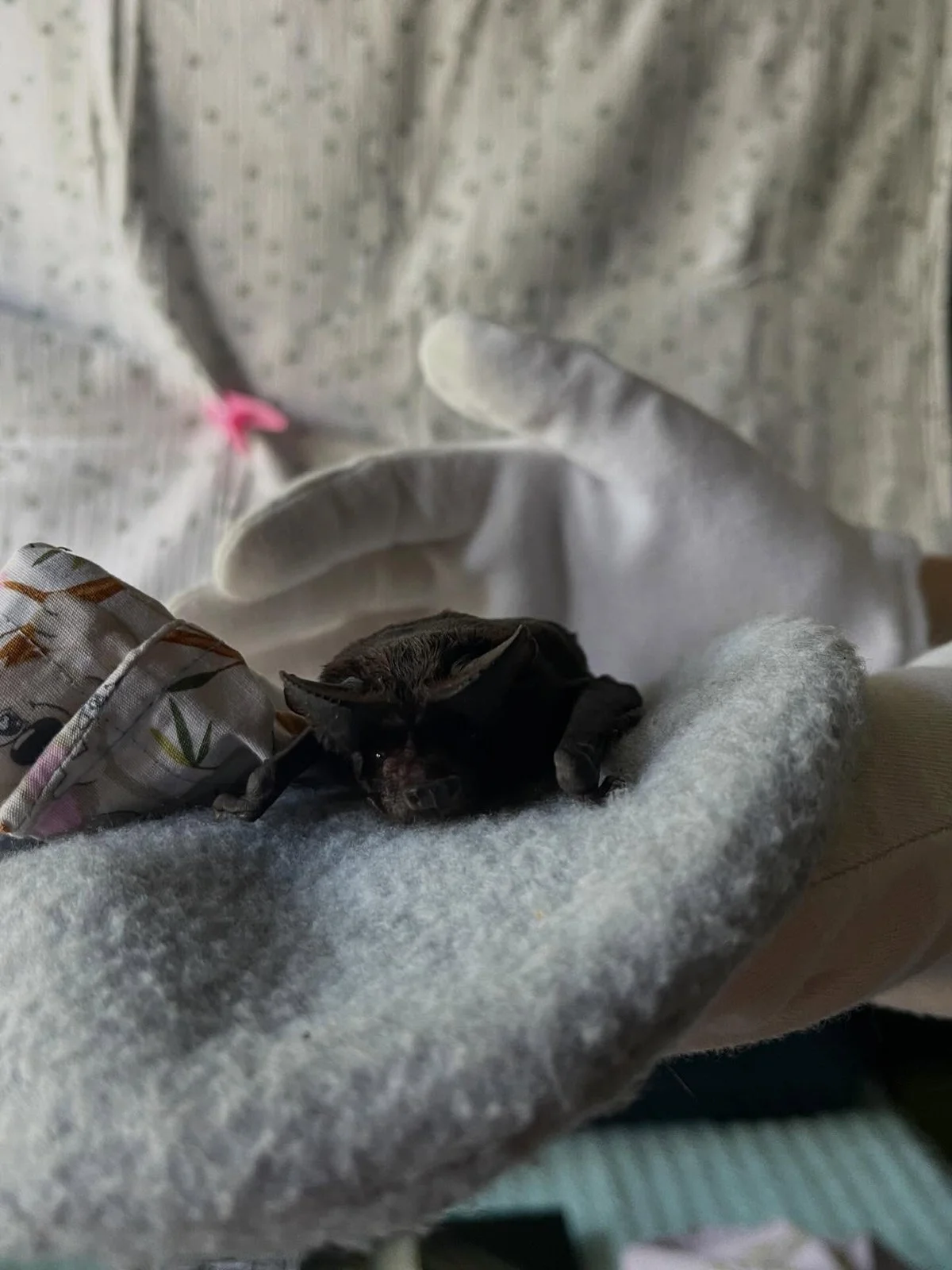


What were the chances of a second White-striped freetail coming into care in the same week?
After rescuing Hubert Sparks on Tuesday, from the top end of the city, Saturday’s rescue in the basement of a William Street carpark, in the heart of the city, was a complete surprise. Deep, deep in the building, below the stairs, was Bernard Bricks, a male White-striped freetail. His racing stripes were of a different shape, more of a generous splodge in the armpits, where the wing and body met. The security guard had first sighted him on the stairs, and called Wildlife Victoria.
To beautiful probability, and wings crossed for Bernard!
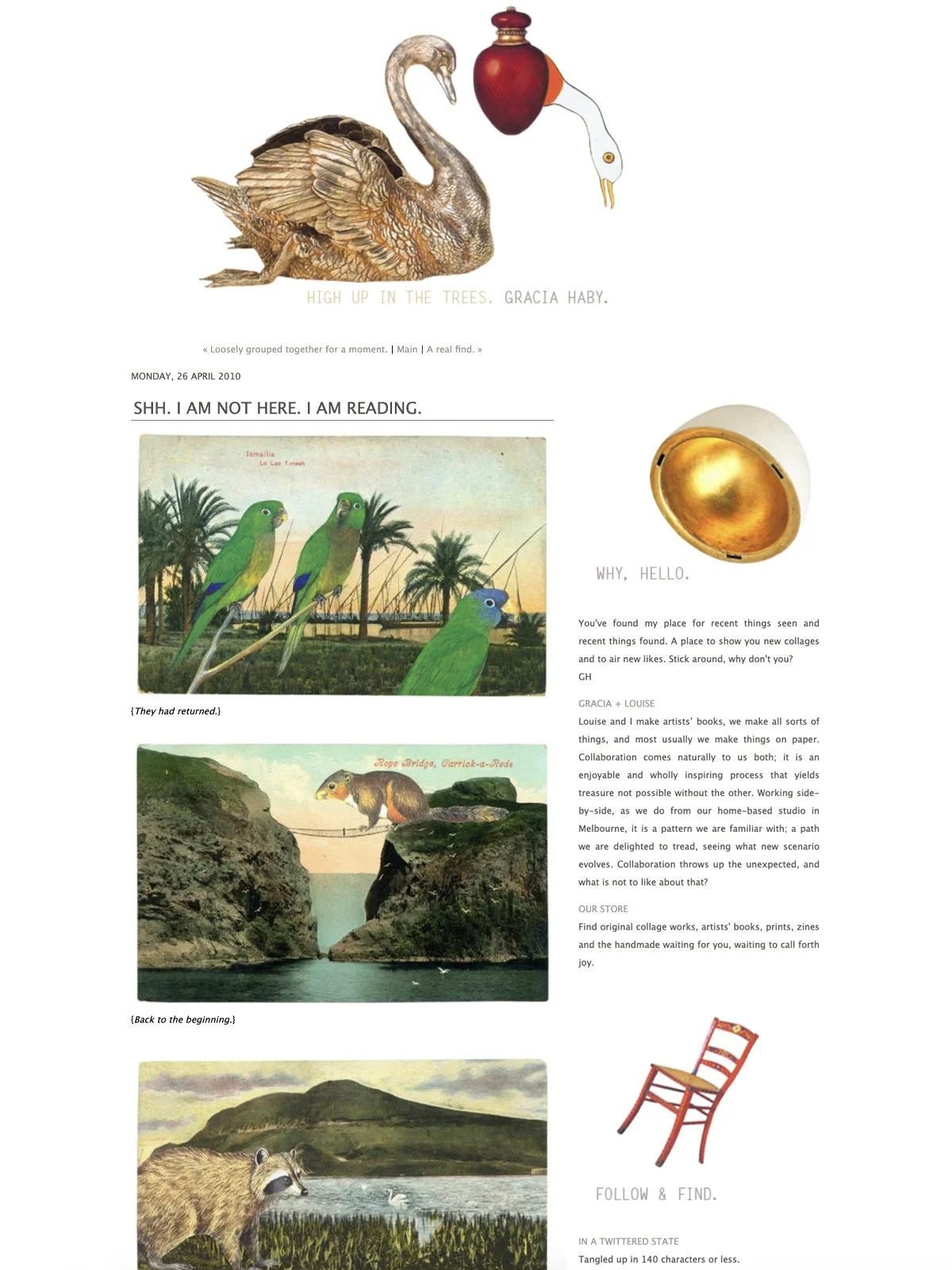
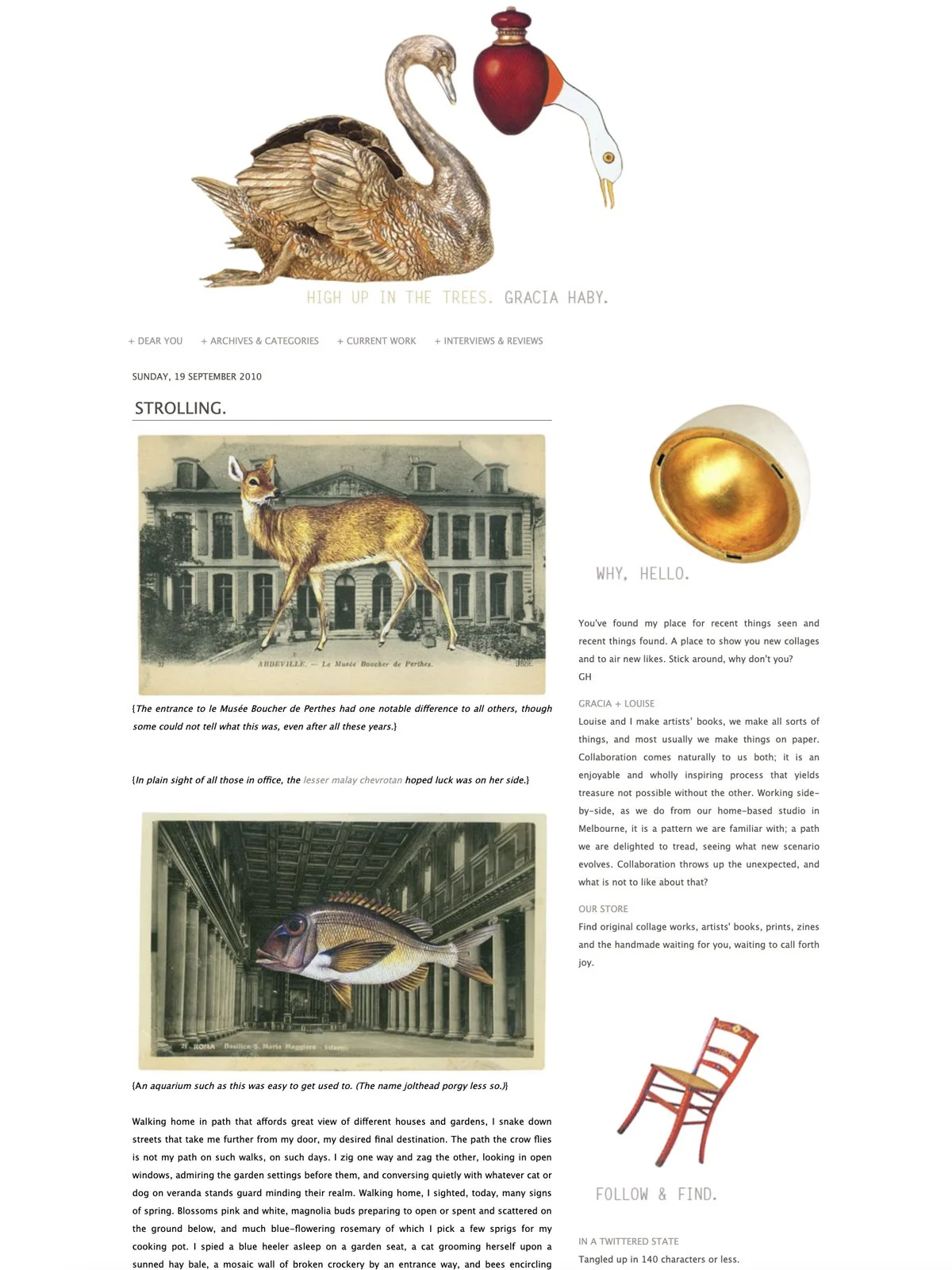
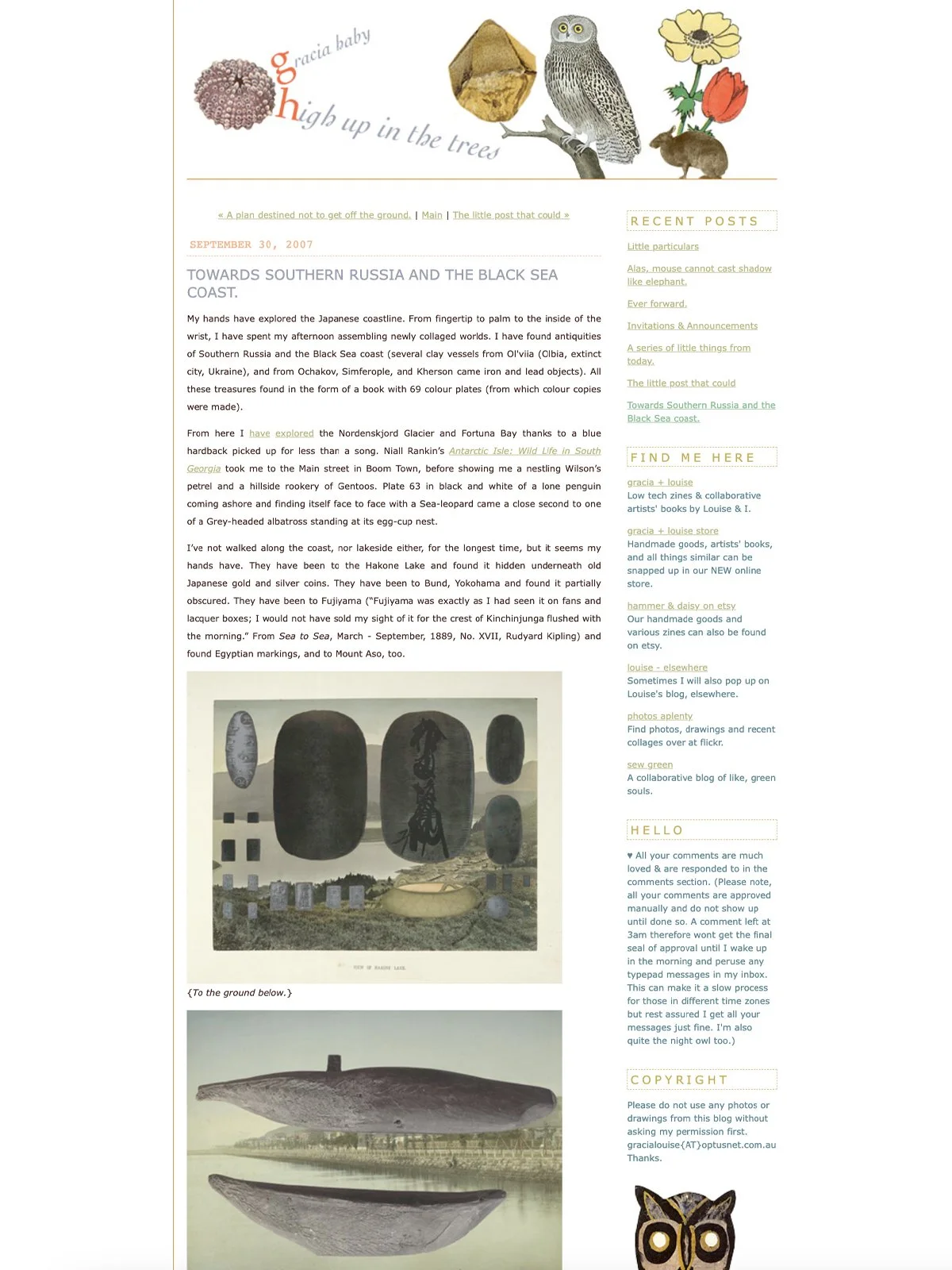
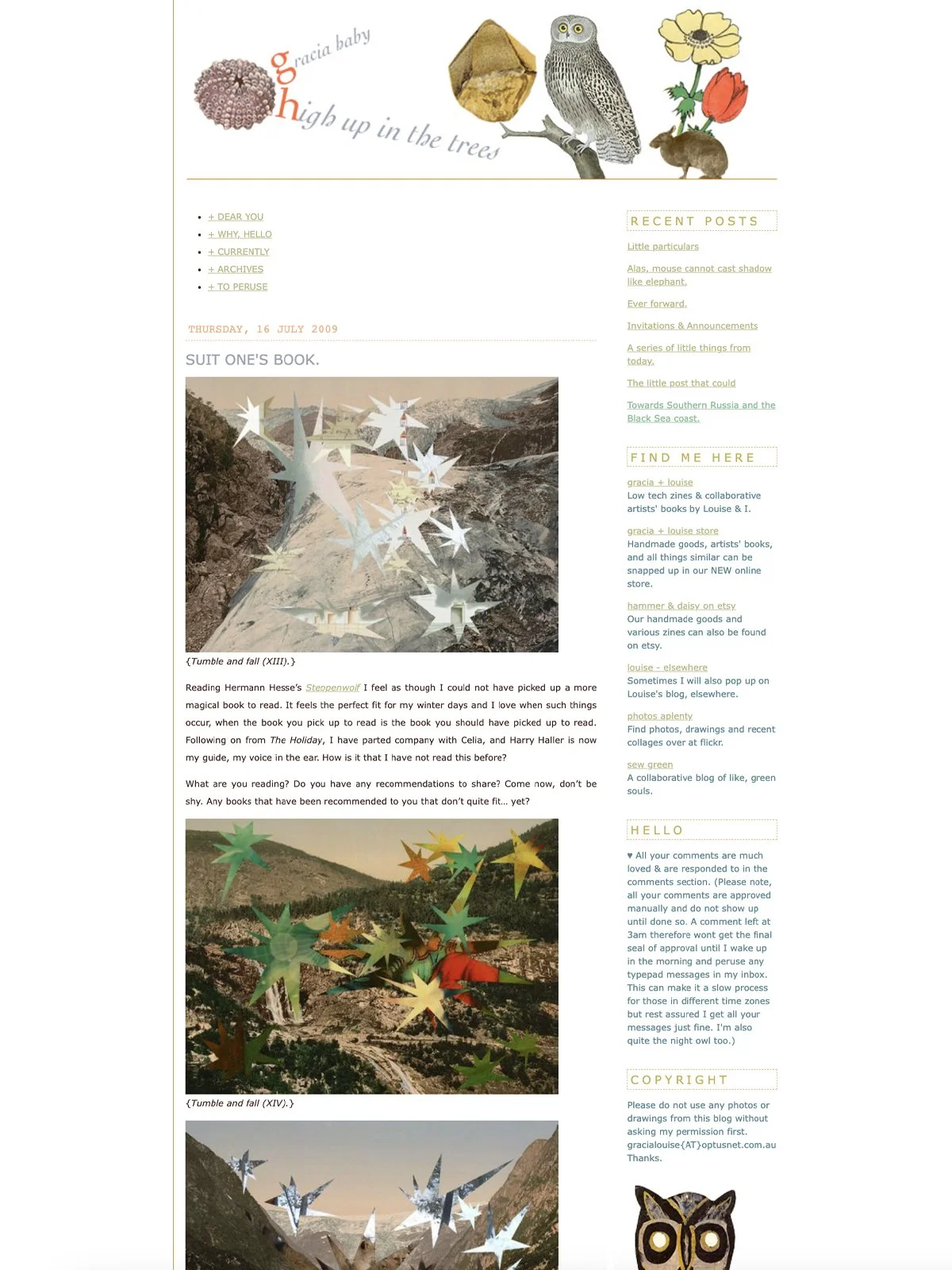
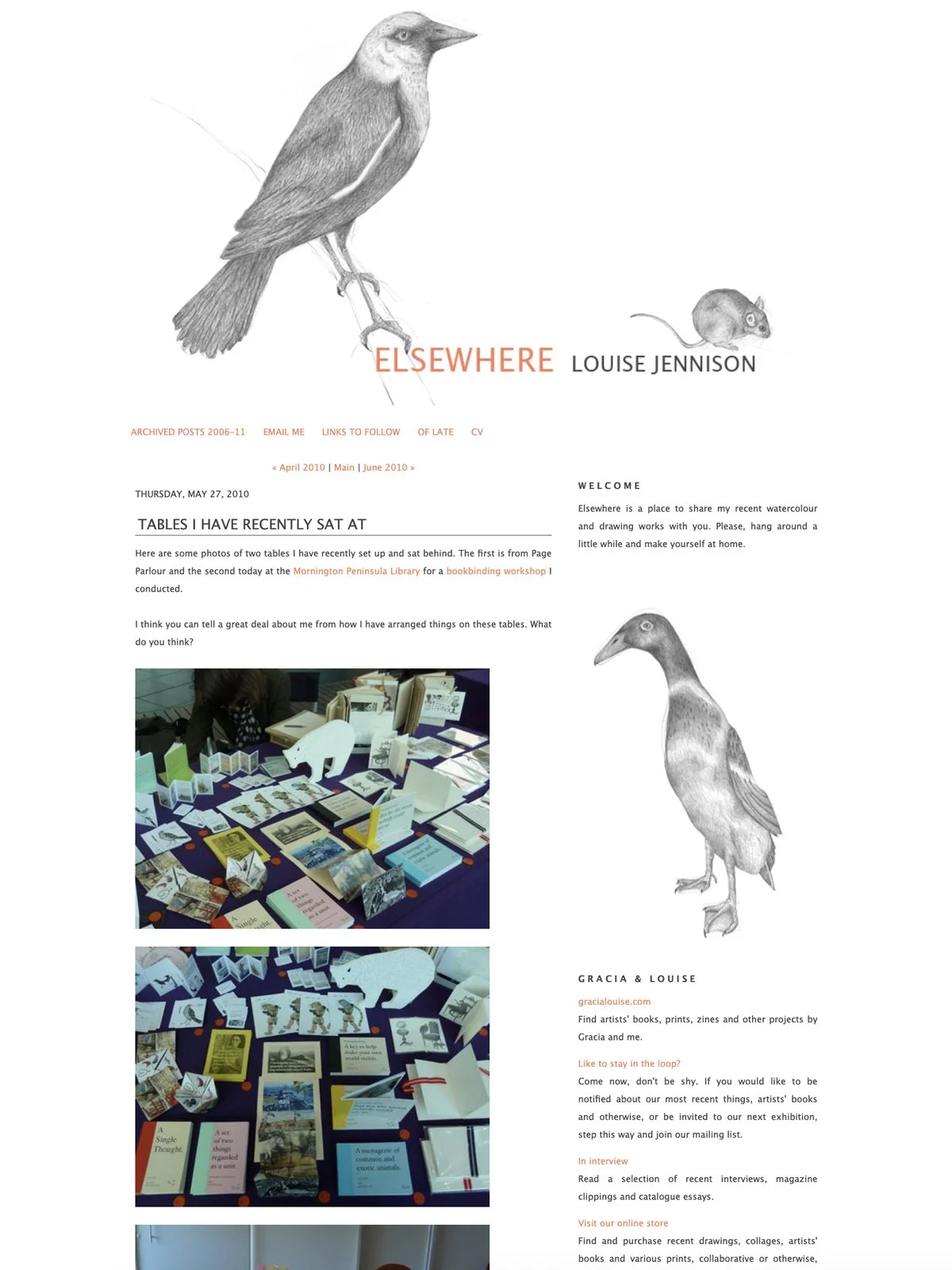
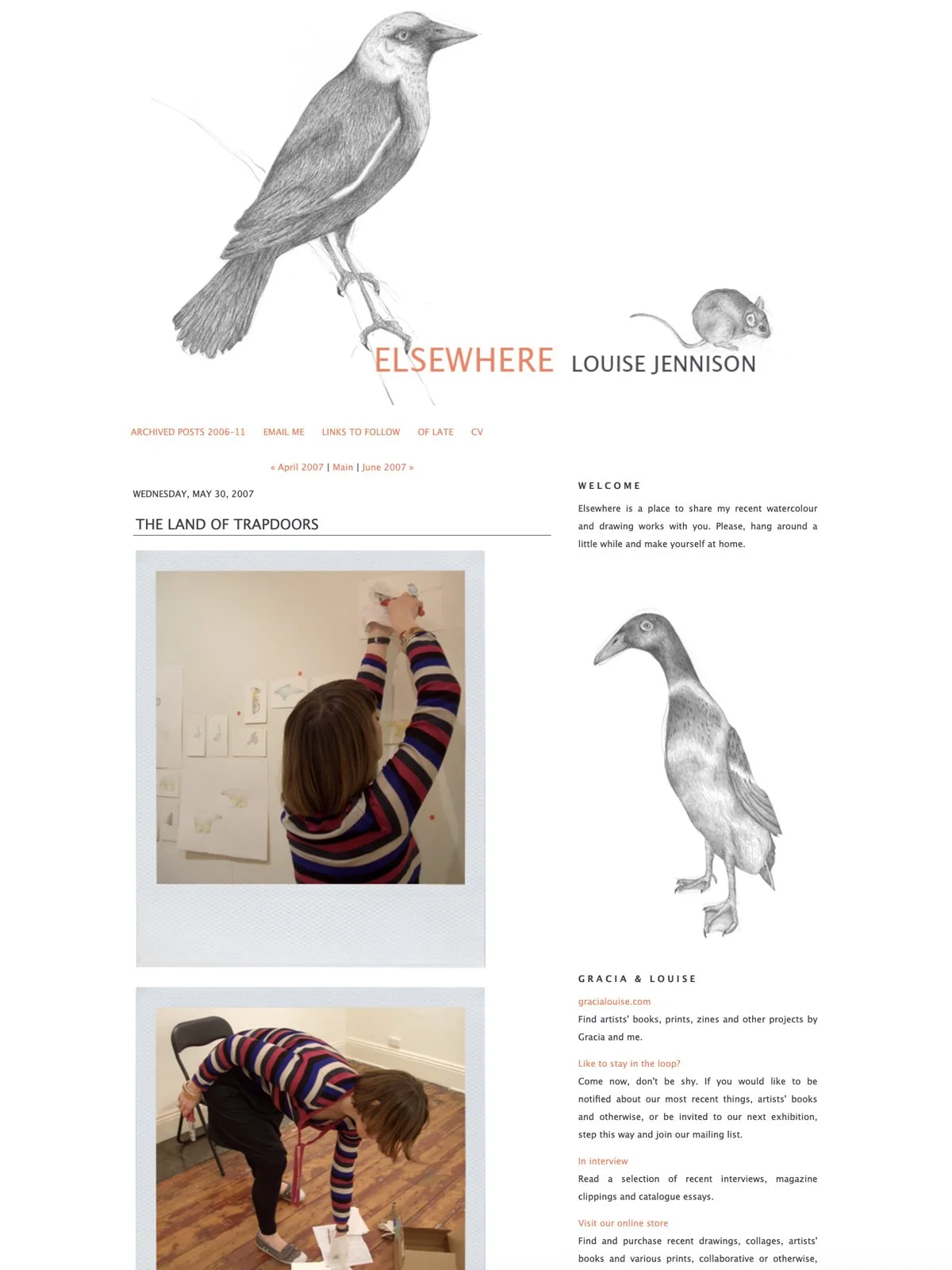
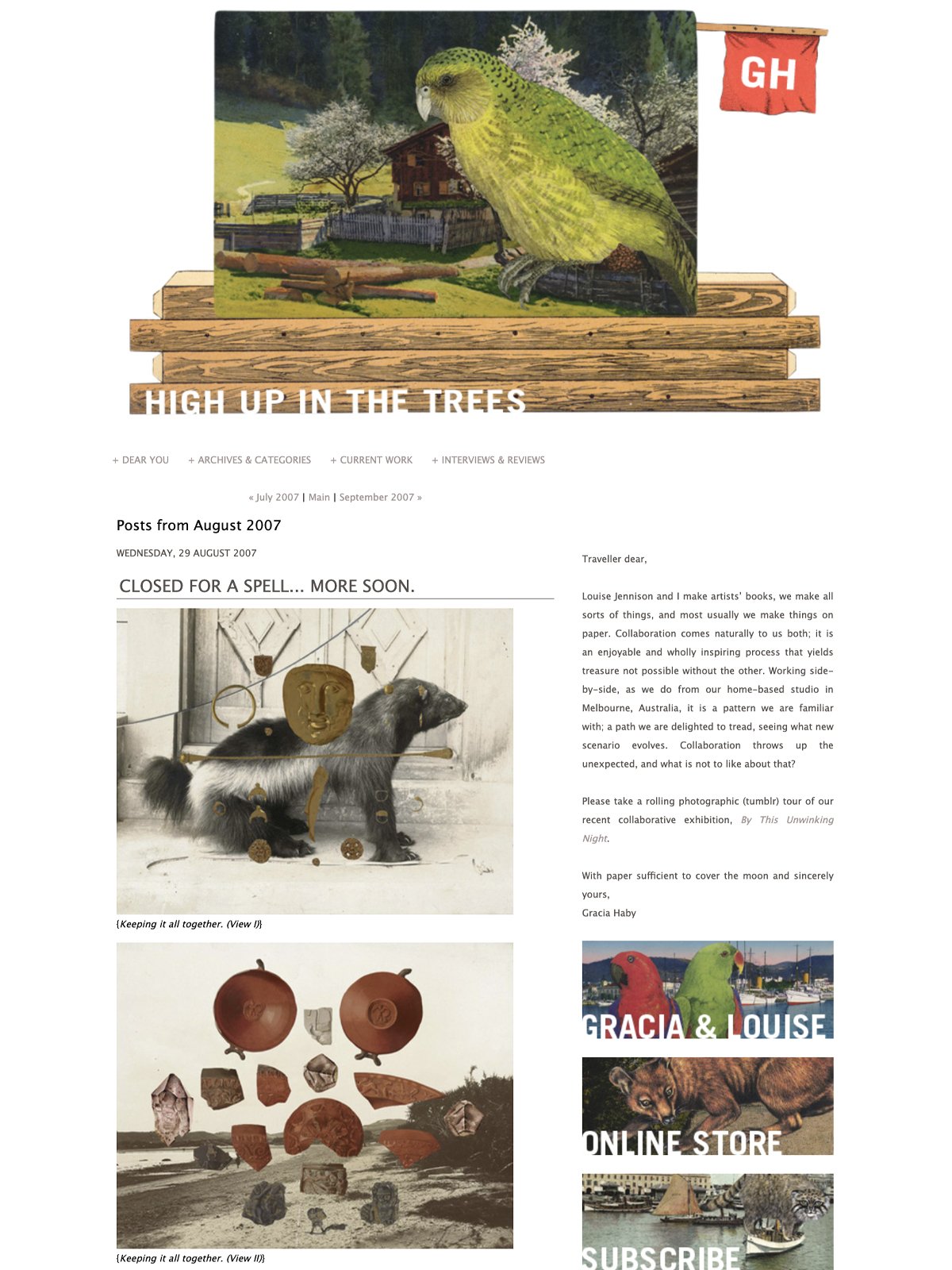
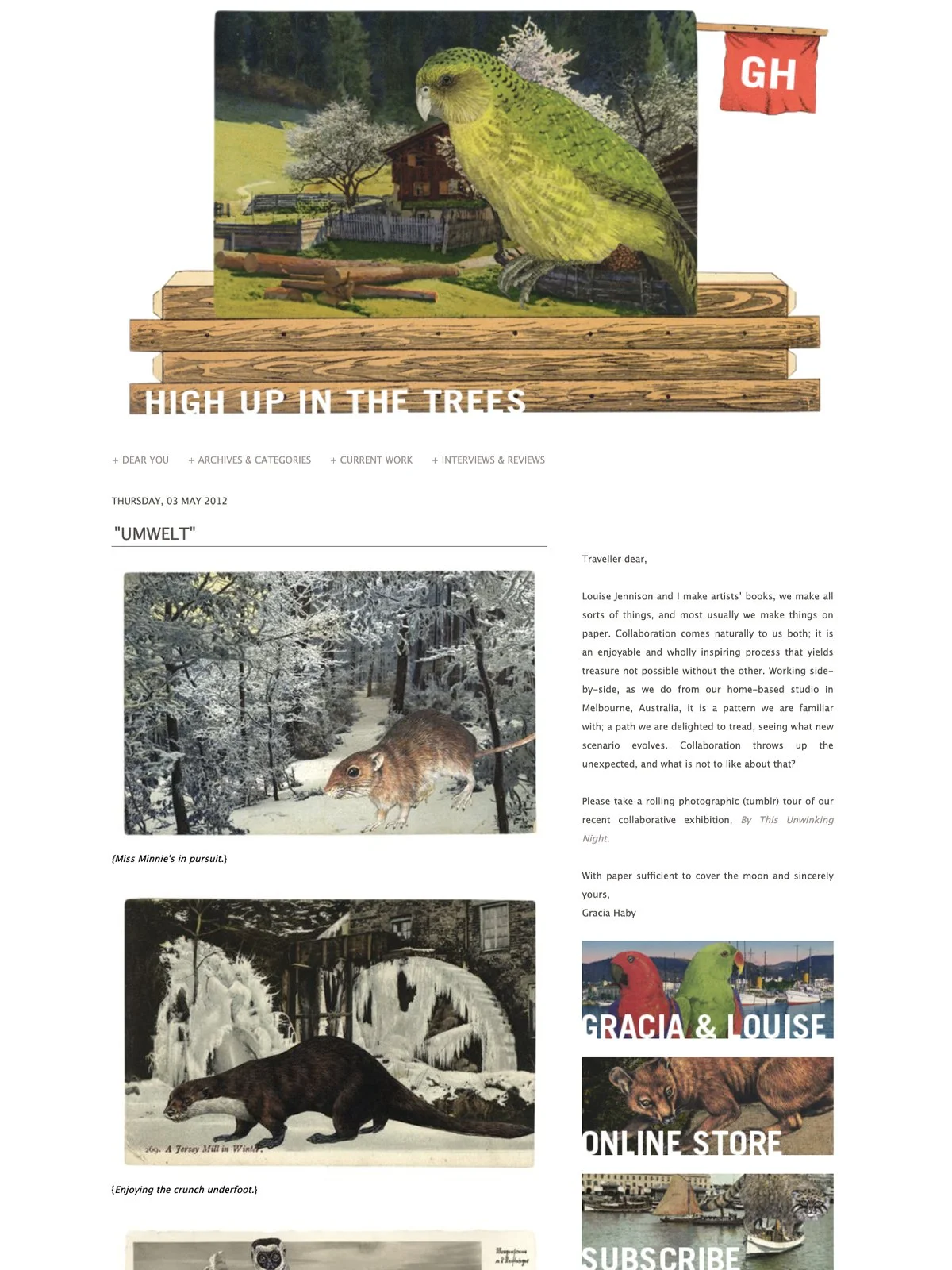
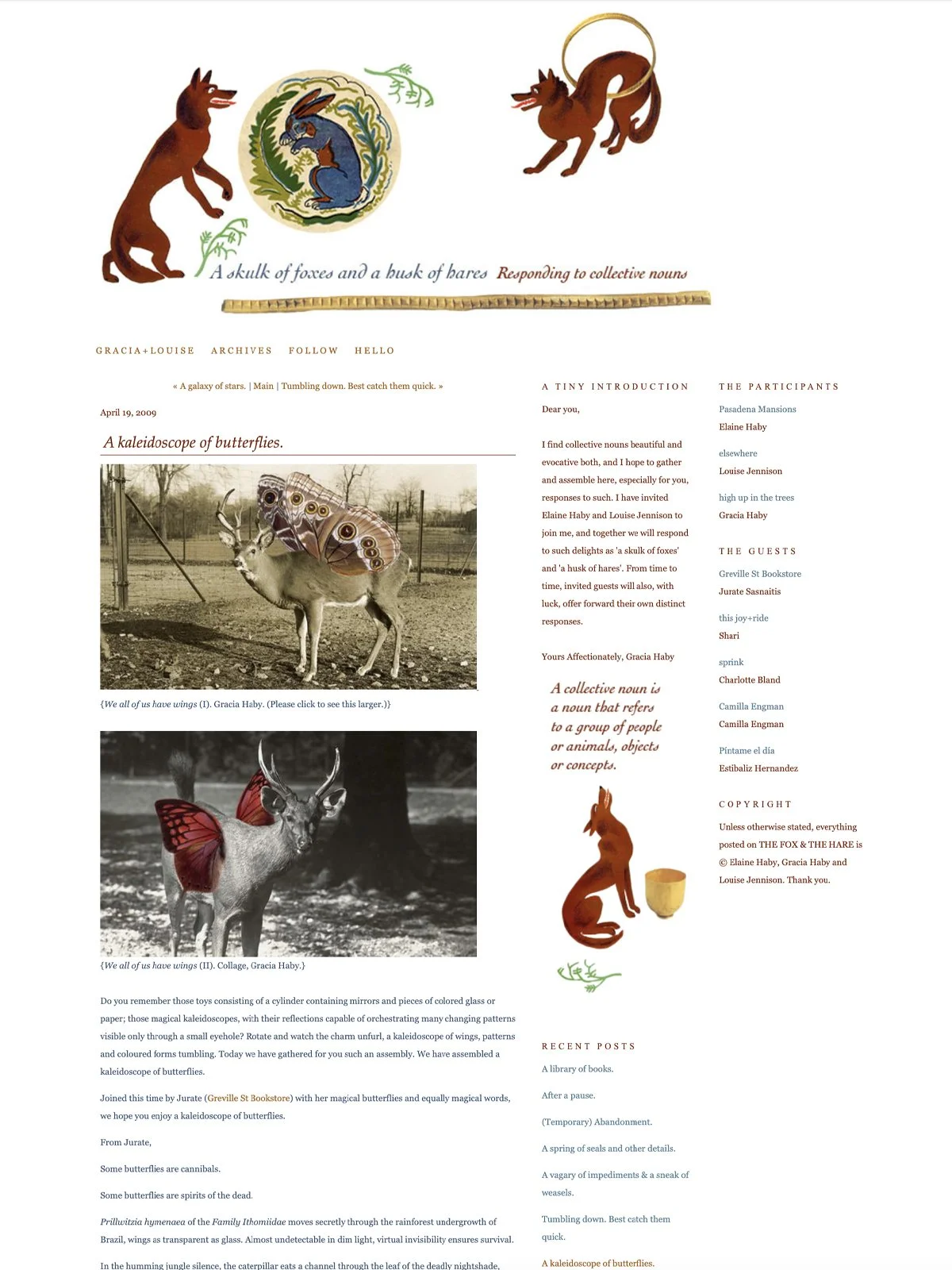
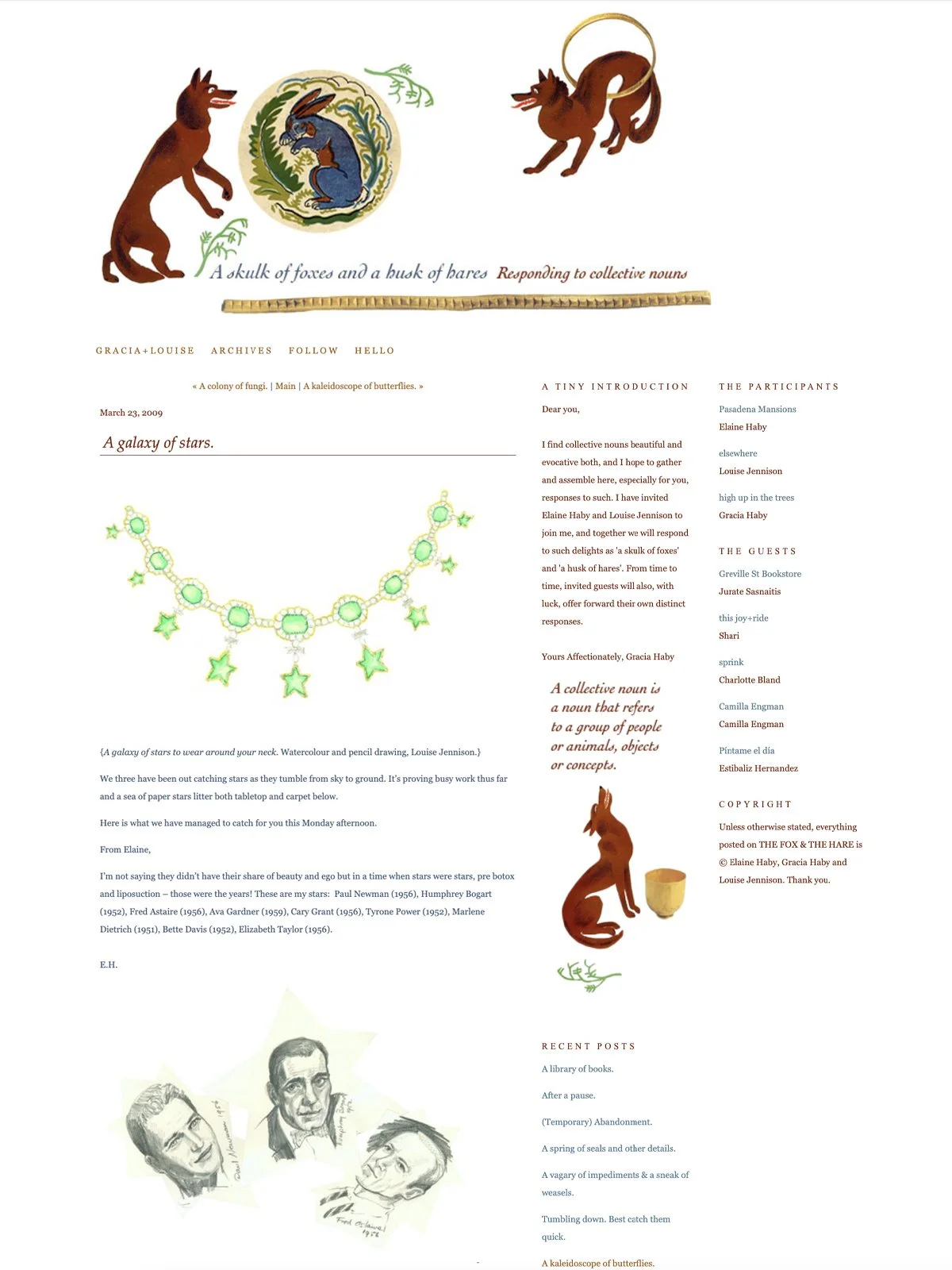
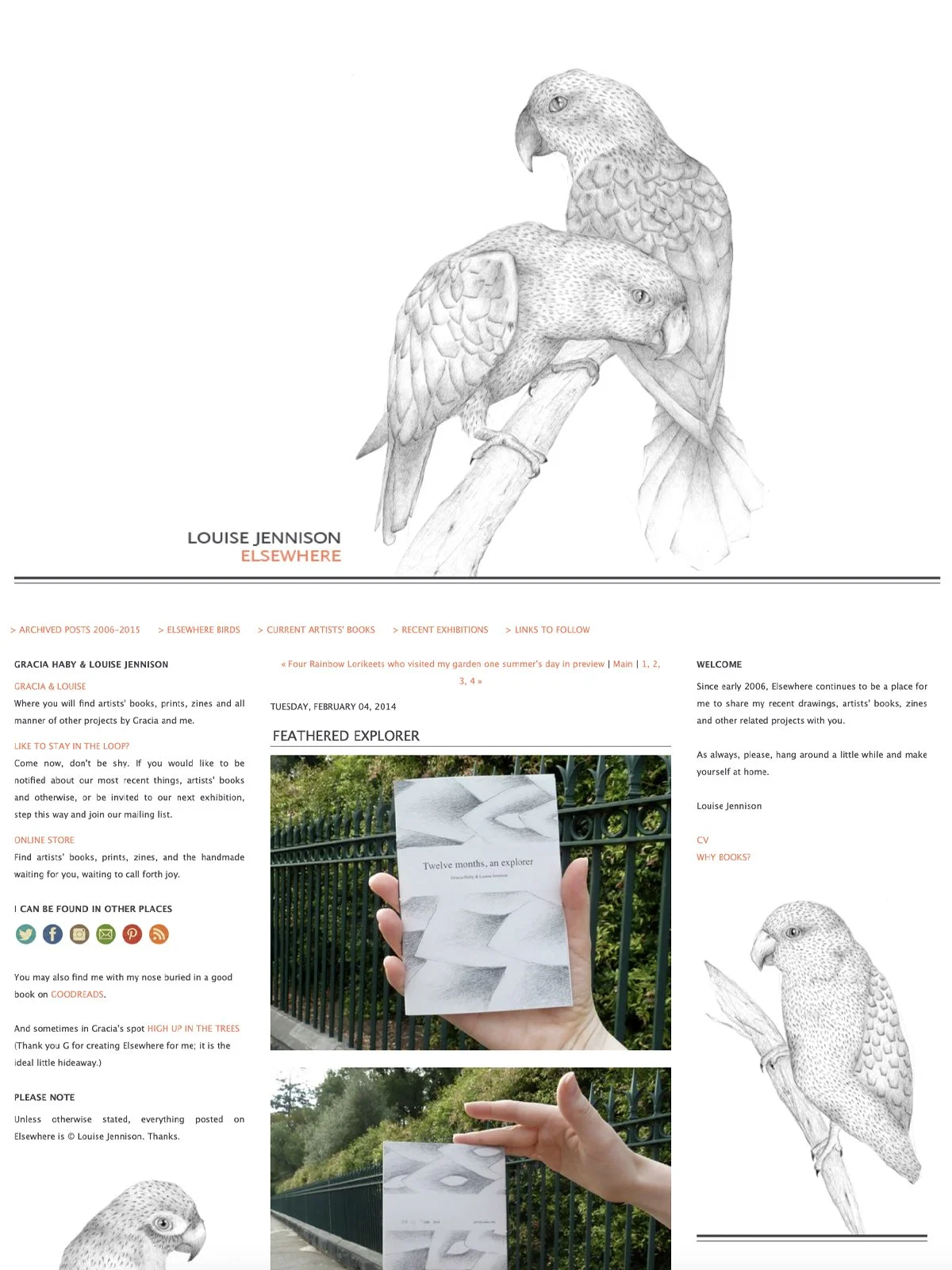
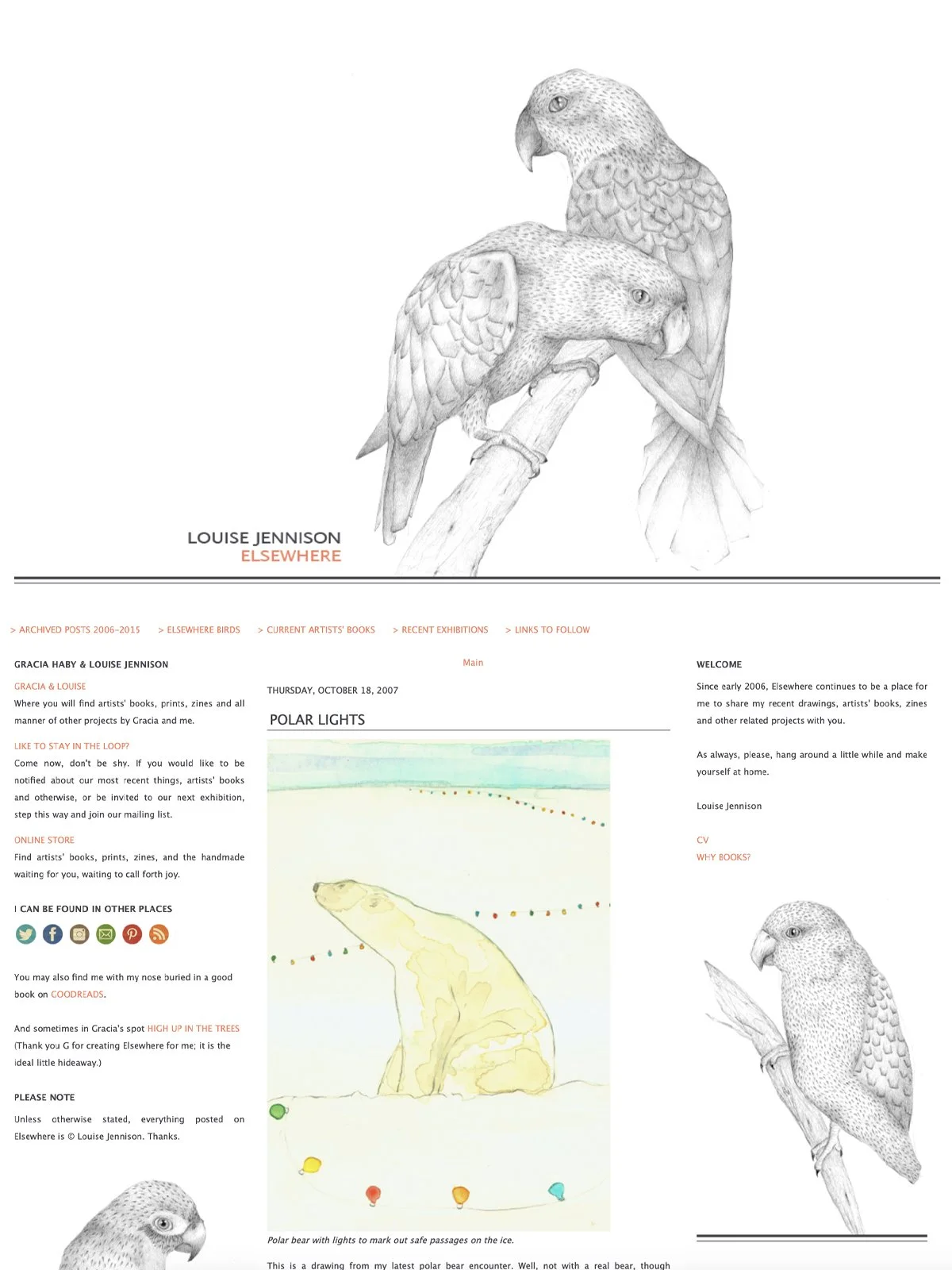
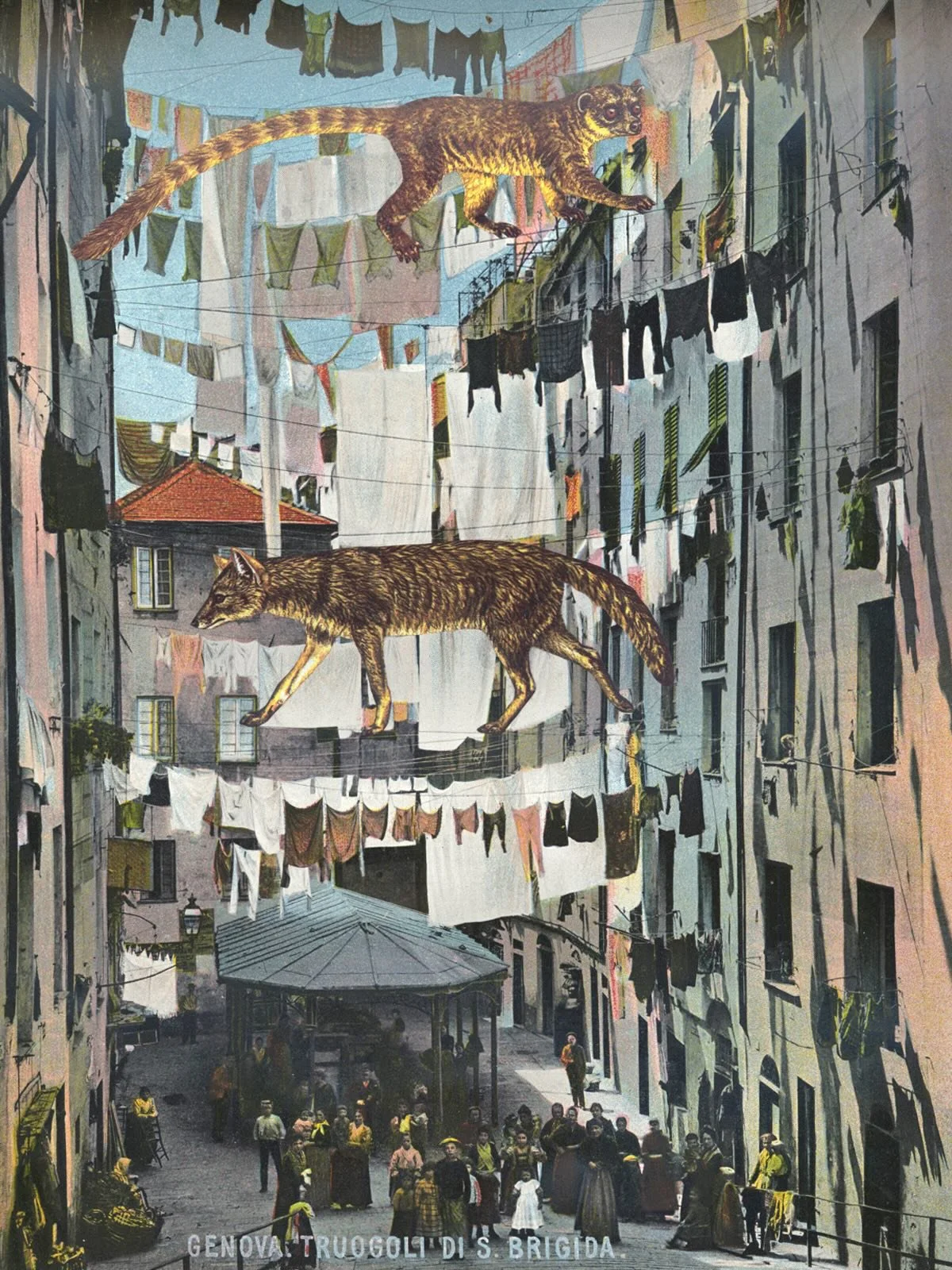
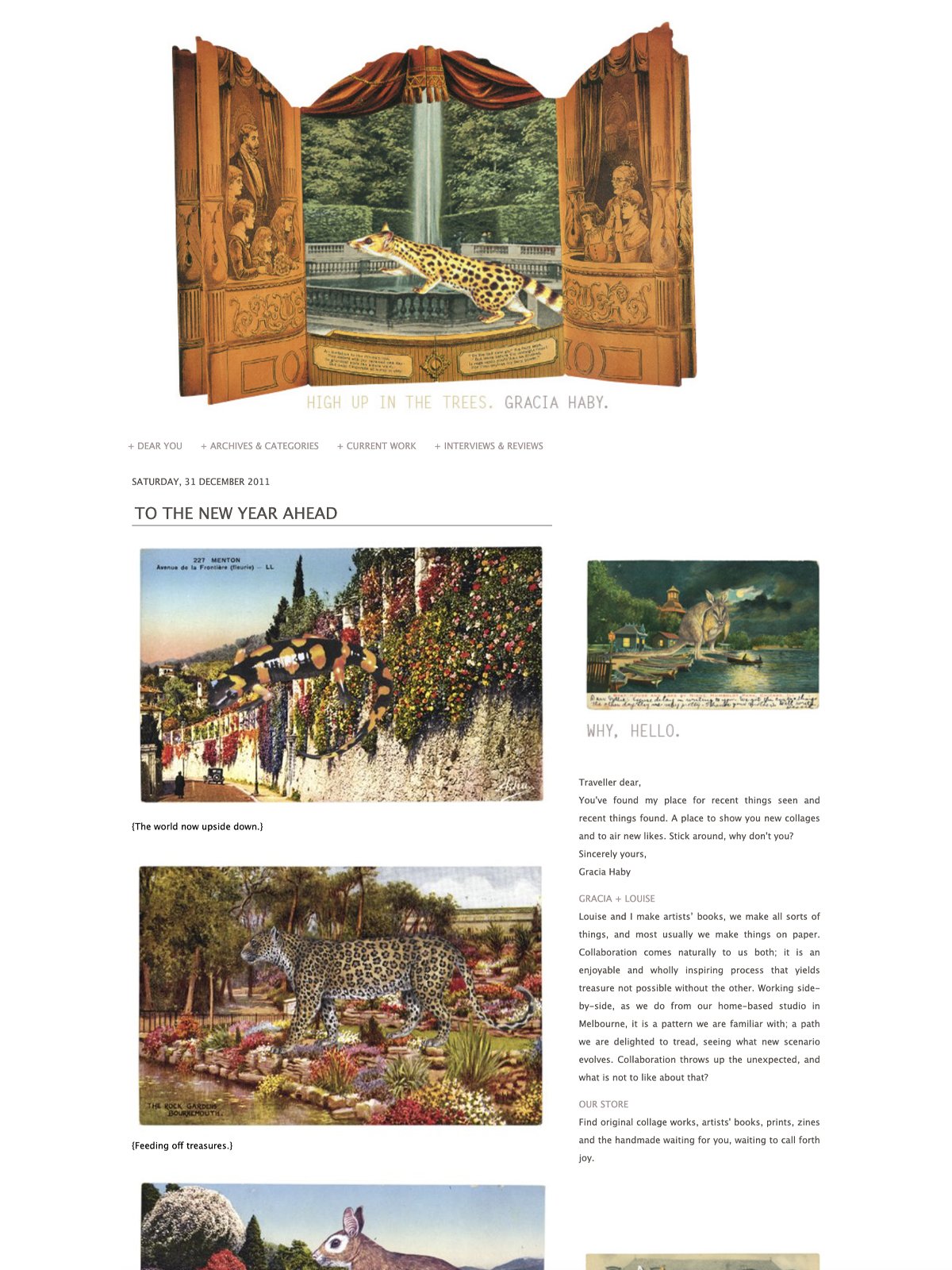
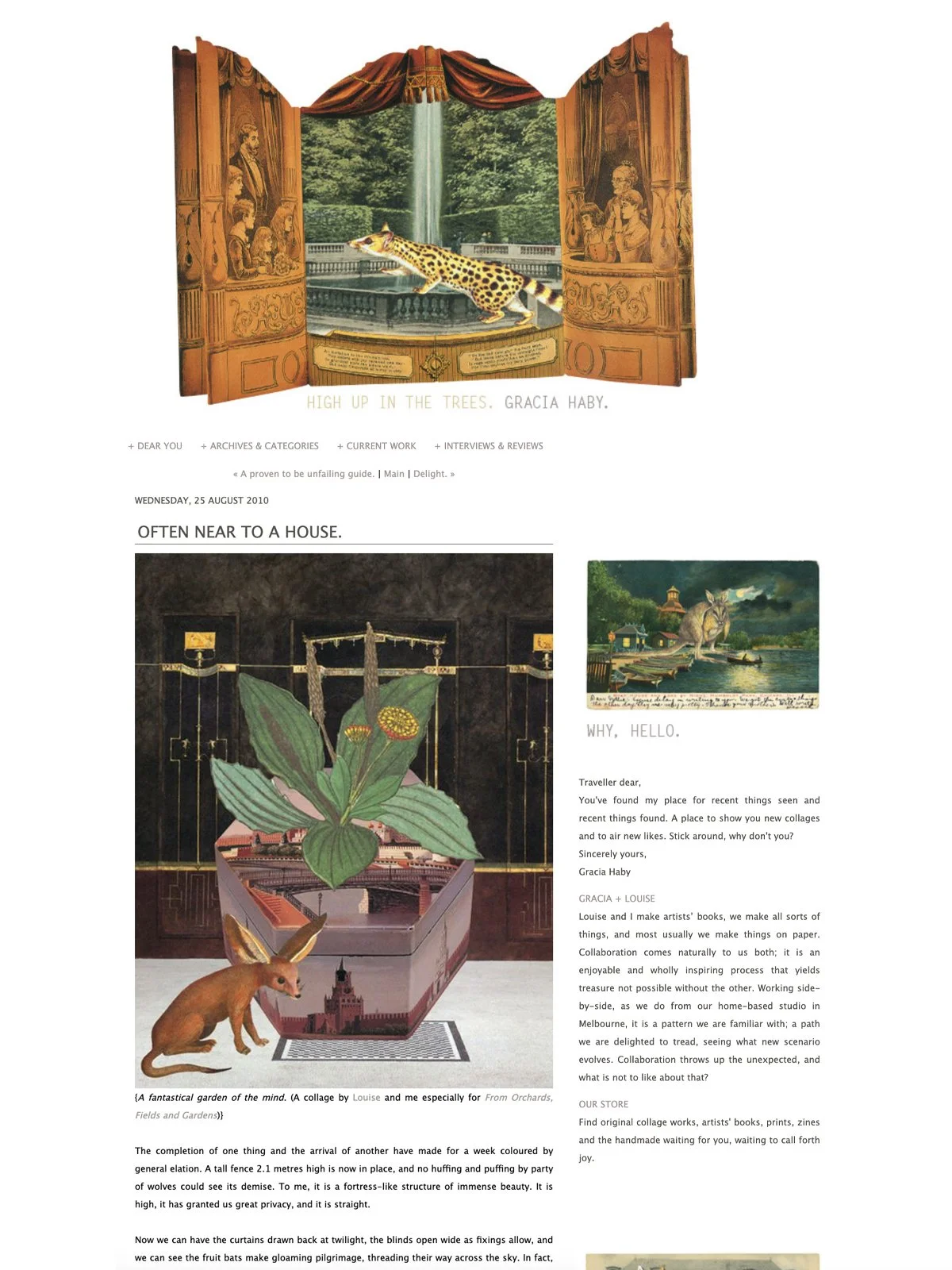
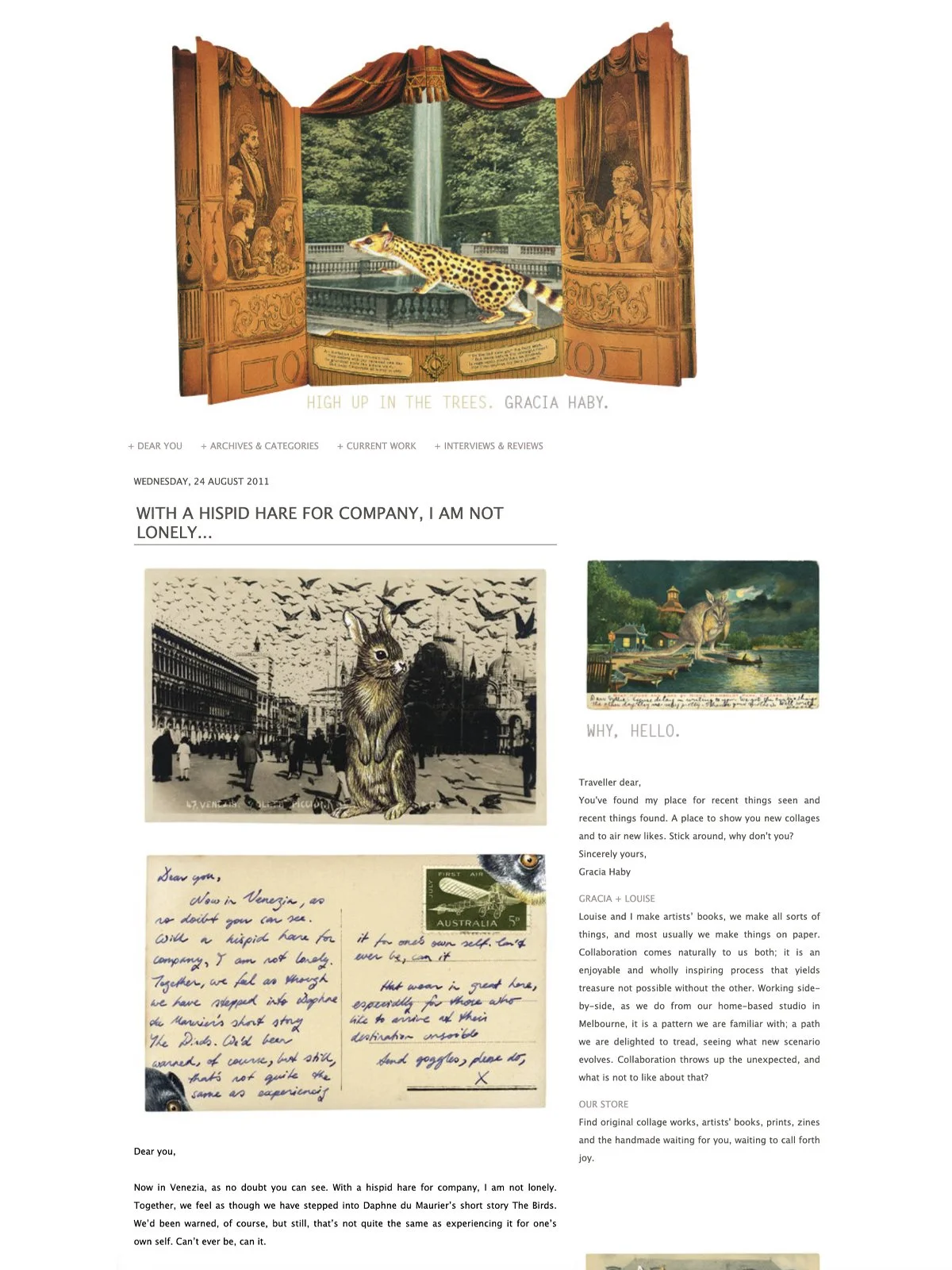
Of the digital realm, when combing through our site late last year checking for link rot, we discovered our Typepad blogs were no longer. We’d missed the news of Typepad’s demise, in the busy swing of things. Launched in 2003, Typepad’s closure on the 30th of September, 2025, took, along with all the content, the record of golden age of community-minded blogging history.
Looking back at what was through the wayback machine, now that our blogs, ‘High up in the trees’ (2006–2016) and ‘Elsewhere’ (2006–2015), and the shorter lived, collaborative ‘A skulk of foxes, and a husk of hares: responding to collective nouns’, have been erased, highlights the importance of keeping your eggs in more than one basket. We are slowly, finally getting around to migrating our old blogs to another platform, so we can continue keep our archive in a public sphere. We’ll then manually link all of our posts on our site to this archive, because we love what we learned and shared in these spaces, and we miss their presence, and the daily connection they afforded. We’ll publish them typos and all, for they were raw, immediate, exploratory, and true.
To restoration. To archives, and a recording of one’s roots.
And, as ever, please note: you need to be a qualified, vaccinated carer to handle megabats and microbats (like Venus, Hubert, and Bernard). If you chance upon a Venus, Hubert, and Bernard, remember, ‘no touch; no risk’, and please call your nearest wildlife rescue group or organisation.
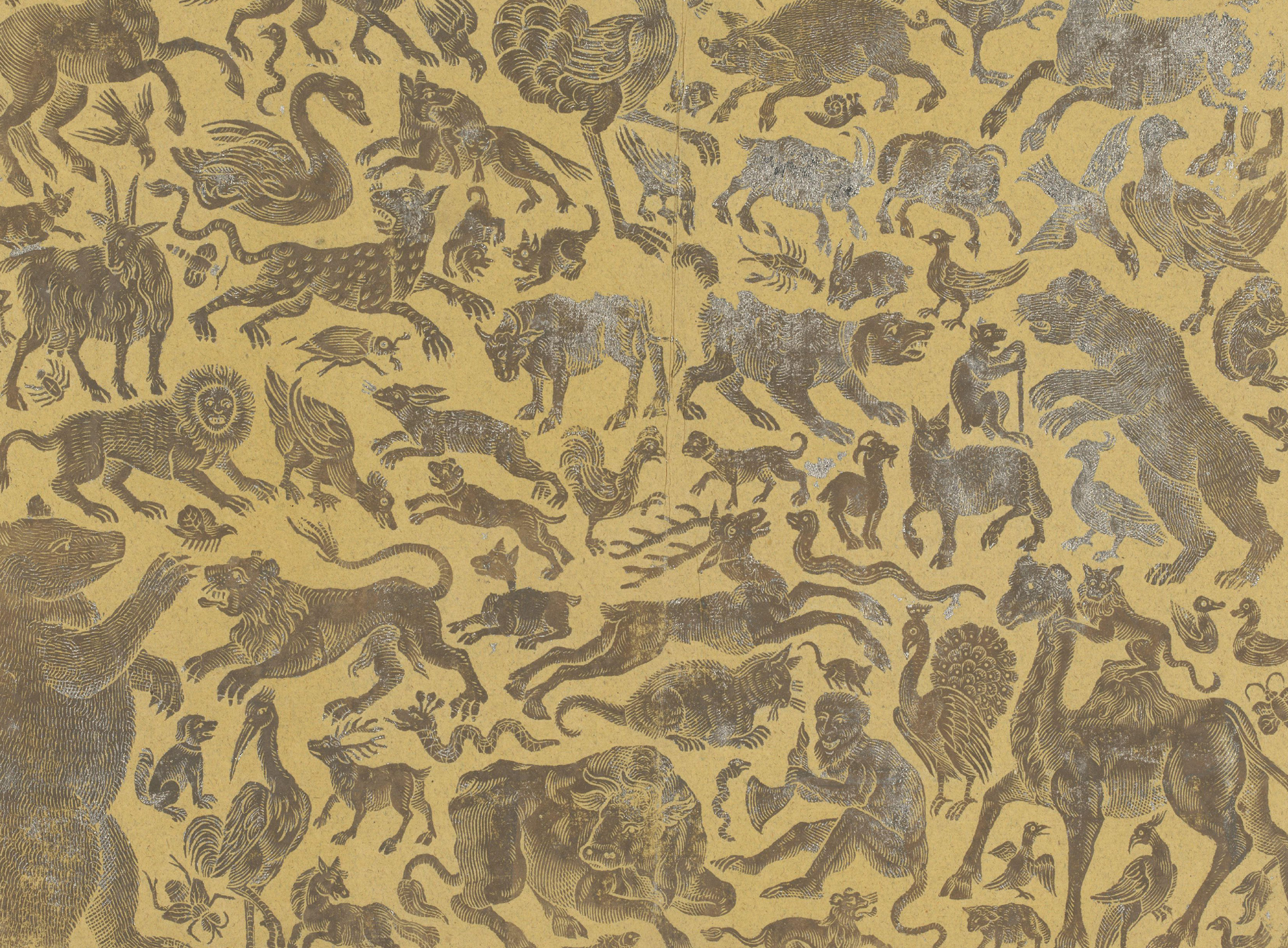
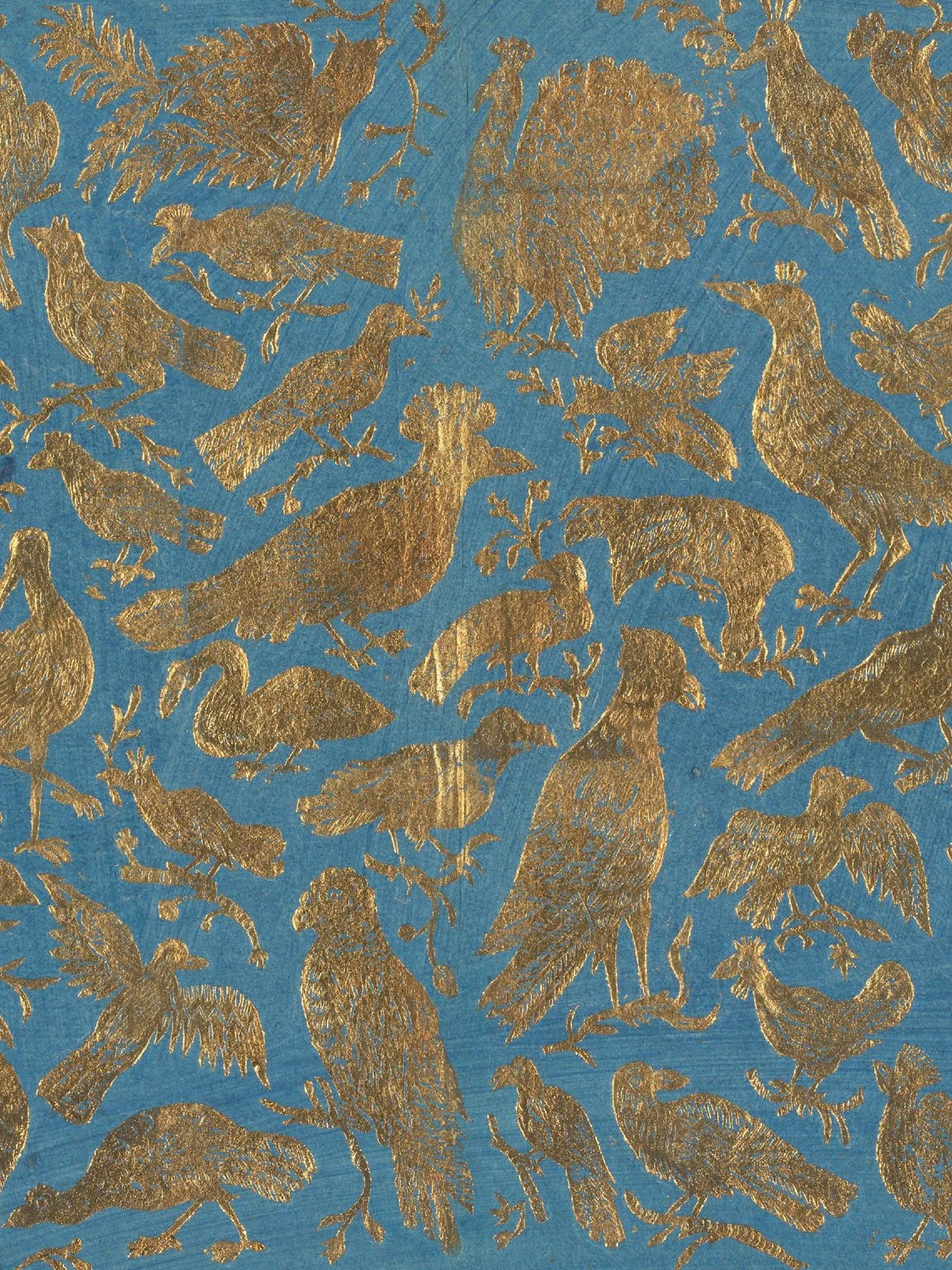
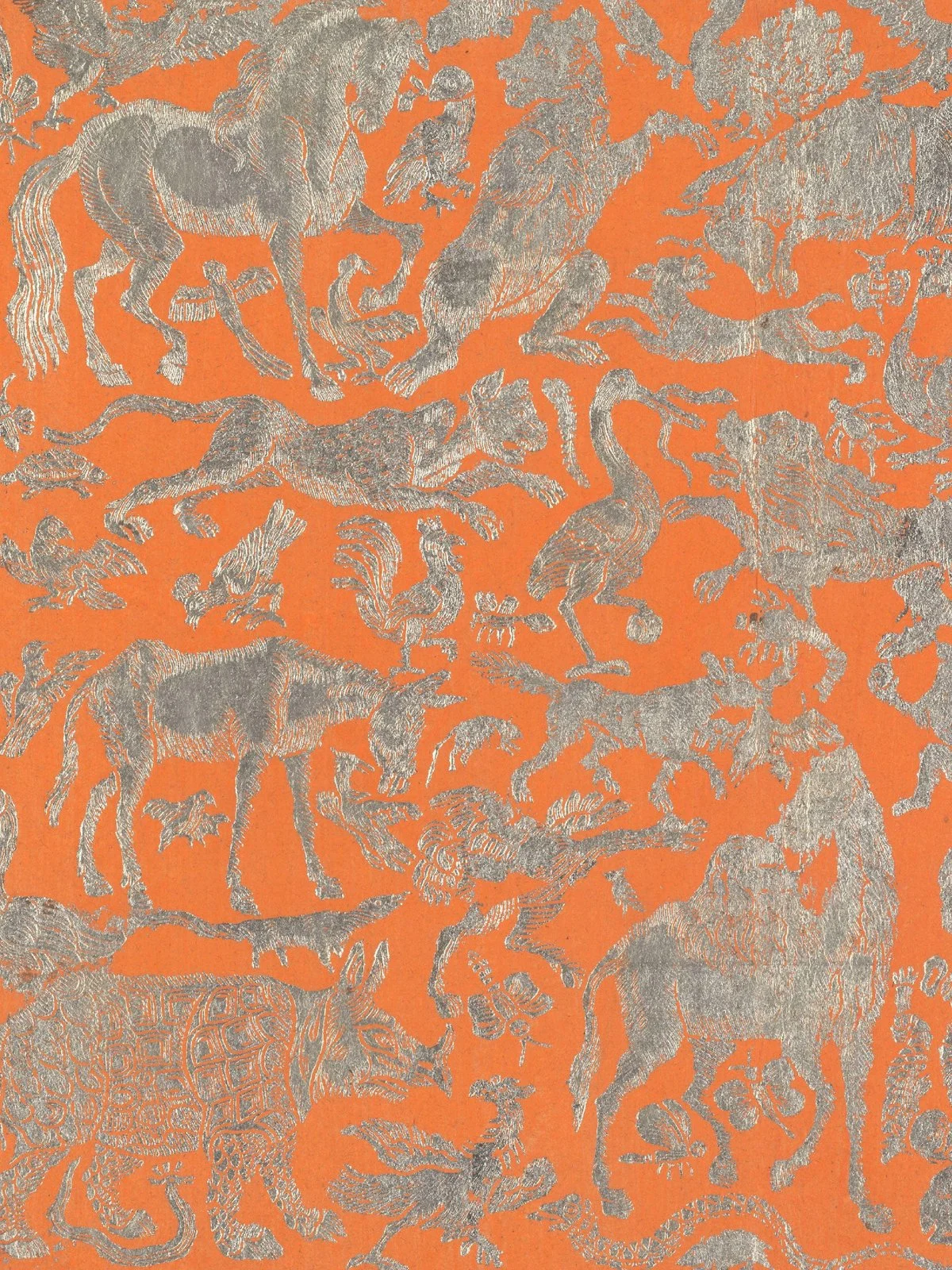
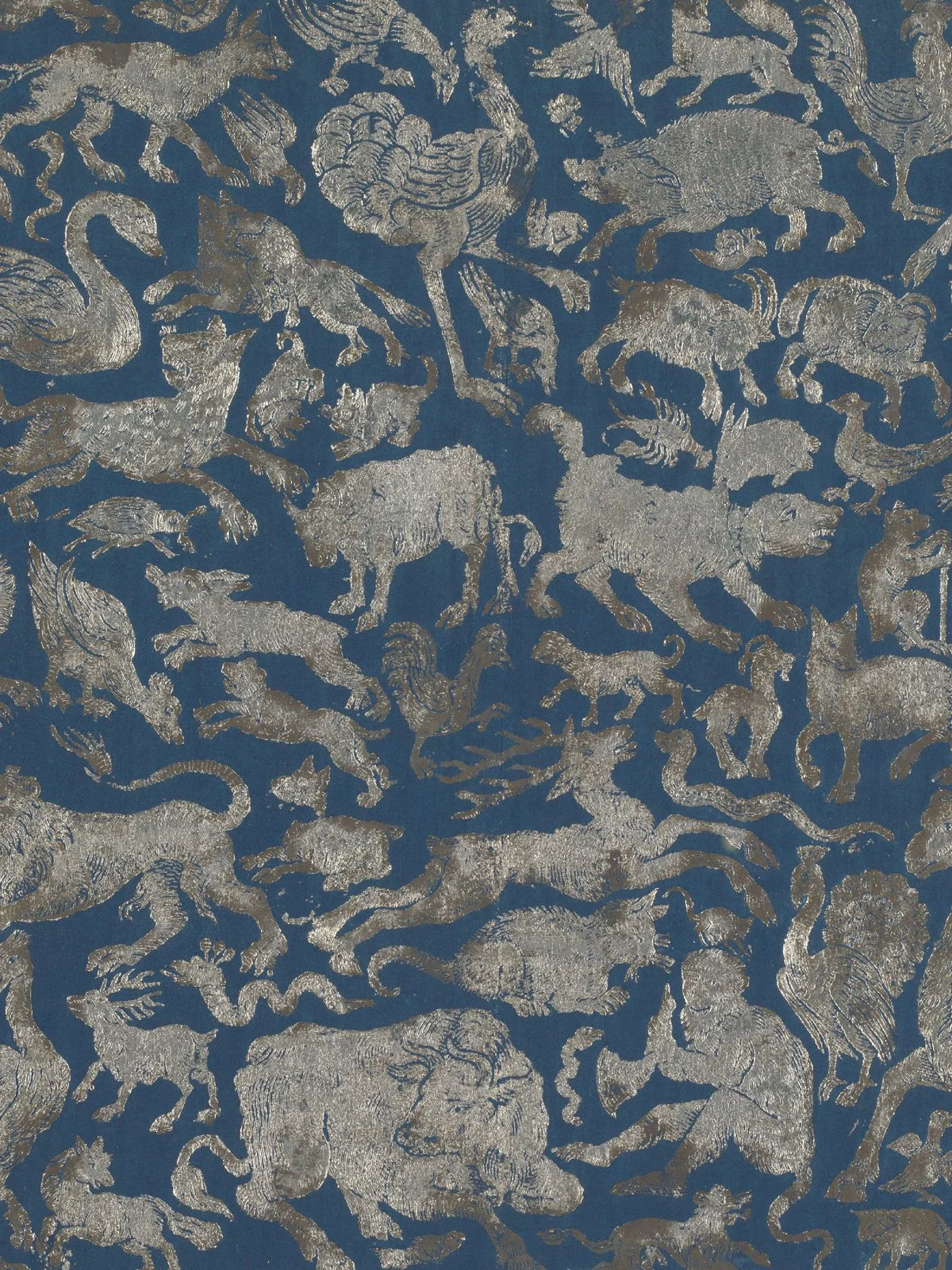
Image credit: Brocade paper (detail) published by Johann Carl Munck (mentioned on object), Augsburg, 1750–1794.
