Spring returns & arrivals
Wildlife Care
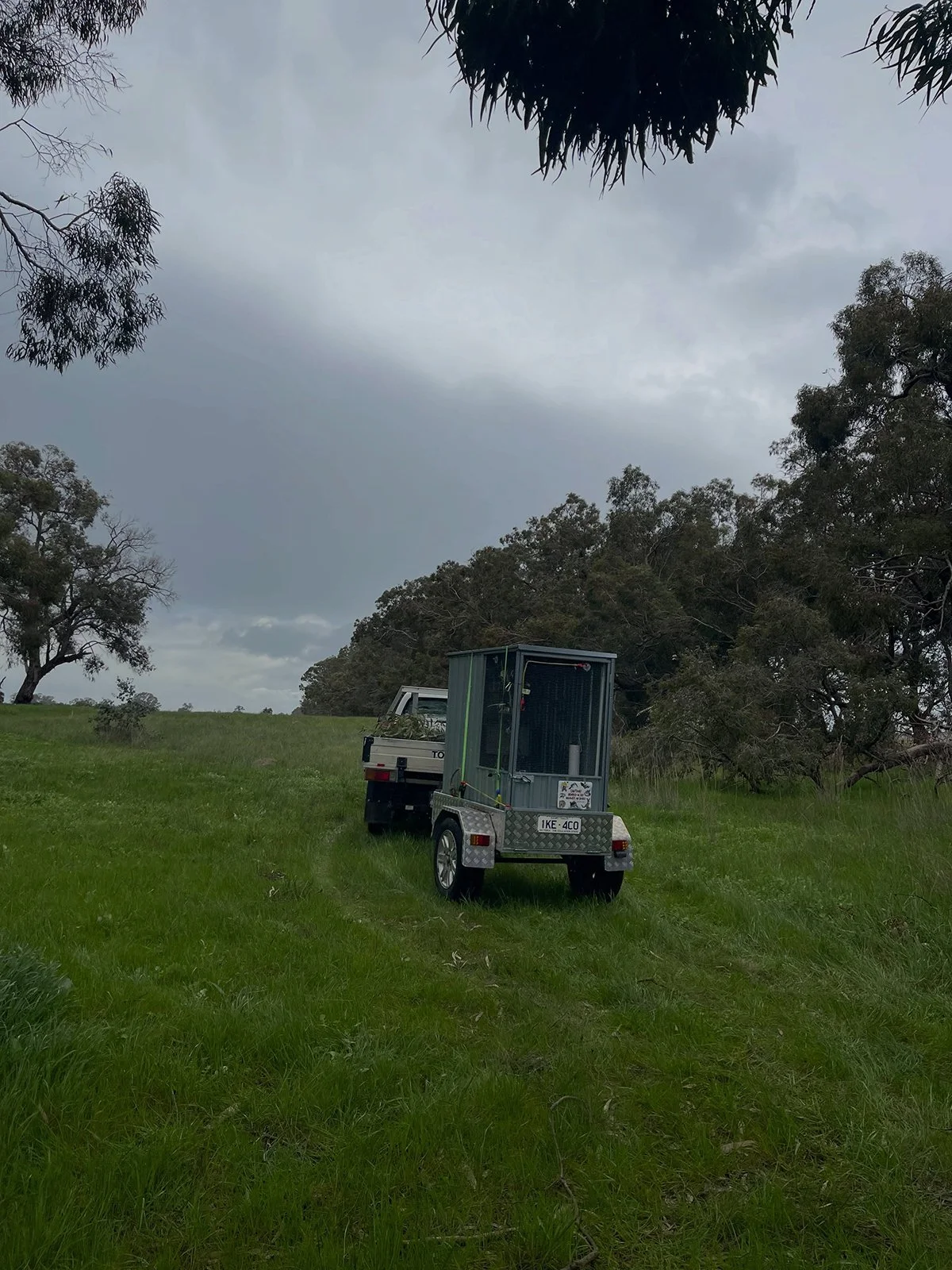
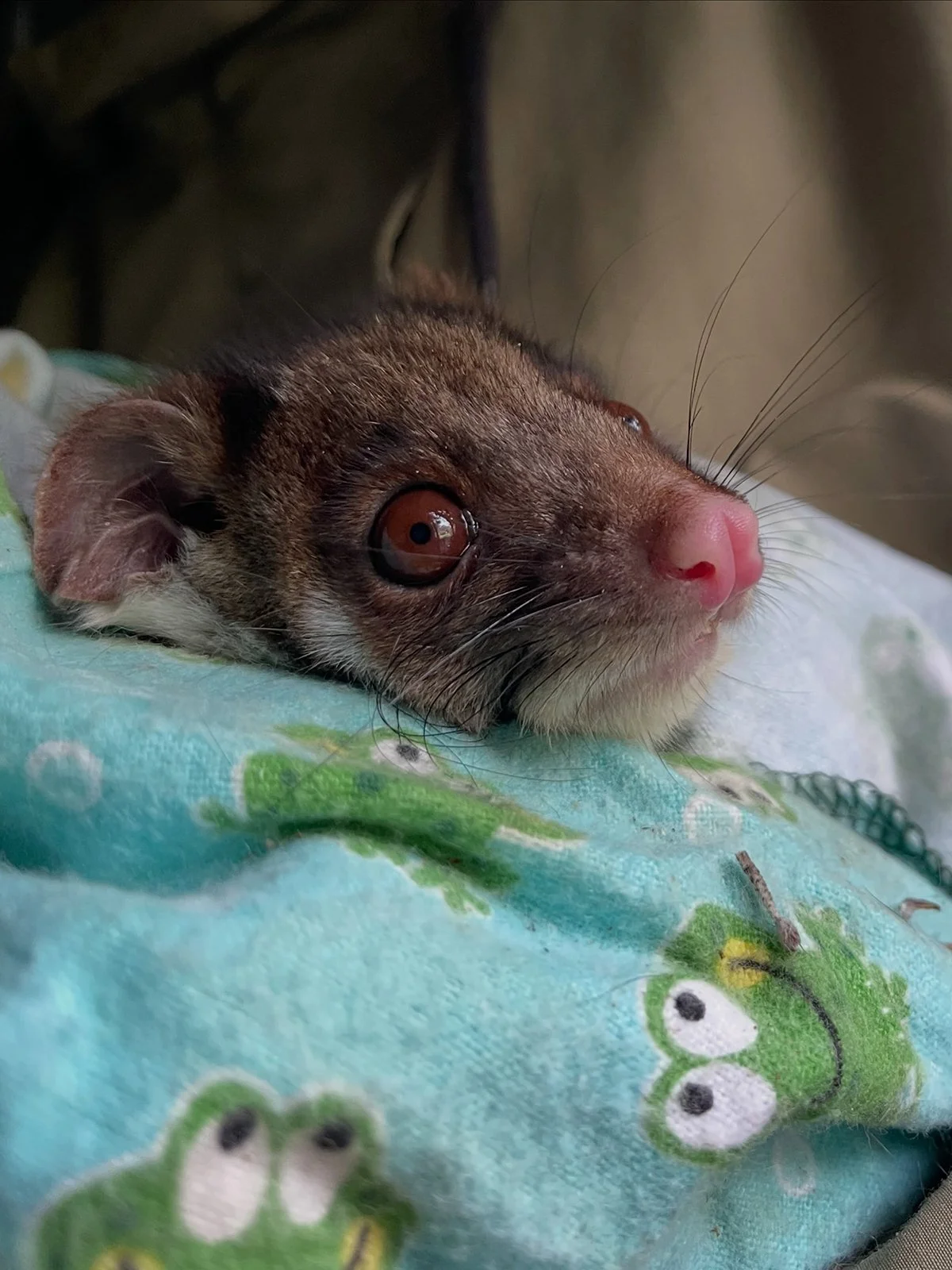
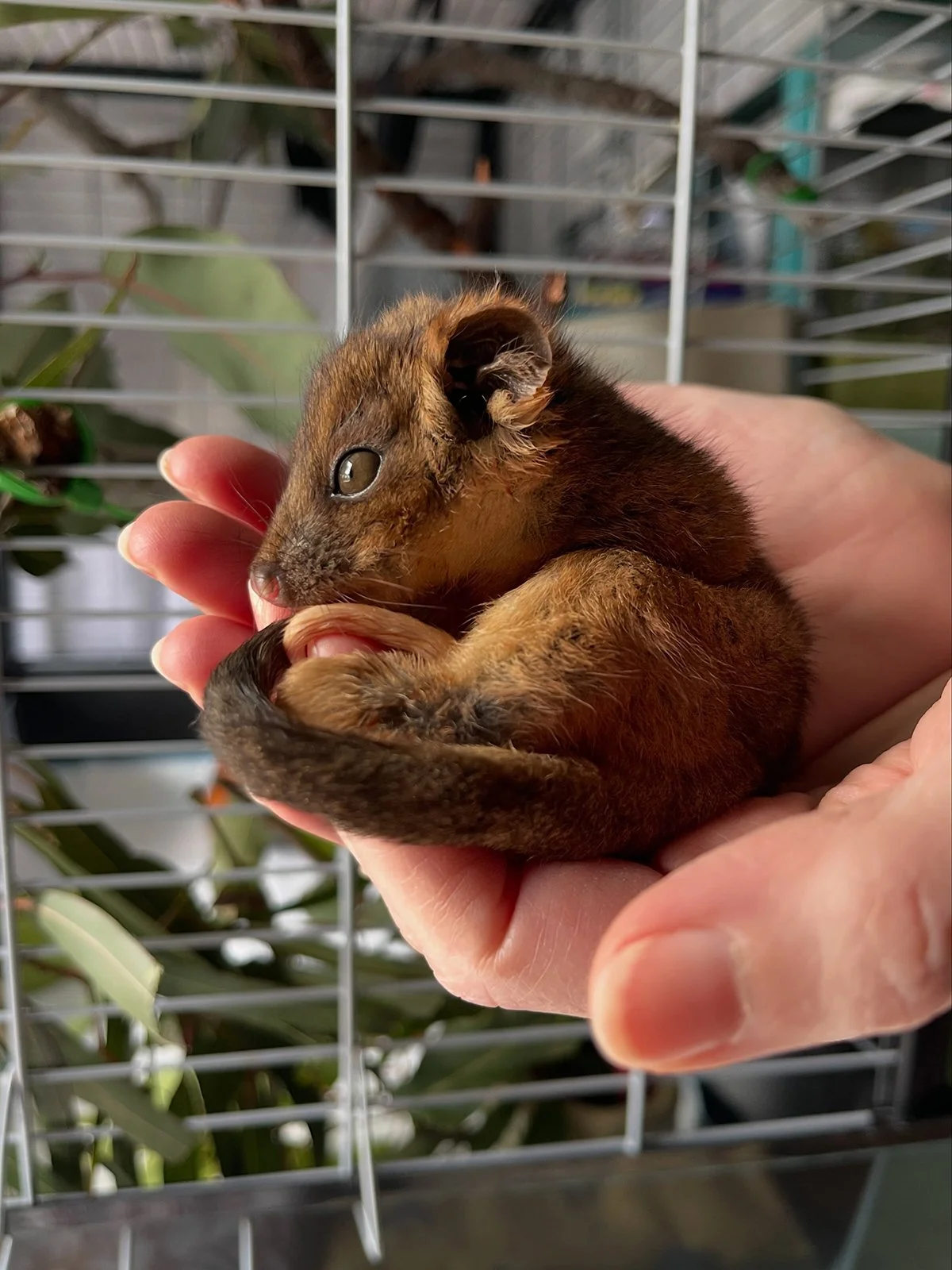
Coco Spinifex came into care at Tiny but Wild late June, with suspected neurological trauma. Her movements were impaired and she struggled to eat, such was her coordination. We tore up leaves for her and placed them in a bowl, like a salad befitting a possum, and slowly but surely she showed signs of improvement. Her actions became steadier and more confident, and, as such, she began to use her full range of movement, in glorious flexibility. We popped the night camera up, upon occasion, to check how she carried herself, and delighted in seeing her perform beautiful, controlled possum dangles with the aid of her prehensile tail. We marvelled in seeing her grow to paw and munch at fresh browse in her enclosure.
As she graduated to the outdoor enclosure, we continued to monitor her progress and cheer her on from the sidelines. Across branches strung for movement and ropes of varying thickness, she was a study in nimbleness and responsiveness. The ringie on the night camera was a world away from her first night.
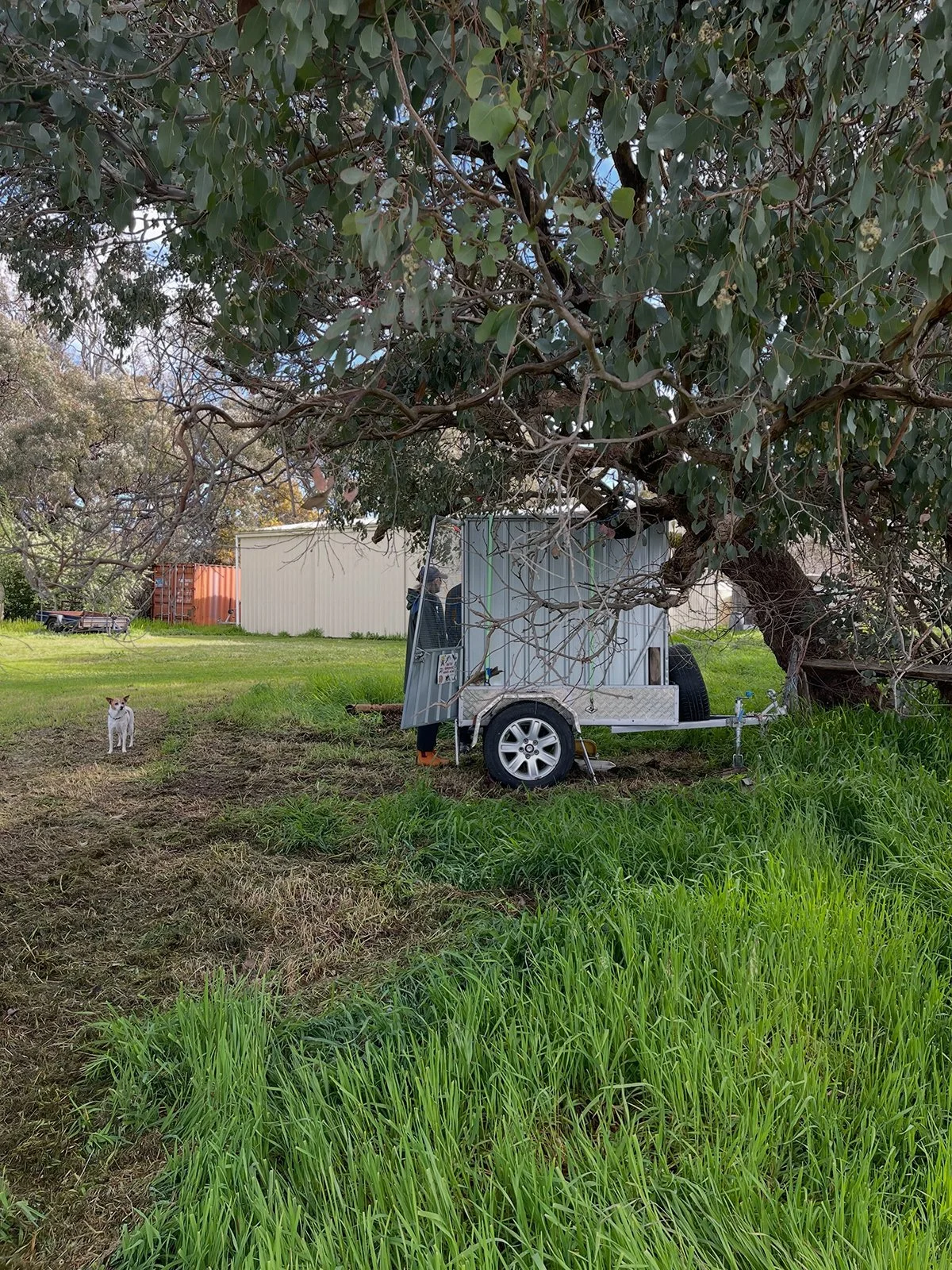
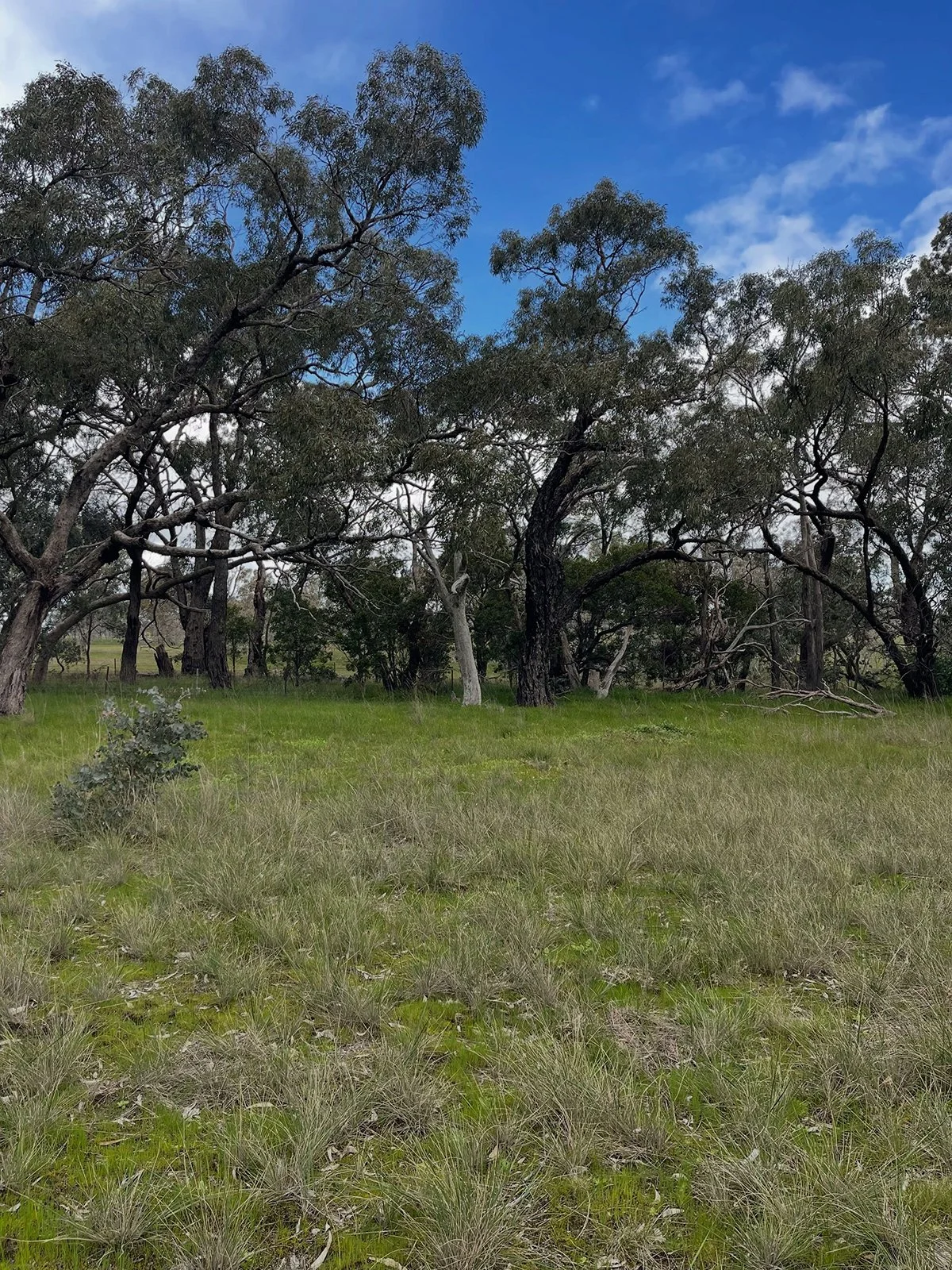
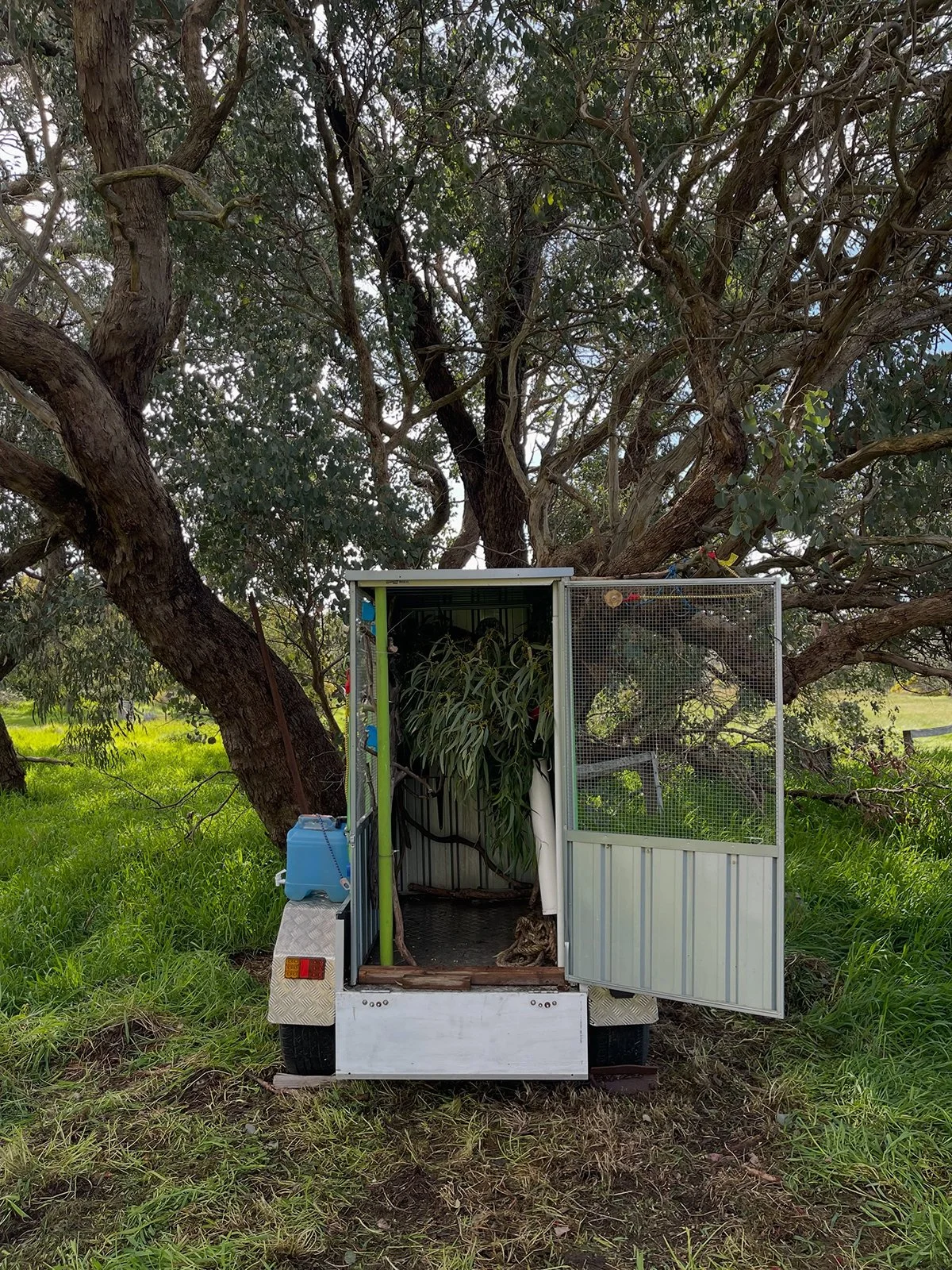
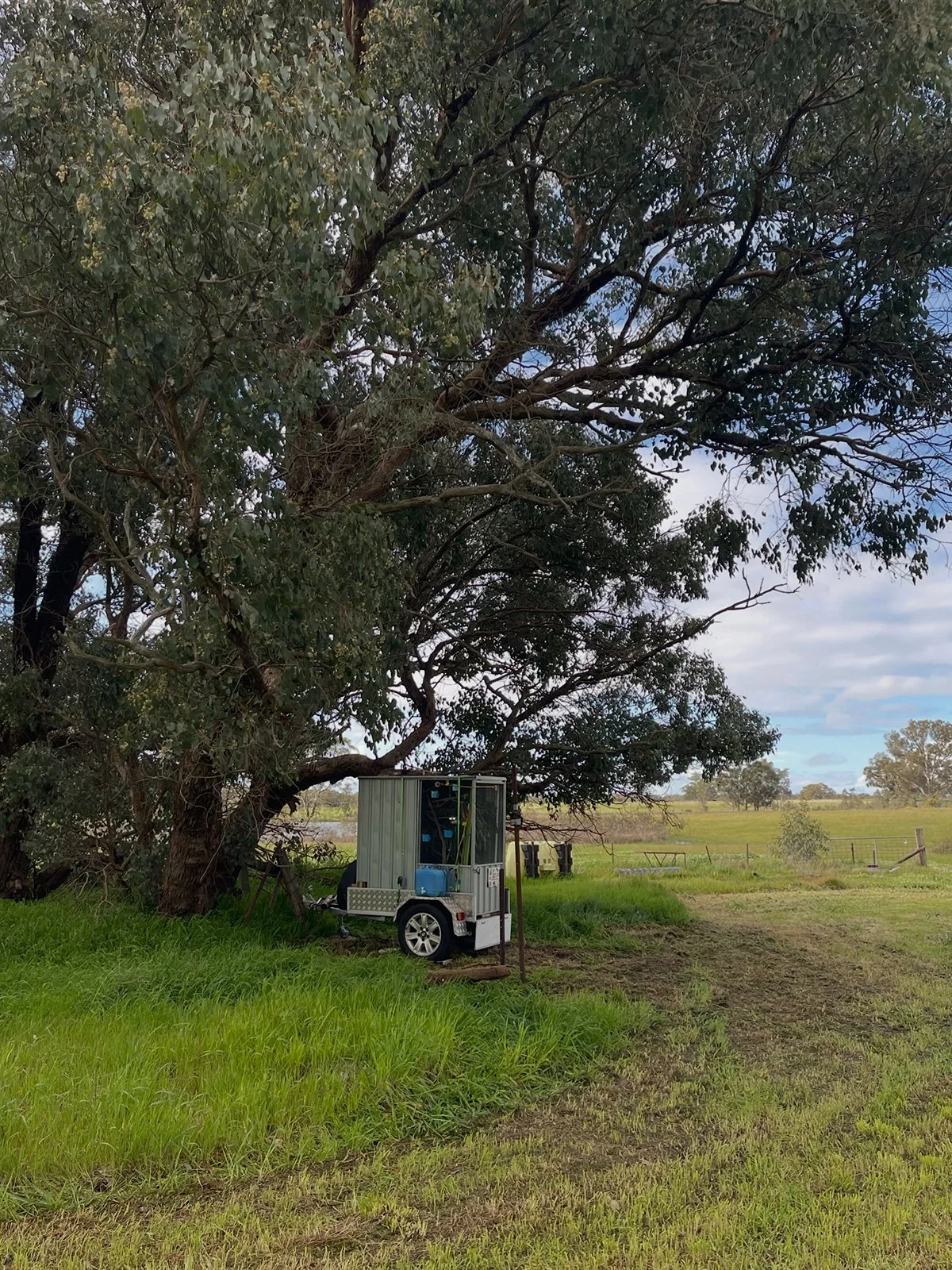
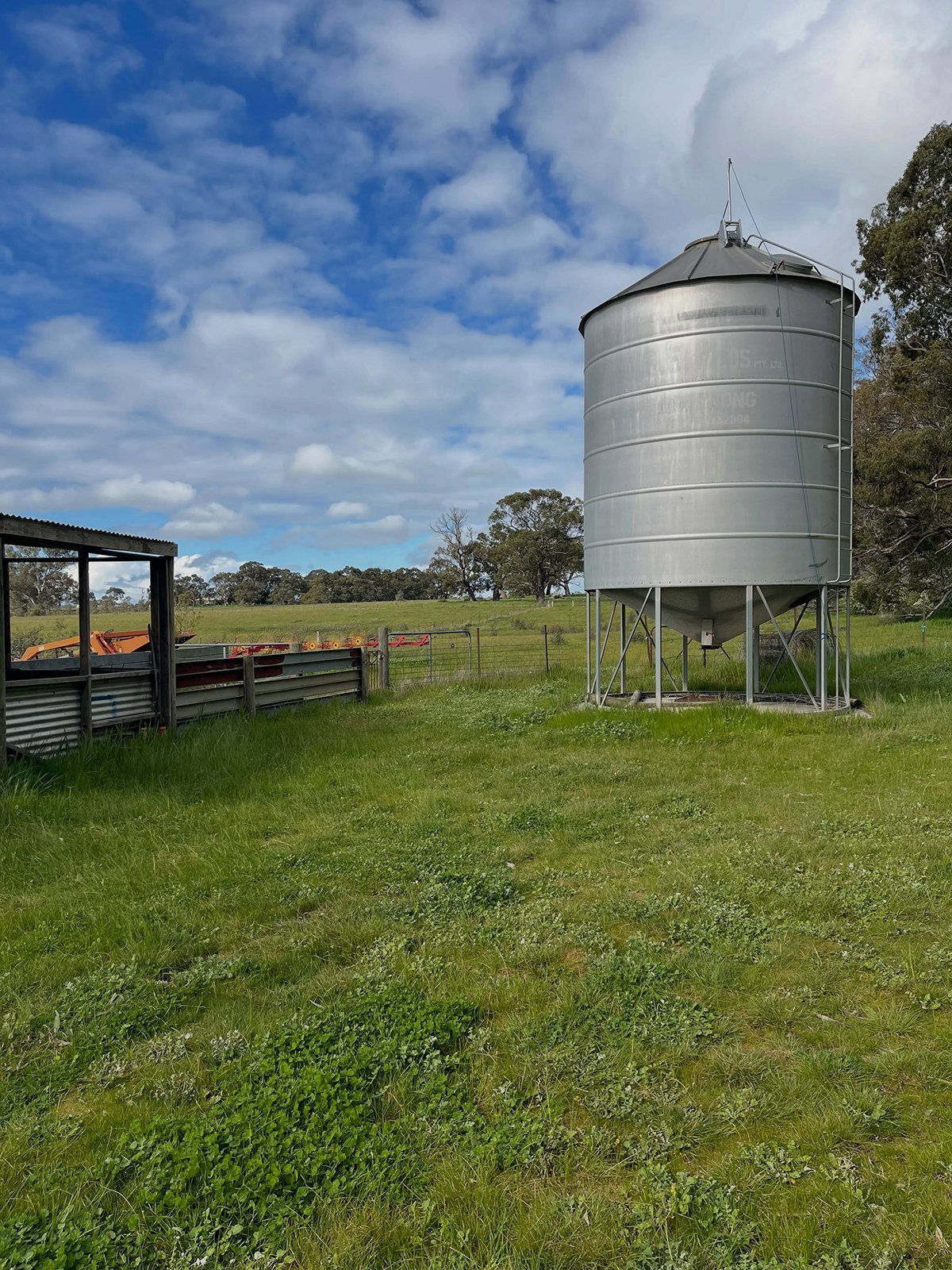
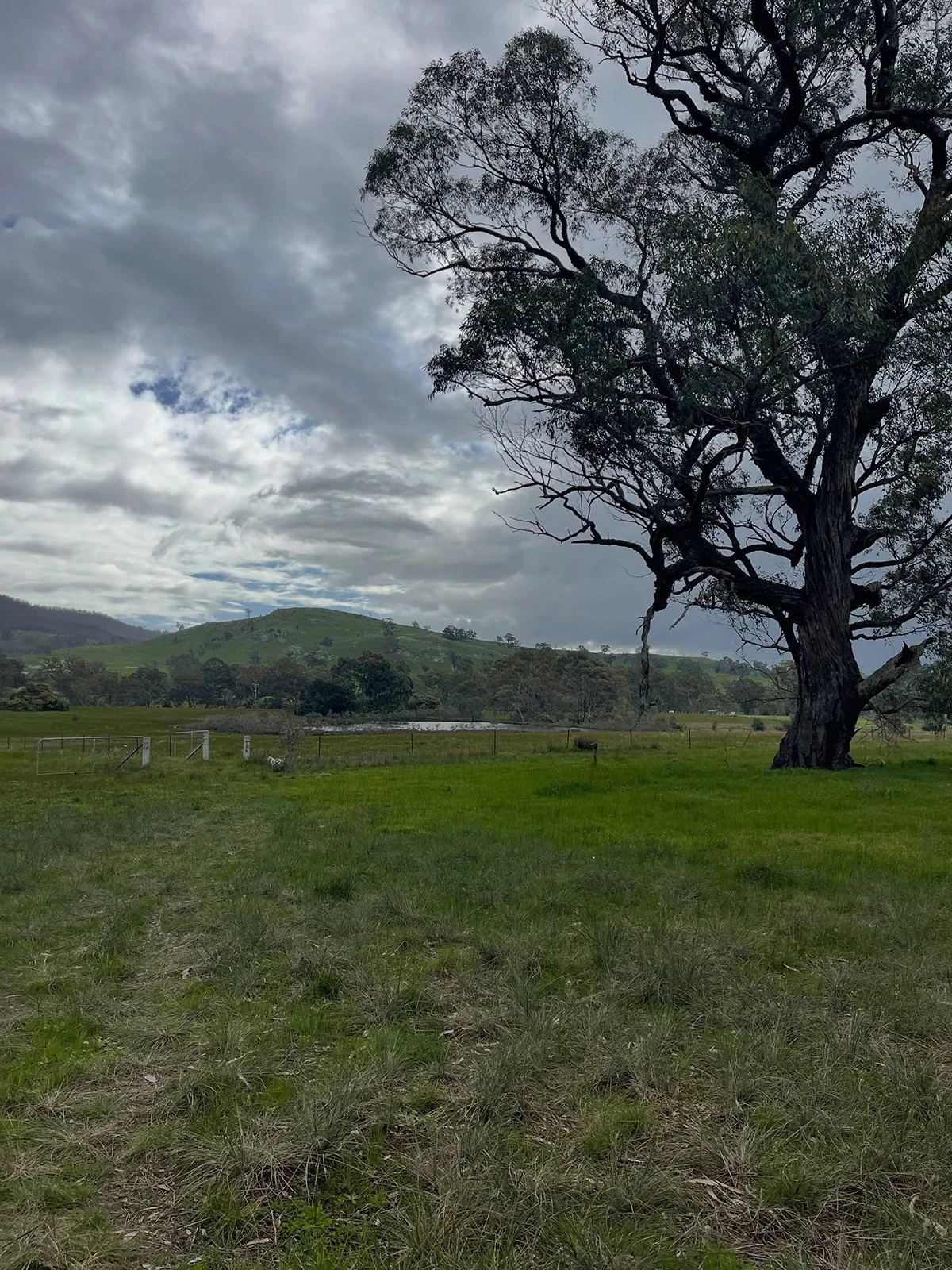
Now that she is soft-release ready, it is time to head to her forever home, from where she can branch out and explore. Beneath the canopy, in our enclosure-on-wheels, she waits, sniffs, gobbles, and surveys. Once more, we turn to the recorded footage to glean further, and there she sits, there, she scratches, feasts, and ponders. And across the lip of the roof, a Krefft’s glider darts.
Yes, we suspect she’ll be very happy here, when it comes time to open the enclosure so she can return to the wild. Paws crossed, Coco Spinifex. You did it!
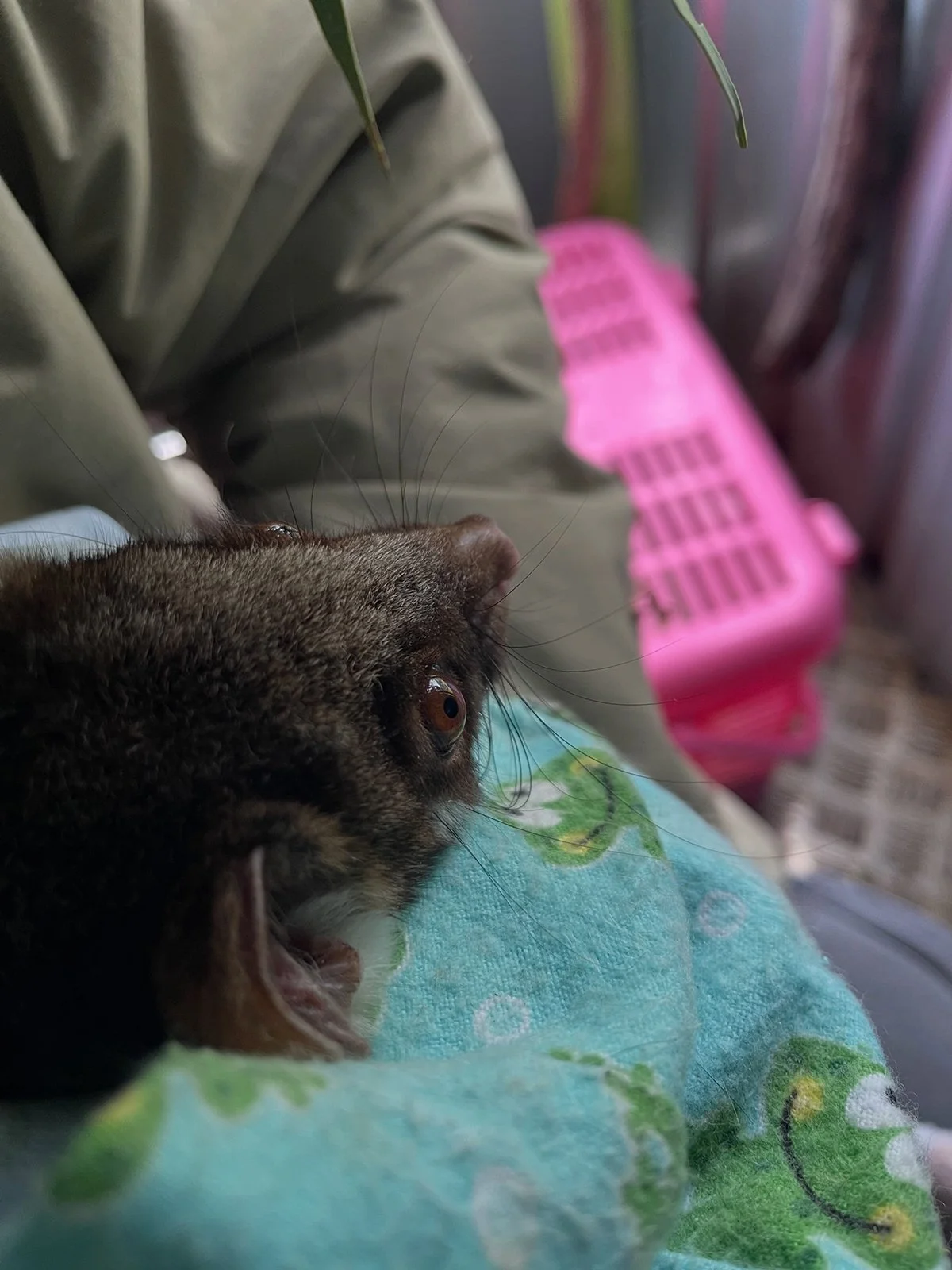
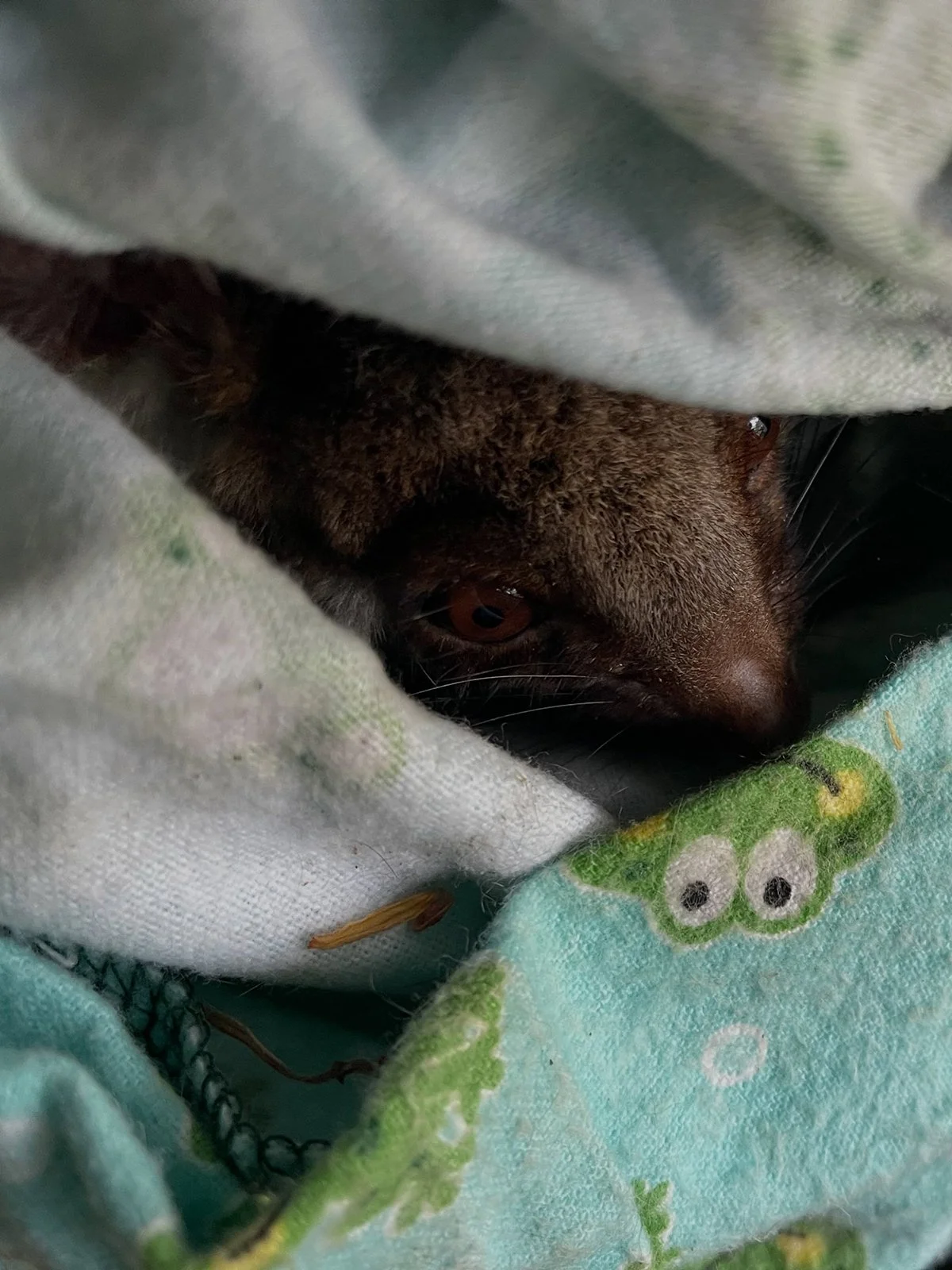
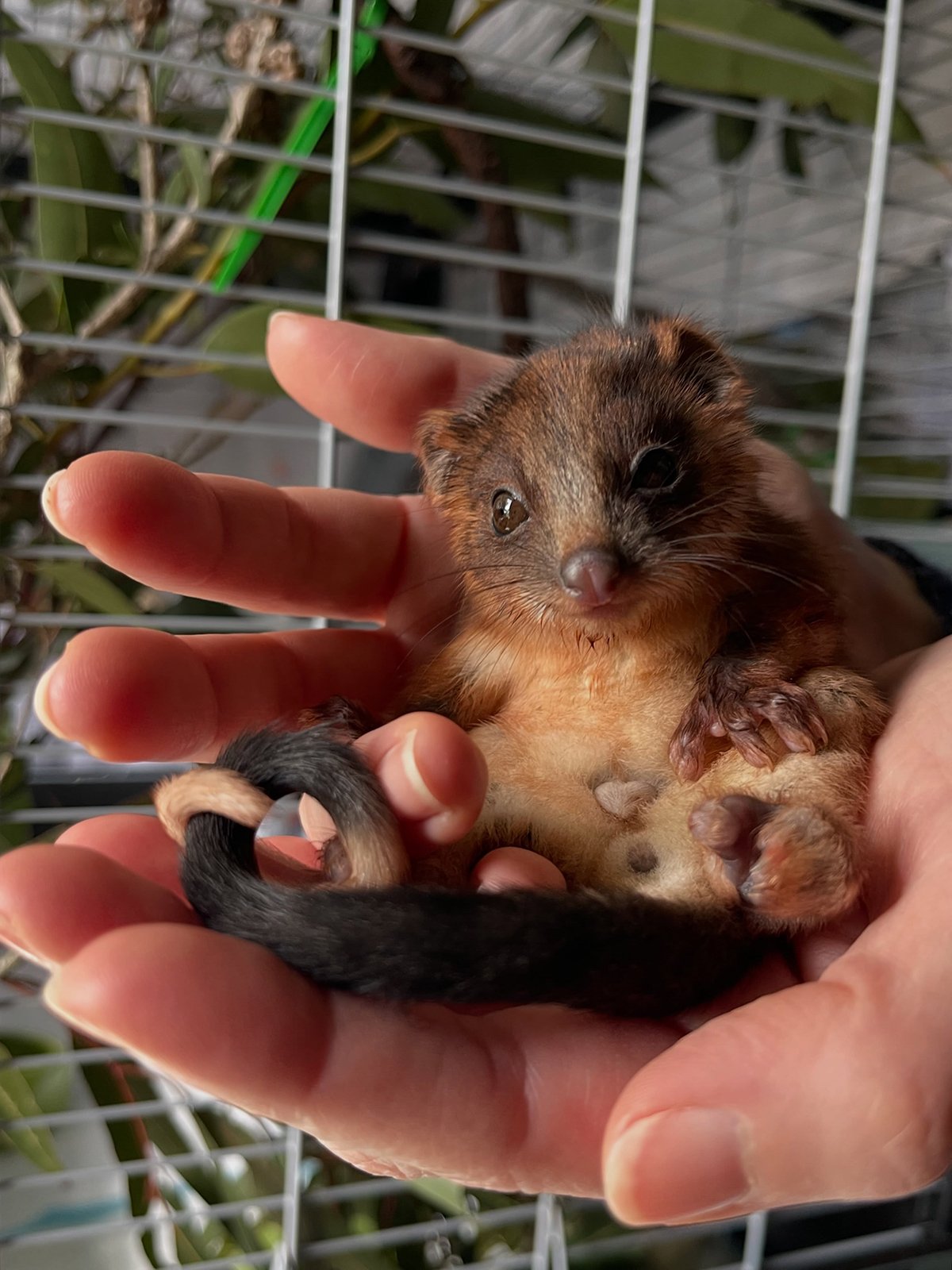
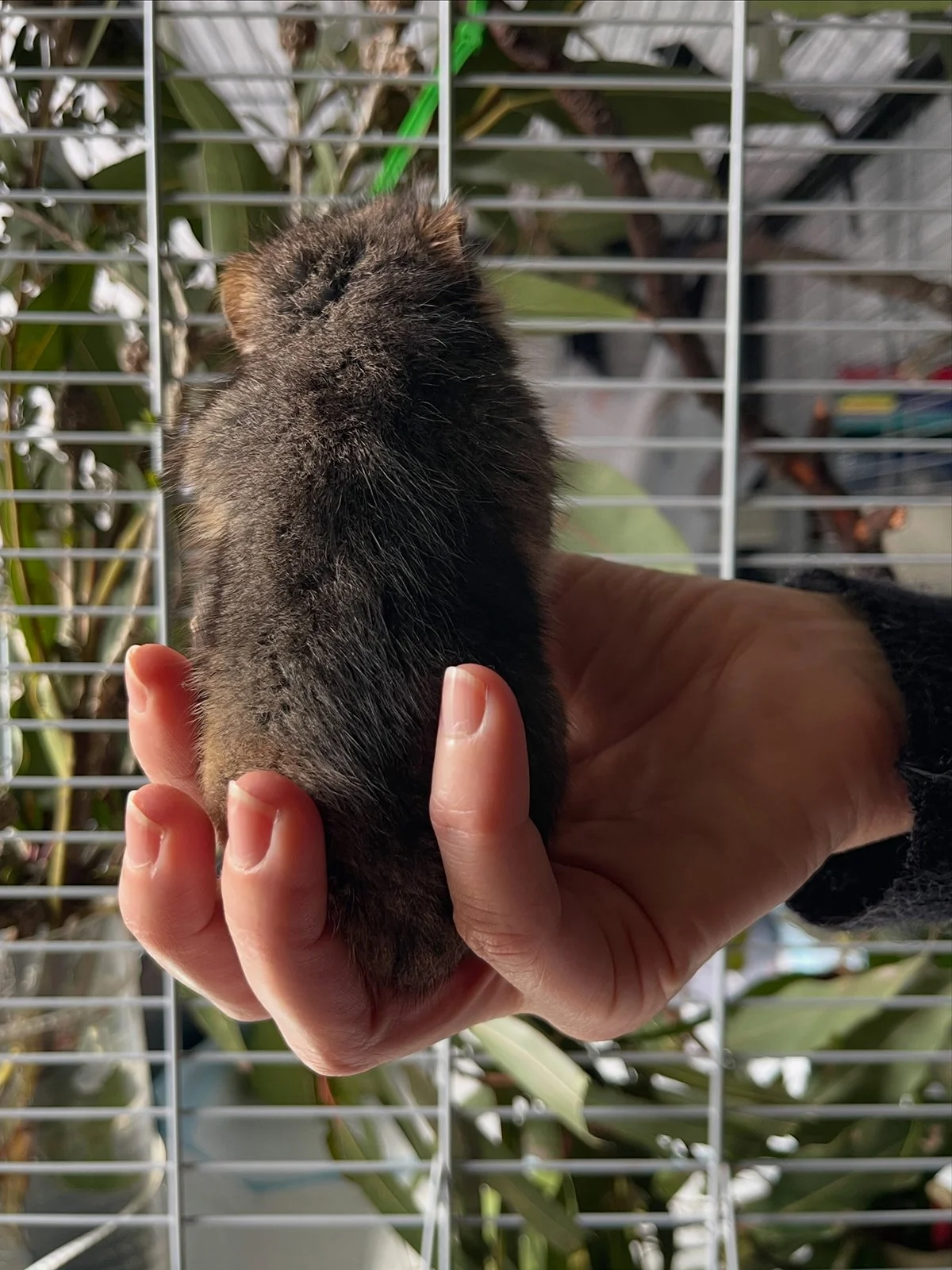
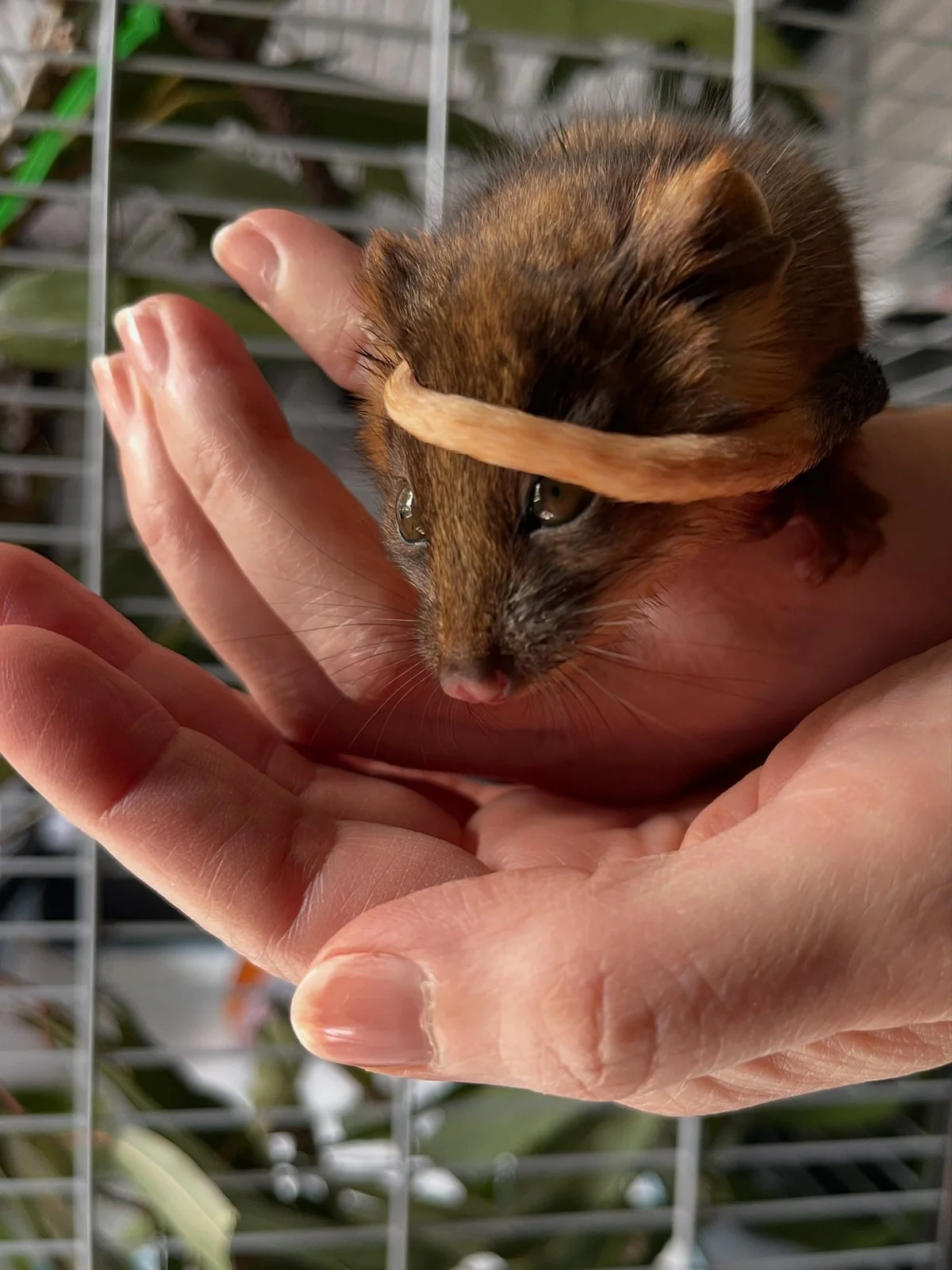
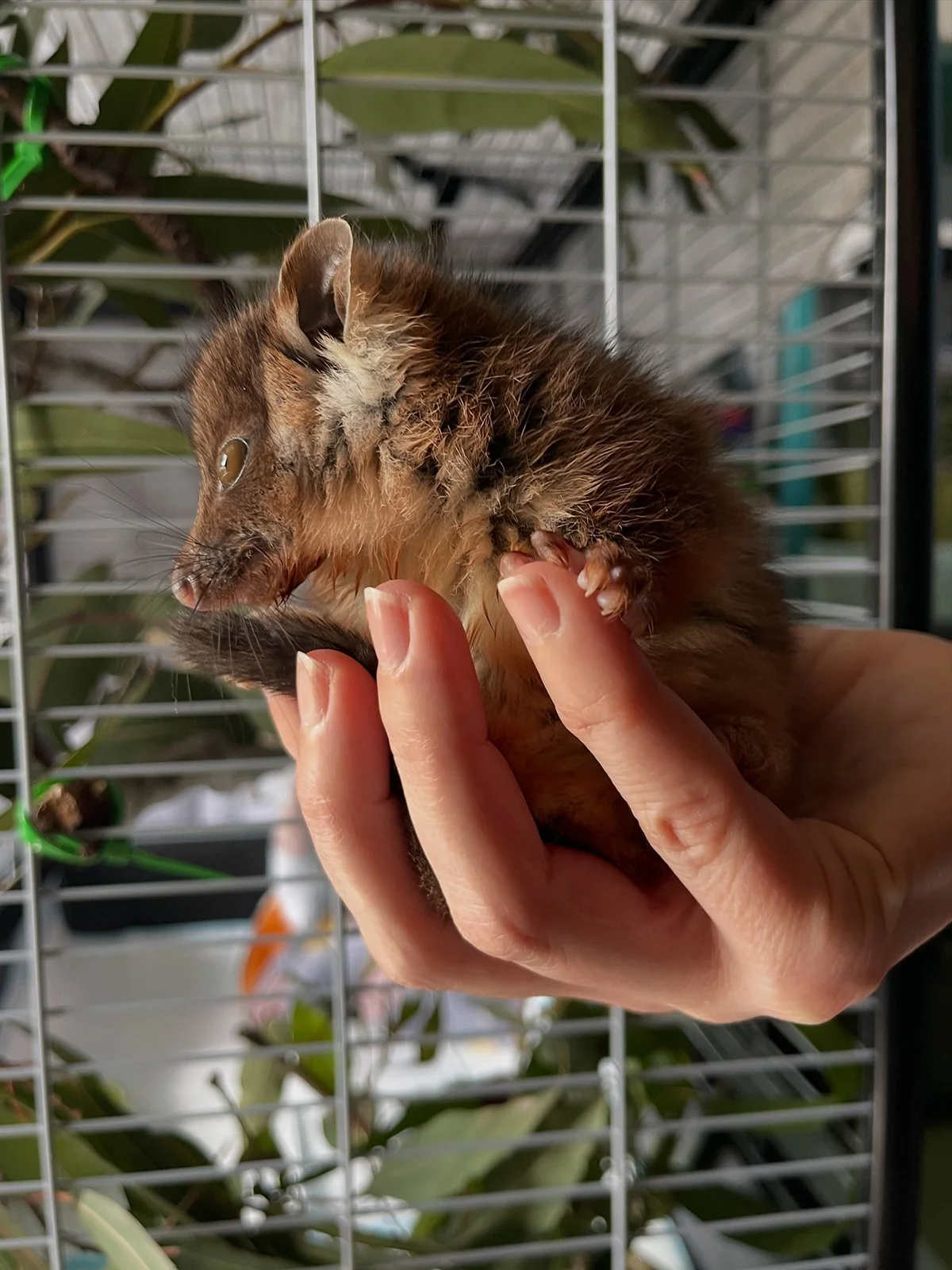
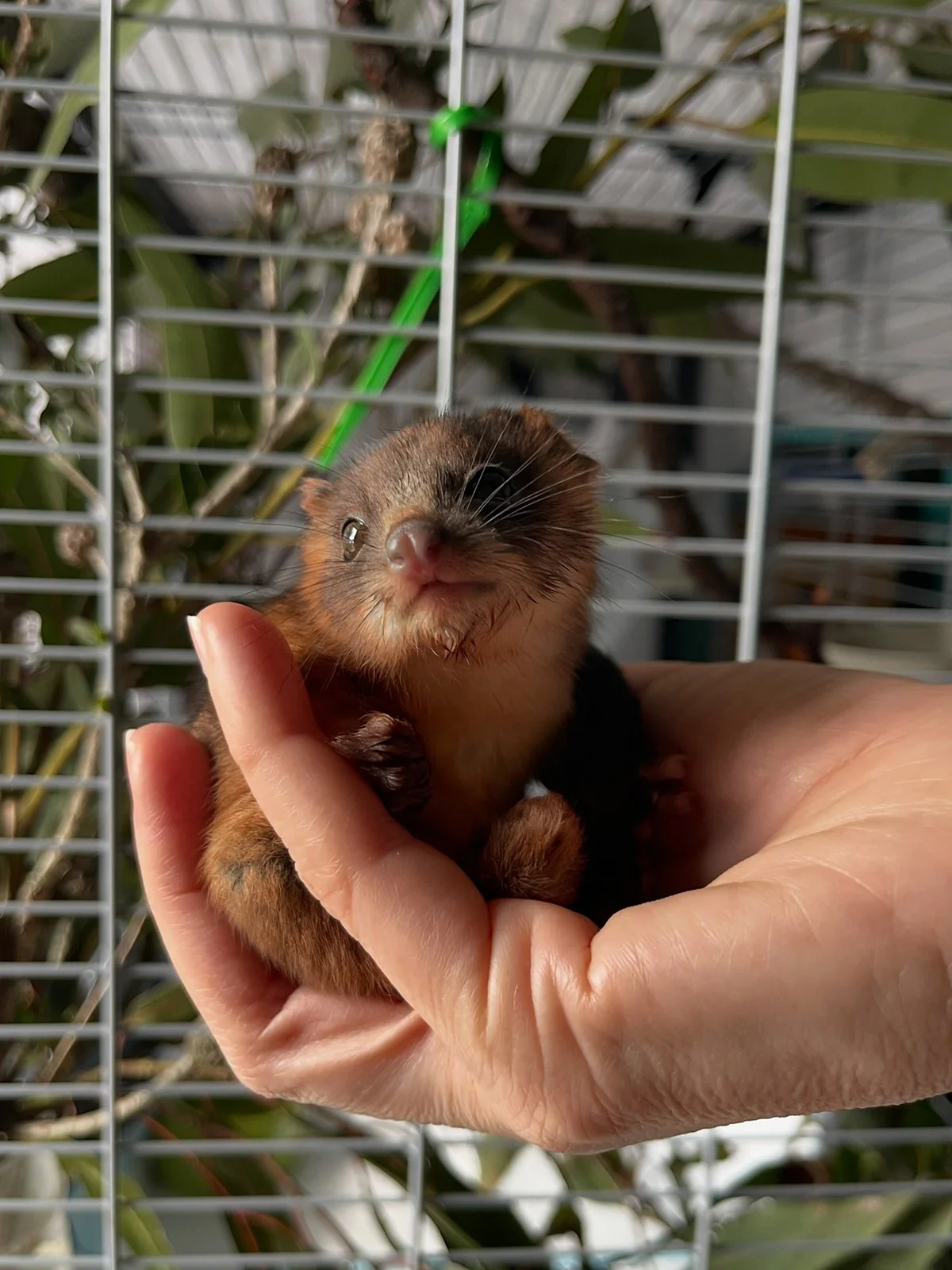
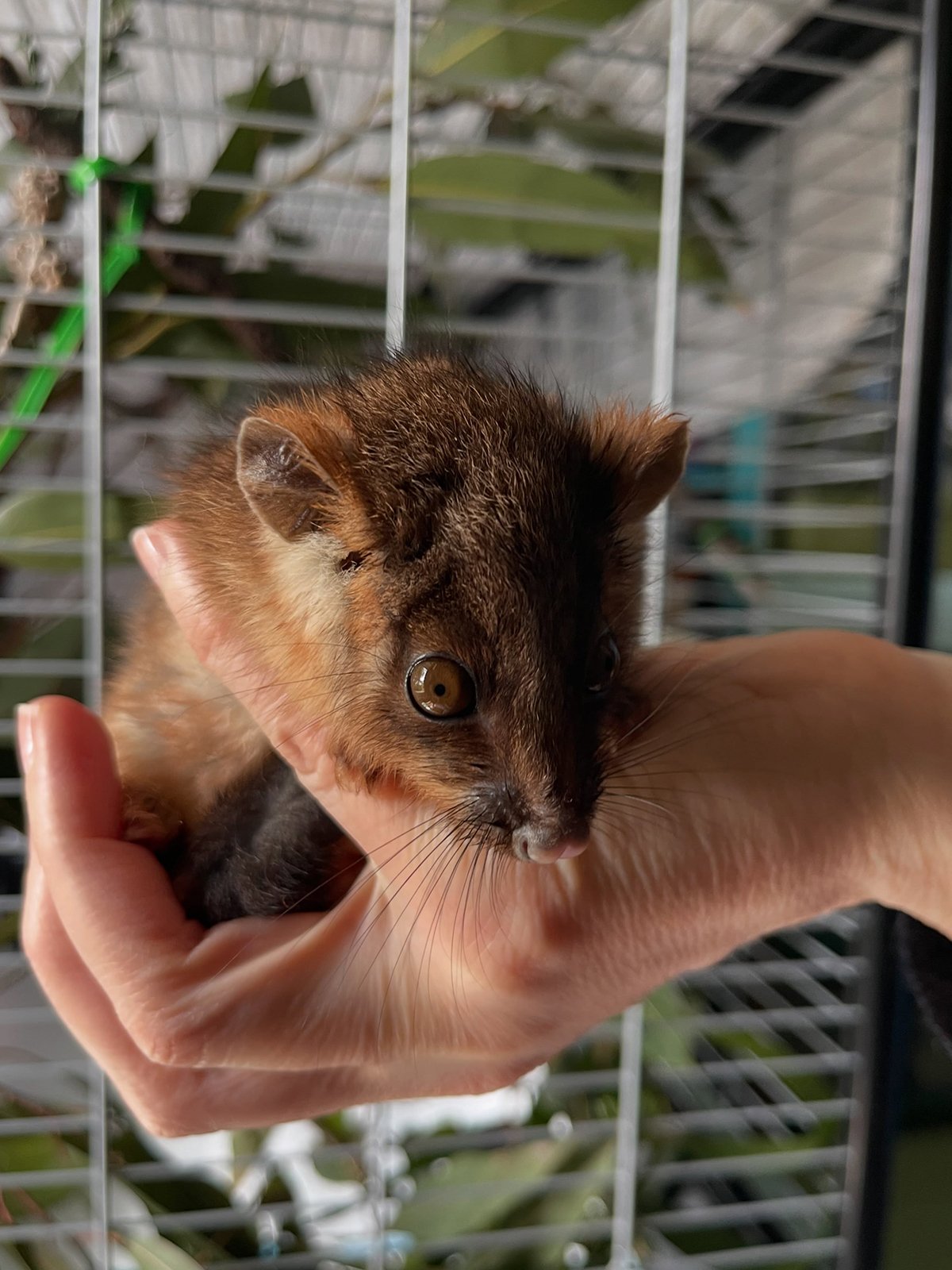
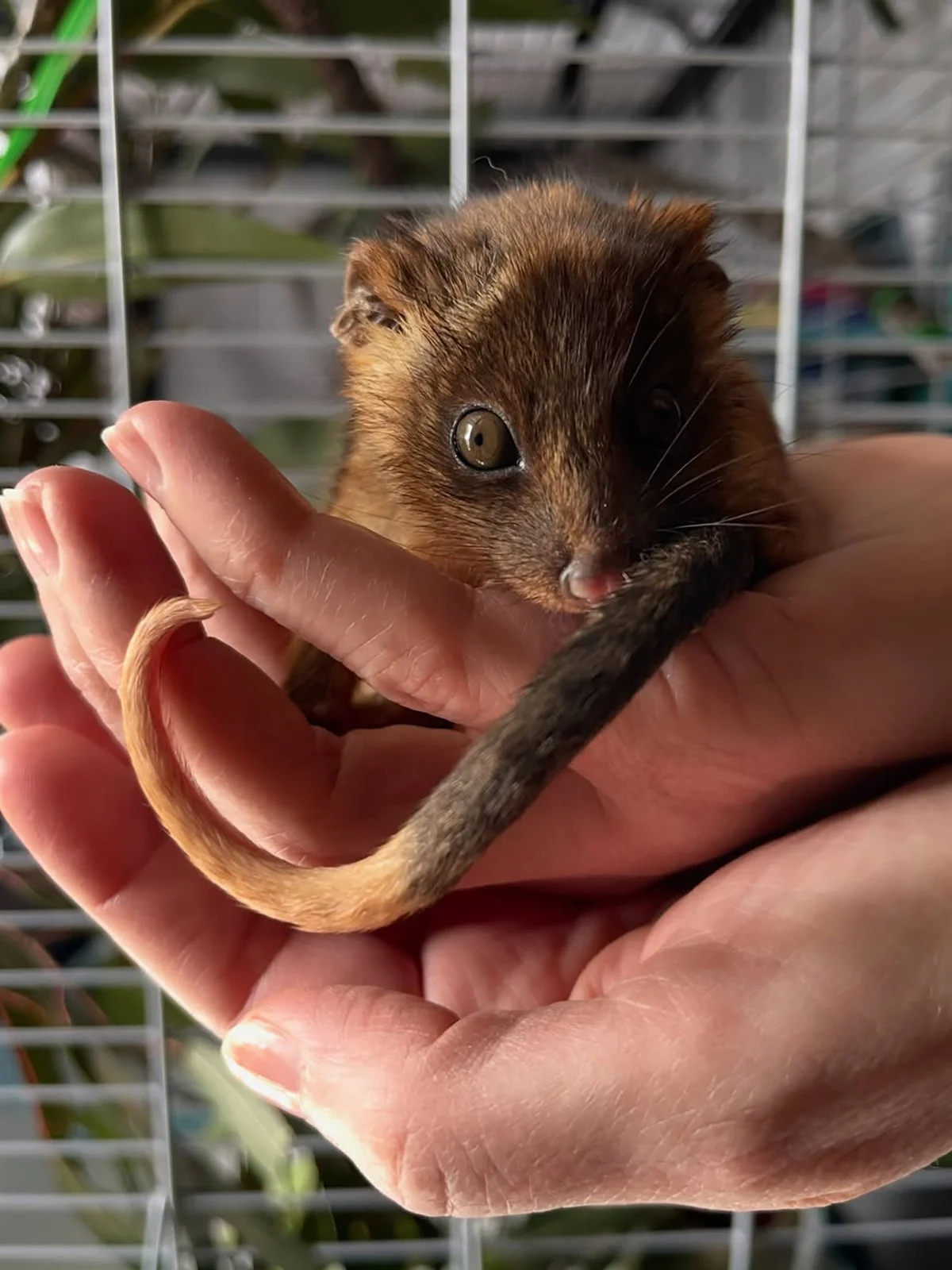
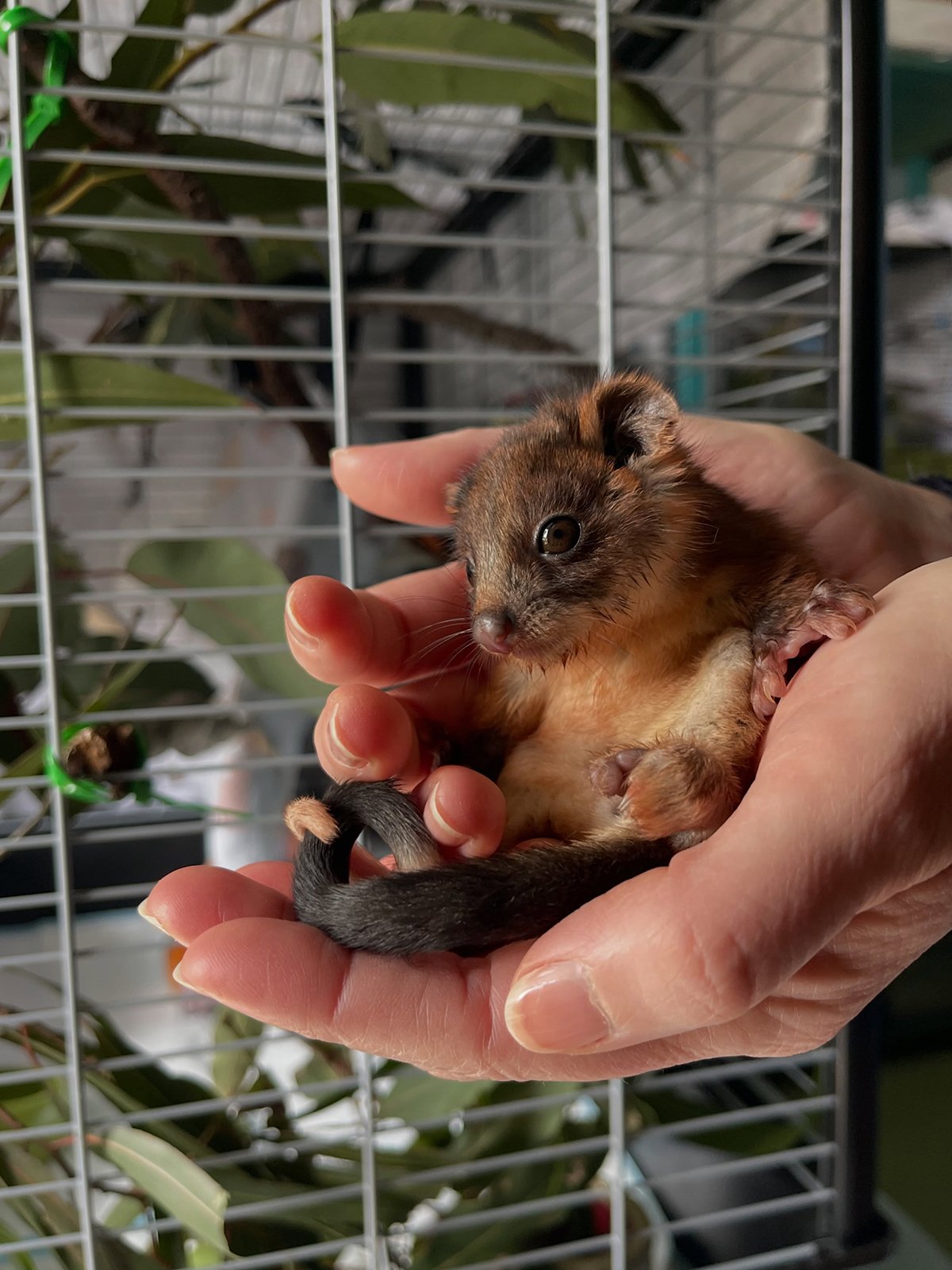
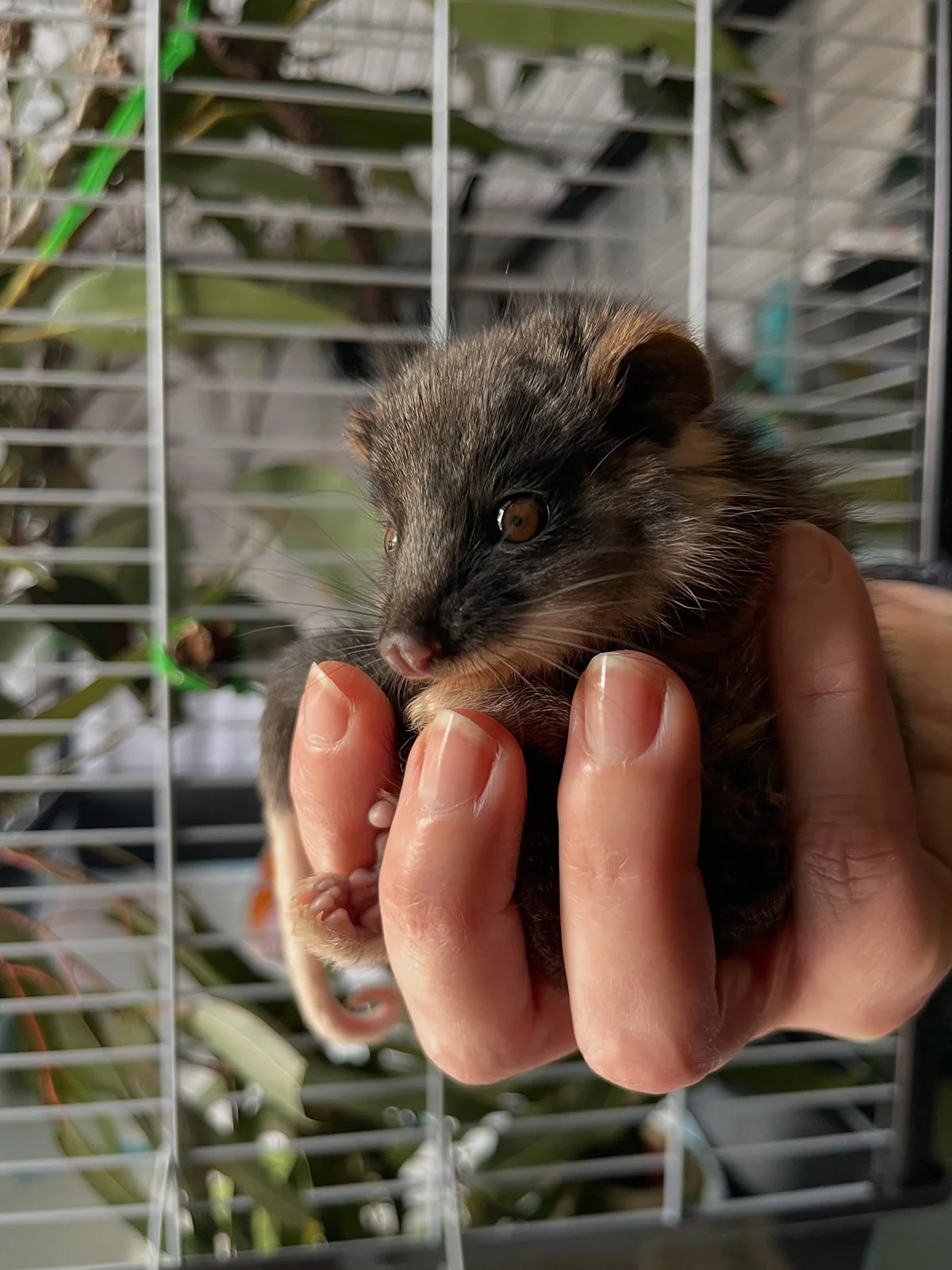
Following the rule of one out, four in, please meet our next quartet of joeys (pictured below being checked over on the strip of table alongside King Lear’s enclosure). Like Echo, Periwinkle, Asta, and Gustave before them, they’ll no doubt be ready for their soft release journey before the cool of autumn.
Owing to their adventurous natures, the orphaned ringtail joeys have been named with this in mind. And so we have Nellie, named after Nellie Bly (1864–1922), who was known for her record-breaking trip around the world in 72 days, in emulation of Jules Verne’s fictional character Phileas Fogg; Augusta, named after Augusta Van Buren (1884–1959), who rode across the continental United States in 60 days with her sister Adeline, the second and third women to do so; Amelia, named after Amelia Earhart (1897–1937), the first woman to fly solo across the Atlantic; and rounding out the next group and bunking off school, Ferris, after Ferris Bueller’s Day Off (1986).
Here’s to Nellie, Augusta, Amelia, and Ferris! We are looking forward to getting to know them, and to seeing who they become as they reveal more of themselves to us.
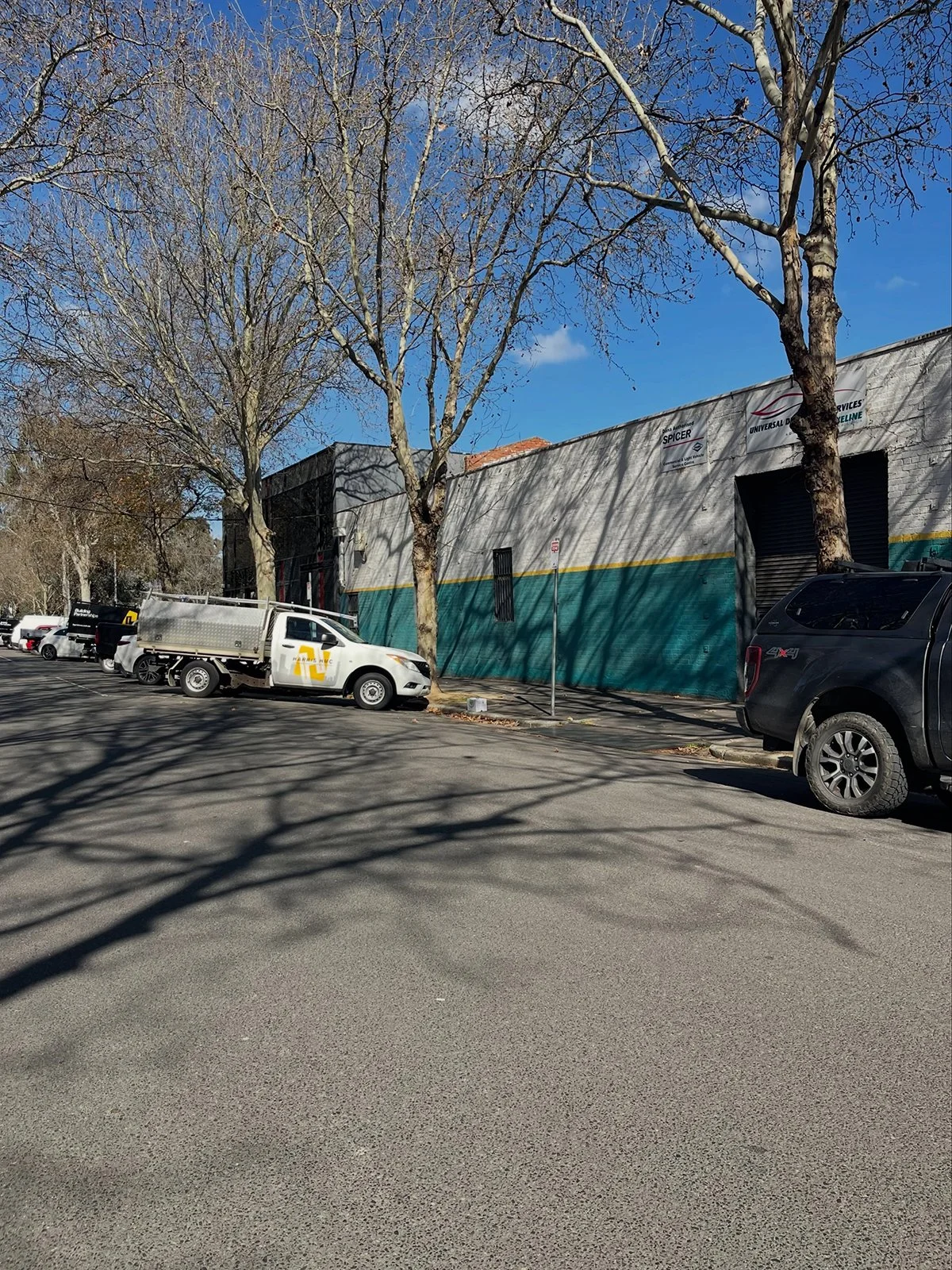
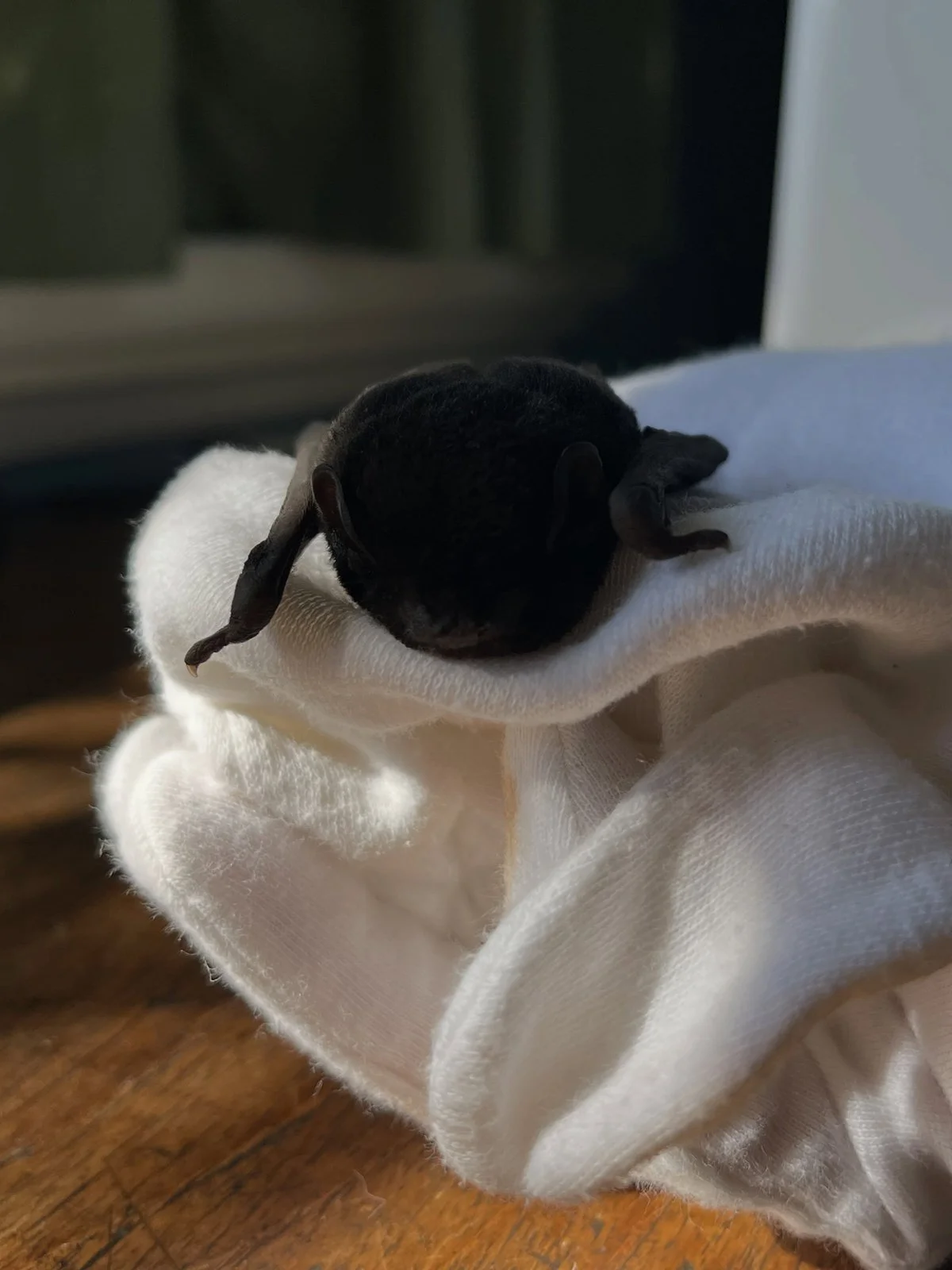
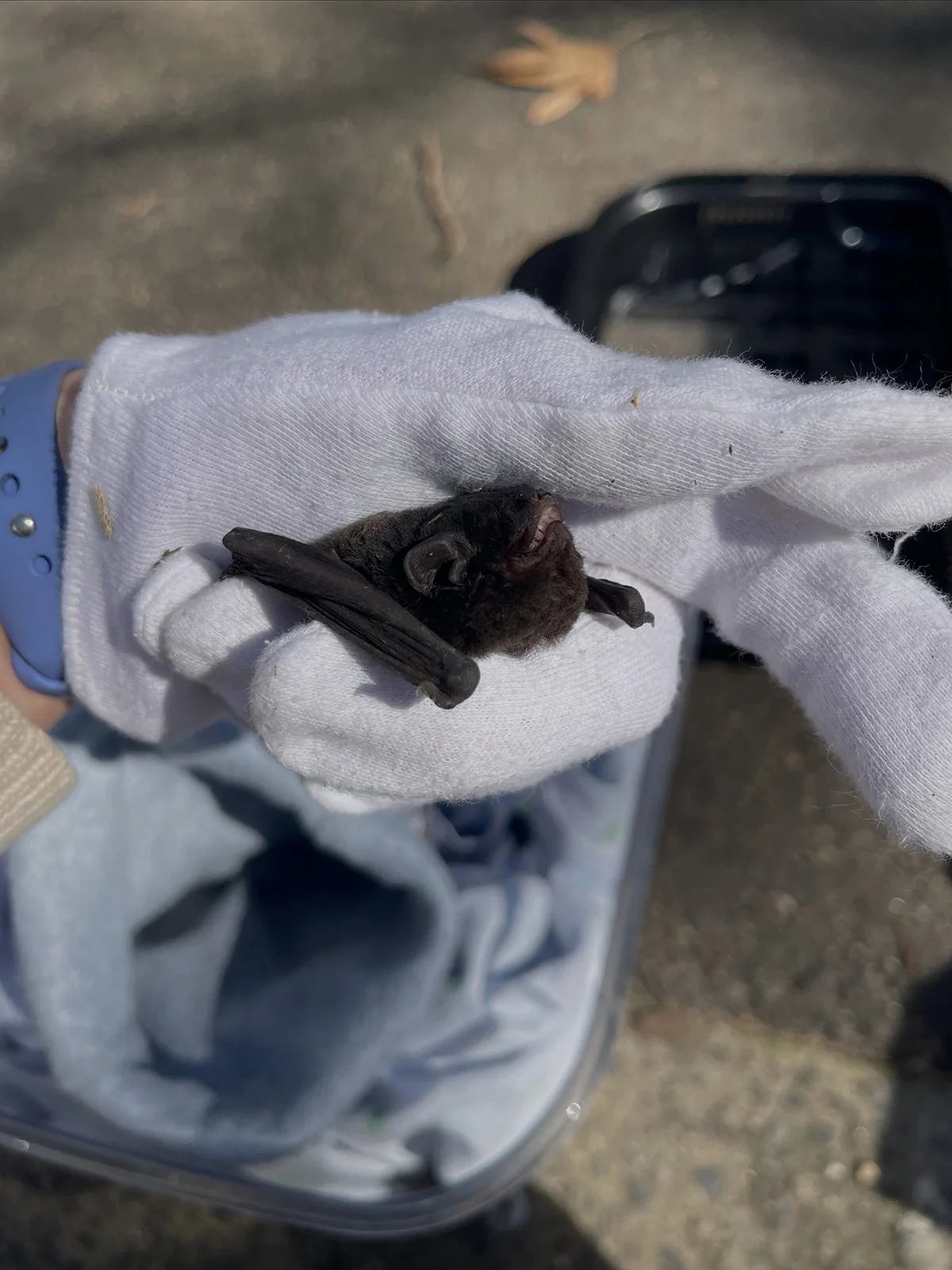
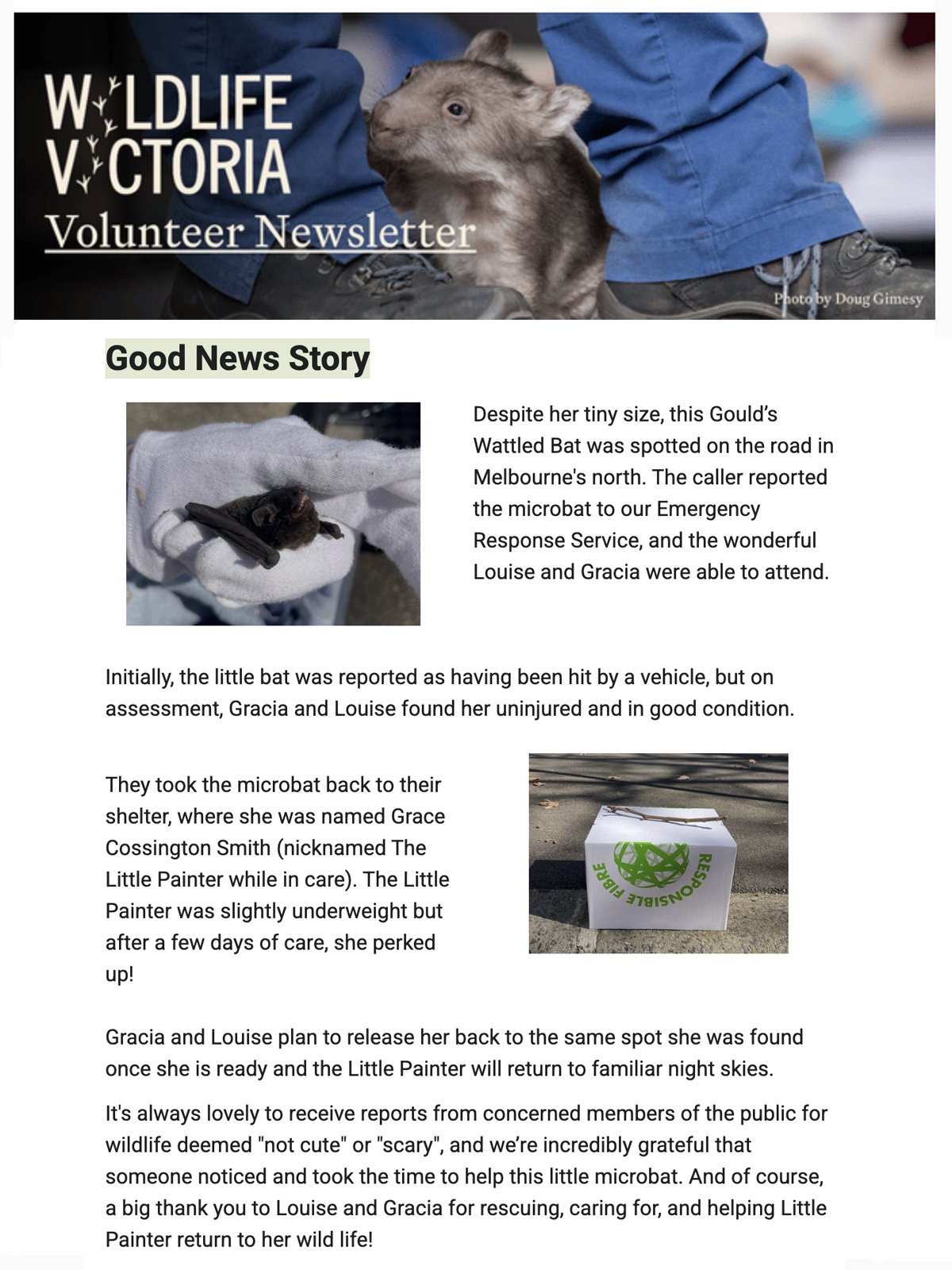
As if operating under a one Gould’s wattled bat out, one Gould’s wattled bat in system, a not too dissimilar pattern to the ringtails, it was recently time, also, for Hortense of the Airwaves to return to her home in Kew. Off she flew beautifully, to find her kin, and make the most of the mild night. And in came an equally sweet and clever Gouldie who’d been spotted on the ground by the side of the road in Gracie lane.
Light-chaser Grace Cossington Smith is now in care with us, until it is her time to follow in the steps of Hortense and wend her way home.
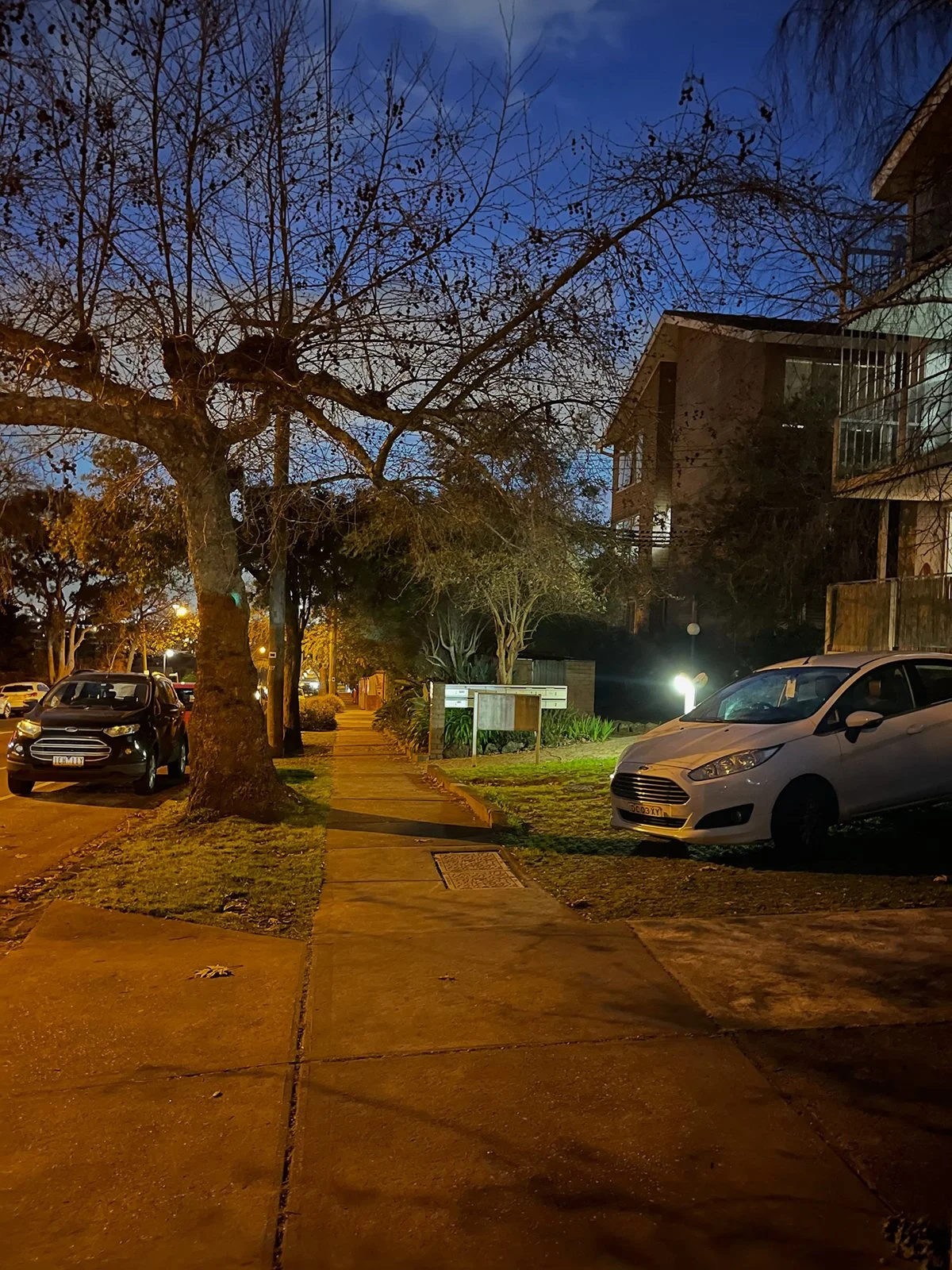
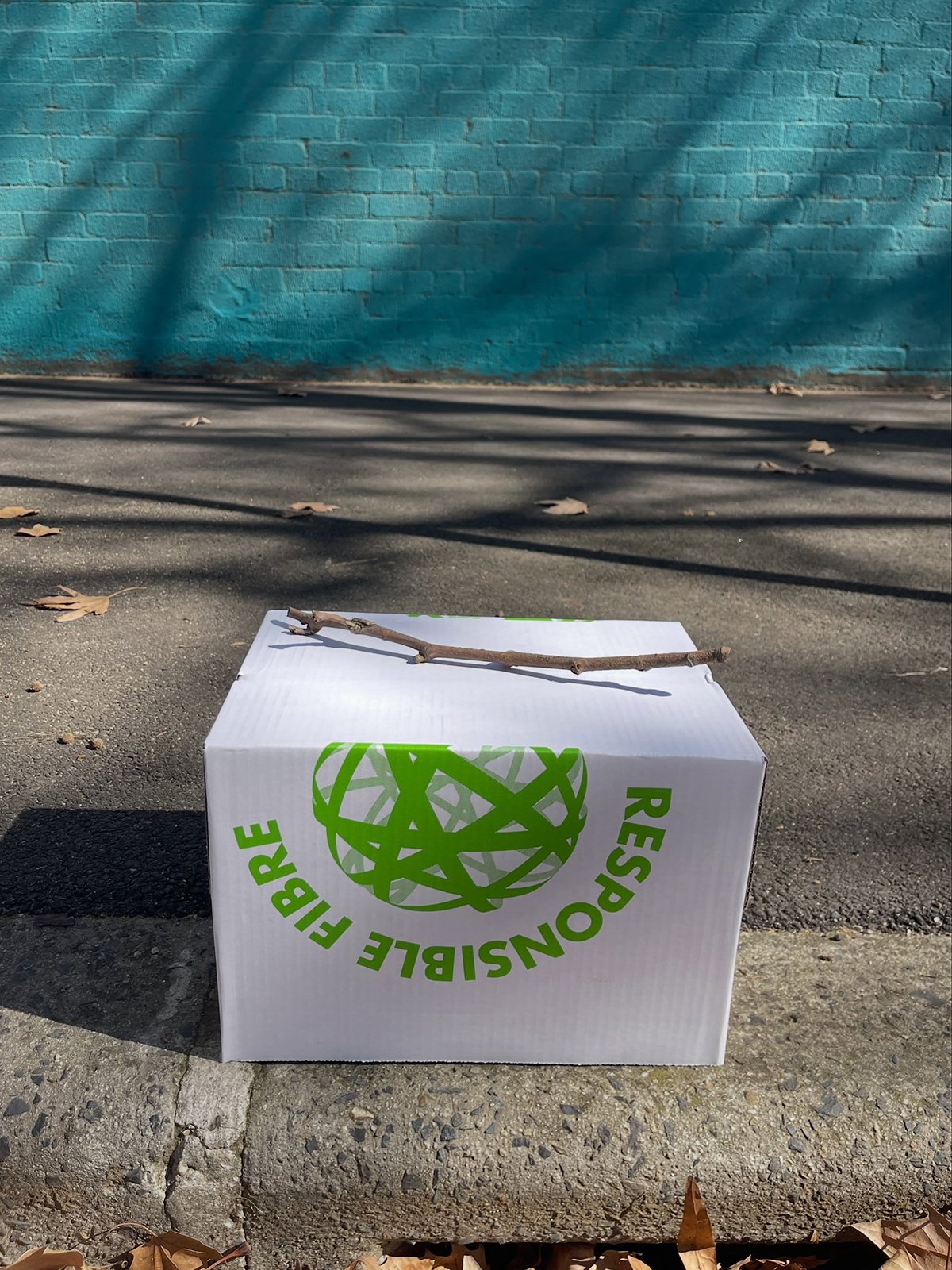
(Pictured below, the Little Painter’s rescue in North Melbourne, alongside her namesake, and featured in the @wildlifevictoria Volunteer newsletter, and navigating the streets of Kew, looking for the best spot nearest Hortense’s home to release her.)
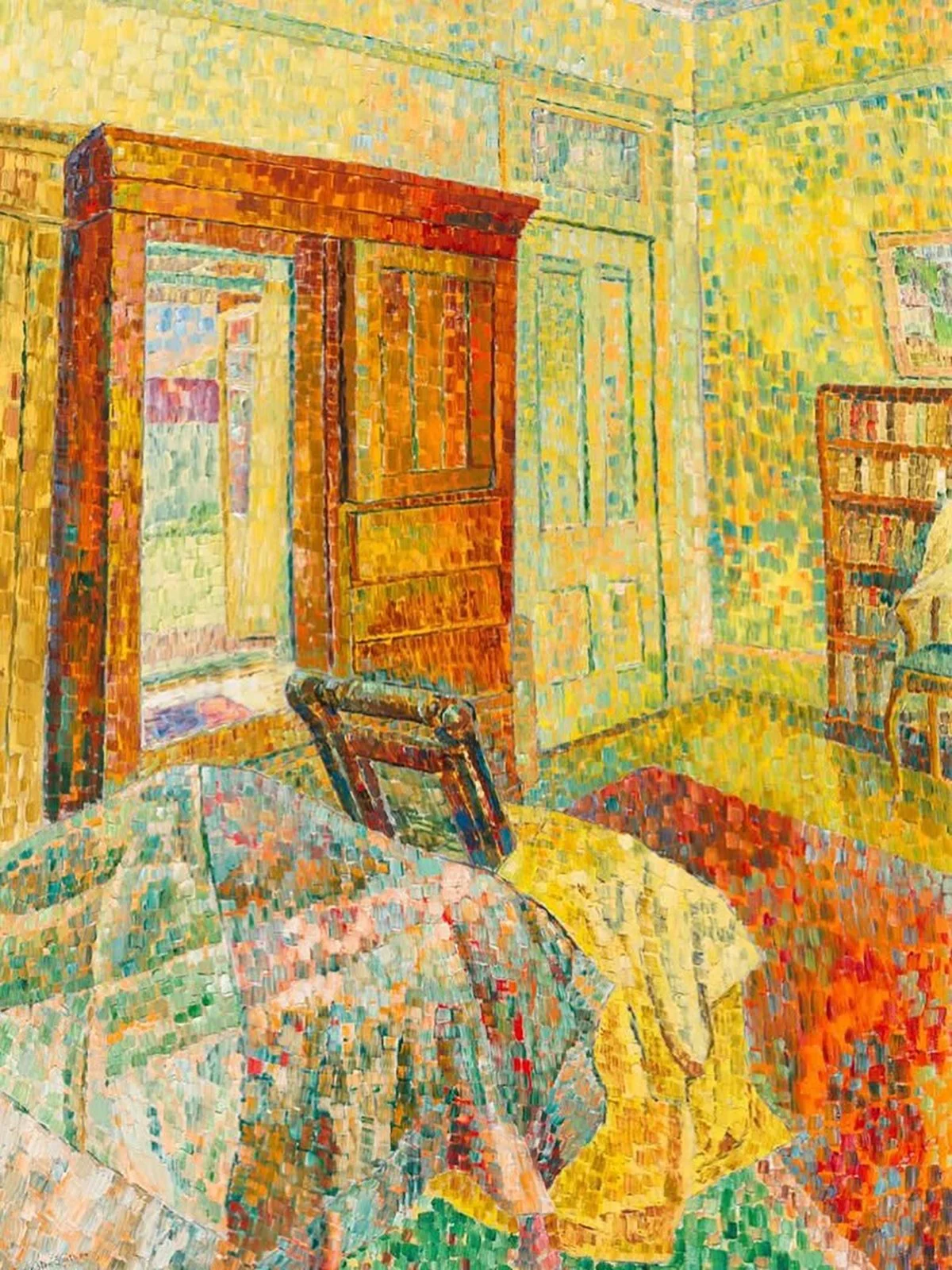



“Of her Interior in yellow (1962–64) Grace Cossington Smith “sought to attain colour vibrant with light. Although the room was not particularly bright, the artist was taken by the soft yellow walls which she wanted to amplify, the title highlighting her love of yellow as ‘the colour of the sun!’ This idea sets the tone for the rainbow palette painted in fragmented shimmering brushstrokes to convey a revelatory feeling beyond literal depiction. ‘It was a very exciting thing to do’, she remarked, ‘… the sunlight did not come in in a definite way but the whole room seemed to be full of light, which is what I want to do more than the actual sunlight.’”
As ever, please note: you need to be a qualified, vaccinated carer to handle megabats and microbats.
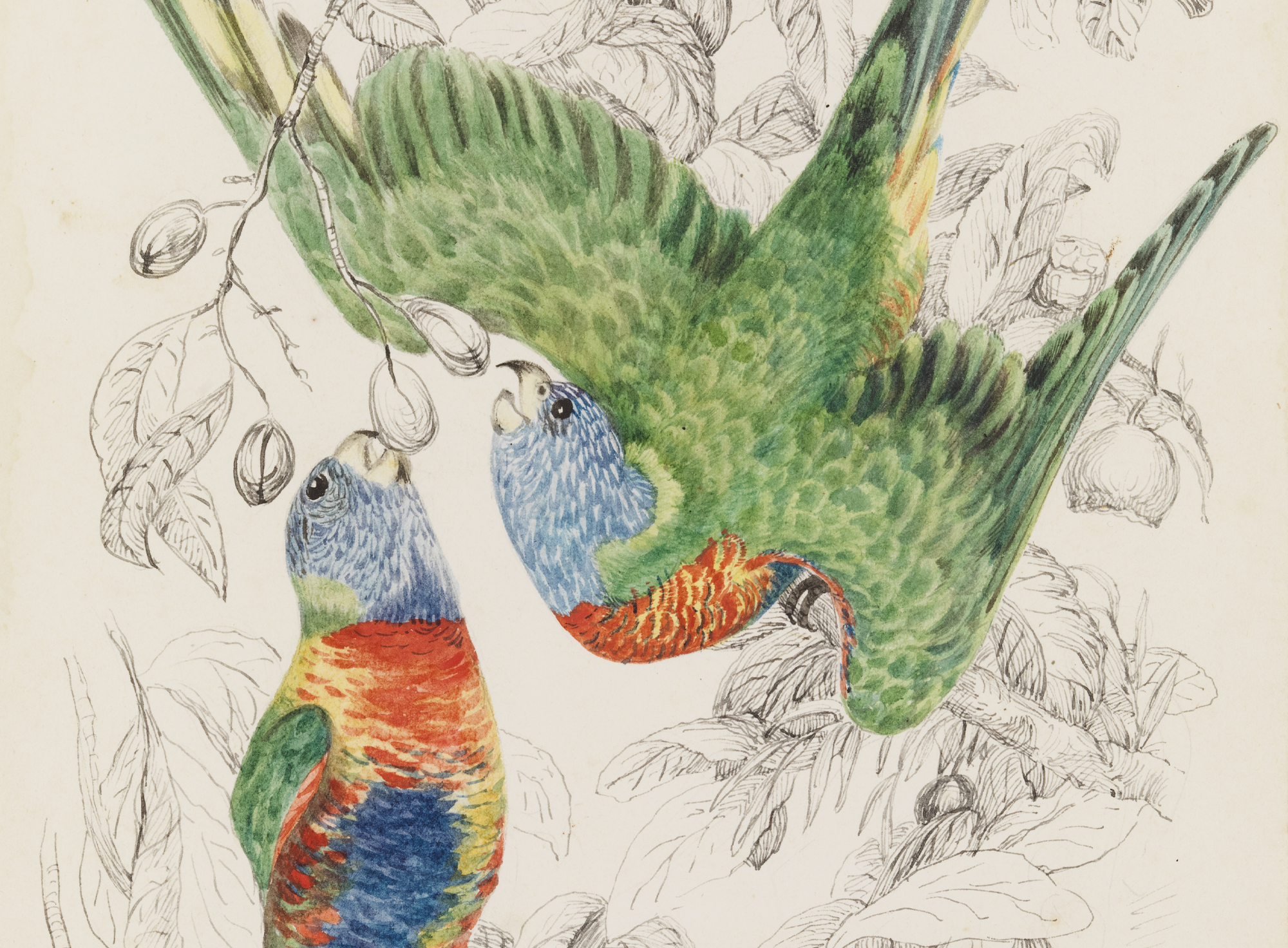
Image credit: Natural history and botanical drawings, ca. 1849–1872 / [Rainbow Lorikeet pair (Trichoglossus moluccanus) attributed to Louisa Atkinson], via State Library New South Wales
