Well mapped
Tail endings and wildlife tales
Entanglements with Fungi: Life, Death and Renewal
WAMA Foundation, The National Centre for Environmental Art, 4000 Ararat-Halls Gap Road, Halls Gap, Victoria
Saturday 21ST March – Sunday 30th August, 2026
The Mountains Are Calling…
An exhibition for World Book Night 2026
Bower Ashton Library, UWE Bristol
Thursday 2nd April – Friday 31st July, 2026
Publication of Sarah Bodman’s ‘The Living and the Dead: artists’ books, absence and existence', in A. Juchnowicz, P. Bernacki, & J. Macie (Eds.), Książka artystyczna. Obecność i nieobecność | The Artist's Book: Presence and Absence, Wydawnictwo Uniwersytetu Wrocławskiego | Wrocław University Press, 2026, pages 15–45
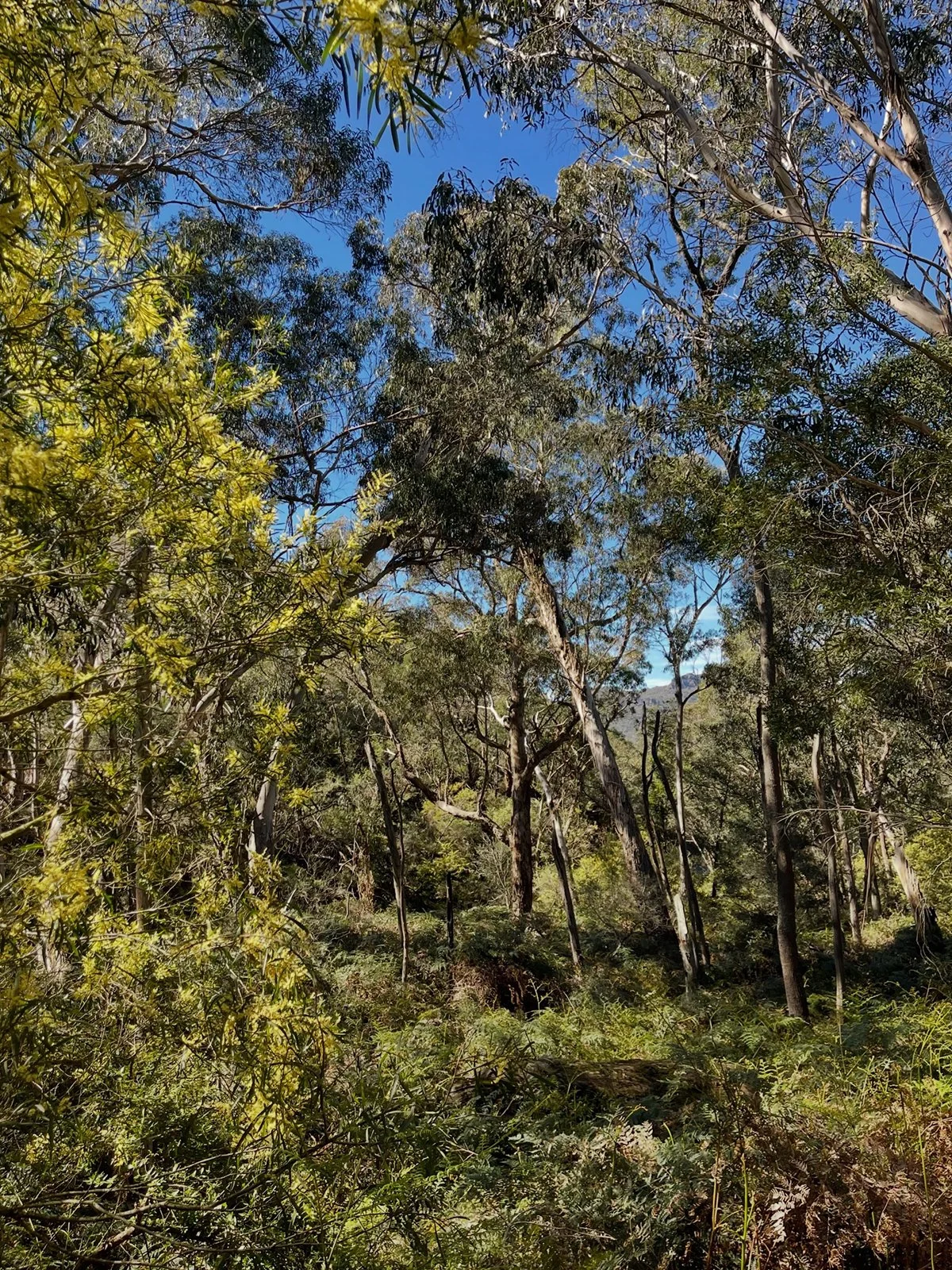
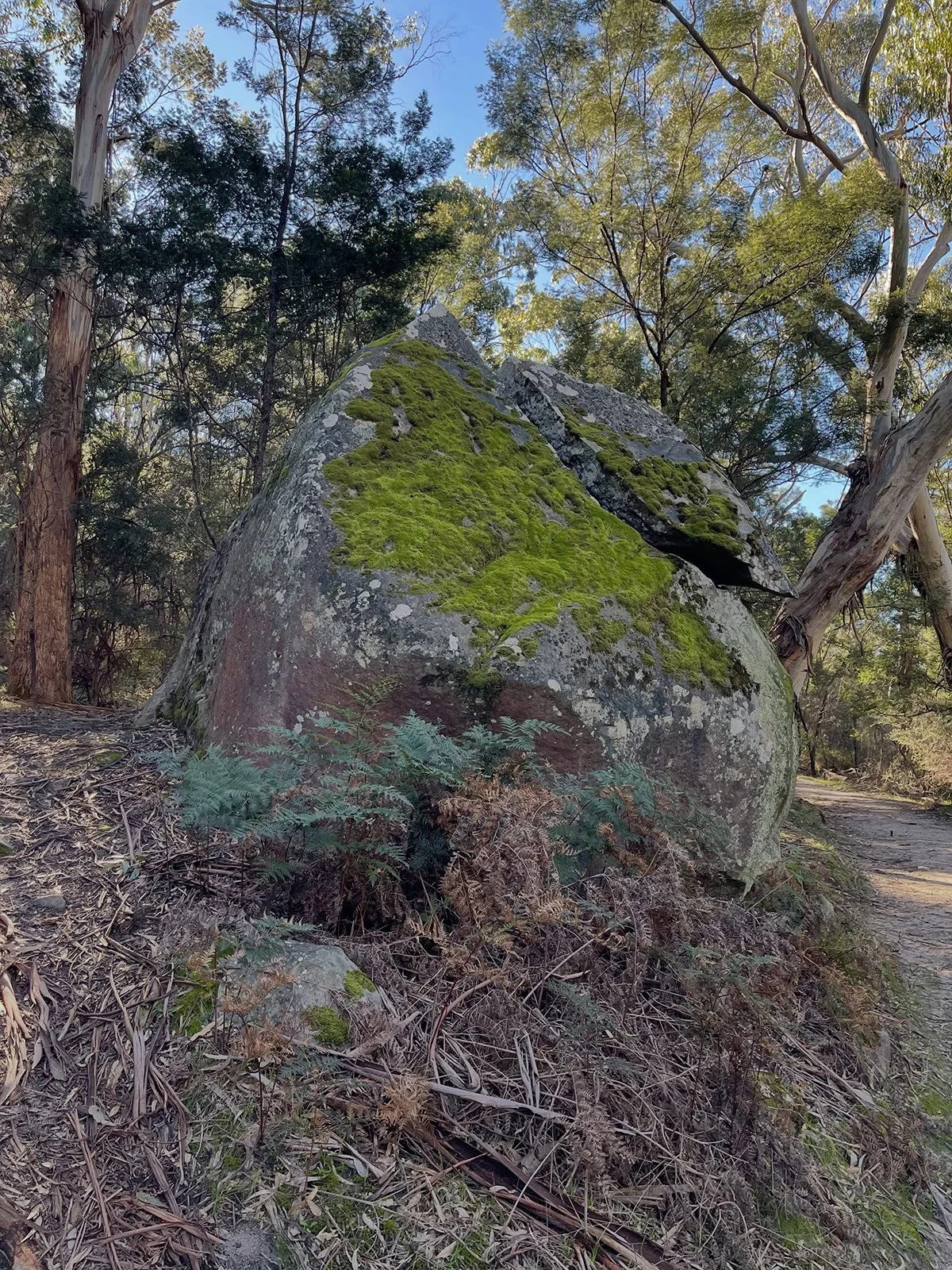
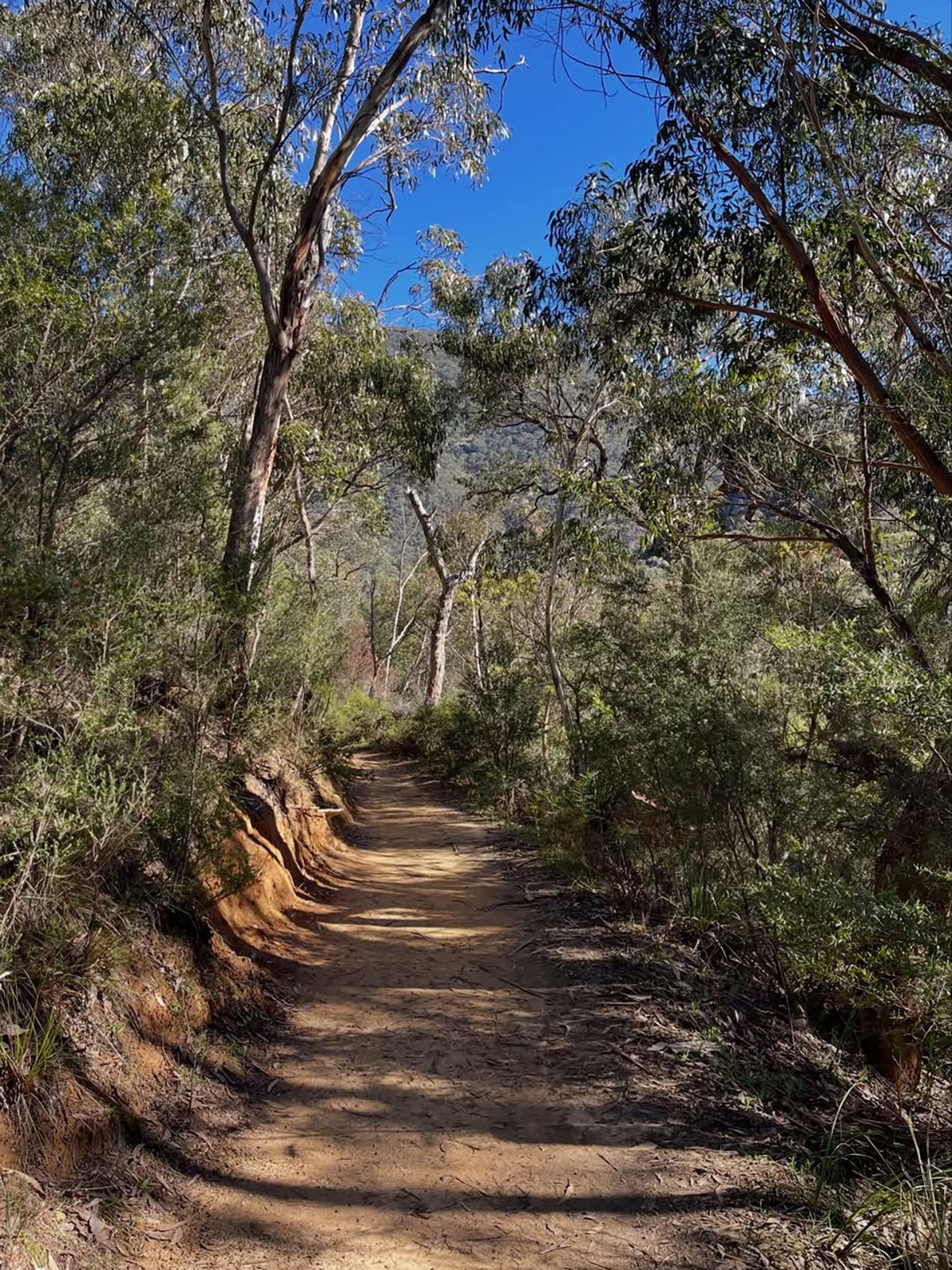
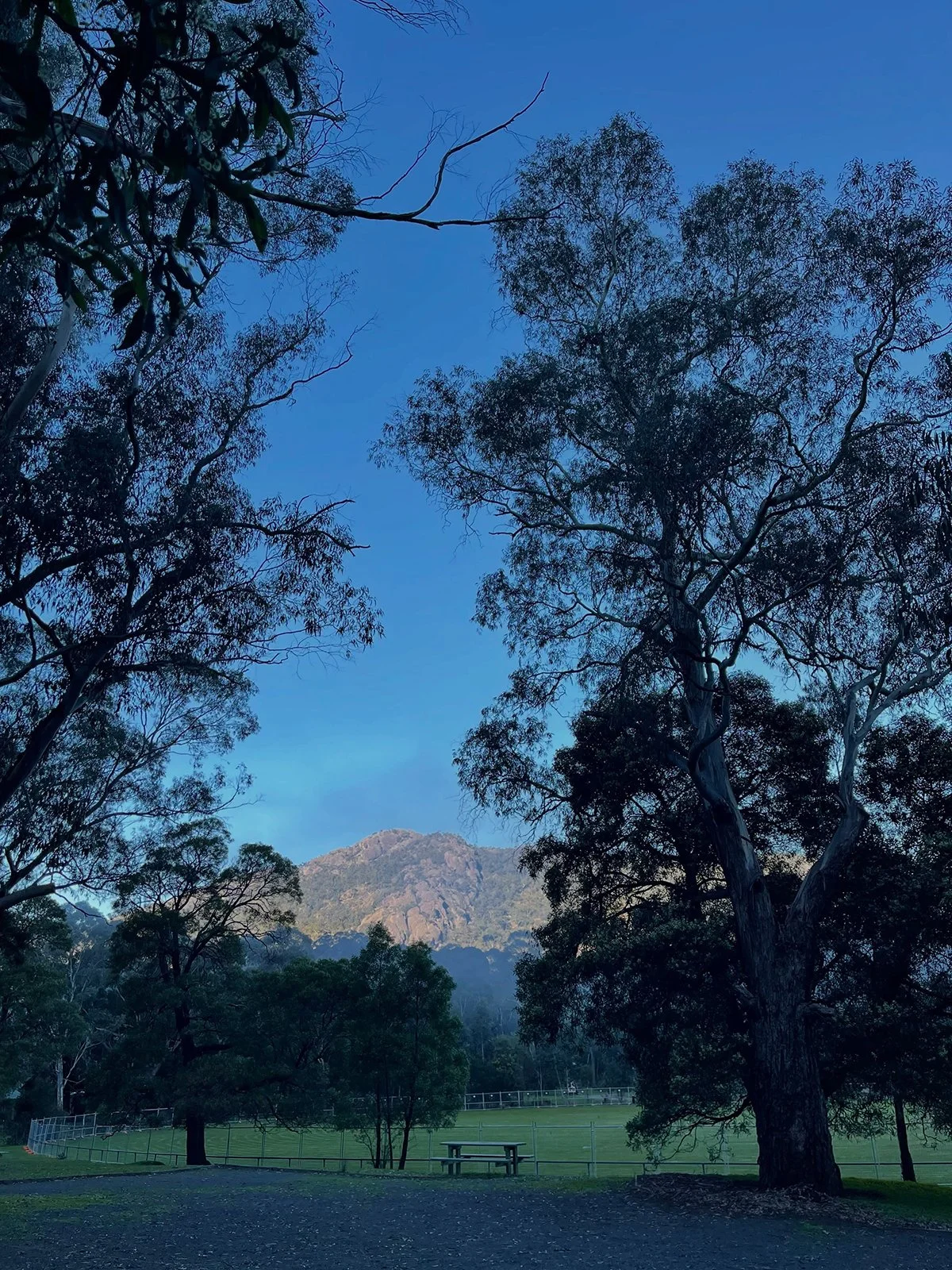
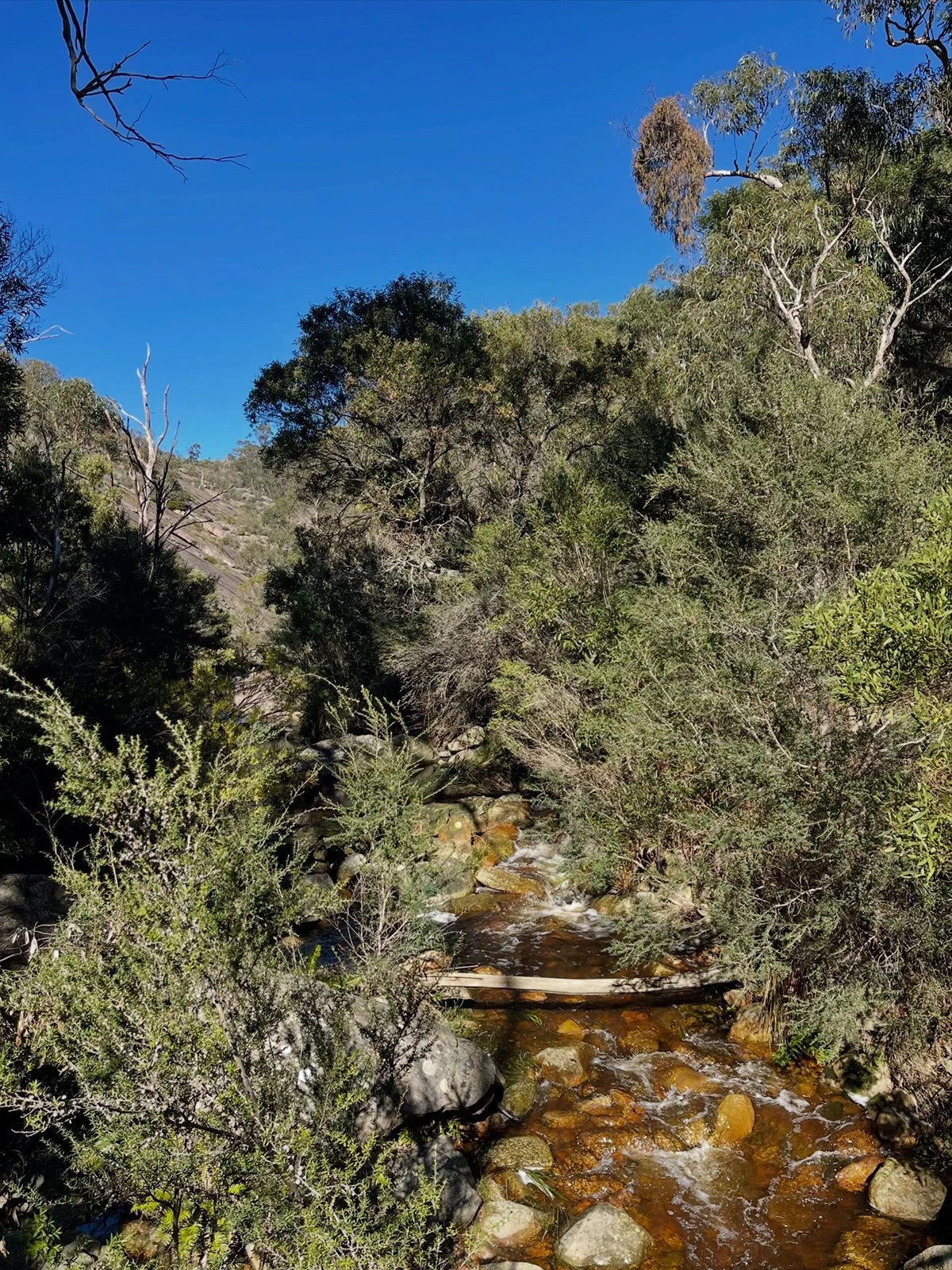
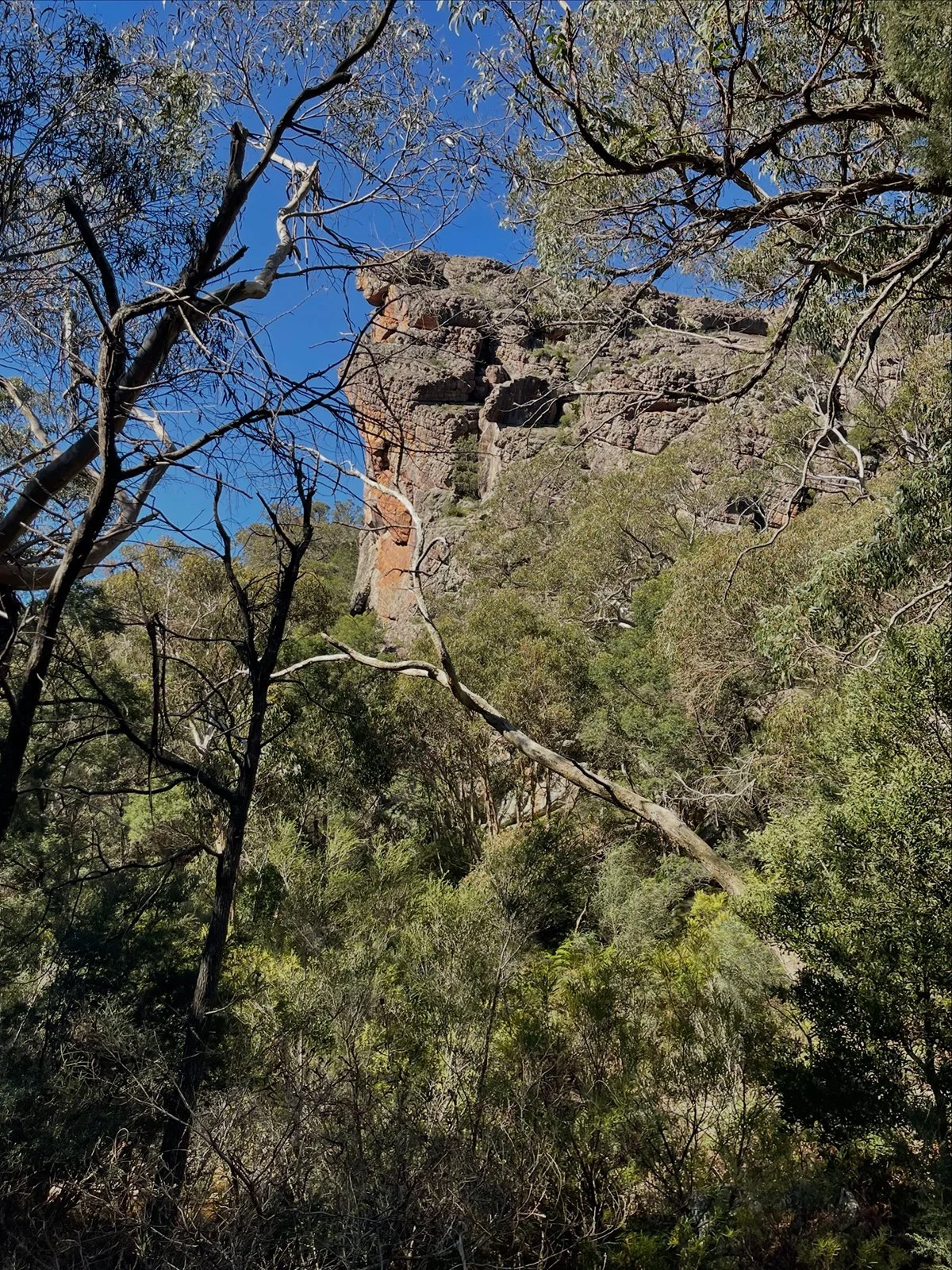
Stacking and folding our artists’ book, Can we dream it?, piece by piece, now that Entanglements with Fungi, in this guise, had come to a close had a distinct advantage. Deinstalling our work at WAMA meant there was time for several walks among the trees. Time to listen to moss, feel the breeze, and catch sight of a feathering of eight or more emus, whose long black necks blended perfectly with the long black trunks of their immediate surrounds. Time to stretch the legs, listen to frogs serenading one another, and hope to chance upon a wallaby. Time to see the stars and the full luminosity of the moon so alien to us. Time to pause, soak in the green, before heading home.
Time to think about what we might contribute to 2027’s World Book Night.
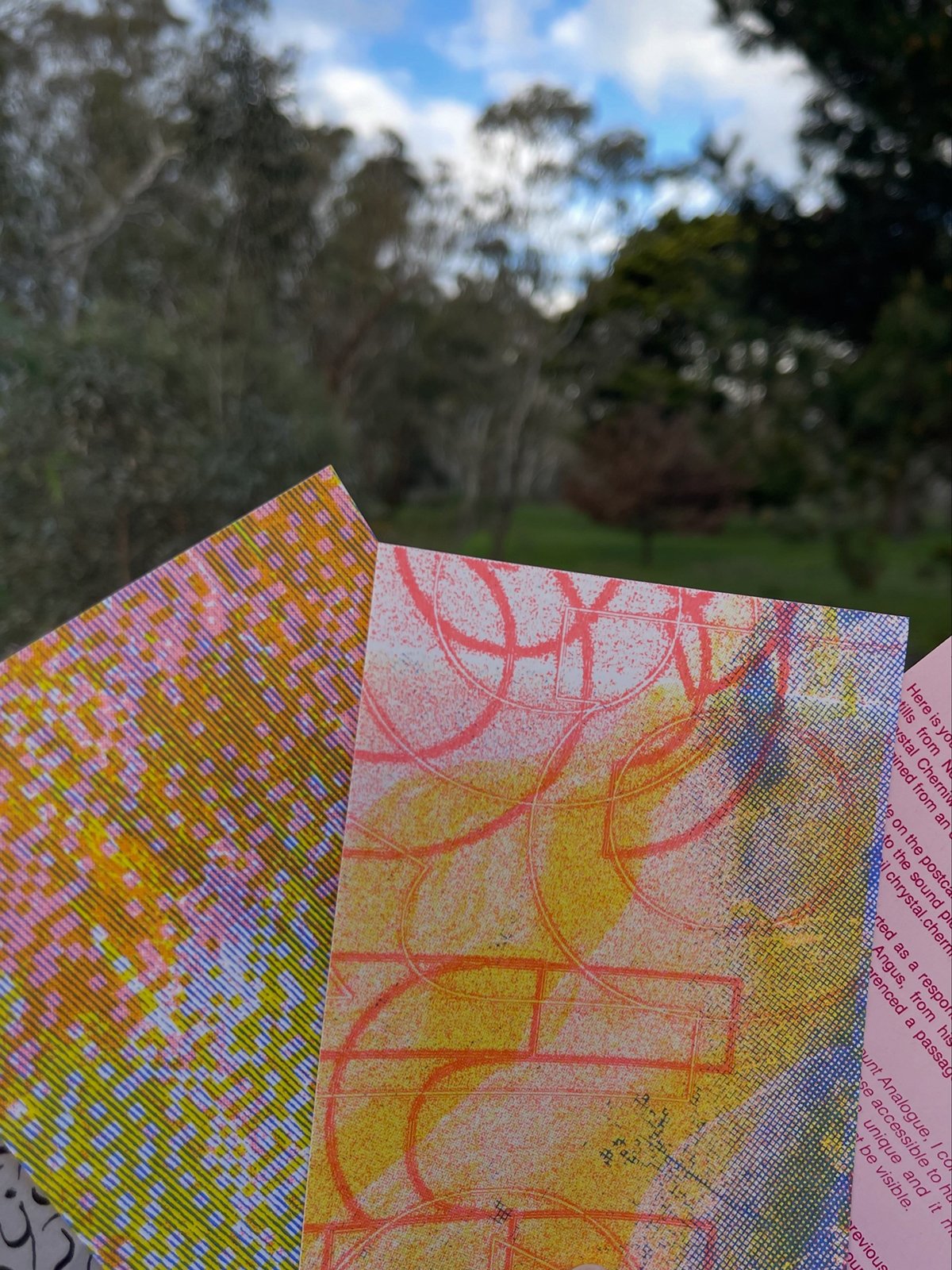
Fittingly, pictured below, our World Book Night United Artists 2026 keepsake. This year’s theme, recommended by Nancy Campbell, was Nan Shepherd’s The Living Mountain: A Celebration of the Cairngorm Mountains of Scotland. At the close of the exhibition, all of the artworks were swapped and mailed to contributors, along with a mountain inspired keepsake produced for WBN2026 by Chrystal Cherniwchan and Craig Tattersall. Posters depicting all the works submitted were also exhibited at Limerick School of Art and Design.
Keep an eye on the Book Arts Newsletter for similar projects and exhibitions.
2027’s theme, drawing inspiration from Rachel Carson’s The Sea Around Us (1951), suggested by Rachel Marsh, Semple Press, is Our Rivers and Seas… Find details of how to submit your own briny contribution.
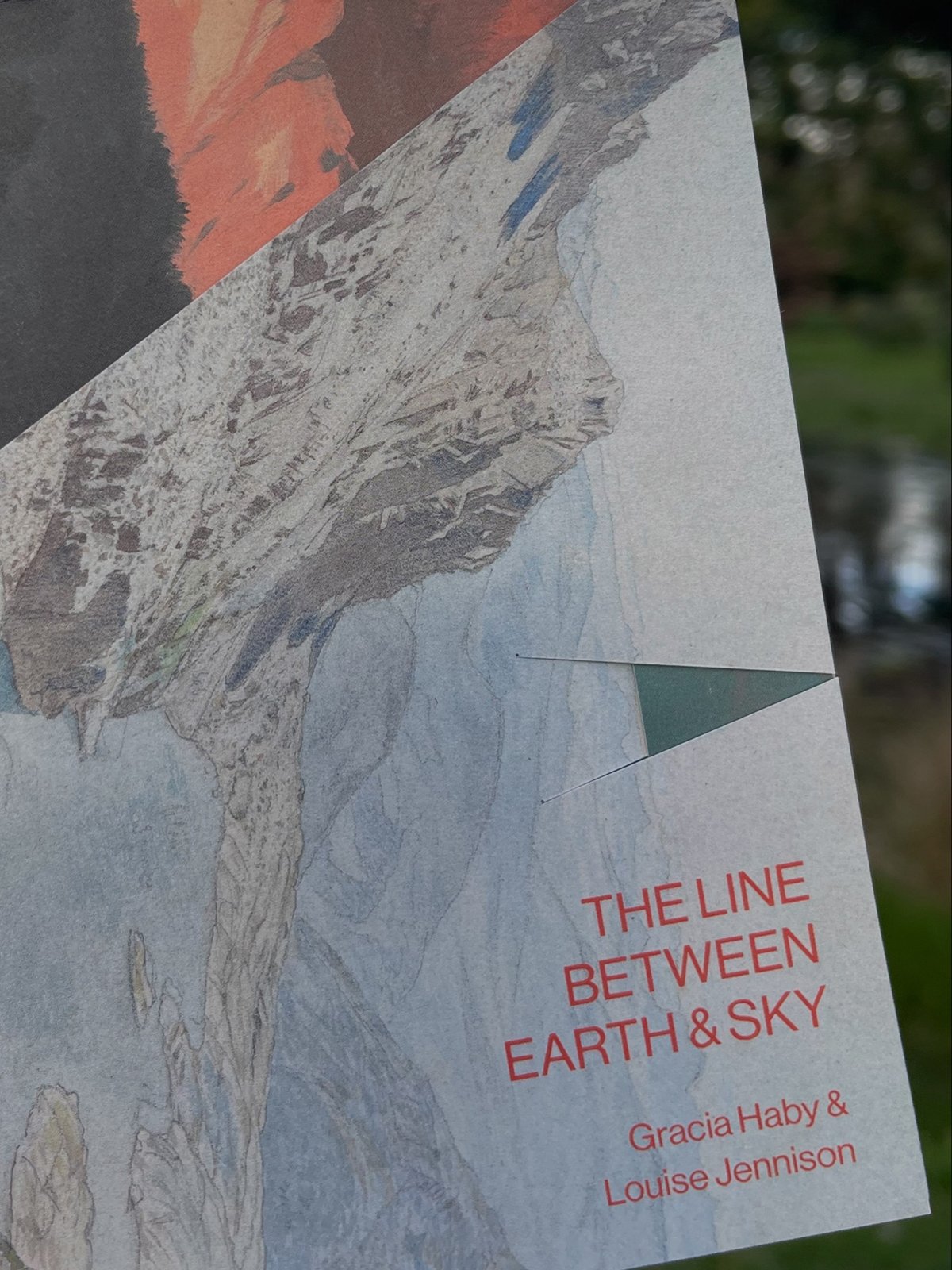
You’ll find editions of our mountain zine, The line between earth & sky, available through our online store.
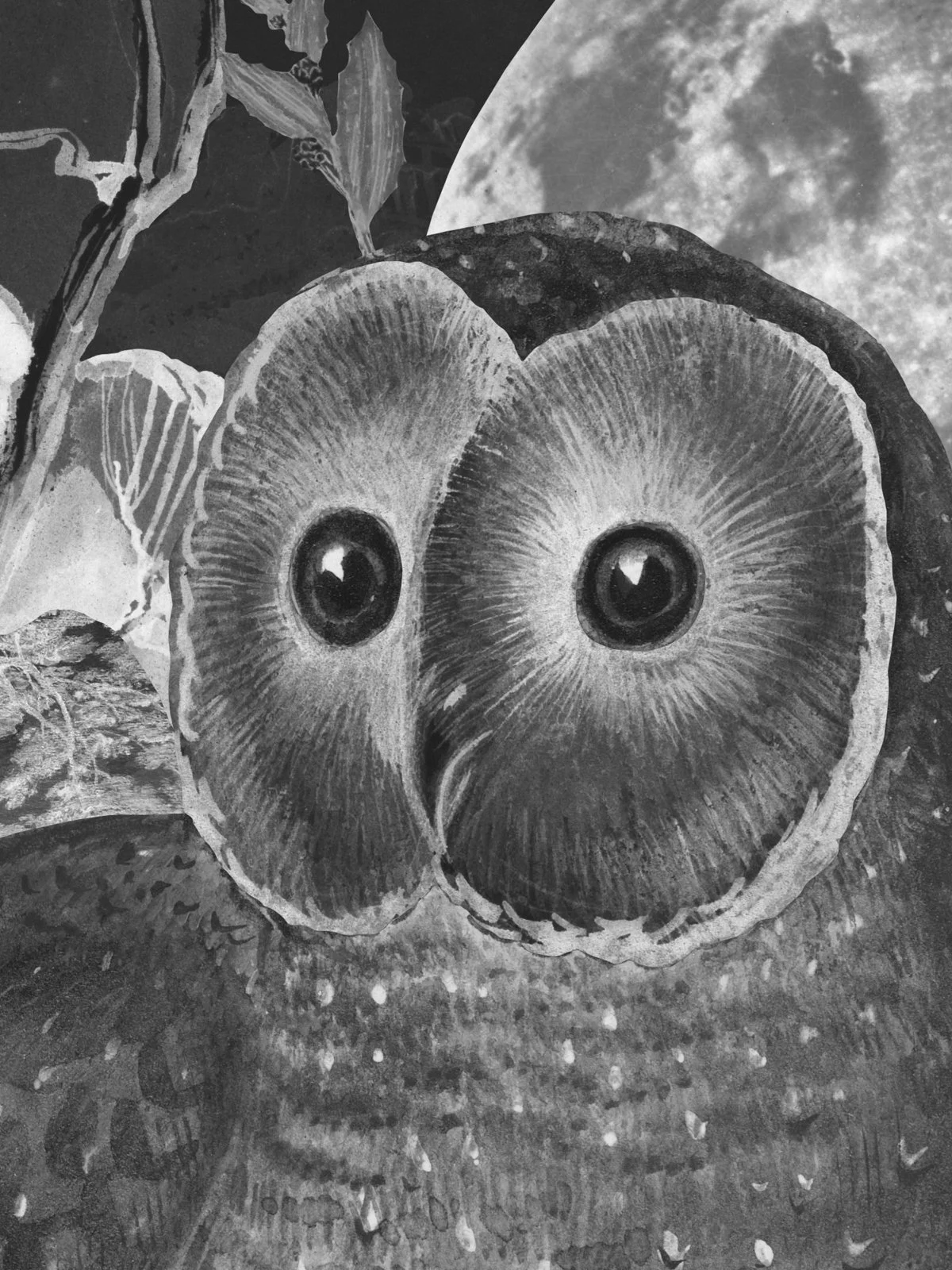
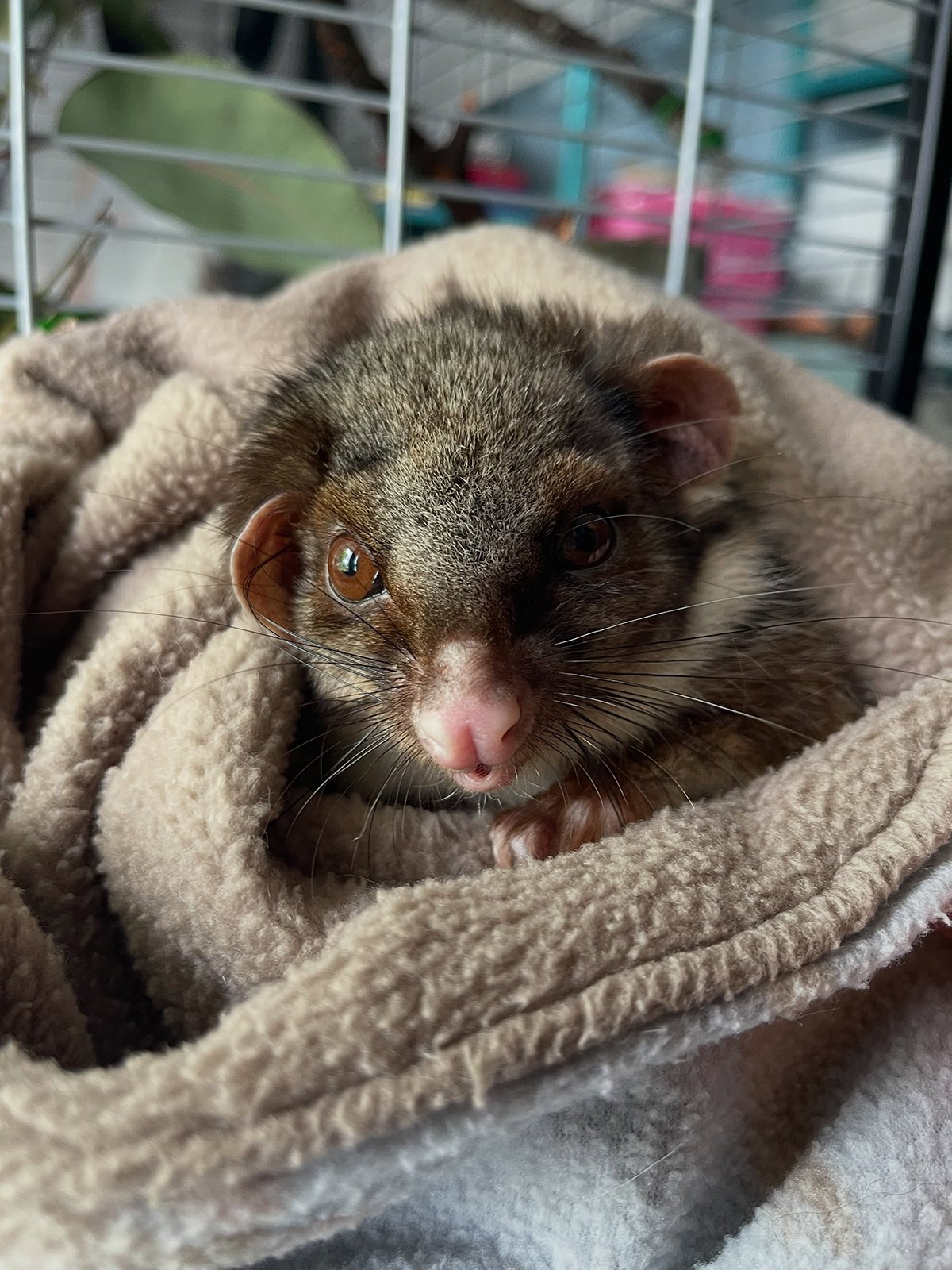
“Ay, every inch a king.”
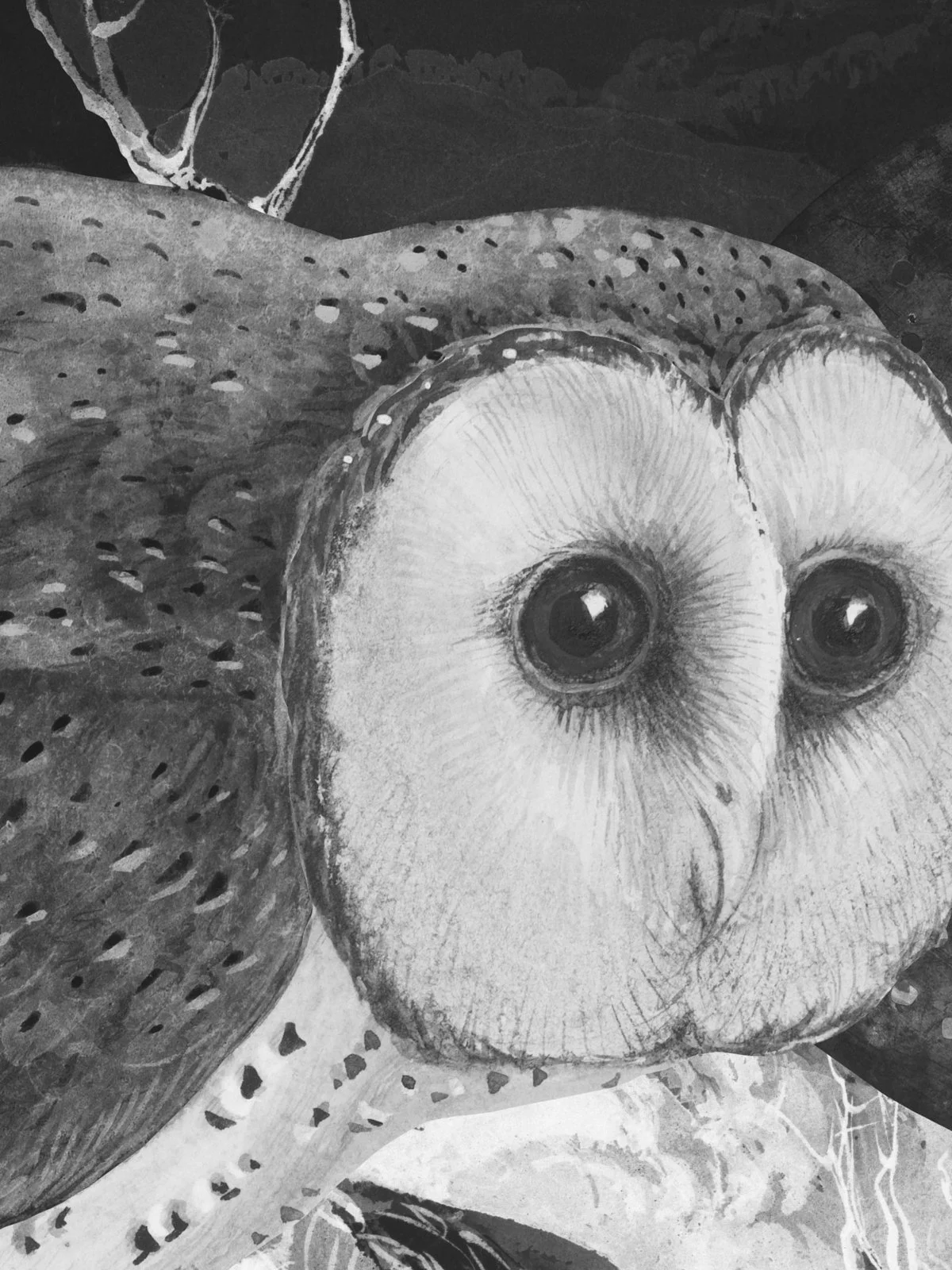
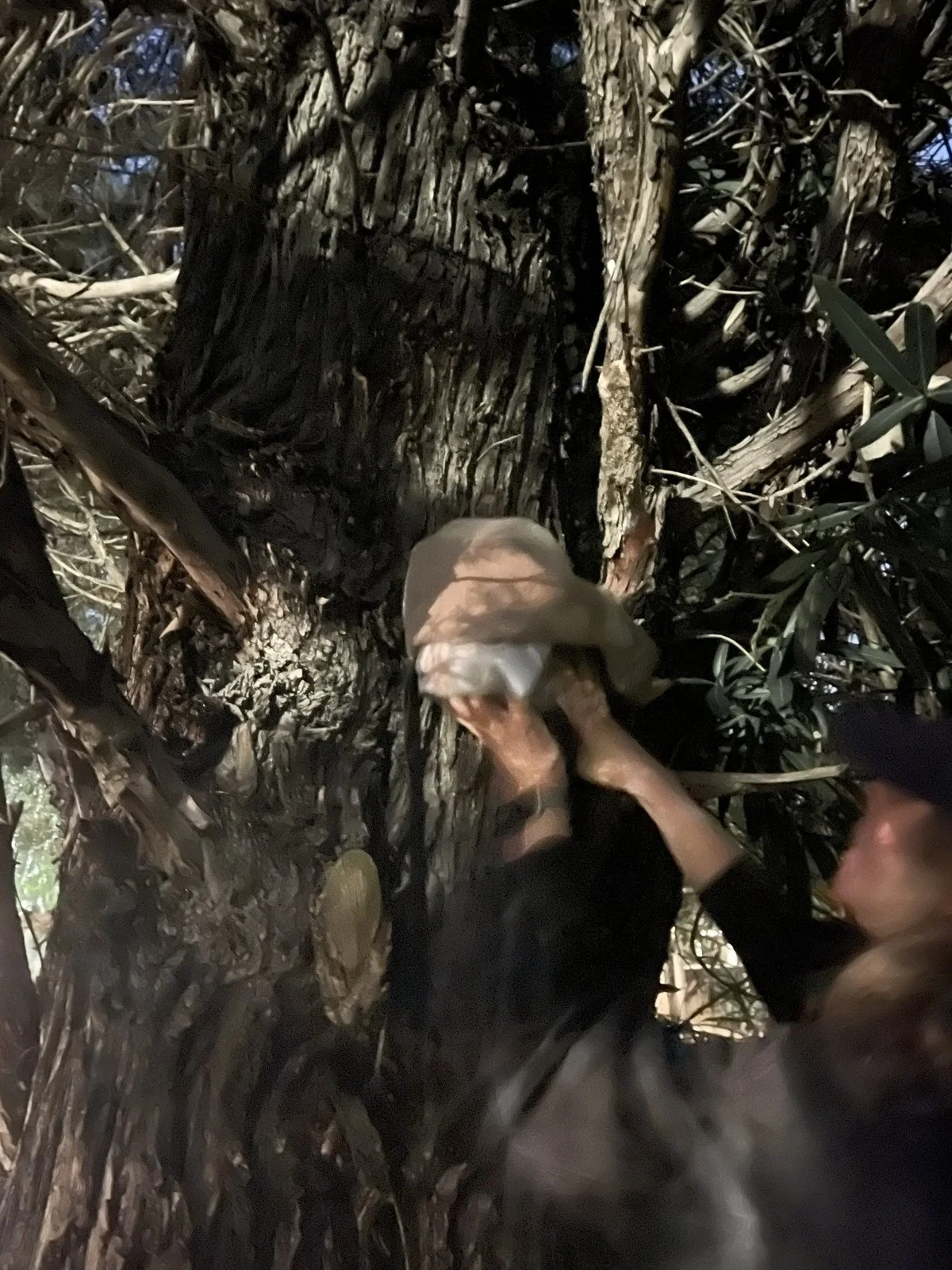
Keeping things true to our name and scope, we recently took in an adult ringtail possum. We named him, for the duration of his short stay with us, King Lear of Shakespeare Grove (given the address on his rescue paperwork; he was also described as being a little bit “spicy”). After a few night’s rest, he made a good recovery and was ready to release home to a safe nook between Wordsworth and Chaucer. Returning Lear to his home in the wilds of St Kilda, with @zangriffith, and delighting in his eventual quick assent, once we found the right tree in the urban glow, was a tonic for all involved.
Accord Ian, the Gould’s wattled bat found in the corridors at RMIT University, had seemed ready to go, too, but no, not yet, he informed us as he climbed back into his travel pouch. We’ll try again another fine night, and add more impressionistic footage to our camera roll. For now, we’ll enjoy the thought of Lear back home, and wish him all the best.
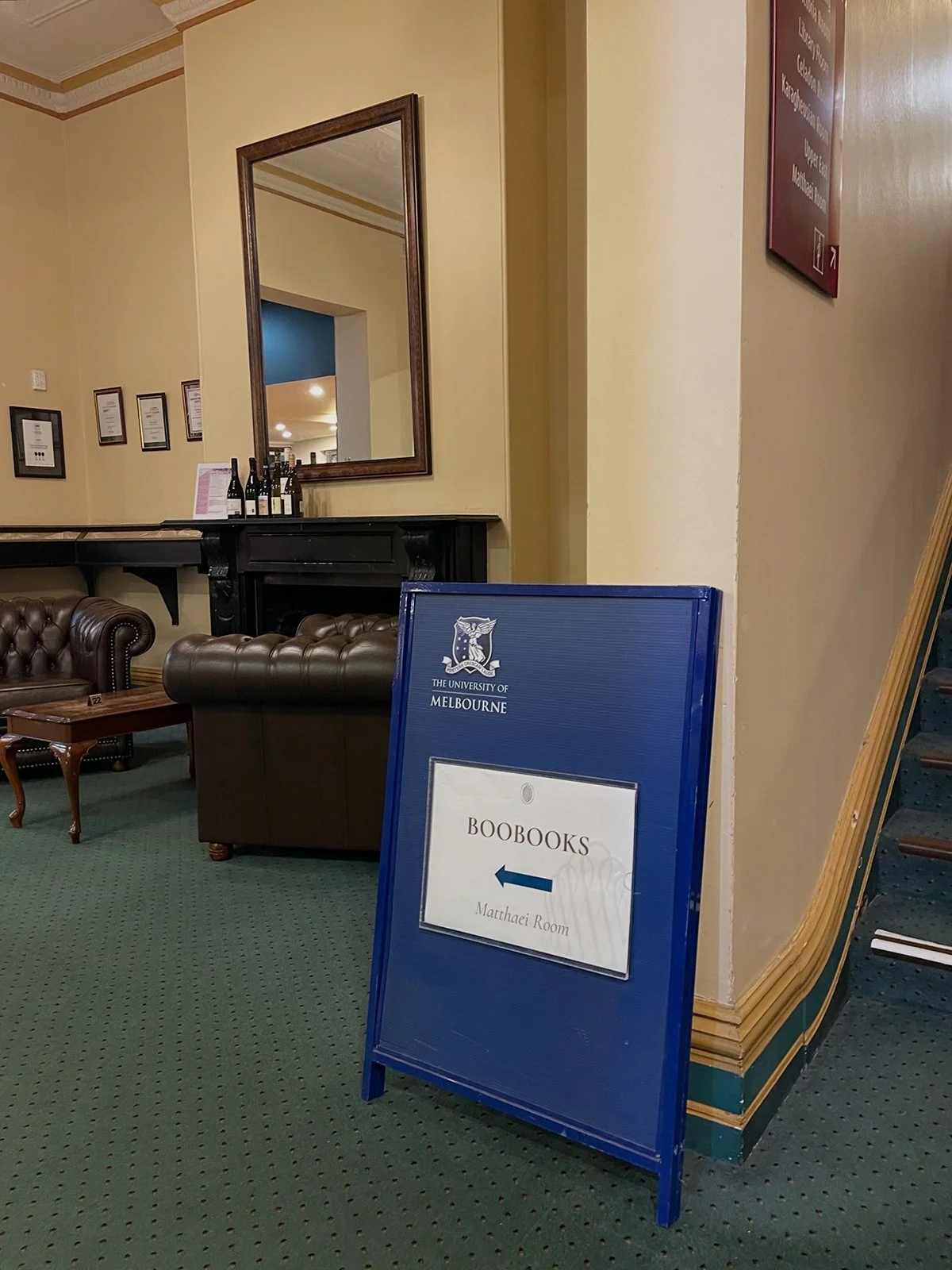
Pictured below, evenings of late, in the moment. Blurry, hasty, and wobbly, on the camera roll. From talking about our collaborative art practice and wildlife care to a group of learned and dear Boobooks, at Melbourne University (thanks for having us, @robinkingston_; we had, of course, a hoot), to returning Lear, these quickly taken, smudgy scenes sometimes sum things up far better than the more composed.
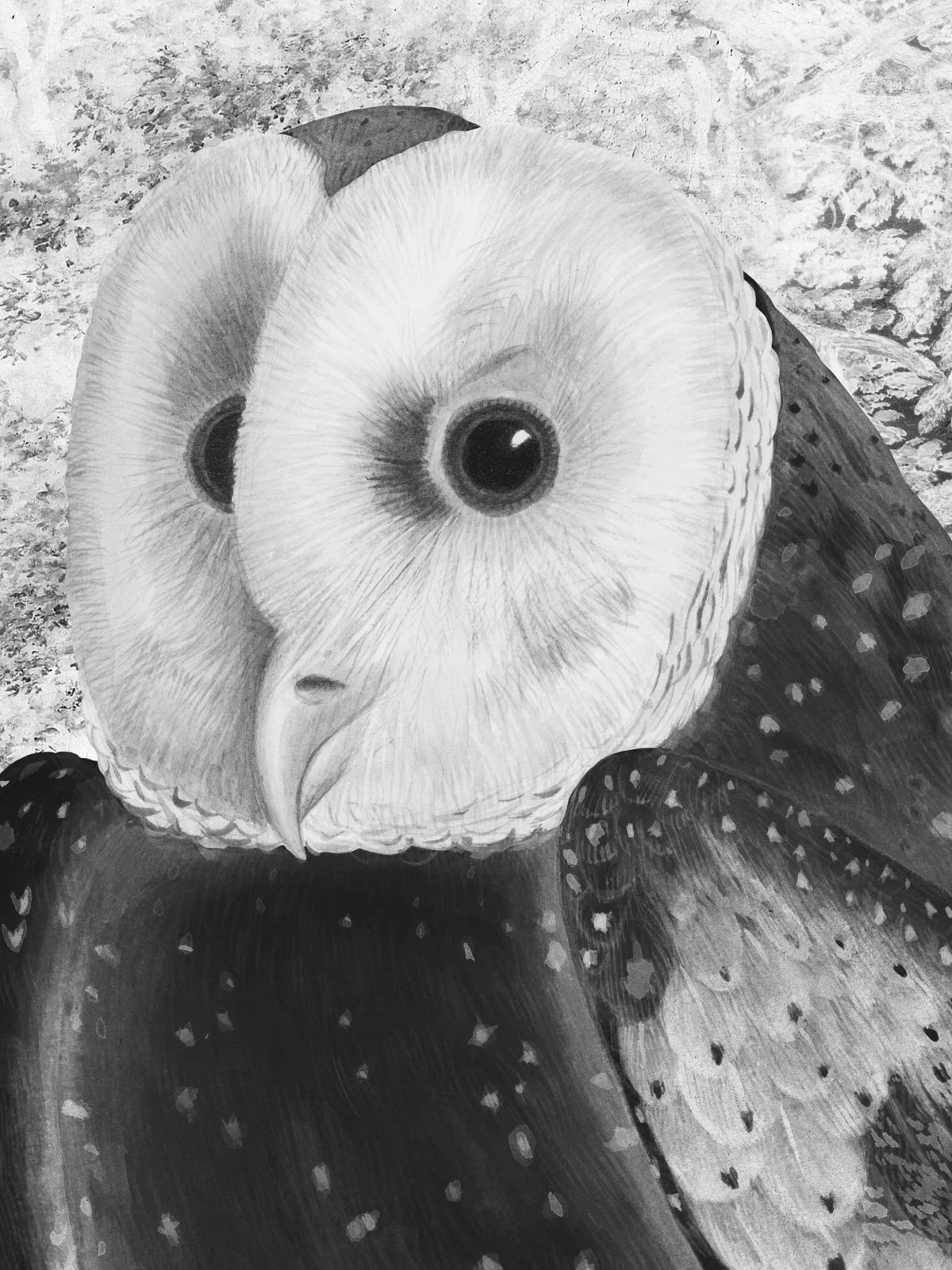
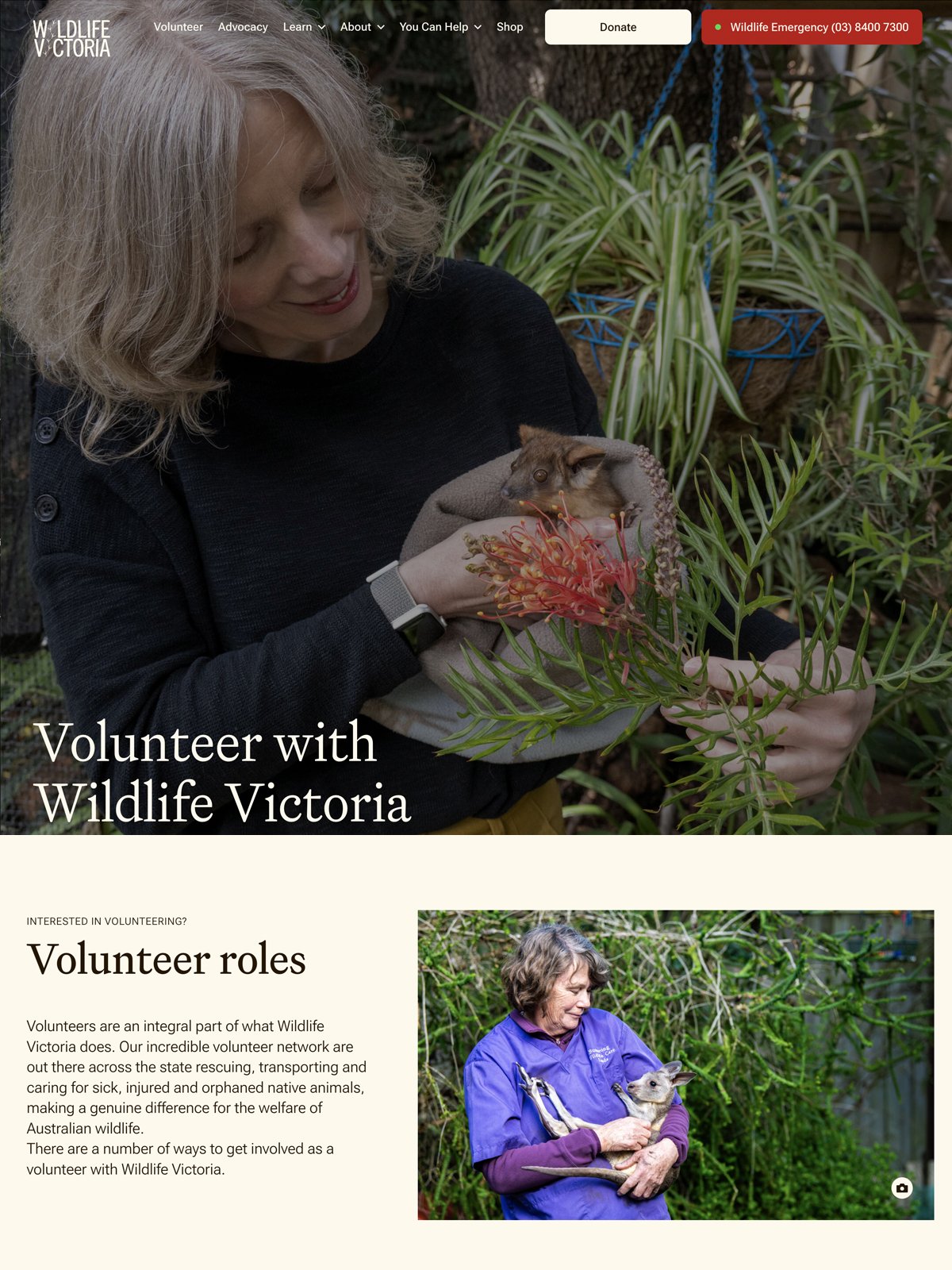
Additional details include Edwin Austin Abbey’s King Lear, Act I, Scene I, 1898, oil on canvas; Mr. Fleming as Edgar: “Away! the foul fiend follows me” (King Lear, Act 3, Scene 4), stipple and line engraving by Samuel Hollyer after Frederick A. Chapman, 1855 (@metmuseum); collage details from our artists’ book, Bracketed by light, 2022; and the Volunteer page on the Wildlife Victoria site featuring Pansy and yours truly in a photo by John Gollings (@johngollings).
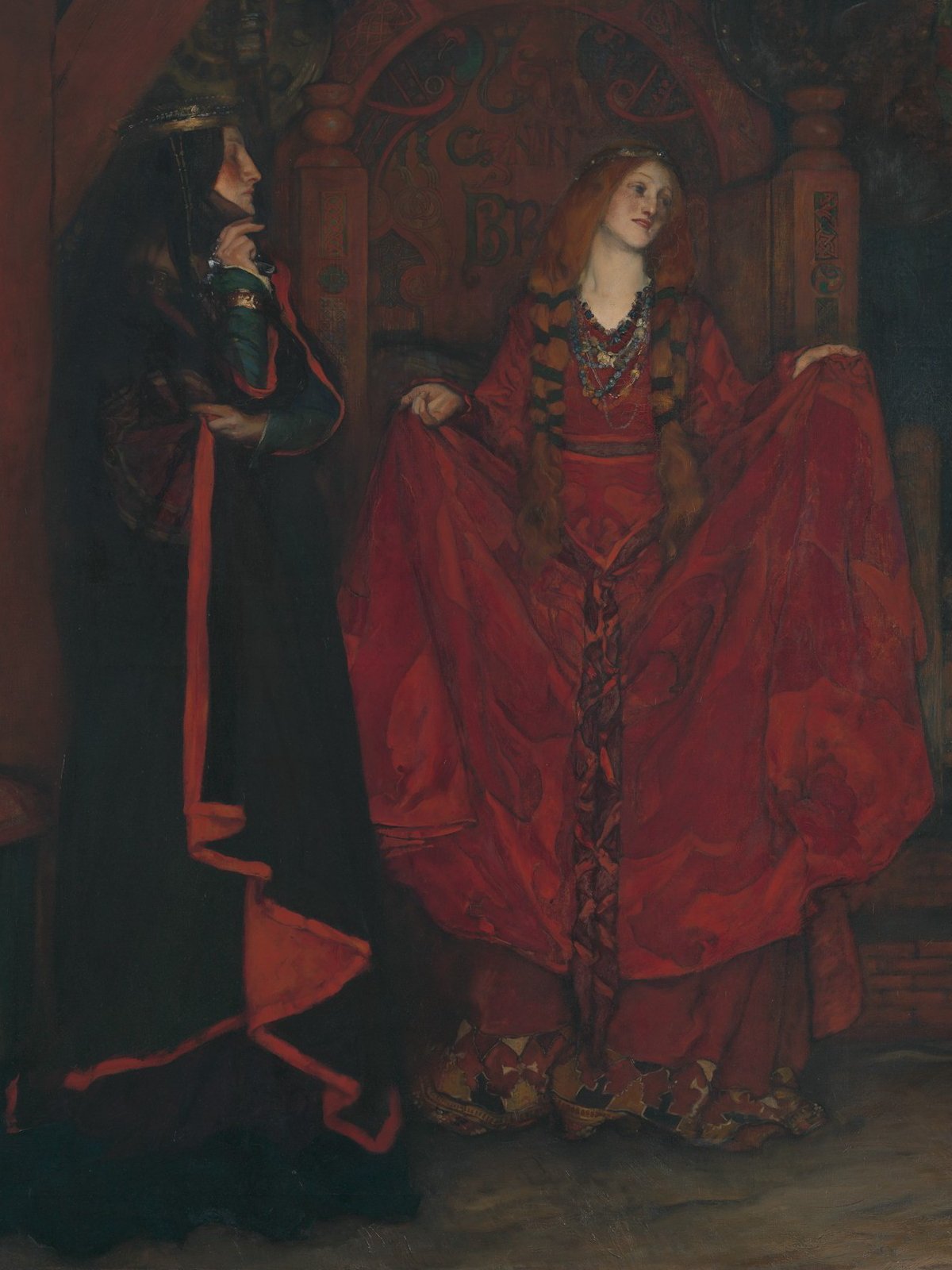
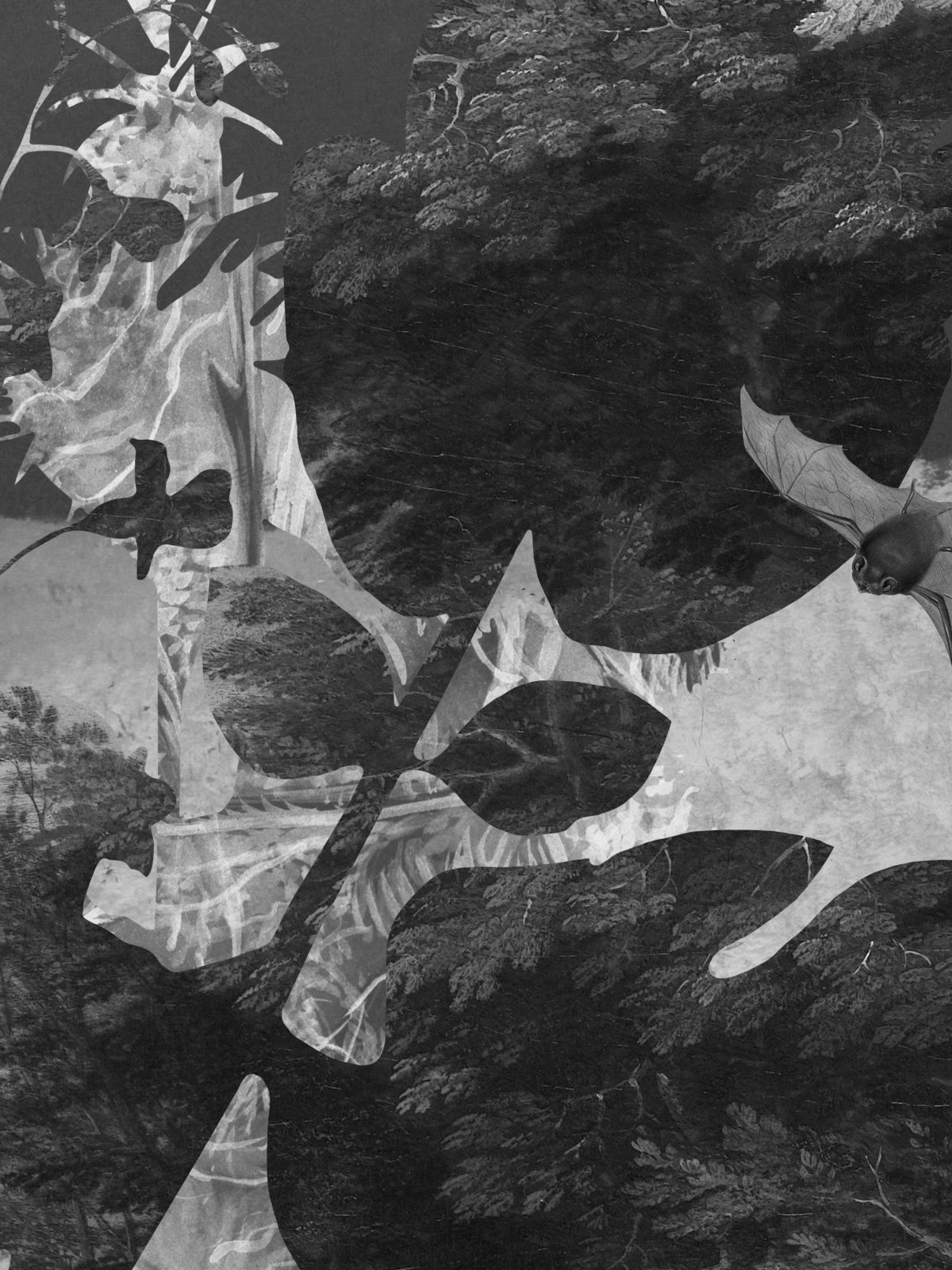
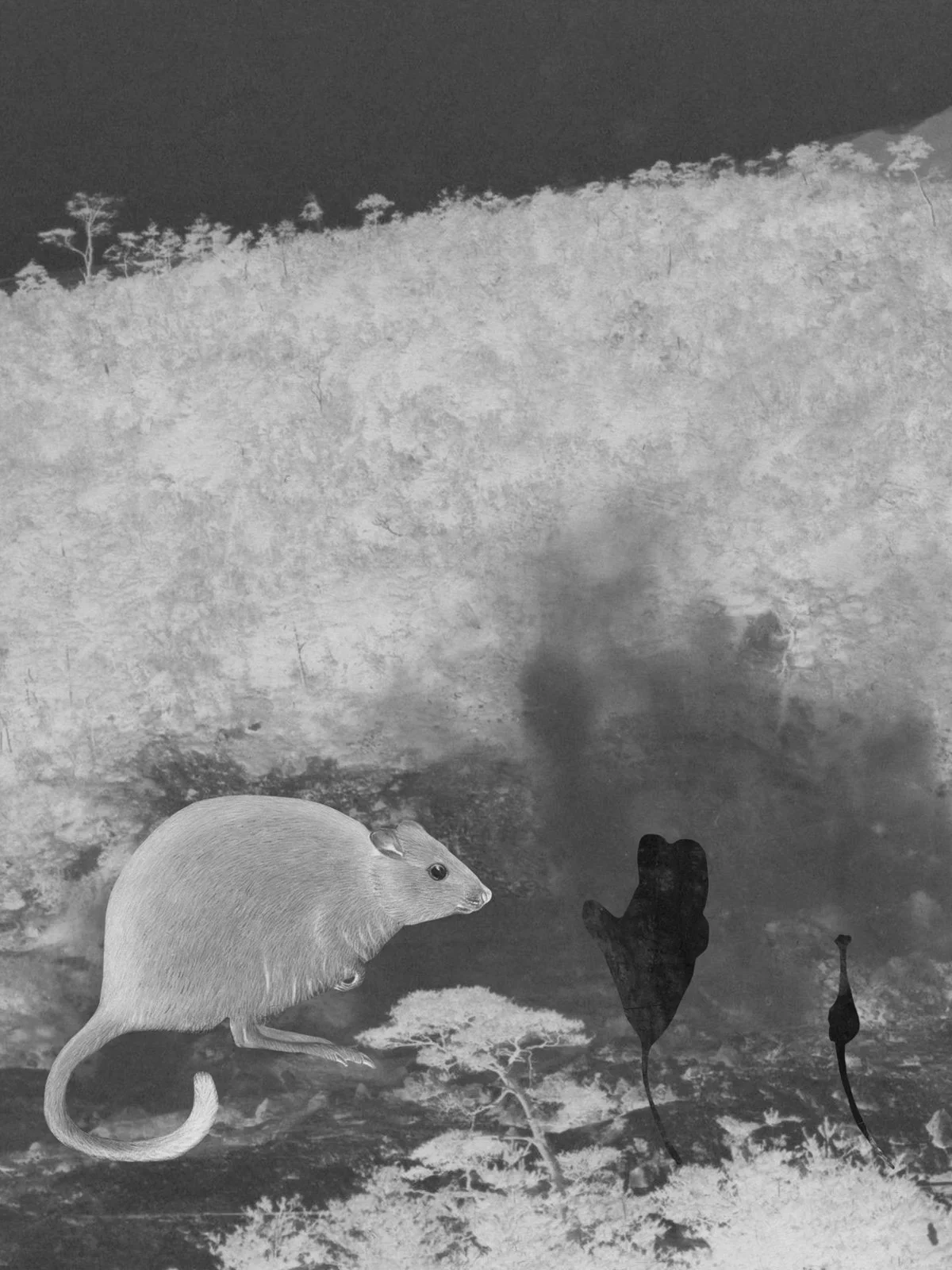
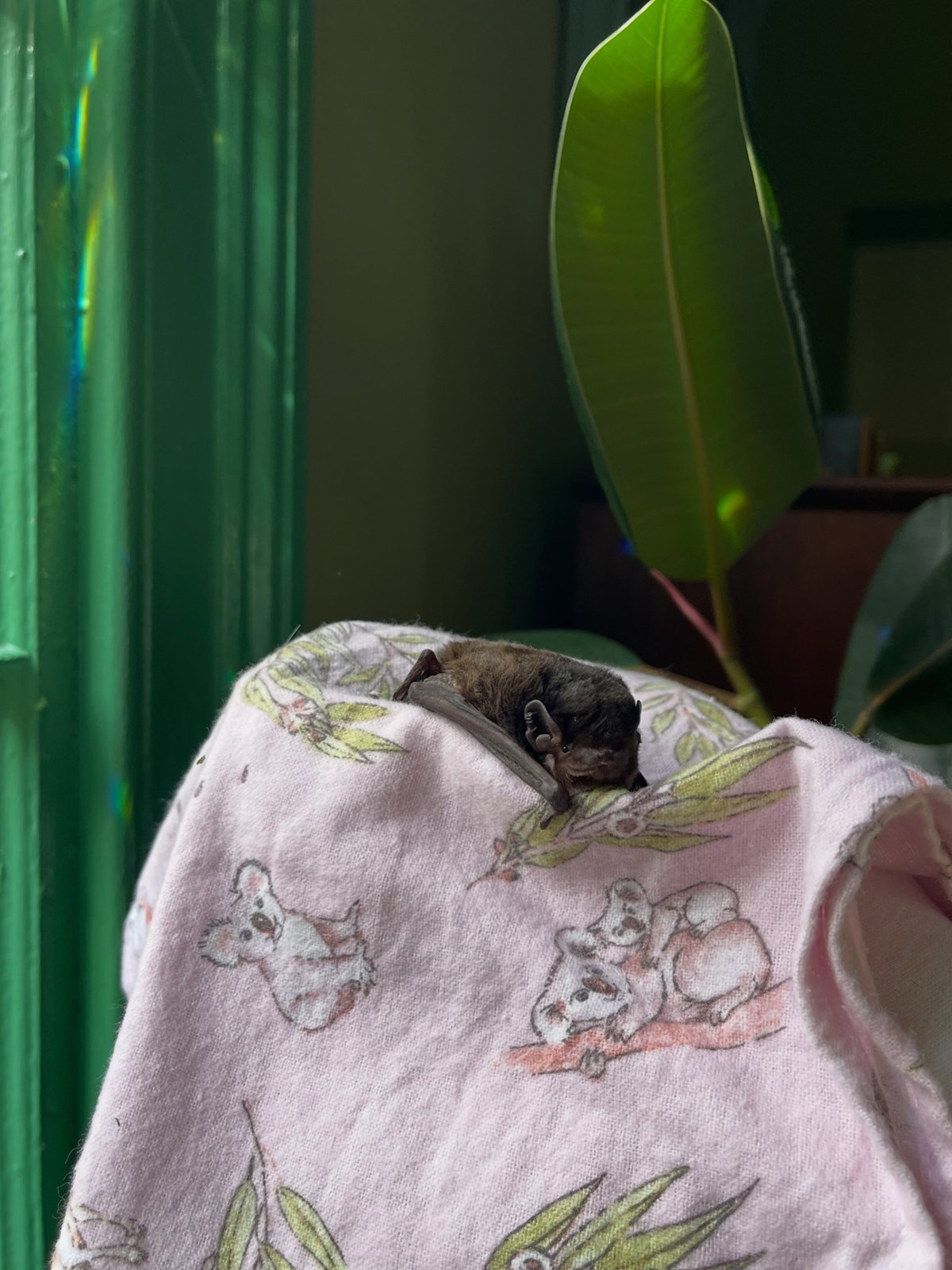
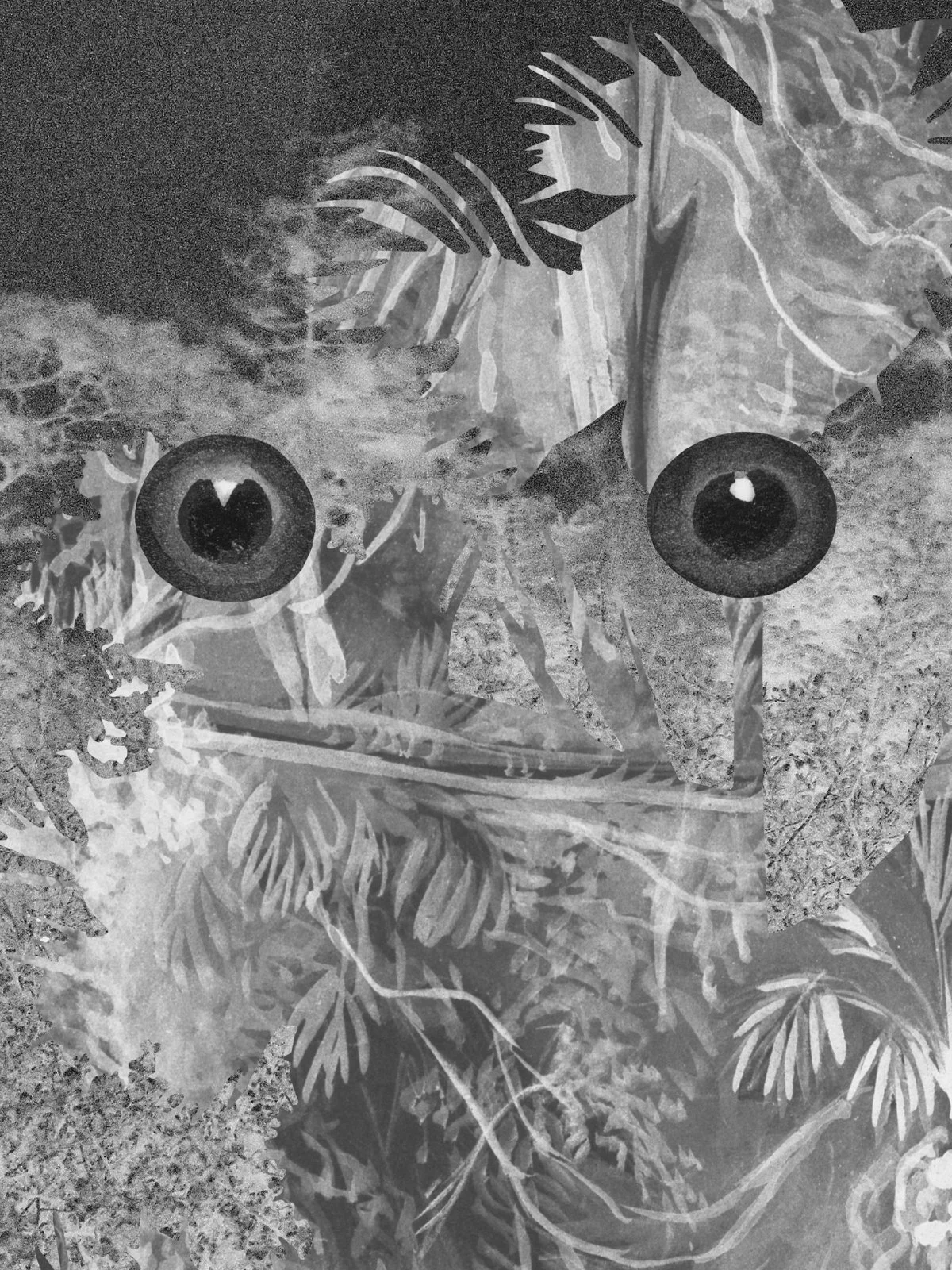
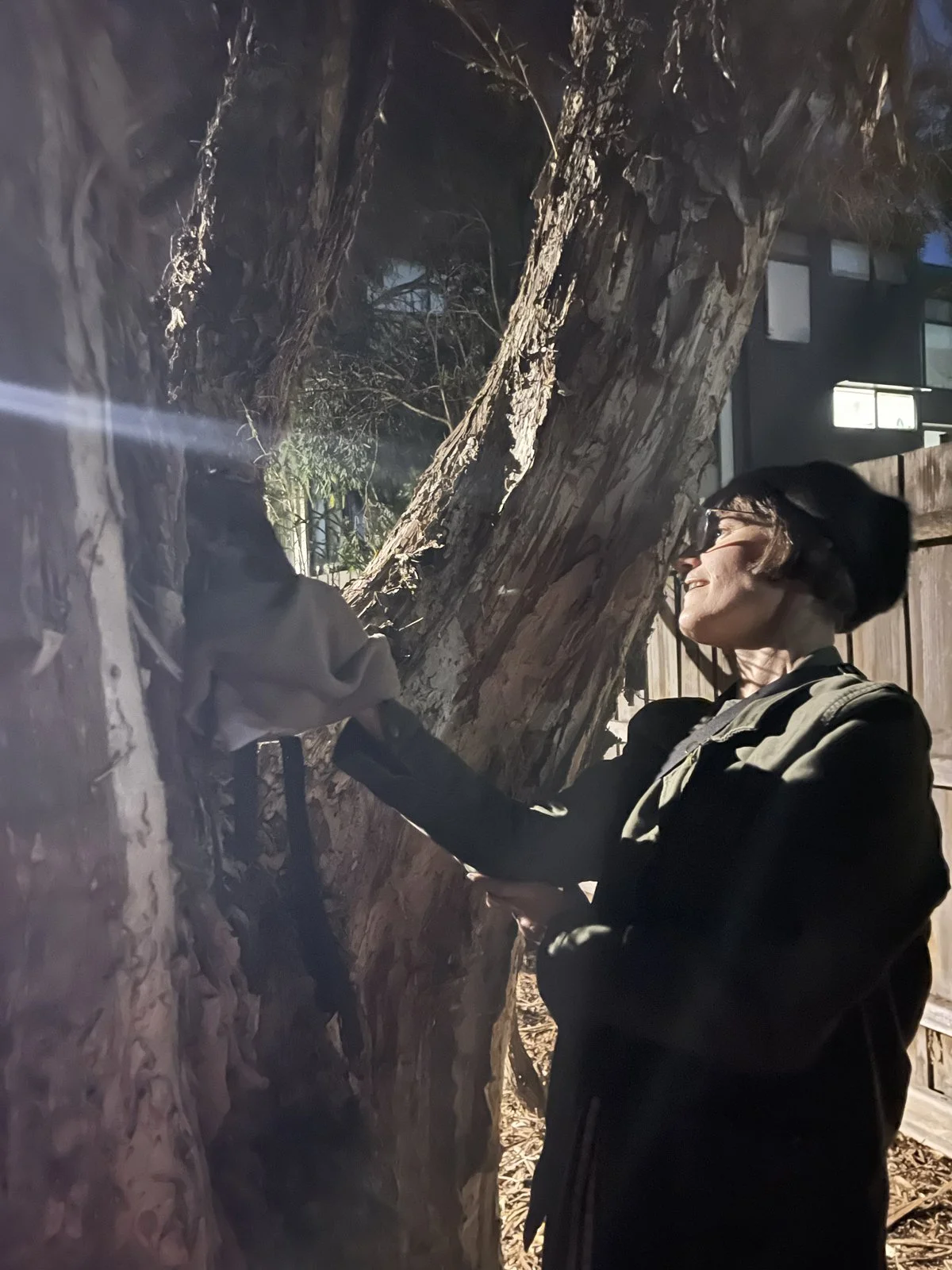
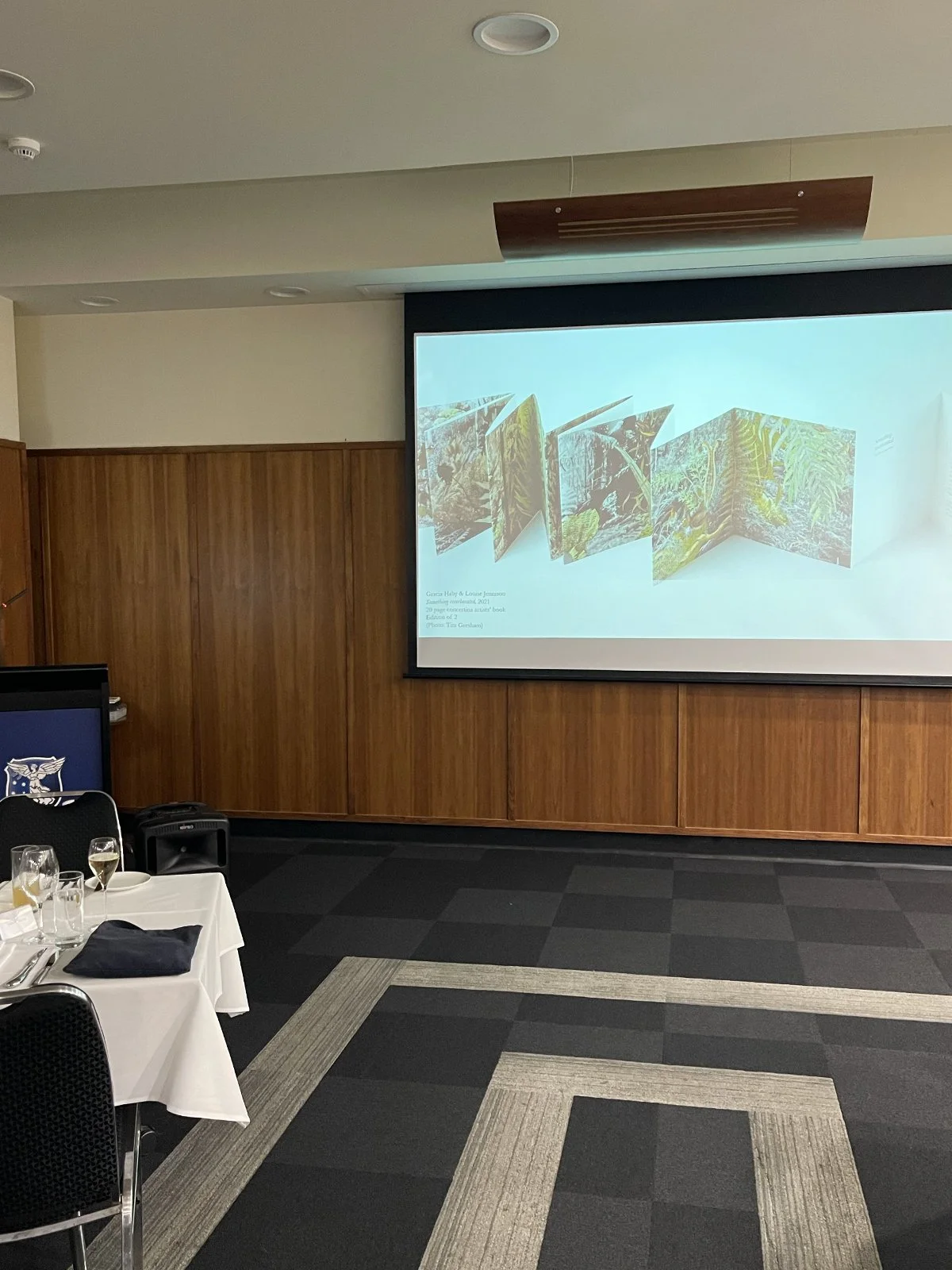
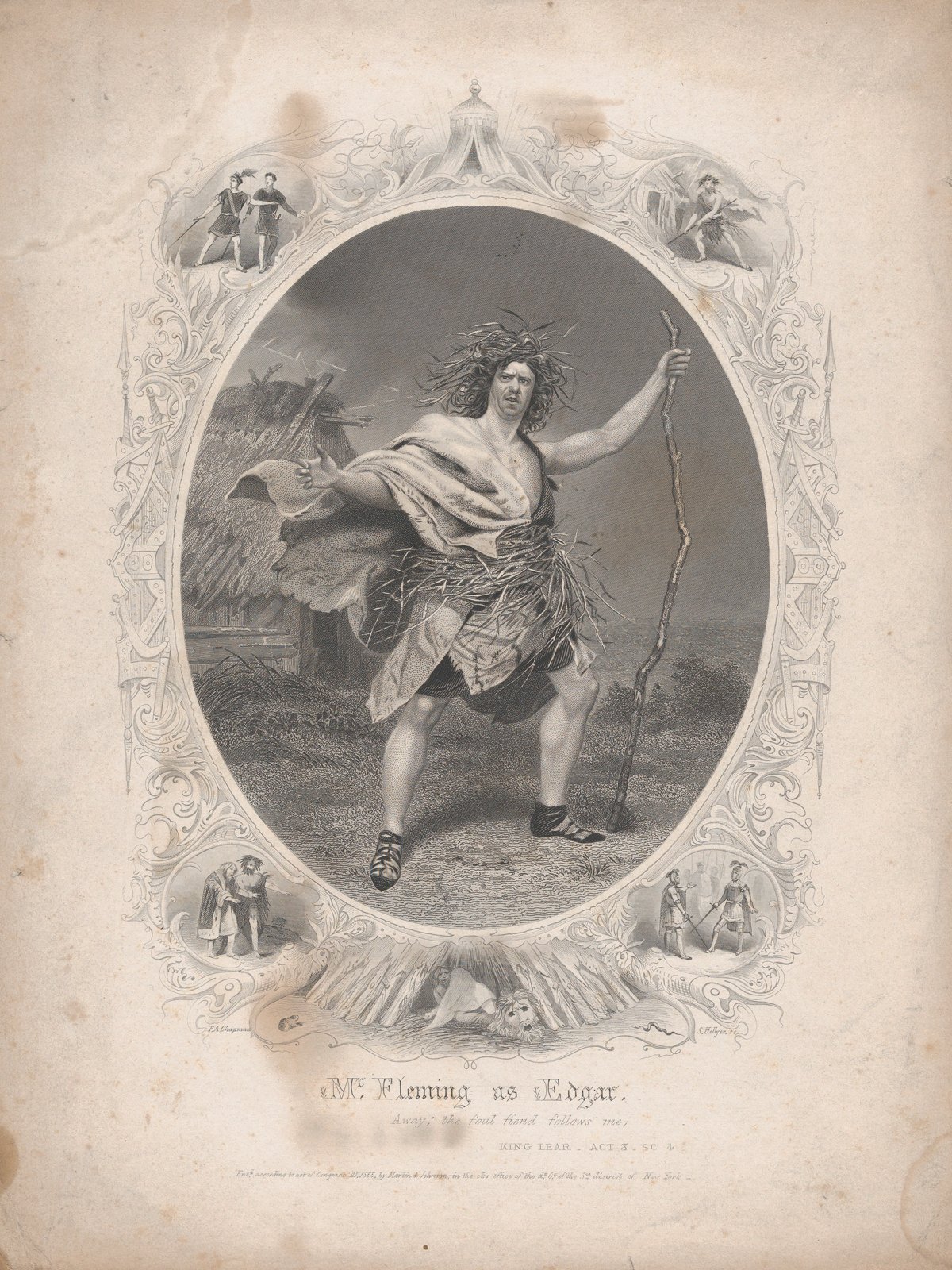
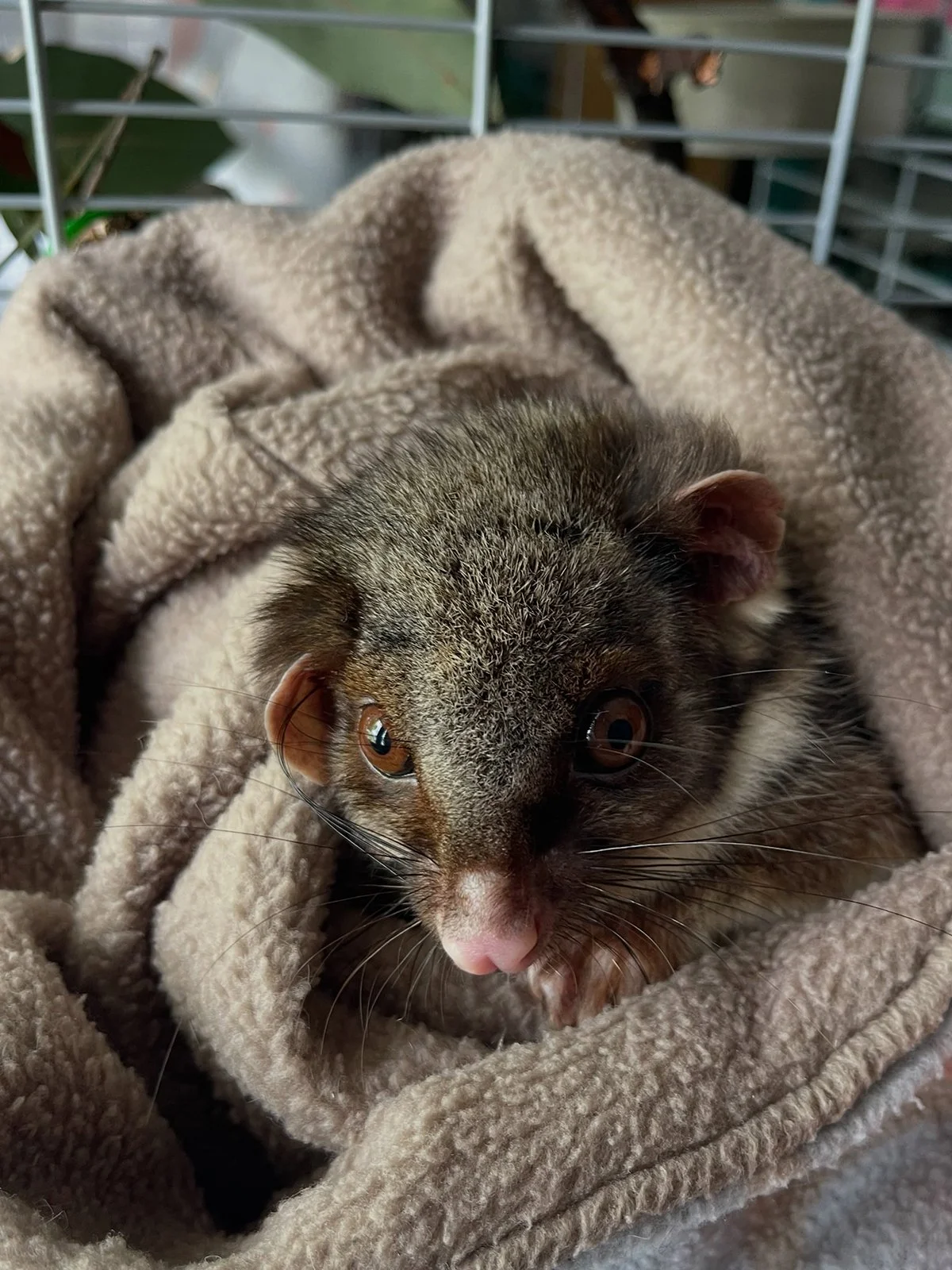
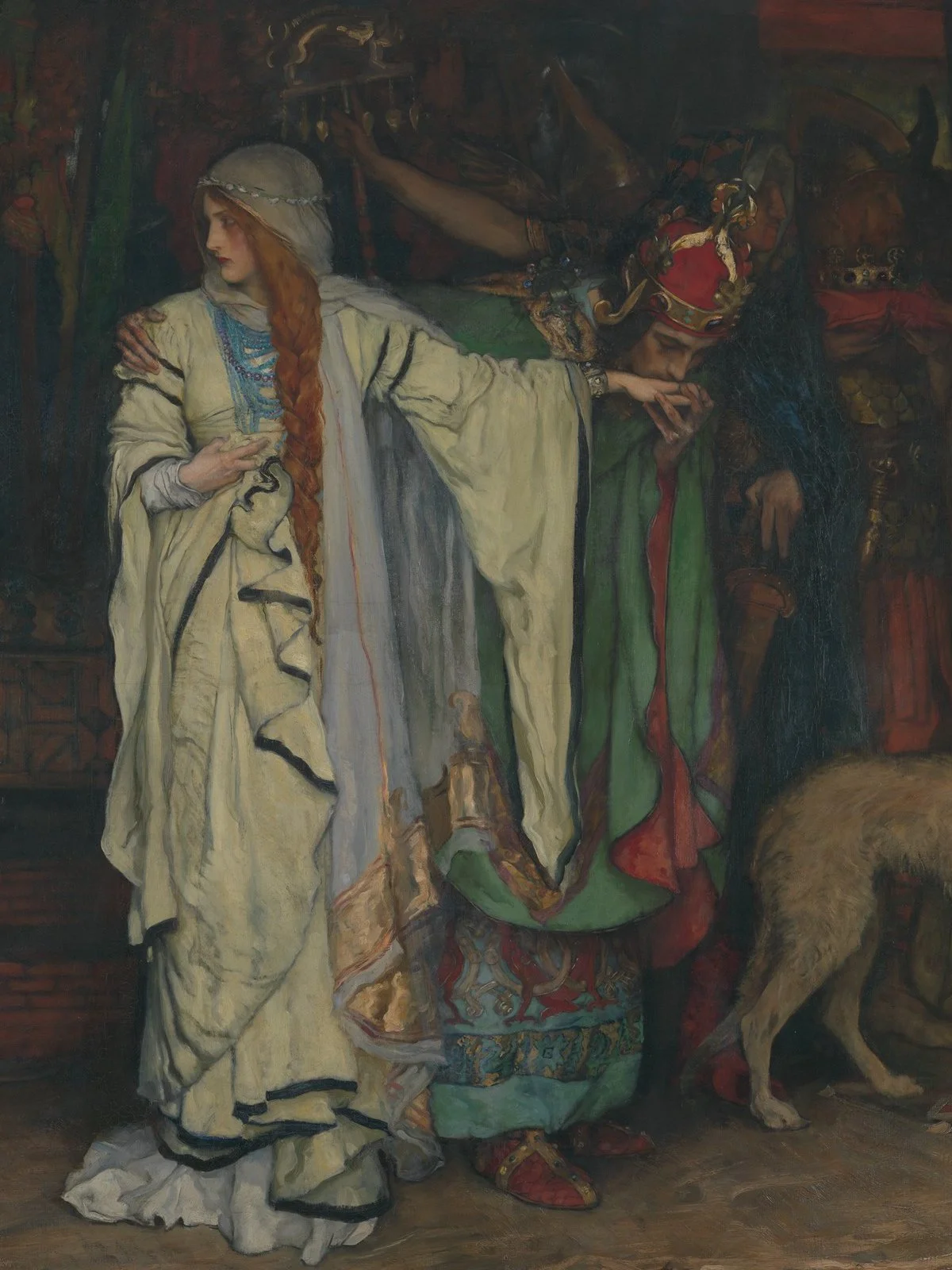
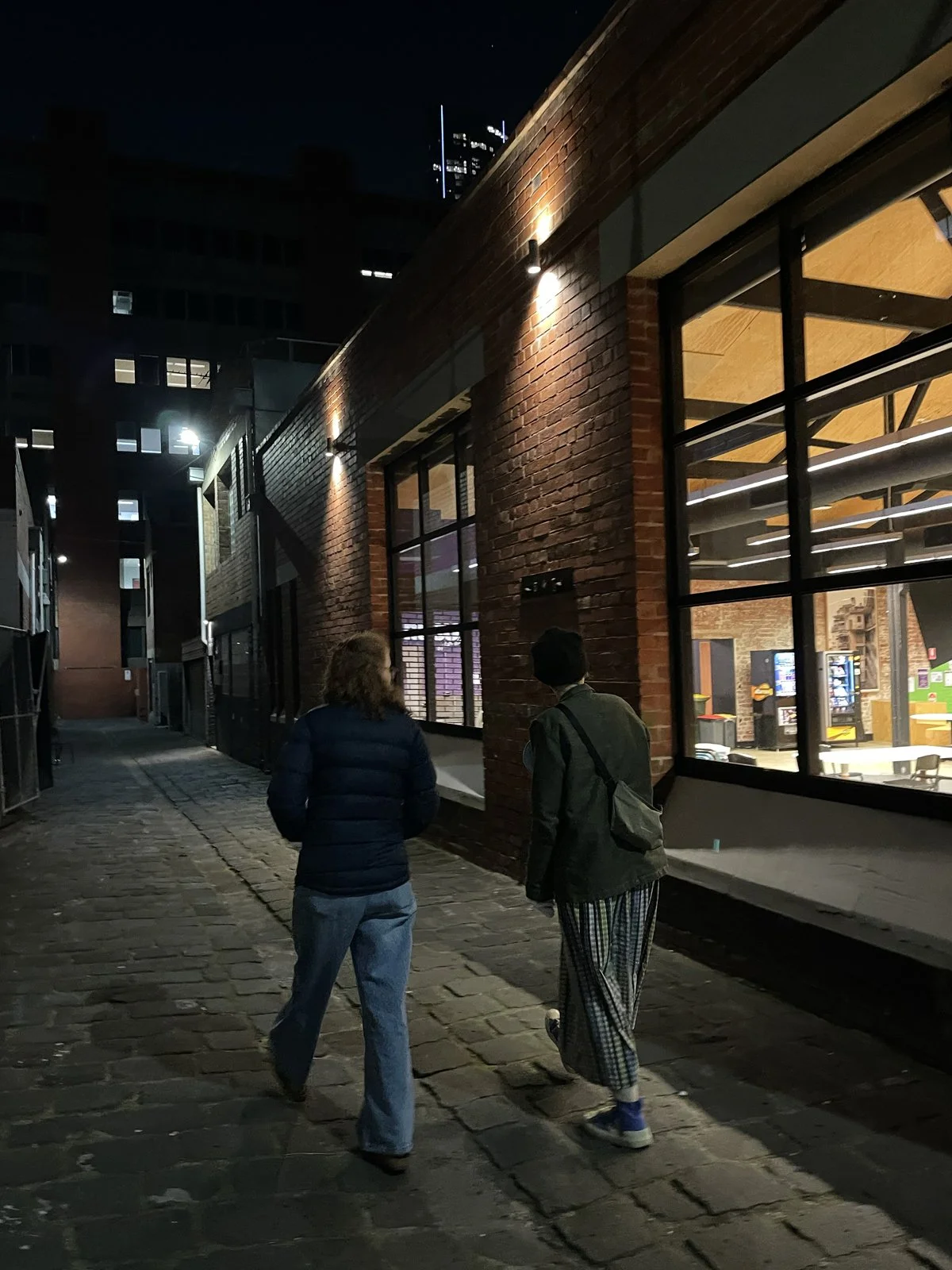
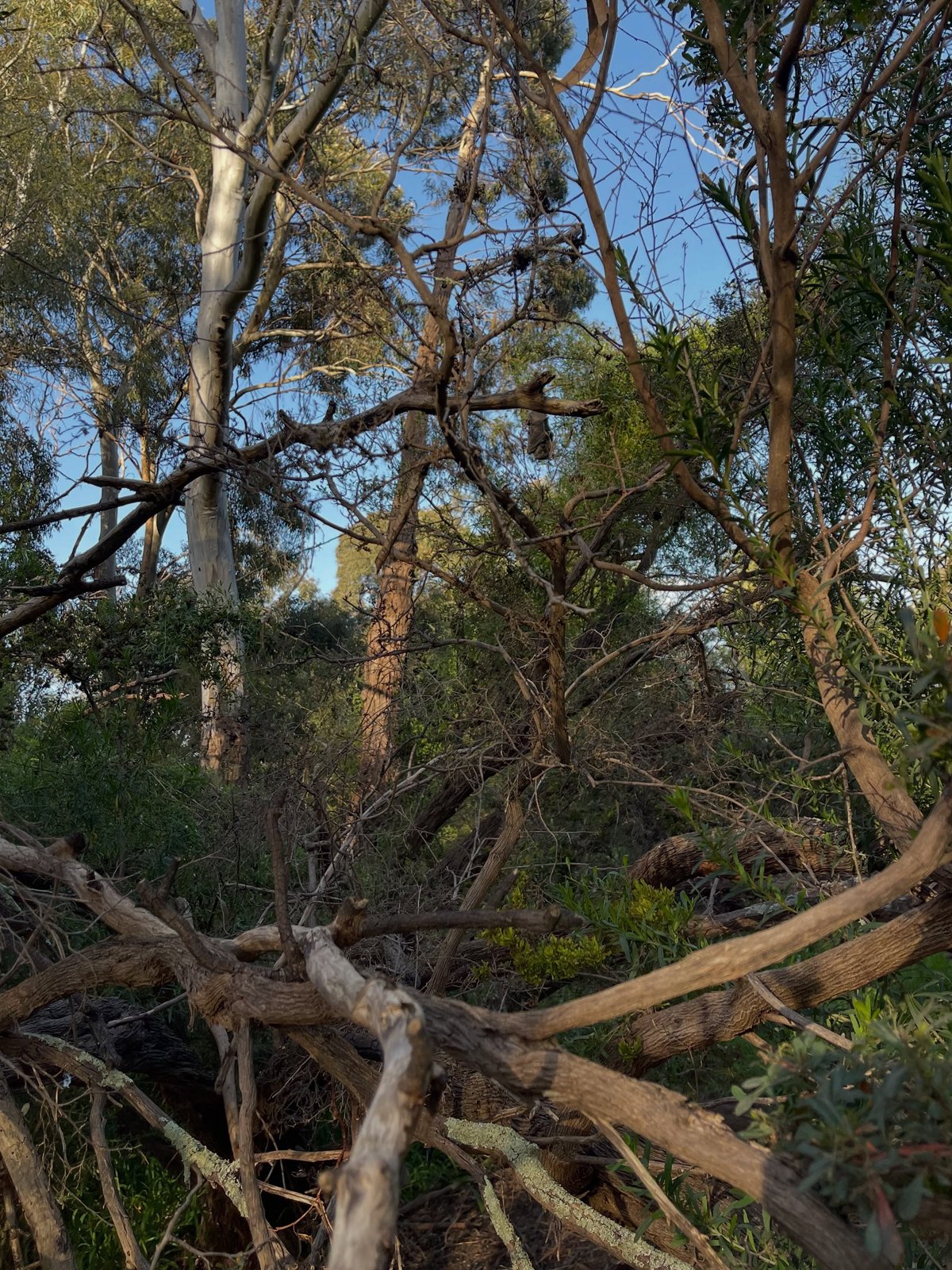
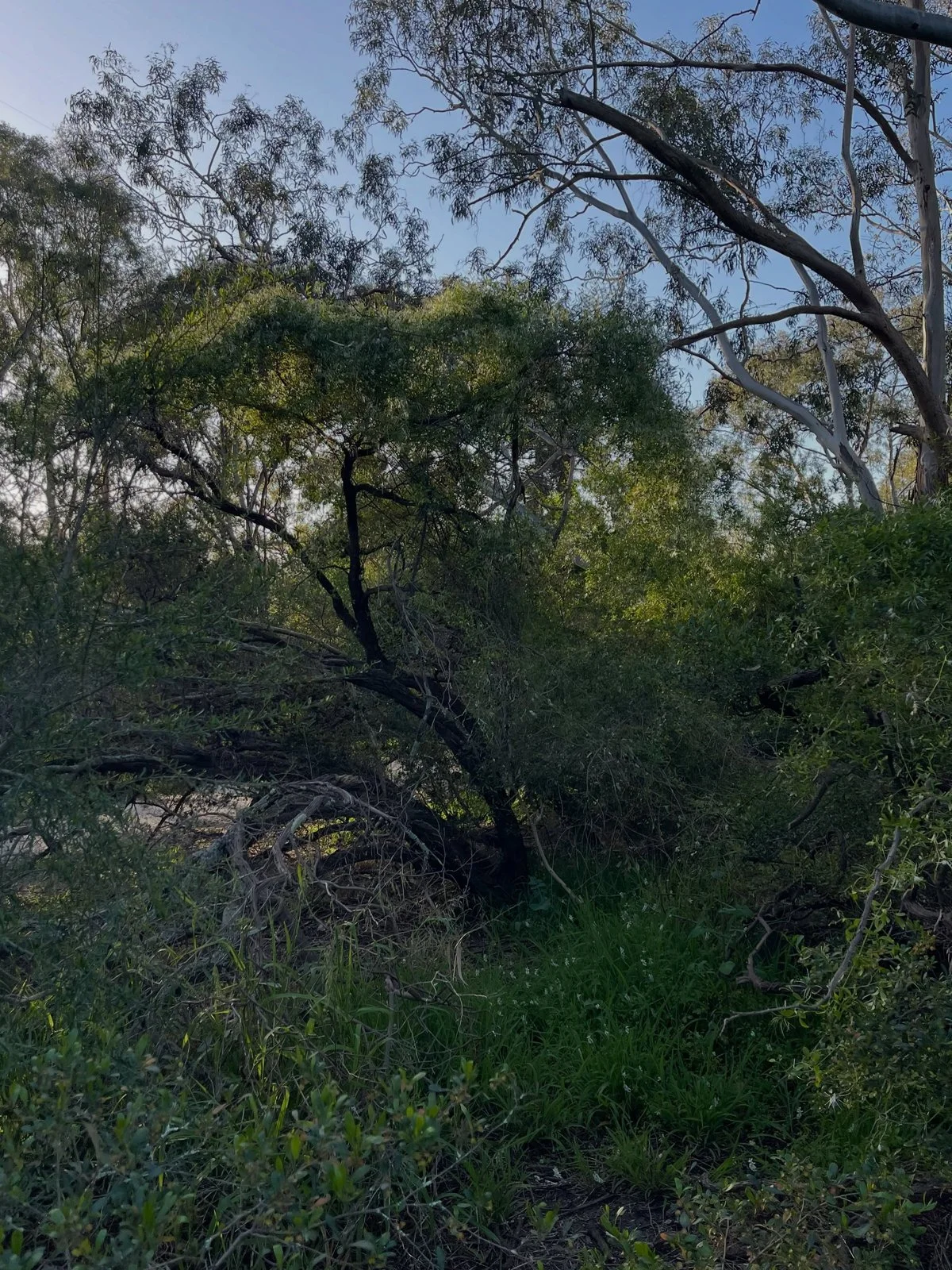
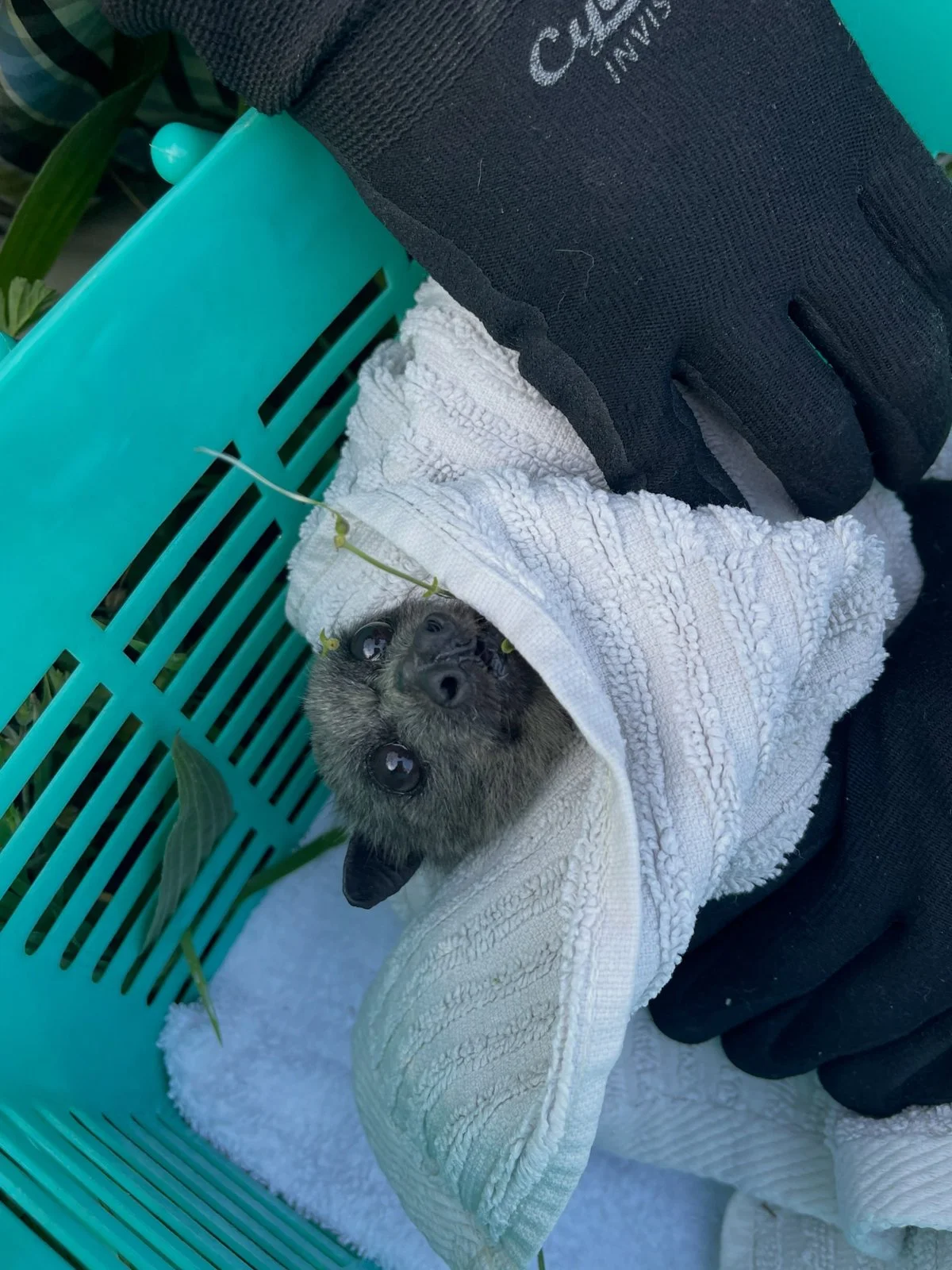
From Lear and the micro who declined, to a Grey-headed flying fox rescue at a nearby part of Merri Creek we’ve not been to before. In the late afternoon light, fanning outwards from the GPS coordinates, we looked for an injured flying fox, sighted low in the understory. The member of the public, who’d initially sighted her, returned to help us, and together, we found her. Blended into the surrounding area, and holding still, there she was. (Can you see her?)
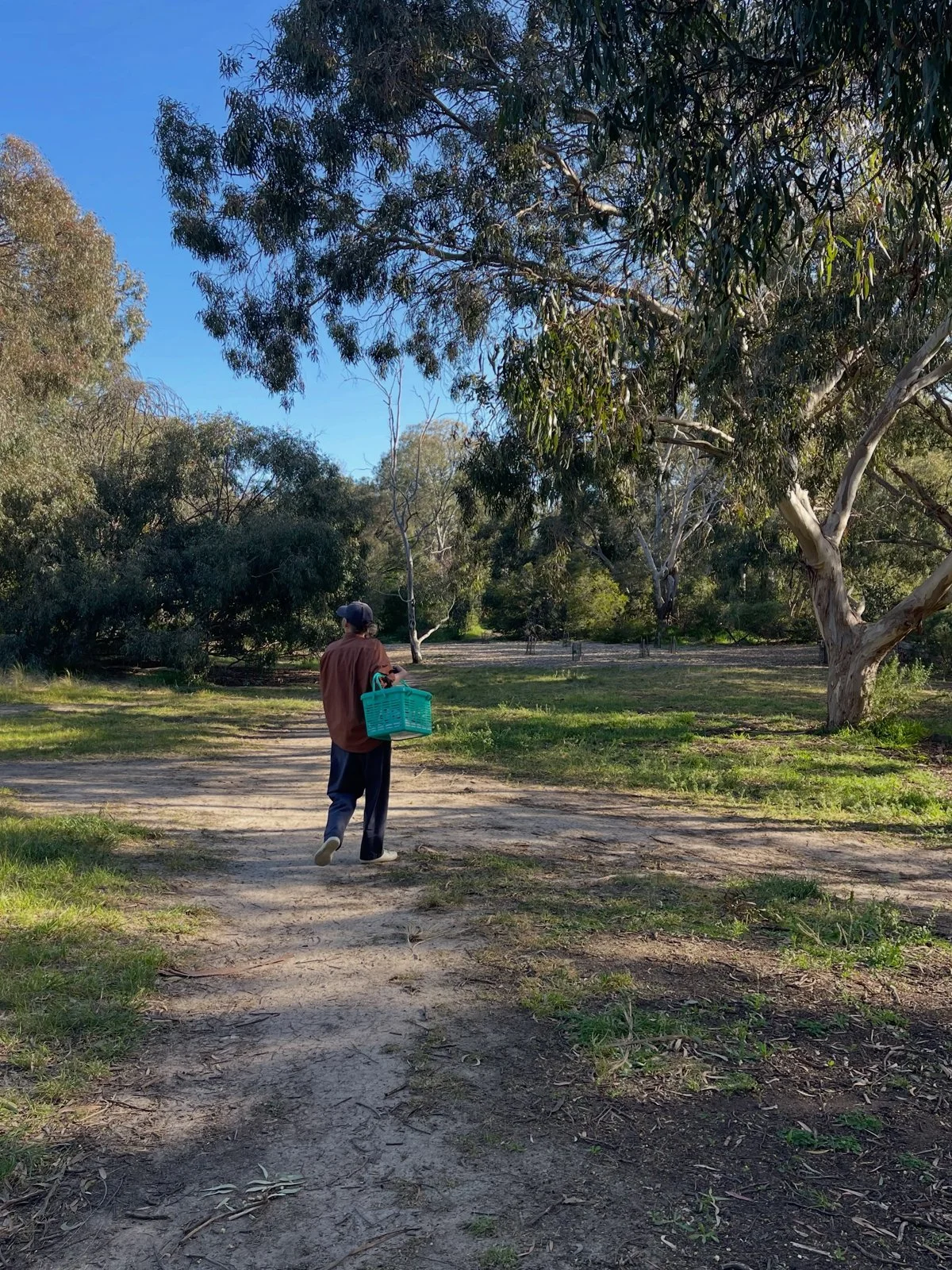
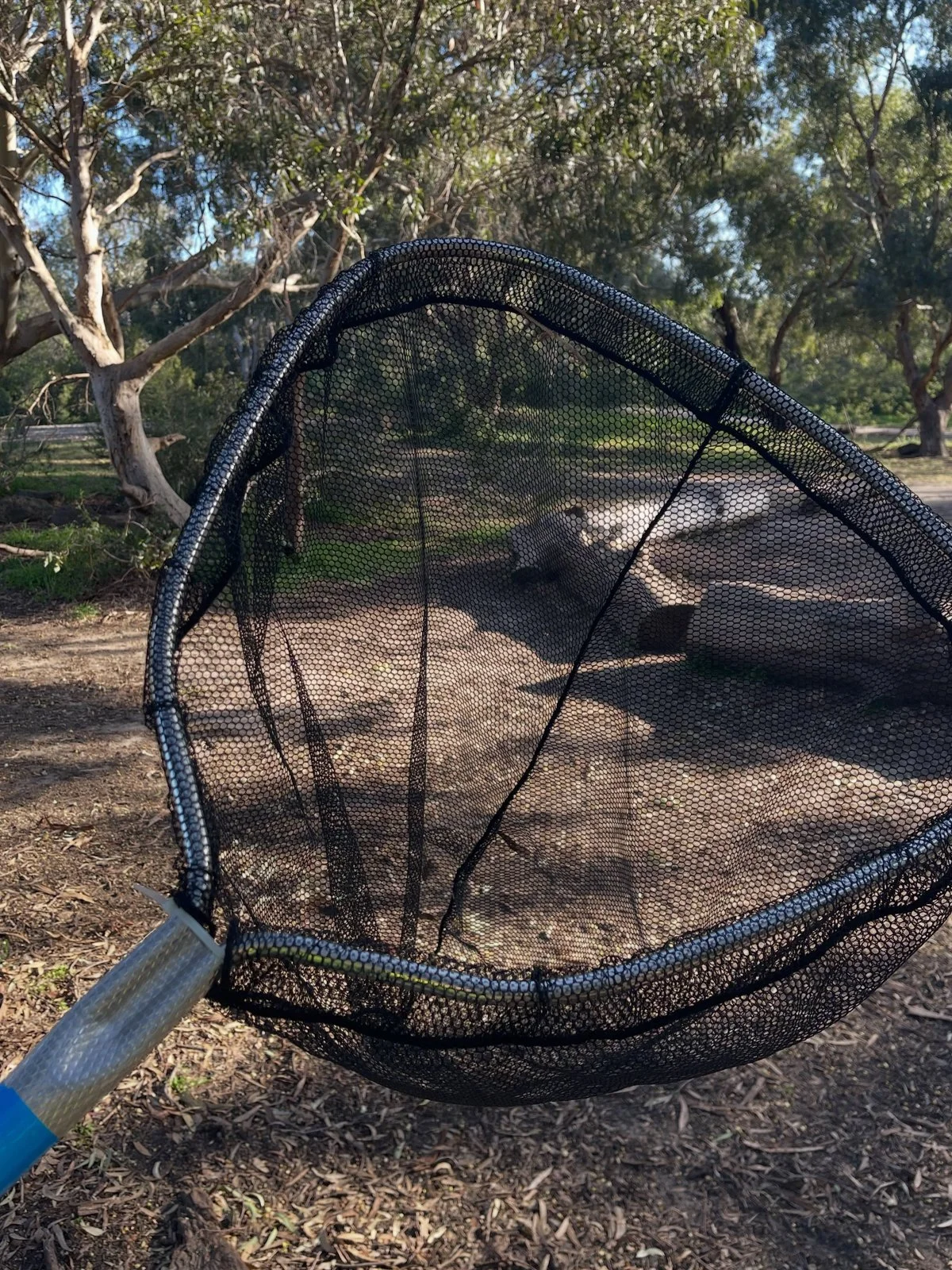
As we got closer, her visible wounds were a tragic sight. (Please note, in this video, we zoom in close, which might be distressing for some people.) She was missing her left leg, and as she opened her wings, more damage was revealed. We gently scooped her up in a net and a towel.
Luckily, we were able to get her to the vets at Melbourne Zoo, a whisker after of closing time. After an assessment of her sorry state, they were able to release her from her suffering through euthanasia.
Soar in peace, little one.
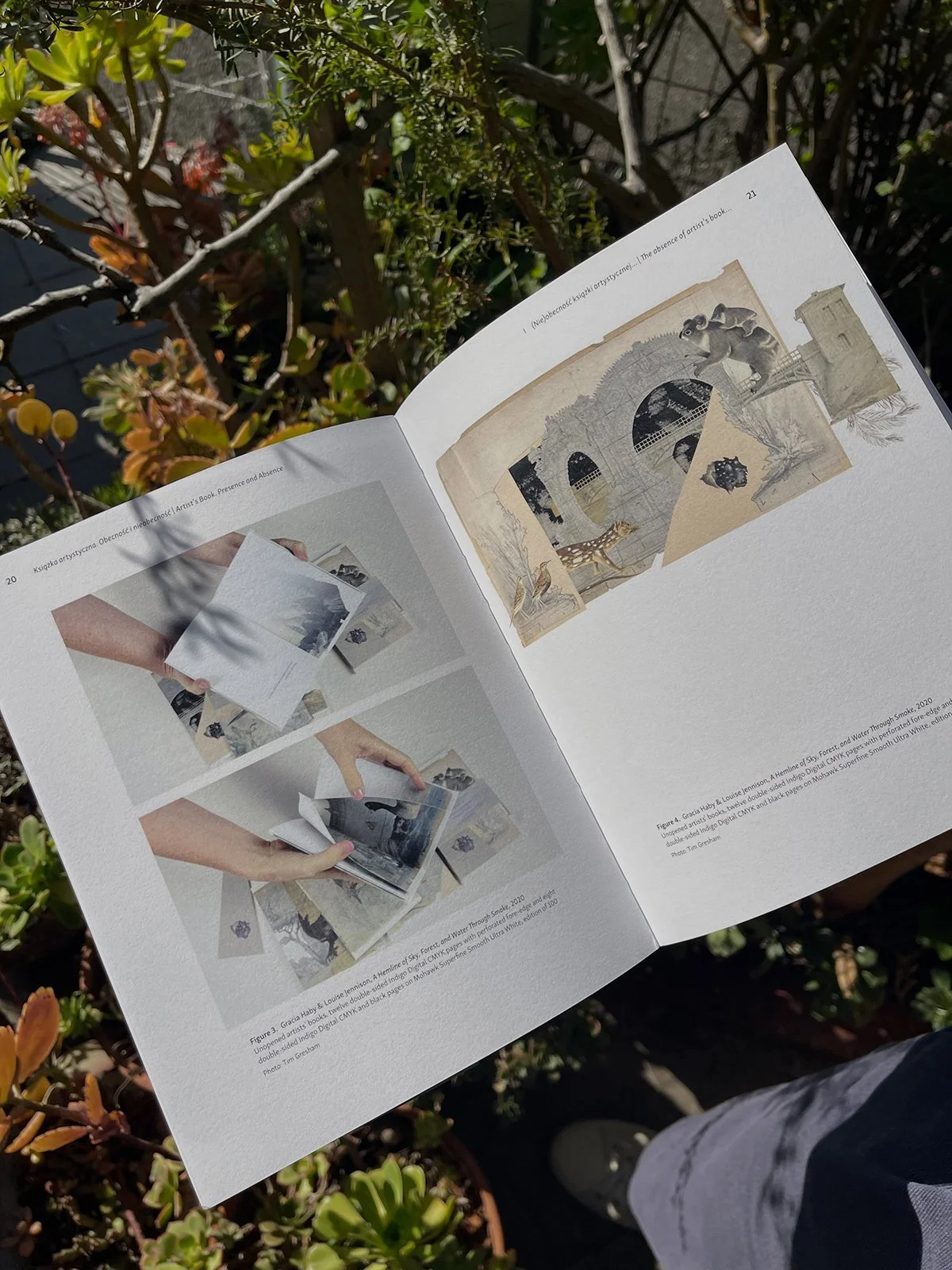
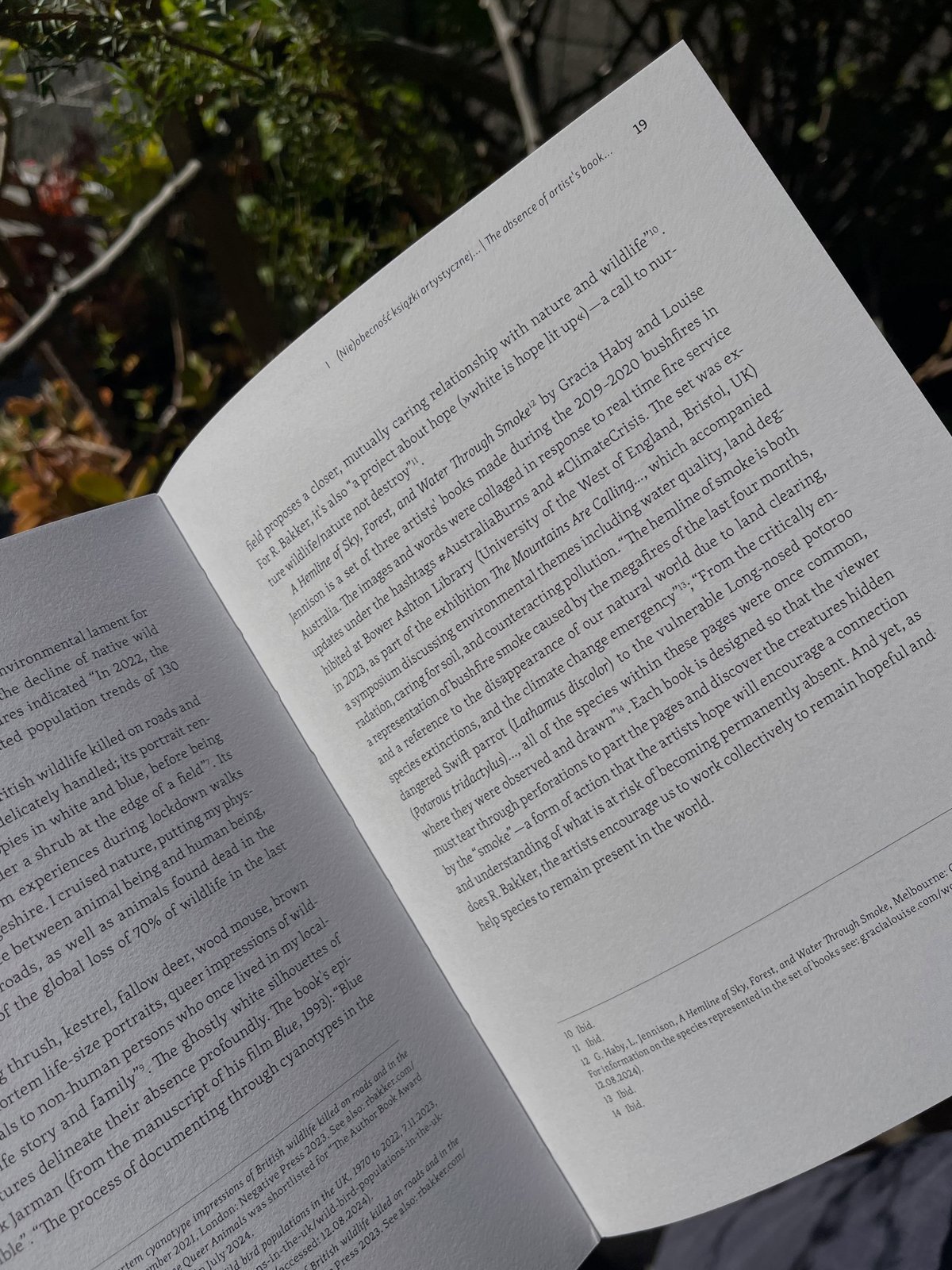
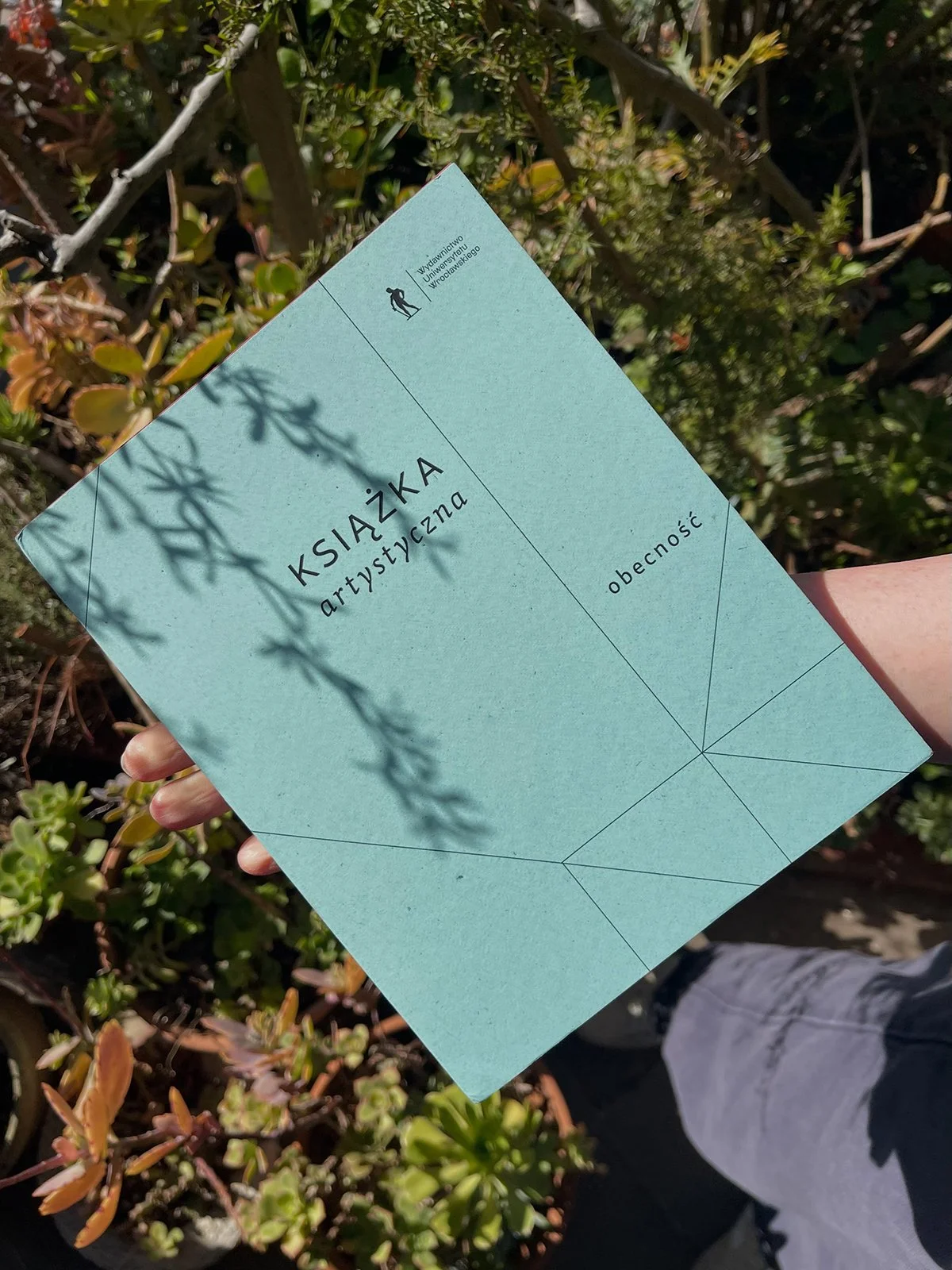
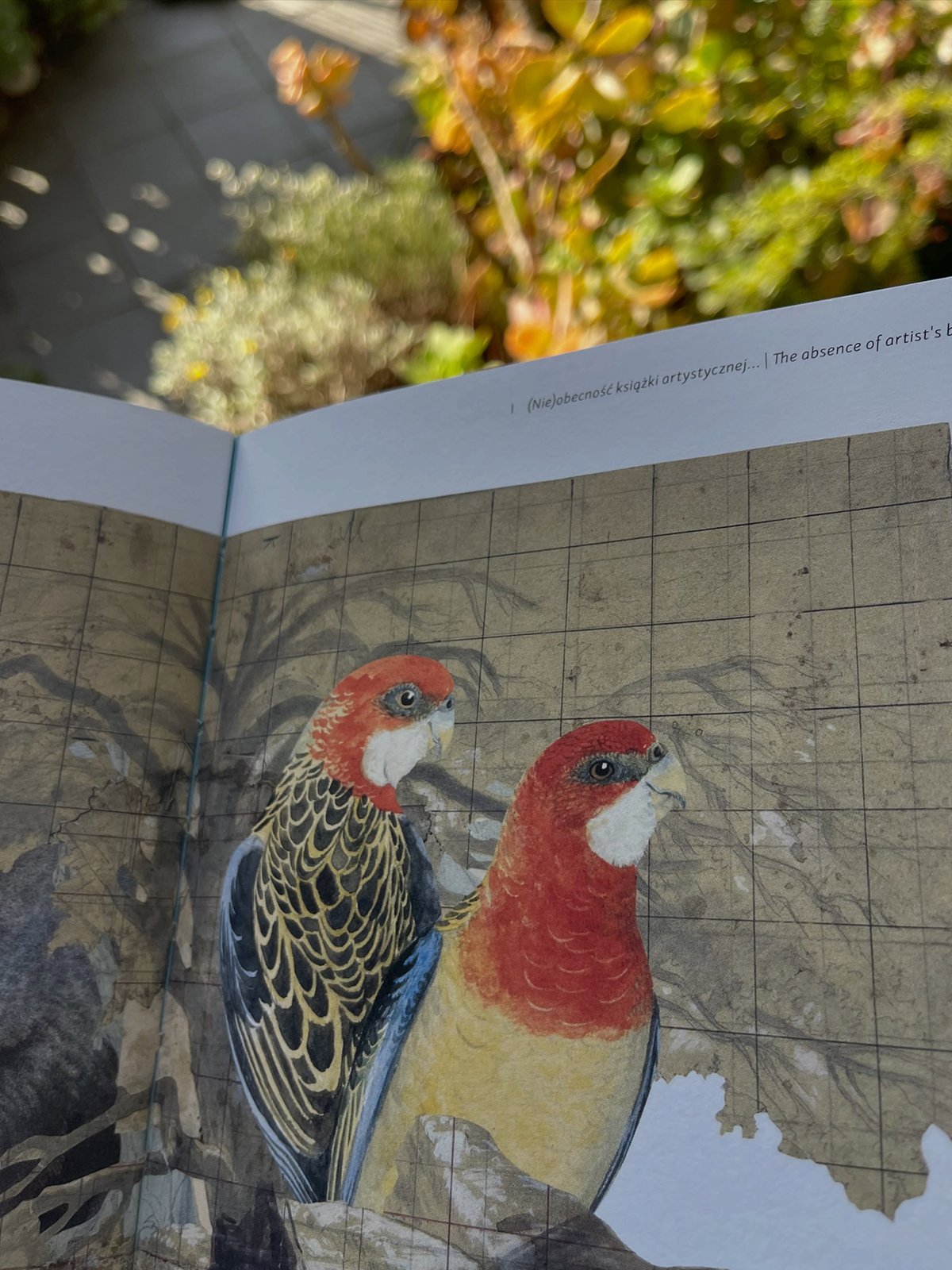
“These physical artists’ books speak of the living and the dead — absence and presence. Each holds a narrative, real or fictional that offers us an individual experience, a feeling of what is there and what is missing, but not all can or will return.”
Huge thanks to Sarah Bodman (@sarah.bodman) for featuring our Hemline series of artists’ books in her inspiring essay, ‘The Living and the Dead: artists’ books, absence and presence’, “in which things appear and disappear [as] situations, places, observances and personal stories that were once solid become fragile and impermanent.” To be featured in an exquisite, blue jacketed “volume that is the fruit of an international scientific-artistic conference… organised by the Artist’s Book Studio of the Academy of Art and Design in Wrocław, and the Laboratory of Book Art Research of the University of Wrocław”, is one thing. To receive a physical copy by Royal Mail is another. What a treat!
This publication features presentations and reflections from the conference, turning the subject matter into its own artists’ book. “We hope that, in this way, we’ve kindled a clearer sense of this inspiring, yet niche, field of art, showcasing affiliation with many fields of both art and science,” write the editors who hope that “these reflections on the presence and absence of artists’ books to favour the former and inspire further creation, [will] facilitate deeper research into” that “enigmatic concept, hardly defined”: artists’ books.
As ever, please note: you need to be a qualified, vaccinated carer to handle megabats and microbats.
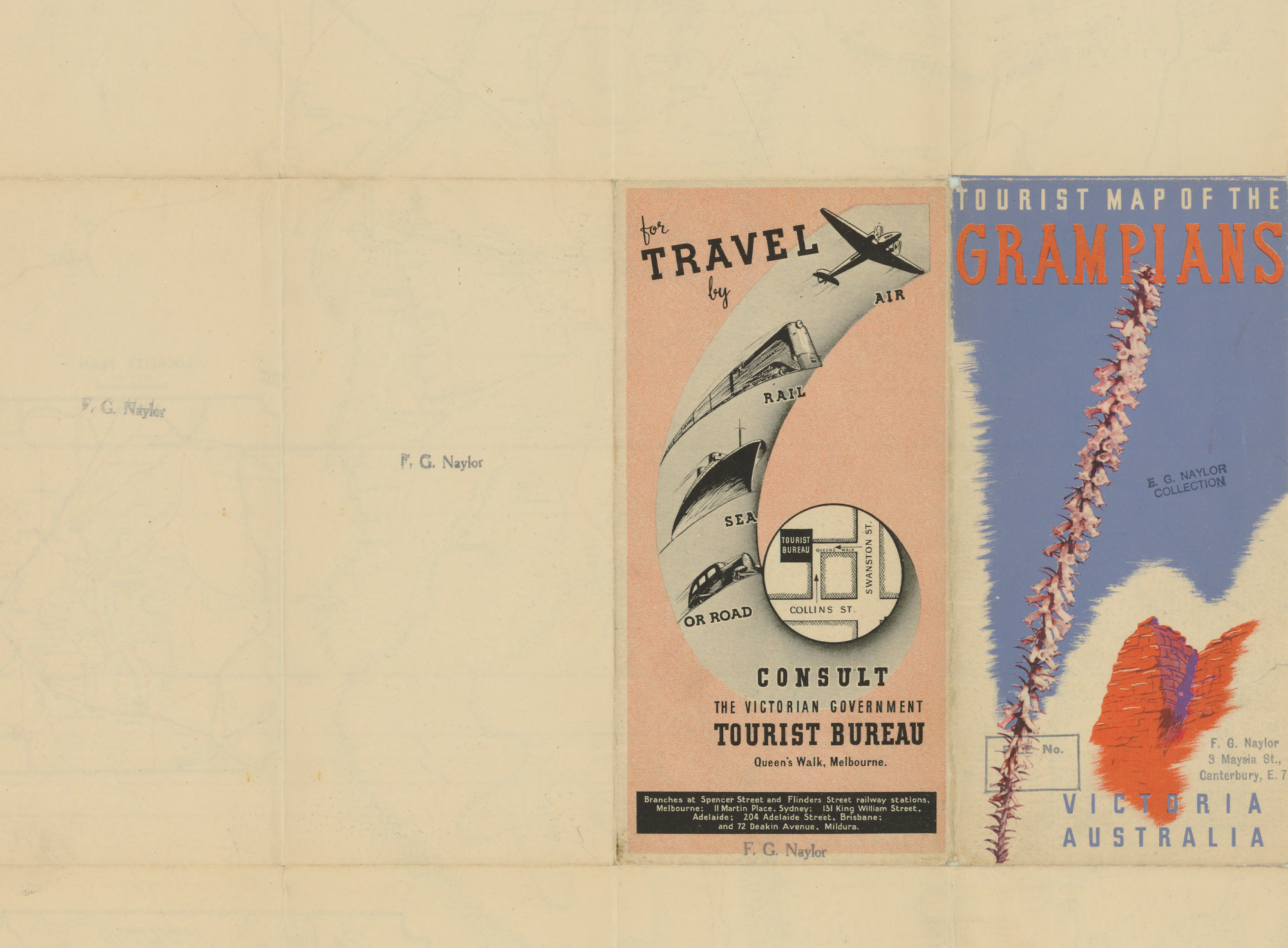
Image credit: Victorian Railways, Publicity and Tourist Services Tourist map of the Grampians, Halls Gap and surroundings [cartographic material] (detail), 1938, via State Library Victoria
