Tiny tales
Wildlife Care
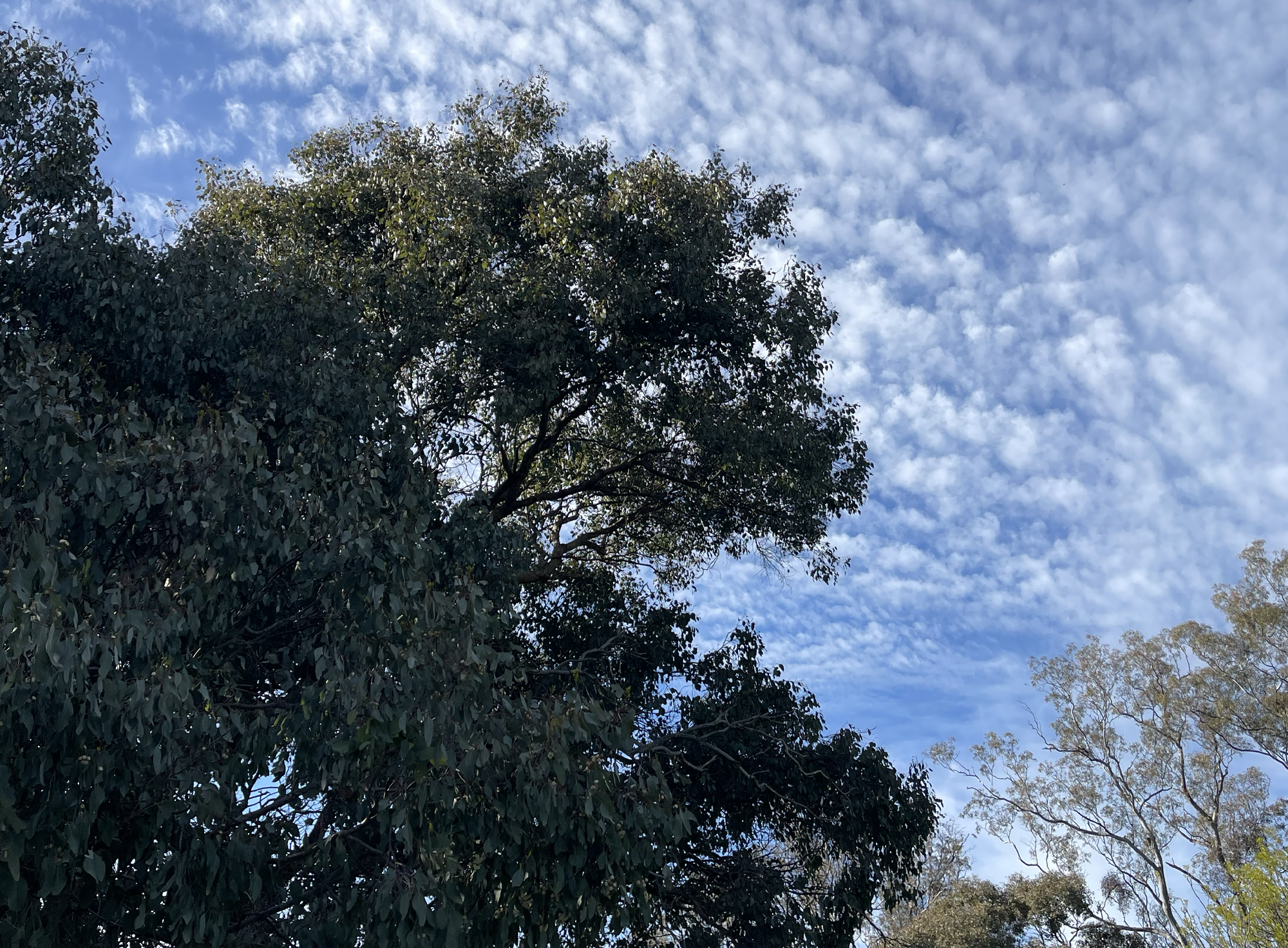
Please cast your mind back to Coco Spinifex, who in early September began her soft-release return to the wild. With the hatch to the enclosure long since opened, we checked the footage that has been accumulating on the two nearby trail cameras, and can happily report that after slow and steady steps, Coco is now a beautiful, clever, fully wild-again soul. She did it, as we hoped, and knew she would, in her own sweet time.
The footage on the cameras featured a Boobook, and Brushtail possum, by night, in addition to her good self, and a chime of birds, and a kangaroo joey, by day. Sound on, for bird song and frog calls. Watch Coco retrace her steps as she figures her new world out, and perfects the art of the ‘freeze’.
Pictured below, opening the hatch in September and when Coco came into care on the 8th of June, and was named after a Bangarra Dance piece. She is our 282nd wildlife case, and as of today, she is home. As we have learnt and frequently comment, never rush a possum. There’s a lesson in there for all of us.
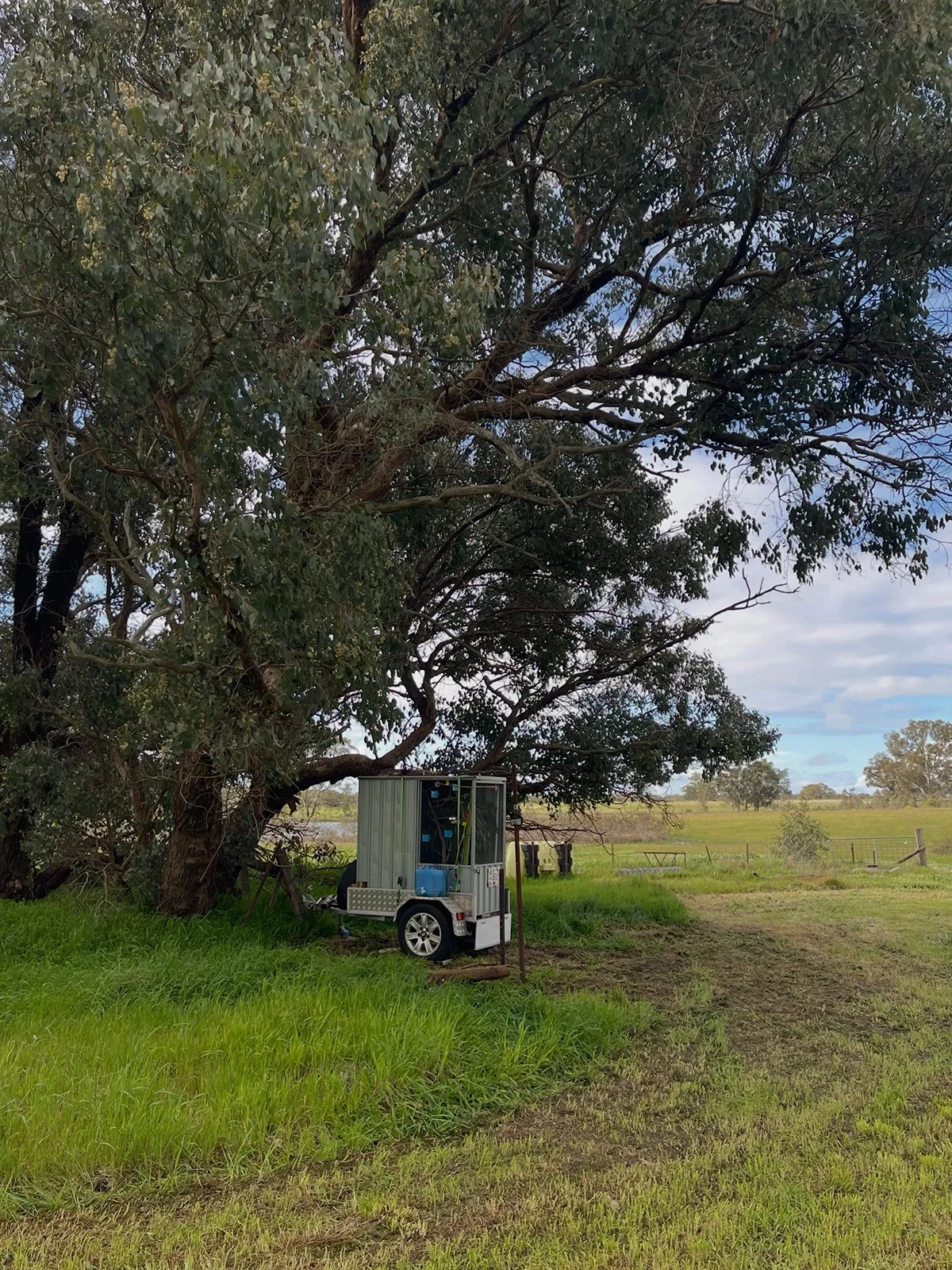
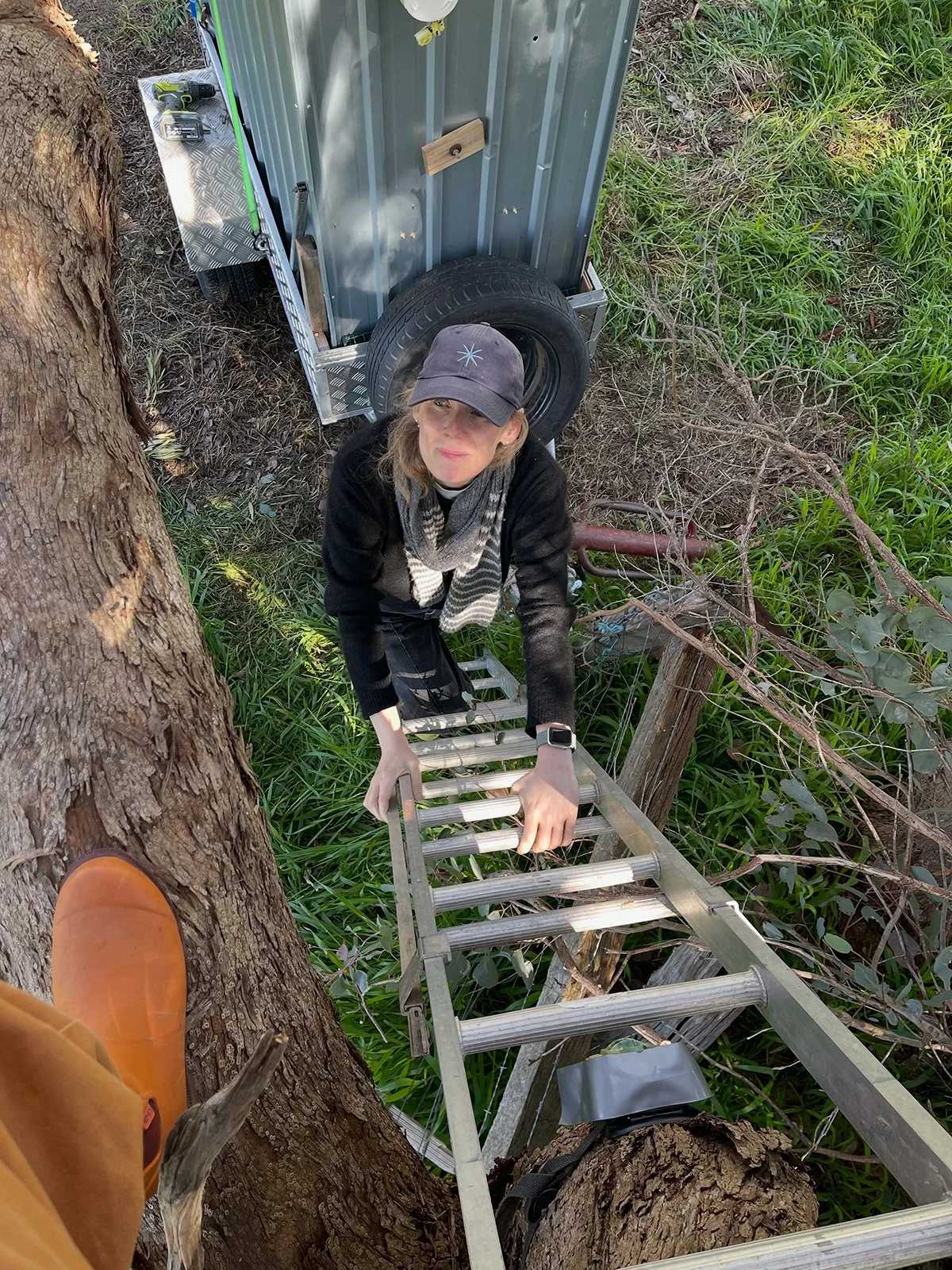
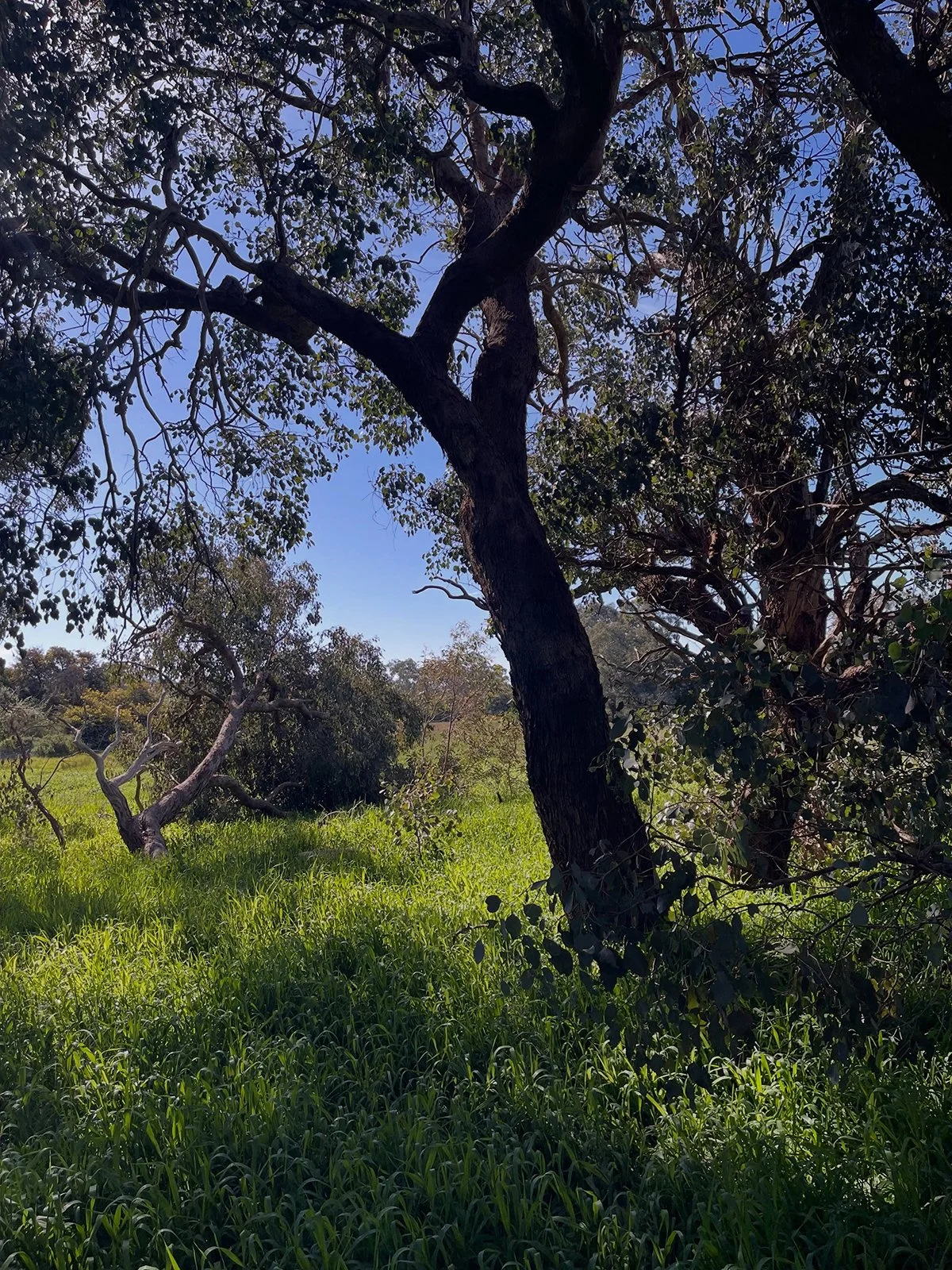
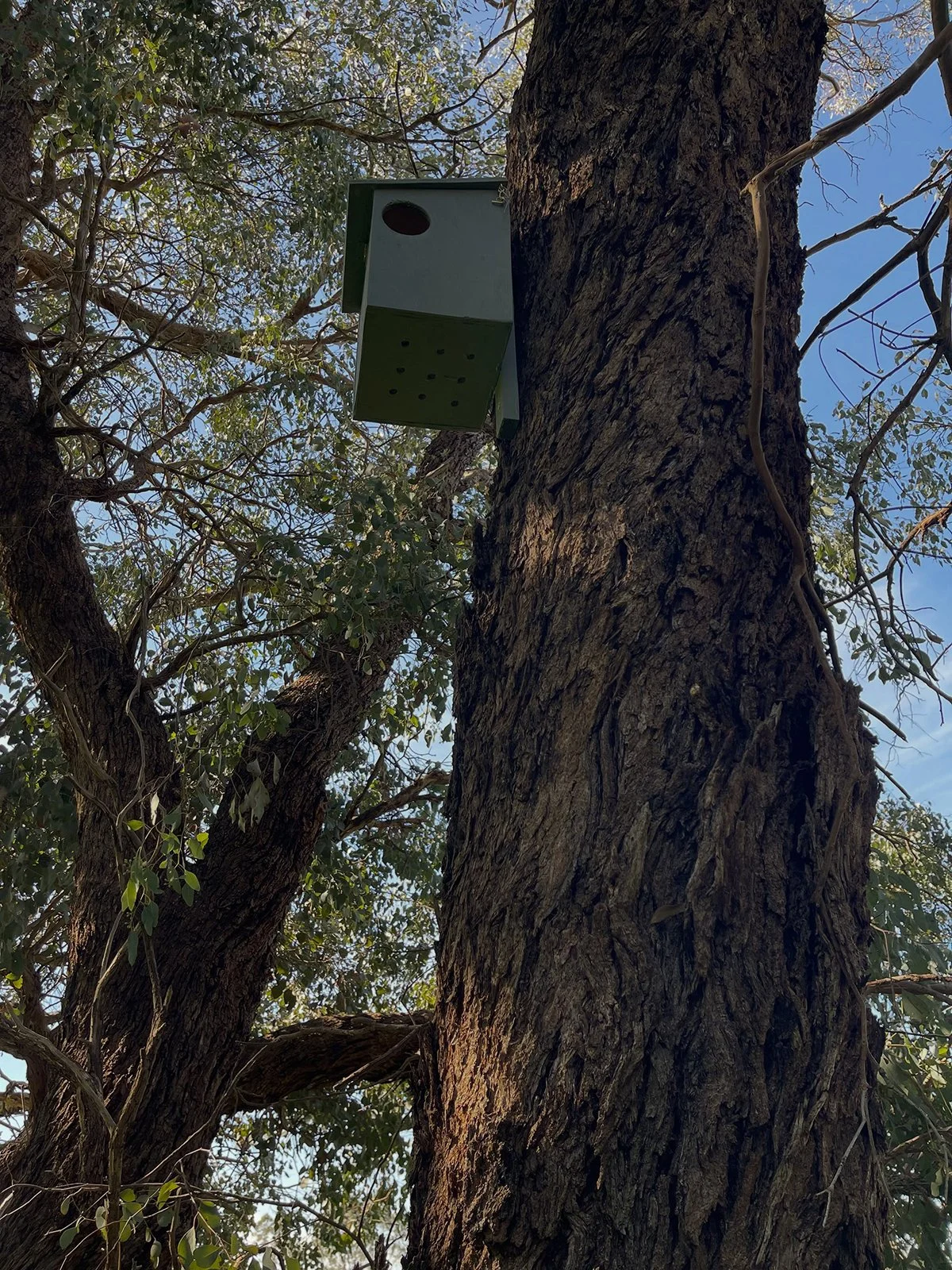
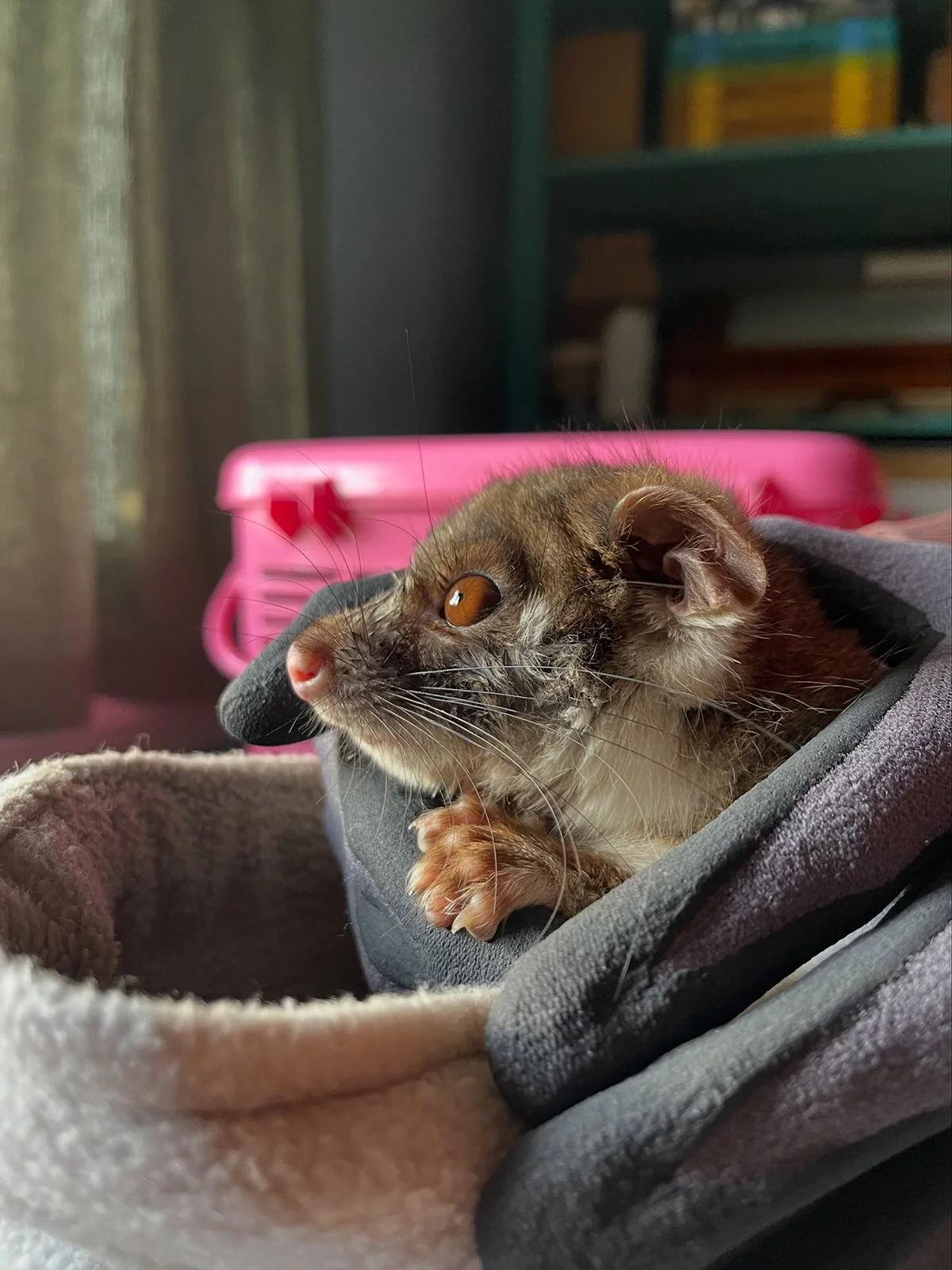
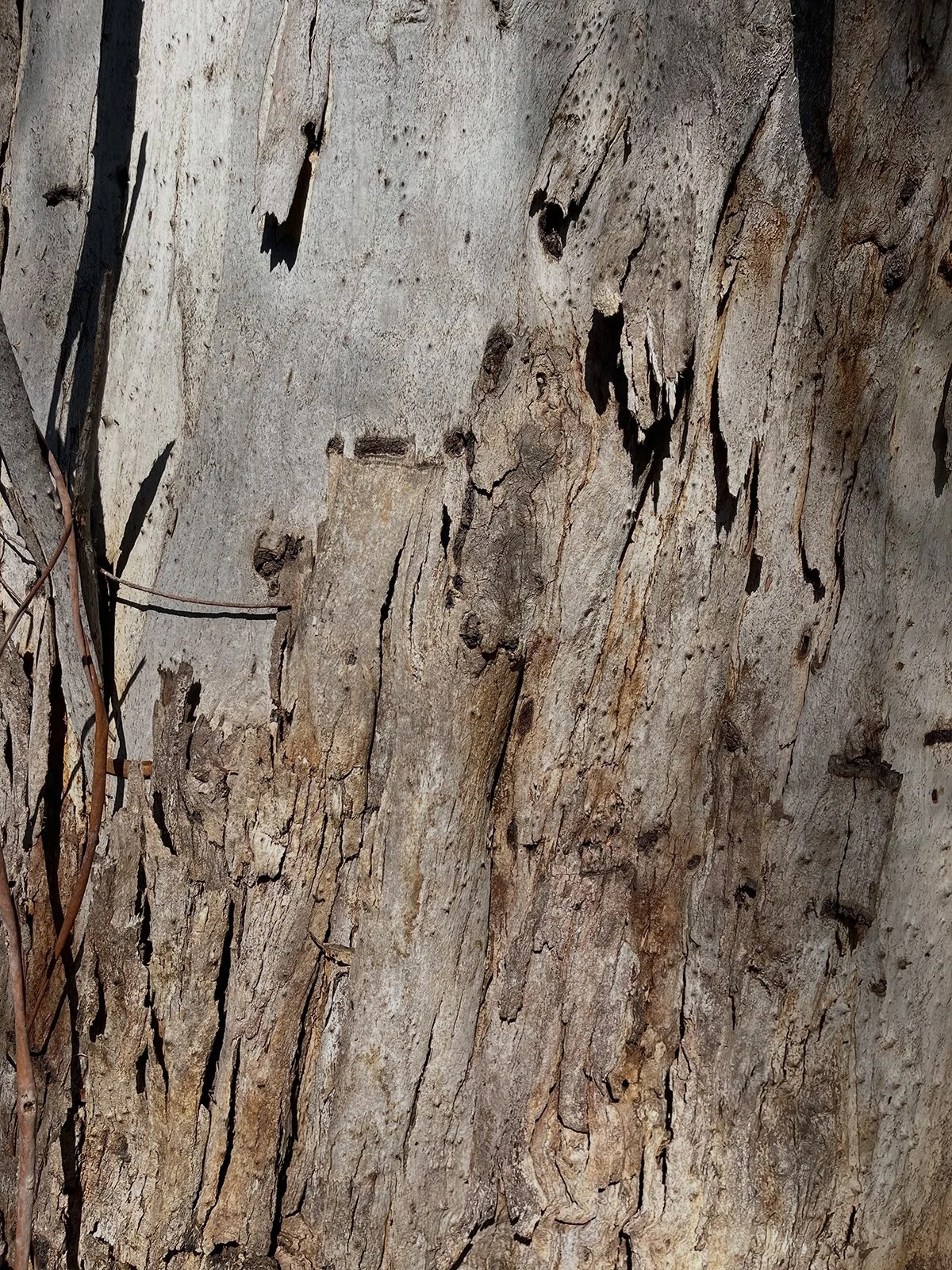
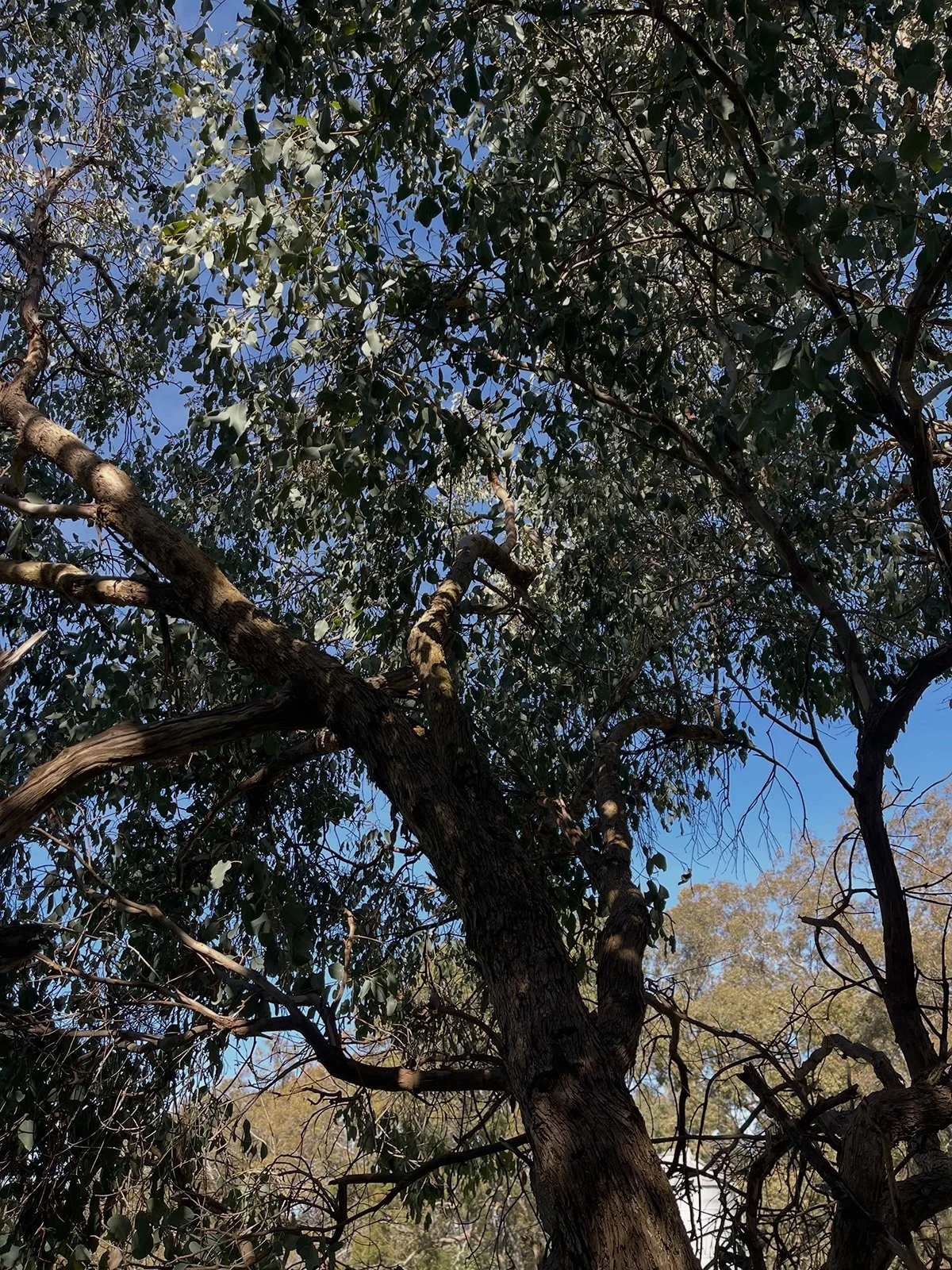
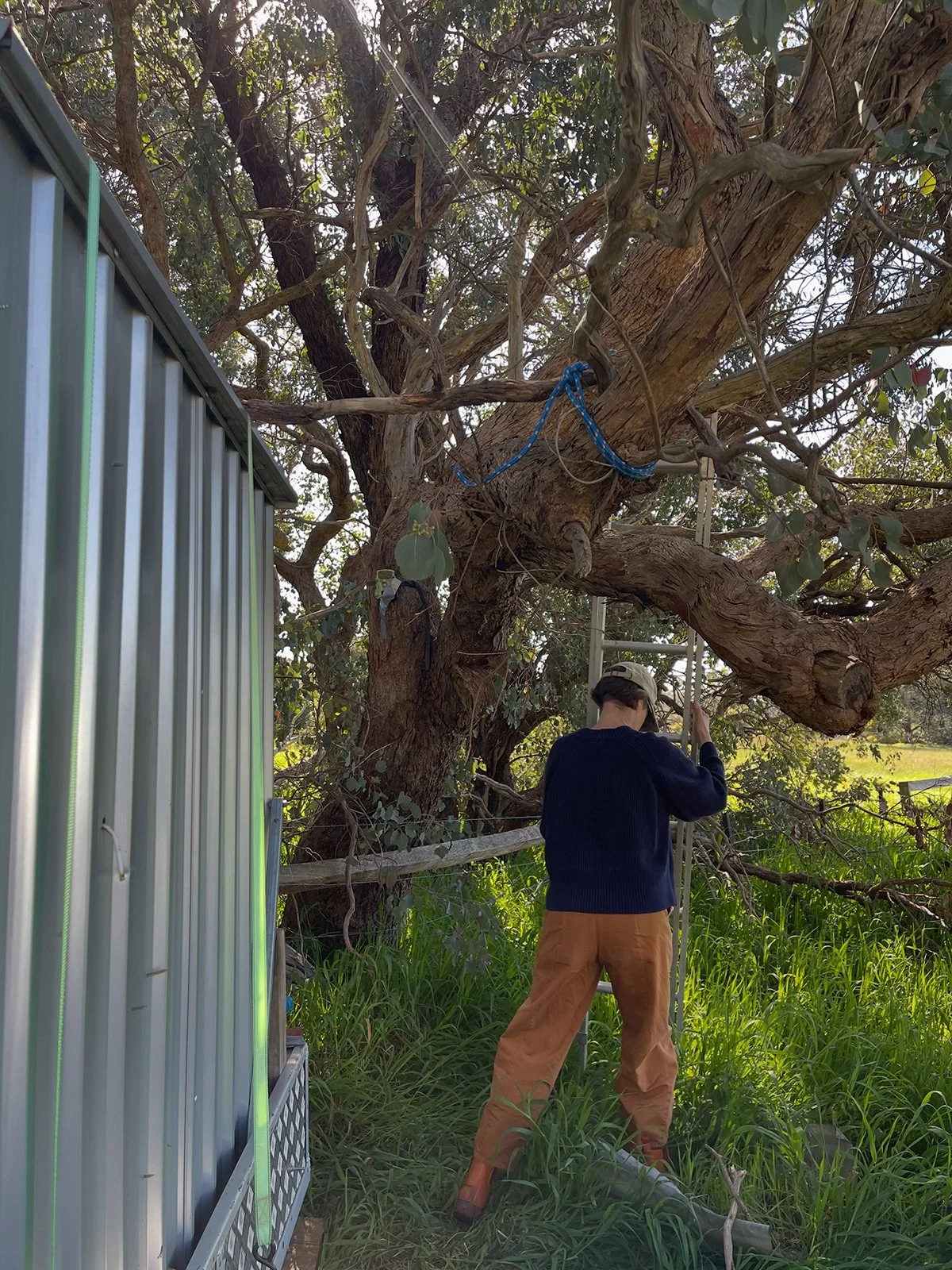
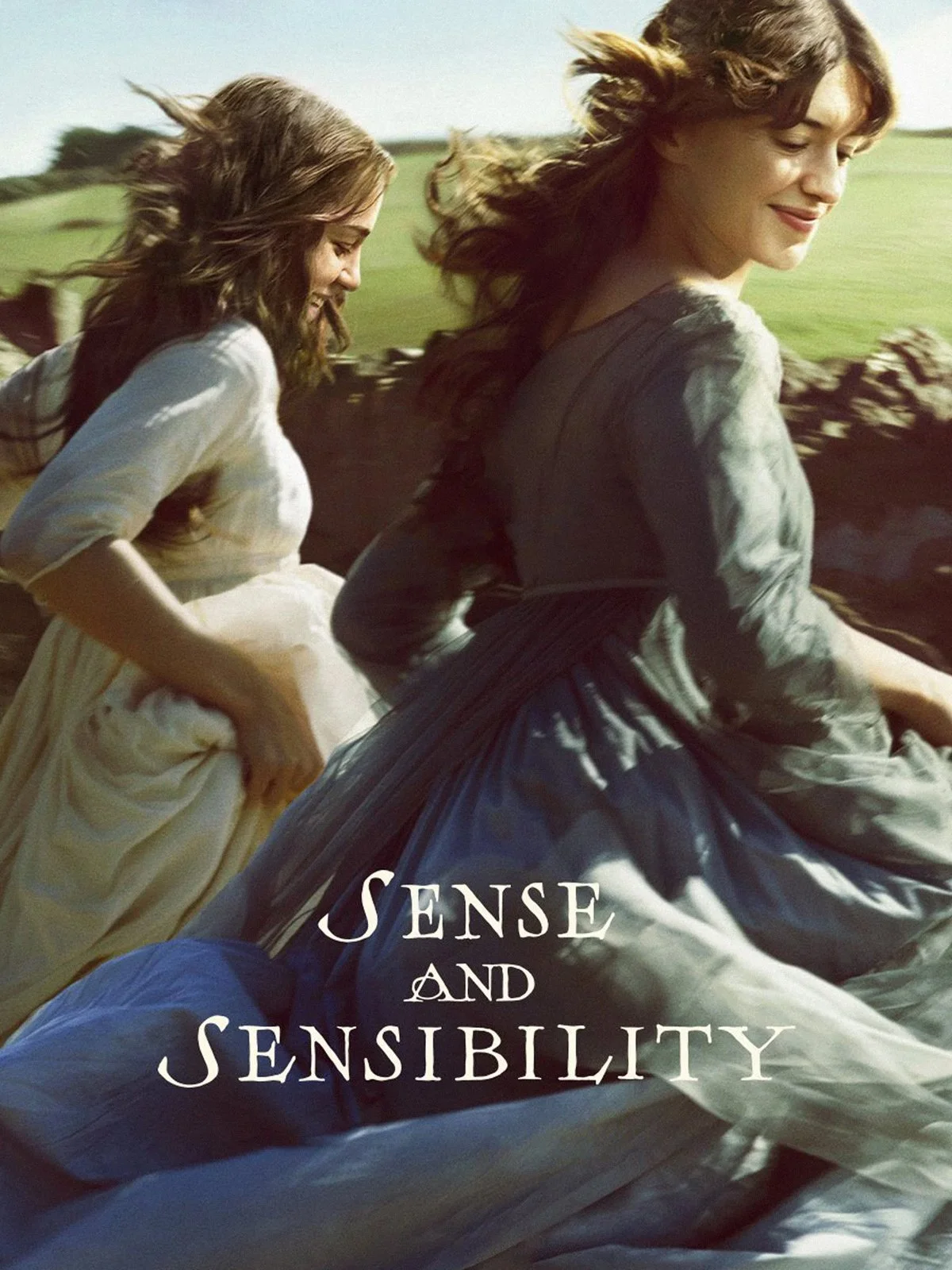
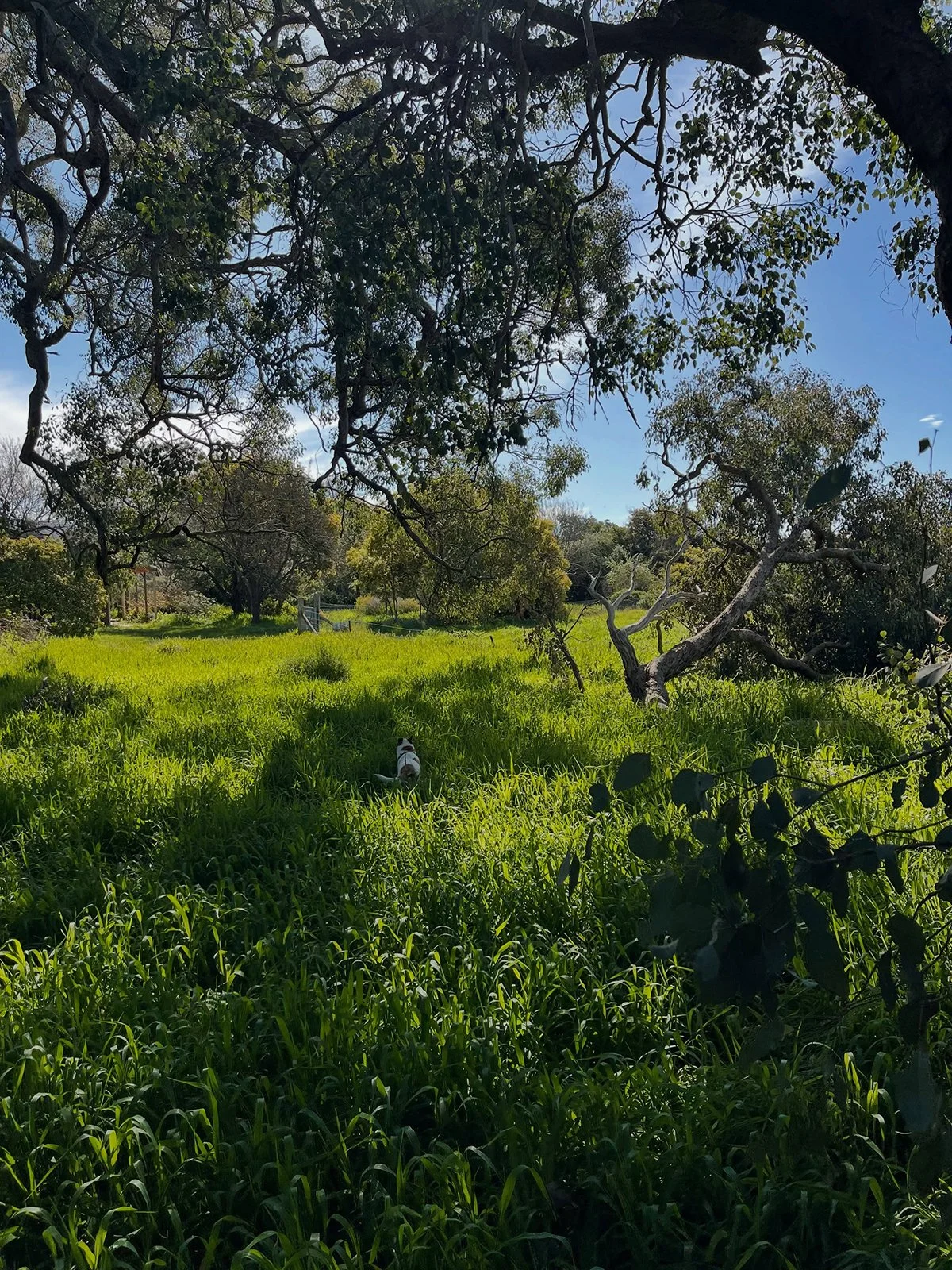
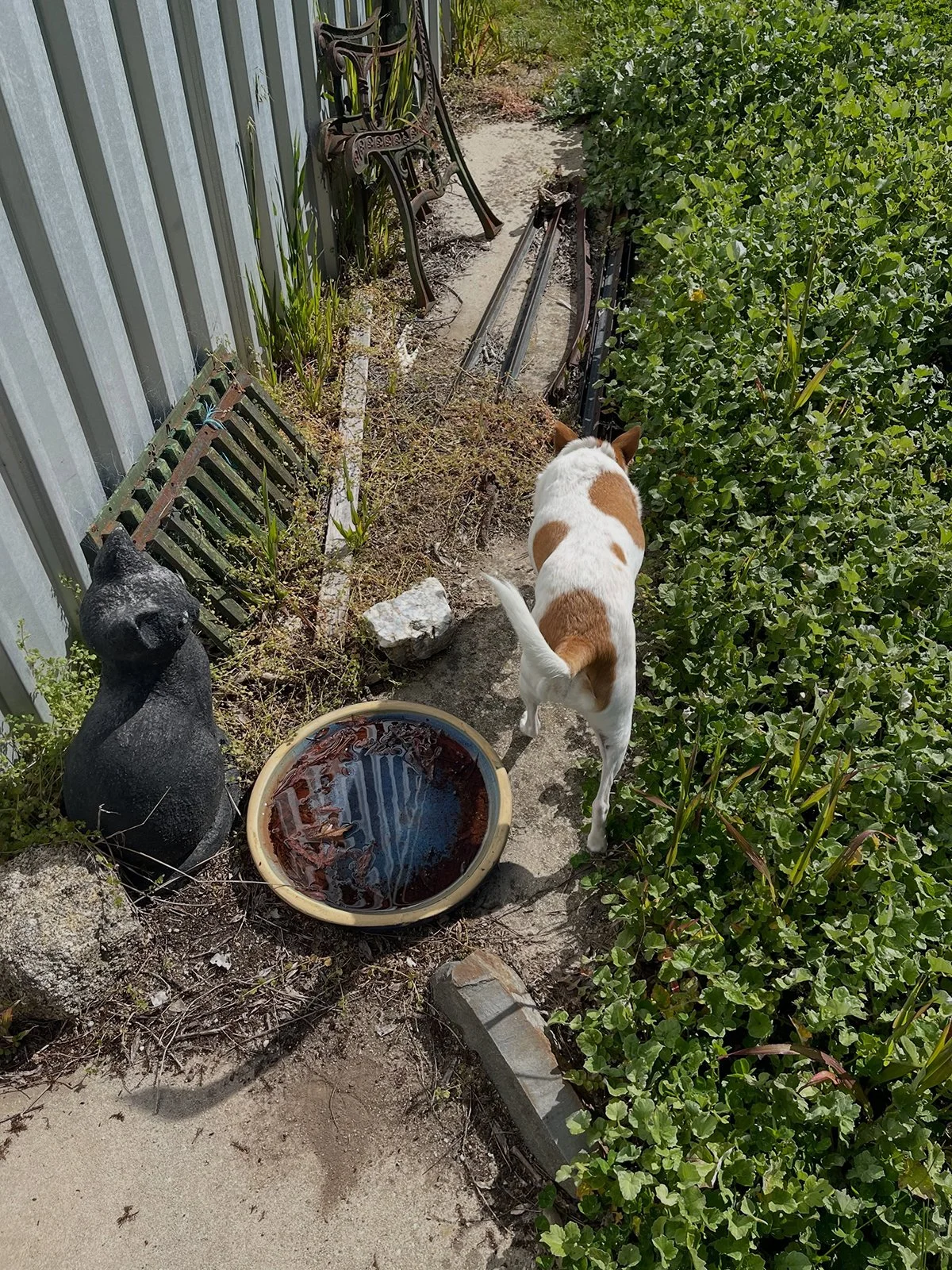
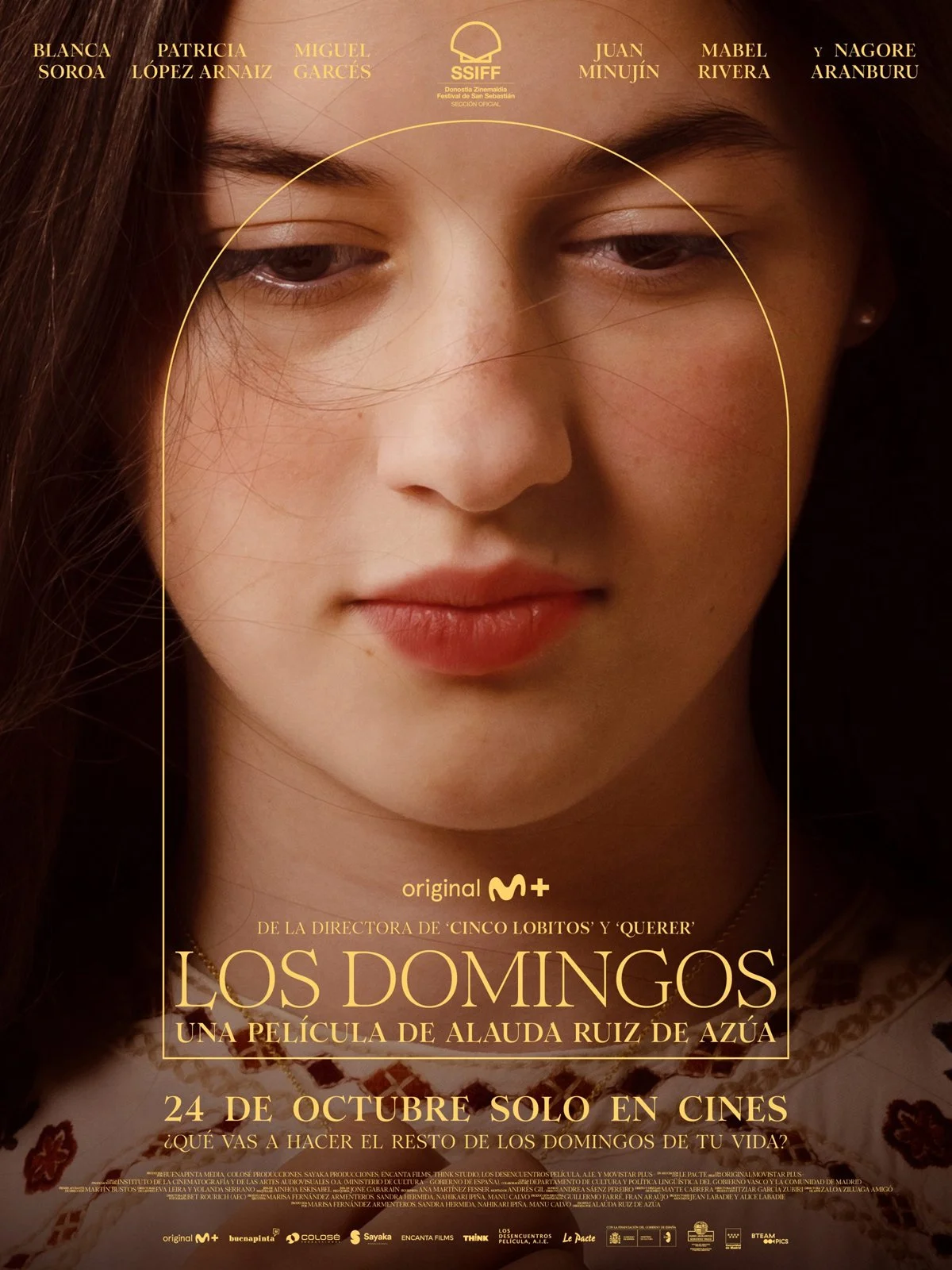
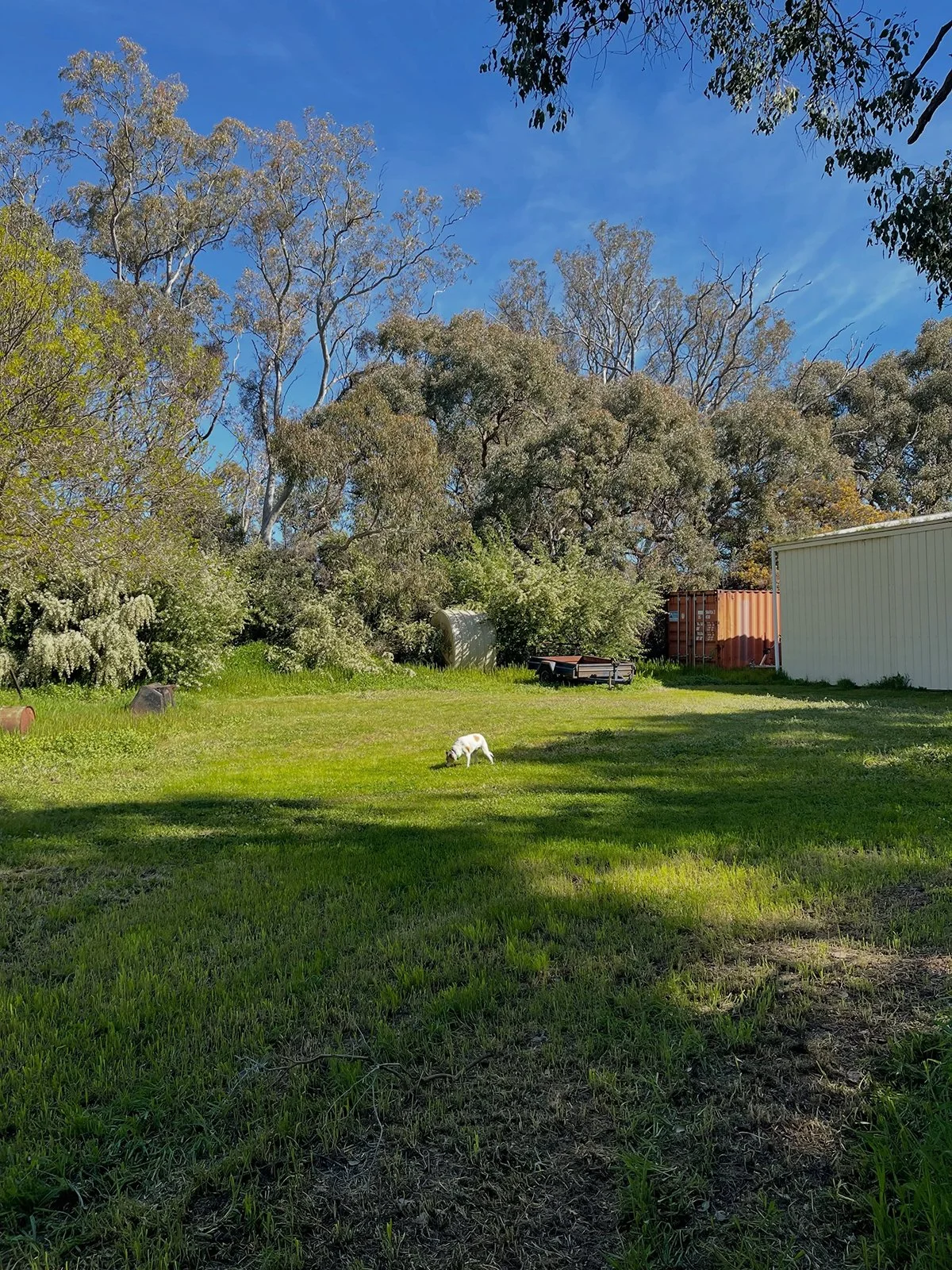
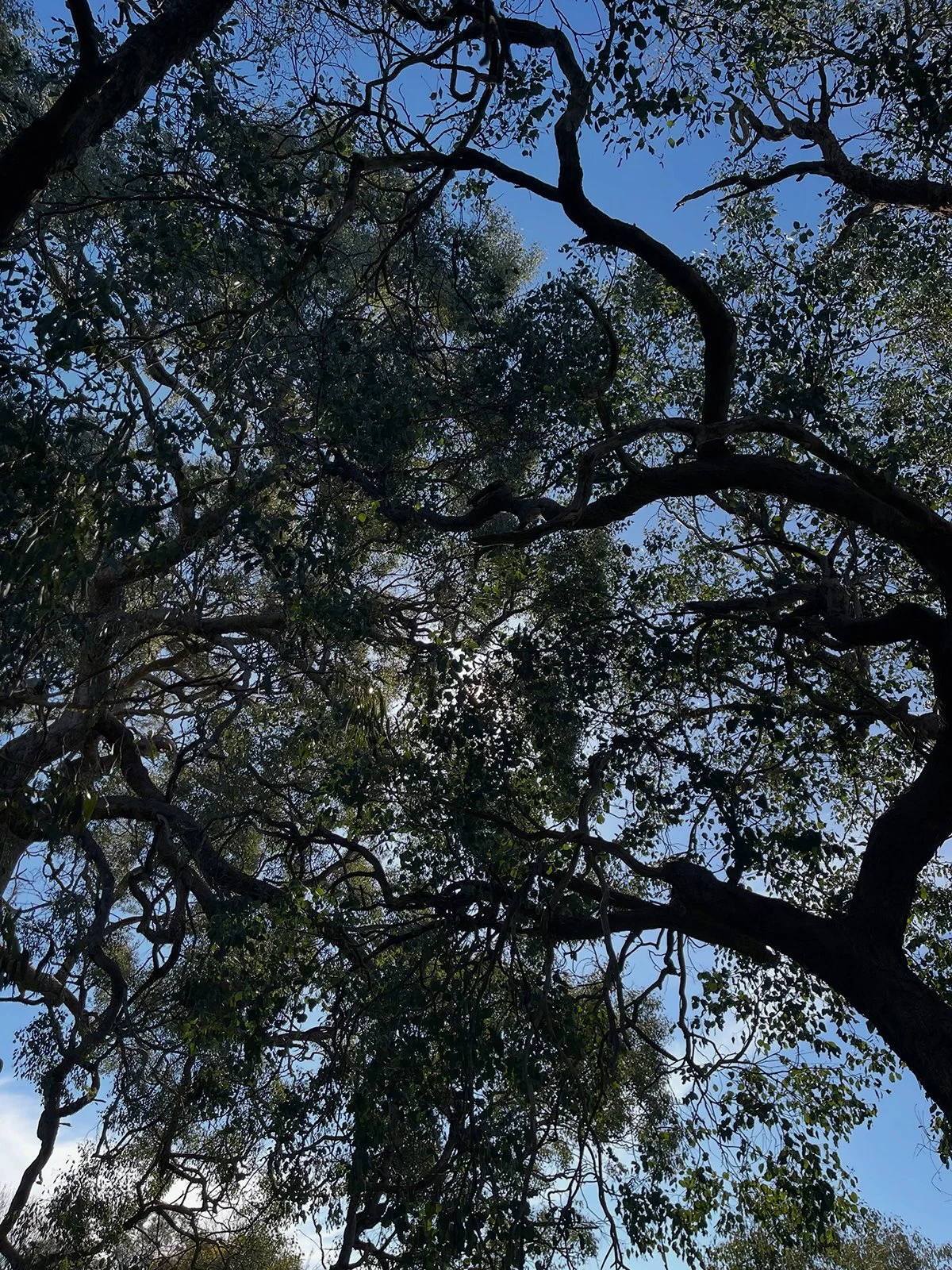
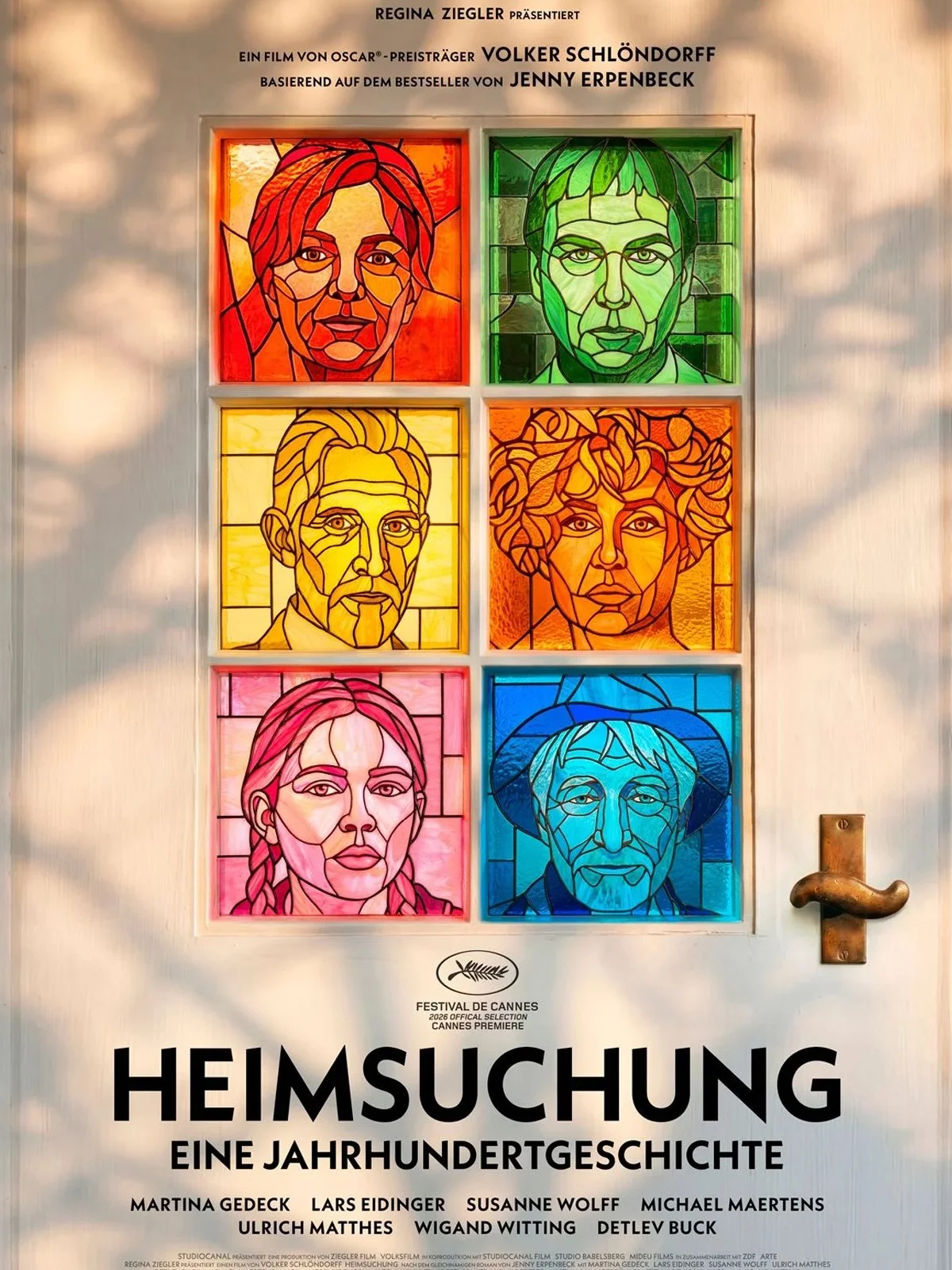
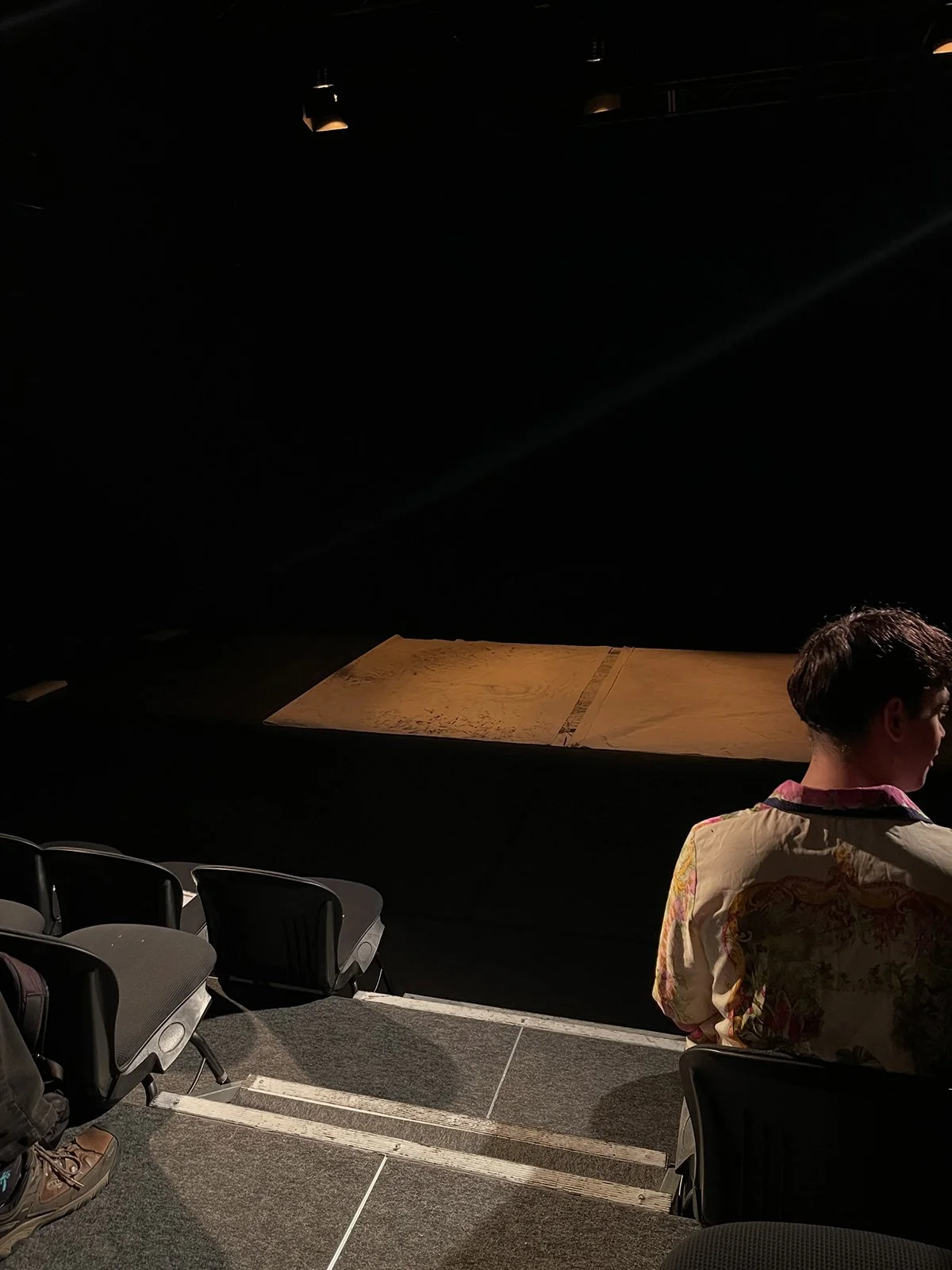
In the continuation of Marginalia, and instagram, as a diary-like spaces, this record of things seen is a chance to see connections in the selection process. October’s tail, as was, meets November’s as is. Alauda Ruiz de Azúa’s Sundays (2025), Georgia Oakley’s Sense and Sensibility (2026), program A of ORBIT at Dancehouse, and a return to the red velvet of The Ian Potter State Theatre naturally sidle up alongside Coco’s canopy. I am thinking about what the world must be like for Coco, as she figures out her path, reading ‘who goes there’ and ‘who went there’. I am thinking about ways in which a house or a theatre or a place is a living conduit through which overlapping human timelines pass. Who sat here the night previous? Who passed by the day before? What about several years ago? Ghostly reminders of an existence featured, in particular, in Volker Schlöndorff’s Visitation (2026). The film, seen as part of a MIFF members screening, references and is directly inspired by Jenny Erpenbeck’s Visitation (Heimsuchung, 2008, English trans. by Susan Bernovsky, 2010), and mapping timelines, thinking about what it is to inhabit a place, to be rooted in place, to build a life, remains a recurring theme.
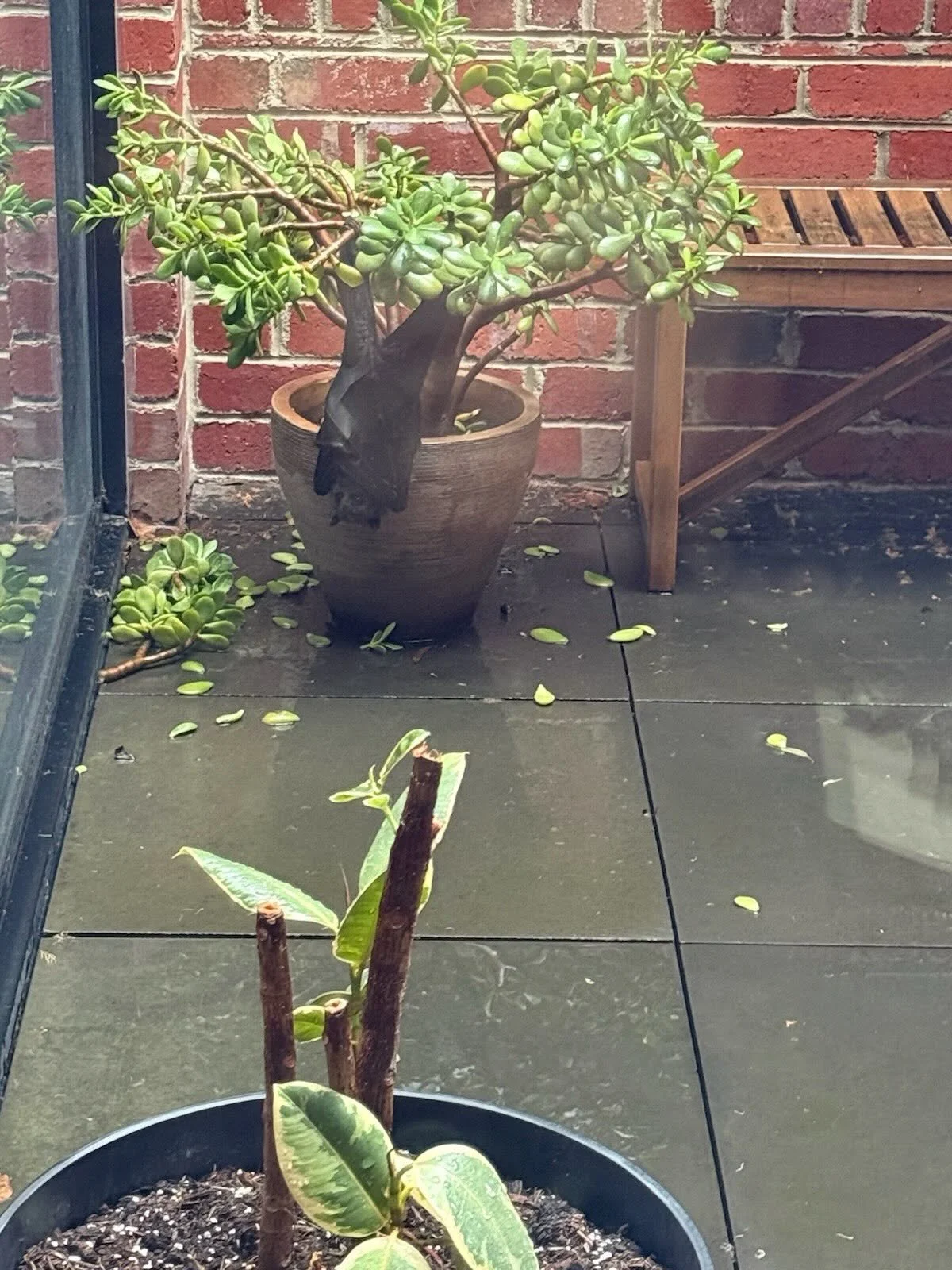
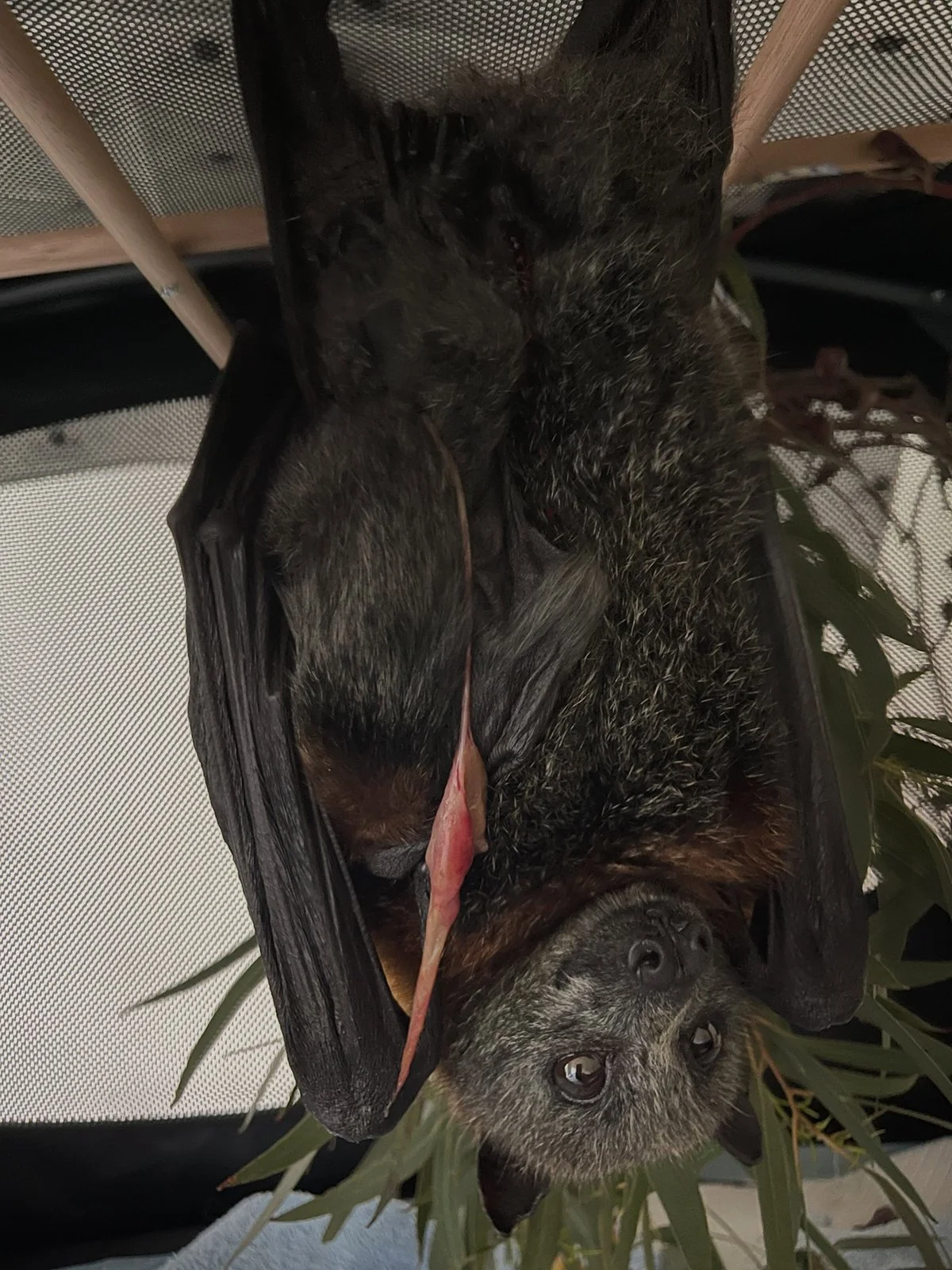
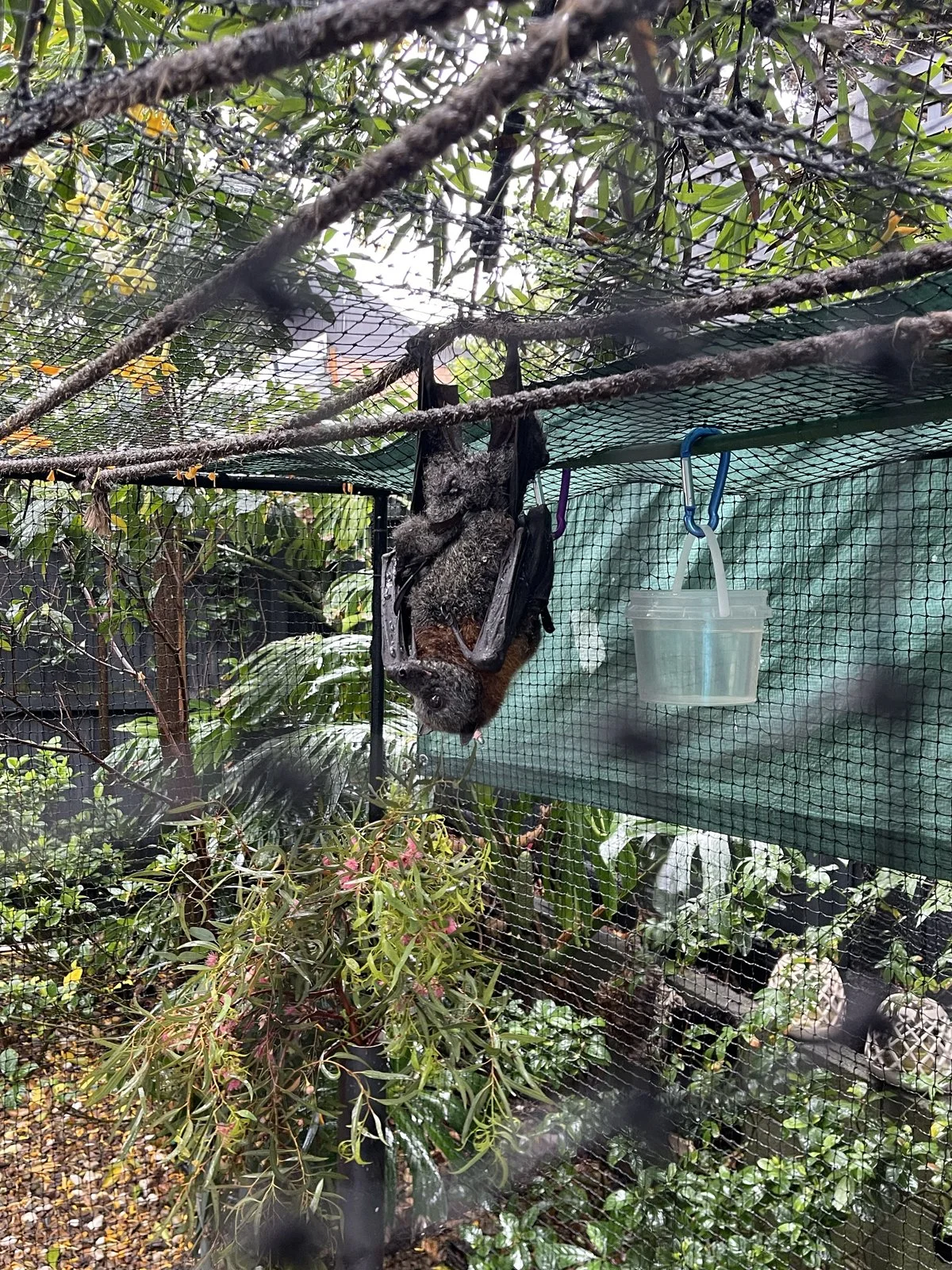
A recent rescue of a Grey-headed flying fox, who had become entrapped in a walled courtyard, revealed that this rescue was in fact a rescue of two. Having spent a rainy, stormy night trying to climb to a higher surface, the female flying fox in question was heavily pregnant. We named her Minuet, for a dance of two. Or Mini for short. She was soaked through. We checked her over for injuries, and ensured she was warm and cosy, giving her time to recover from her ordeal, and, not long after, a delightful sight Or rather, a delightful sound, first of all. A short, immediate series of little squeaks! And voila! A healthy pup, with impressive big feet all the better to grow into, and an instinct to signal, ‘I’m here’, as they fastened themselves into position.
Mini and her pup are now in care with Bev Brown at Bat Rescue Bayside.
(Rescue photos, below, shared with permission from the Member of the Public who called the case into Wildlife Victoria. Our pics of Mini and her pup are zoomed in captures, taken from outside of her mesh enclosure. Mini and her Squeak, have since moved into an outdoor enclosure, and continue to flourish.)
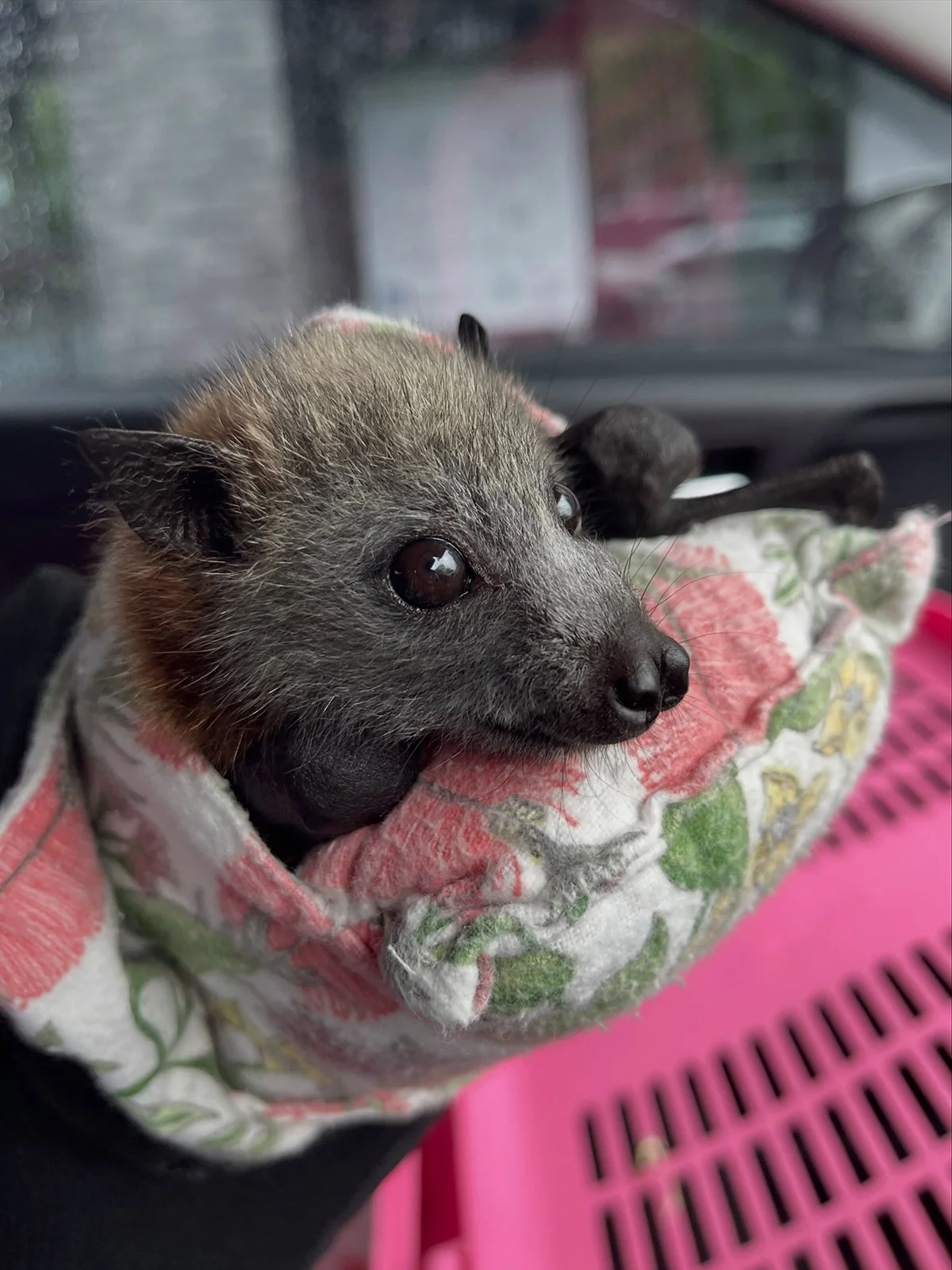
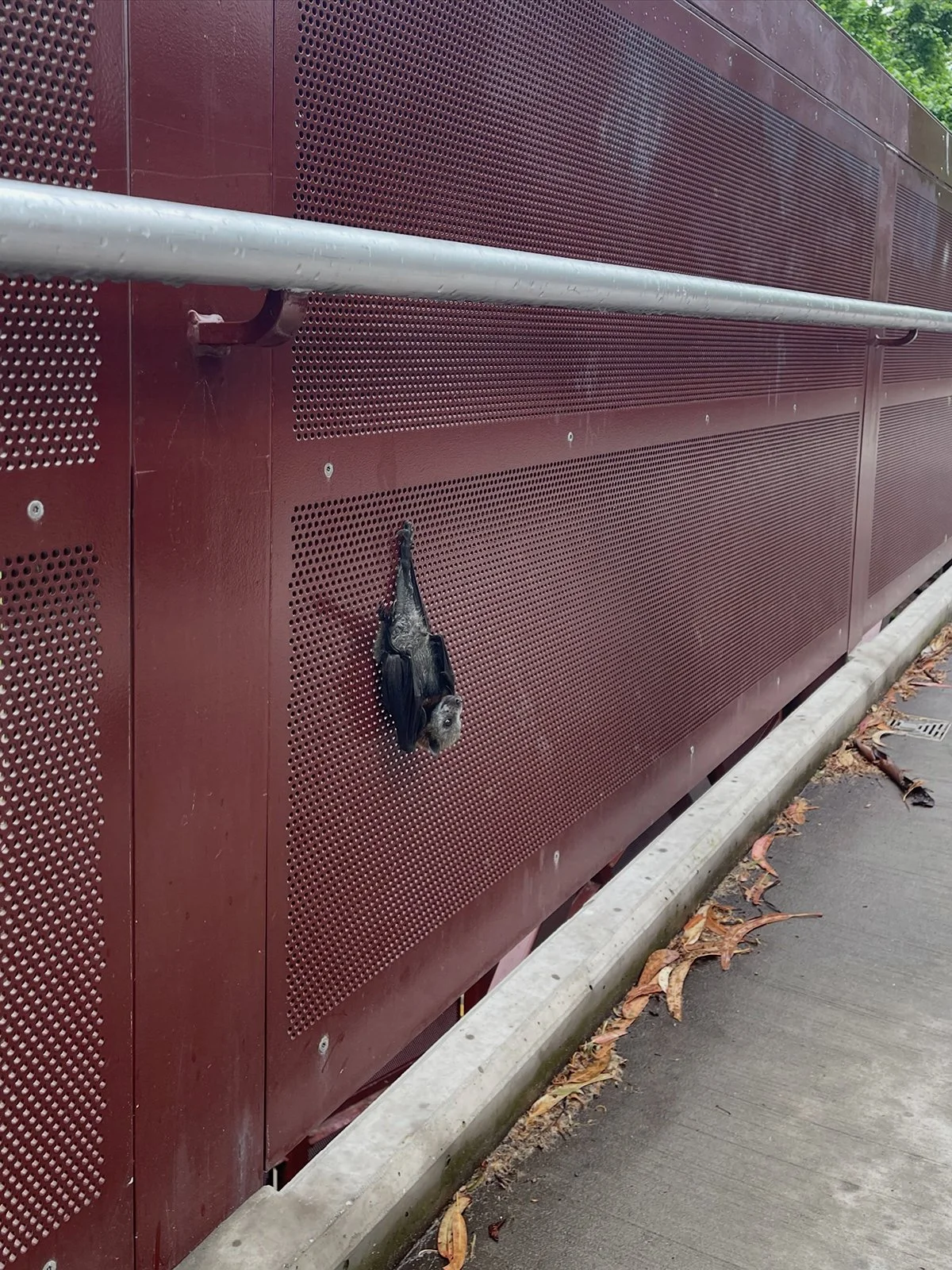
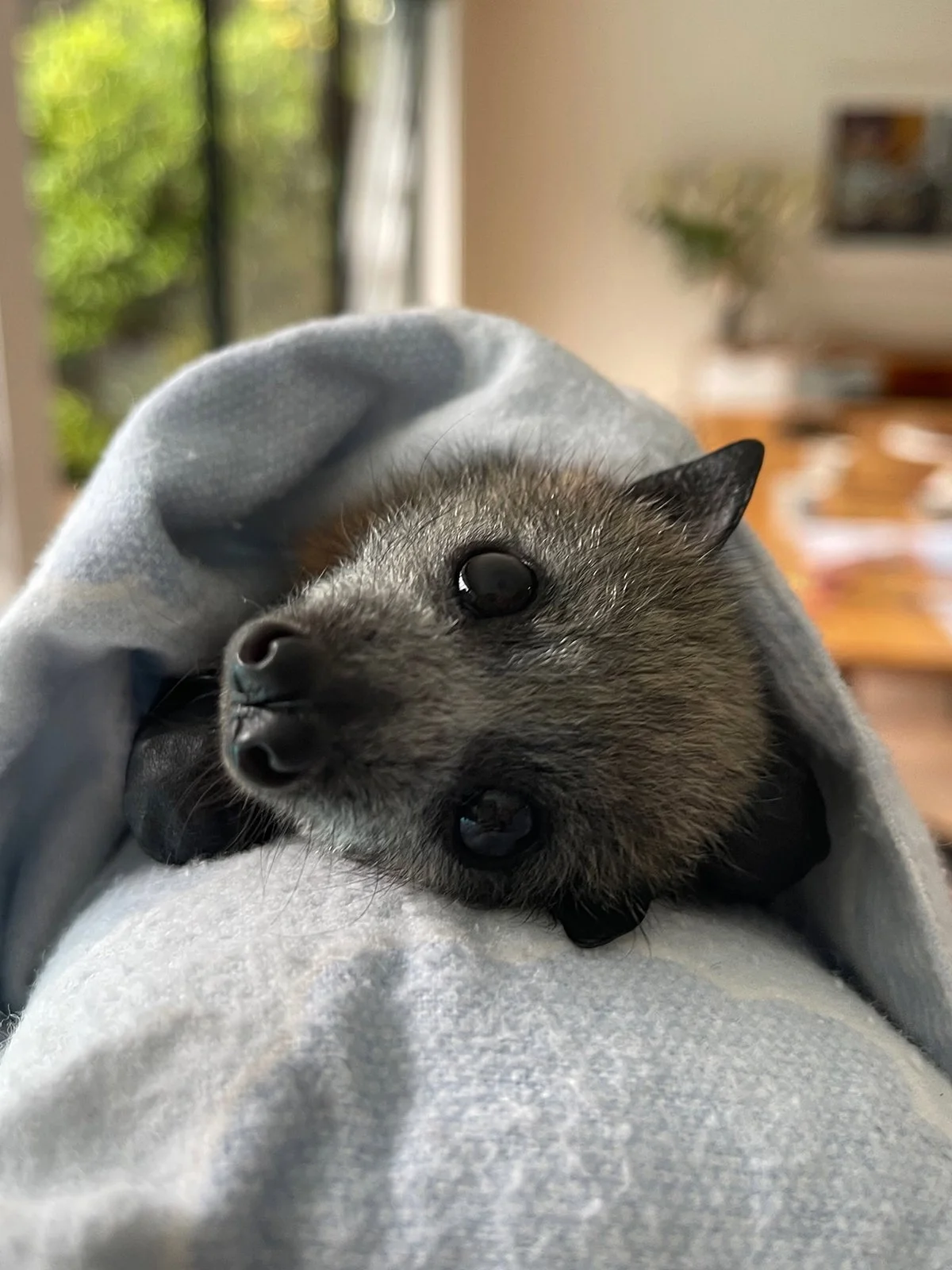
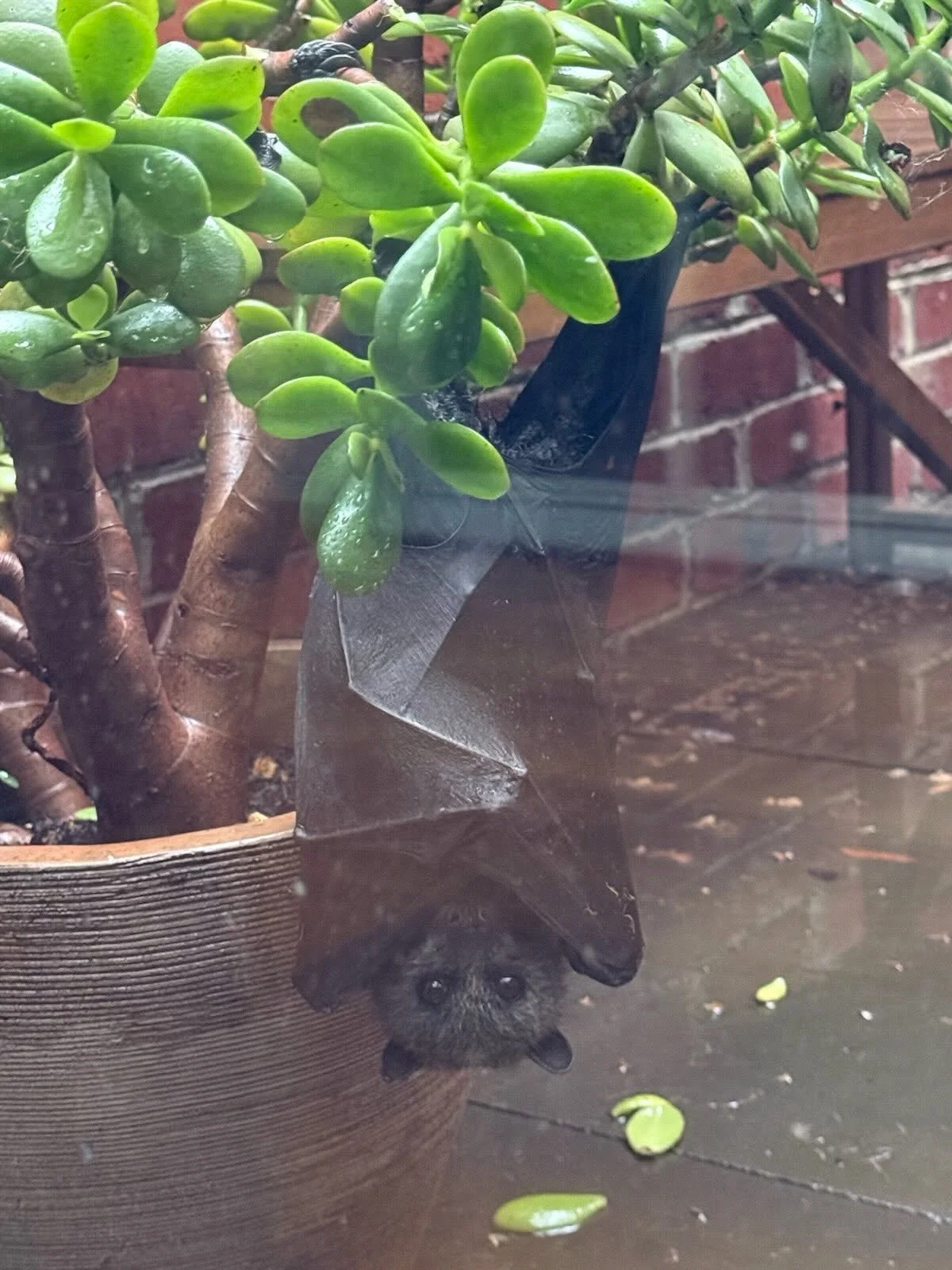
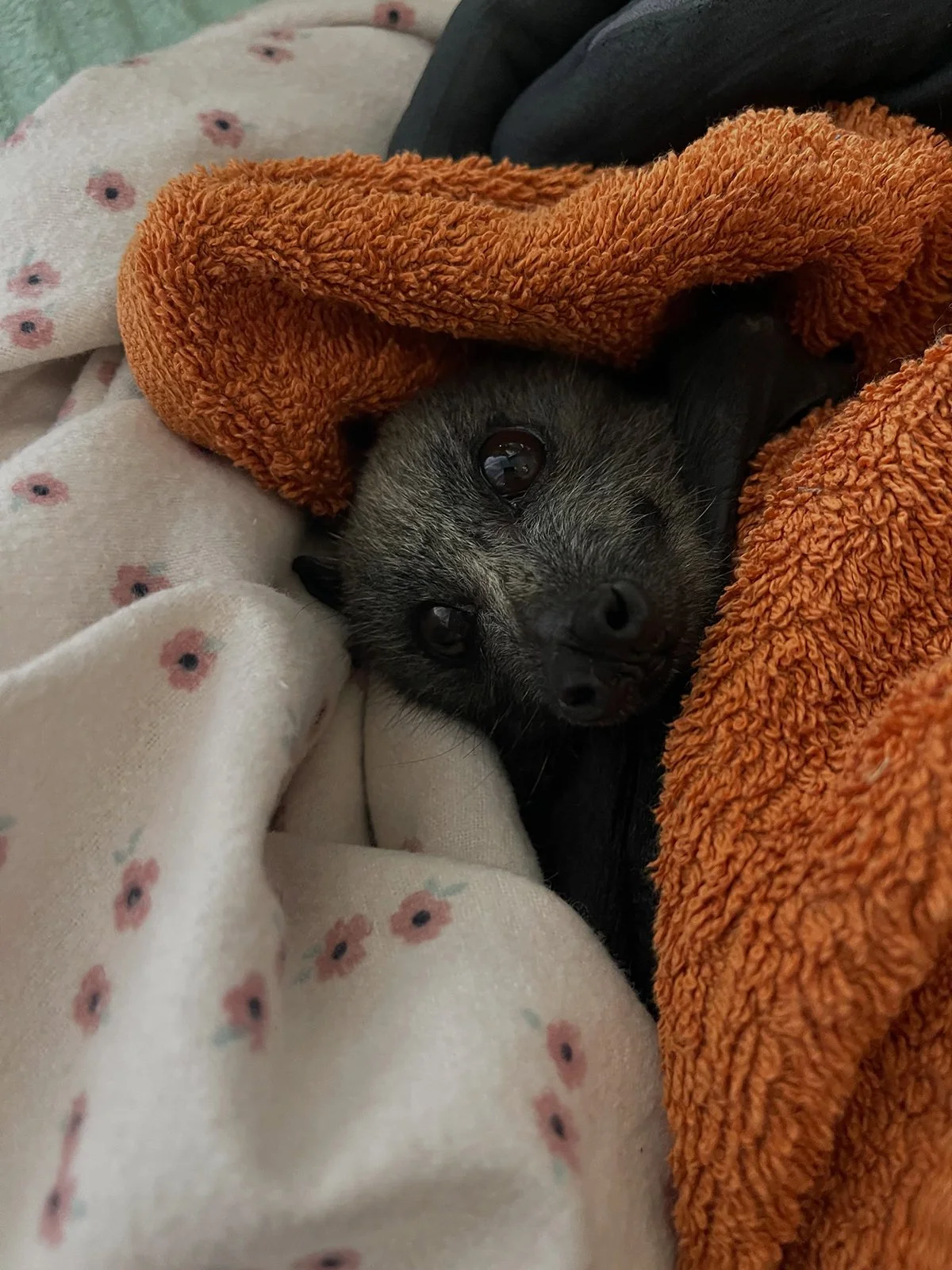
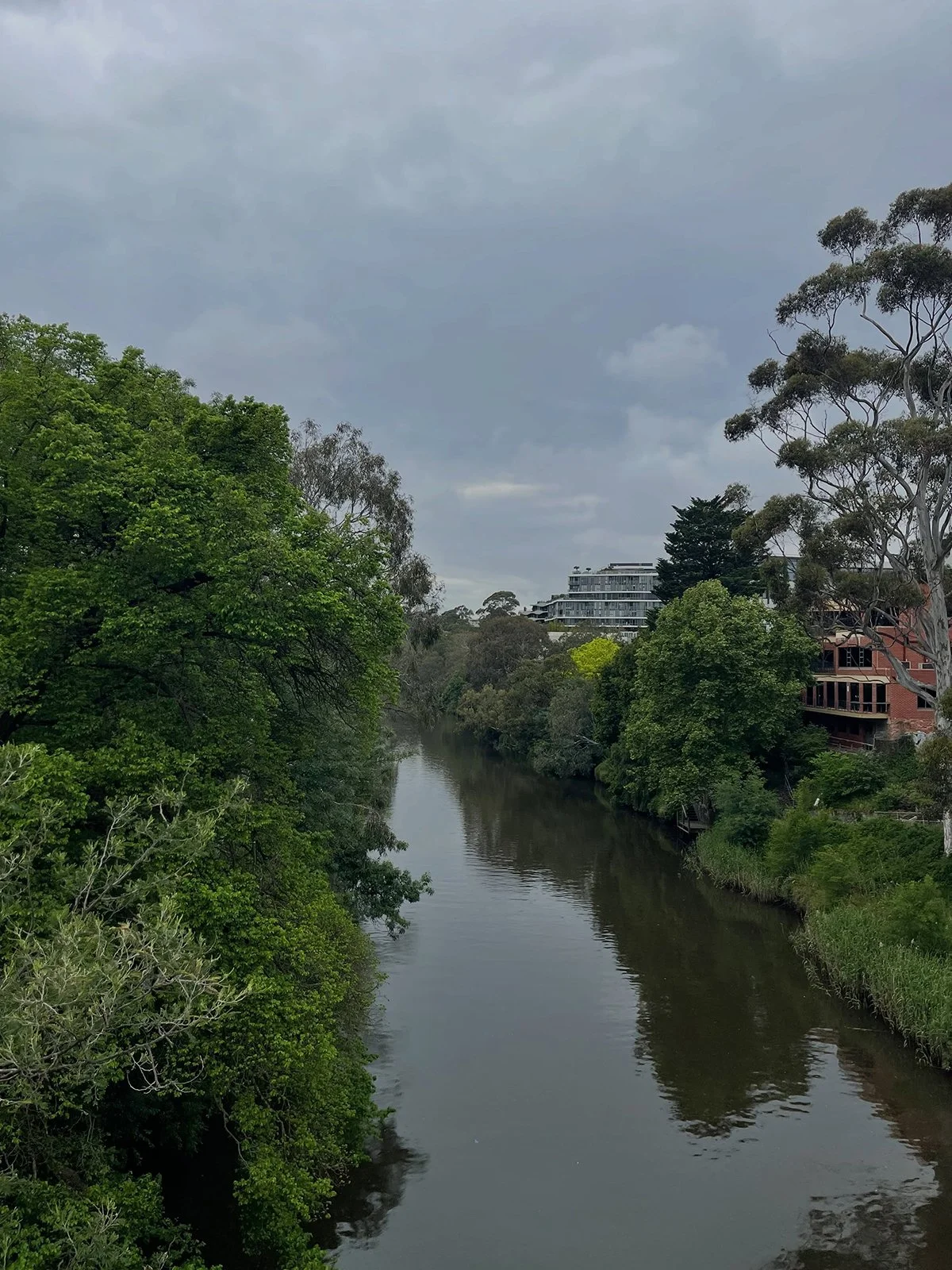
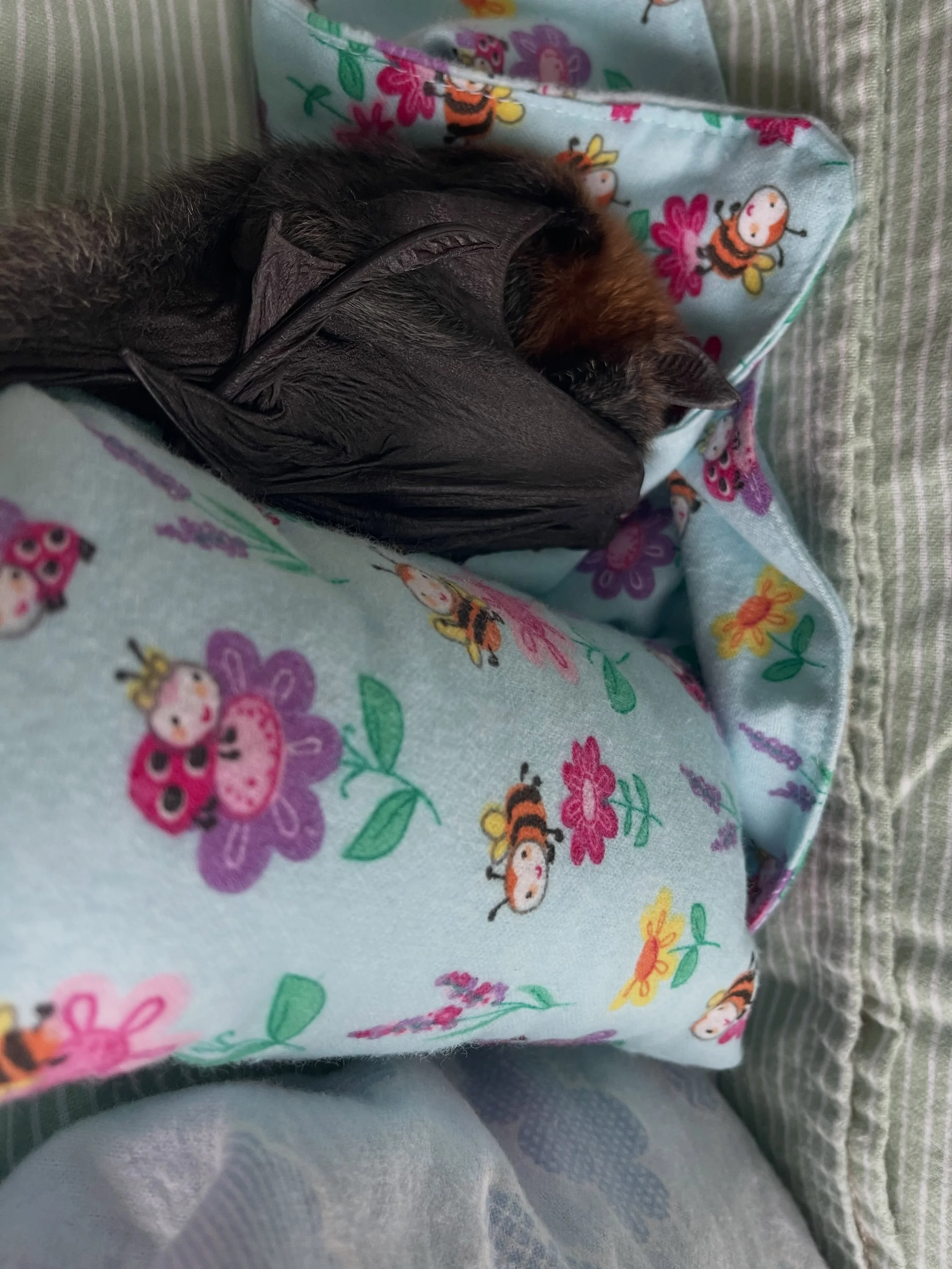
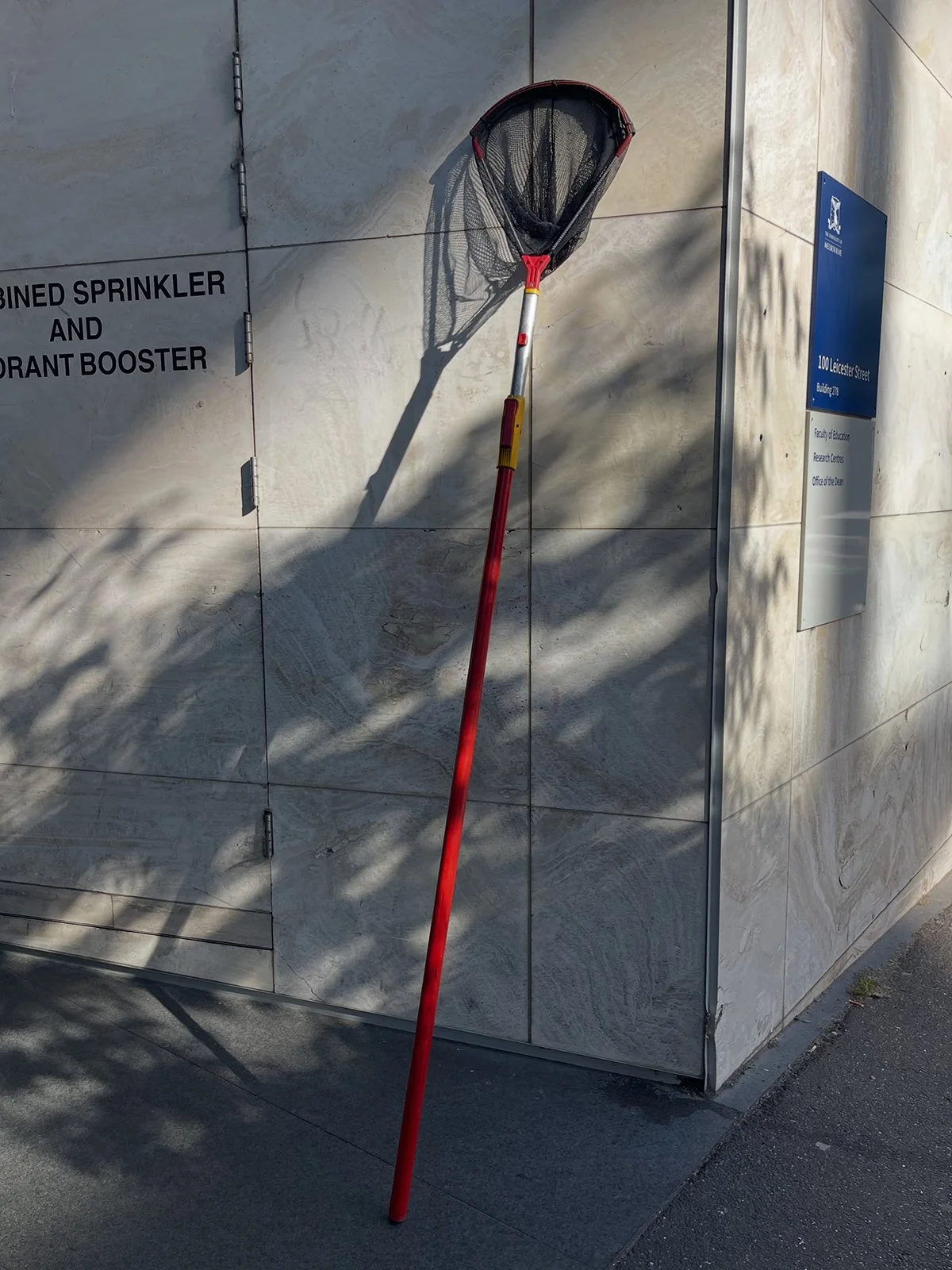
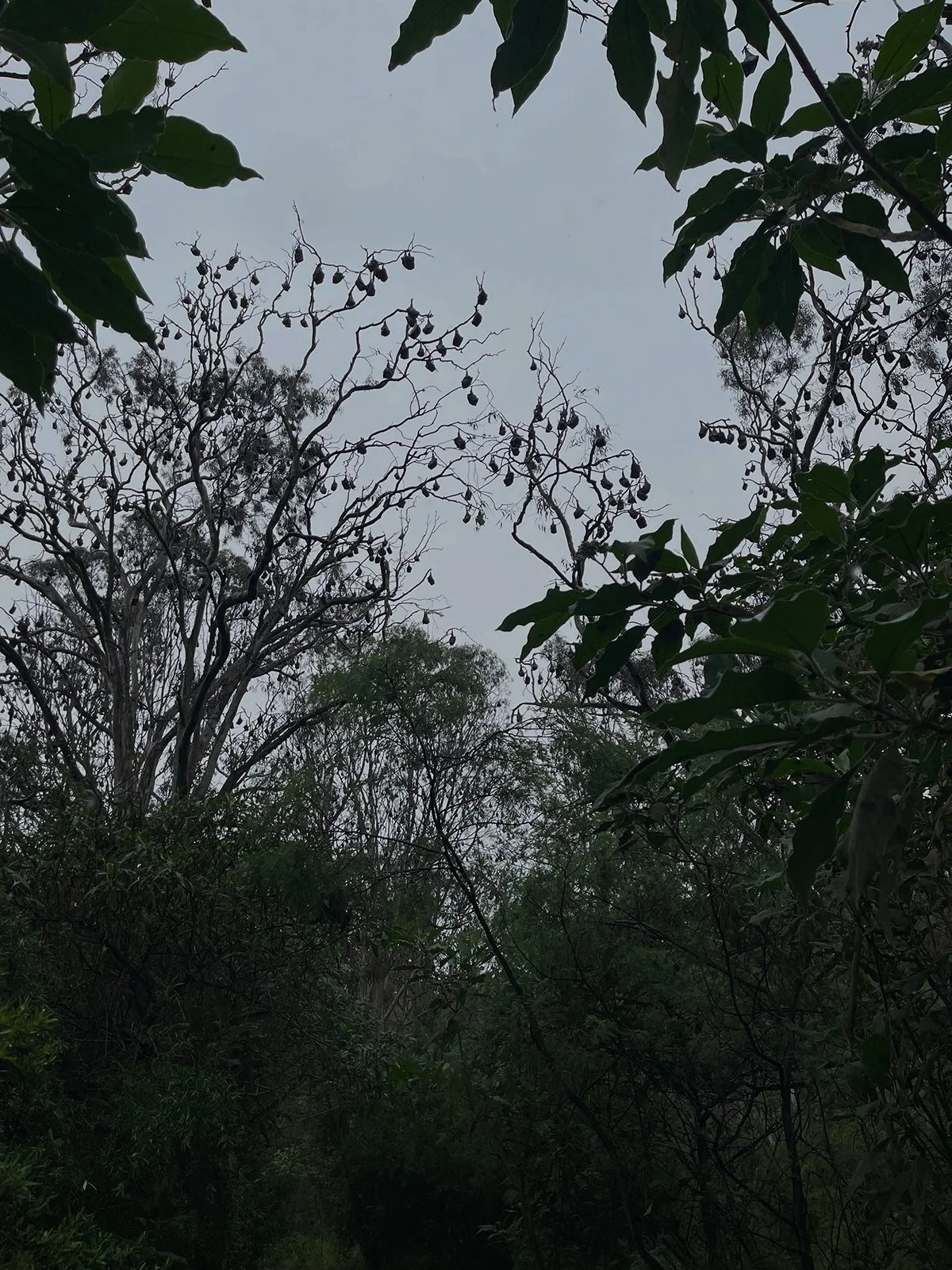
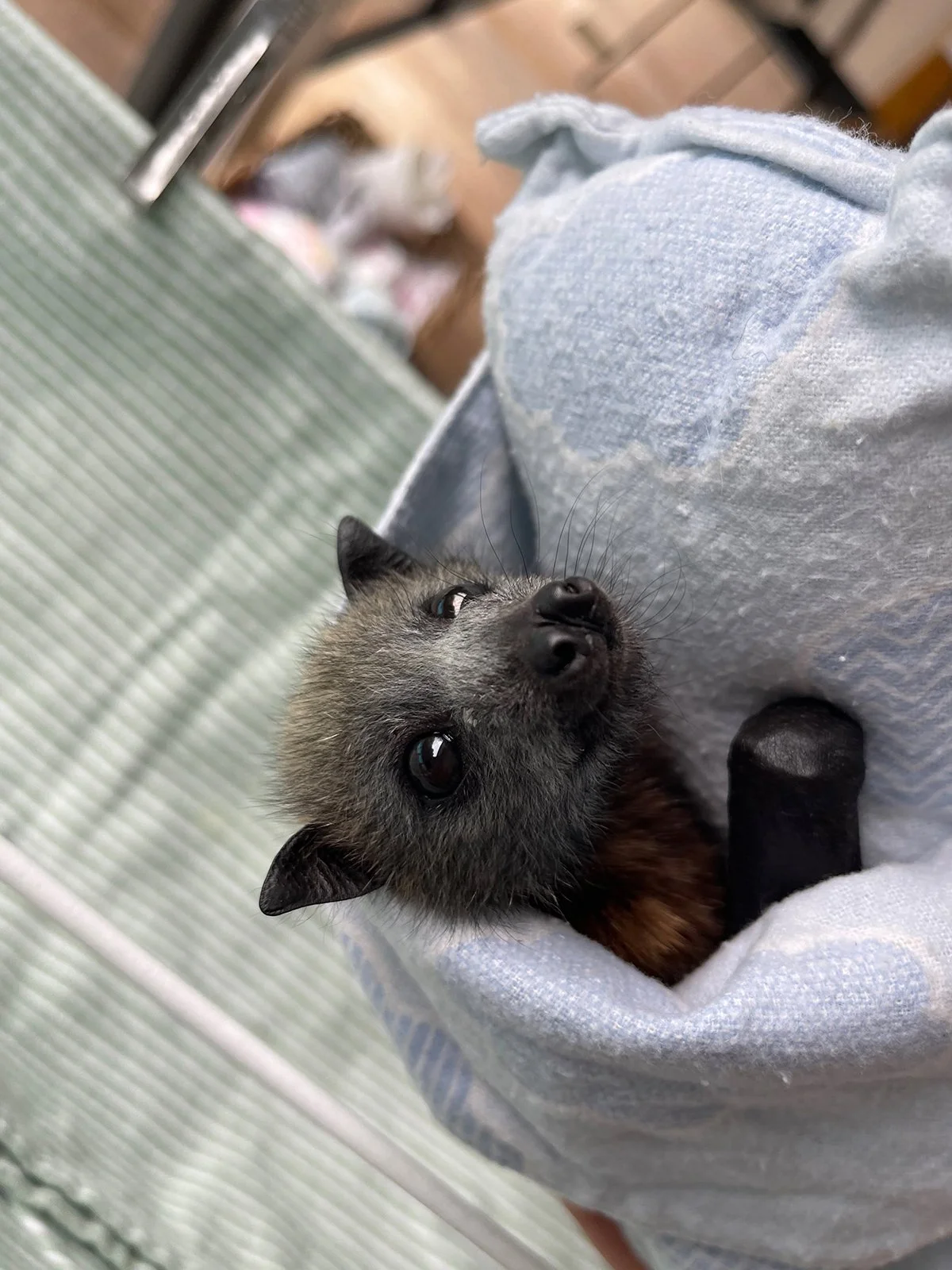
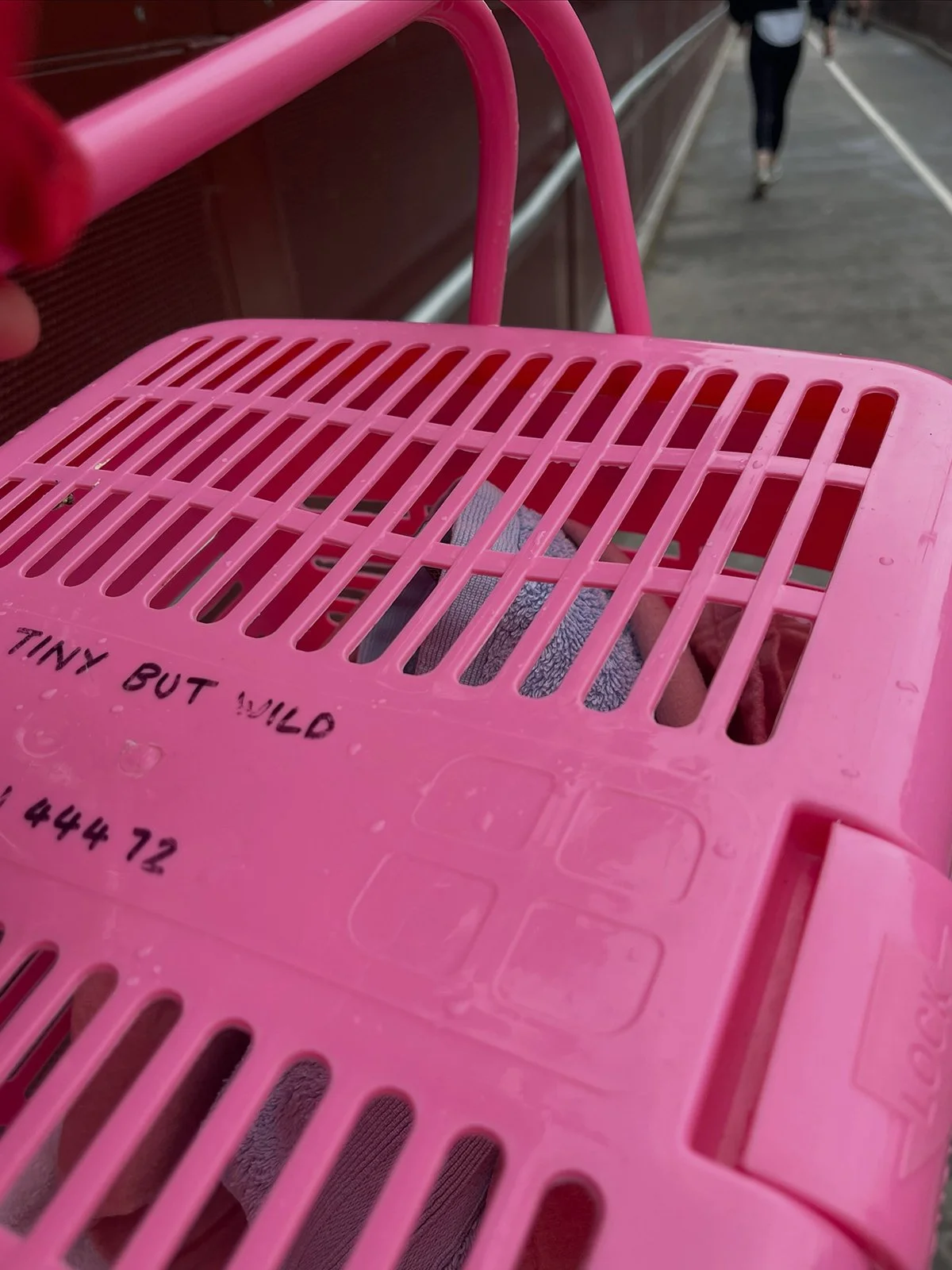
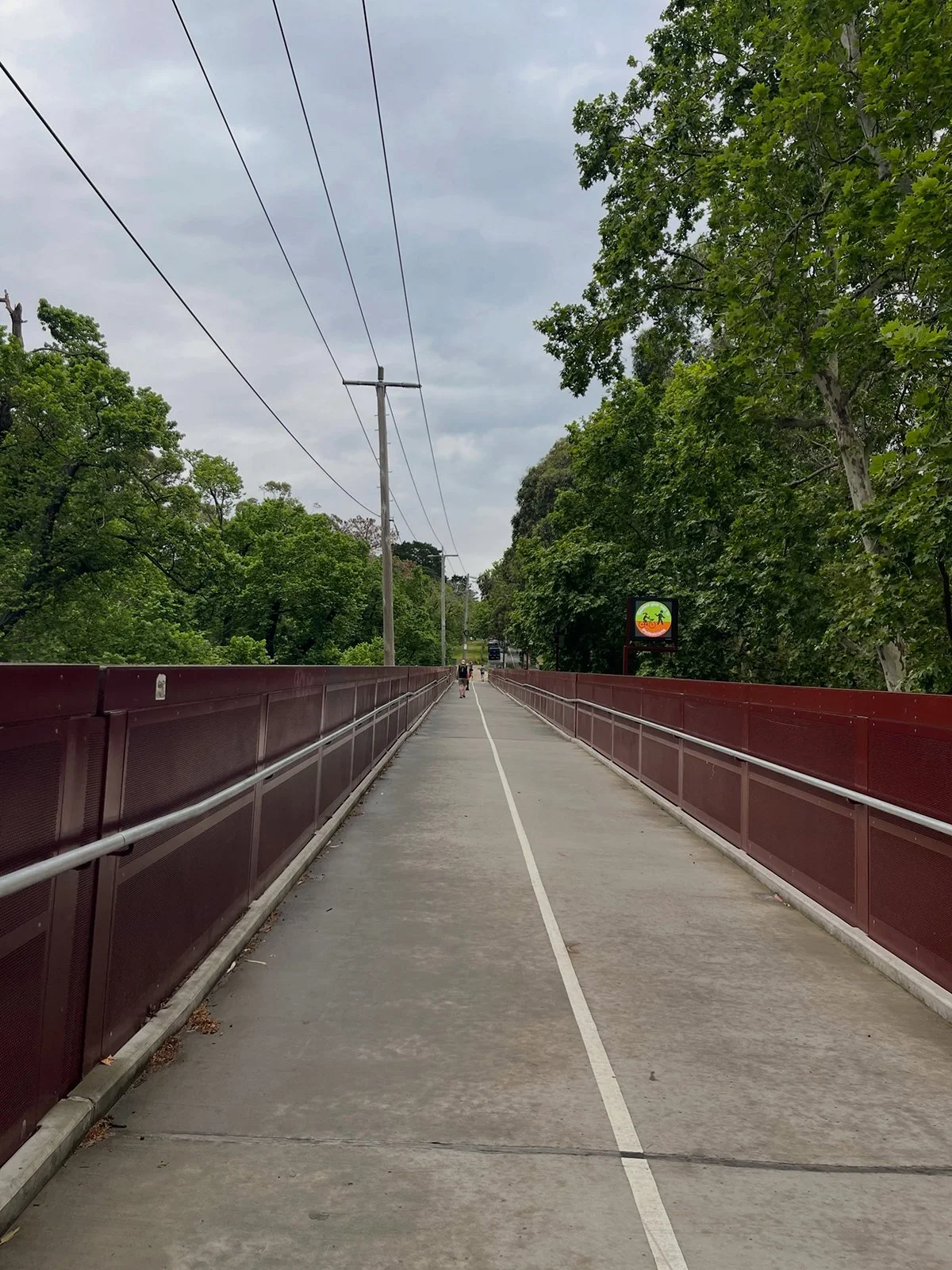
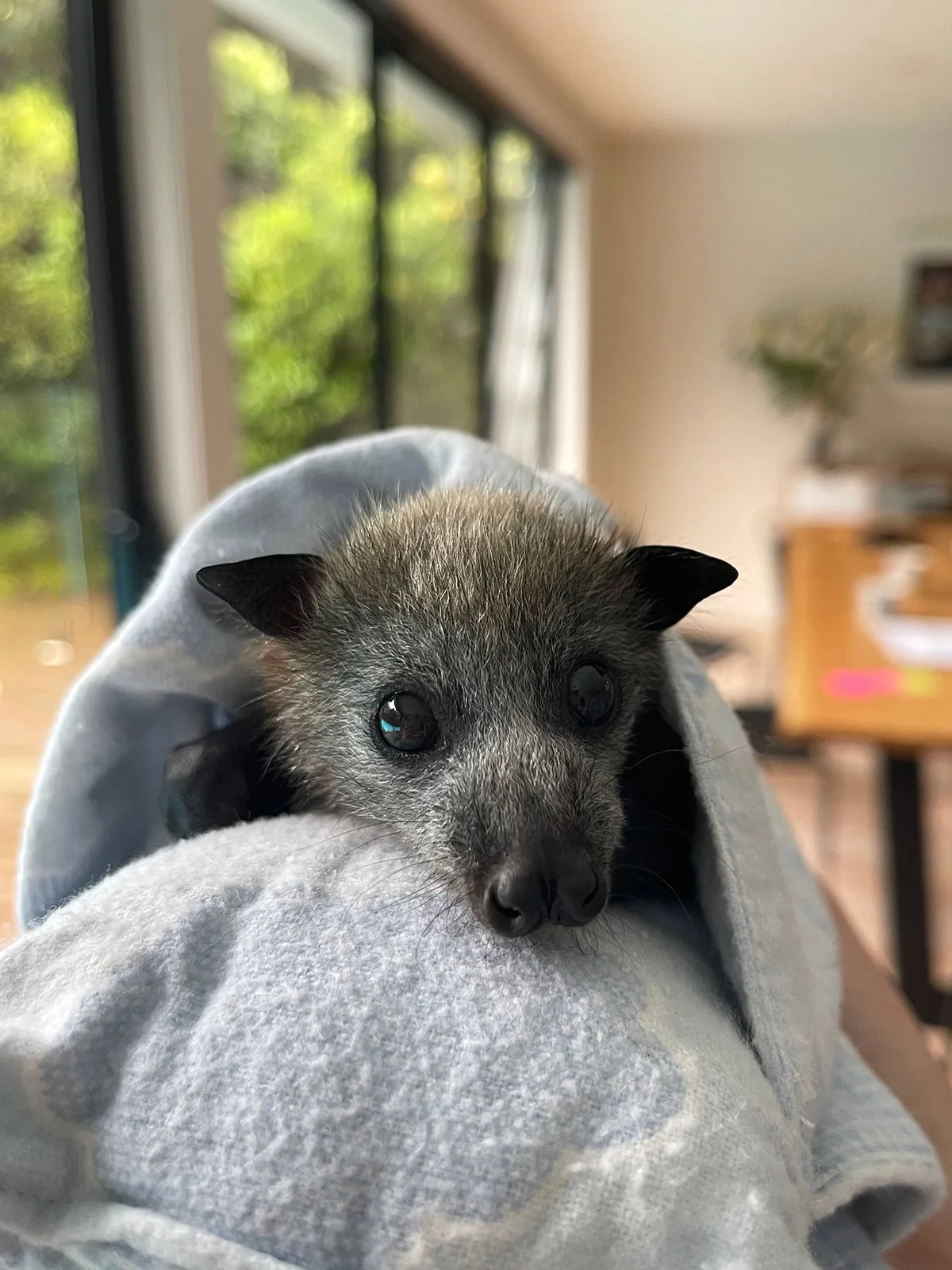
Joining Mini and Squeak at Bat Rescue Bayside (@bat_rescue_bayside) is a juvenile Grey-headed flying fox pup who was spotted alone, early one morning, on a bridge. A small group of people stood watch over the pup, to ensure he remained safe until we could get there to help.
Once the little fellow was stable, we took him over to be buddied up with another pup of the same age, and so, in keeping with the Peanuts theme, joining Charlie, he became Linus, a recent Tiny but Wild rescue for Wildlife Victoria. A five-week-old pup, he was cold and exhausted at the rescue site, and warm and cosy now. The wonderful circle of people looking out and caring for wildlife fills us with hope.
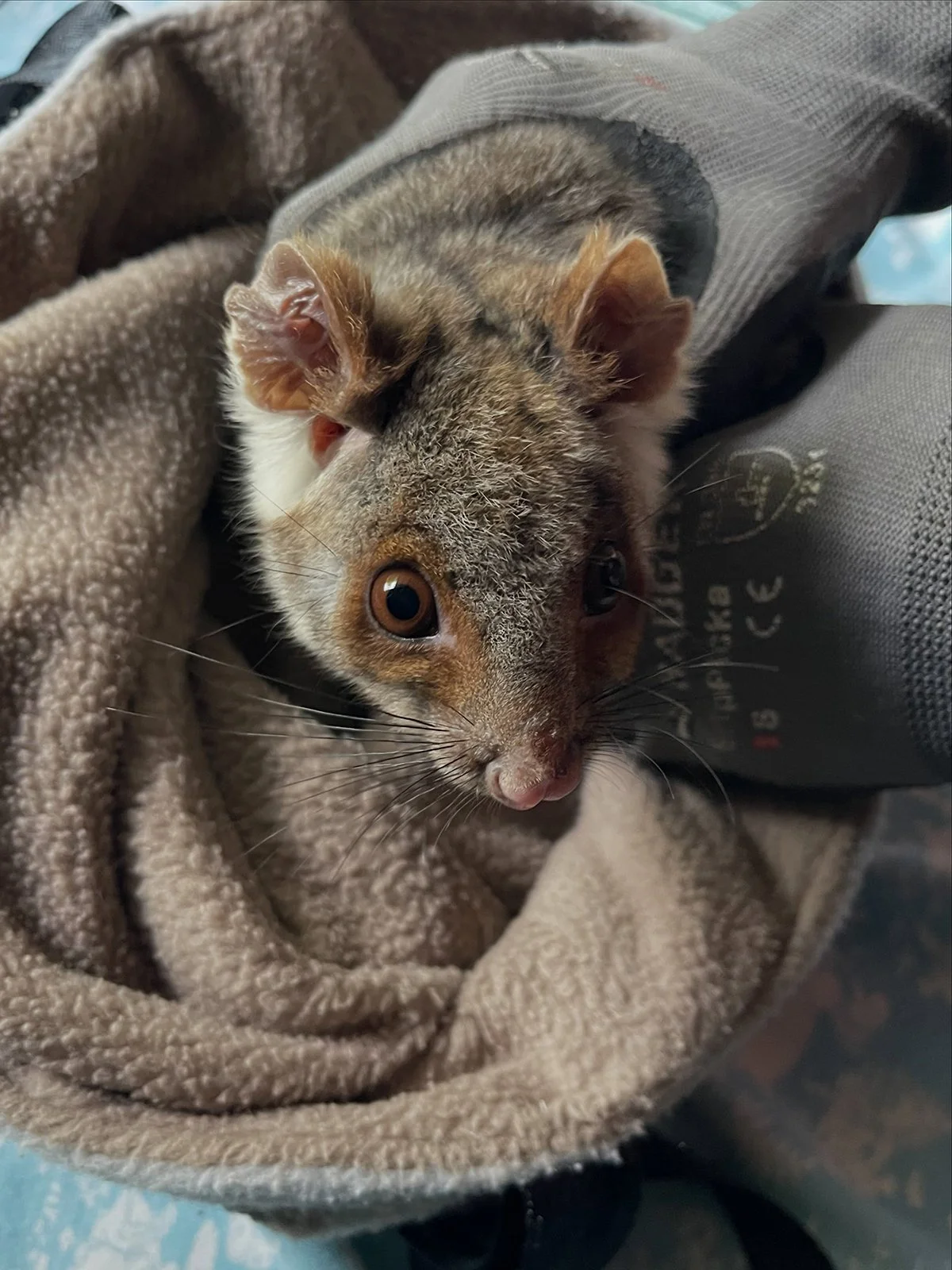
Also pictured, in between the to and fro, Fair Patch, a handsome adult ringtail possum, found on an oval in Fairfield, and a rescue of a Gould’s wattled bat with an academic leaning, found at Melbourne University.
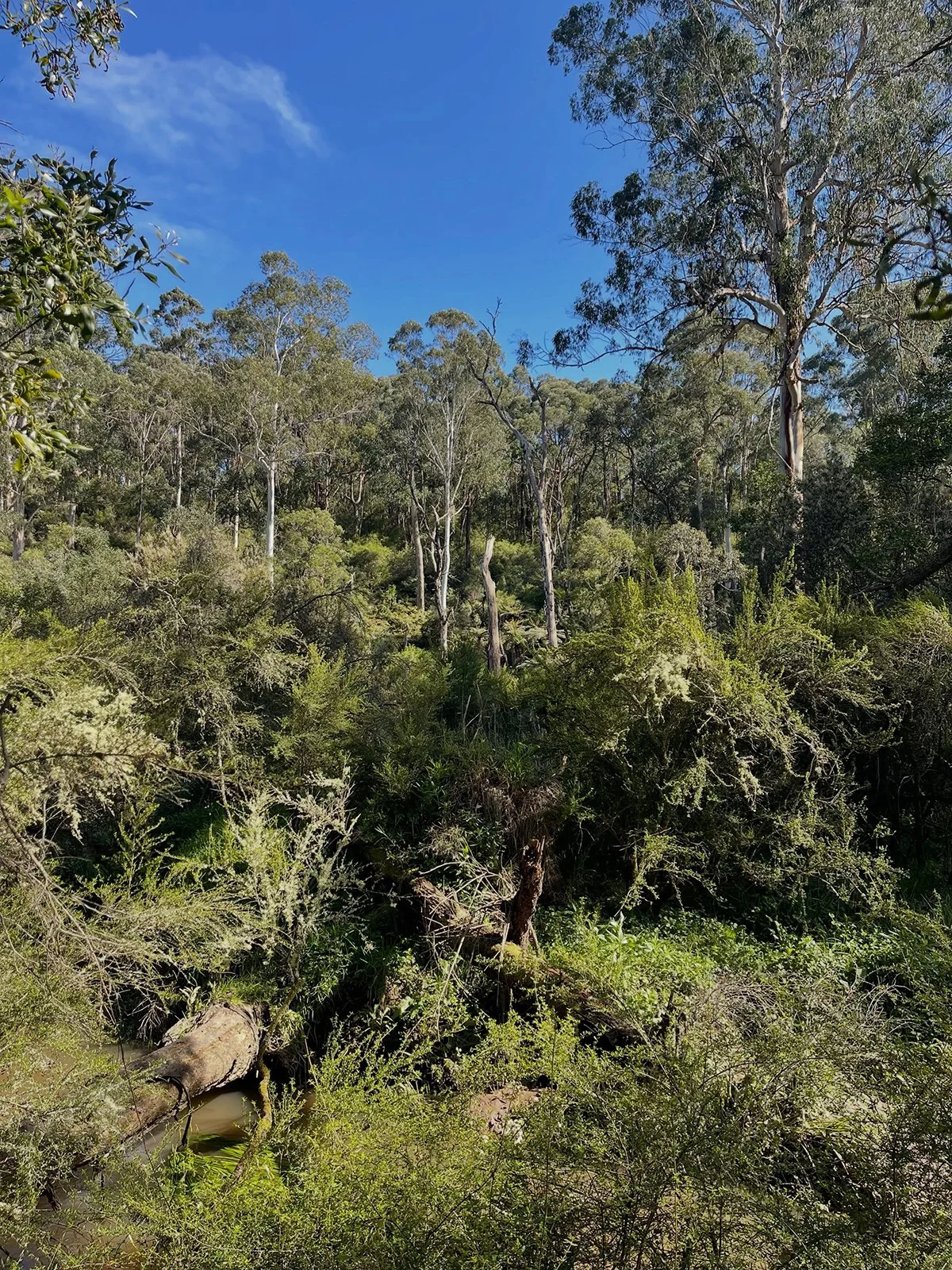
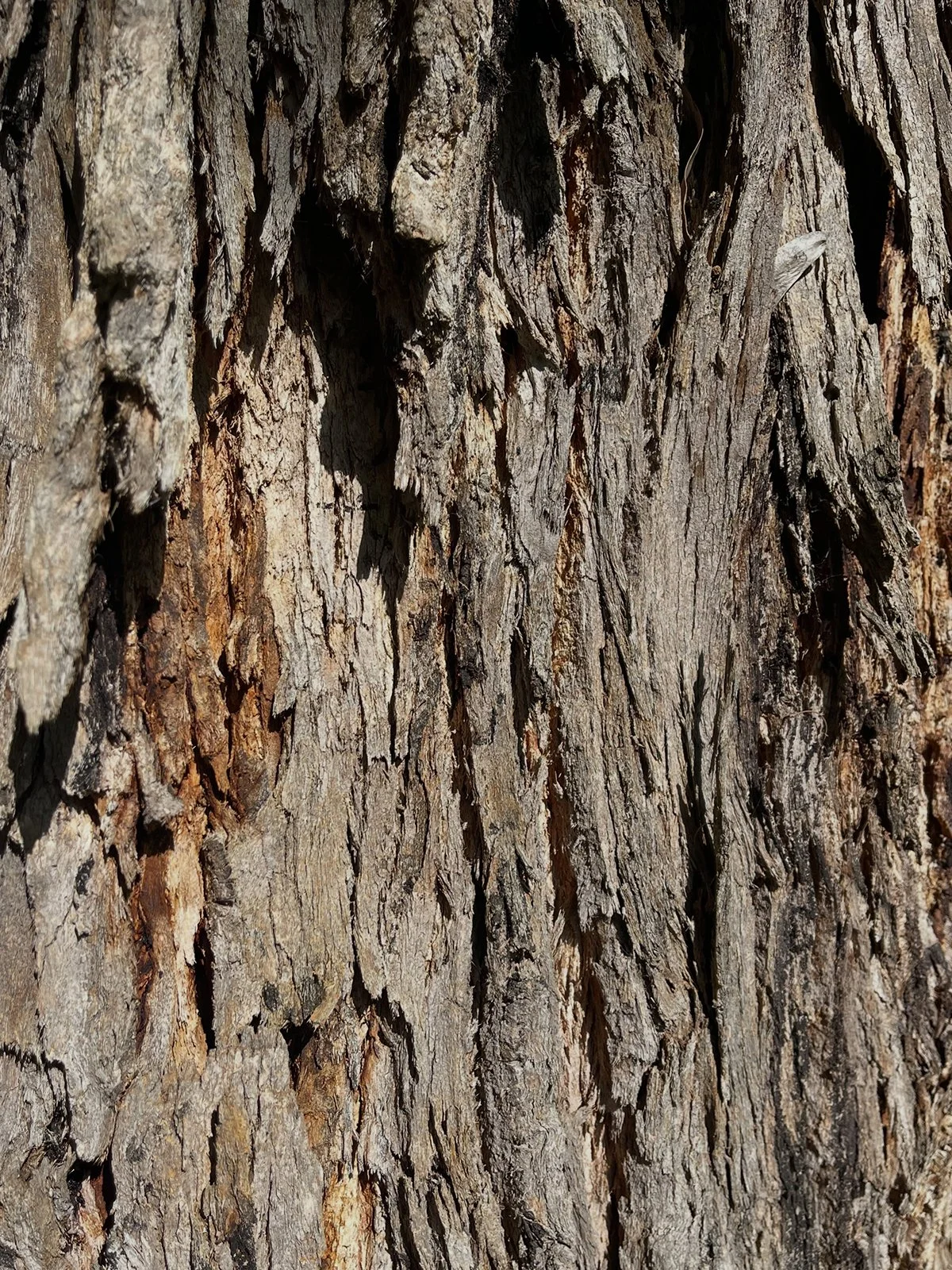
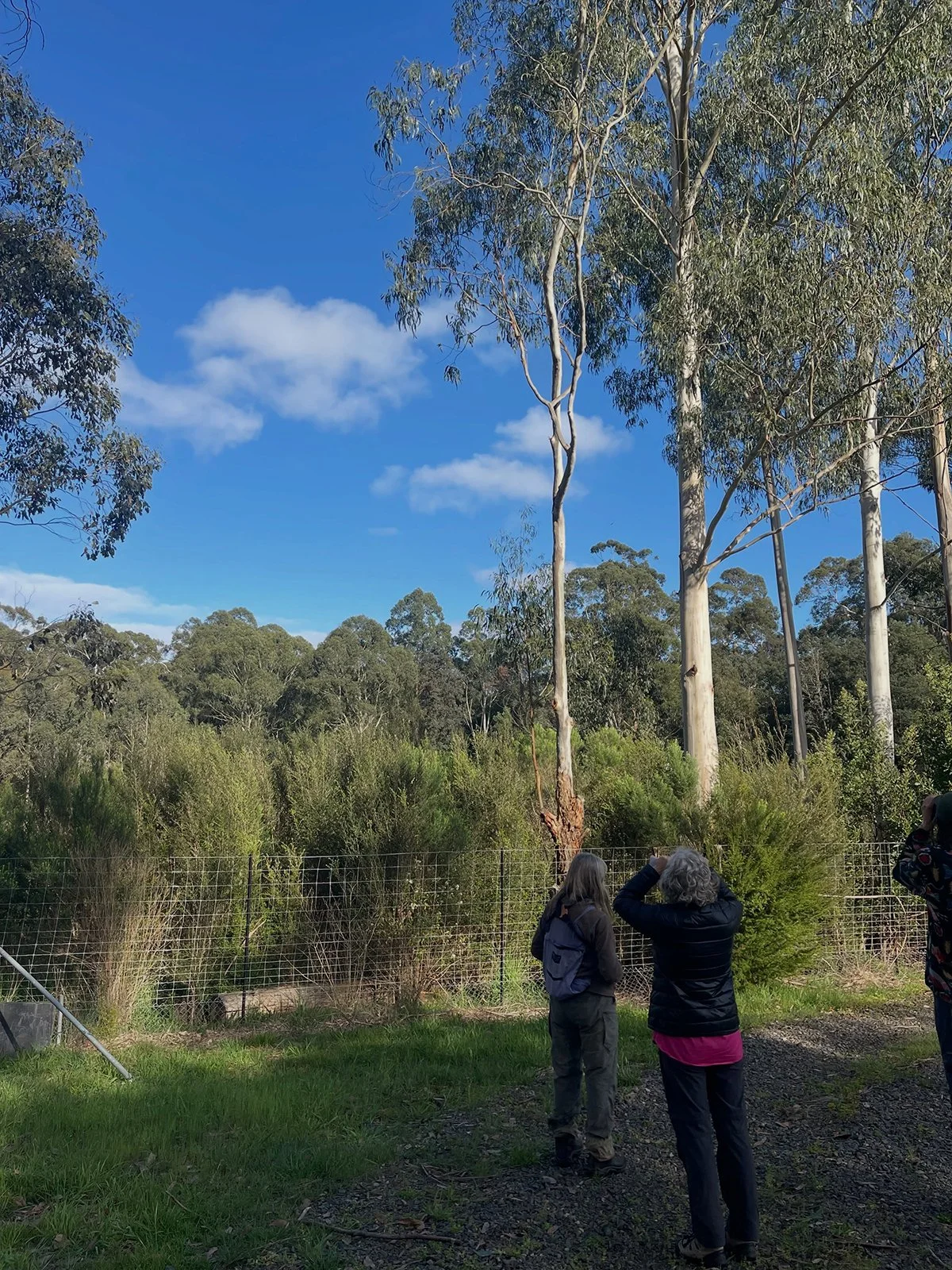
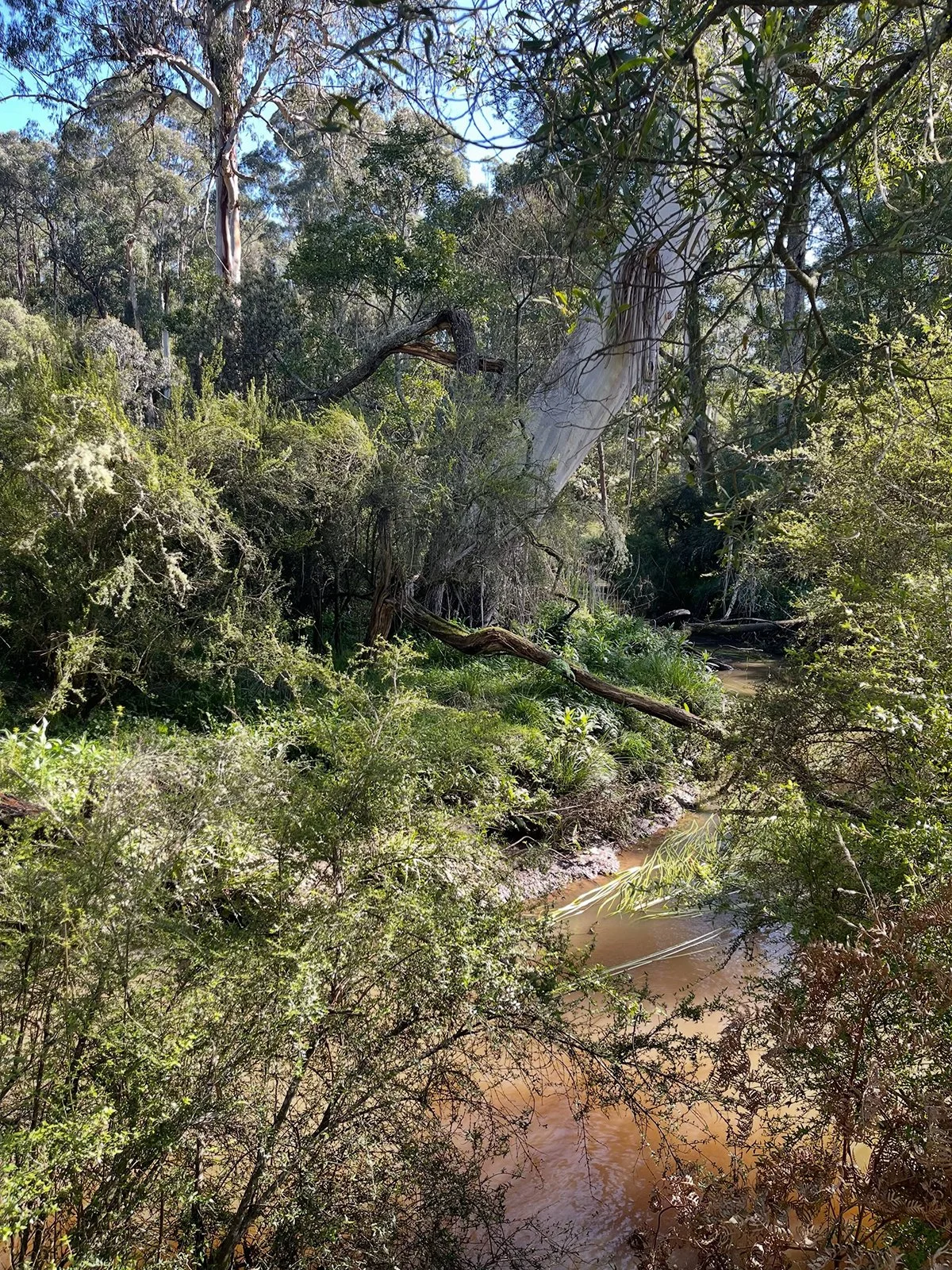
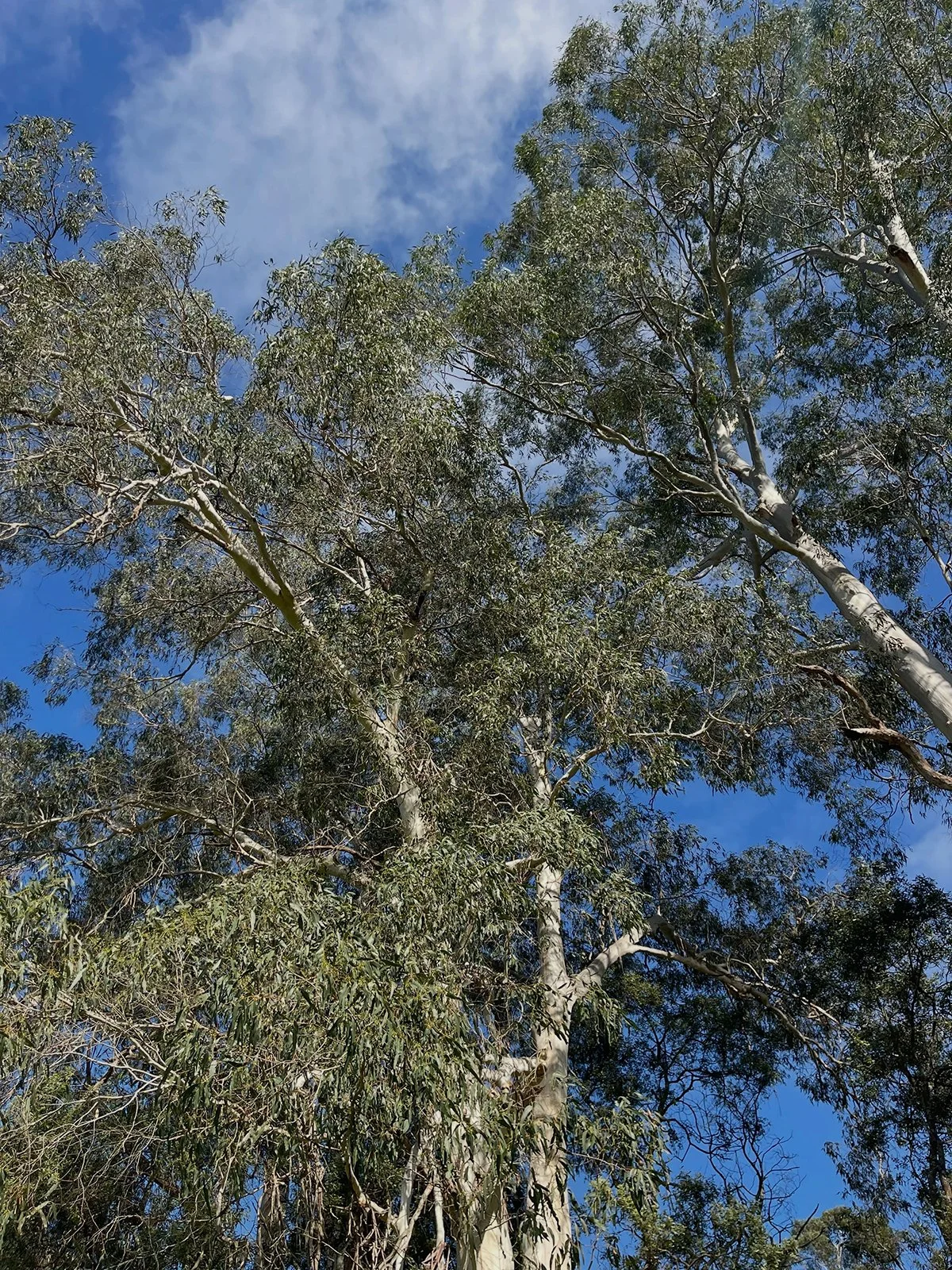
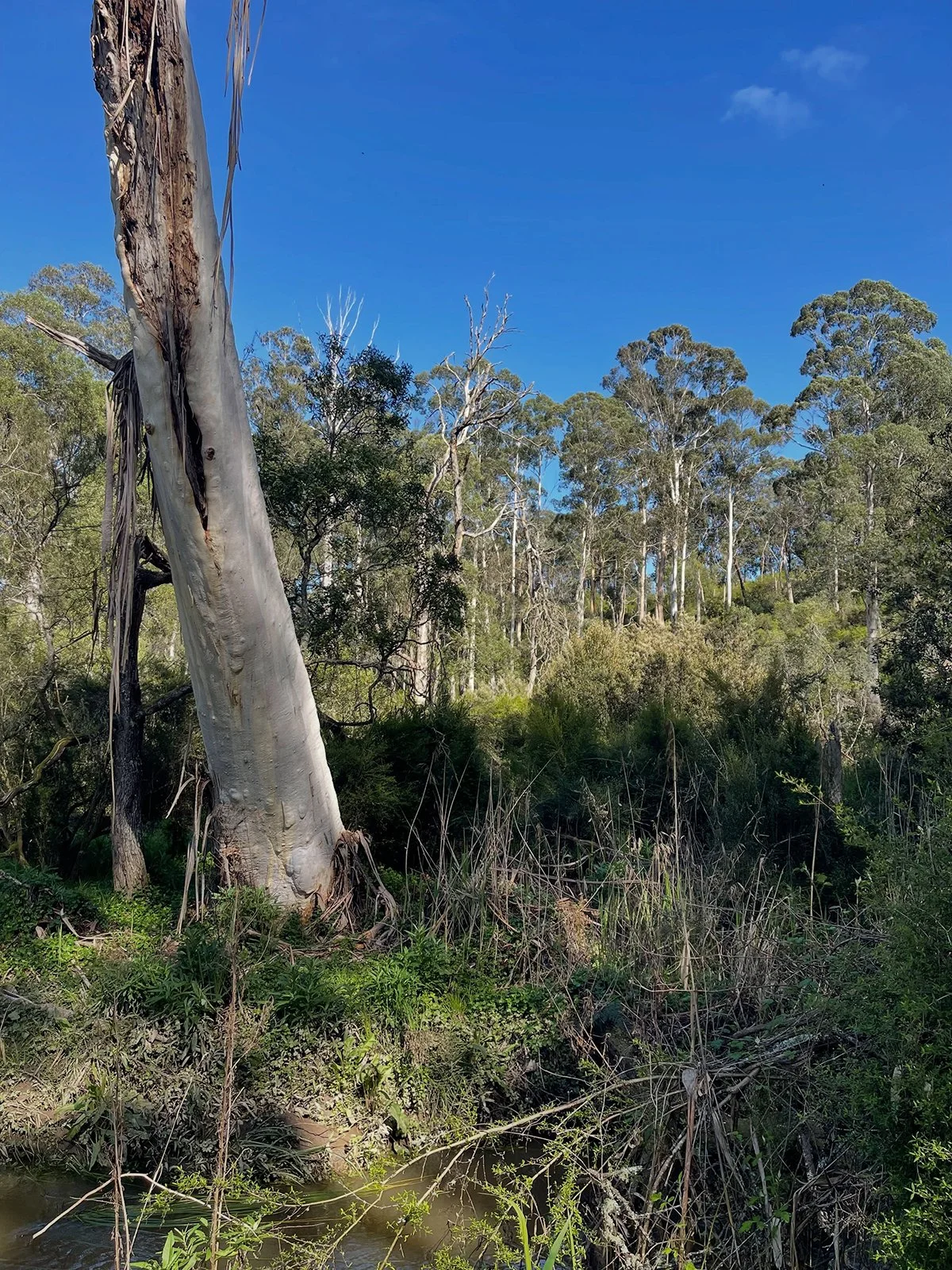
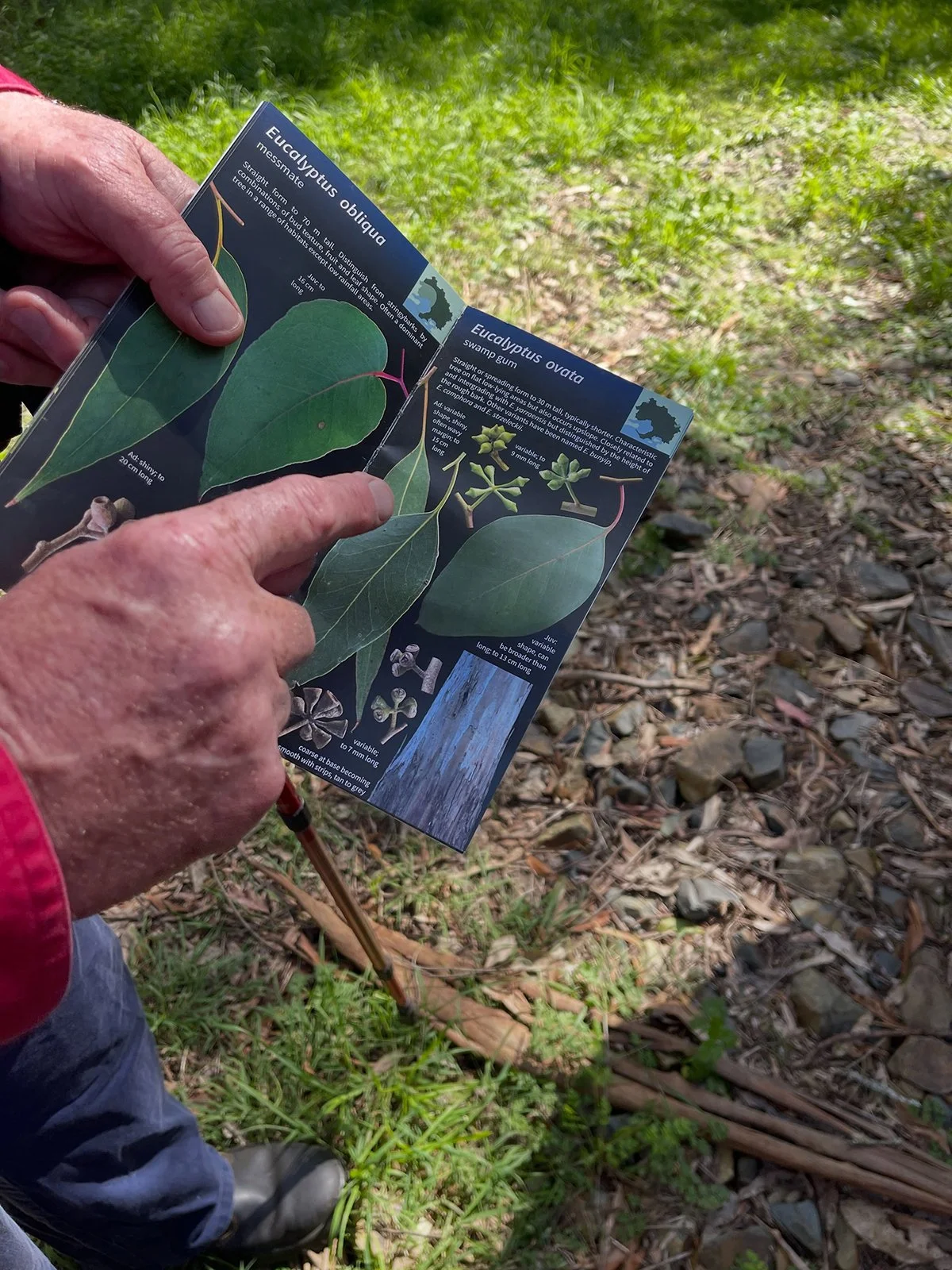
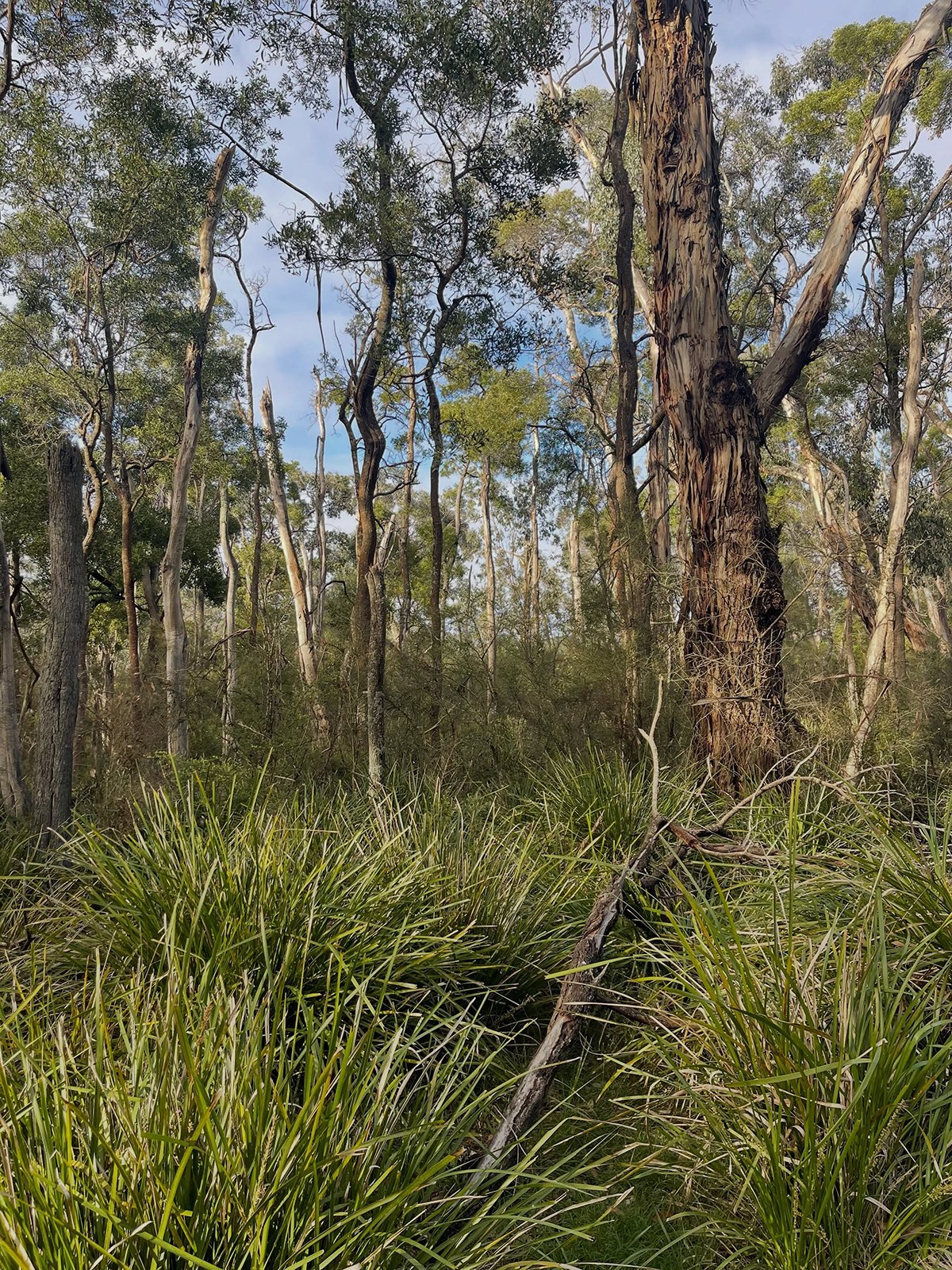
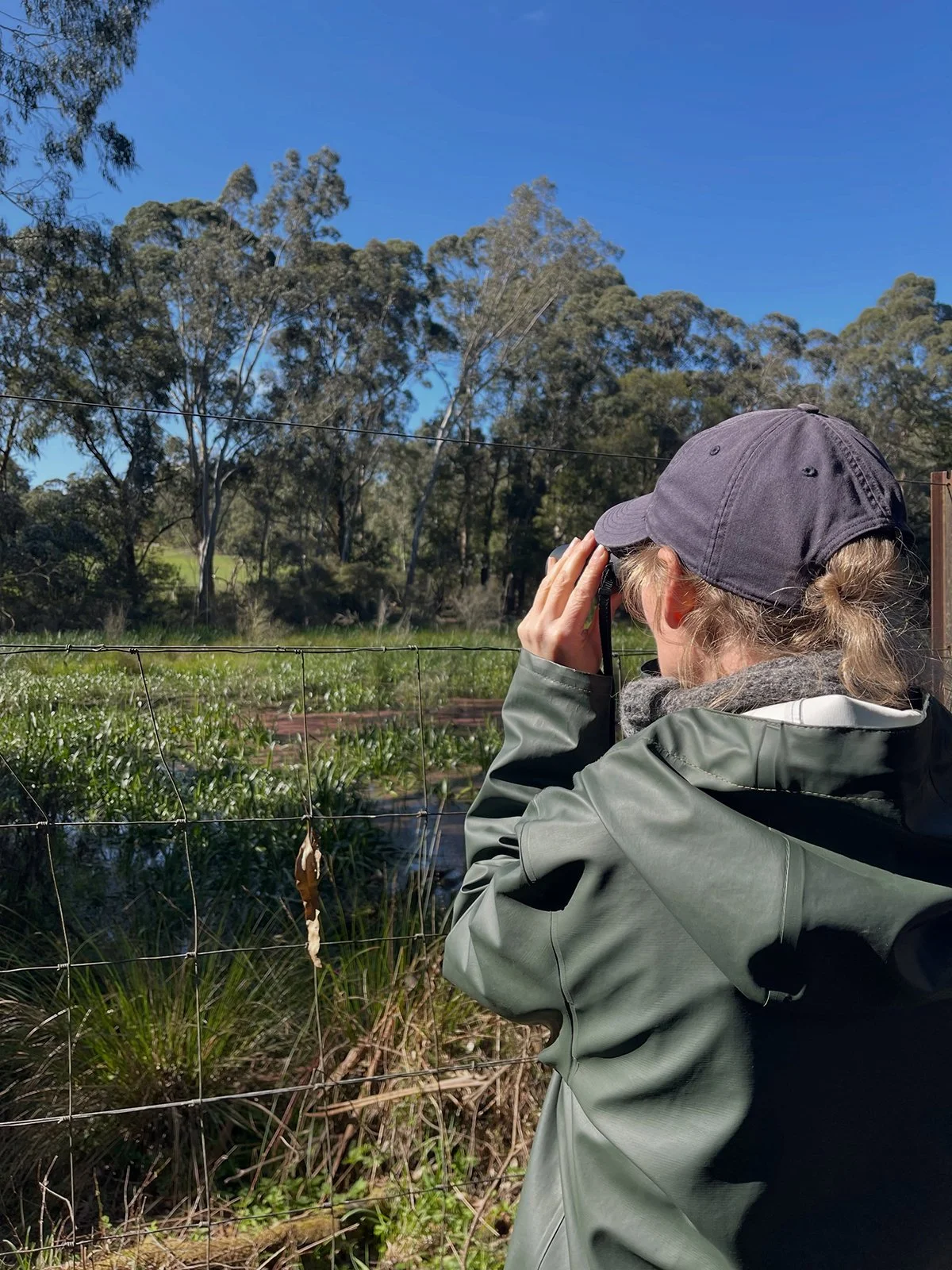
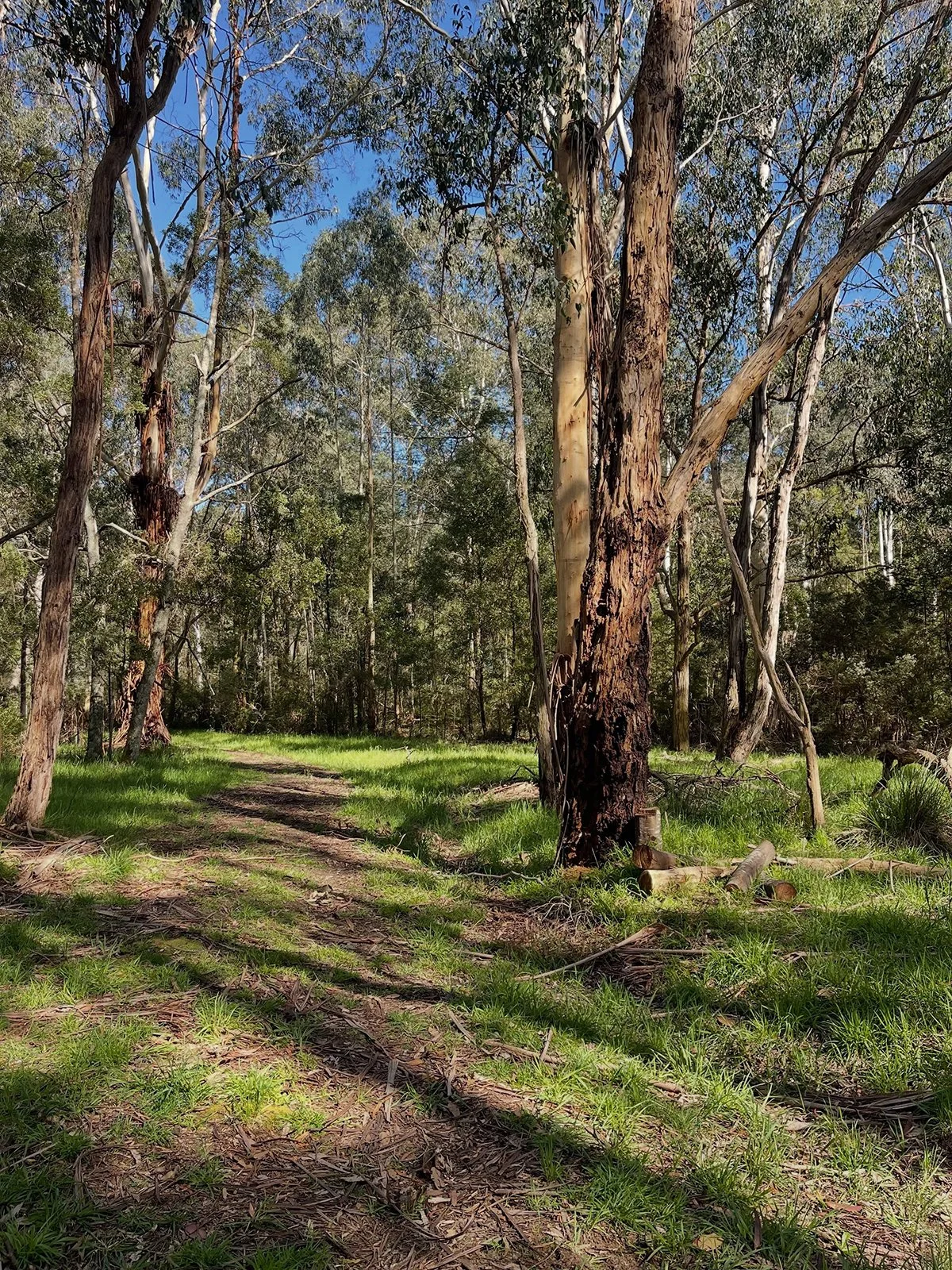
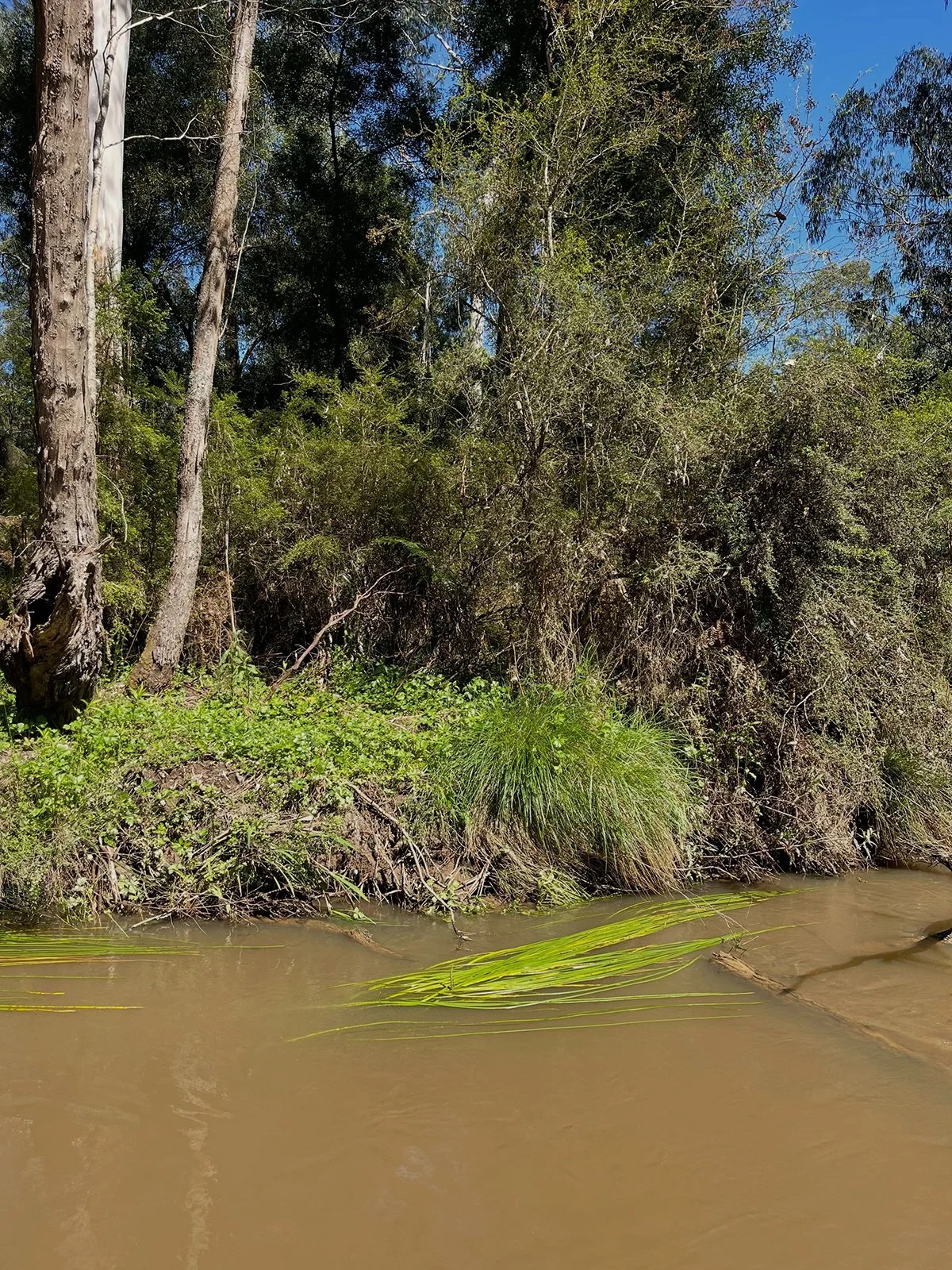
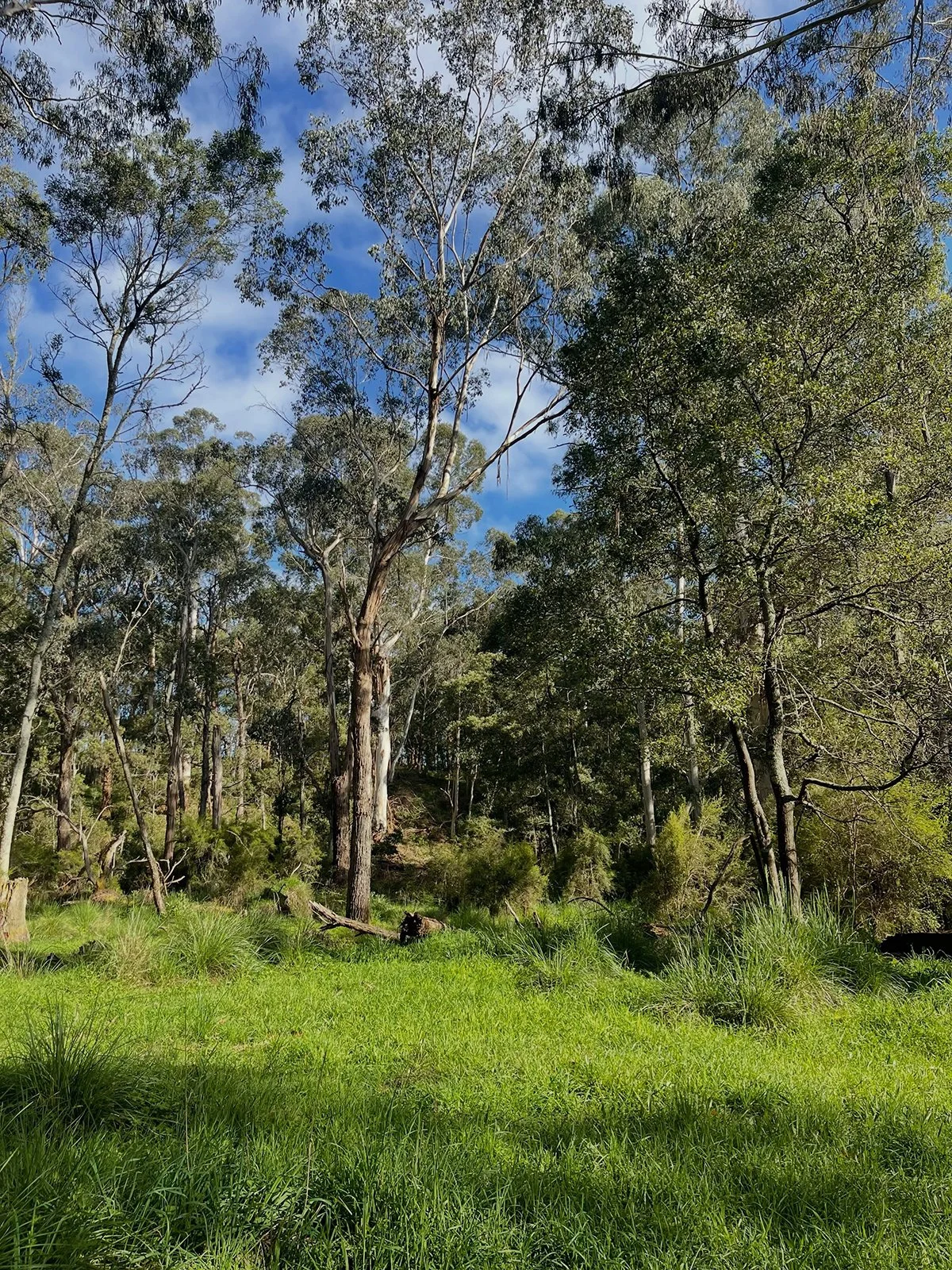
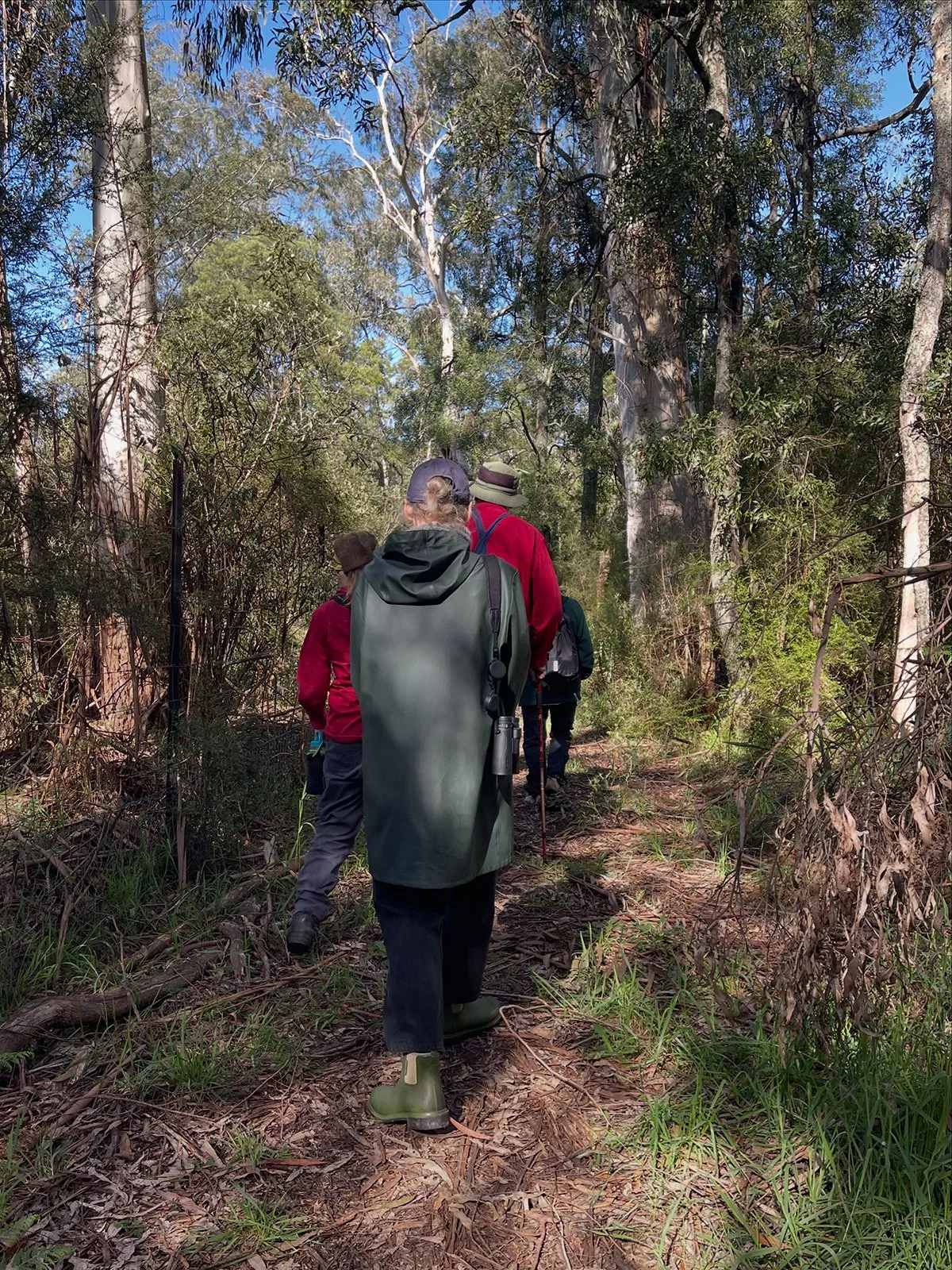
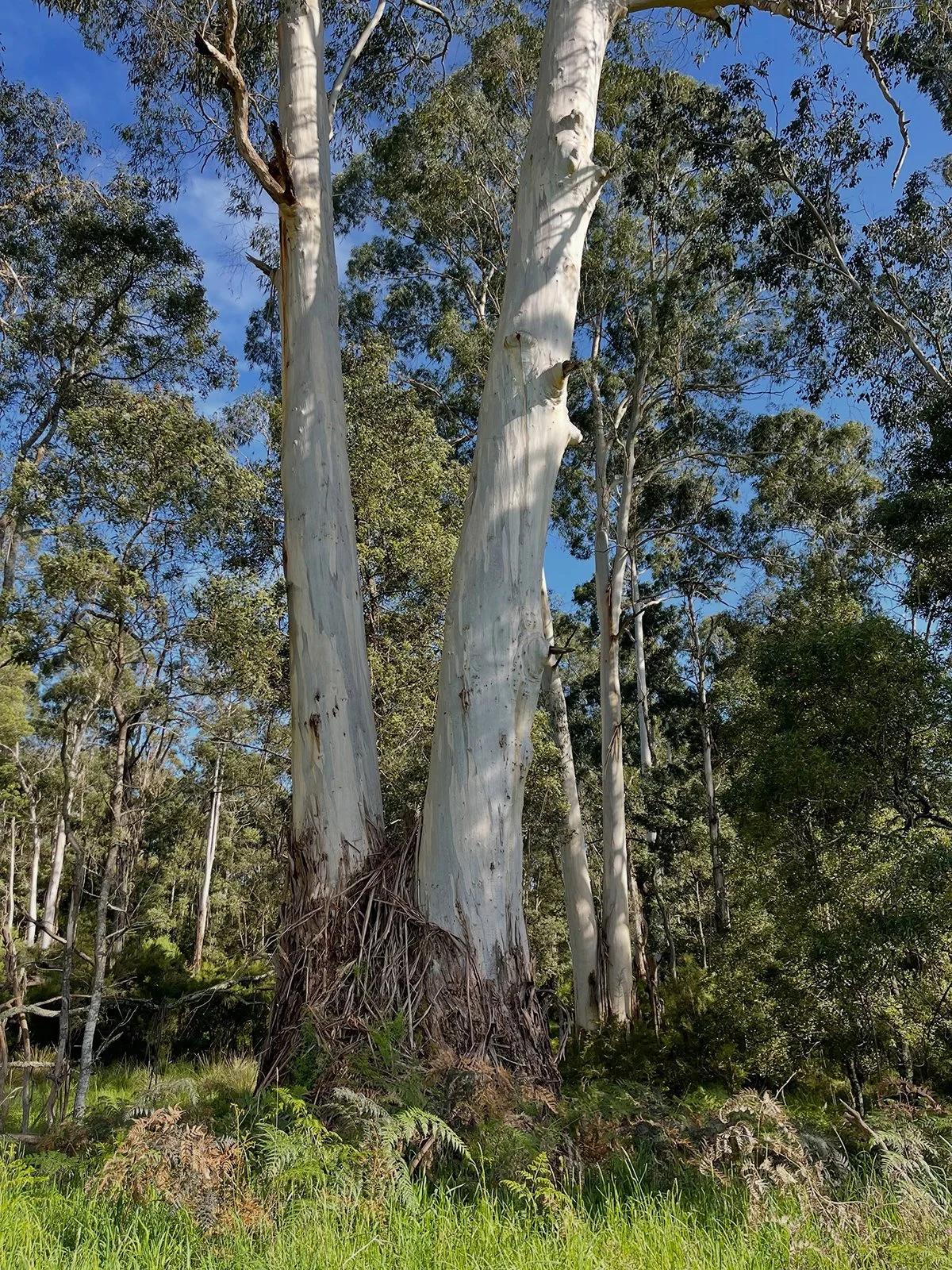
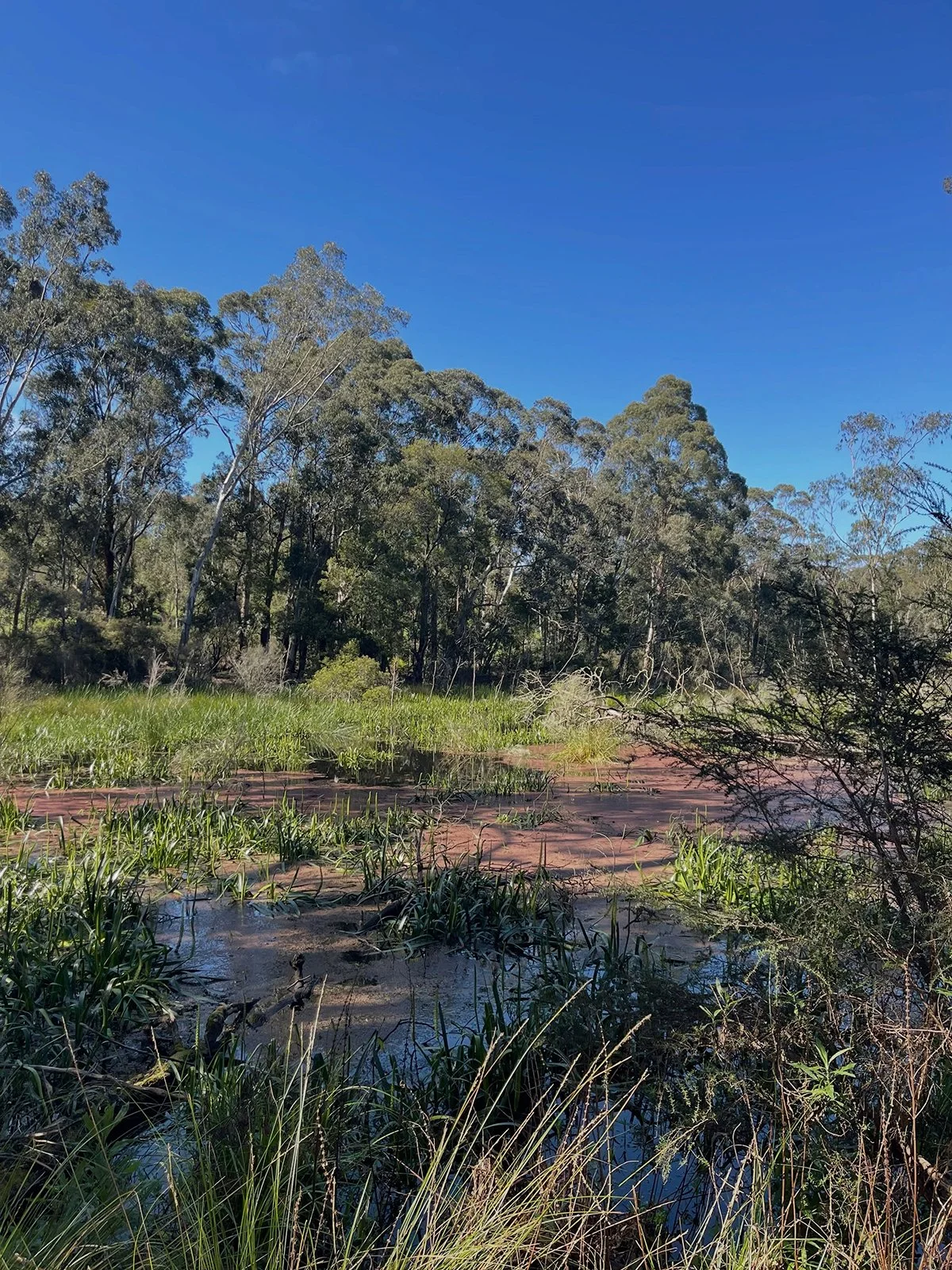
Where the state emblems — the critically endangered Helmeted Honeyeater and lowland Leadbeater’s Possum — meet, we joined the Friends of the Helmeted Honeyeater’s Bird and Frog survey. With a pair of borrowed binoculars in hand, as part of their Citizen Science program, we listened and looked for birds and frogs within the Yellingbo Nature Conservation Area.
We sighted an Azure kingfisher perched upon the reeds, and behind them, on the bank, a Swamp wallaby, who’d sighted us long ago. We heard Golden whistlers and caught the quick motion of a White-browed scrubwren, the fan dance of the Grey fantail, the soft butter of an Eastern yellow robin. High overhead, but brought into magnification, we saw the coasting arcs of a Grey goshawk and a Swamp harrier; the subtle colour shifts in the crown of a King parrot. We learnt that GST is an acronym for a Grey strike thrush. That the sound you can make when you tap two rocks together can conjure a frog’s bonk-bonk call. That fluttering leaves can actually be small birds darting. That small groups of people can do wonderful, wonderful things.
All wildlife care work is voluntary, so any help is immensely appreciated. We run our wildlife shelter Tiny but Wild from our home. All donations to Tiny but Wild go directly towards rehabilitating the wildlife in our care.
As ever, please note: you need to be a qualified, vaccinated carer to handle megabats and microbats.
Image credit: Coco Spinifex’s soft release site, 2026

I have been collaborating with Louise Jennison since 1999, making artists’ books, collages, large-scale installations, prints, drawings, zines, and various tales. Besotted still, it appears, with paper for its adaptable, concealable, revealing nature, we use an armoury of play, the poetic and familiar too, with the intention of luring you into our A(rtists’ books) to Z(ines).
As artists and wildlife carers, our practice frequently concerns the natural world, addressing themes of conservation and biodiversity. Our home-based studio is also home to our wildlife shelter, Tiny but Wild.
I collage with words about dance for Fjord Review.