Sanctuary rewound

Tiny but Wild Keynote
Sanctuary Keynote guests: Gracia Haby & Louise Jennison
Art Education Victoria Presents: Re-assemble Art Education Conference 2026
Storey Hall, RMIT University, Building 16, 336–348 Swanston Street, Melbourne
Friday 10th July, 2026
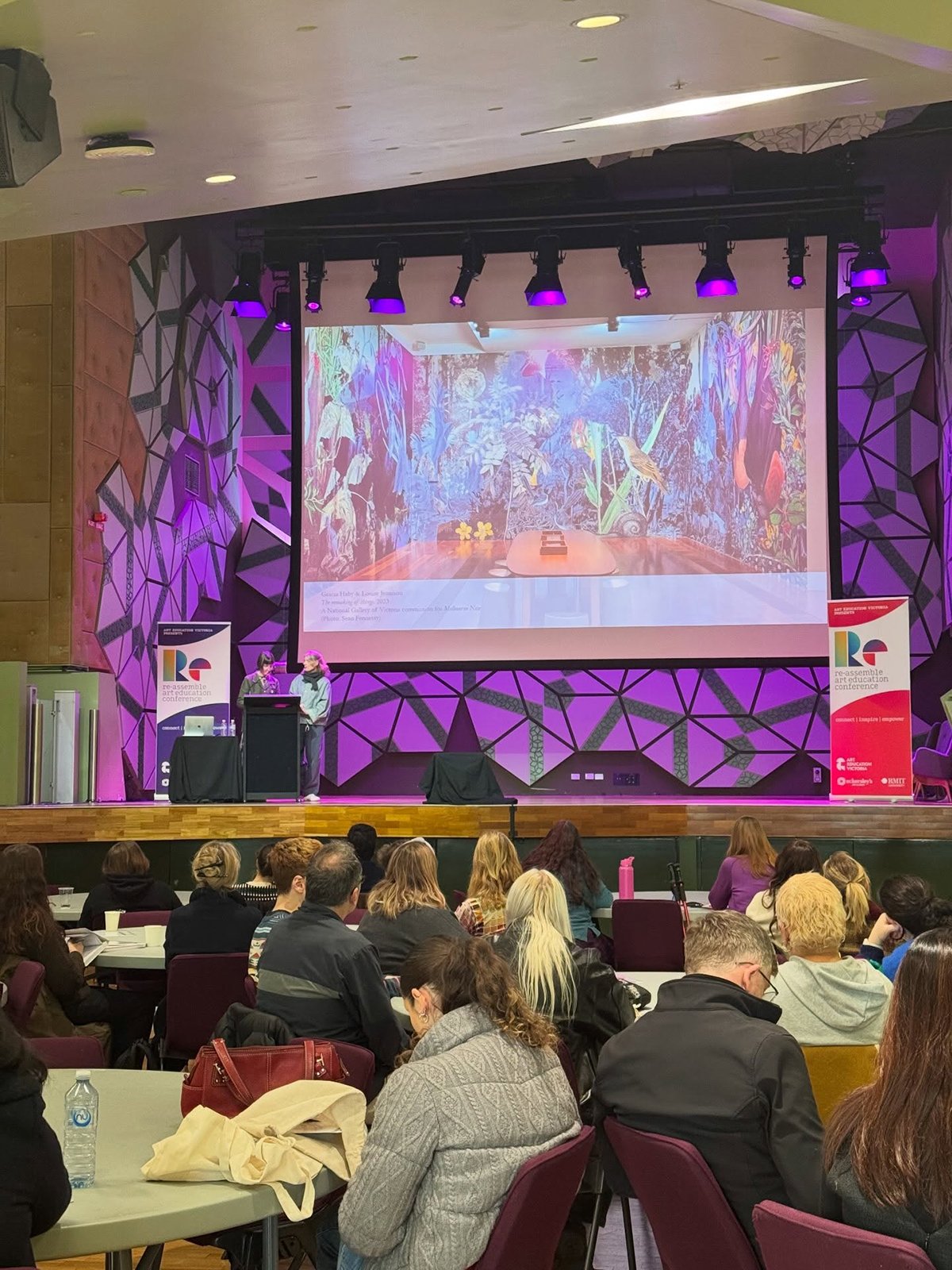
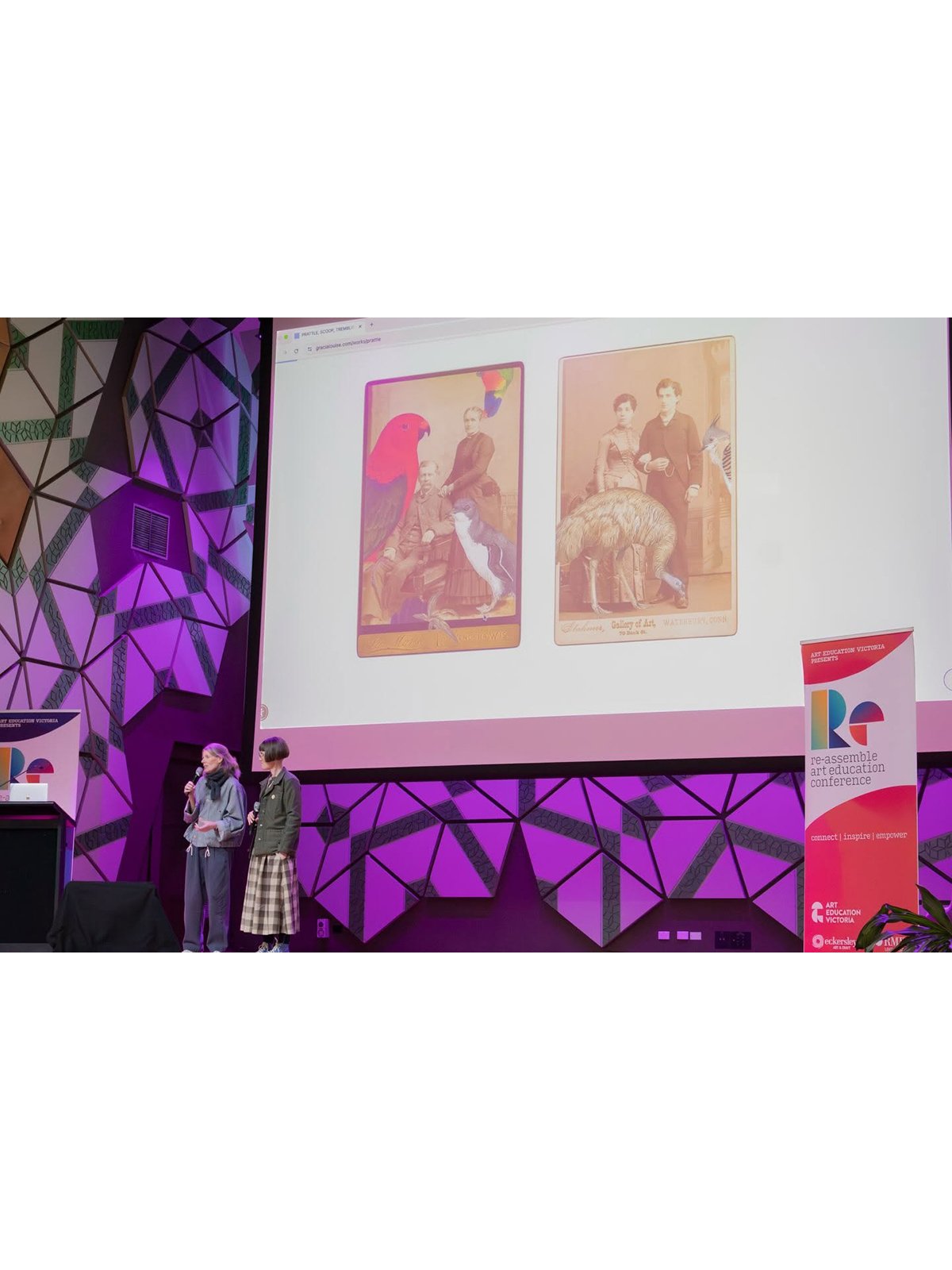
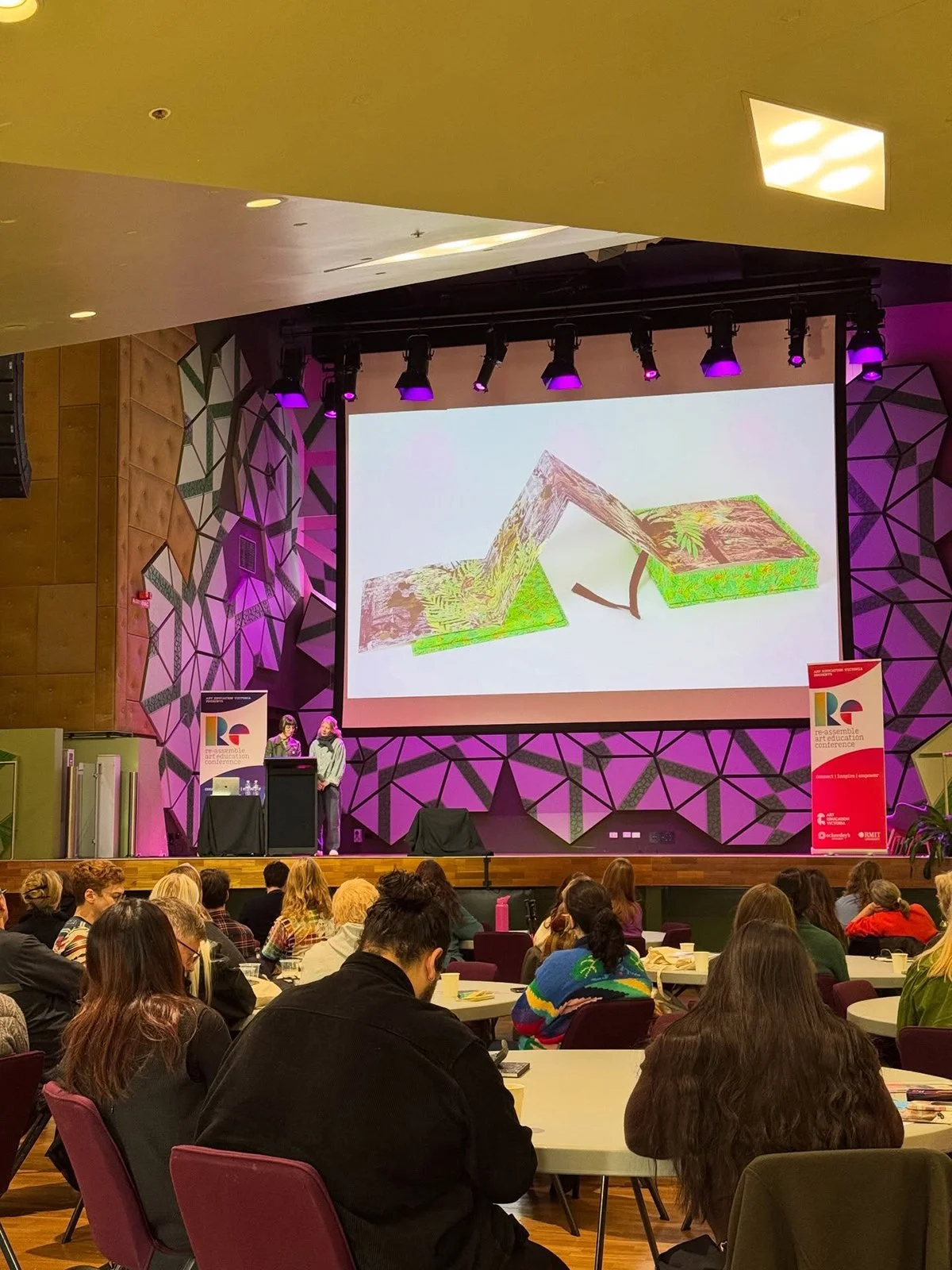
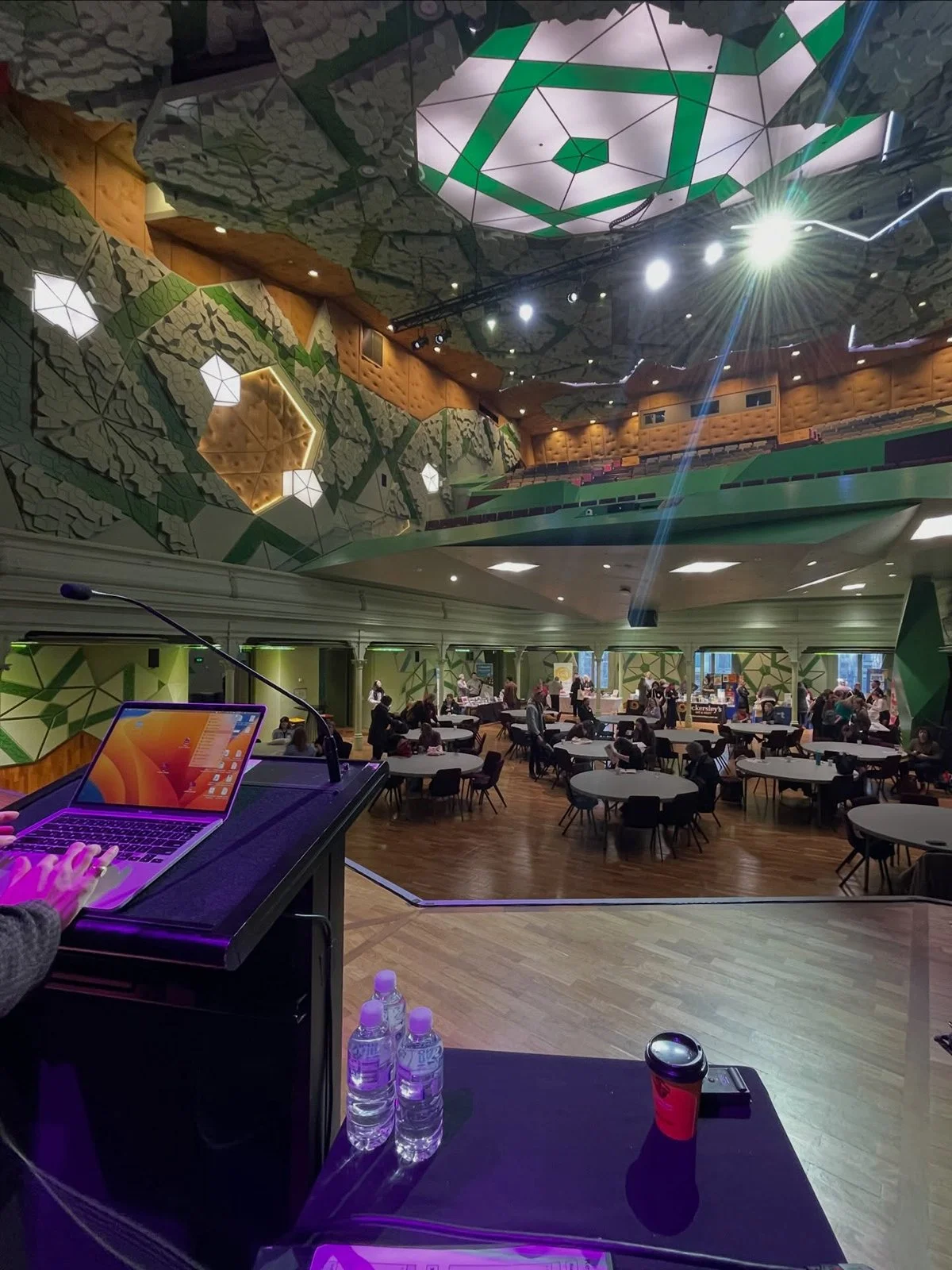
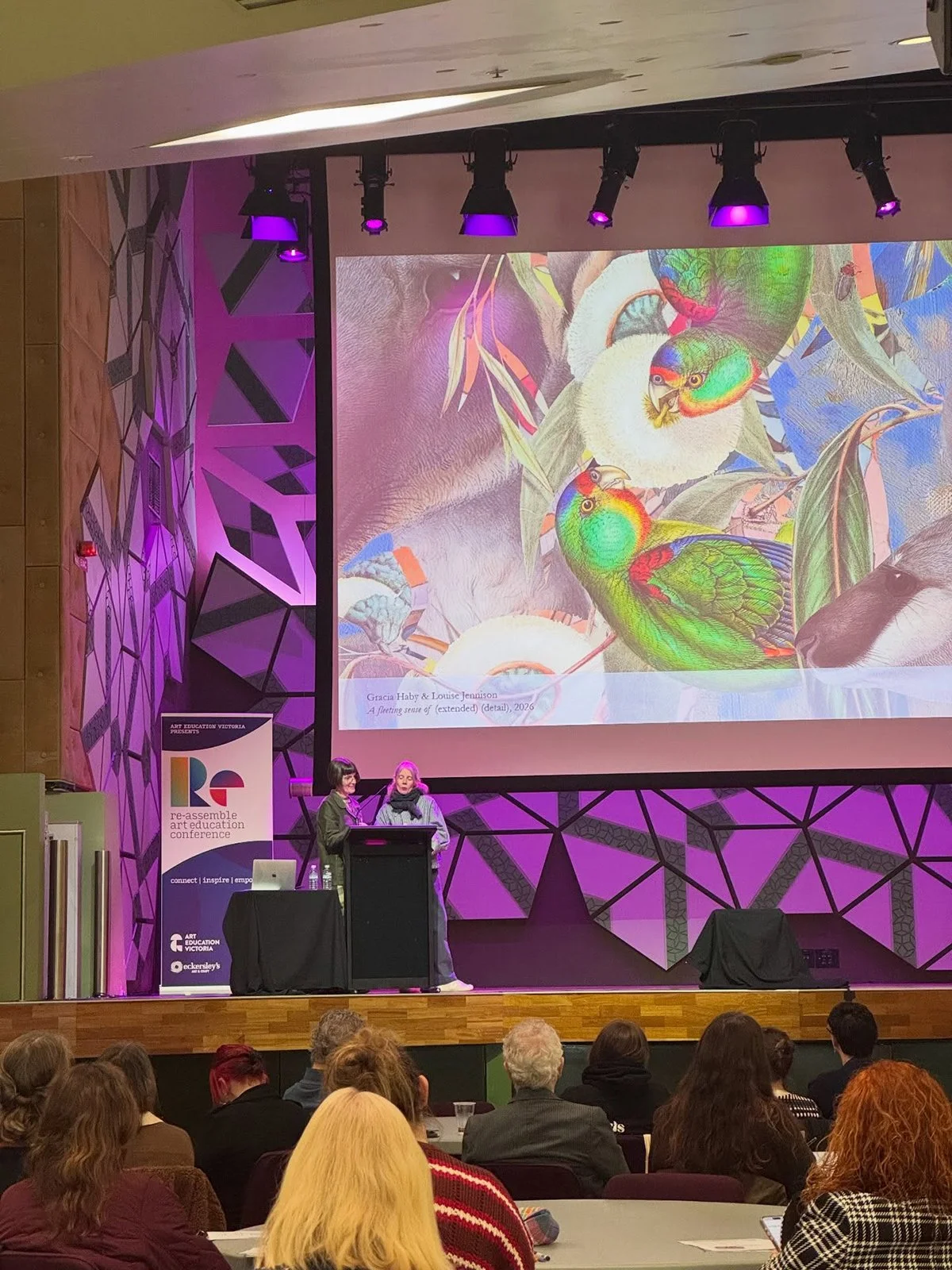
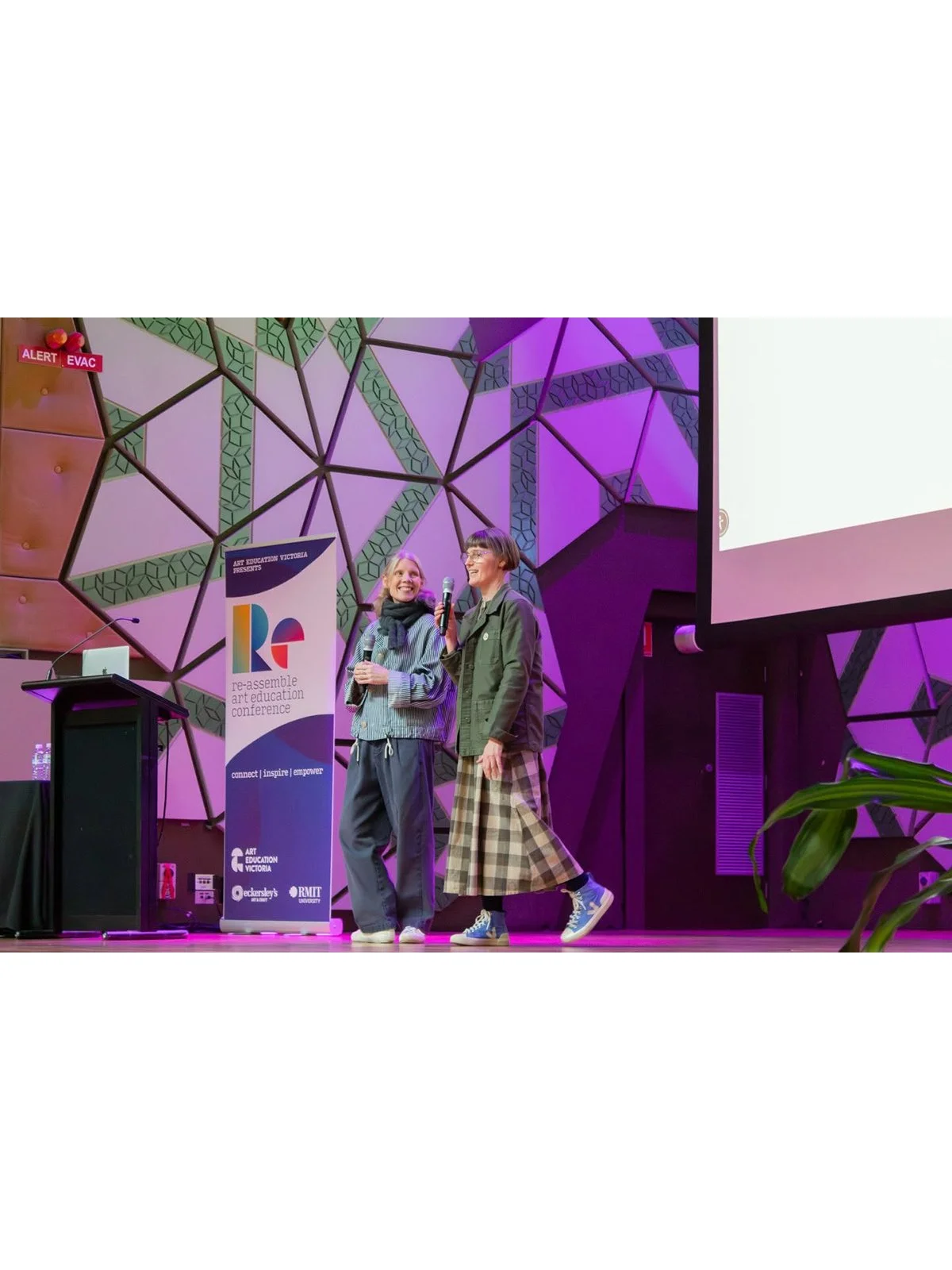
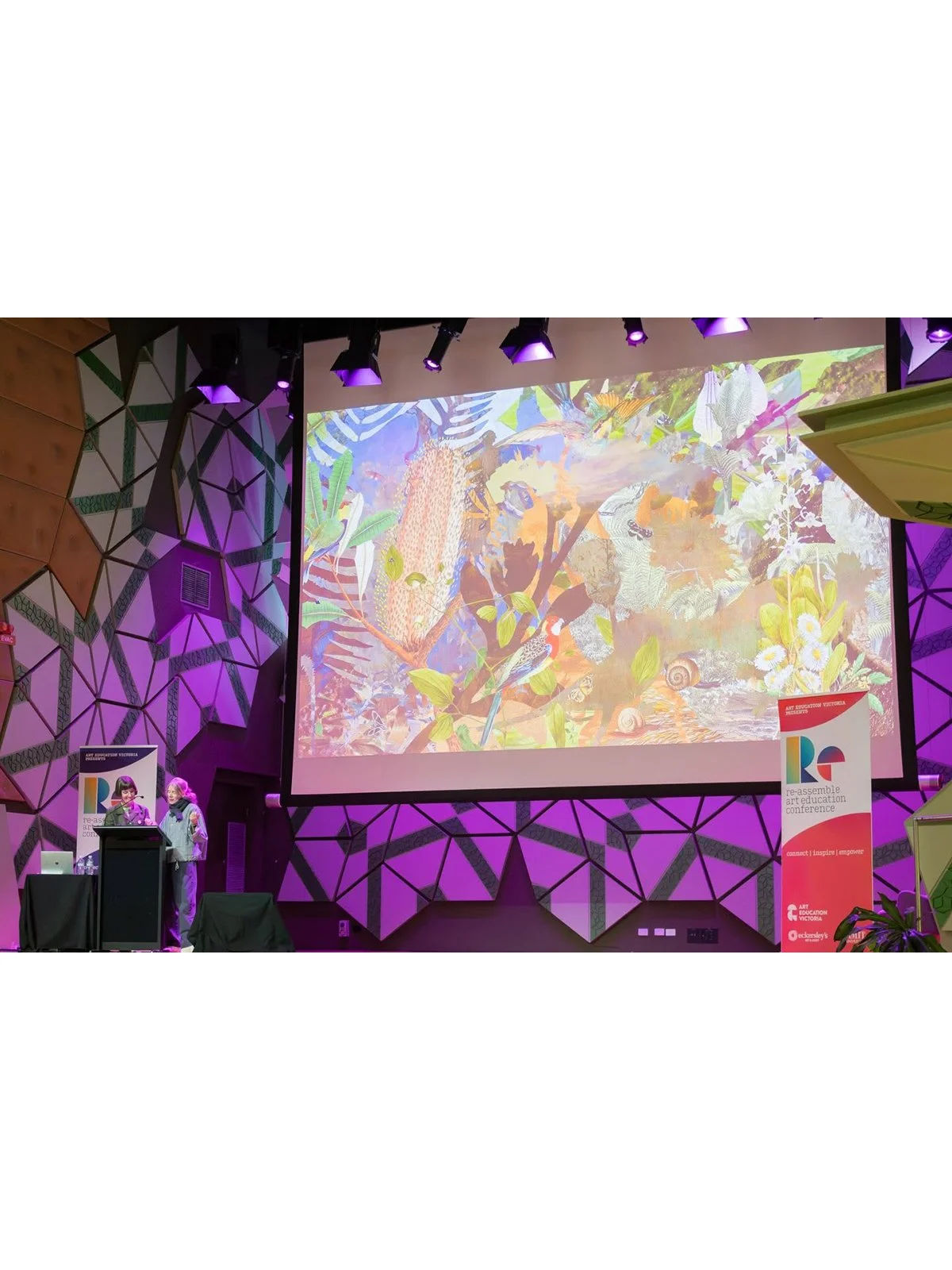
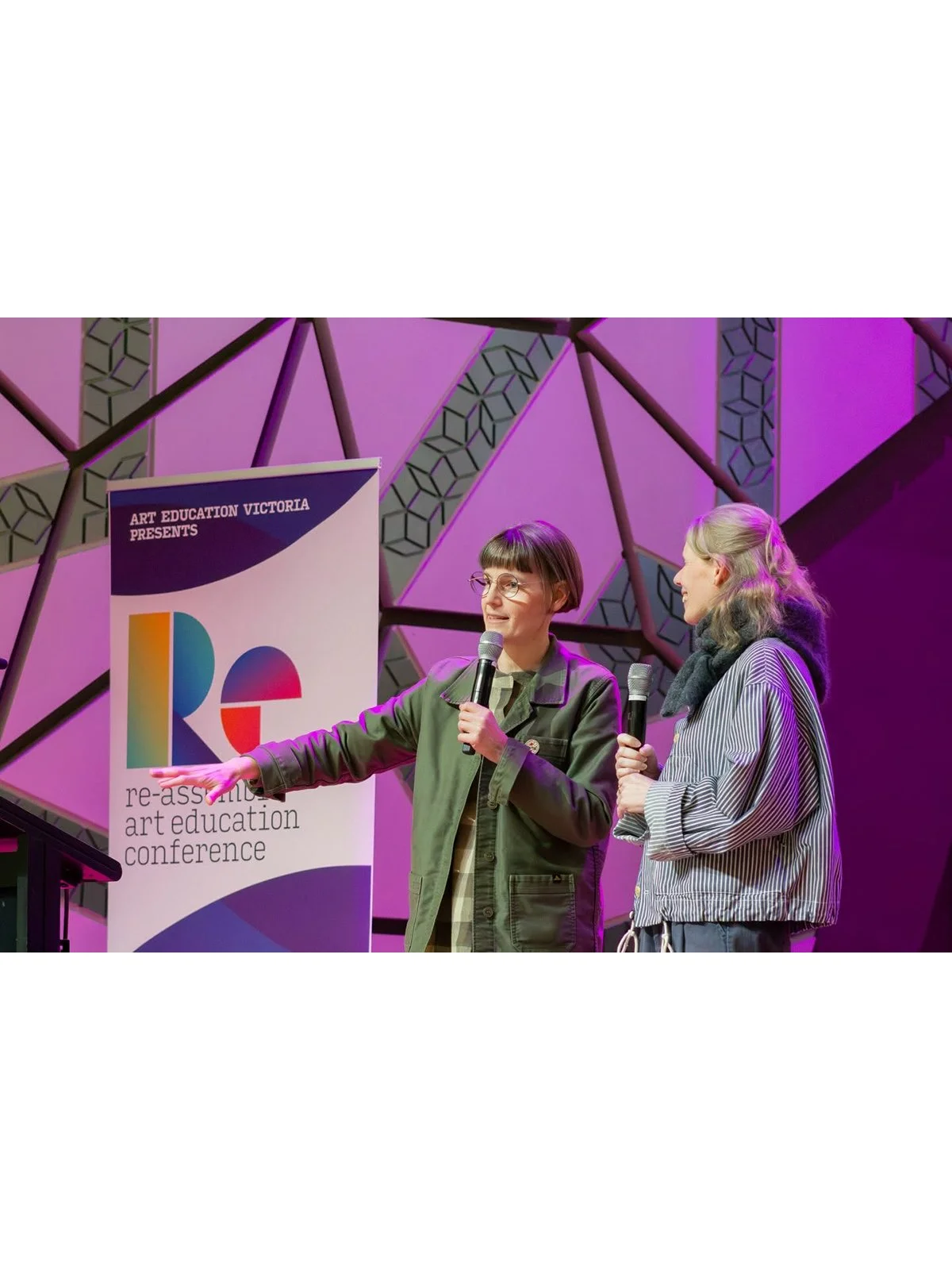
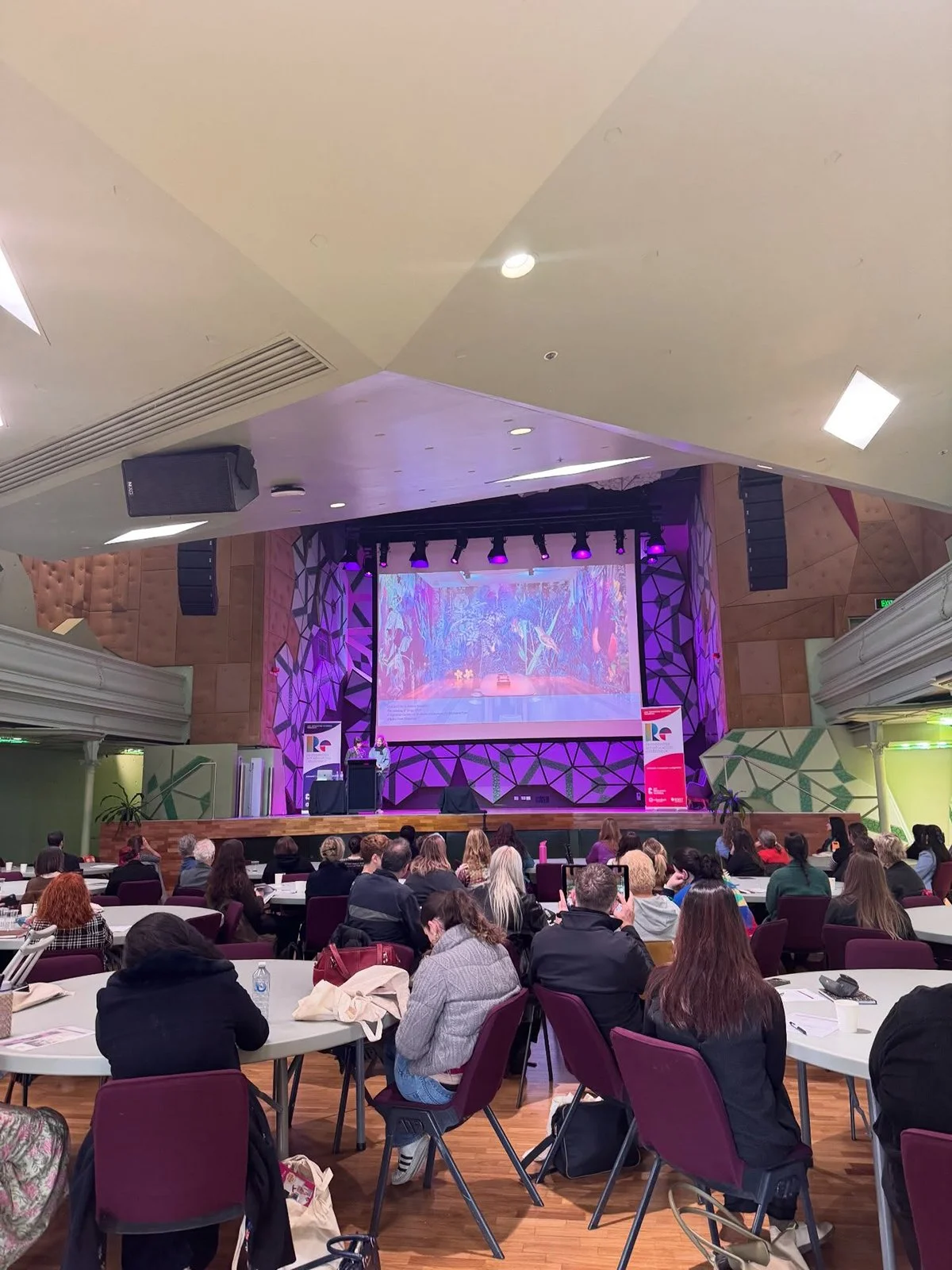
As our annual Melbourne International Film Festival (MIFF) holiday speeds along, let’s pause, rewind, and return to Sanctuary, once more. Up on the big stage (under the mantle of this year’s theme, Sanctuary), we relished giving the keynote address at the 2026 Re-assemble Art Education Conference, presented by Art Education Victoria, beneath the purple lights at Storey Hall at RMIT University. The opportunity to speak on all things Sanctuary, the ways in which we can all learn from the more-than-human, to see the world anew, allowed us to refer to some of the writers we are currently reading, such as Christine Webb, author of The Arrogant Ape: The Myth of Human Exceptionalism and Why It Matters. Webb posits that “when you measure the world with a ruler made for humans other species will inevitably look inferior”, and that humility might just be the remedy to our ecological crisis.
Equally, we had a ball demonstrating how to score, splice, sew, and stick, in our wraparound artists’ book workshop conducted in the afternoon.
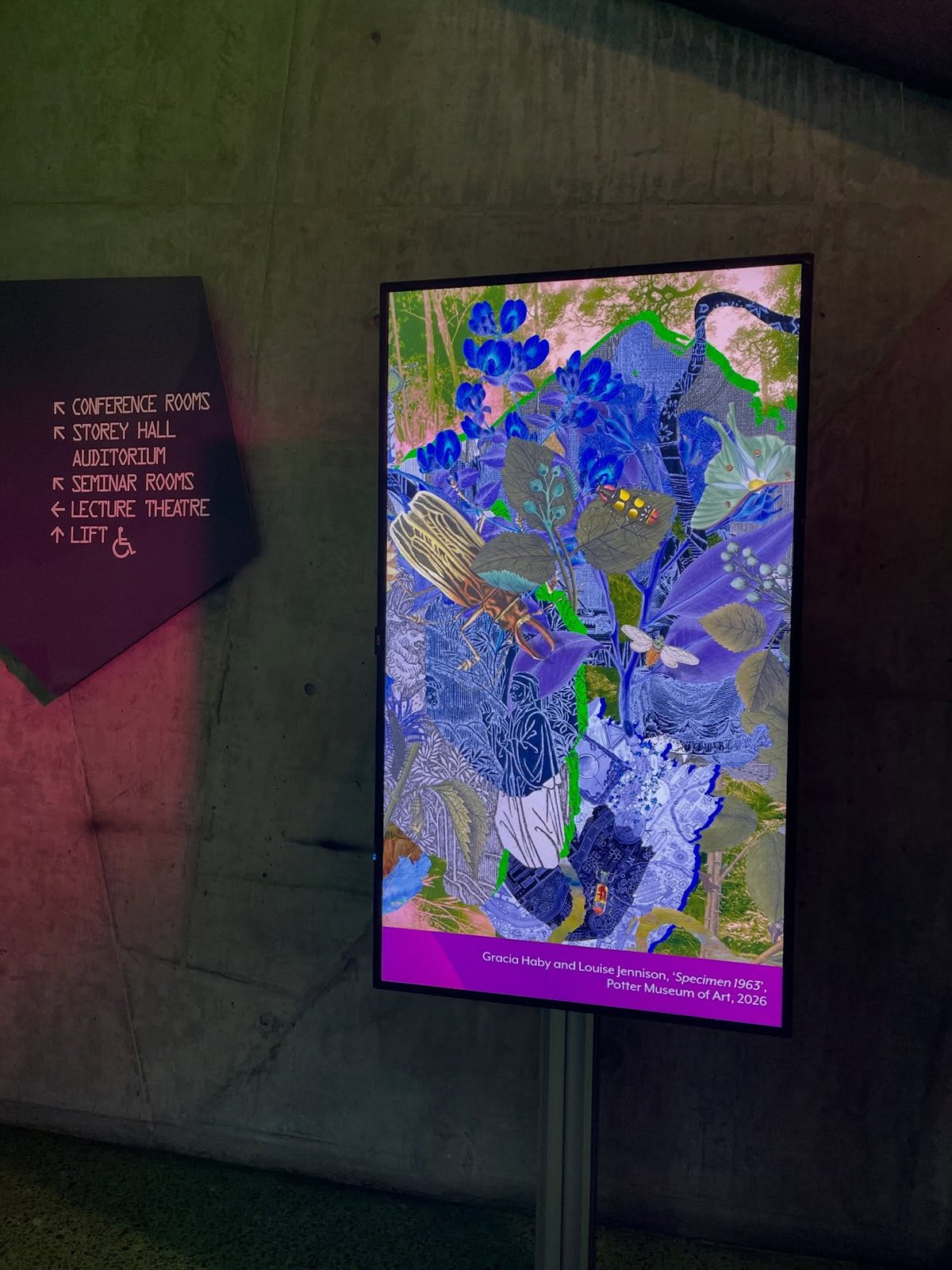
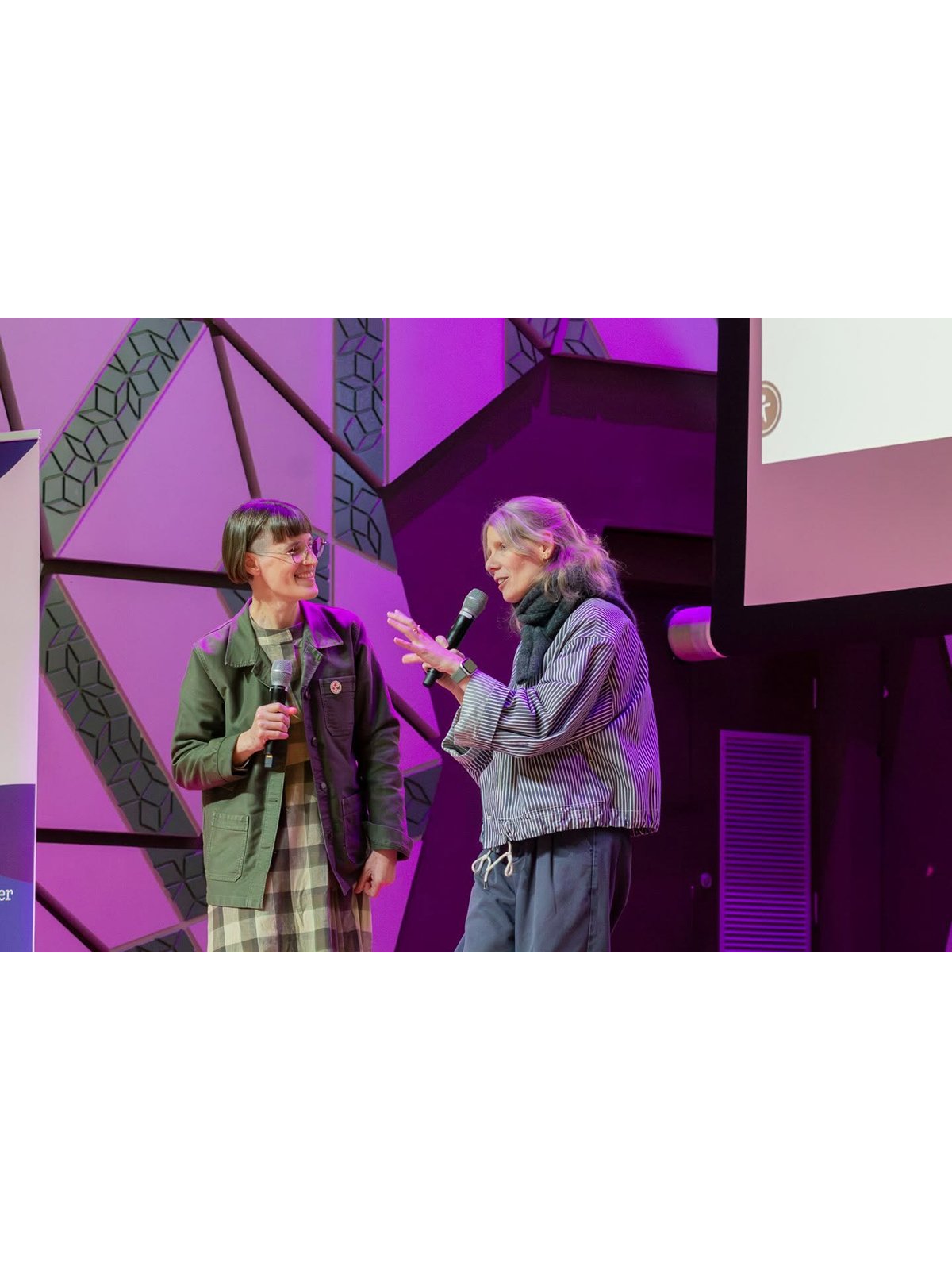
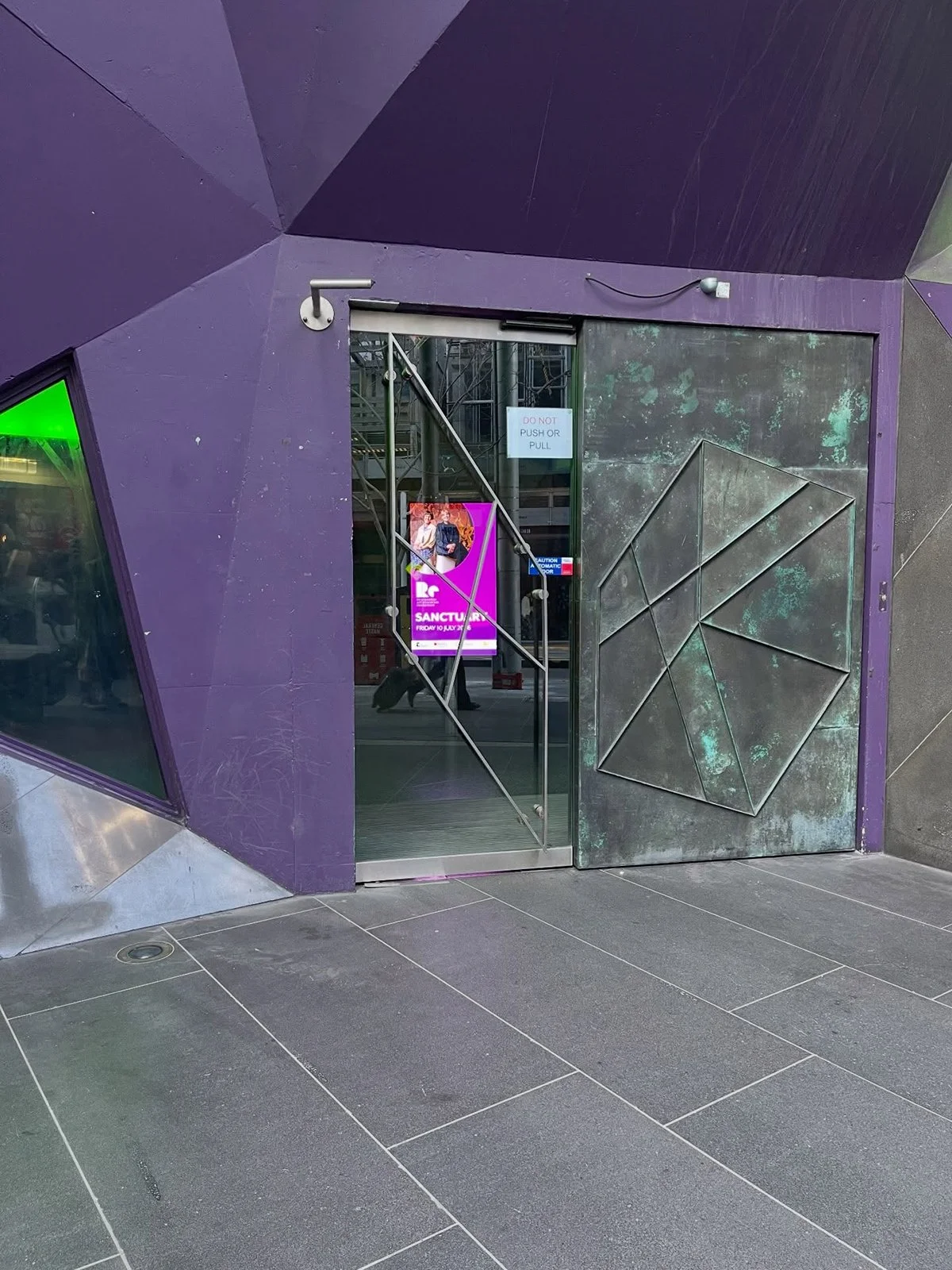
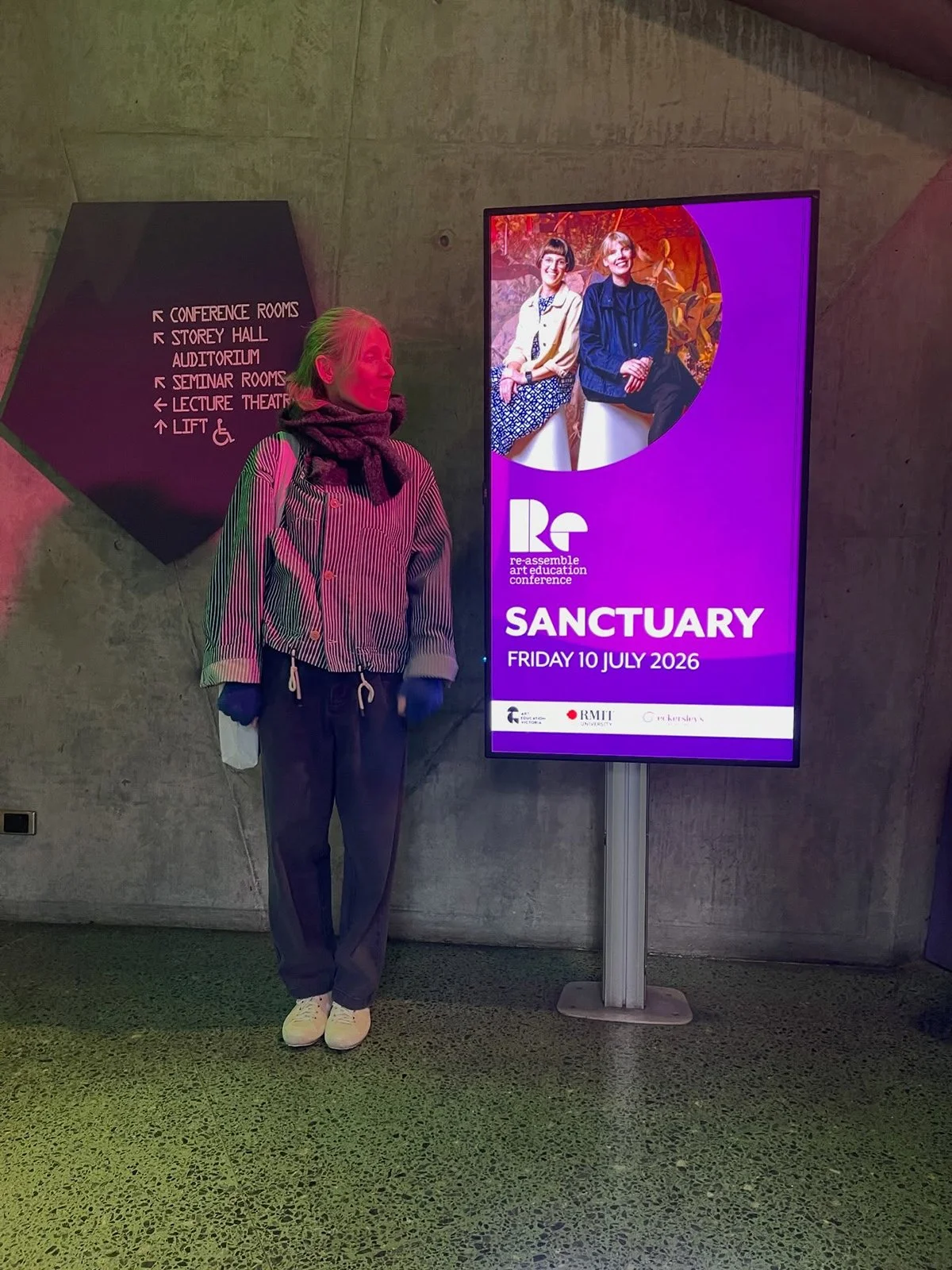
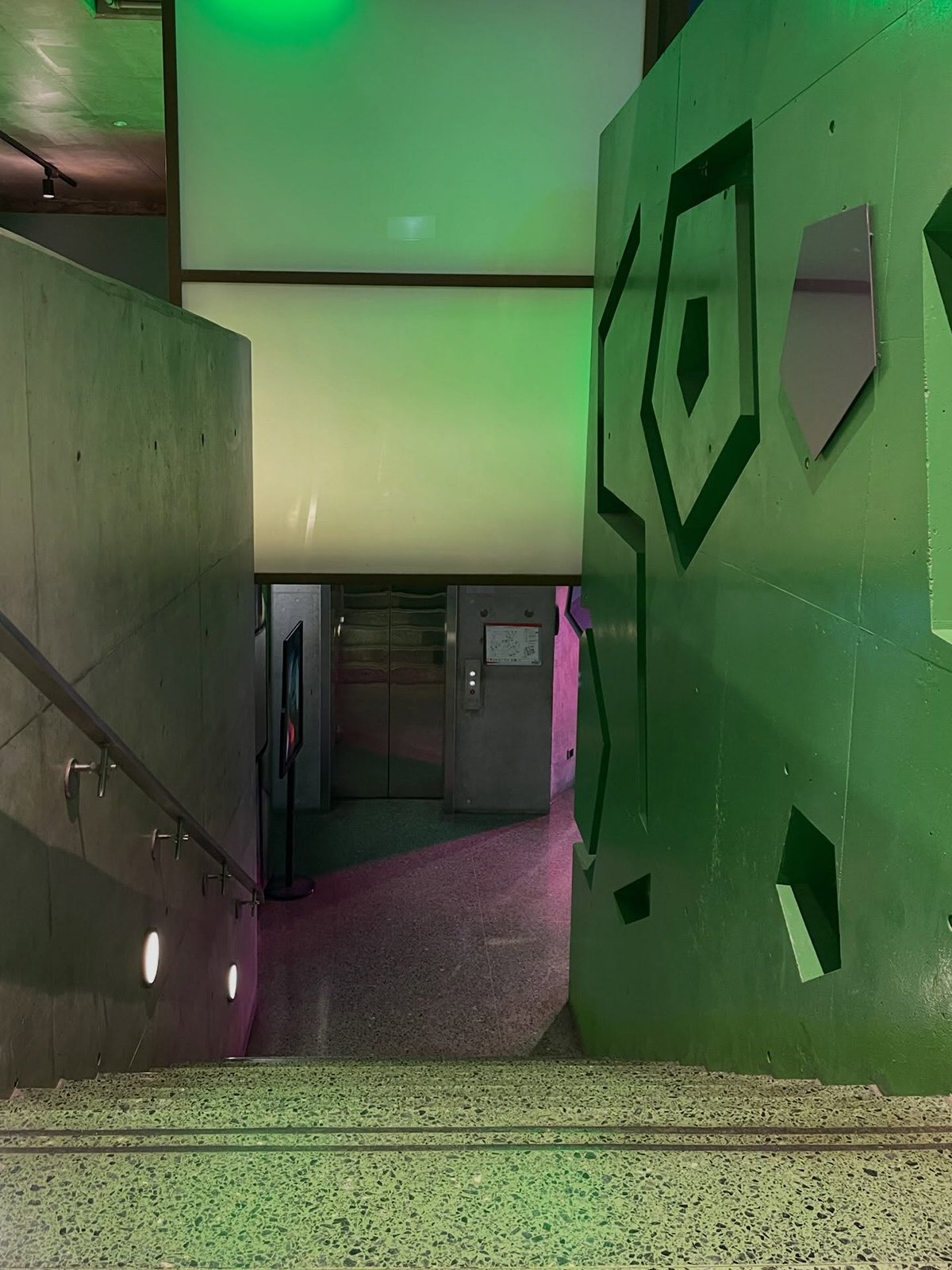
(Pictured below, our own photos of the quiet moments before both keynote and workshop, laying out the rulers, waxed bookbinding thread, bone folders, scissors, and an array of collage material in the print department (@rmit_print_studio), alongside the official Re-assemble photos by Gwendolen Swain. True to the form which many events take, we didn’t take many photos, too giddy was the day’s swing. Thank-you for having us, @artedvic.)
In a recent interview for RMIT University news.
Artist duo inspire teachers to new heights at Art Education Conference
RMIT School of Art alumni Gracia Haby and Louise Jennison reflected on their work as wildlife rescuers and their artists’ book practice at the 2026 Re-assemble Art Education Conference.
The Conference is an annual professional development conference co-hosted by the RMIT University School of Art and Art Education Victoria. It offers a platform for educators to explore innovative approaches to teaching. Through presentations, hand-on workshops (delivered by School of Art academics) and collaborative discussions, the conference attracts Primary, Secondary and Gallery educators from across metropolitan and regional Victoria.
The theme for this year was Sanctuary, where in an increasingly busy world, we find ourselves asking, “Where can we go to reflect, to explore, and to play?” For many of us, the answer has always been, “The art room.”
The conference began with a keynote presentation by RMIT alumni Gracia Haby and Louise Jennison, who shared some of their work as wildlife rescuers and their artists’ book practice. The duo has been collaborating since 1999, making artists’ books, zines, collages, stories, prints and drawings. The combine their art with their wildlife shelter, Tiny but Wild, a place of restoration for the wildlife. “To date we have tended to 284 wild souls, all with a view to release,” they said.
“Our work is helping them to mend, through rest, rehabilitation, treatment, and — in the case of Grey-headed flying fox pups or Ringtail possum joeys — raising them until they are old enough to be released home.”
“It is about giving back to them that which was taken from them. The shelter might appear to be a short- to longer-term sanctuary, but the release, the return home, to habitat, to the wild, is the aim.”
As artists and wildlife carers, their practice frequently interacts with the natural world, addressing themes of conservation and biodiversity. The duo said that this background has helped them broaden their view of art, from narrow specialisation to something that can be adapted across different mediums, industries and causes. “Through having a studio and a shelter side by side, our understanding and awareness has grown,” they explained. “Just as what we learn in the natural world, in nature, is a remembrance of how to live, the same could be said to apply to art.”
“We are reminded that we are not separate from nature — even in the city, especially in the city — but a part of nature.”
“Artwork can be a space in which you can comment on how nature is not separate, but a part of the whole, all around you, to the side, above and below, and within.”
The duo said that an art education has helped them to become more honest in their observations. “An art education trains you to be flexible, resourceful, to understand the importance of questioning, experimenting, and finding alternative answers to alternative possibilities, and to be truly honest in observing all around you.”
“We are interested in growing kinship and community, and this takes place between a reader and, say, one of our artists’ books, or between students in a studio setting, shaping their unwritten, undetermined pathways through continued outer awareness.”
The duo encourages students to see art as a tool for engaging with issues beyond the art world in order to create meaningful change during this era of unprecedented volatility. “Being compassionate now is the most important thing we can do,” they said. “Learning to care for the community around you, both human and the more-than-human, is what is needed right now.”
“Making art, sharing art, offering alternative ways of being, offering solutions through art is critical. We need to question all around us and to really see what is going on, and that is the role of artists.”
“The students’ voices are so needed right now. Spaces like the print studio at RMIT are safe, caring, and encouraging, somewhere students can learn their voice and how to let it roar.”
“Wonder is our greatest antidote to self-destruction.”
Haby and Jennison’s keynote was followed by collaborative sharing sessions and workshops, where participants continued to engage with key themes such as:
Educator and student well-being;
The restorative power of making;
The art room as a site of safe self-expression;
The many ways art can nurture a connection to the natural world
Five RMIT students — Lucy Stevens, Isobella Williamson, Olivia Newing, Daniella Colosimo and Shayna Dahya — also gave their time to volunteer on the day.
Find out more about Re-assemble.
See more of Gracia and Louise’s work.


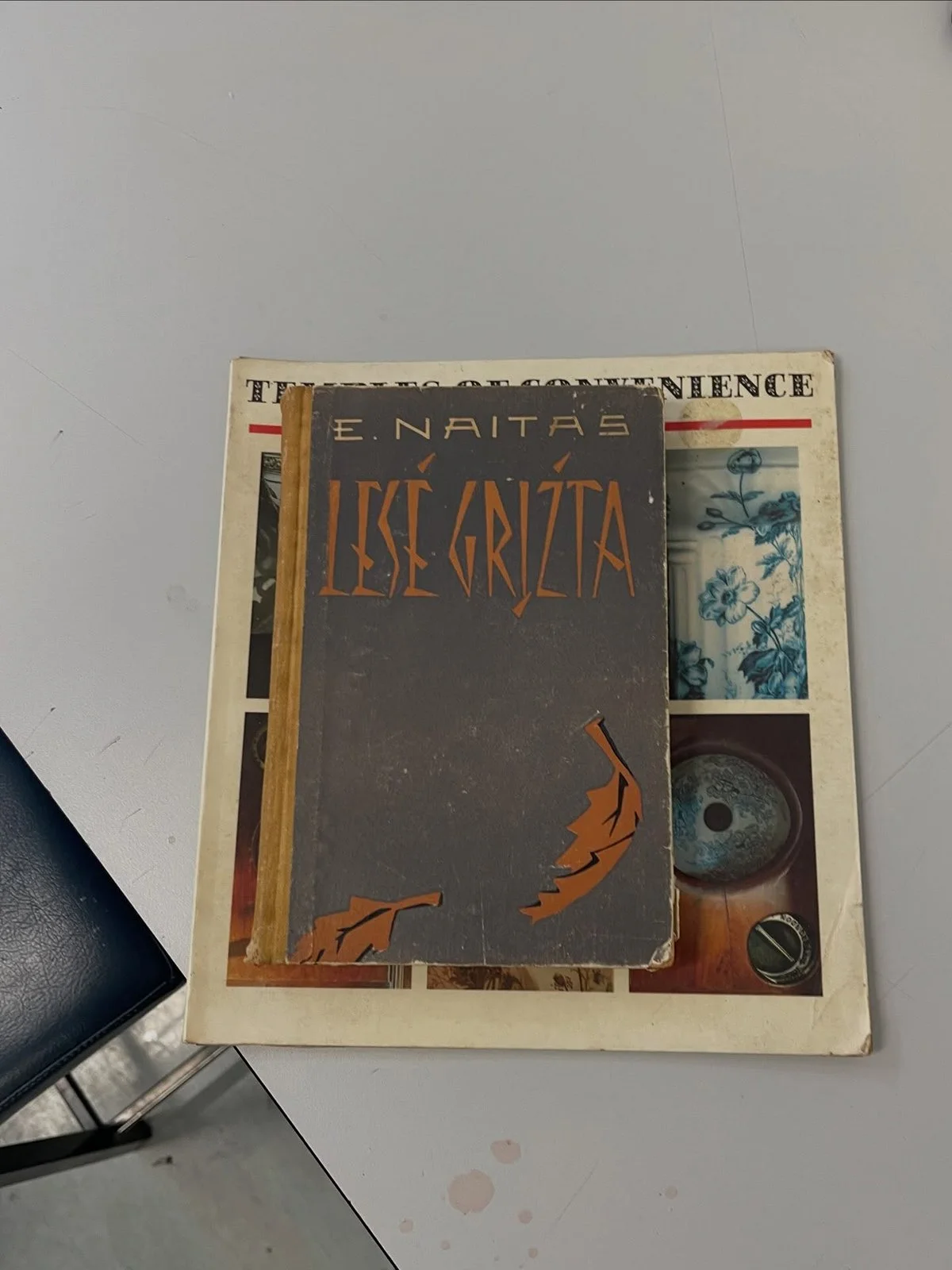


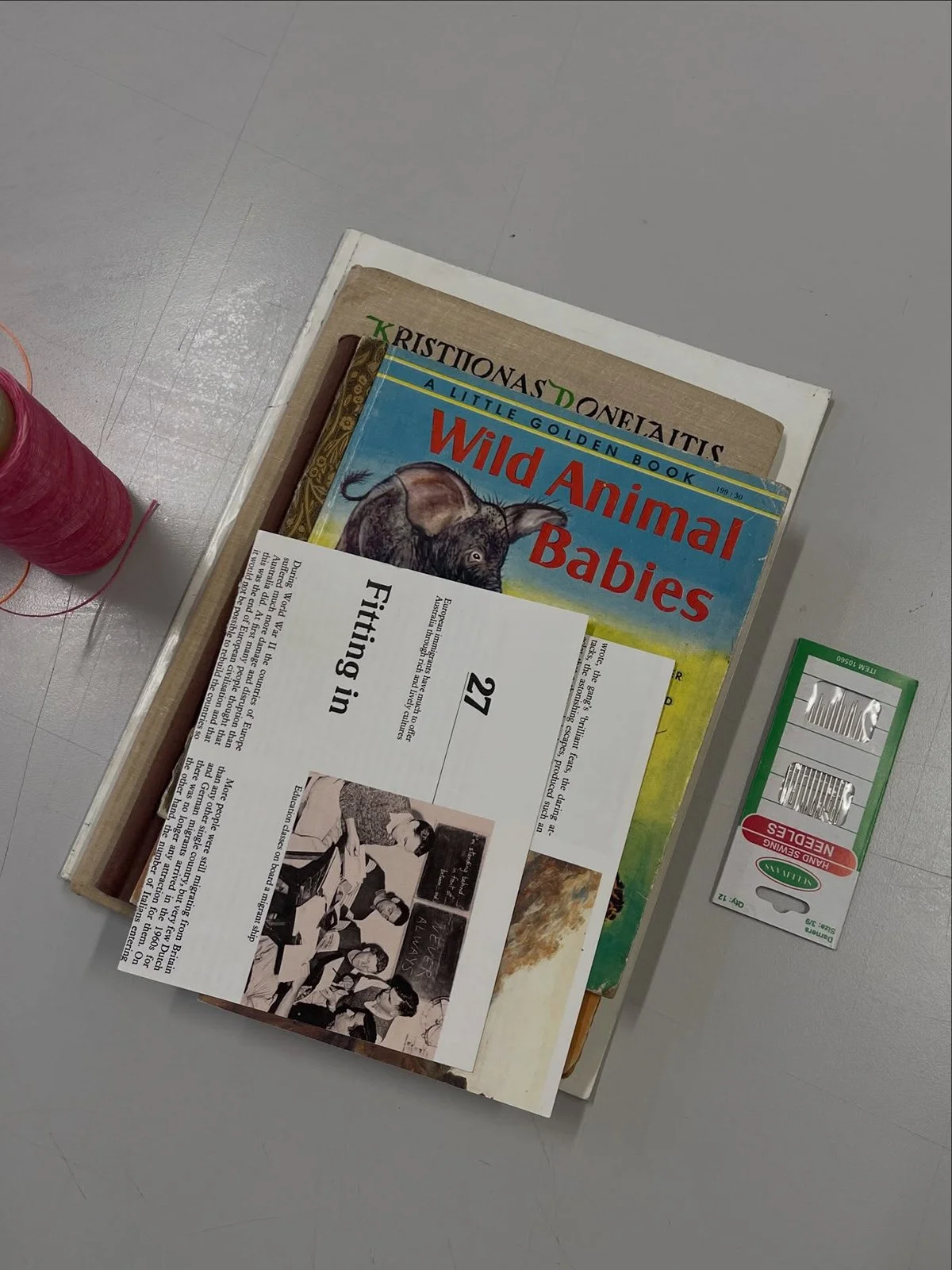
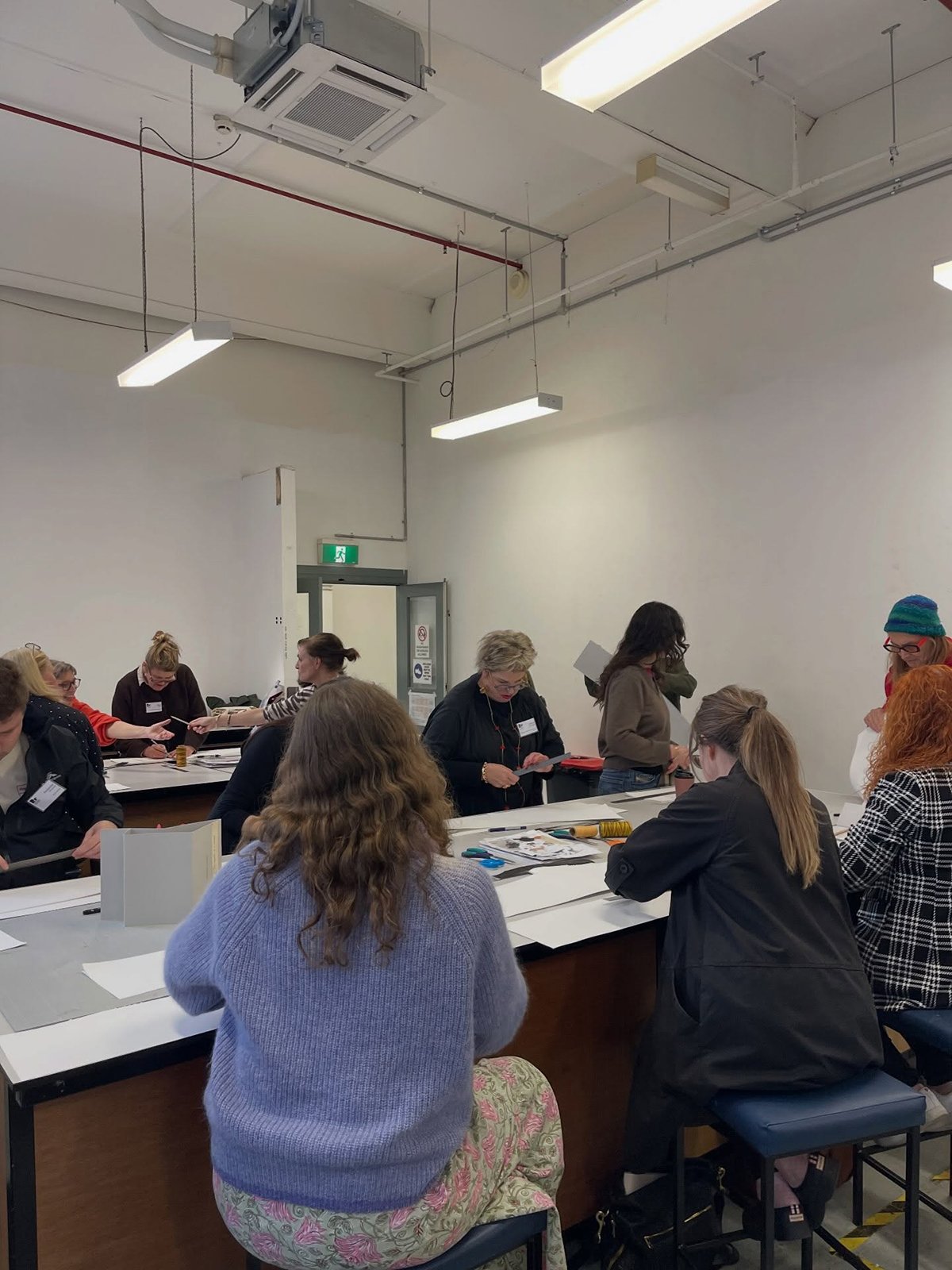
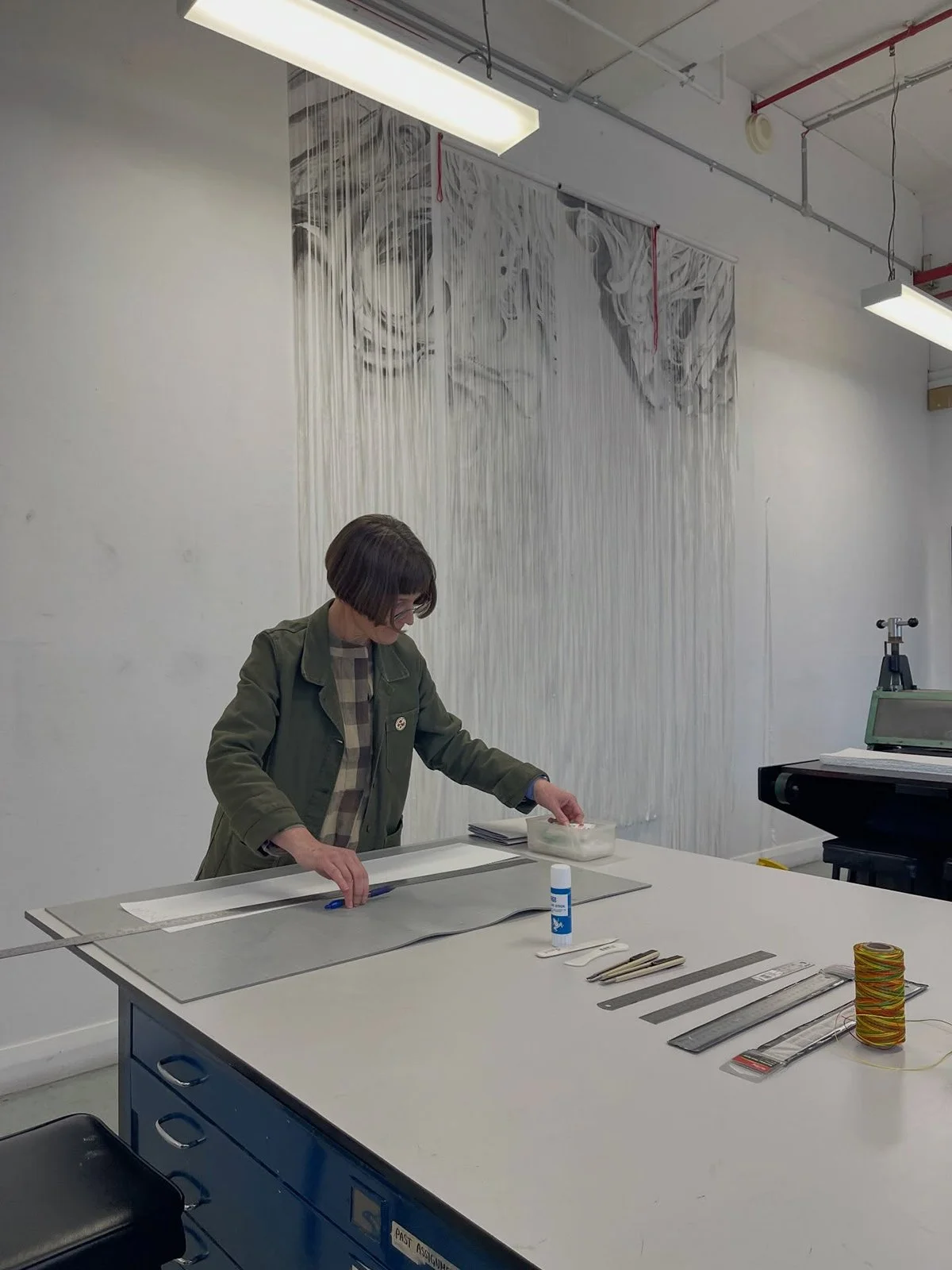

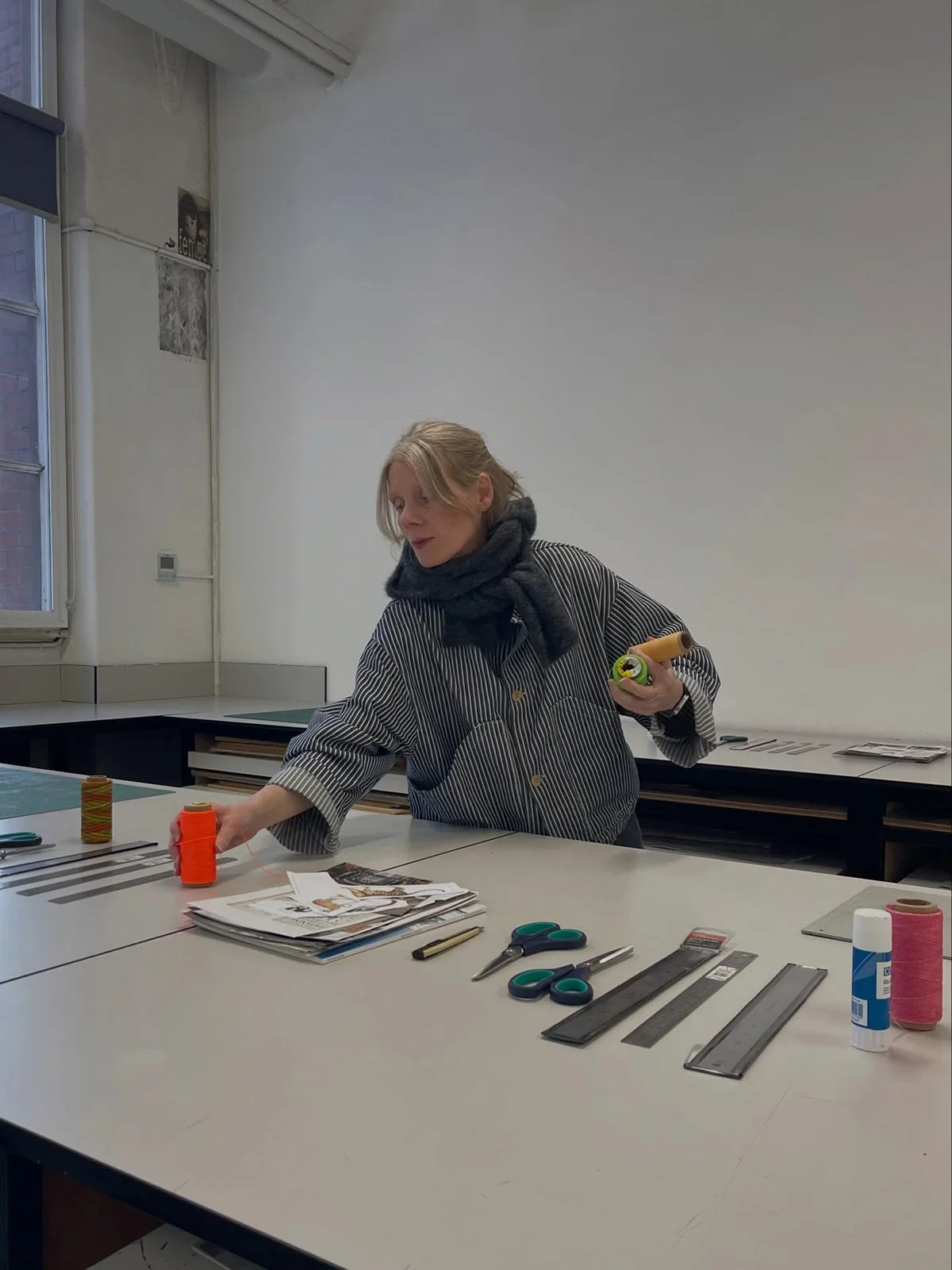

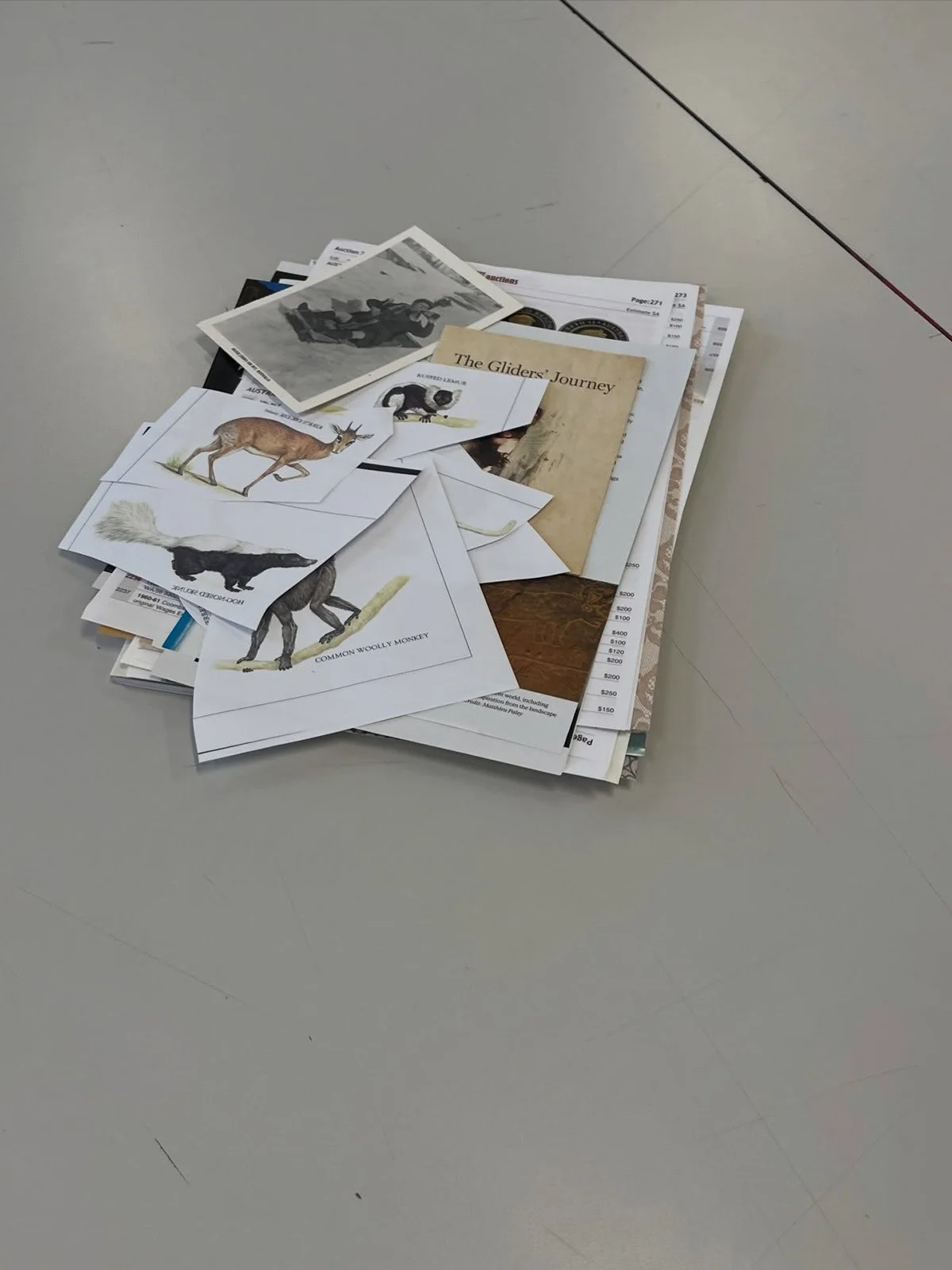
Image credit: Gracia Haby & Louise Jennison, Wraparound artists’ book workshop, RMIT School of Art, photographed by Gwendolen Swain
