Velvety bloom
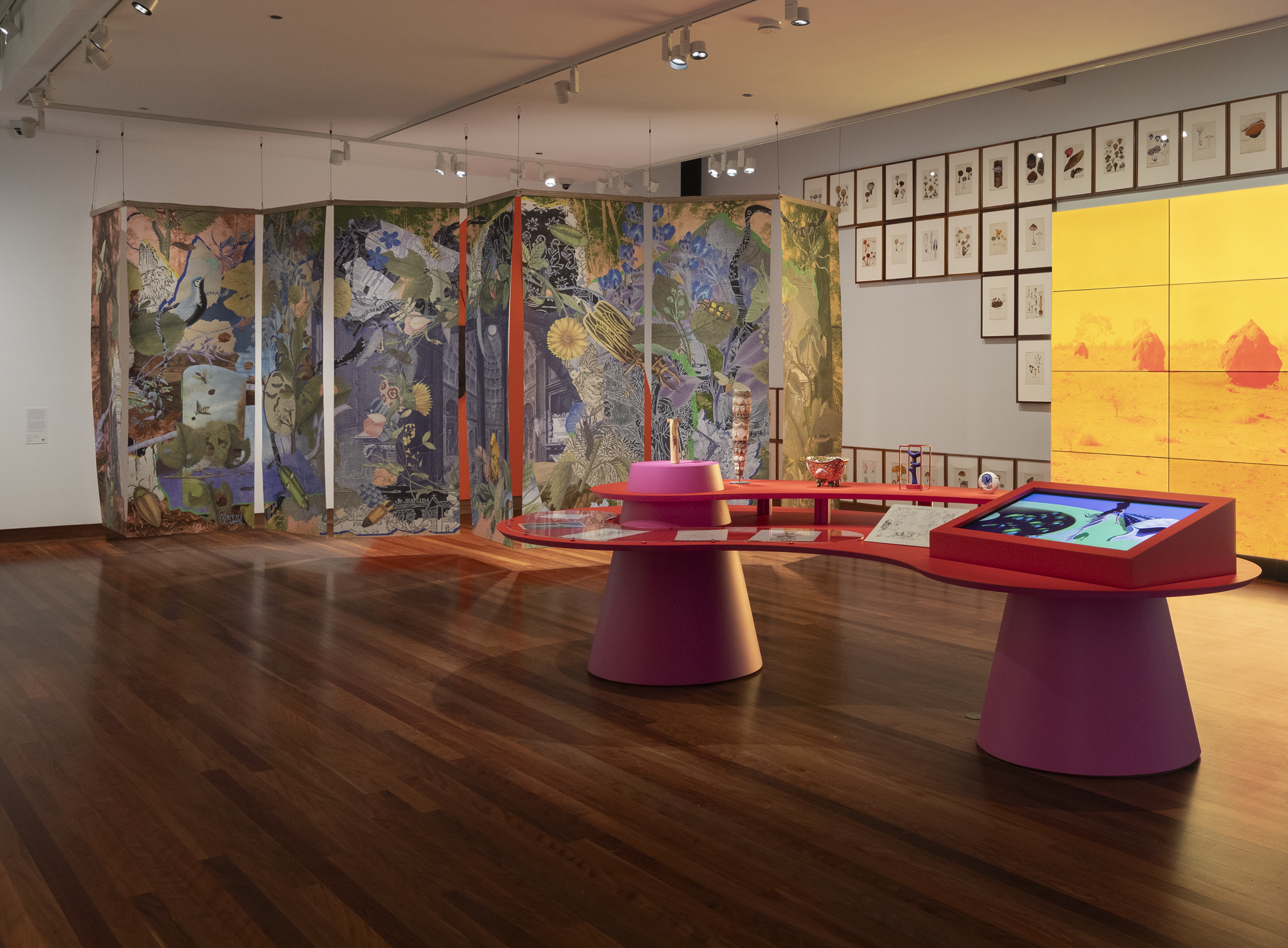
A velvet ant, a flower and a bird
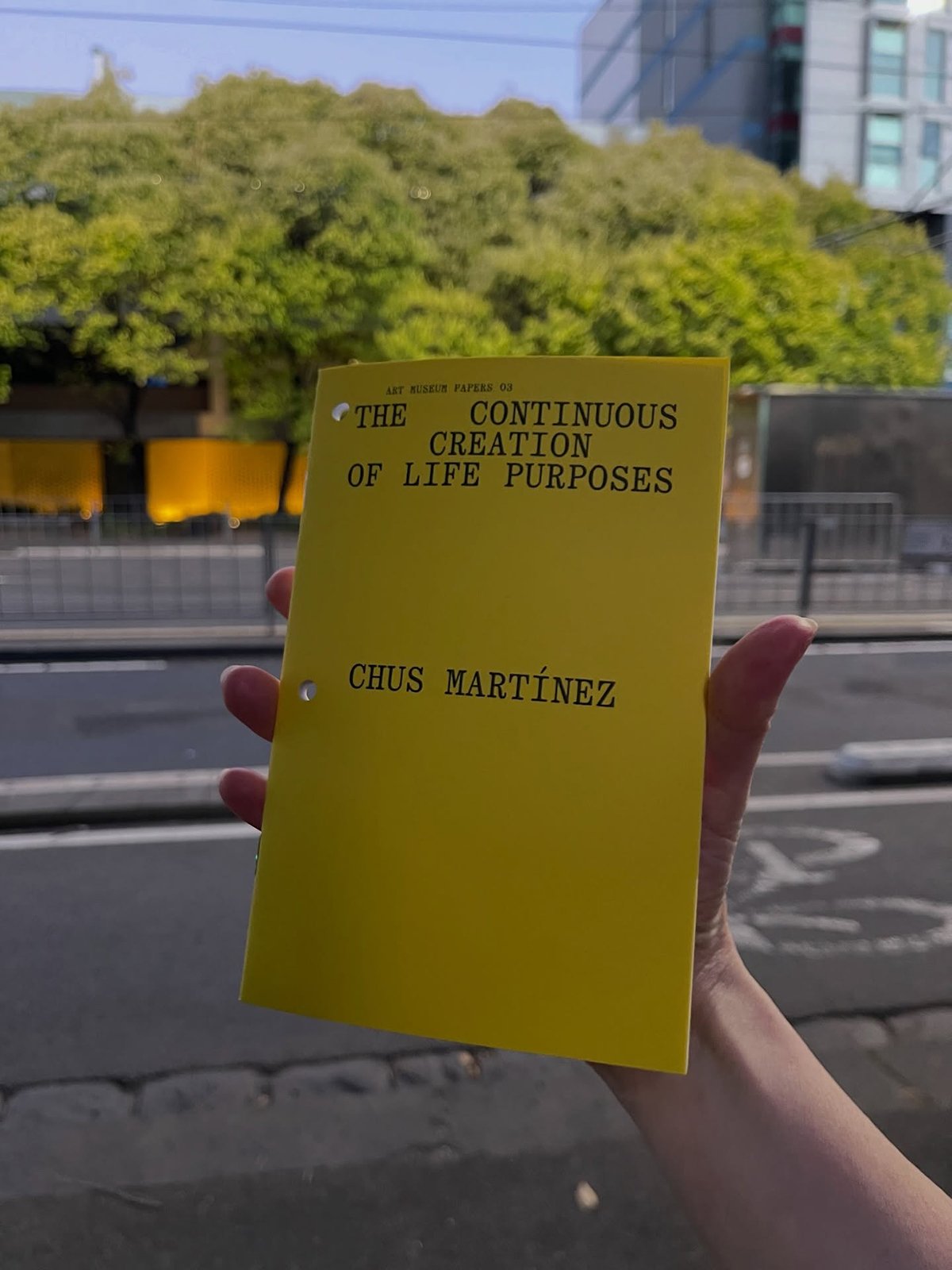
A Potter Museum of Art commission for A Velvet ant, a flower and a bird exhibition guest curated by Professor Dr Chus Martínez, Head of the Institute of Art Gender Nature at the FHNW Academy of Arts and Design, Basel, Switzerland
Potter Museum of Art, Cnr of Swanston Street and Masson Road, Parkville
Thursday 19th February – Saturday 6th June, 2026
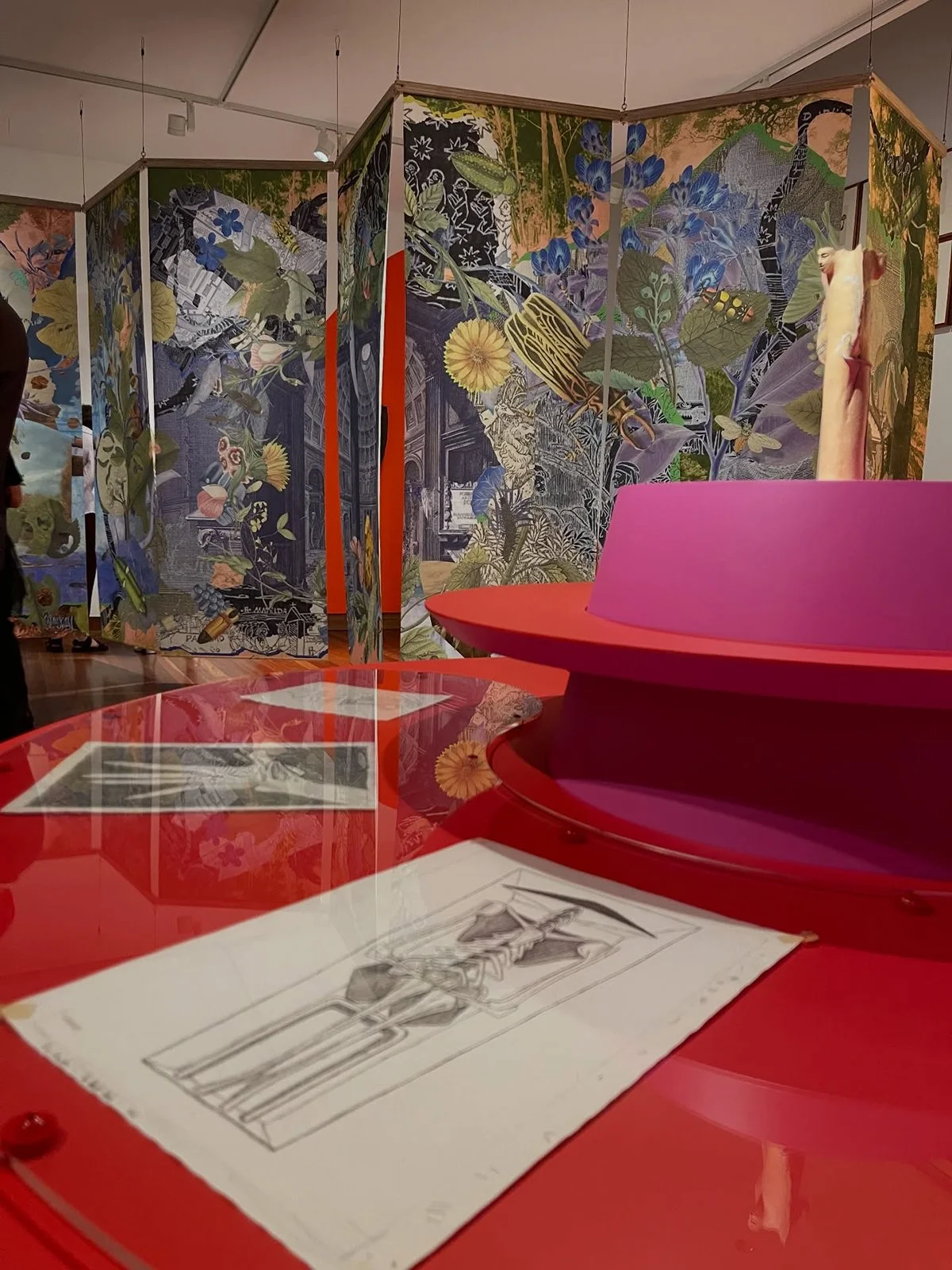
From the pages of the rare books we have had the enormous honour of looking at first hand, and working from, digitally, in a collage, we have learned that the model is not survival of the fittest but rather that community is crucial (for survival). Indigenous and Western sciences and study offers us insights into the more-than-human flow. So, too, our work with native wildlife, shaping how we read that which is before us and our personal mantra, ‘never rush a possum’.
“Darwinist interpretations were from a particular historical context that does not apply to modern interpretation.” Evolution does not progress from simple to complex in a linear fashion. Addressing the Darwinist principles, Robin Wall Kimmerer offers this interpretation of natural selection: “There is no question but that all living beings experience some level of scarcity at various points, and therefore that competition for limited resources, like light or water or soil nitrogen, will occur. But since competition reduces the carrying capacity for all concerned, natural selection favours those who can avoid competition. Oftentimes this is achieved by shifting one’s needs away from whatever is in short supply, as though evolution were suggesting ‘if there’s not enough of what you want, then want something else’” (‘The Serviceberry: An Economy of Abundance’, Emergence Magazine). In thinking about how we can live differently, and also in relation to our collage, Specimen 1963, and to paraphrase Kimmerer, how can we change individual practices as a form of learning and resistance. We have the option to choose our value system and those around us who embody them through practicing gratitude and abundance. “Enumerating the gifts you’ve received creates a sense of abundance, the knowing that you already have what you need”.
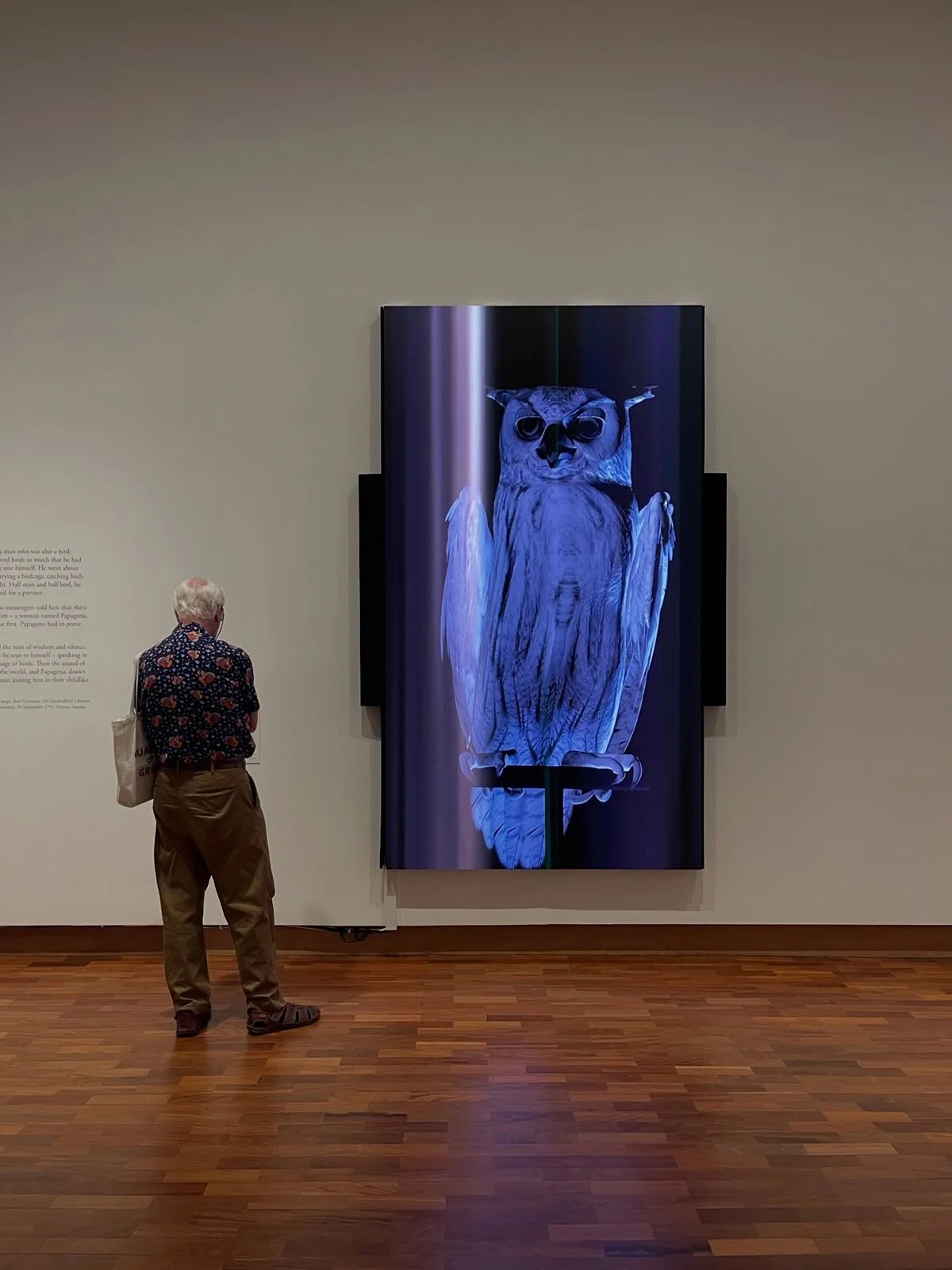
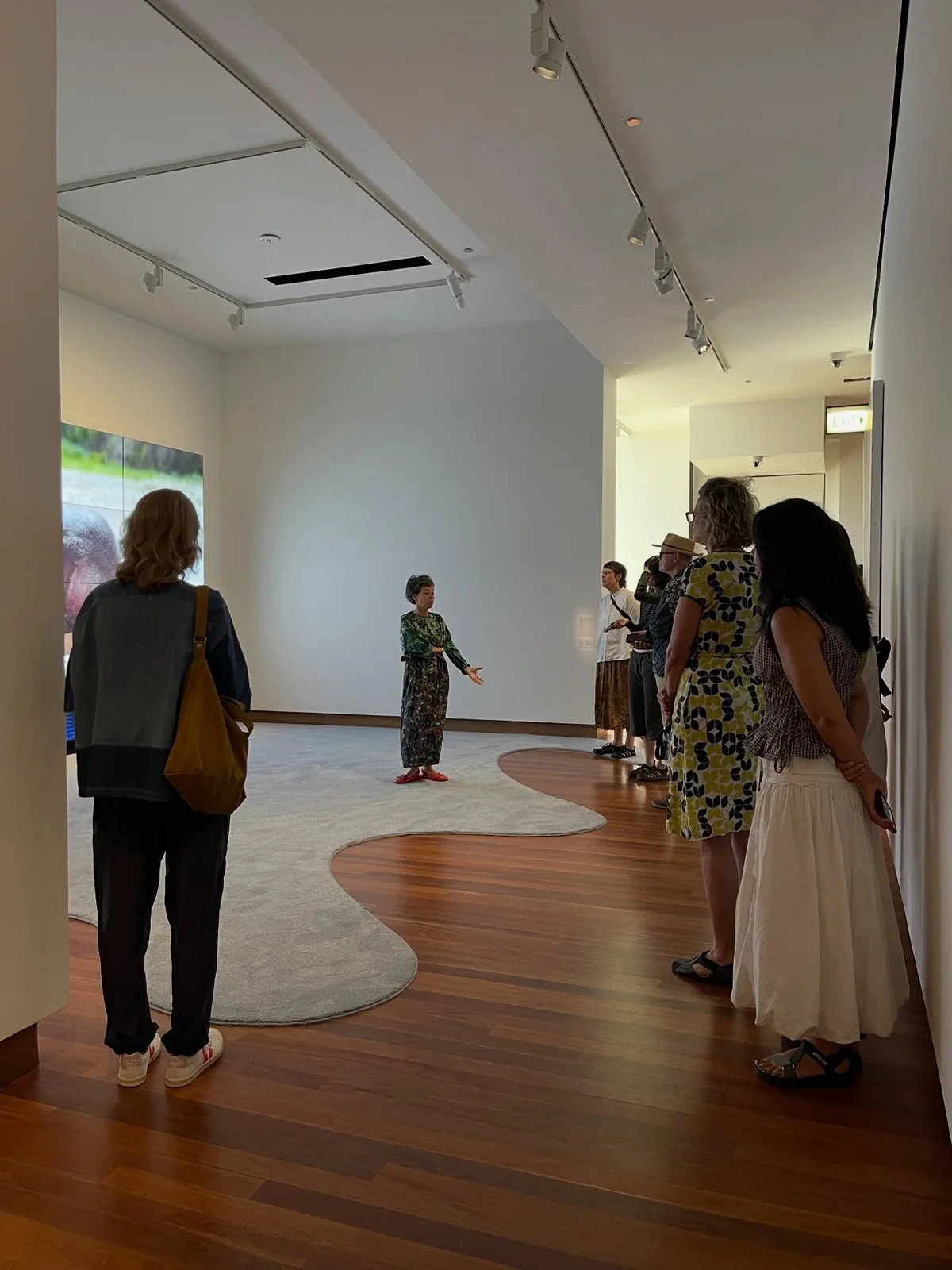
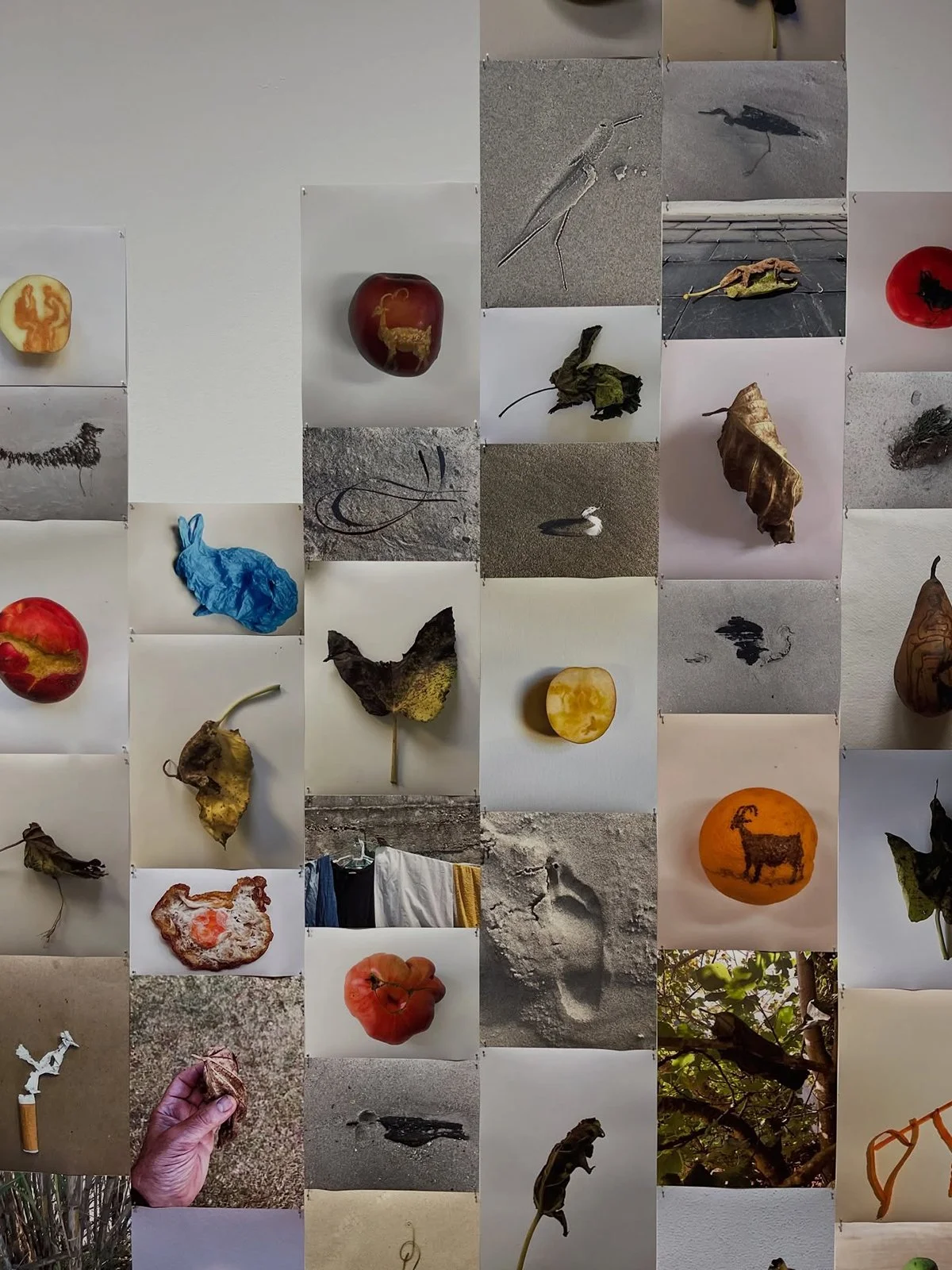
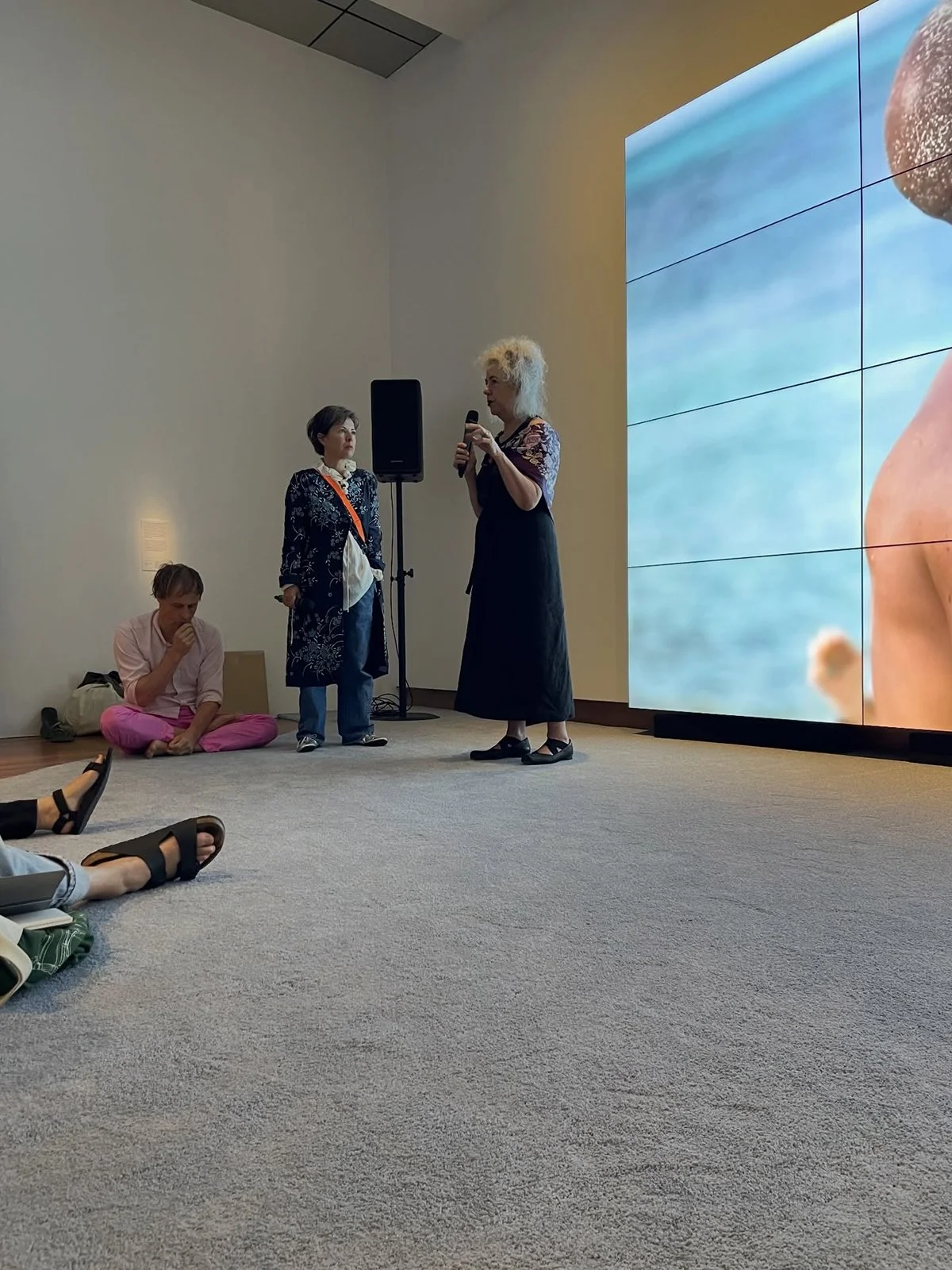
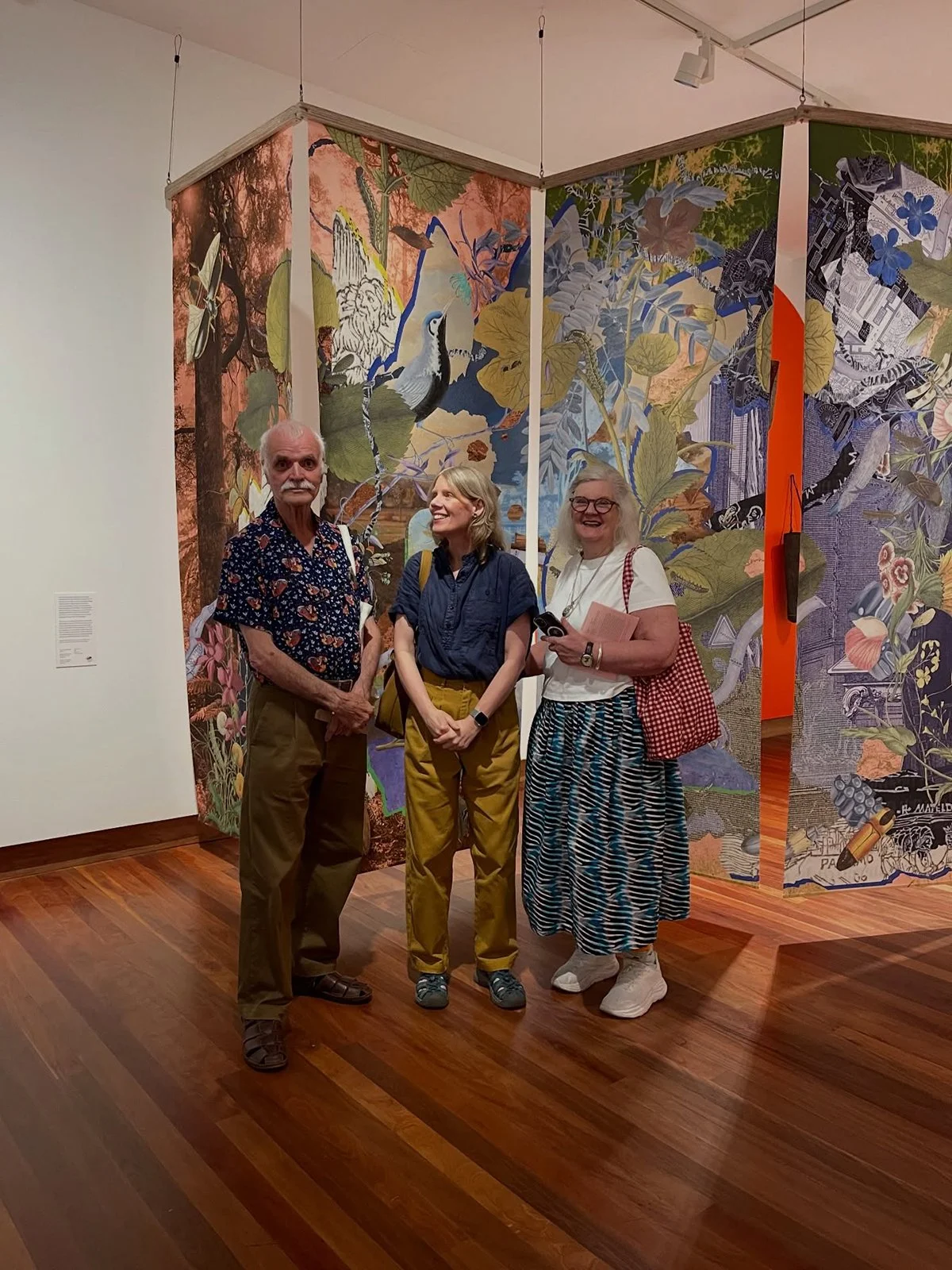
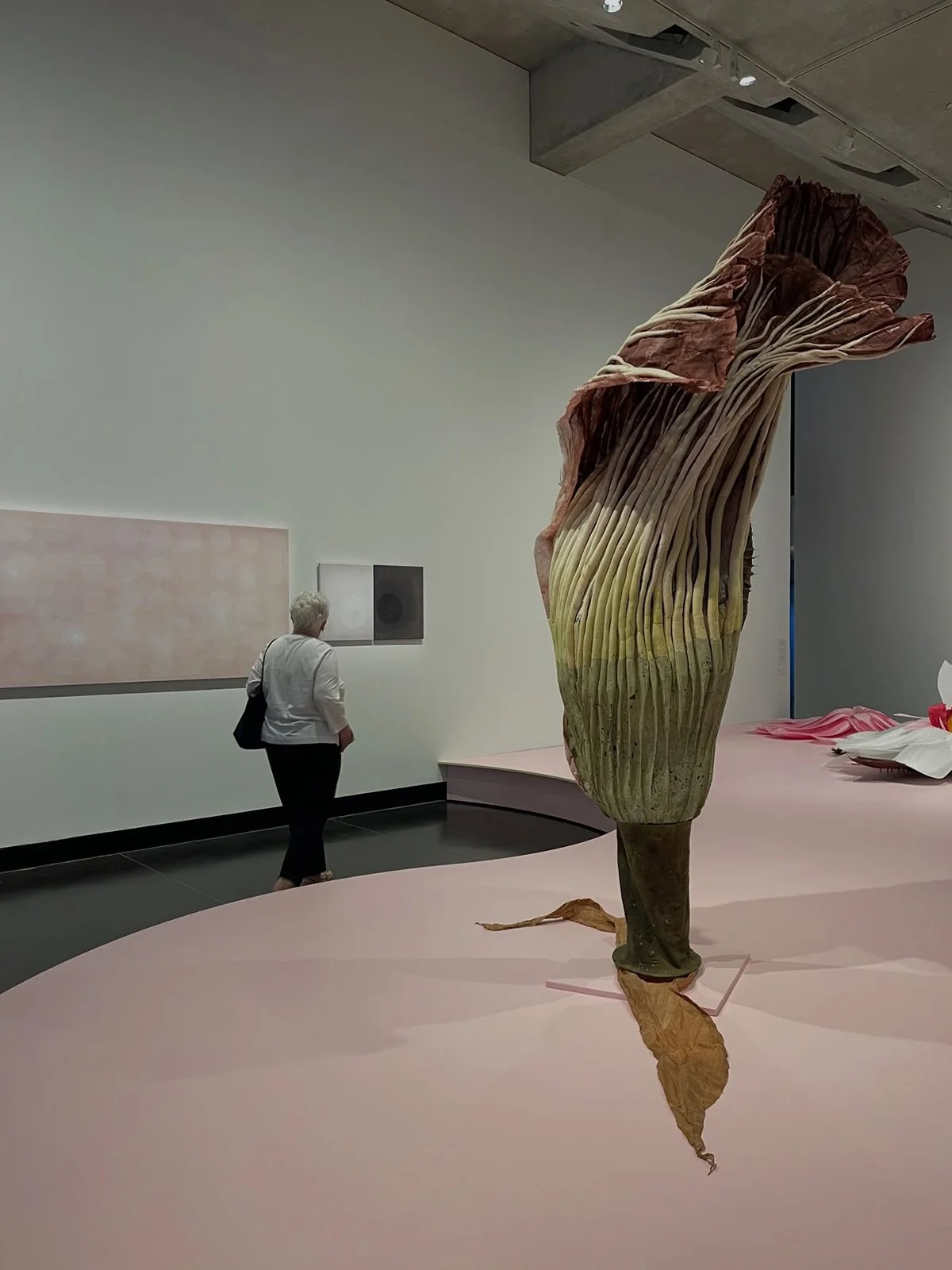
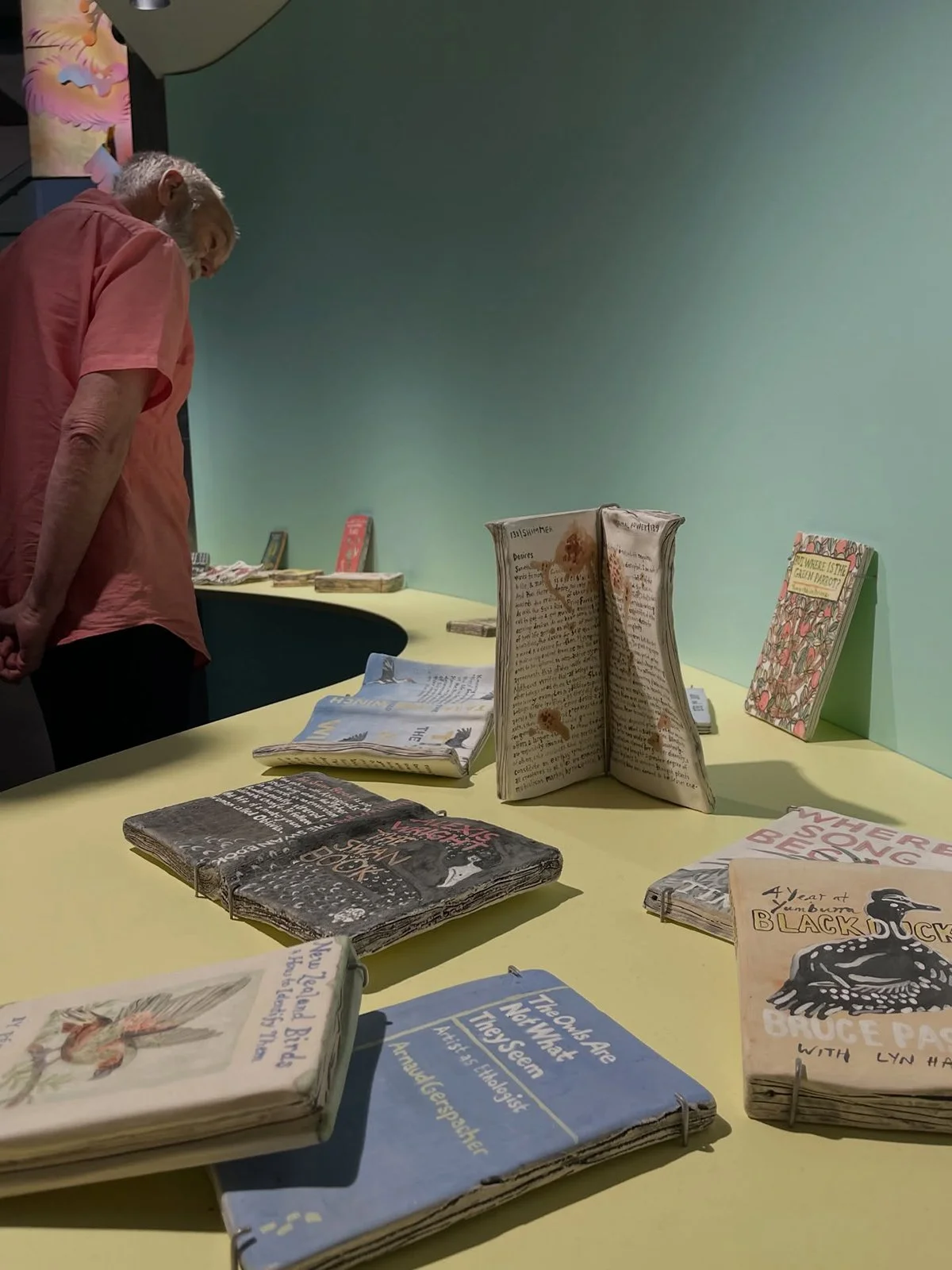
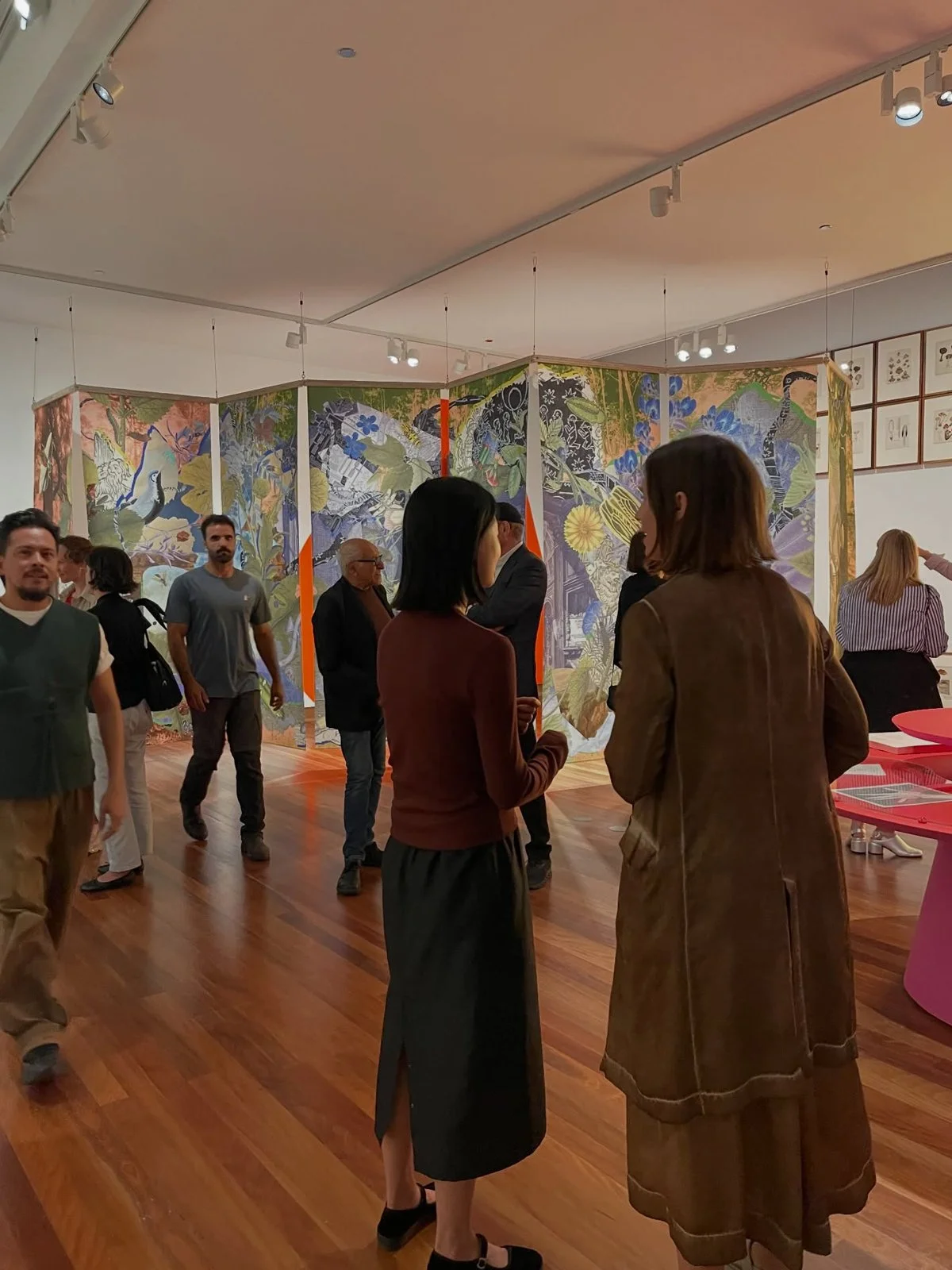
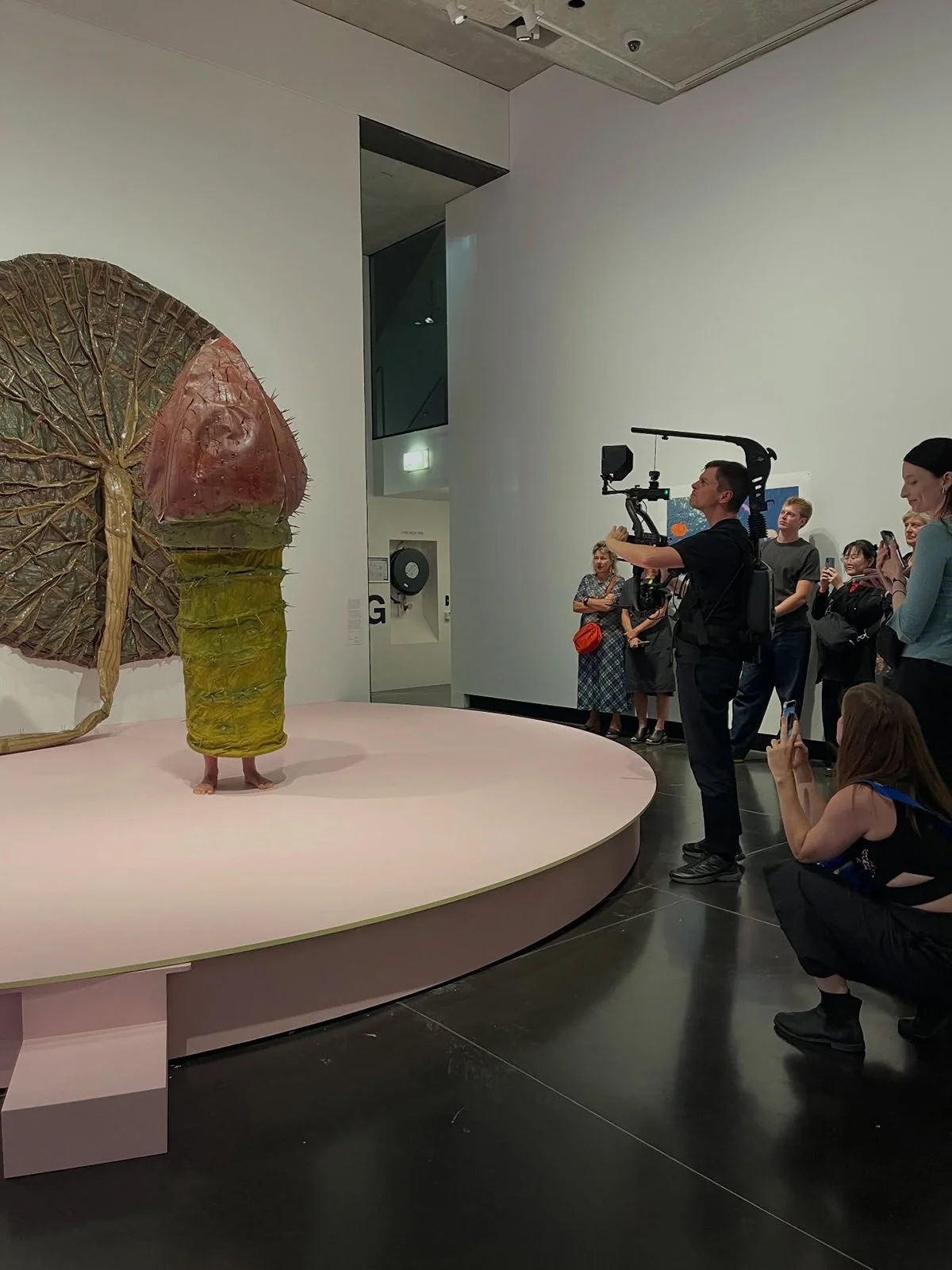
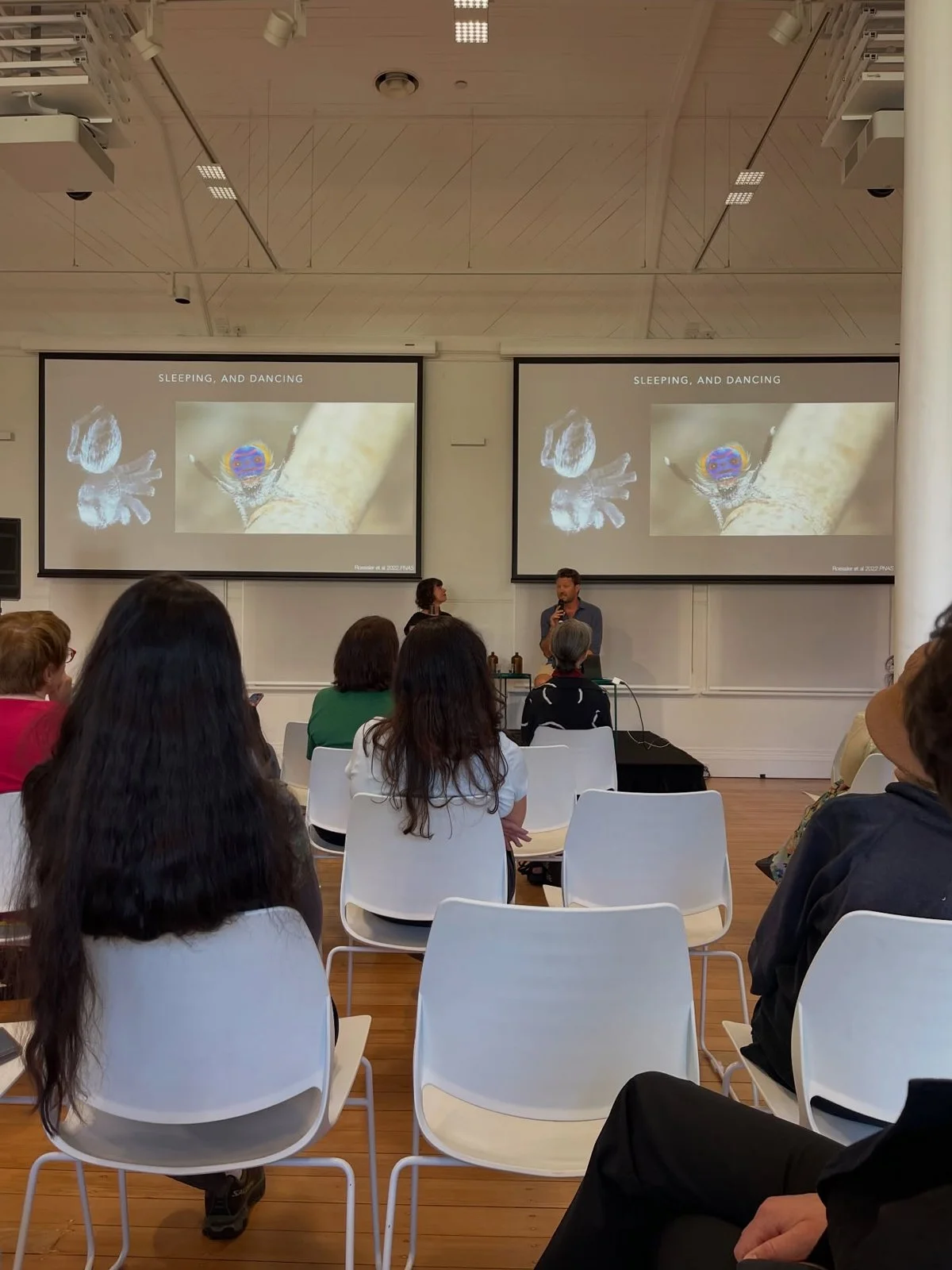
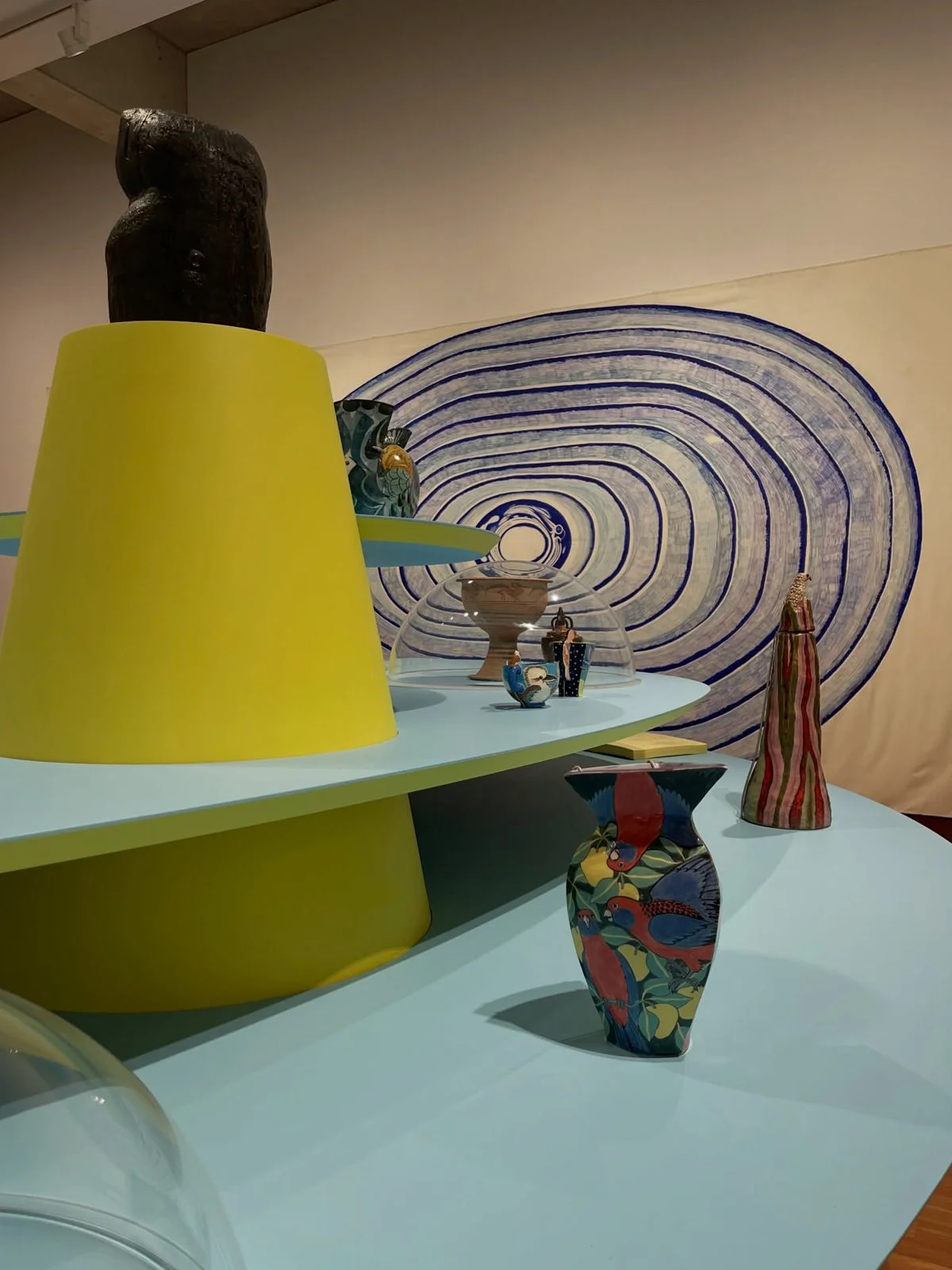
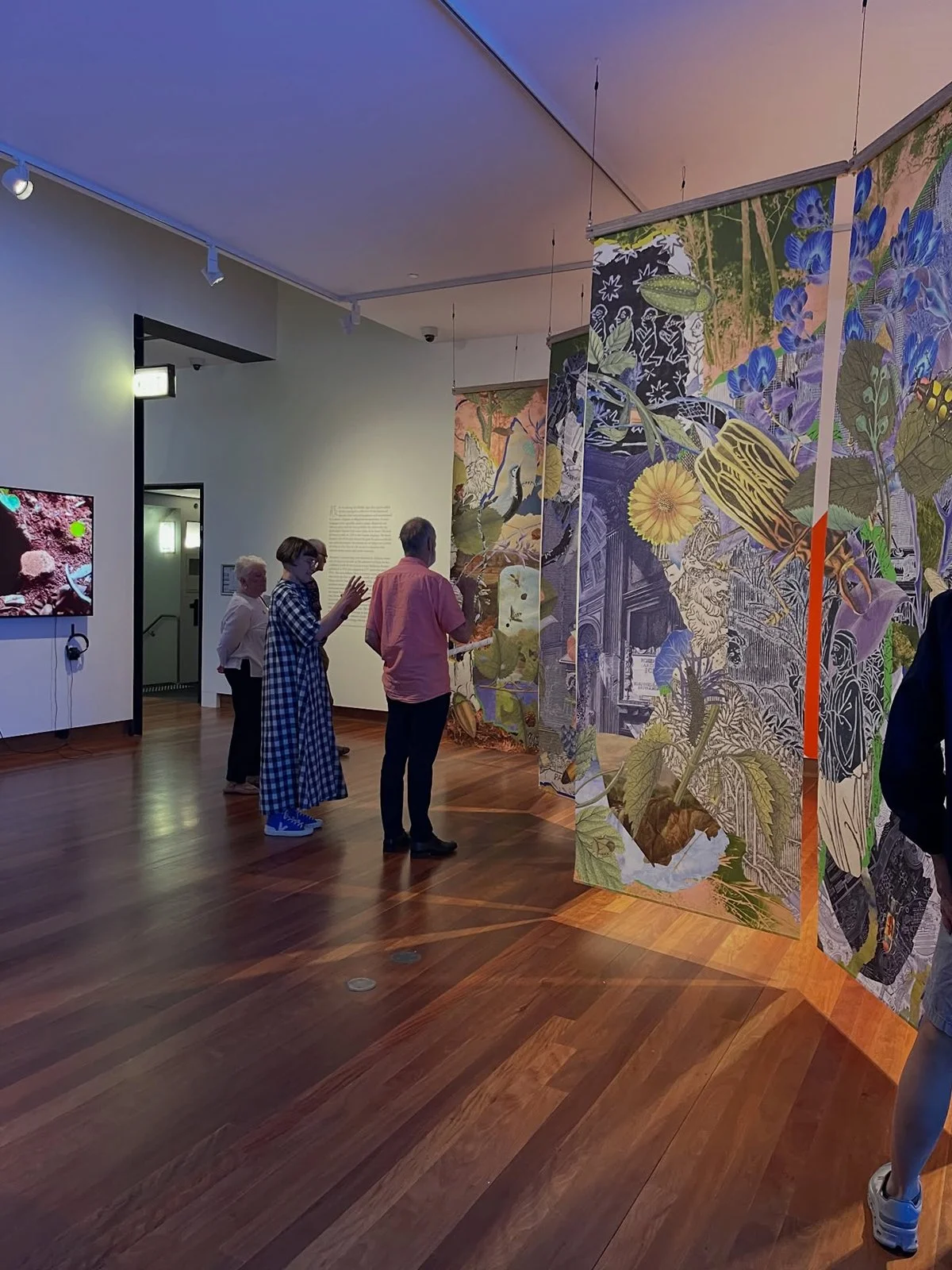
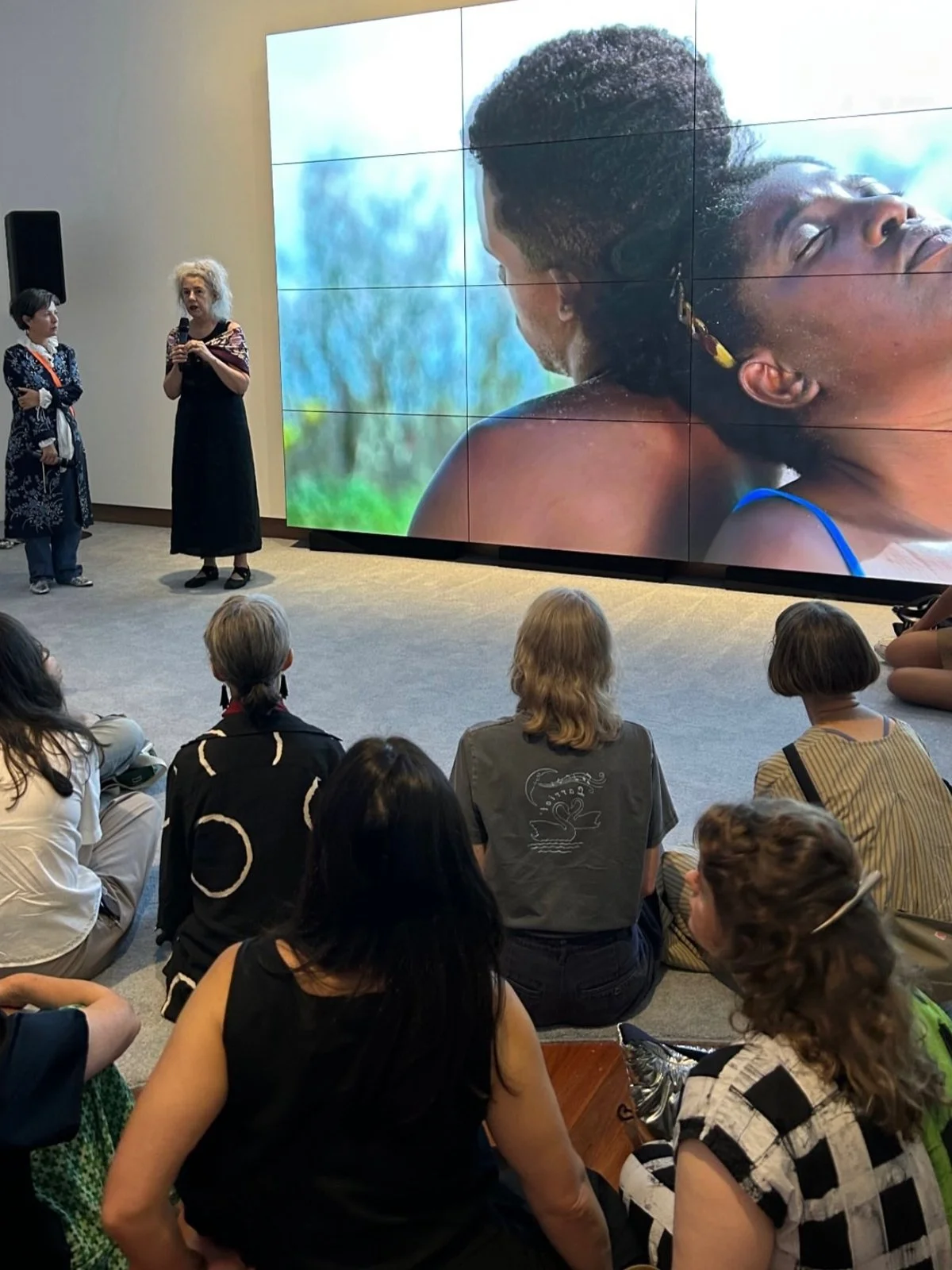
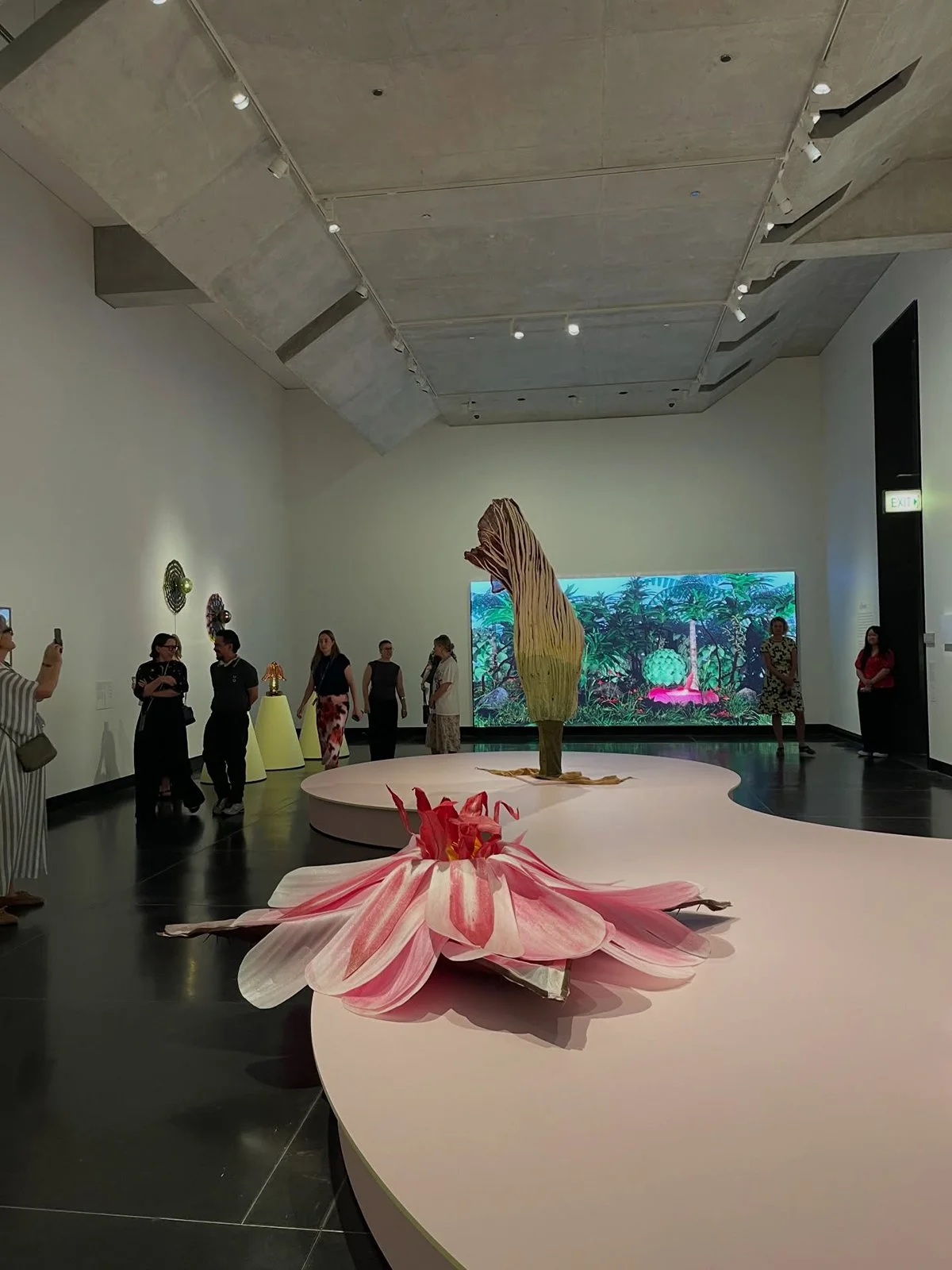
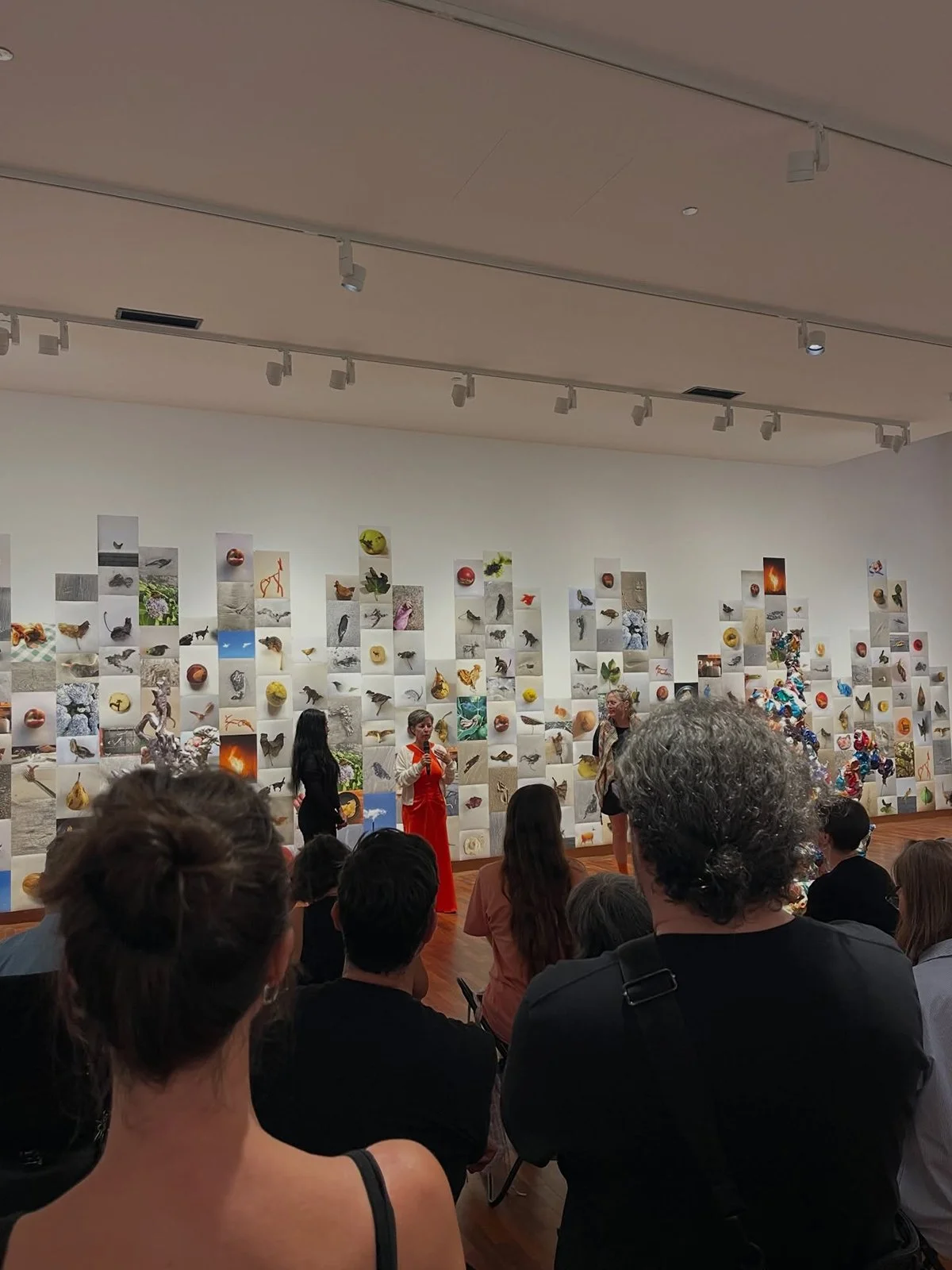
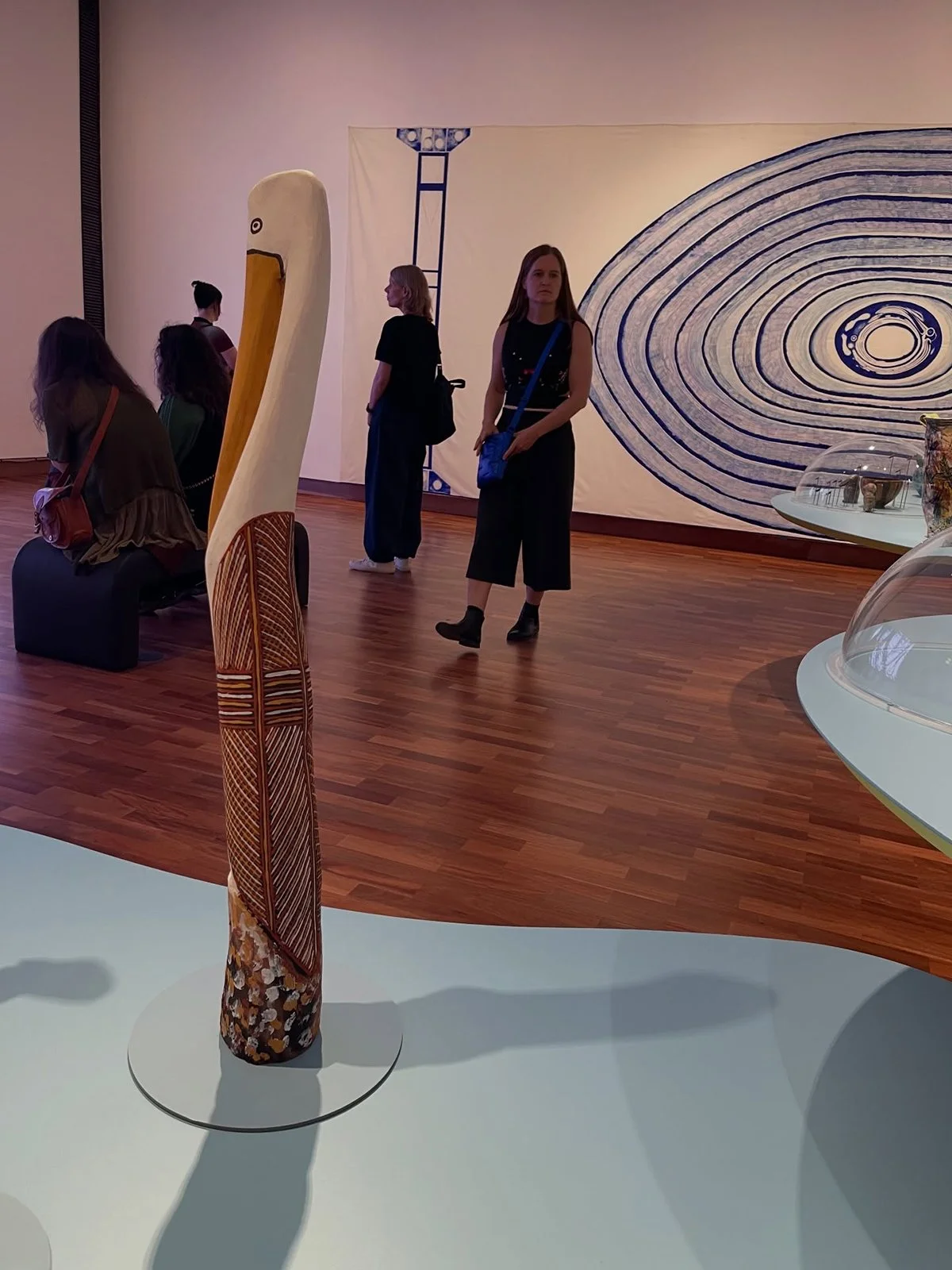
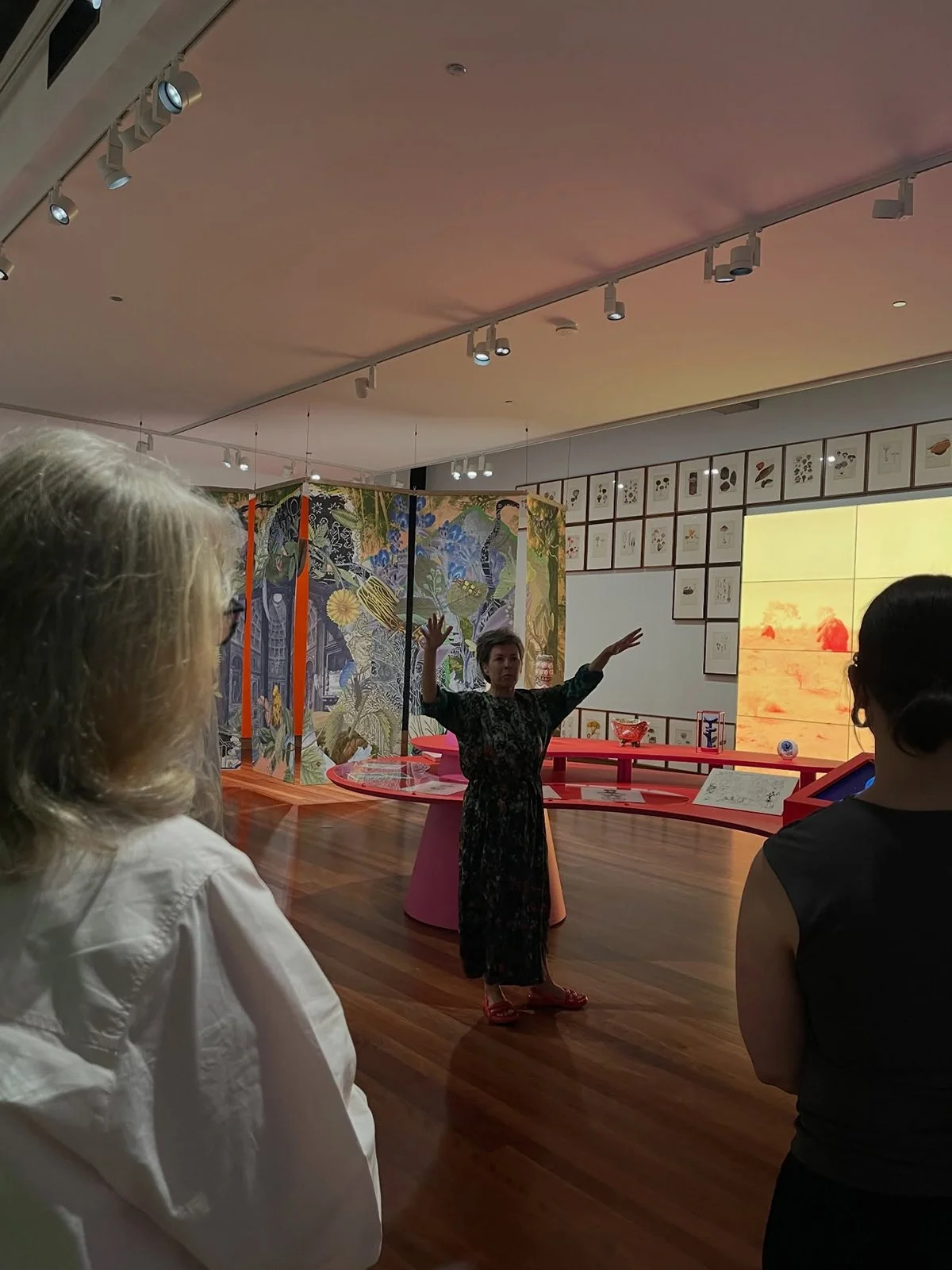
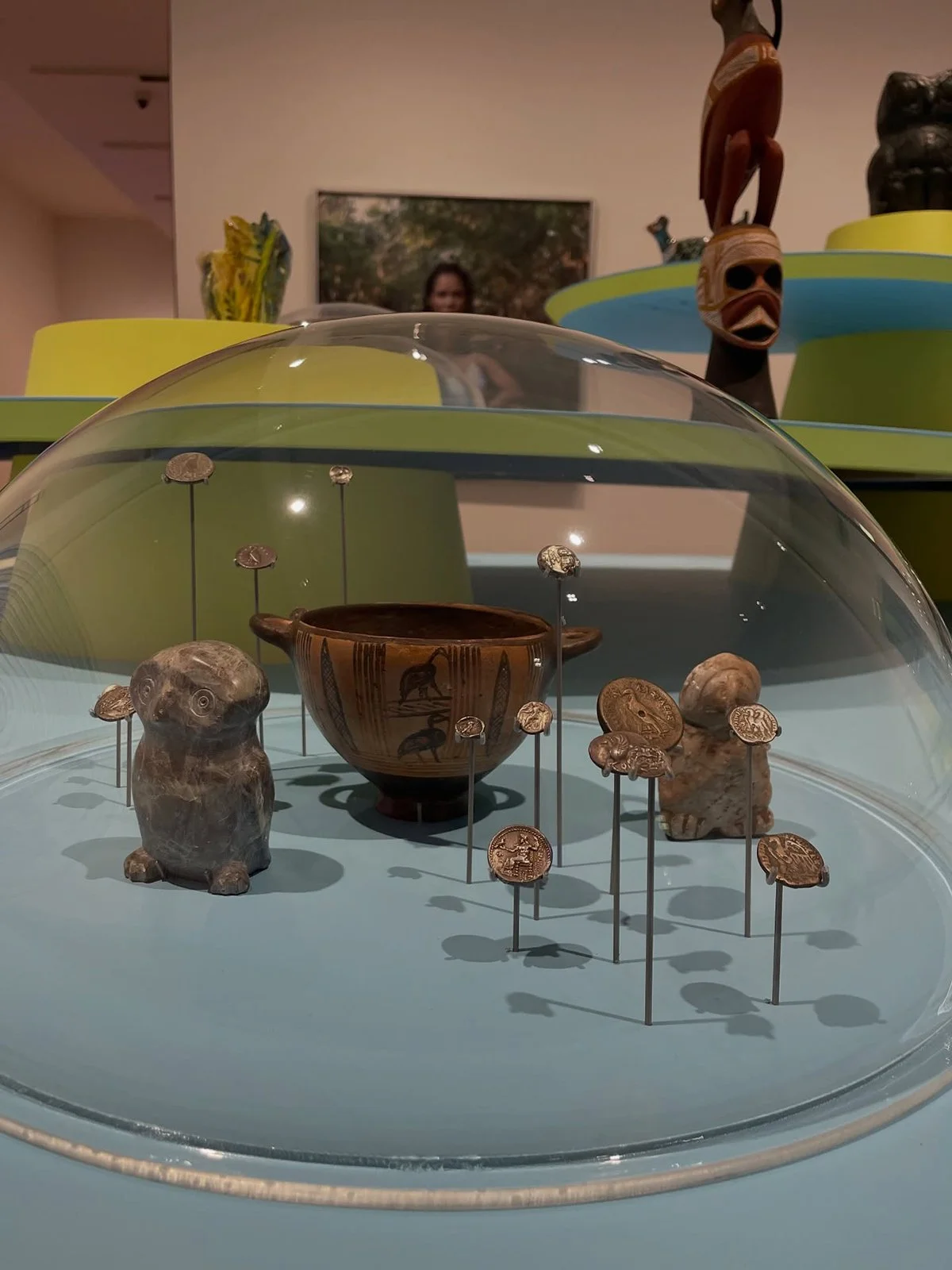
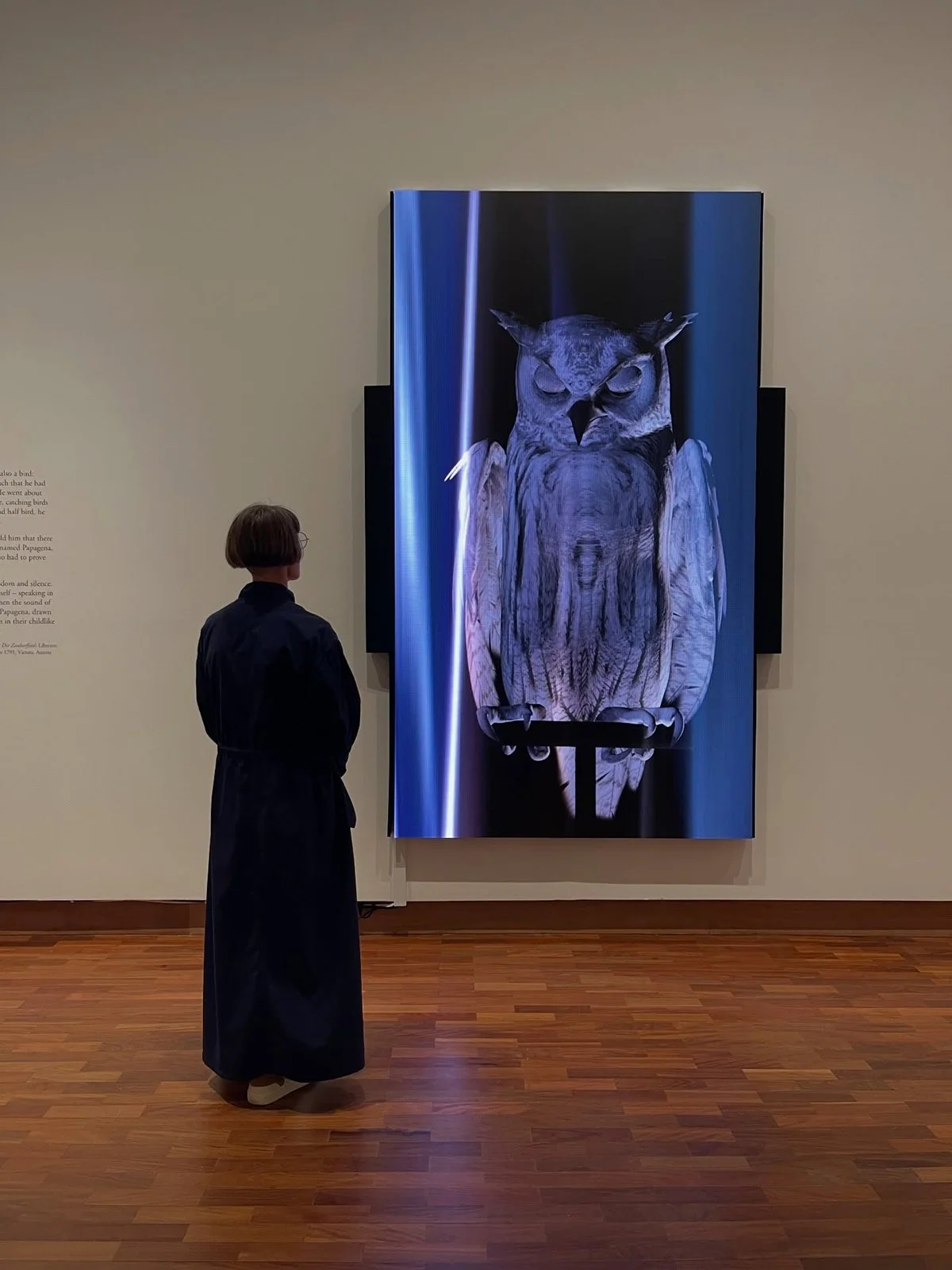
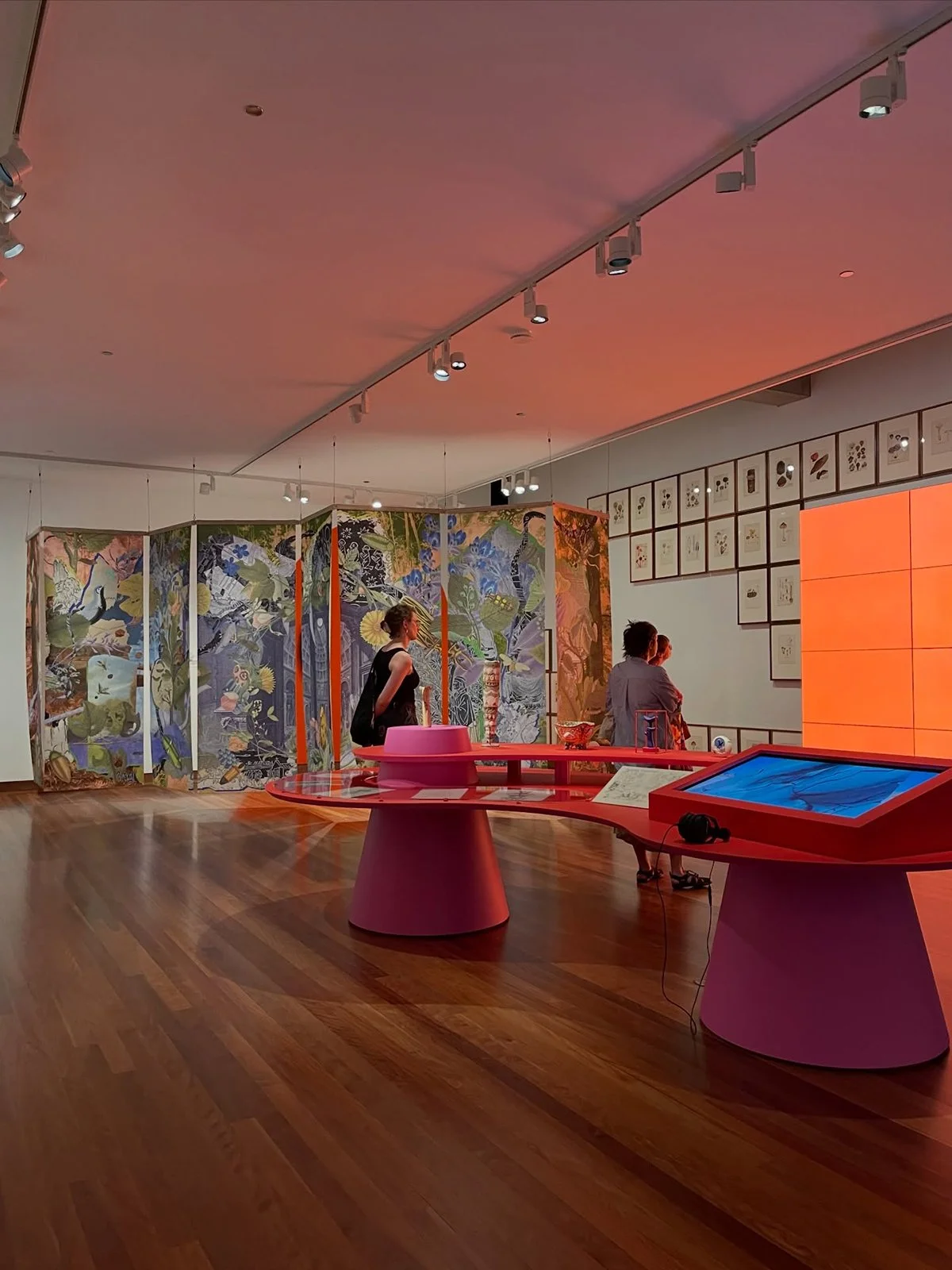
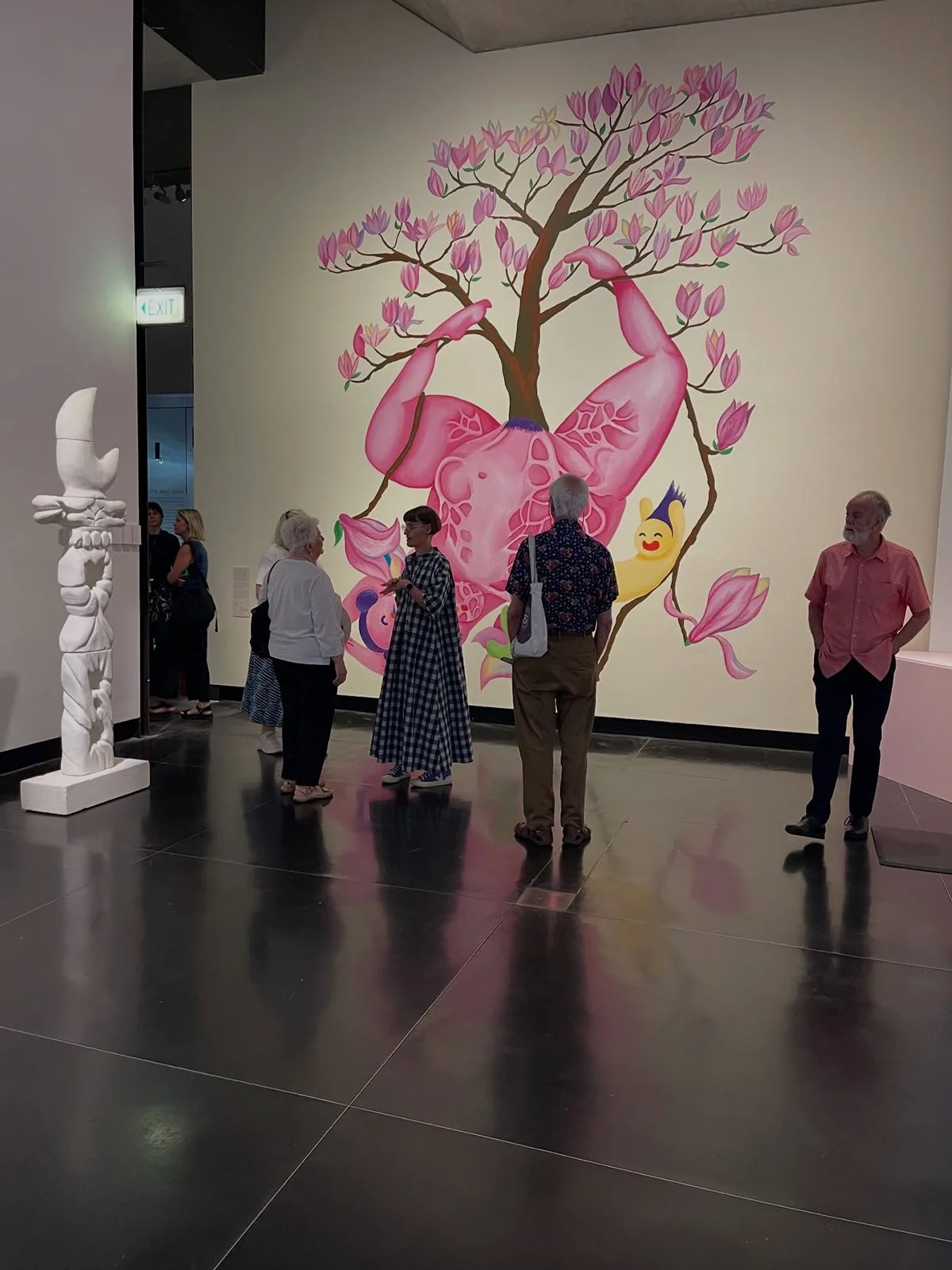
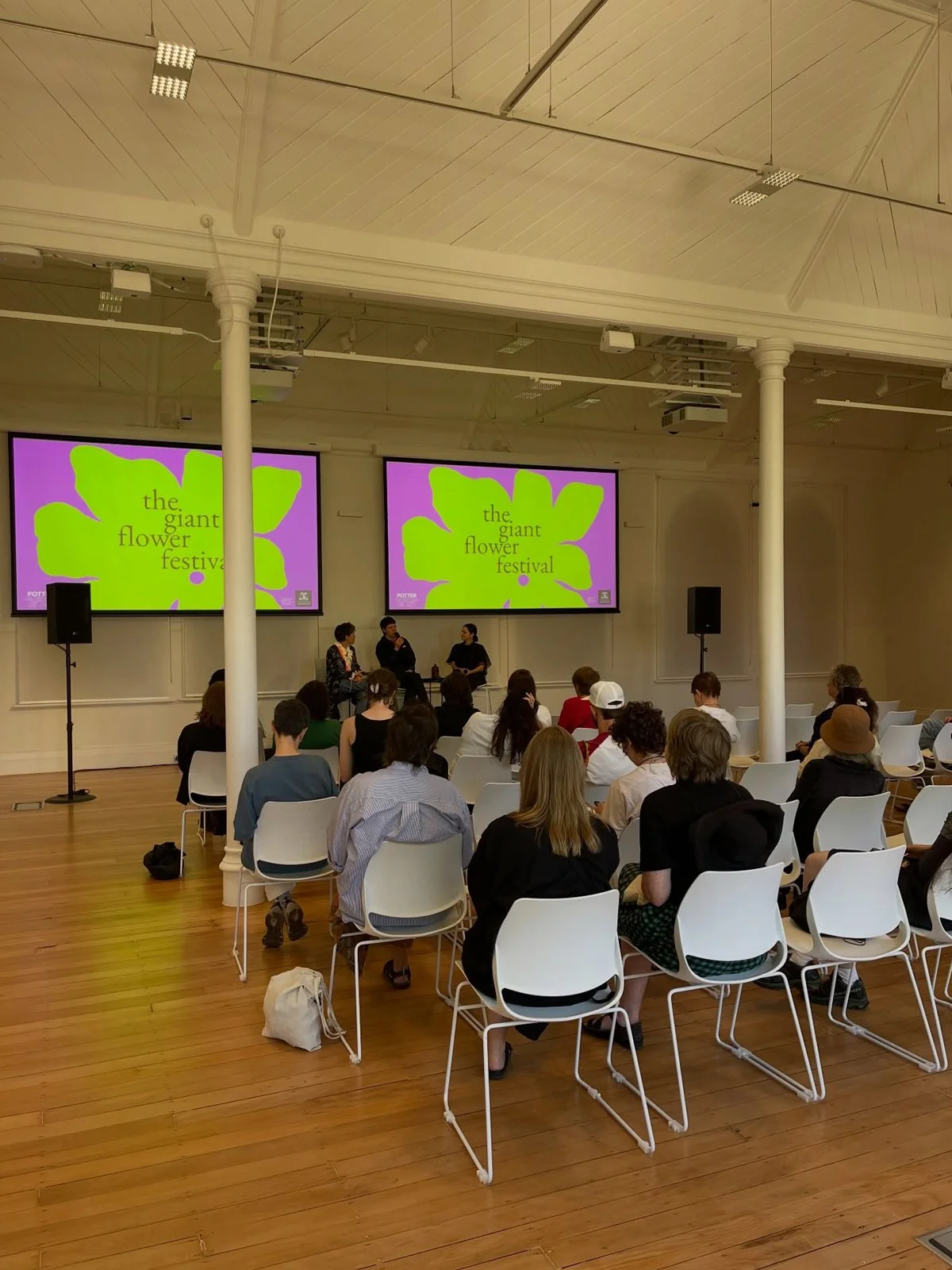
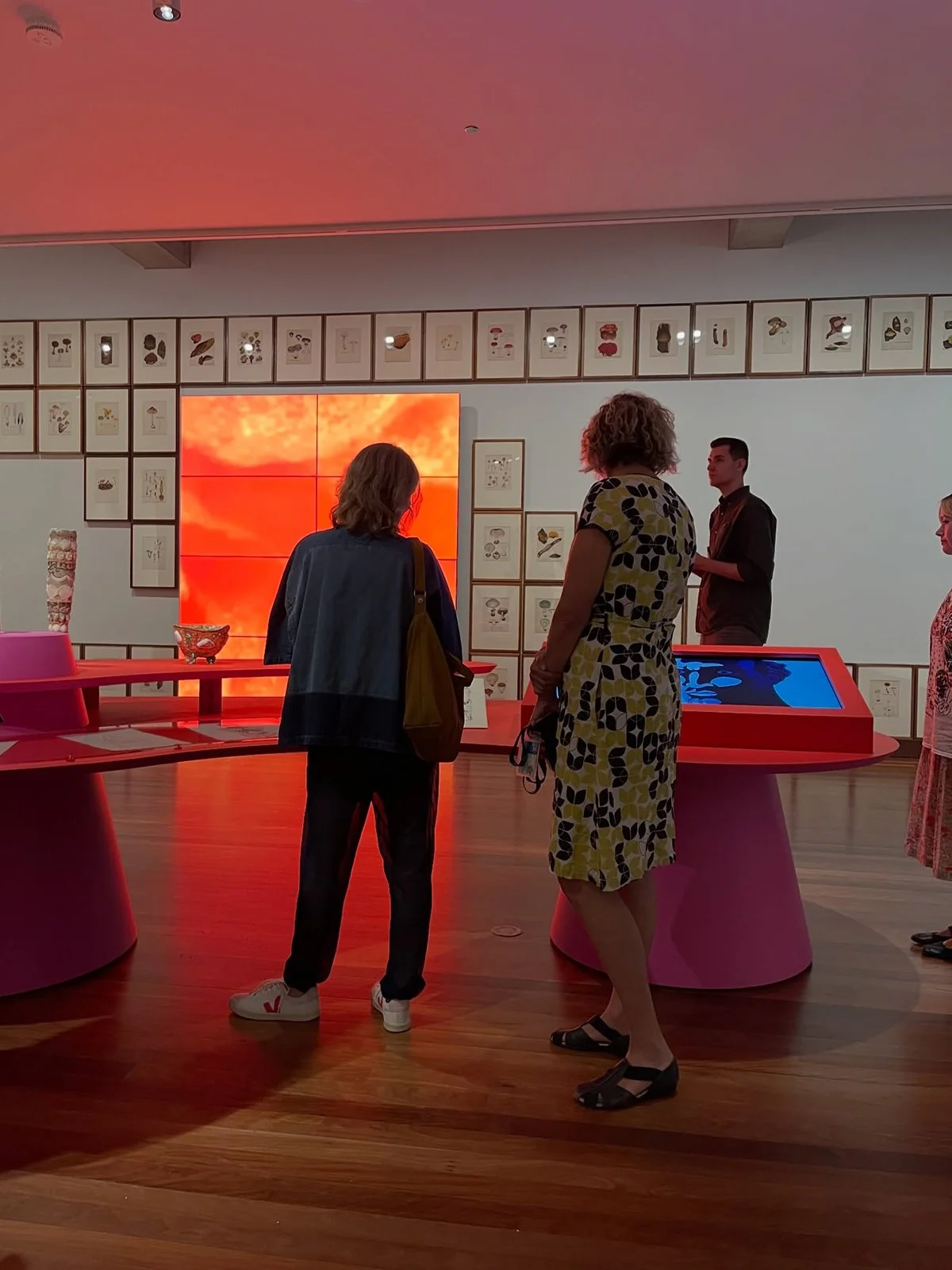
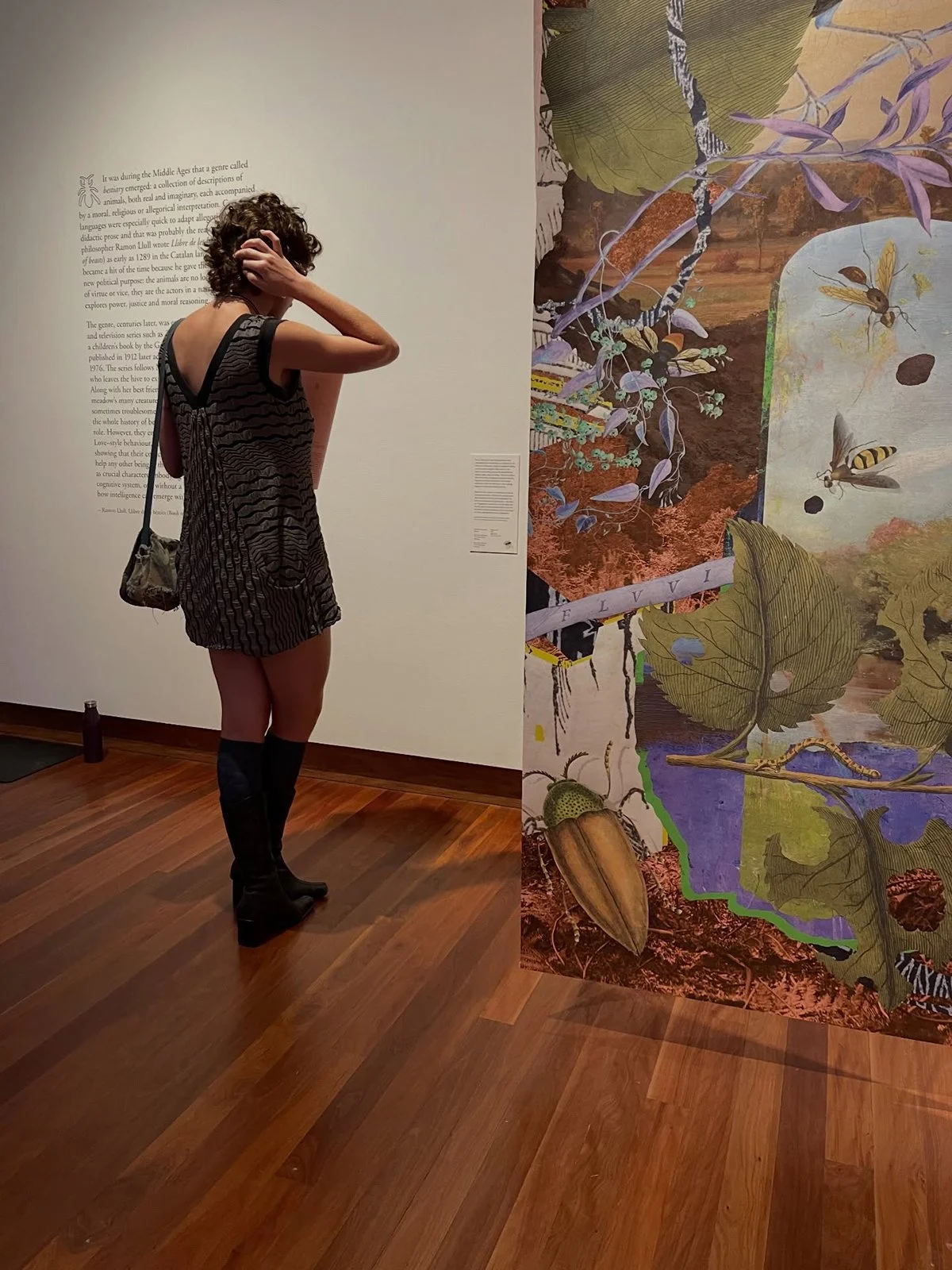
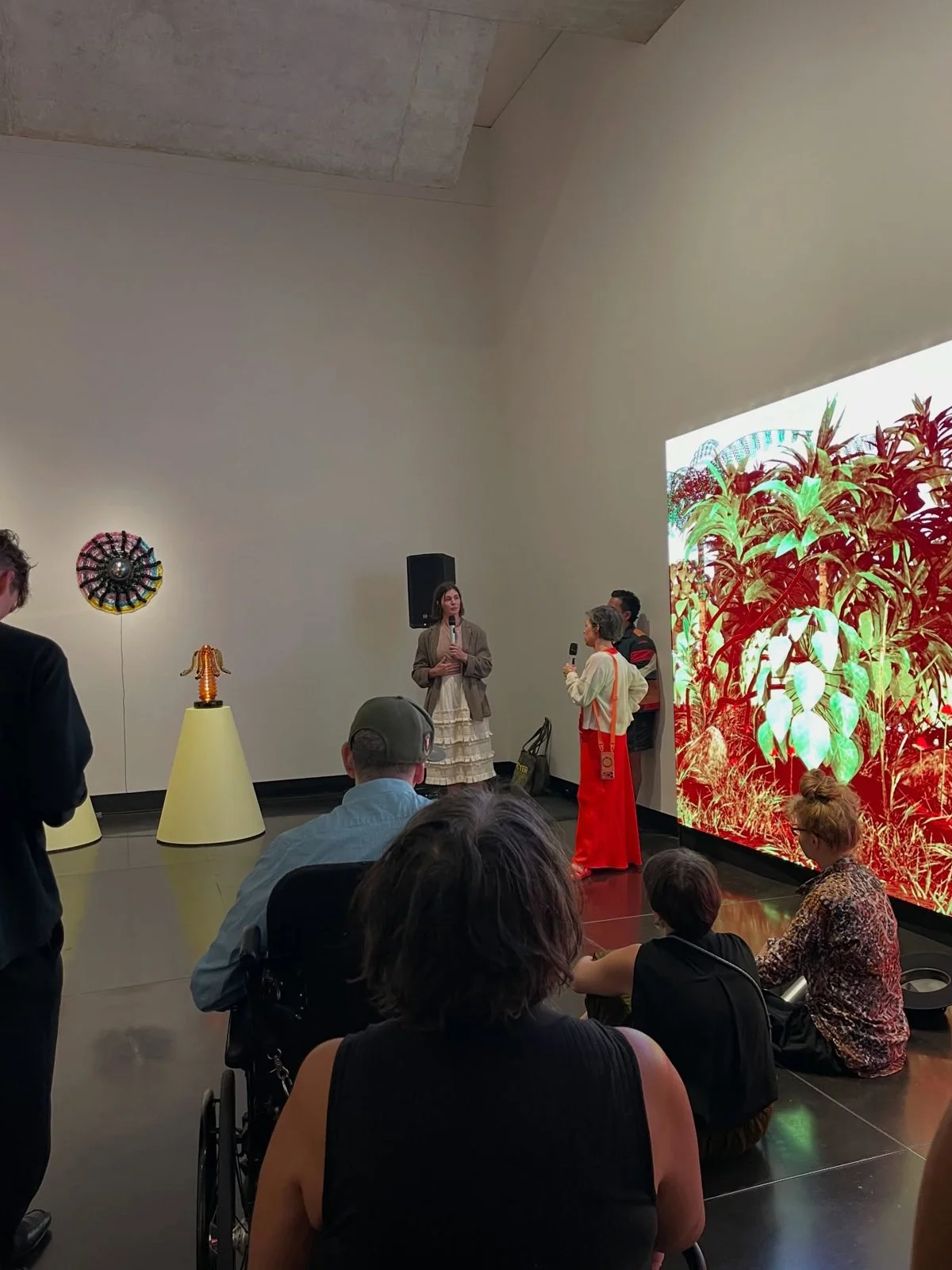
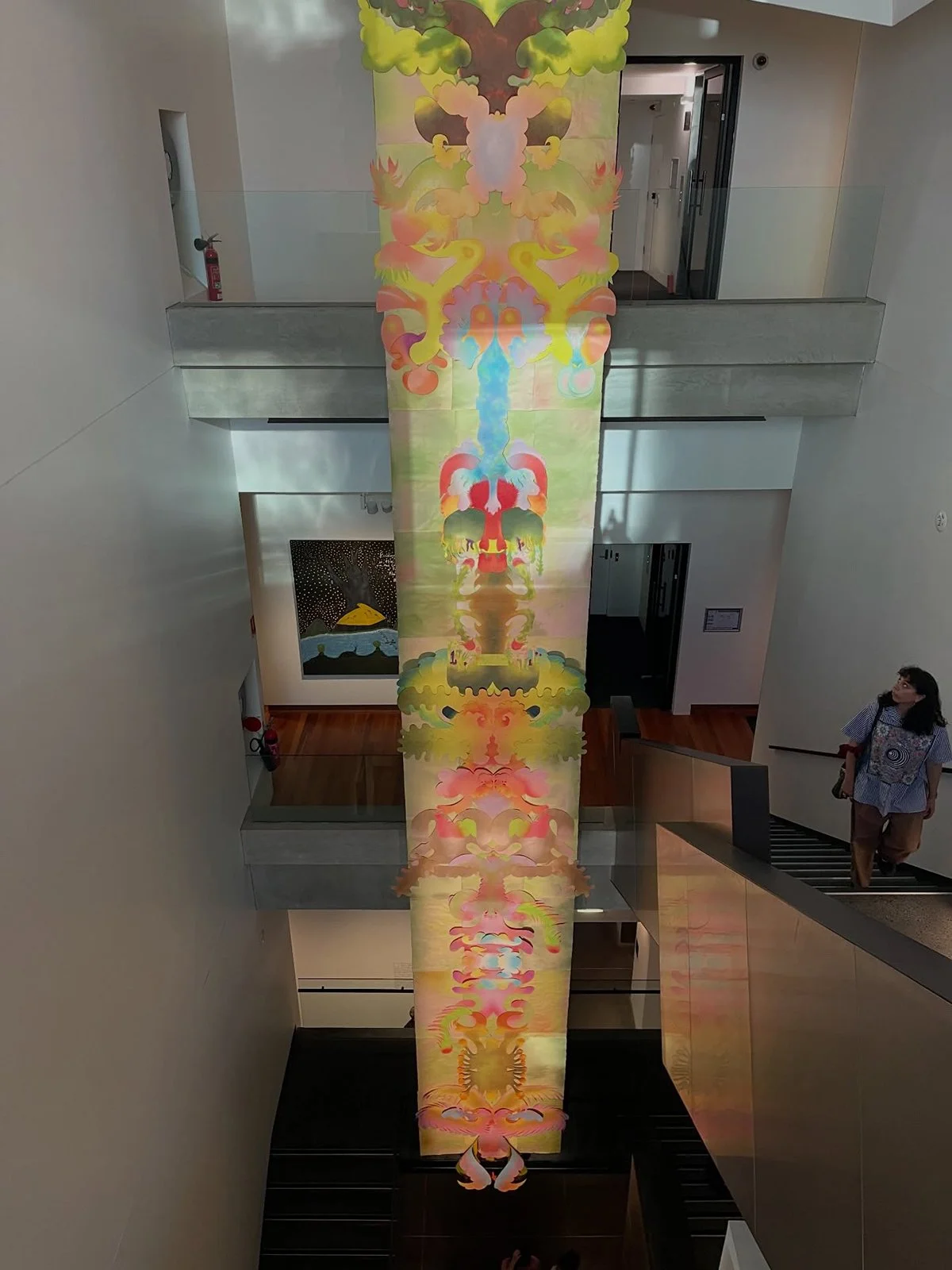
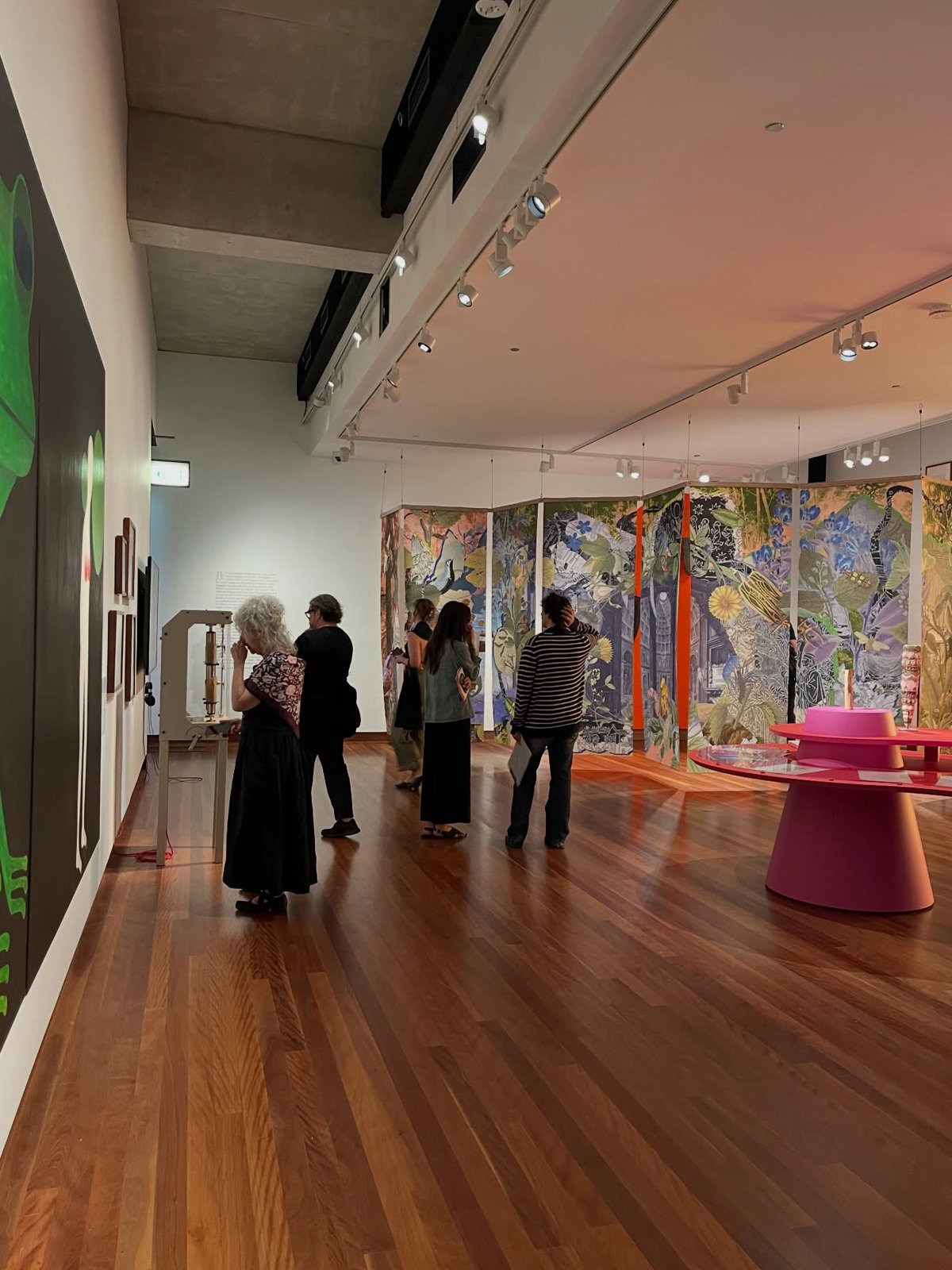
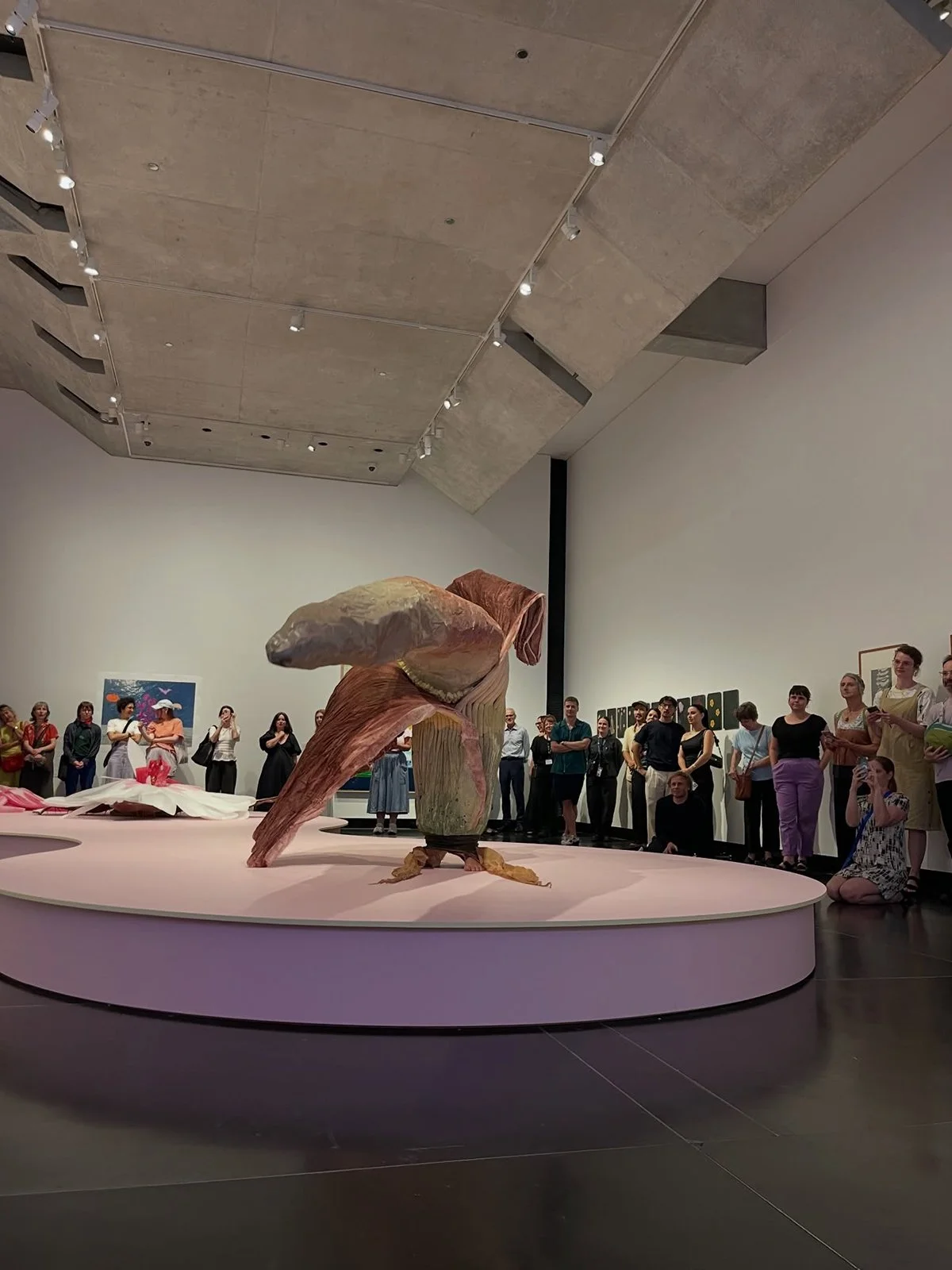
Pictured here, more iridescent gems from the collections of Melbourne University, State Library Victoria, and Melbourne Museum, alongside the media preview and opening night of A velvet ant, a flower and a bird. Also pictured, in the random order that befits an interwoven tapestry, a percolation of ideas at the talks over the exhibition’s first weekend, at the Potter Museum of Art, ranging from green slippers and the Army of Love, carrying all the sorrow and sharing all the love (Ingo Nierman and Heather B. Swann in conversation with Chus Martínez) to asking the fish what the behaviour of the fish means, as the behaviour was never meant to be interpreted by us (Alex Jordan in conversation with Atlanta Colley).
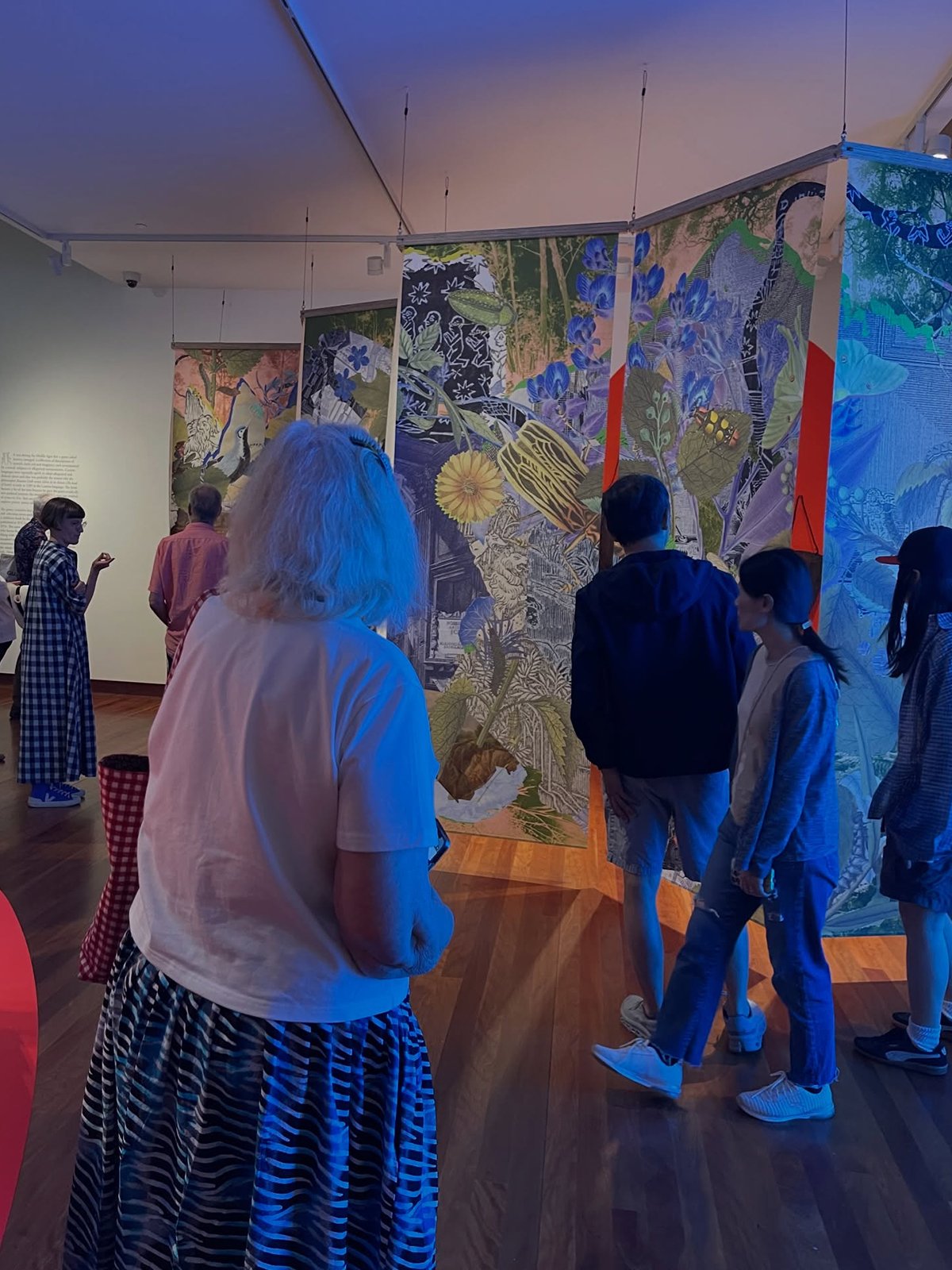
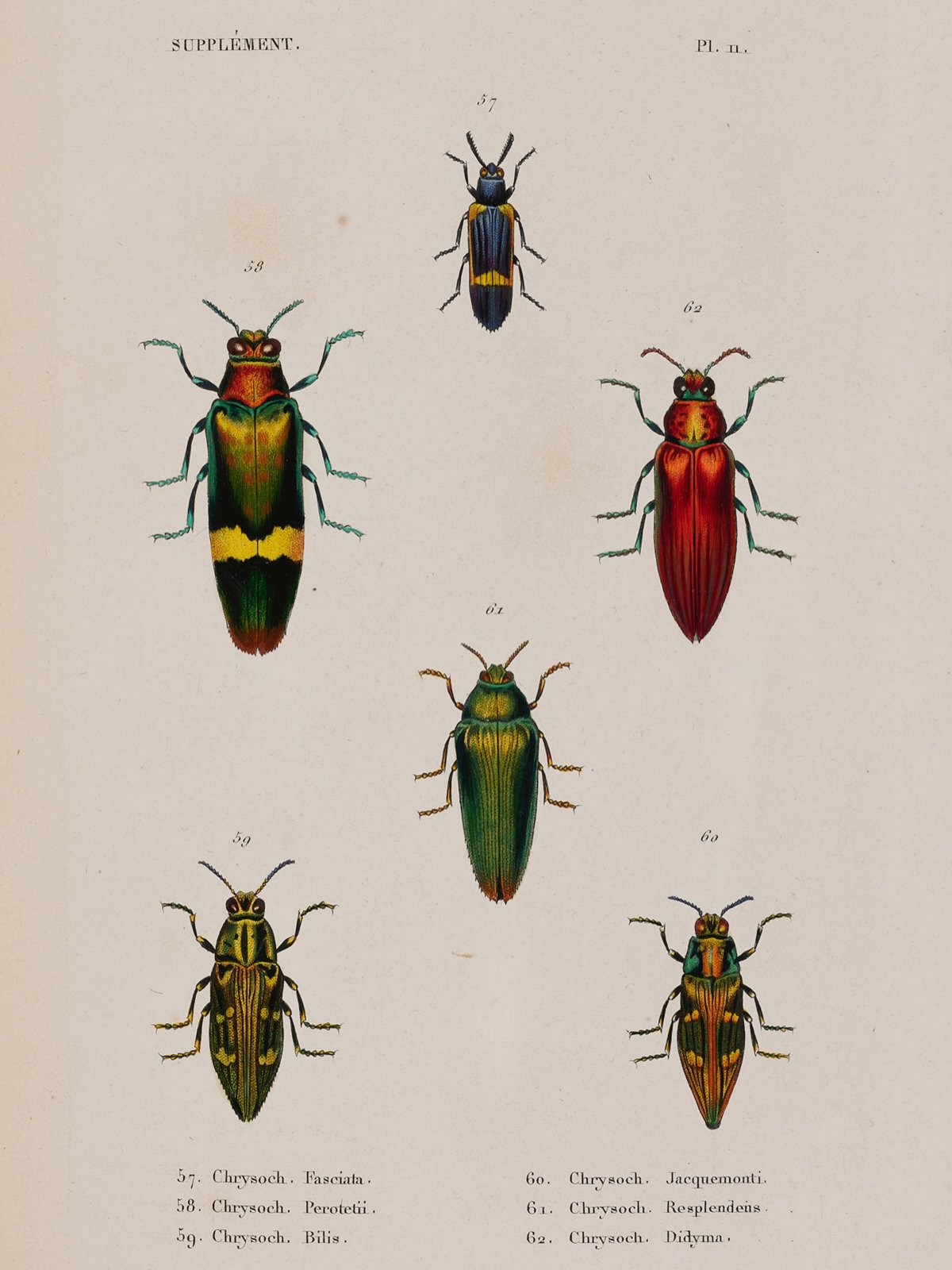
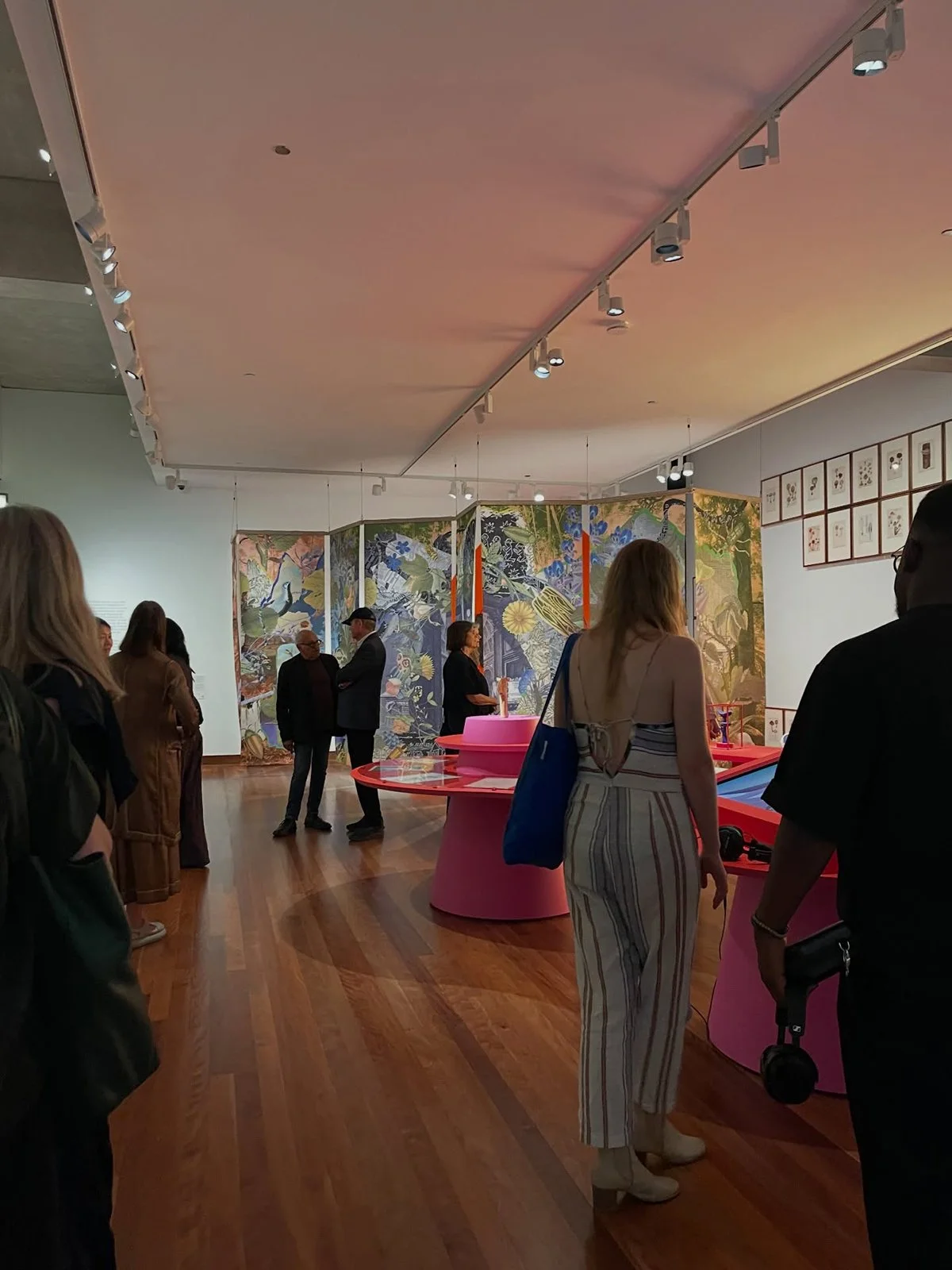
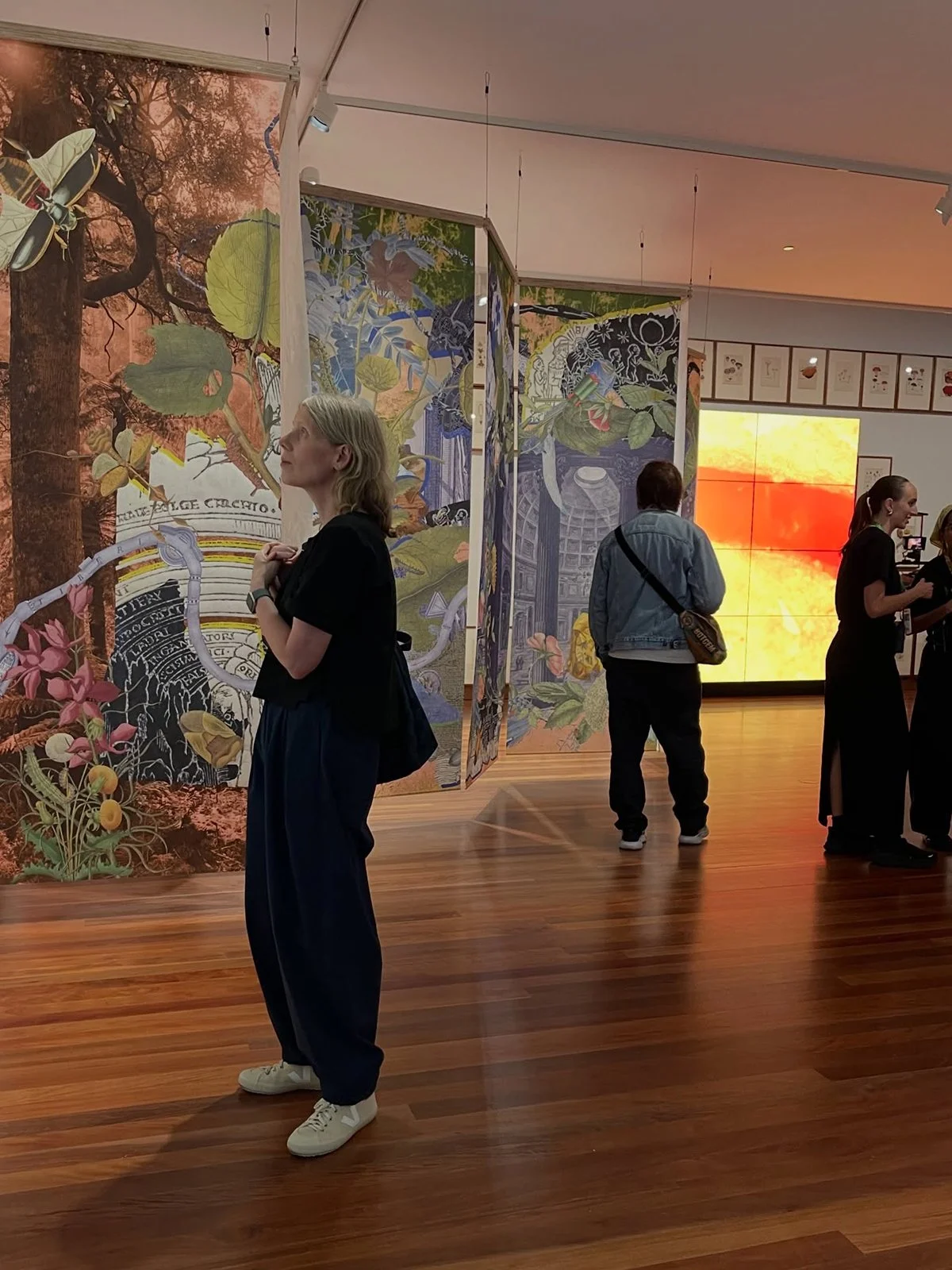
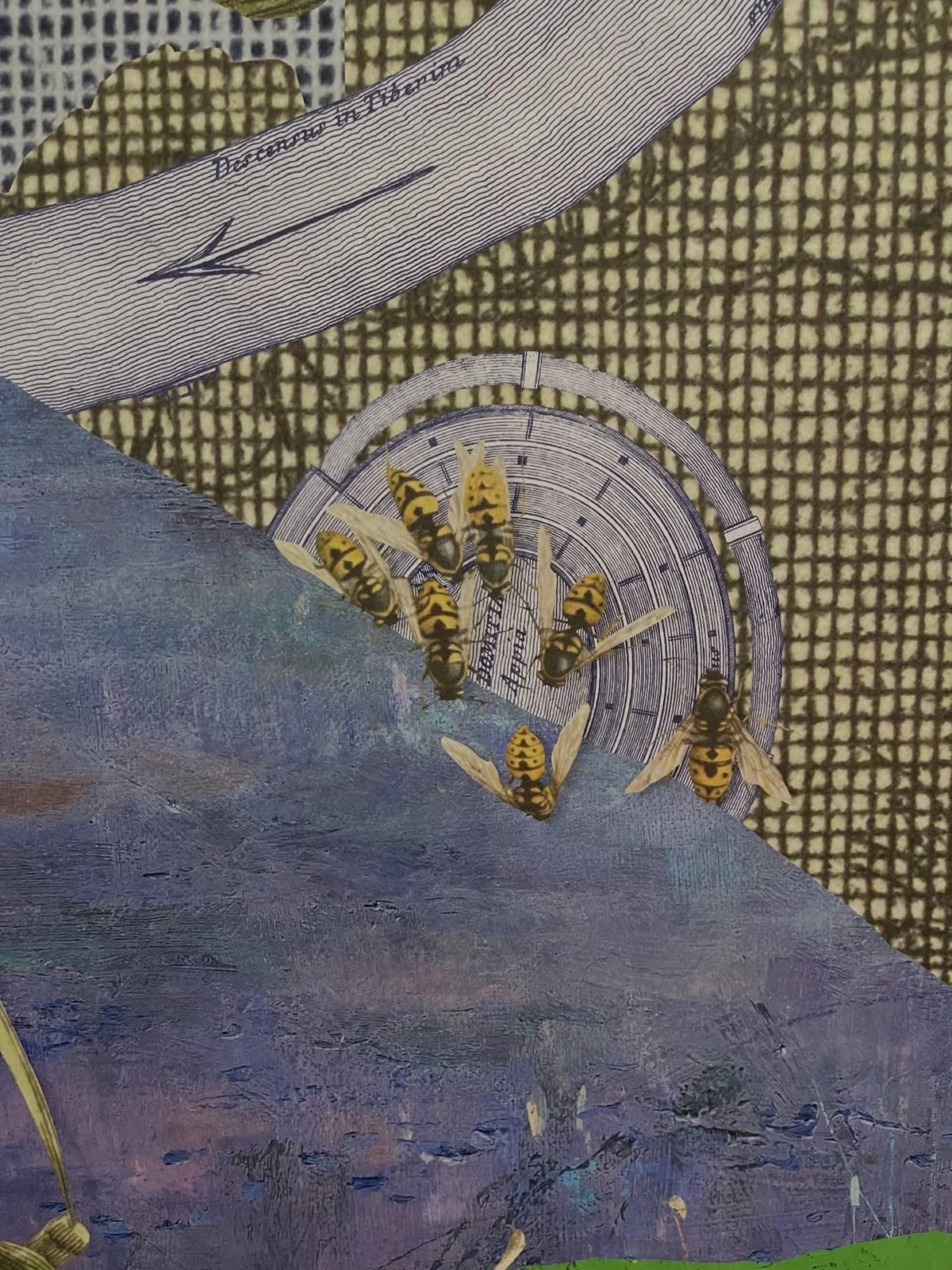
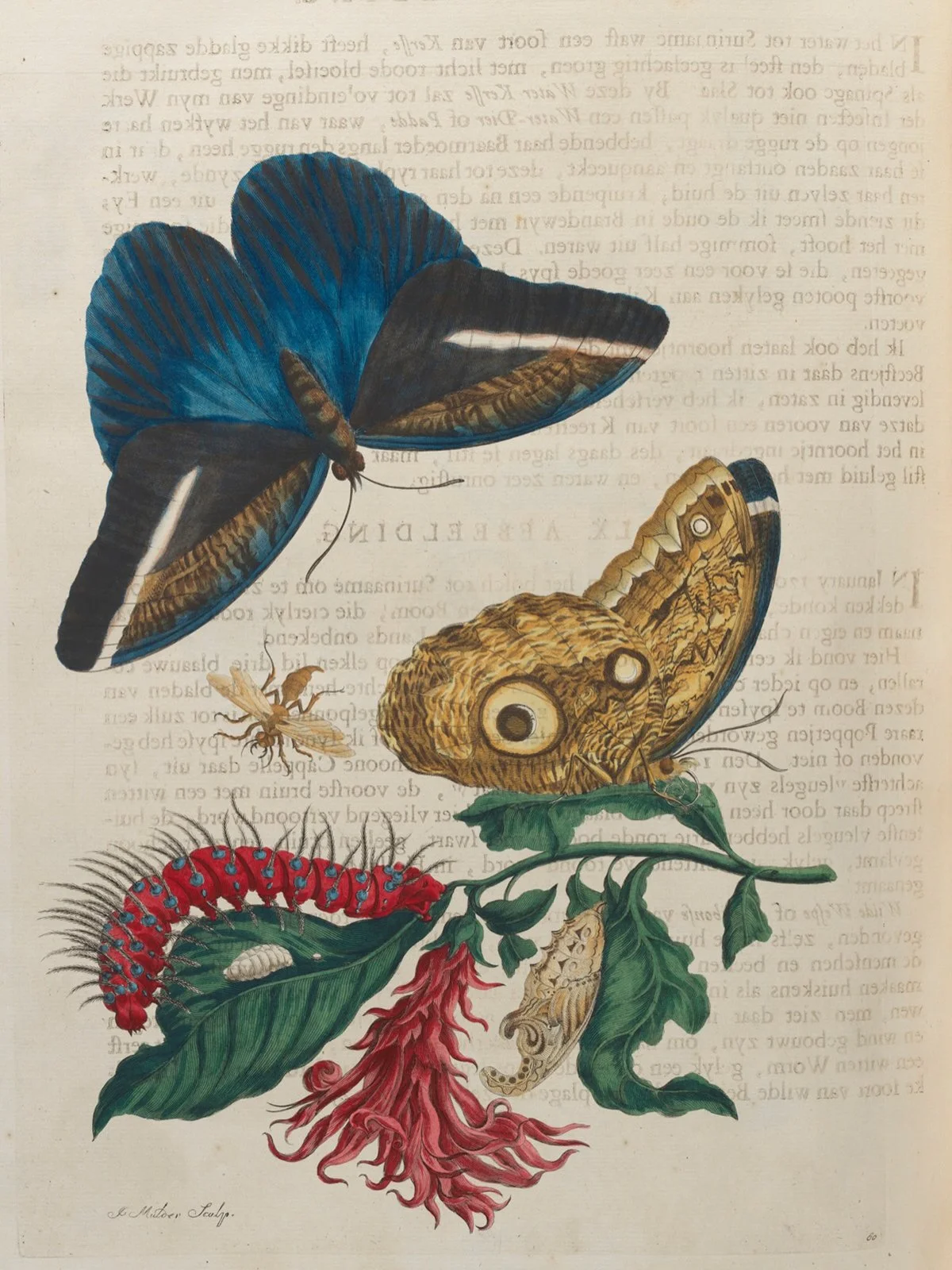
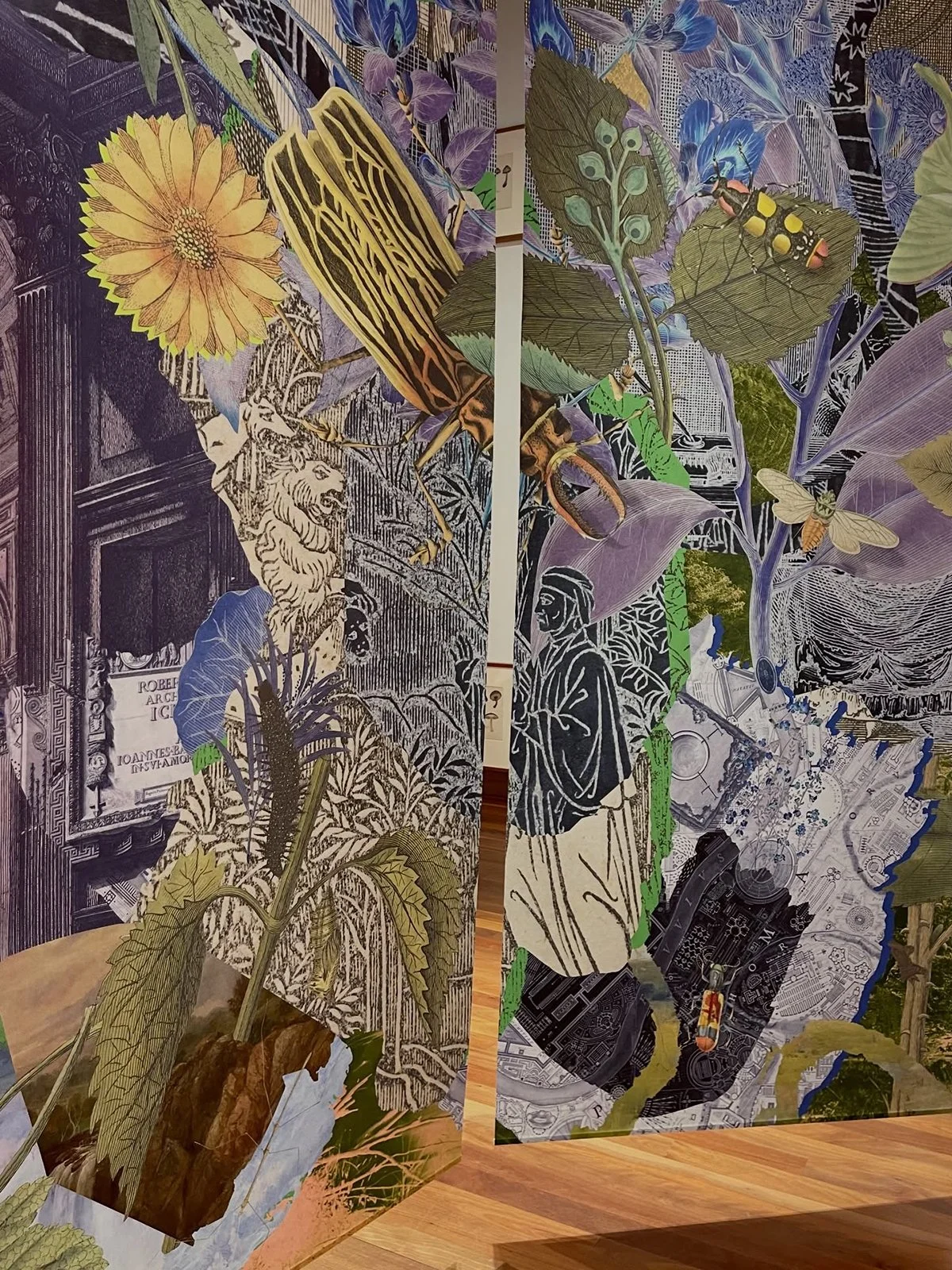
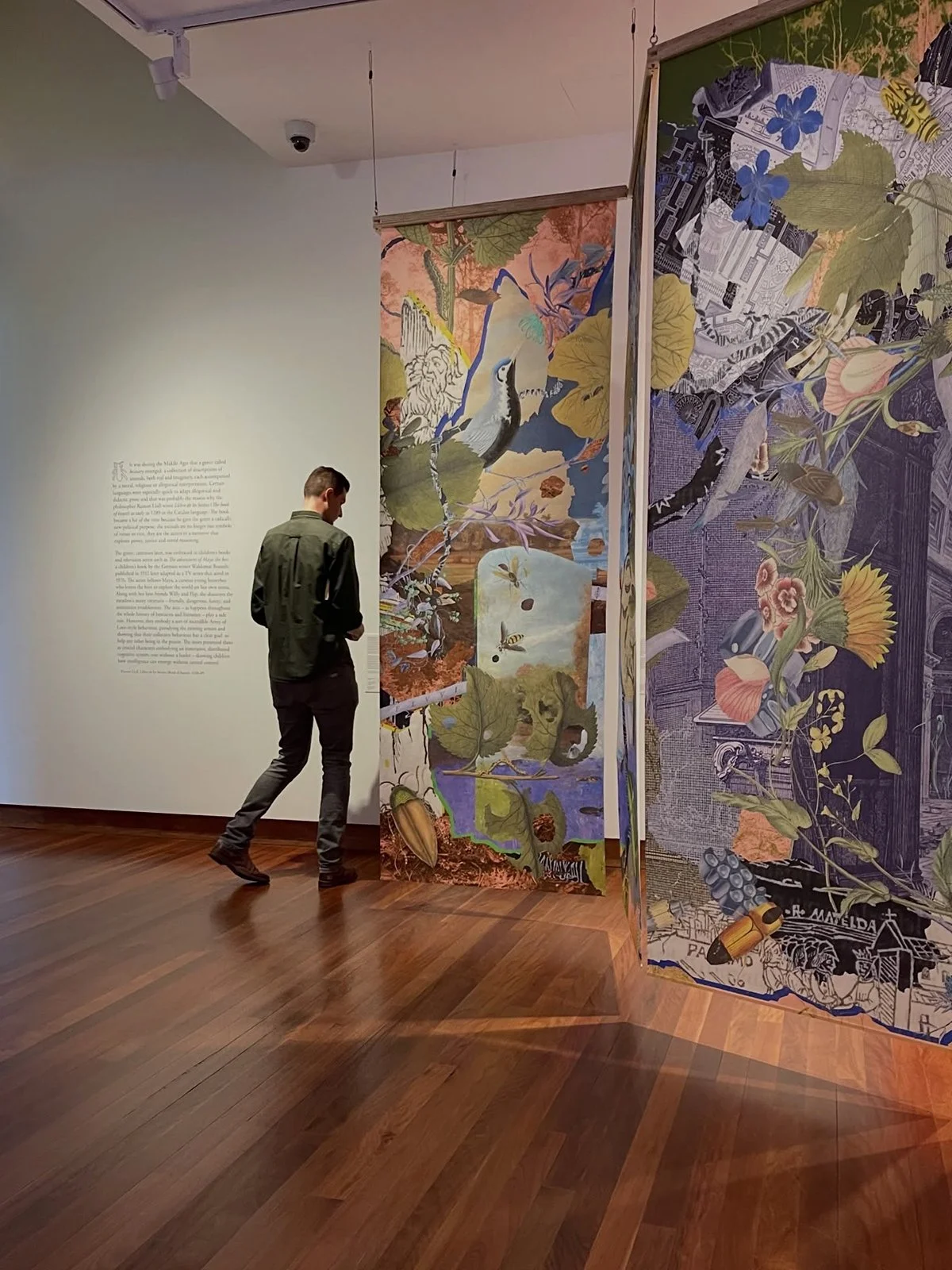
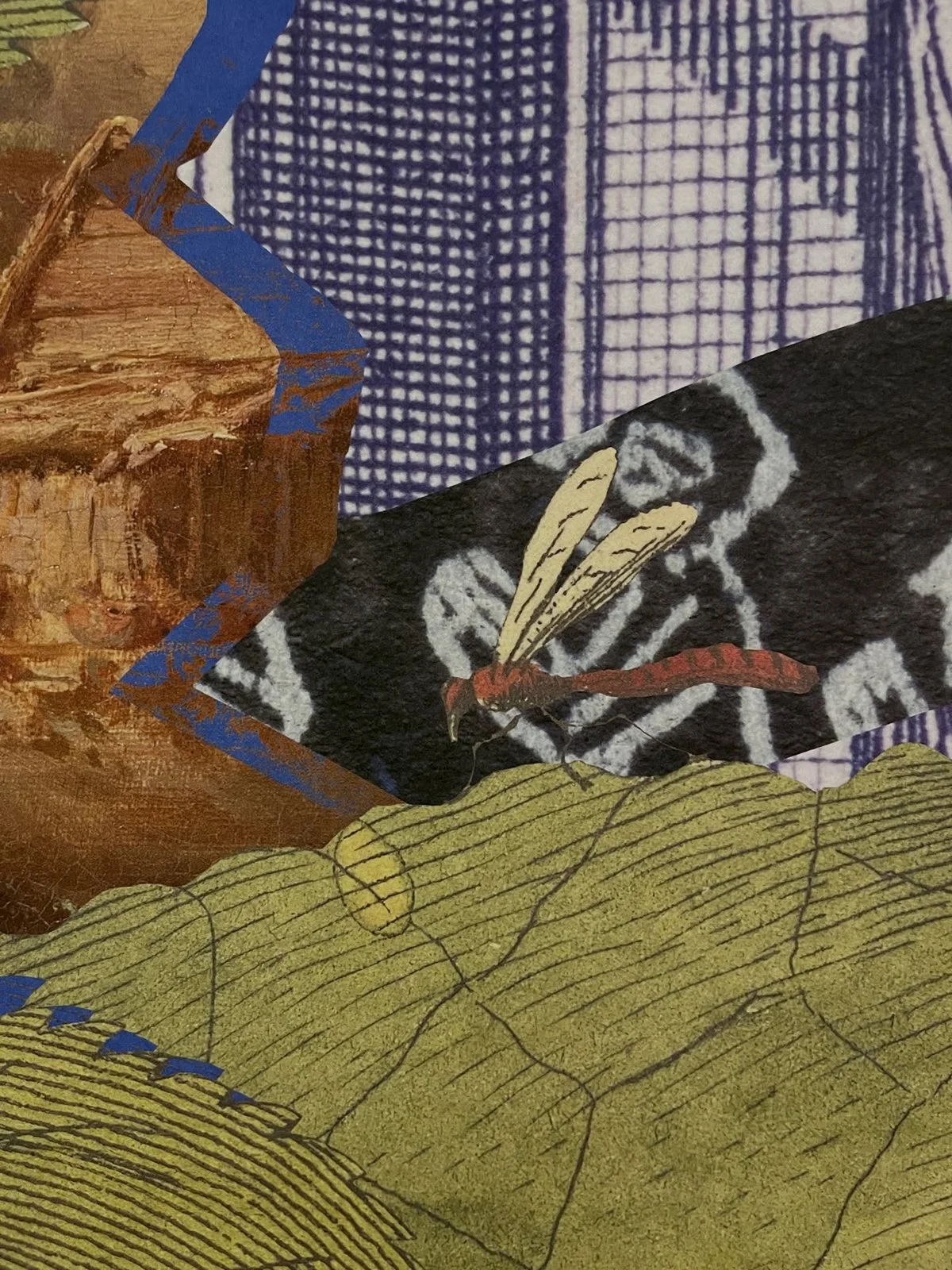
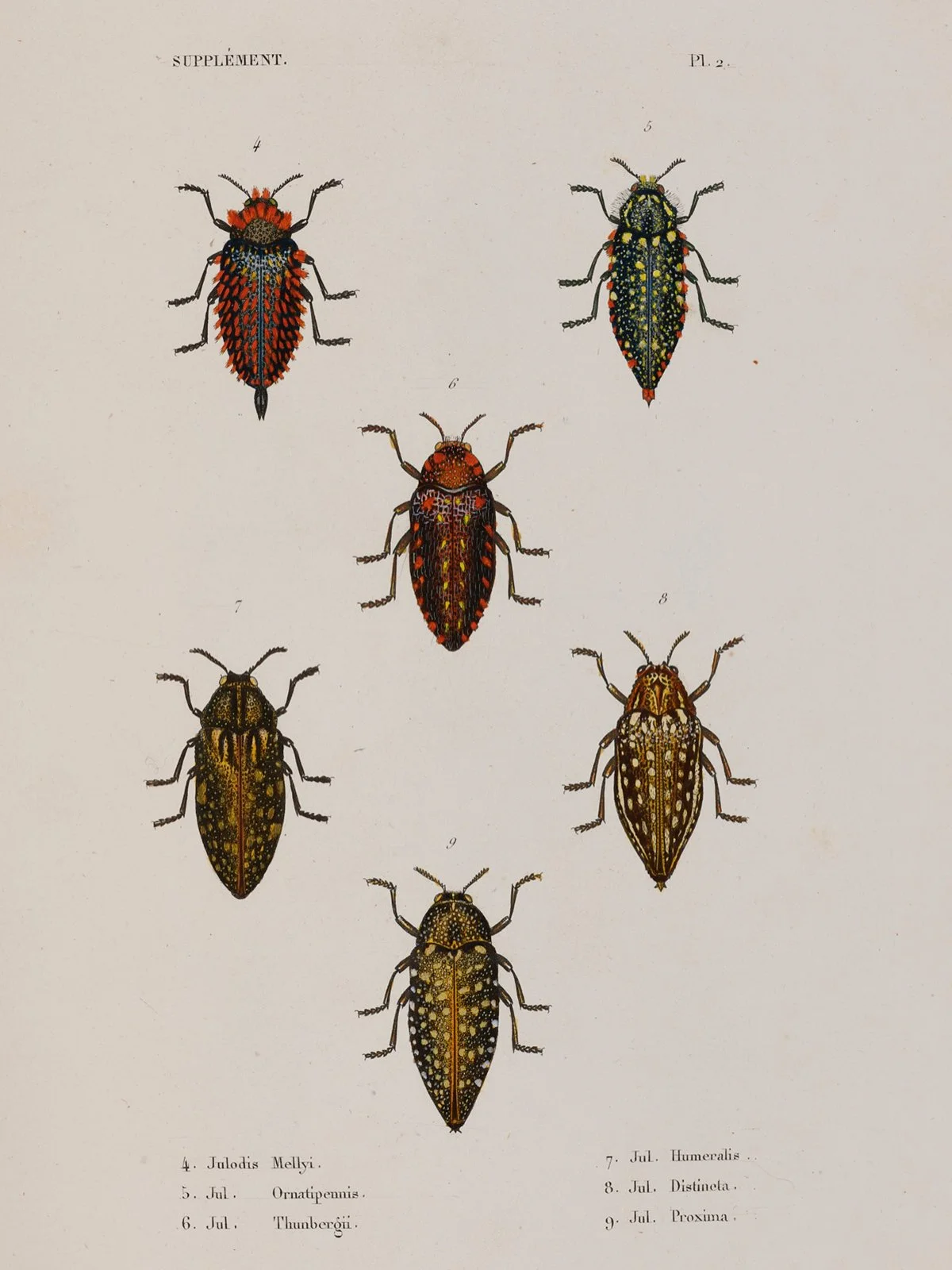
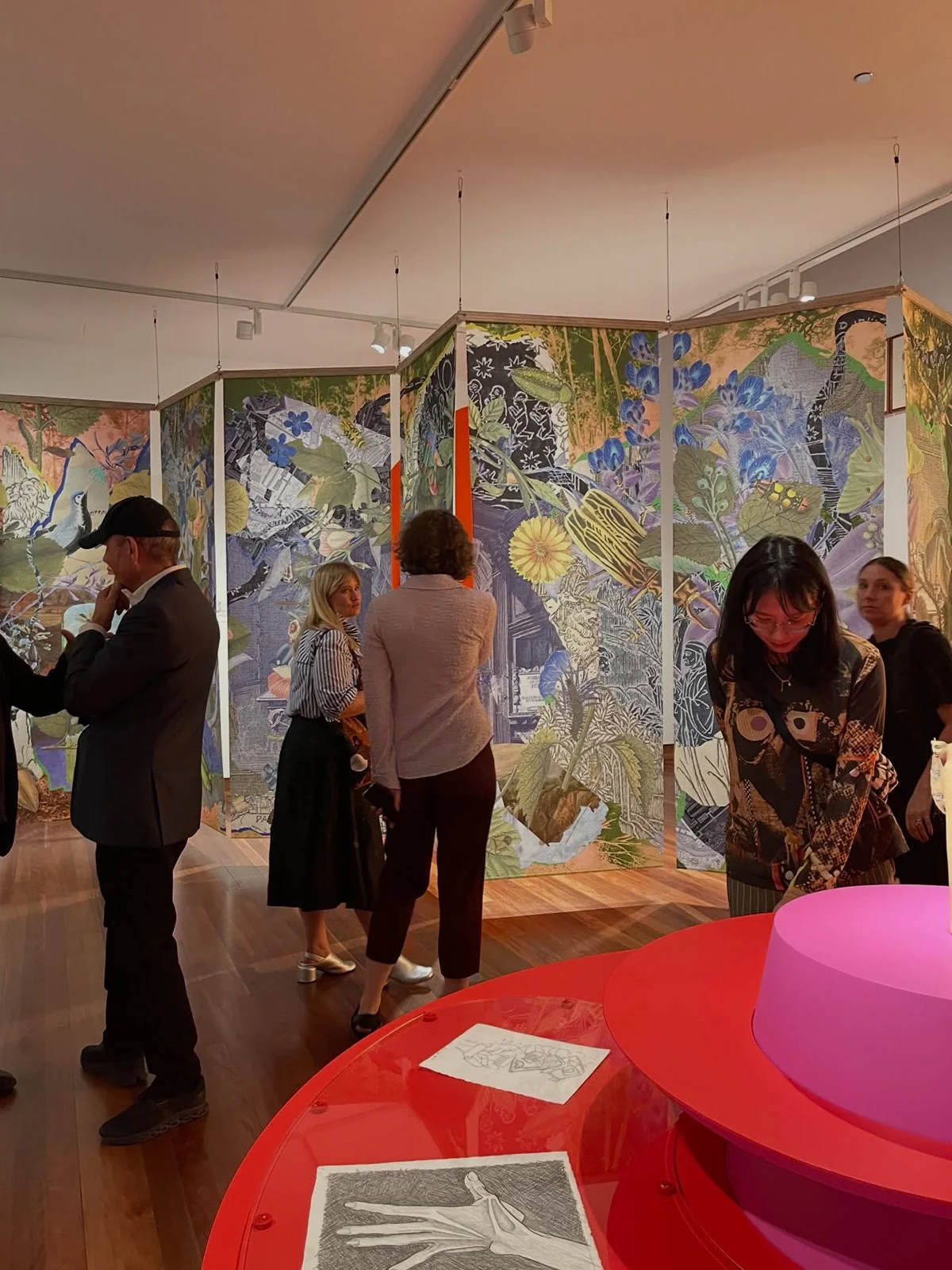
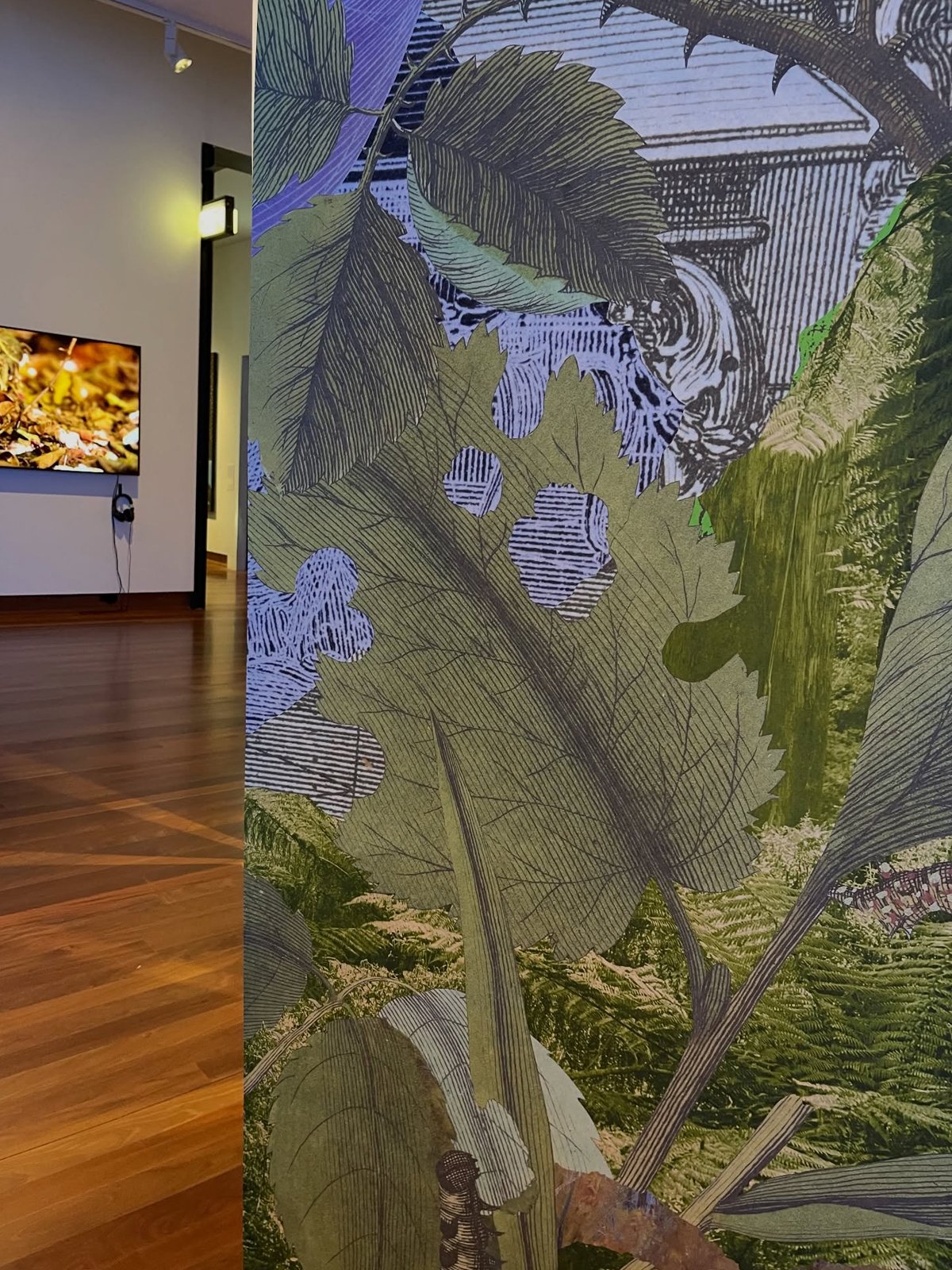
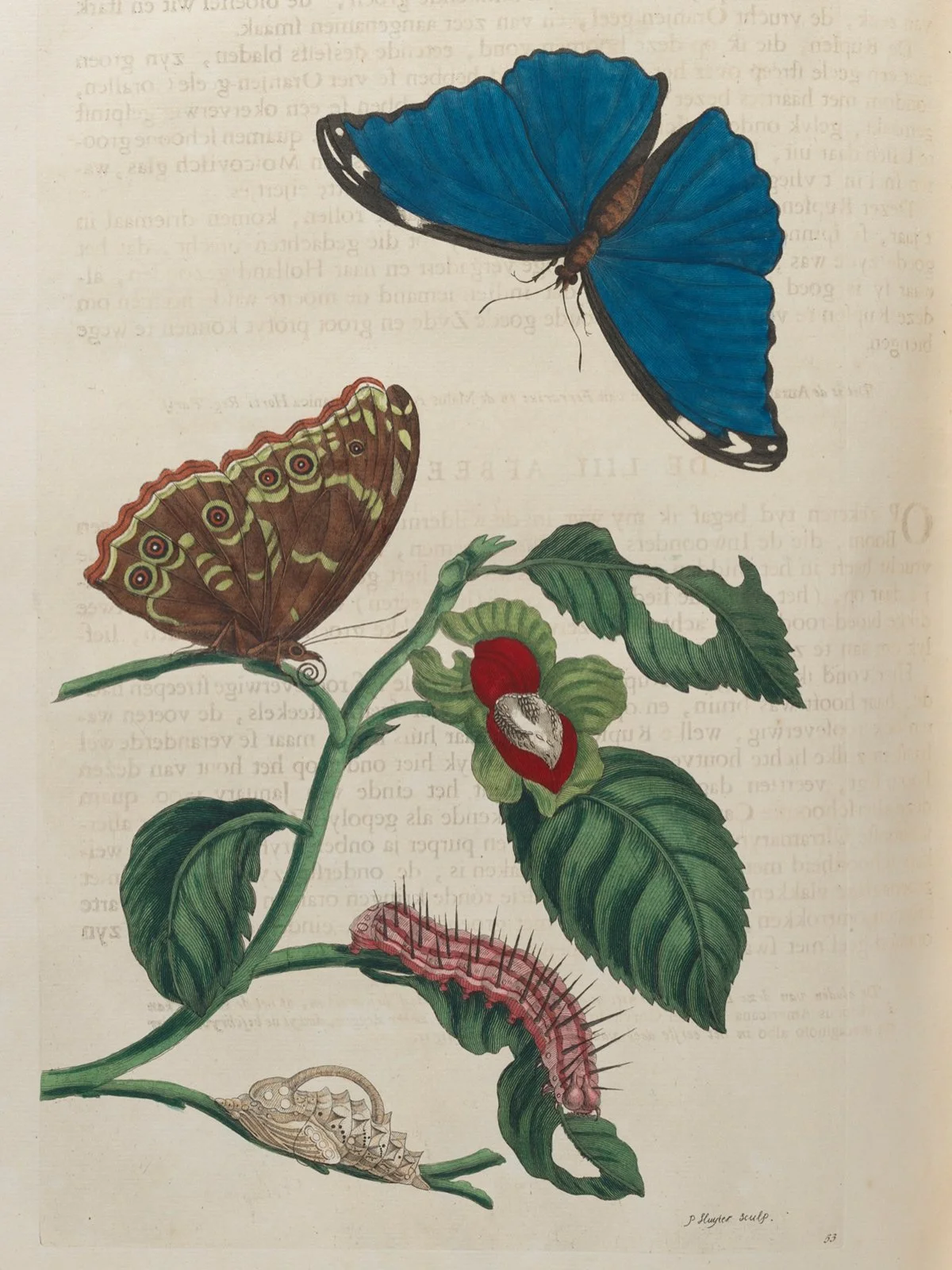
Within our collage, you will find an iridescence of entomological elements from Dru Drury’s Illustrations of exotic entomology: containing upwards of six hundred and fifty figures and descriptions of foreign insects, interspersed with remarks and reflections on their nature and properties (1837); William Houghton’s Sketches of British insects: a handbook for beginners in the study of entomology (1875); James Duncan’s The natural history of beetles (1835) and The natural history of foreign butterflies (1837); R. J. Tilyard’s The insects of Australia and New Zealand (1926); M. James Thompson’s Archives entomologiques, volumes 1 and 2 (1857–1858), and more besides.
Our research into the Velvet ant led us to the collections of the Baillieu library, State Library Victoria (SLV), and Melbourne Museum, specifically. With terrific thanks to Susan Millard, Curator of Rare Books, at The University of Melbourne; Dr Anna Welch, Principal Collection Curator, History of the Book, State Library Victoria; and Hayley Webster, Manager, Library, Museum Victoria for showing us your collections and ensuring we remained beholden to luminous encasements and furred antennae. Thank-you for having parts of your respective collections digitised especially for this project, or providing access to earlier digitised files of the exquisiteness that lies within the casing of book covers.
Thank-you, also, to your digitisation team colleagues for their work photographing, scanning, and imaging the extraordinary wealth of material within this selection of rare books pertaining to natural history with an emphasis on entomology. It is of little surprise that there are click beetles and cicadas are popping up in our current artists’ book, Can we dream it, a 32 page concertina, with hand-cut paper components, on Moenkopi Kozo 110, encased in hand-cut envelope.

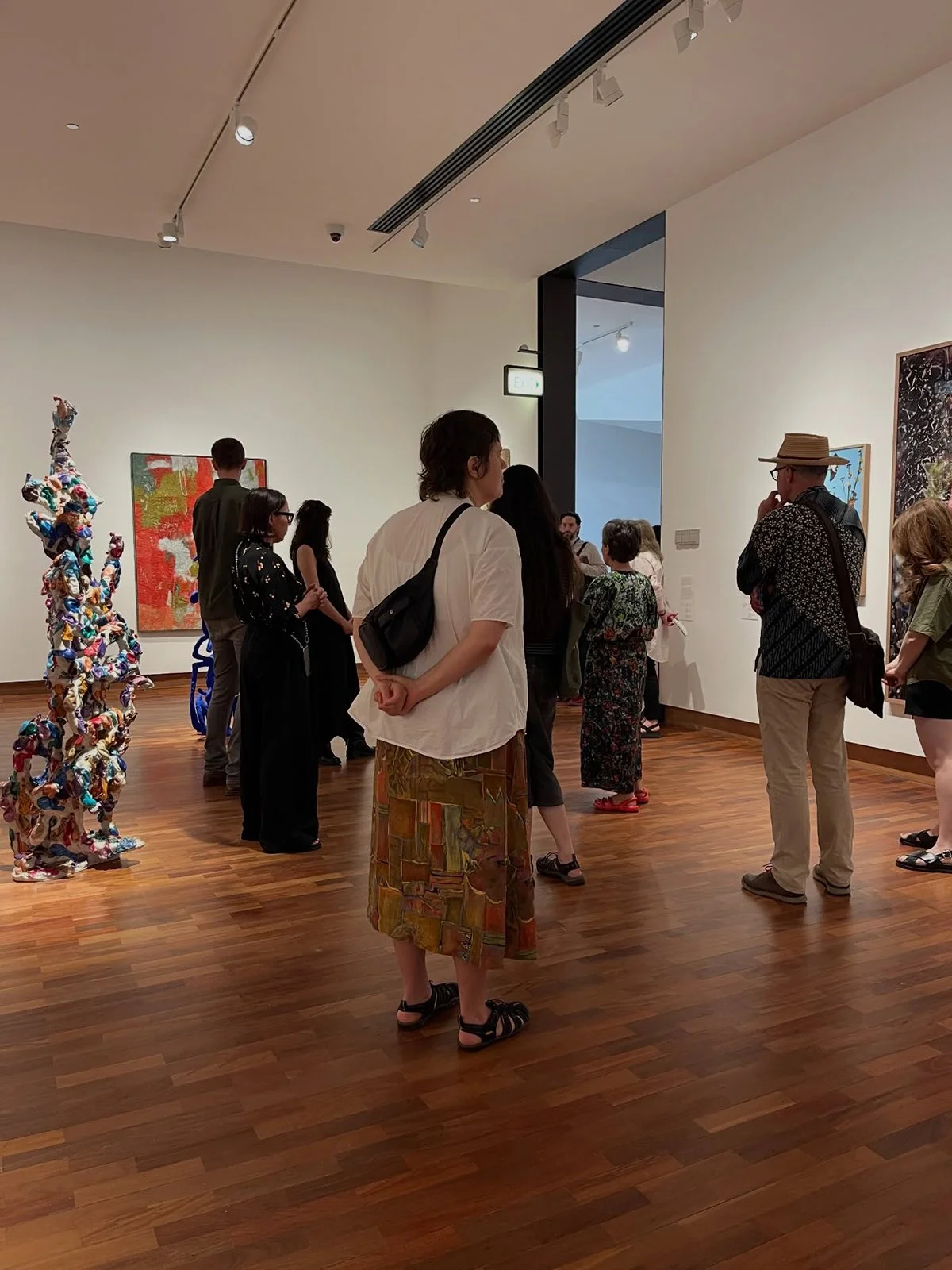
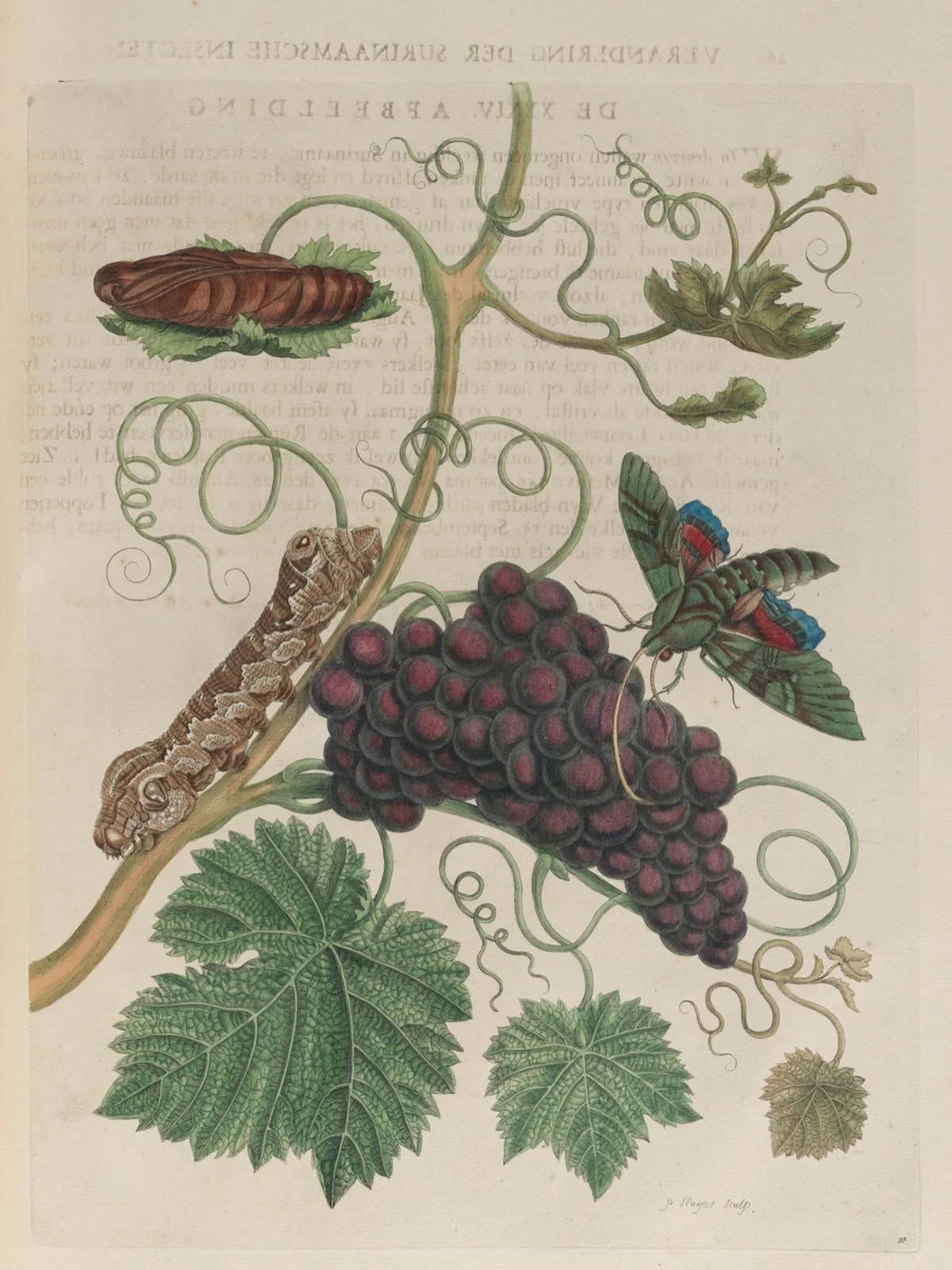
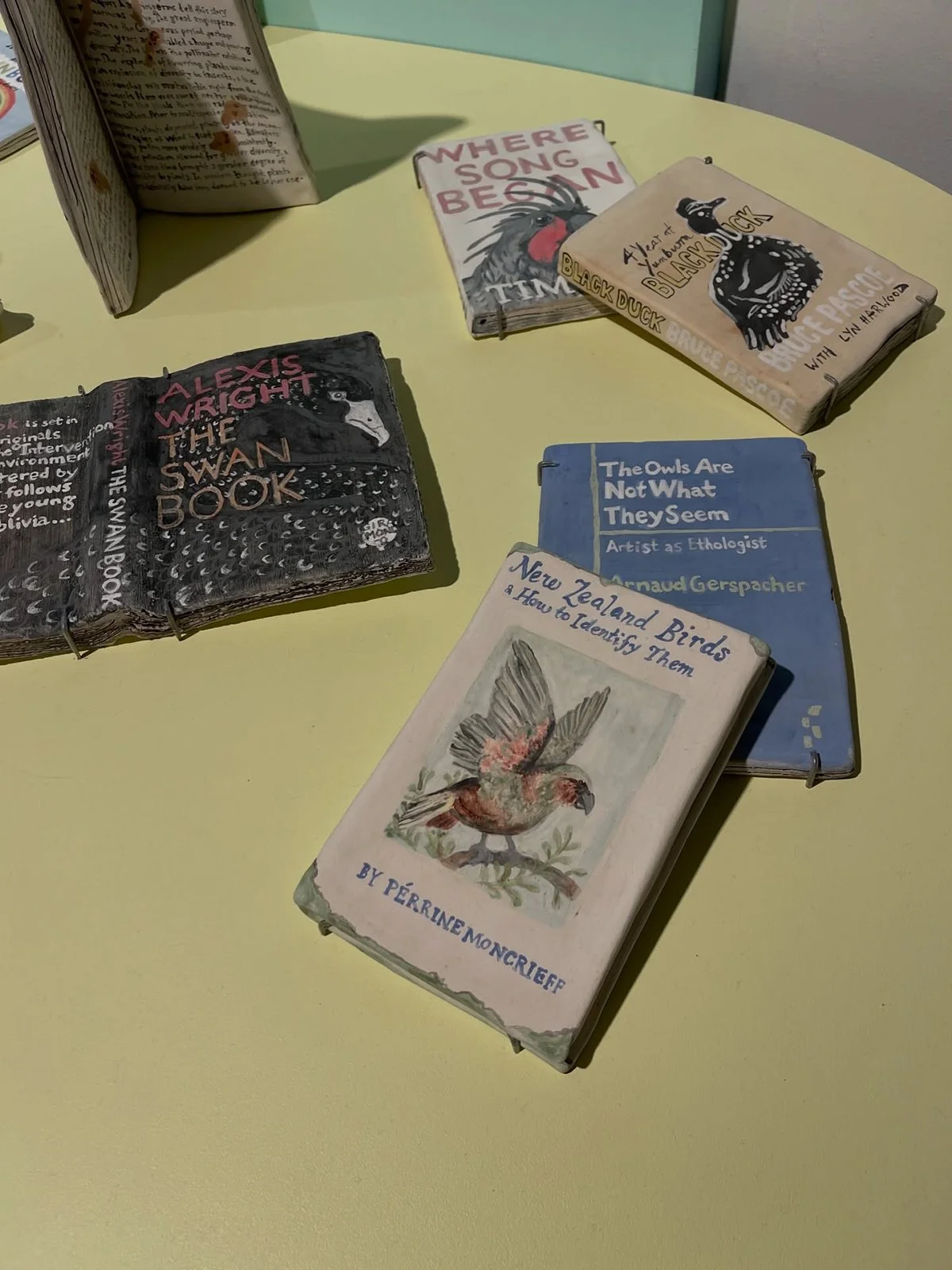
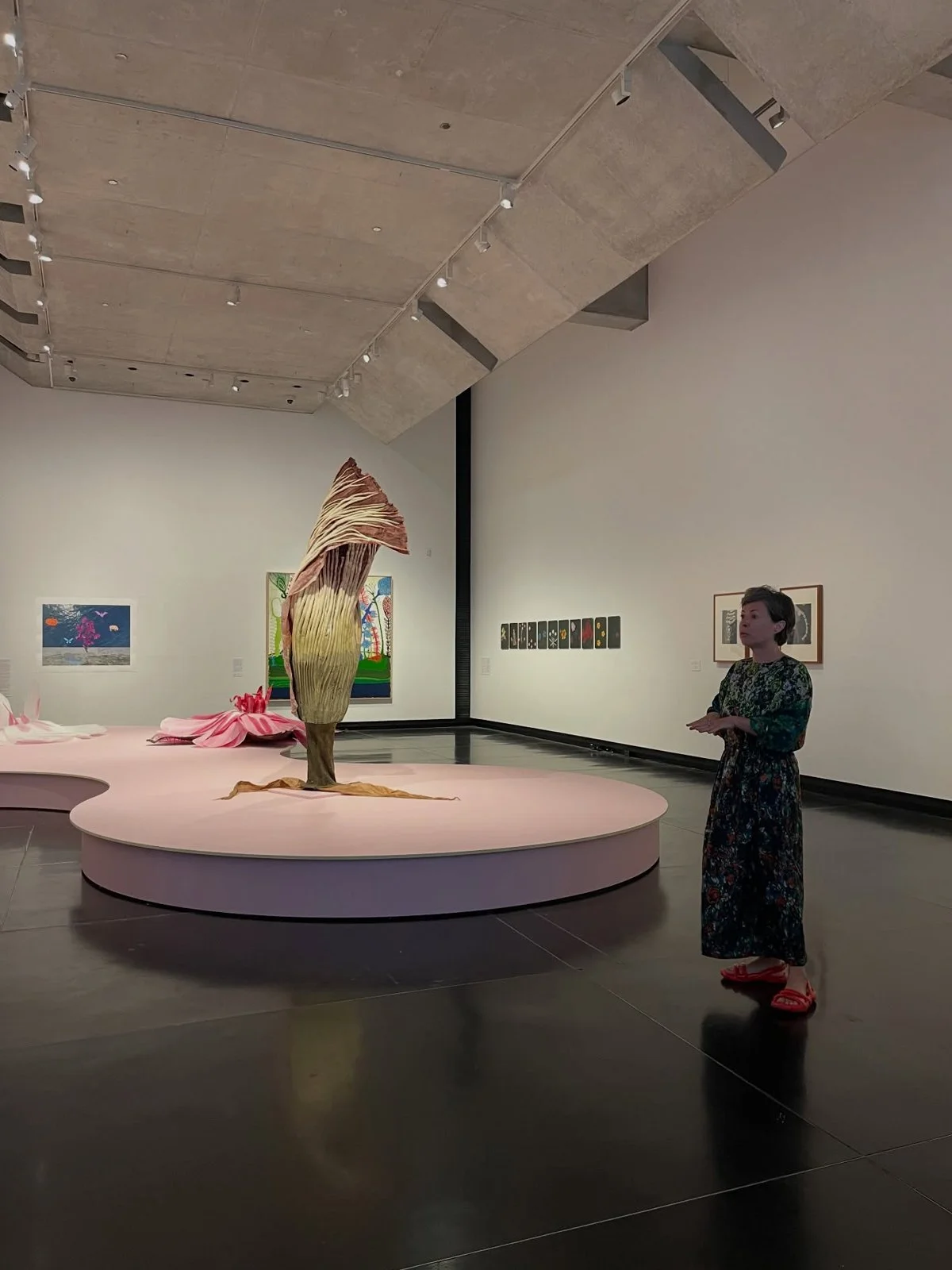
Tapping into the deep history of place in the company of the place-makers, the pollinators, in all their wing-fanning, belly-skimming river-dipping, communicative, glory, it was a treat to take Ingela and Peter to the Grey-headed flying fox colony in the bright light of afternoon. Seeing the familiar, though not taken for granted, beauty of the Yarra Bend colony through new eyes is an honour. Returning the following week, this time in the beautiful silver light of the colony on an overcast day, with Anouk, the coupling of pollinators and plants was once again foregrounded. In the light rain, the Grey-headed flying fox colony dozed, like large pods, or teardrops suspended from the boughs of the eucalypts. It always looks so peaceful, from my vantage point, to dangle there, at one with your surrounds. Elsewhere, the activity of the colony can be more energetic, and loud, with March being mating season, and always, there is the sound of the freeway nearby, though, as you tune in to the colony, this can drop away. The world overhead is as calm as it is raucous, and as varied as our own. It, too, is a rich tapestry, no matter the time of your visit.
As Anouk noted when we left the colony, passing beneath the overhead freeway, the absence of their chatter was monumental. We’d grown accustomed to not just their presence but their sense of being, and when we moved away, the gap within us felt sizeable.
It has been a privilege to share this view of the colony with visiting A velvet ant, a flower, and a bird artists. We will, and do, miss their presence.
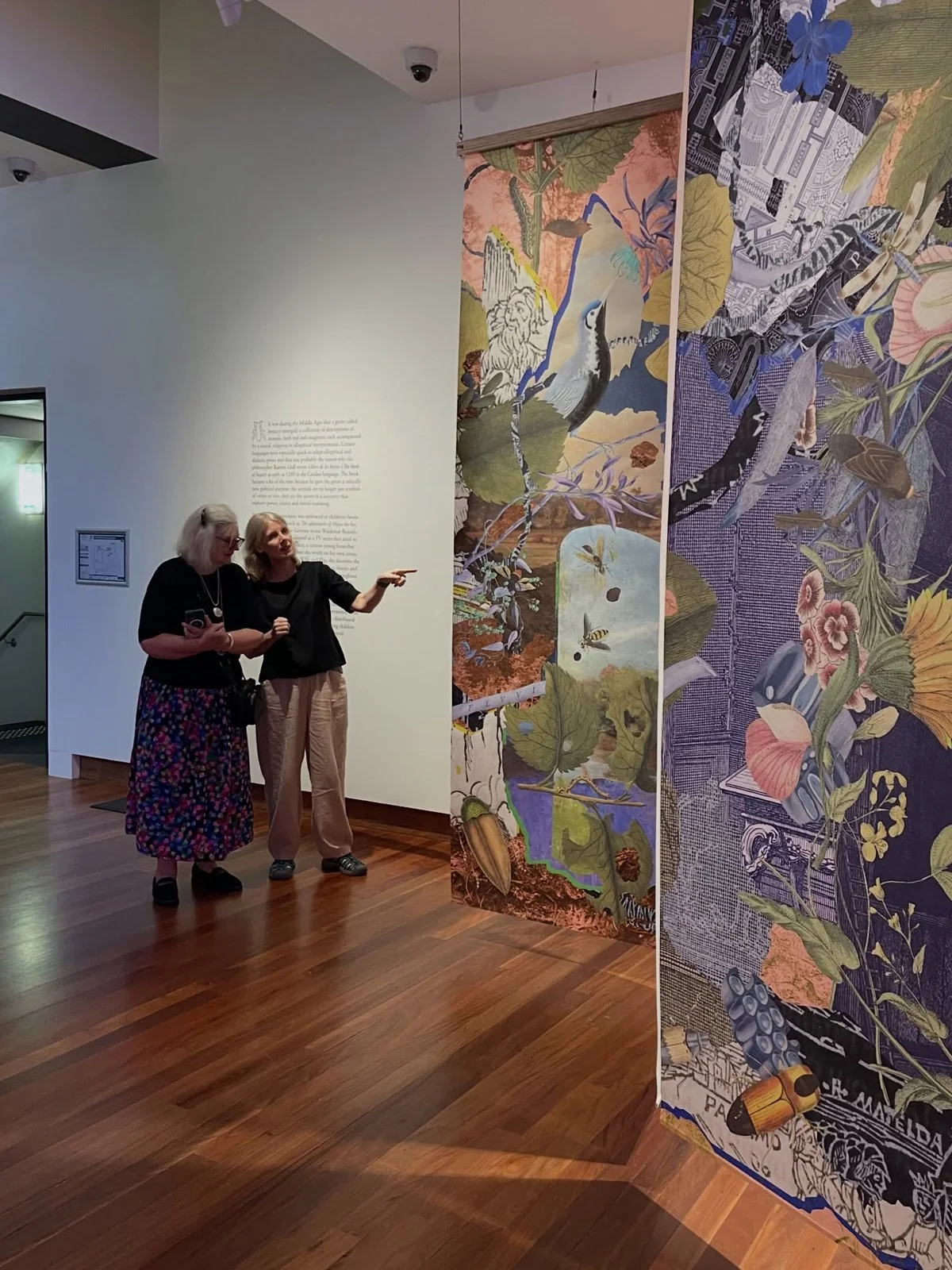
So, too, seeing our finished collage, Specimen 1963, through the eyes of those dearest. A tilt in perspective and “all is silver”, seeing the world through the vantage of another (Elizabeth Bishop, At the fishhouses).
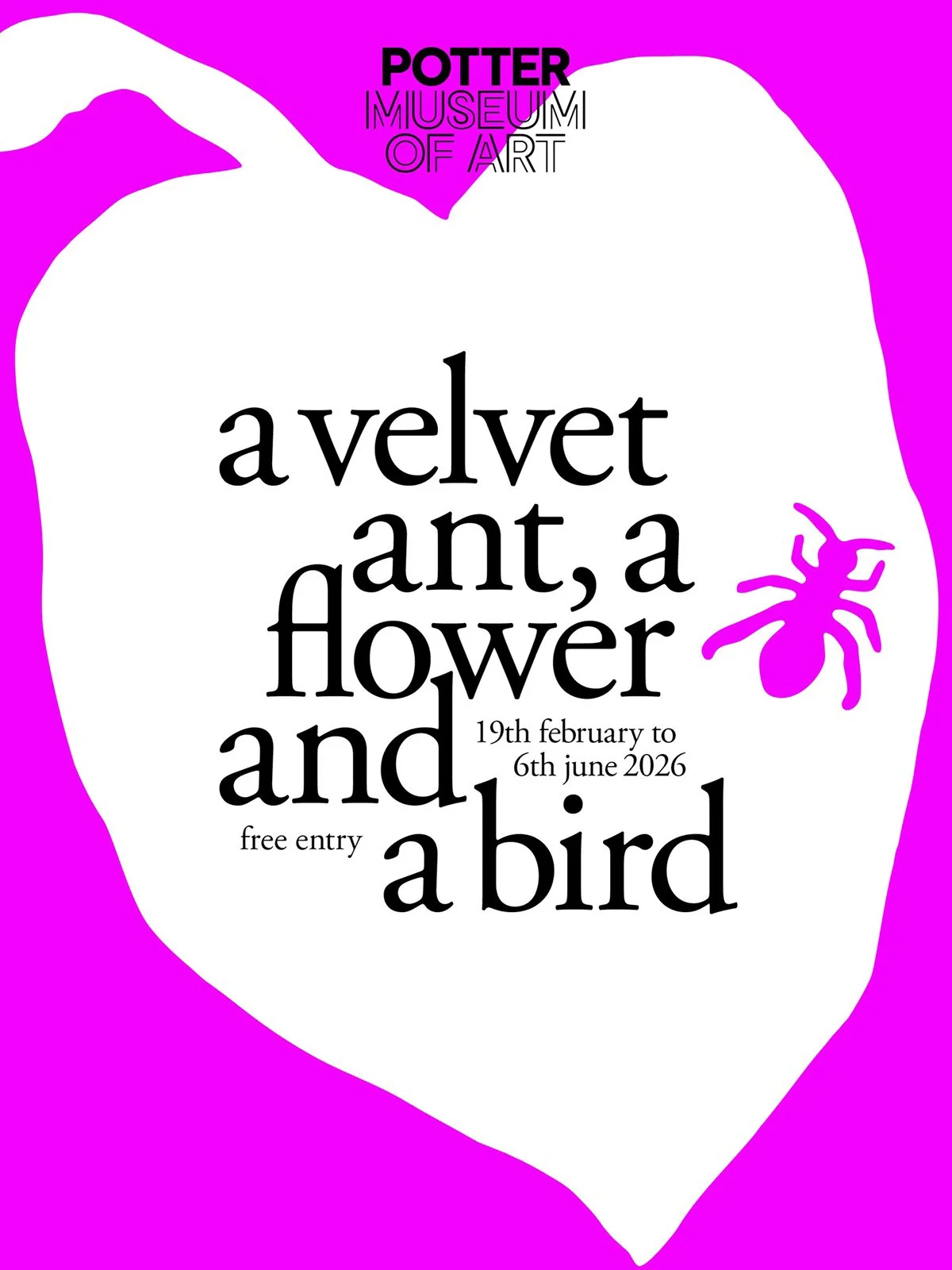
A Velvet ant, a flower and a bird runs until Saturday the 6th of June, 2026.
Related,
A list of some of the reference material we looked at and incorporated
Read ‘Notes from the Underground’ on Fjord Review
Image credit: Installation view of A velvet ant, a flower and a bird, Potter Museum of Art, the University of Melbourne, 2026, featuring Gracia Haby & Louise Jennison’s Specimen 1963. Photograph by Christian Capurro.
